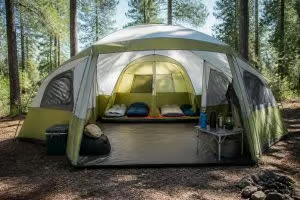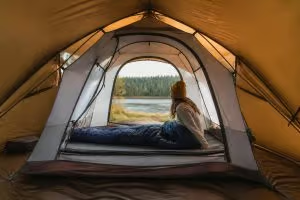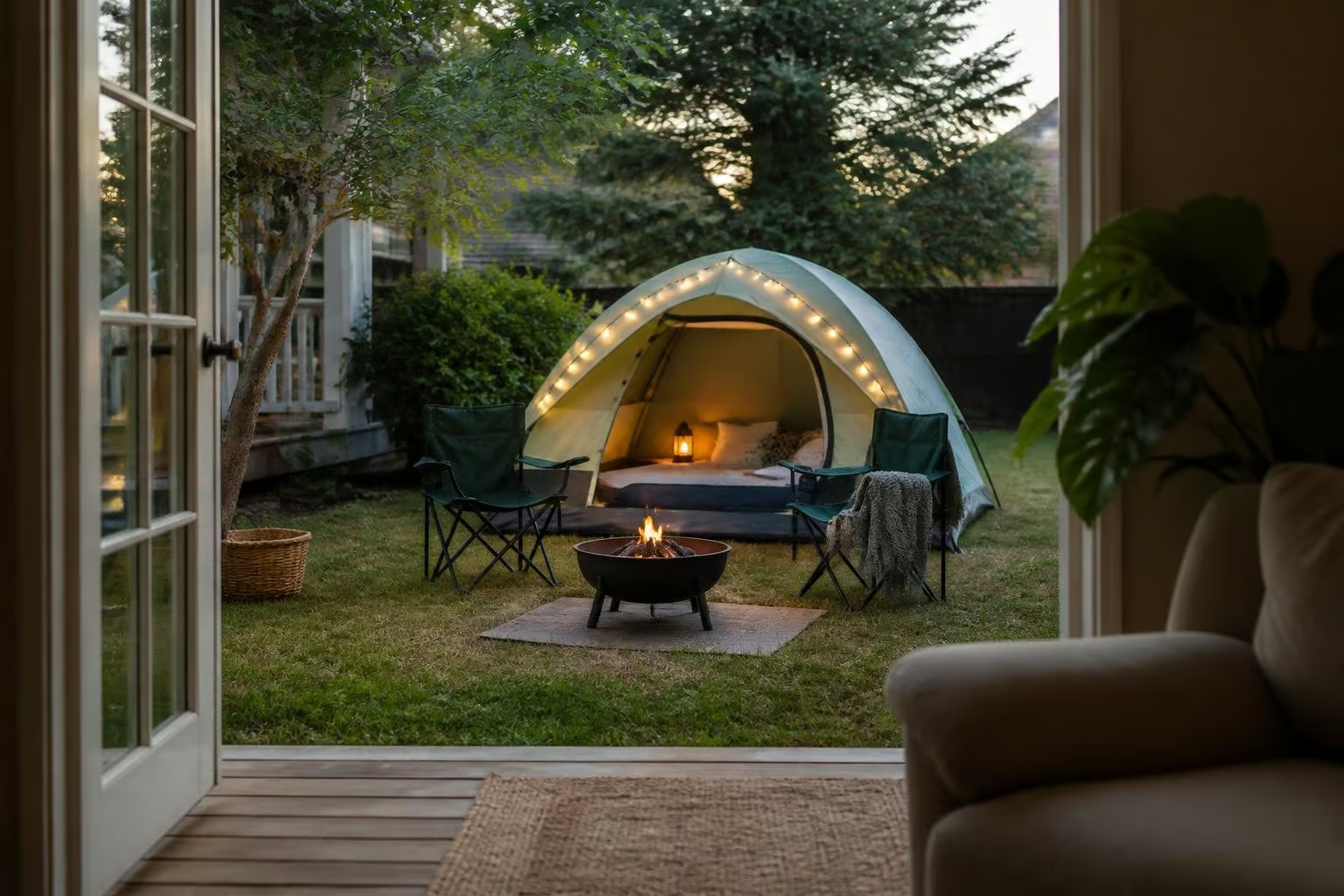
Garden camping transforms your backyard into an accessible outdoor retreat where families can enjoy the camping experience without the travel. A tent for garden camping serves as the perfect introduction to outdoor living, offering children their first taste of sleeping under the stars while remaining close to home comforts. Whether you're testing new camping gear, hosting a unique sleepover, or simply creating weekend adventures, selecting the right tent and understanding proper setup practices ensures a safe, comfortable, and memorable experience right in your own backyard.
Backyard camping has surged in popularity across South Africa and worldwide, driven by families seeking low-cost outdoor experiences and the flexibility to disconnect without extensive travel. A tent for garden camping eliminates many barriers that prevent people from trying traditional camping: no need for remote site reservations, no long drives, and instant access to bathrooms and kitchens if needed.
Garden camping offers unmatched convenience for families with young children, elderly relatives, or anyone testing their outdoor readiness. You control the environment, can retreat indoors if weather turns severe, and have immediate access to forgotten items or emergency supplies.
Key benefits include:
This accessibility makes garden camping an ideal starting point before committing to remote wilderness adventures. The National Park Service trip-planning guide emphasizes the importance of testing gear and building outdoor skills in controlled environments before venturing to backcountry sites.
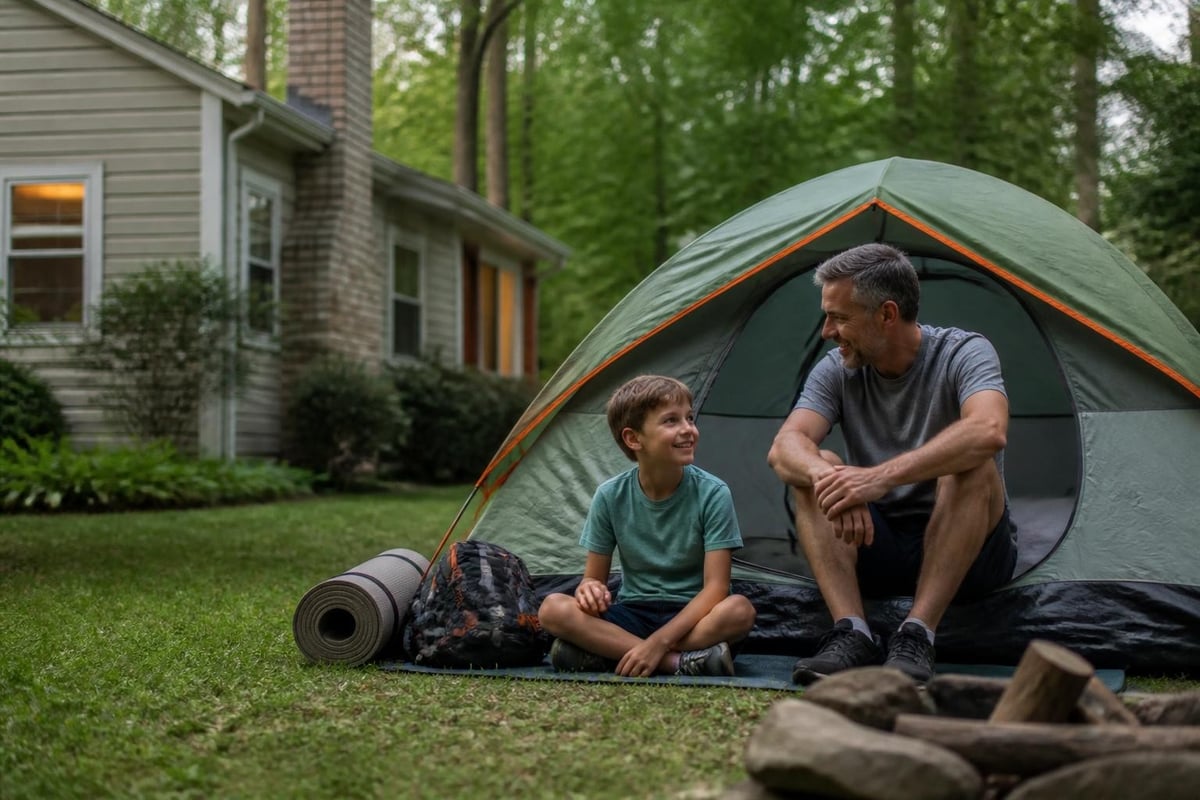
Setting up a tent for garden camping creates powerful learning opportunities for children. They develop problem-solving skills through tent assembly, gain confidence in outdoor sleeping, and learn basic camping safety without the pressure of remote wilderness locations.
Parents appreciate the supervised environment where children can experience independence while remaining within earshot. This controlled adventure builds enthusiasm for future camping trips and fosters a lifelong appreciation for outdoor activities.
Not every tent suits backyard use equally well. While durability matters less than in remote wilderness settings, comfort, ease of setup, and weather protection remain essential considerations. Your choice depends on group size, intended season of use, and whether the tent will serve double duty for traditional camping trips.
Choose a tent that comfortably accommodates your group with extra room for movement and gear storage. Manufacturers rate tents by person capacity, but these numbers assume minimal space per person.
| Tent Capacity | Floor Space | Best For |
|---|---|---|
| 2-person | 2m x 1.5m | Solo adults or one adult with small child |
| 4-person | 2.5m x 2.5m | Two adults with one or two children |
| 6-person | 3m x 3m | Families of four with gear or three adults |
| 8-person | 4m x 3m | Extended family groups or multiple families |
Garden camping allows you to use larger tents comfortably since weight and pack size don't matter. A spacious tent for garden camping enhances comfort during extended periods of rain or hot afternoons when everyone retreats to the shade.
Canvas, polyester, and nylon each offer distinct advantages for garden use. Canvas tents breathe better in warm weather, reducing condensation that plagues synthetic tents during humid South African nights. The 300 GSM ripstop canvas used in quality outdoor shelters provides excellent durability and natural insulation.
Material comparison:
For garden camping in regions with unpredictable weather, prioritize waterproof ratings above 1500mm and sealed seams that prevent moisture intrusion during heavy rainfall.
Garden conditions allow you to choose larger, more complex tent designs that would prove impractical on hiking trips. Dome tents offer excellent stability in wind, while cabin-style tents maximize interior headroom and living space.
Freestanding designs that don't require stakes work well on hard surfaces or lawns where you prefer to minimize ground damage. However, always stake tents properly even in calm conditions, as weather can change rapidly and unanchored tents become hazardous in sudden wind gusts.
Proper site preparation ensures safety, comfort, and minimal impact on your lawn and garden. Take time to assess your space, remove hazards, and create a layout that maximizes the outdoor experience while respecting your property and neighbors.
Select level ground away from low spots where water pools during rain. Inspect the area carefully for rocks, sticks, or hidden irrigation systems that could damage your tent floor or create uncomfortable sleeping surfaces.
Site selection checklist:
Position your tent for garden camping to catch morning sun if you enjoy natural wake-up light, or place it in shade for cooler sleeping during hot seasons. Consider prevailing wind direction and use structures or landscaping as natural windbreaks when possible.
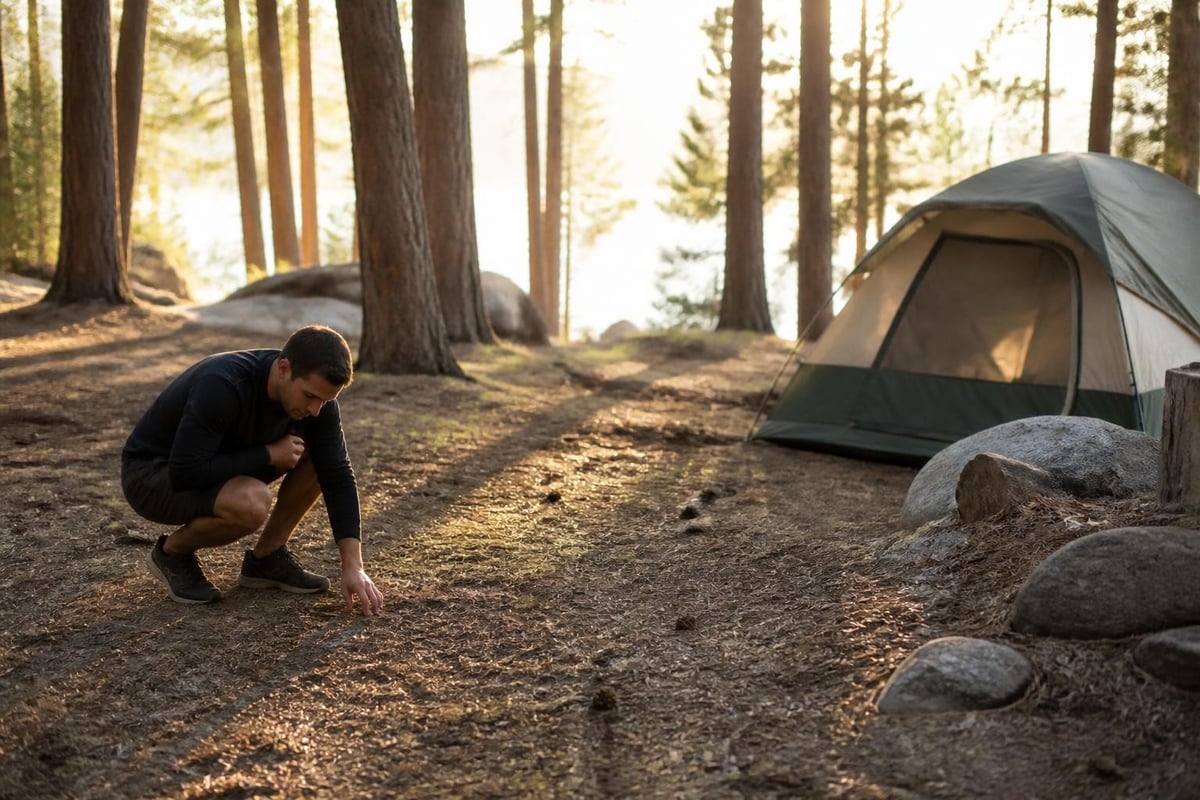
Protect both your tent and lawn by using a ground sheet beneath your shelter. Heavy-duty ground sheet material creates a moisture barrier, prevents abrasion from rough ground, and reduces lawn damage from extended tent placement.
Cut your ground sheet slightly smaller than your tent footprint to prevent water from pooling between the sheet and tent floor during rain. This simple adjustment dramatically improves moisture management.
Layer sleeping pads or air mattresses inside the tent for comfort comparable to indoor sleeping. Garden camping allows you to bring bulkier comfort items since you won't carry them on your back for kilometers.
Even in your protected backyard, proper tent anchoring prevents damage and ensures safety. Sudden storms can generate surprising wind forces that collapse or destroy unsecured tents.
When securing your tent for garden camping, ensure all guy lines connect properly and maintain appropriate tension. Heavy Duty Tent Hooks & Metal Fasteners provide reliable attachment points for guy lines and reinforcement straps, offering superior holding power compared to plastic alternatives when conditions become challenging.
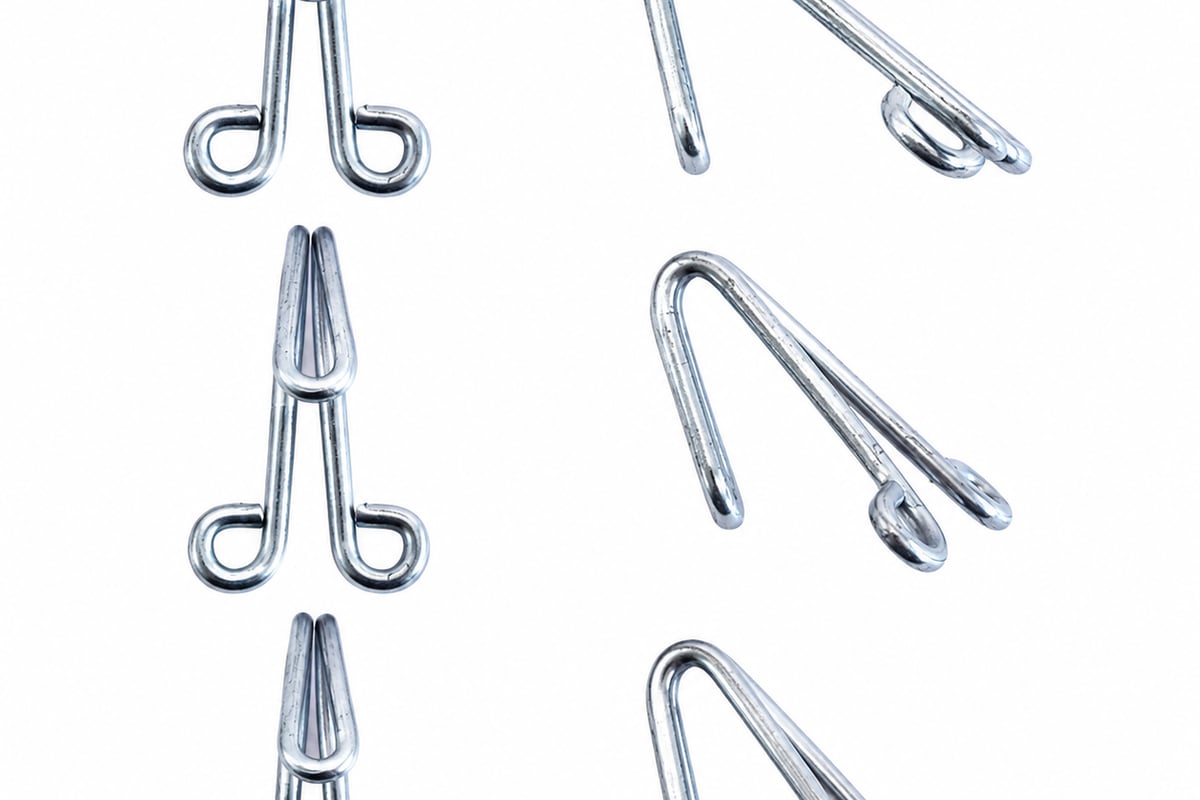
Standard tent stakes work in most garden soils, but rocky or extremely hard ground may require longer stakes or alternative anchoring methods. Always angle stakes away from the tent at 45 degrees for maximum holding strength.
While backyard camping seems inherently safe, specific hazards require attention to prevent injuries, property damage, or neighbor complaints. Understanding fire safety, weather monitoring, and supervision needs protects your family and maintains positive relationships with those around you.
Many families enjoy campfires as part of their garden camping experience, but fires require careful management and awareness of local regulations. Check municipal bylaws regarding open fires in residential areas before lighting any flame.
The EPA’s guidance on backyard recreational fires provides essential information about safe fuel choices and environmental considerations. Always use seasoned hardwood rather than treated lumber, trash, or materials that produce toxic smoke.
Safe campfire practices:
The NFPA’s fire safety recommendations emphasize maintaining clear safety zones and proper supervision, standards that apply equally to garden settings as wilderness campsites.
Garden location doesn't eliminate weather risks. Sudden thunderstorms, high winds, or hail can threaten tent integrity and occupant safety. The National Weather Service lightning safety resources make clear that tents offer zero protection from lightning strikes.
Establish clear protocols for retreating indoors when severe weather approaches. "When thunder roars, go indoors" applies to garden camping as firmly as remote wilderness settings. Modern weather apps provide accurate short-term forecasts and severe weather alerts that allow proactive responses.
Monitor wind speeds and have a plan for securing or dismantling your tent if sustained winds exceed 40 km/h. Properly staked tents for garden camping can withstand moderate winds, but extreme gusts can damage even well-secured shelters.
Garden camping with children requires appropriate supervision balanced against the independence that makes the experience valuable. Establish clear boundaries, communication methods, and emergency procedures before nightfall.
Younger children benefit from adult presence in or very near the tent, while older children may camp independently with regular check-ins. The American Camp Association’s research on camp safety provides evidence-based guidance on age-appropriate supervision and risk management.
Keep mobile phones charged and accessible for emergency communication. Provide flashlights or headlamps for safe nighttime movement, and ensure everyone knows the quickest path to the house if urgent situations arise.
Comfort separates memorable garden camping from miserable nights that discourage future outdoor adventures. Temperature regulation, pest control, and thoughtful amenities transform basic shelter into enjoyable accommodation.
Tent interiors heat rapidly in direct sunlight, creating uncomfortable conditions even during moderate weather. Position your tent for garden camping to maximize morning and evening shade, and open all ventilation panels to promote airflow.
Temperature control strategies:
Canvas tents naturally regulate temperature better than synthetic alternatives, breathing moisture while providing better insulation than single-wall nylon shelters. This characteristic makes canvas particularly suitable for multi-day garden camping during variable weather.
Mosquitoes, ants, and other insects can ruin outdoor sleeping experiences. Prevention works better than mitigation once pests establish themselves in your camping area.
Keep food sealed in containers and never store it inside sleeping areas. Crumbs and spills attract insects and, in some regions, rodents or larger animals. Dispose of waste properly and clean eating areas thoroughly after meals.
| Pest Type | Prevention Method | Treatment Options |
|---|---|---|
| Mosquitoes | Screened tent openings, eliminate standing water | Citronella candles, fans, natural repellents |
| Ants | Food in sealed containers, no eating in tent | Diatomaceous earth barriers, essential oils |
| Flies | Immediate waste removal, covered food | Fly traps, screened areas |
| Spiders | Shake out gear before use, seal tent openings | Regular inspection, gentle relocation |
Position your tent away from wood piles, dense vegetation, and standing water where insect populations concentrate. Battery-powered mosquito repellent devices provide chemical-free protection without the open flames that create fire hazards near tents.
Garden proximity to your home allows creative lighting and power solutions unavailable during remote camping. String battery-powered LED lights inside your tent for ambient illumination that creates cozy atmosphere without fire risk.
Solar-powered lanterns charge during daytime and provide hours of evening light. Position charging panels in sunny spots during setup to ensure full power by nightfall. Modern LED technology delivers impressive brightness from minimal battery consumption.
Consider running weather-resistant extension cords from outdoor outlets for devices requiring consistent power, but ensure all electrical connections remain protected from moisture and positioned safely away from foot traffic.
Garden camping offers unique opportunities for entertainment that blend outdoor adventure with home convenience. Plan activities that maximize the outdoor setting while taking advantage of accessibility to supplies and facilities.
Cooking over fire or portable stoves teaches valuable skills and creates authentic camping atmosphere. Start with simple meals like hot dogs or s'mores before progressing to more complex camp cooking.
Portable gas camping stoves provide reliable cooking heat without fire risk or smoke production that might disturb neighbors. Dutch ovens and cast iron cookware work excellently over controlled camp stoves, producing delicious one-pot meals.
Beginner-friendly camp meal ideas:
Garden camping allows trips to the kitchen for forgotten ingredients or supplies, removing the pressure of perfect planning that wilderness camping demands. This flexibility encourages experimentation and skill development.
Even urban backyards offer surprising opportunities for nature observation. Diminishing light pollution after sunset reveals stars, planets, and satellites crossing the night sky. Download astronomy apps that identify constellations and celestial objects visible from your location.
Garden camping positions you perfectly for observing nocturnal wildlife activity. Birds, bats, insects, and mammals follow different patterns after dark. Patient observation from your tent for garden camping reveals behaviors rarely seen during daylight hours.
Set up your tent where natural features create comfortable observation points. Arrange sleeping bags near mesh windows for stargazing from comfortable positions, eliminating neck strain from extended upward viewing.
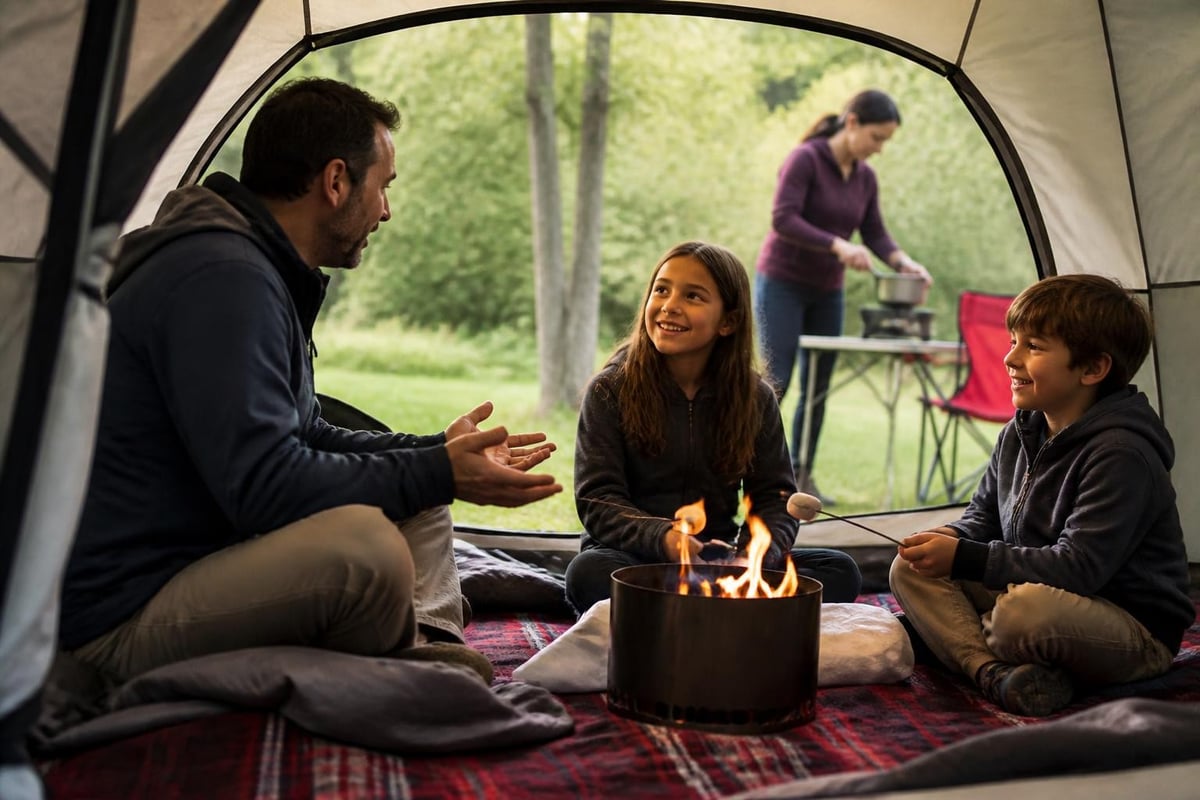
Electronic device-free time during garden camping creates space for meaningful conversation and connection. Storytelling around lantern light builds family bonds and creates lasting memories that transcend the simple act of sleeping outdoors.
Bring books for reading aloud, cards for games, or simply talk about experiences, dreams, and plans. The novel setting encourages different conversation patterns than typical indoor family time.
Older children and teens particularly benefit from screen-free outdoor time that resets attention patterns and reduces digital overstimulation. Garden camping provides this disconnection opportunity while maintaining the safety and comfort that encourages participation.
Proper care extends tent lifespan and ensures readiness for spontaneous camping sessions. Canvas and synthetic materials require different maintenance approaches, but all benefit from regular cleaning and protected storage.
Never store tents wet or damp. Moisture promotes mold, mildew, and material degradation that rapidly destroys even high-quality fabrics. After each garden camping session, allow your tent to dry completely before packing.
Set up your tent for garden camping in a sunny location for several hours to drive out moisture absorbed during overnight use. Open all doors and windows to promote airflow through interior spaces.
Cleaning process:
Canvas tents may require periodic reproofing with quality waterproofing treatments. Follow manufacturer recommendations for specific products and application methods that maintain fabric breathability while restoring water resistance.
Store clean, dry tents loosely packed in breathable bags within climate-controlled spaces. Tight compression and extreme temperatures damage materials over time.
Avoid plastic bins that trap moisture and promote mildew growth. Cotton or mesh storage bags allow continued air circulation that prevents moisture accumulation. Elevate stored tents off concrete floors where condensation and moisture transfer from ground can affect fabrics.
Inspect stored tents periodically for signs of pest damage, particularly if storing in sheds or garages where rodents may access materials. Cedar blocks or lavender sachets naturally deter pests without chemical treatments.
| Season | Maintenance Task | Frequency |
|---|---|---|
| Spring | Full inspection, reproofing if needed | Once annually |
| Summer | Post-use cleaning and drying | After each use |
| Autumn | Seam sealing check, zipper lubrication | Before storage |
| Winter | Storage condition check, pest inspection | Monthly |
Regular maintenance prevents small issues from becoming major problems. Address minor tears, loose seams, and damaged zippers immediately rather than allowing deterioration to progress.
Garden camping doesn't require expensive gear investments. Start with basic equipment and gradually add comfort items as your family's interest and commitment develops.
Focus first on the tent itself, sleeping pads for insulation and comfort, and appropriate sleeping bags for your climate. These three items form the foundation of successful outdoor sleeping.
Minimum viable gear list:
Borrow or rent specialized items before purchasing to confirm your family enjoys garden camping enough to justify investment. Many outdoor retailers and community programs offer equipment rental at reasonable rates.
Home materials substitute effectively for expensive camping-specific items. Blankets and comforters replace sleeping bags in mild weather. Camping pillows cost significantly more than compressible clothes bags stuffed with soft garments.
Create DIY ground cloths from inexpensive tarps or old shower curtains. These disposable barriers protect expensive tent floors from abrasion while costing fraction of purpose-built footprints.
Kitchen supplies already in your home work perfectly for camp cooking. Aluminum foil, basic pots and pans, and simple utensils handle most outdoor meal preparation without specialized camp cookware.
As garden camping becomes regular activity, invest incrementally in quality items that enhance comfort and convenience. Better sleeping pads, improved lighting systems, and cooking equipment worth having make significant differences in enjoyment.
For enthusiasts exploring custom outdoor gear and apparel to enhance their camping experiences, CCN Sport delivers precision-crafted products that combine traditional quality with modern performance materials.
Priority upgrades should focus on items used during every camping session. High-quality sleeping pads deliver value through improved sleep comfort every night you camp. Reliable lighting systems enhance safety and convenience consistently.
Garden camping opens outdoor adventure to families regardless of experience level, budget, or proximity to traditional camping destinations. A properly selected tent for garden camping creates comfortable, safe accommodation that builds confidence, teaches practical skills, and generates memories that inspire future wilderness exploration. Whether you're introducing children to outdoor sleeping, testing new equipment before a major trip, or simply enjoying unique weekend experiences, your backyard offers the perfect training ground for outdoor adventures. Ejenti Outdoor provides the durable tents, quality outdoor fabrics, and reliable camping solutions South African families need to make every garden camping experience comfortable and memorable.