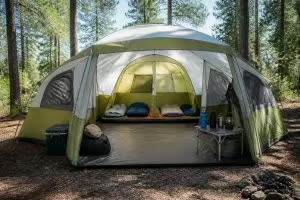
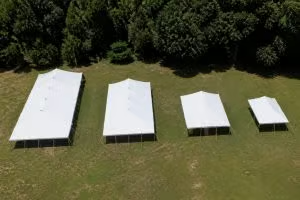
When you think about outdoor shelter, a cloth tent offers a unique combination of breathability, durability, and weather resistance that synthetic materials struggle to match. Whether you're planning a multi-day camping trip, setting up a semi-permanent accommodation site, or organizing an outdoor event, understanding the advantages and characteristics of fabric-based shelters helps you make informed decisions. The resurgence of canvas and heavy-duty textile shelters in 2026 reflects a growing appreciation for materials that perform reliably across seasons while offering superior comfort and longevity.
A cloth tent typically uses natural or blended canvas fabric rather than nylon or polyester. Canvas is traditionally woven from cotton fibers, though modern versions often incorporate polyester blends or specialized treatments to enhance performance. The weave structure of canvas creates microscopic pores that allow moisture vapor to escape while preventing liquid water from penetrating when properly treated.
This breathability represents the most significant advantage over synthetic tents. Inside a synthetic shelter, condensation builds up quickly as body heat and respiration release moisture that cannot escape through the impermeable walls. Canvas naturally regulates this process, creating a more comfortable interior environment even during extended occupation.
Canvas weight is measured in grams per square meter (GSM), with typical tent fabrics ranging from 280 GSM to 600 GSM. Higher GSM ratings indicate thicker, more durable material that offers better tear resistance and weather protection. For permanent or semi-permanent installations, 400-600 GSM canvas provides excellent longevity and can withstand harsh conditions for years.
The trade-off comes in portability. A cloth tent designed for backpacking might use lighter 280-300 GSM canvas to reduce pack weight, while event shelters and base camp structures benefit from heavier fabrics that prioritize durability over mobility.
| Canvas Weight | Primary Use | Durability | Portability |
|---|---|---|---|
| 280-320 GSM | Lightweight camping | Moderate | High |
| 350-400 GSM | General camping, events | Good | Moderate |
| 450-600 GSM | Permanent installations | Excellent | Low |
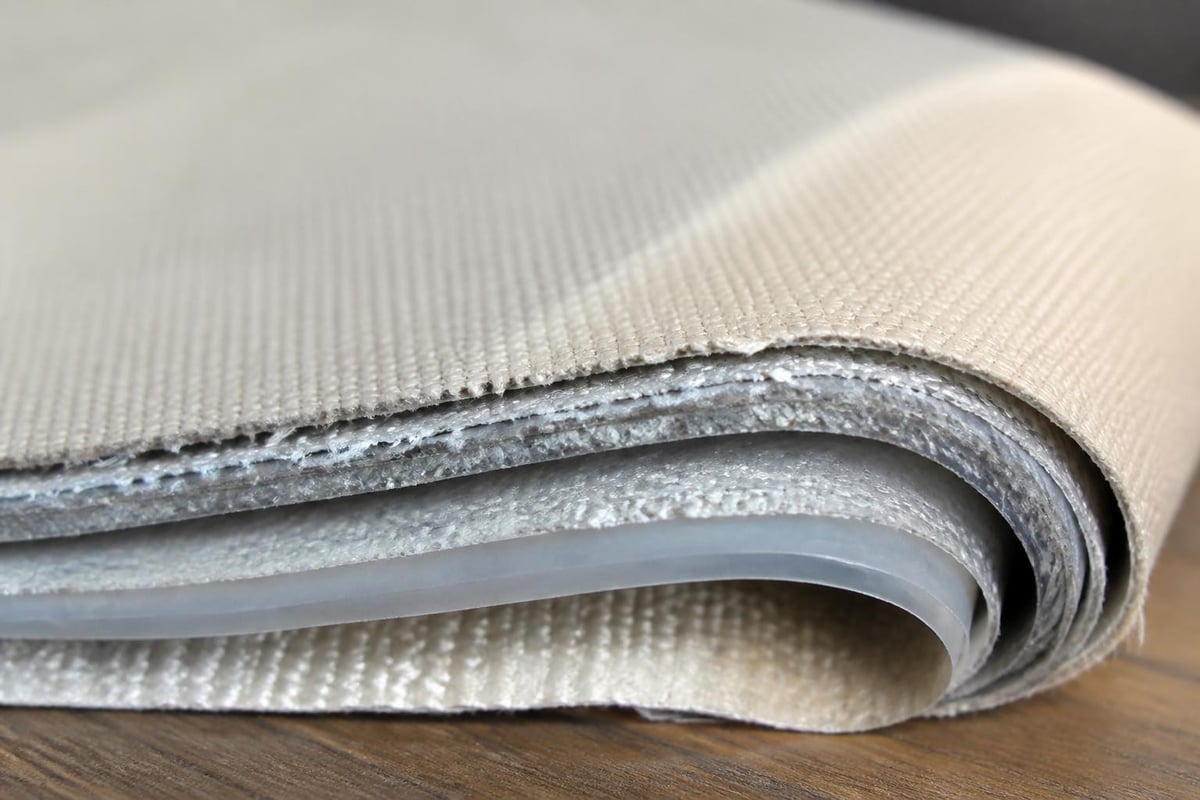
Raw canvas absorbs water, which seems counterintuitive for shelter material. However, this property actually contributes to waterproofing through a process called "wet-swelling." When cotton fibers absorb moisture, they expand and tighten the weave, creating a more effective barrier against rain penetration. Combined with modern waterproofing treatments, this creates robust weather protection.
Contemporary waterproofing treatments include wax-based coatings, silicone impregnation, and acrylic treatments. Each method offers different benefits and maintenance requirements. Wax treatments provide excellent water repellency but require periodic reapplication. Silicone treatments penetrate deeper into the fabric and last longer, while acrylic coatings offer good UV protection alongside water resistance.
Professional-grade waterproofing often involves multiple treatment layers applied during manufacturing. The base fabric receives an initial treatment, followed by seam sealing and potentially additional topical applications. This multi-layer approach ensures water resistance even at stress points where traditional tents commonly fail.
Fire retardancy represents another critical consideration, especially for event use. Many jurisdictions require tents to meet NFPA 701 flame propagation standards for temporary structures. Canvas naturally resists ignition better than synthetic fabrics, and specialized flame-retardant treatments enhance this property without compromising breathability. For events and commercial applications, understanding local fire-prevention requirements ensures compliance and safety.
The performance of a cloth tent depends significantly on its structural design. Traditional A-frame, dome, and bell tent configurations each offer distinct advantages depending on intended use. A-frame designs shed water efficiently and withstand wind when properly oriented, making them ideal for extended camping in variable conditions.
Bell tents provide maximum interior space relative to floor area and create excellent headroom throughout most of the shelter. This design works particularly well for glamping operations and family camping where comfort and livability take priority. The single-pole design simplifies setup while the circular floor plan eliminates the dead space common in rectangular structures.
Modern cloth tents combine traditional canvas with contemporary frame materials. Steel frames offer maximum strength for permanent installations, while aluminum provides an excellent strength-to-weight ratio for portable designs. The frame must distribute tension evenly across the fabric to prevent stress concentration that leads to tearing.
Proper tensioning prevents fabric flutter that accelerates wear and creates noise during windy conditions. Quality designs incorporate multiple adjustment points that allow fine-tuning based on current weather and ground conditions.
One overlooked advantage of a cloth tent is thermal performance across seasons. Canvas provides natural insulation that moderates interior temperatures more effectively than thin synthetic fabrics. During hot weather, the breathable fabric allows heat to escape while the mass of the material prevents rapid temperature spikes. In cold conditions, canvas retains warmth better than synthetic alternatives, creating a more comfortable sleeping environment.
This thermal mass effect becomes particularly noticeable during shoulder seasons when daytime temperatures soar but nights drop significantly. A quality canvas shelter moderates these extremes, maintaining more stable interior conditions throughout the 24-hour cycle.
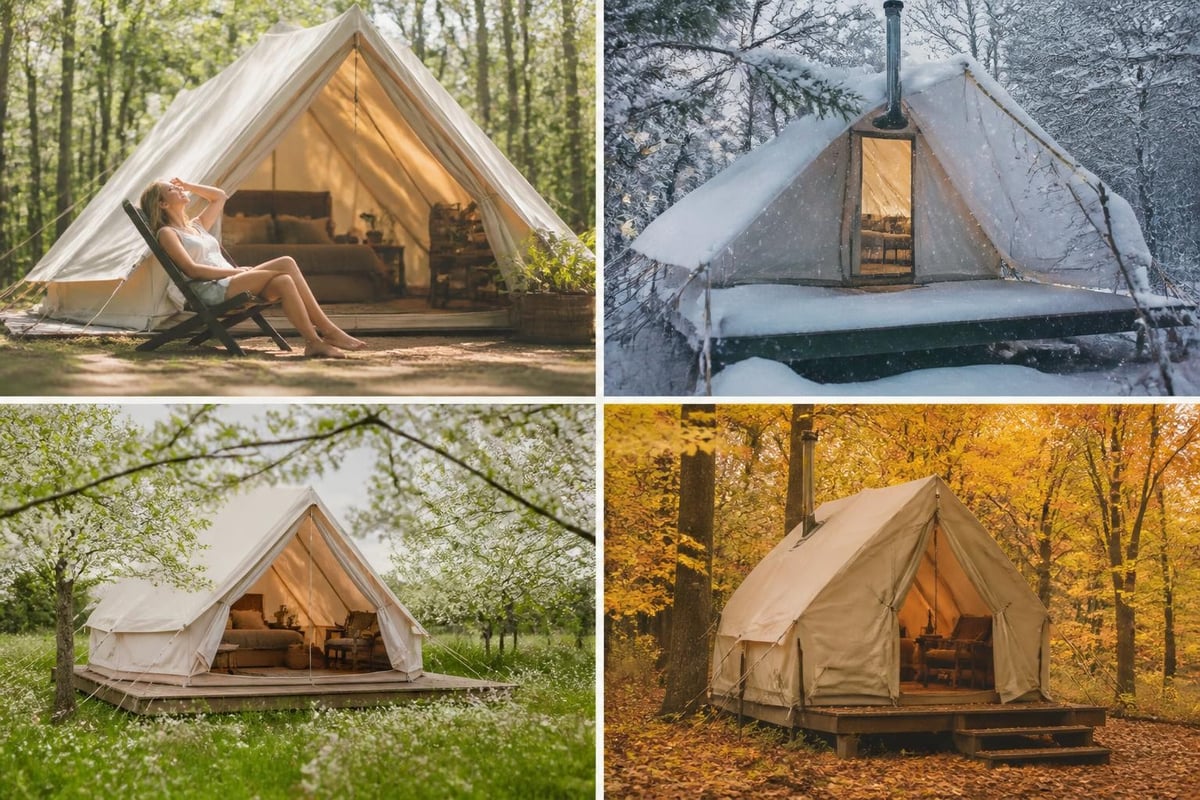
Effective ventilation systems distinguish excellent cloth tents from mediocre ones. Multiple ventilation points allow cross-flow that purges moisture and maintains air quality. Mesh panels protected by storm flaps provide adjustable airflow while maintaining weather protection. Floor-level vents combined with roof-peak exhausts create natural convection that moves air continuously even without wind.
For extended stays or semi-permanent installations, consider designs that incorporate screened windows with zip-down storm covers. This configuration maximizes comfort during fair weather while offering complete weather protection when conditions deteriorate. The ability to seal the shelter completely proves essential during heavy rain or dust storms, while full ventilation capability prevents condensation and stuffiness.
Proper maintenance transforms a cloth tent from a seasonal purchase into a multi-decade investment. Canvas requires more care than synthetic fabrics, but the durability payoff justifies the effort. The three pillars of canvas maintenance are cleaning, drying, and storage. Each requires attention to prevent the primary enemies of fabric shelters: mold, mildew, and UV degradation.
Cleaning protocols: Remove dirt and organic debris promptly using soft brushes and mild soap solutions. Avoid harsh detergents that strip waterproofing treatments or damage fiber integrity. For stubborn stains, specialized canvas cleaners provide effective removal without compromising fabric treatments. Always rinse thoroughly to prevent soap residue that attracts dirt.
Drying procedures: Never store a cloth tent while damp. Even minor moisture content creates ideal conditions for mold growth that permanently damages fabric and creates health hazards. After use in wet conditions, deploy the tent in a dry location until completely dry, or if necessary, dry it at home before packing for long-term storage.
Seasonal reproofing maintains water resistance as treatments gradually degrade from UV exposure and mechanical wear. Most canvas shelters benefit from treatment renewal every 2-3 years depending on usage intensity. For those looking to protect their investment long-term, proper care techniques make all the difference in performance and longevity.
Canvas shelters have served humans for centuries, with documented military and exploration use dating back hundreds of years. The Ghost Army’s tactical canvas deployments during World War II demonstrated the material's versatility beyond simple shelter. Modern applications extend from recreational camping to humanitarian relief operations where durability and reliability prove essential.
In 2026, the cloth tent market serves diverse needs ranging from ultralight hiking shelters to elaborate glamping accommodations. Safari operations across Africa rely heavily on canvas structures that withstand intense UV exposure, seasonal rains, and wildlife encounters while providing comfortable guest accommodations. The material's proven track record in demanding environments continues to drive adoption across sectors.
Event organizers increasingly specify canvas structures for markets, festivals, and outdoor gatherings. The professional appearance and superior weather protection justify the higher initial investment compared to basic polyester gazebos. Canvas structures maintain interior comfort during multi-day events, reducing the need for supplementary cooling or heating equipment.
When planning outdoor events that require reliable coverage, professional-grade solutions like the 5m x 10m PVC Marquee Tent Heavy Duty Waterproof Event Tent provide the space and protection needed for successful gatherings. These purpose-built structures combine weather resistance with practical capacity for various event types.
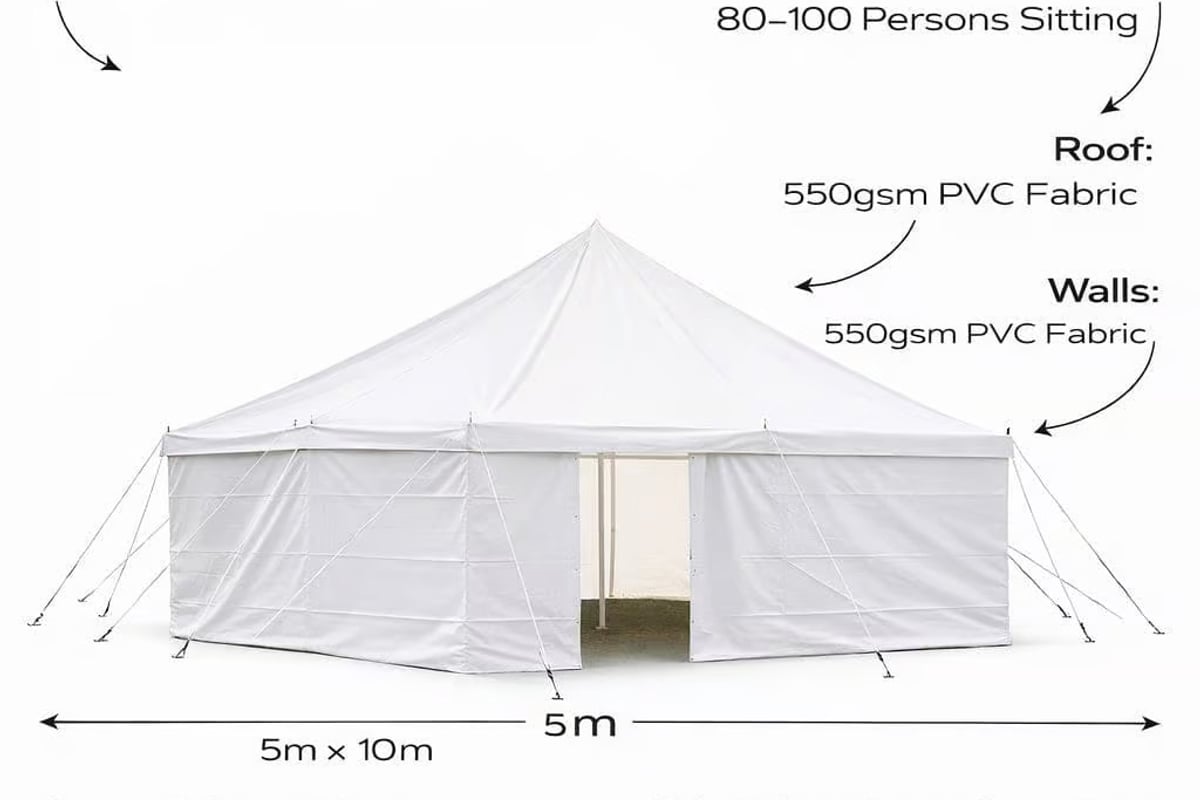
Selecting appropriate dimensions requires careful consideration of intended use and occupant count. Manufacturer capacity ratings typically assume minimal gear and close sleeping arrangements. For realistic comfort, add 20-30% to stated capacity or select based on actual floor area needs. A "four-person" tent often accommodates two adults with gear more comfortably than four people.
Floor dimensions matter more than peak height for sleeping comfort, while peak height determines livability during waking hours. Tents designed for extended stays benefit from generous height specifications that allow standing and movement without stooping. Weekend camping can compromise on height to reduce weight and setup complexity.
| Tent Size | Floor Area | Realistic Capacity | Best Use |
|---|---|---|---|
| 2-person | 2.5-3m² | 1 adult + gear | Solo camping, lightweight |
| 4-person | 4-5m² | 2 adults + gear | Couples, weekend trips |
| 6-person | 7-9m² | 4 adults or family | Base camping, extended stays |
| 8+ person | 10m²+ | 6+ adults | Group camping, events |
Consider ceiling height in relation to your tallest occupant. A cloth tent with 180cm peak height forces most adults to crouch, while 200cm+ allows comfortable movement and standing. For base camps and semi-permanent installations, prioritize generous dimensions that enhance livability during extended occupation.
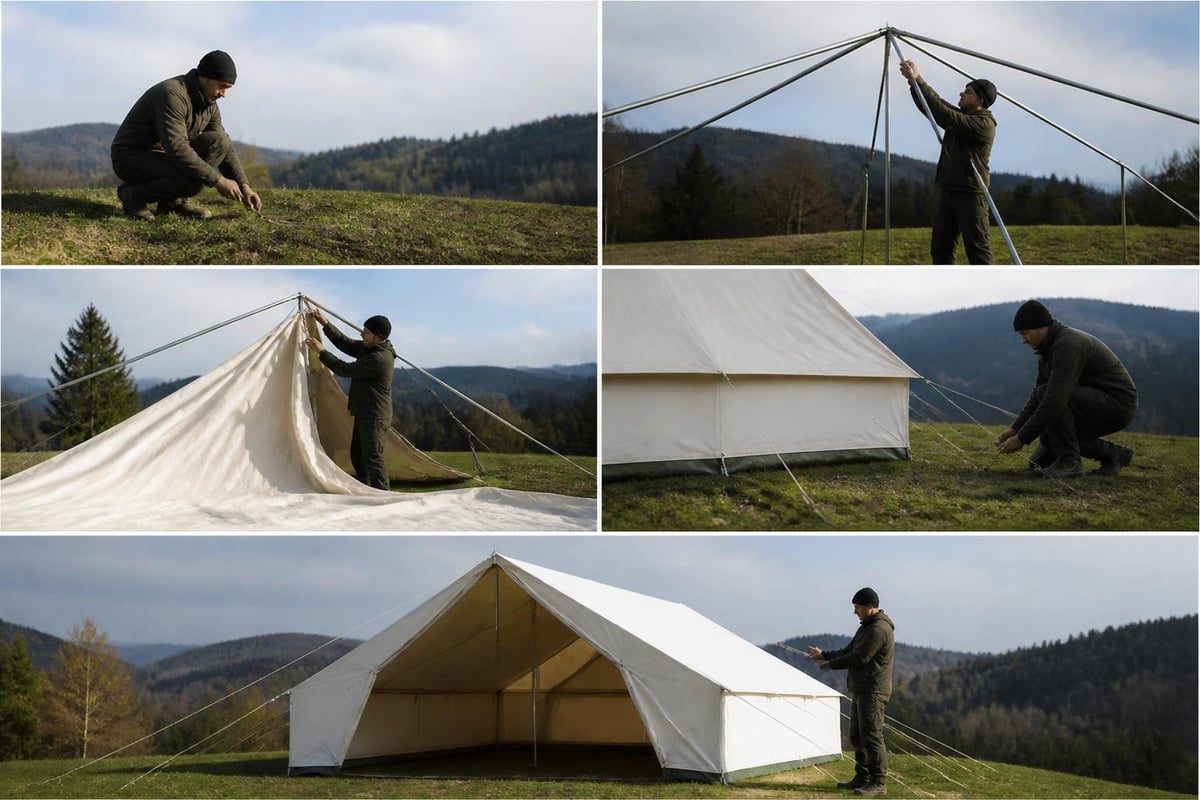
Proper anchoring determines whether your cloth tent withstands challenging weather or fails catastrophically. The weight and wind profile of canvas require robust staking systems that exceed the minimal pegs supplied with lightweight synthetic tents. Steel stakes driven 30-40cm into firm ground provide reliable holding power, while specialized anchors address sandy, rocky, or frozen ground conditions.
Ground preparation begins with site selection. Choose level terrain with good drainage to prevent pooling under the tent floor. Remove rocks, sticks, and debris that could puncture groundsheets or create uncomfortable sleeping surfaces. Consider prevailing wind direction and position the tent to present minimal profile to dominant winds while maximizing ventilation.
Rock anchors: In areas where ground penetration is impossible, weighted rock anchors or sandbags secure guy lines effectively. Calculate appropriate weight based on tent size and expected wind loads. As a general guideline, each anchor point requires 10-15kg of weight for moderate wind conditions.
Guy line configuration: Proper angle and tension distribution prevent single-point failures. Guy lines should extend at 45-60 degree angles from attachment points, creating stable triangulation. Adjust tension evenly across all points to prevent stress concentration on individual stakes or fabric attachment points.
Weather-responsive adjustments maintain optimal performance as conditions change. Loosen guy lines slightly during rain to accommodate fabric expansion from moisture absorption. Tighten all lines before anticipated wind to prevent flutter and ensure maximum stability. Regular inspection during extended deployments identifies developing issues before they cause damage.
Initial purchase price for a quality cloth tent exceeds synthetic alternatives significantly. However, lifespan and performance differences justify the premium for users who value durability and comfort. A well-maintained canvas tent provides 10-20 years of reliable service, while budget synthetic options typically require replacement every 2-4 years.
Calculate total cost of ownership by dividing purchase price by expected service life, then factoring in maintenance costs. A $1,200 canvas tent used for 15 years costs $80 annually, while a $300 synthetic tent replaced every 3 years averages $100 annually with inferior performance throughout its shorter life.
Beyond pure economics, the user experience advantages of cloth tents create value difficult to quantify. Superior comfort from better temperature regulation and condensation control enhances every camping trip. Quieter operation during wind eliminates the intrusive flapping that disrupts sleep in synthetic shelters. The substantial feel and professional appearance of canvas elevates the entire outdoor experience.
For commercial operators running safari camps or glamping operations, guest satisfaction directly correlates with accommodation quality. Canvas shelters create premium experiences that command higher rates while minimizing replacement costs through extended service life. The business case becomes compelling when occupancy rates and customer reviews reflect superior shelter quality.
Commercial use of fabric structures requires compliance with building codes, fire safety regulations, and temporary structure permits. Requirements vary by jurisdiction but commonly reference standards established by organizations like NFPA. Understanding applicable regulations prevents costly violations and ensures occupant safety.
State fire marshal guidelines detail testing requirements and certification processes for tent fabrics used in commercial applications. Compliance documentation proves essential when obtaining permits for events, temporary accommodations, or semi-permanent installations. Maintain copies of all certifications and test results for inspection purposes.
Recreational camping on private property typically requires no special permits, though some jurisdictions regulate temporary structures exceeding specific size thresholds. Commercial operations need business licenses, safety inspections, and potentially environmental permits depending on location and impact. Event organizers must coordinate with local authorities regarding crowd capacity, fire safety, and emergency access.
Before investing in commercial cloth tent installations, research applicable regulations thoroughly. Building code officials, fire marshals, and business licensing departments provide guidance specific to your location and intended use. Early consultation prevents expensive retrofits or operational delays caused by compliance issues discovered late in the planning process.
Modern manufacturers offer extensive customization that tailors cloth tents to specific requirements. Custom sizing, additional windows, interior dividers, and specialized entry configurations adapt basic designs to unique needs. For commercial operations, branding opportunities include printed logos, custom colors, and architectural details that enhance professional appearance.
Advanced features available on premium models include:
When specifying custom features, consider long-term needs rather than immediate requirements. Adding features later often proves difficult or impossible, while unused capabilities built into the original design cost little and preserve future flexibility. For those exploring comprehensive outdoor shelter solutions, understanding the full range of available customizations helps identify options that enhance functionality.
Canvas production and disposal create different environmental impacts than synthetic alternatives. Natural cotton fibers biodegrade completely, while polyester and nylon persist for decades in landfills. However, cotton cultivation requires significant water and pesticide inputs that create upstream environmental costs. Balanced evaluation considers the entire lifecycle from raw material production through end-of-life disposal.
Longevity represents the strongest environmental argument for cloth tents. Extended service life reduces replacement frequency and associated manufacturing impacts. A 15-year canvas tent replacement cycle creates far less environmental burden than purchasing new synthetic shelters every few years, despite higher initial resource inputs.
Canvas accepts repairs more readily than synthetic fabrics, extending useful life beyond the point where synthetic shelters become unrepairable. Small tears and worn areas respond well to patch repairs using similar fabric and appropriate adhesives. Professional canvas repair services restore heavily damaged shelters to serviceable condition at costs far below replacement.
At end of service life, canvas finds second uses in applications tolerant of reduced weather resistance. Repurposed tent fabric serves as tarps, ground covers, or raw material for other textile projects. This cascading use pattern maximizes resource efficiency while minimizing waste streams.
Understanding the unique characteristics and performance advantages of a cloth tent helps outdoor enthusiasts and commercial operators make informed shelter decisions that balance initial investment against long-term value and performance. Whether you're planning weekend camping trips, establishing a base camp for extended expeditions, or developing commercial outdoor accommodations, canvas shelters offer durability, comfort, and reliability that synthetic alternatives struggle to match. For South African conditions where intense UV, seasonal rains, and demanding use require proven performance, Ejenti Outdoor provides expertly manufactured canvas tents and outdoor solutions designed specifically for local environments and backed by deep understanding of what makes fabric shelters perform reliably year after year.