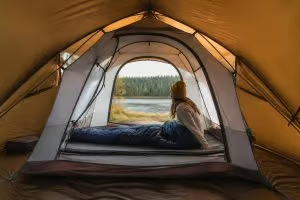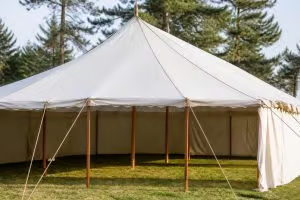

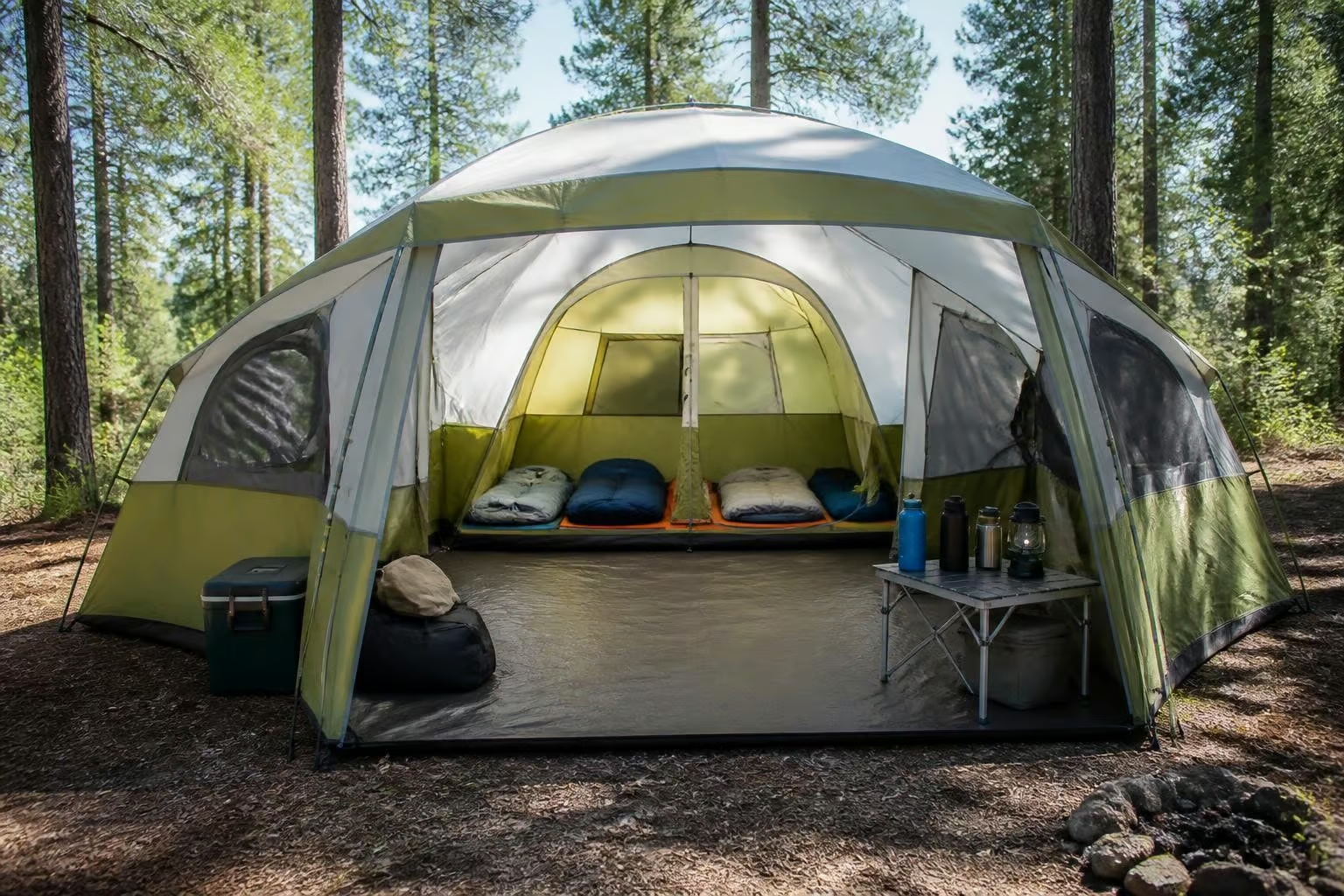
Planning a family camping trip or group adventure requires careful consideration of your shelter options. A 6 person camping tent offers the ideal balance between spacious accommodation and practical portability for multi-day outdoor excursions. Whether you're setting up at a designated campsite or venturing into remote terrain, understanding the features, capacity, and setup requirements of these larger tents will help you make an informed decision that serves your outdoor needs for years to come.
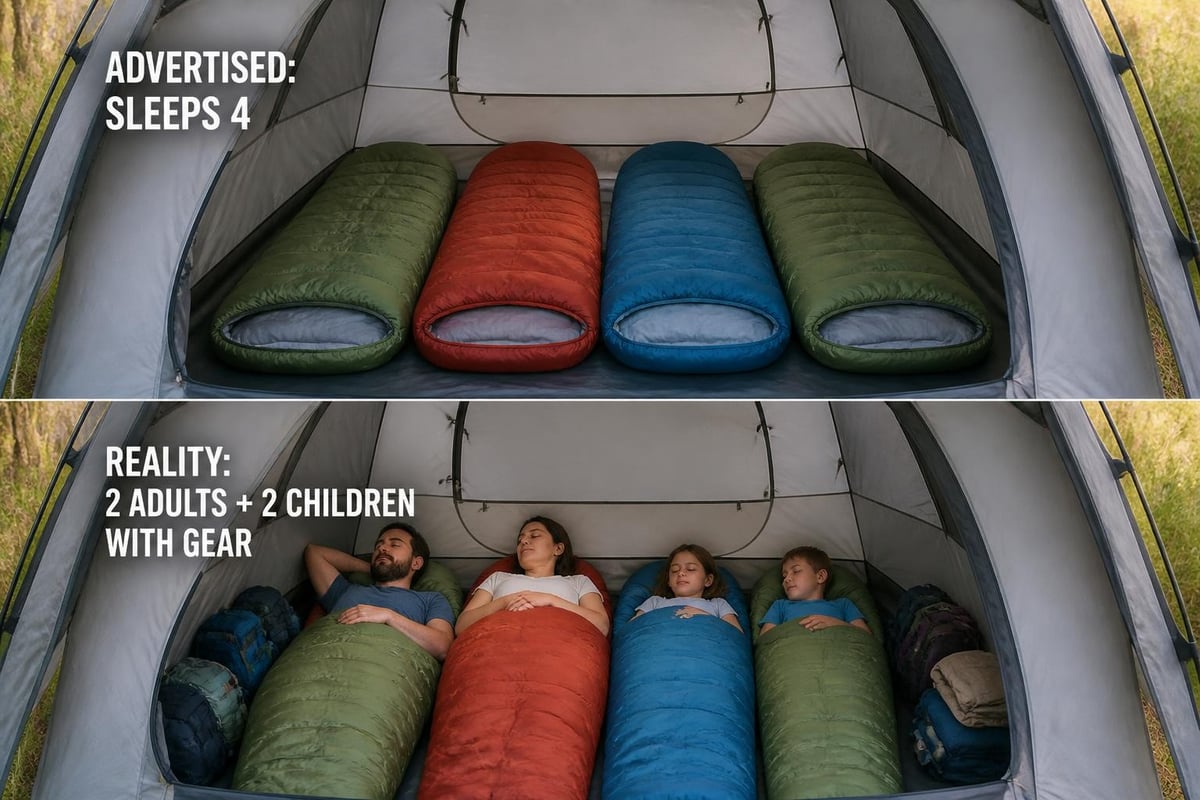
The advertised capacity of a 6 person camping tent rarely matches real-world comfort levels. Manufacturers calculate tent capacity by measuring how many standard sleeping pads can fit side-by-side on the floor, leaving no room for gear, movement, or personal space.
For comfortable camping with adequate space for bags, equipment, and movement, a 6 person camping tent realistically accommodates four adults comfortably. Families with young children will find the space more generous, as children require less floor area than adults.
Here's a practical breakdown of realistic capacity:
The extra floor area in a 6 person camping tent becomes invaluable during extended trips or inclement weather when you need to store wet gear, prepare meals inside a vestibule, or simply move around without disturbing sleeping companions.
Not all large tents are created equal. The construction quality, material selection, and design features separate weekend-use shelters from expedition-grade equipment.
Frame construction determines stability and longevity. Look for color-coded aluminum or fiberglass poles with shock-cord connections that simplify setup. Premium models feature DAC aluminum poles known for strength-to-weight ratio and durability under stress.
Floor bathtub design extends waterproof material 6-8 inches up the tent walls, creating a sealed barrier against ground moisture. This construction proves critical during heavy rain or when camping on damp terrain.
| Feature Category | Budget Option | Premium Option | Impact on Performance |
|---|---|---|---|
| Pole Material | Fiberglass | DAC Aluminum | Weight, durability, flex response |
| Fabric Weight | 68D polyester | 210D ripstop | Tear resistance, longevity |
| Waterproof Rating | 1500mm | 3000mm+ | Weather protection capability |
| Vestibule Count | 1 small | 2 large | Gear storage, cooking space |
South African camping conditions demand specific features. The intense sun, sudden storms, and temperature variations across regions require thoughtful tent selection. Canvas tents offer superior breathability and temperature regulation compared to synthetic alternatives, making them ideal for multi-day trips in variable conditions.
Ventilation systems with adjustable vents at multiple heights create airflow that reduces condensation buildup. Cross-ventilation becomes essential during humid coastal camping or warm summer nights when interior moisture accumulates rapidly.
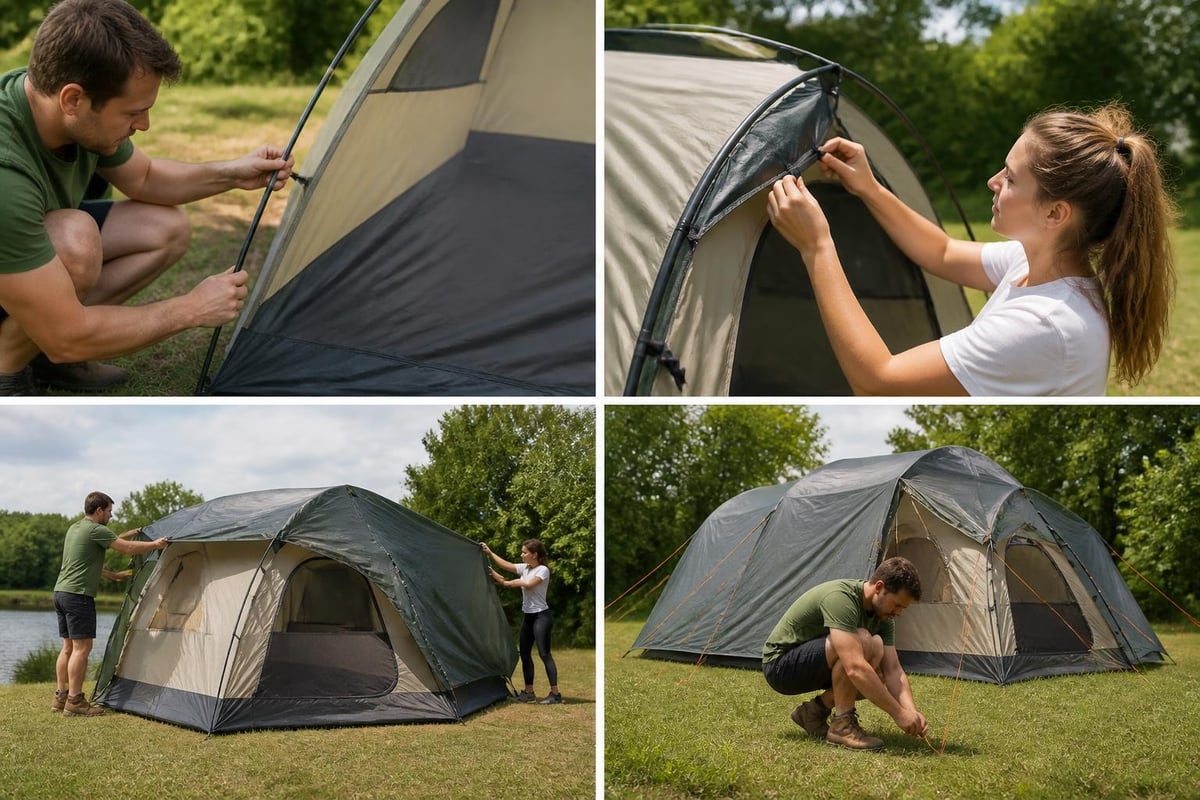
The size and complexity of a 6 person camping tent requires systematic setup procedures. Rushed or improper installation compromises weather protection and structural integrity.
The National Park Service provides detailed guidance on selecting appropriate campsites that minimize environmental impact while maximizing shelter effectiveness.
Modern 6 person camping tent designs typically use clip-and-pole or sleeve systems. Clip systems attach faster but may feel less stable in high winds, while sleeve systems provide superior wind resistance at the cost of longer setup time.
Two-person setup dramatically simplifies the process. One person can thread poles while another positions the tent body and manages guy lines. Solo setup remains possible but requires patience and careful sequencing.
Weather considerations during setup:
The fabric composition of your 6 person camping tent determines its performance across different environments and seasons. Understanding material properties helps match tent selection to your specific use cases.
Polyester remains the most common tent fabric due to cost-effectiveness and decent UV resistance. However, polyester stretches when wet and requires higher waterproof ratings to compensate for this characteristic.
Nylon offers excellent tear strength and packs smaller than comparable polyester but degrades faster under UV exposure. Silicone-treated nylon (silnylon) provides superior waterproofing while maintaining lightweight properties.
Canvas or ripstop canvas excels in durability and breathability. These natural-fiber or hybrid materials regulate temperature better than synthetics, resist UV degradation, and maintain structural integrity across years of use. The trade-off comes in weight and pack size.
Hydrostatic head measurements indicate how much water pressure fabric withstands before leaking. A 6 person camping tent should feature minimum ratings of:
Seam sealing quality matters as much as fabric ratings. Factory-sealed seams with waterproof tape outlast field-applied seam sealer. Inspect all seams before first use and reapply sealer annually for tents used frequently.
For guidance on tent capacity and seasonal ratings, Backpacker magazine offers comprehensive testing criteria that help consumers evaluate manufacturer claims against real-world performance.
Interior moisture buildup represents one of the most common complaints about larger tents. A 6 person camping tent with four occupants generates significant humidity through breathing, body heat, and damp gear.
Quality designs incorporate multiple ventilation points working together:
Interior mesh pockets and gear lofts keep equipment off the floor and promote air circulation underneath stored items. This seemingly minor detail significantly reduces moisture accumulation on gear and sleeping bags.
Coastal humidity requires maximum ventilation. Open all vents and consider partially rolling back the rainfly on calm nights to increase airflow. Mountain environments with cooler temperatures and lower humidity allow more conservative vent settings.
During rain, strategic vent positioning becomes critical. Keep leeward vents open while closing windward openings to prevent rain entry while maintaining some airflow.
The practical aspects of owning a 6 person camping tent extend beyond campsite use. Proper care during storage and transport protects your investment and ensures reliable performance.
Expect a packed weight between 6-12 kg for most models. This weight splits naturally among multiple hikers, but car camping remains the primary use case for tents this size. Some manufacturers separate tent body, poles, and fly into individual bags for easier load distribution.
Compression stuff sacks reduce pack volume but may stress fabric and coatings over time. Mesh storage bags allow the tent to breathe during storage, preventing mildew and extending fabric life.
Never store a tent wet or even slightly damp. Mildew damage occurs quickly and permanently degrades fabric strength and waterproof coatings.
Temperature-controlled storage prevents fabric degradation. Extreme heat in garages or storage sheds accelerates UV damage and coating breakdown even when the tent is packed away.
A 6 person camping tent serves as the foundation for a complete camp system. Strategic accessories enhance functionality and comfort.
Footprints or groundsheets protect the tent floor from abrasion and punctures. Custom-fit footprints designed for specific tent models offer precise coverage, while general-purpose tarps cost less but require careful sizing and positioning.
For extended trips or semi-permanent setups, quality materials make a significant difference. Outdoor fabrics designed for South African conditions provide durability that matches the demanding environment, whether you're dealing with intense sun in the Karoo or coastal moisture along the Garden Route.
Gear lofts and organizers transform interior space management. Hanging storage keeps headlamps, phones, and small items accessible while freeing floor space. Multiple interior pockets sewn into quality tents provide built-in organization.
Vestibules function as crucial transition zones between outside and interior. Two-door designs with dual vestibules create separate entry points for different groups, reducing congestion during busy morning routines.
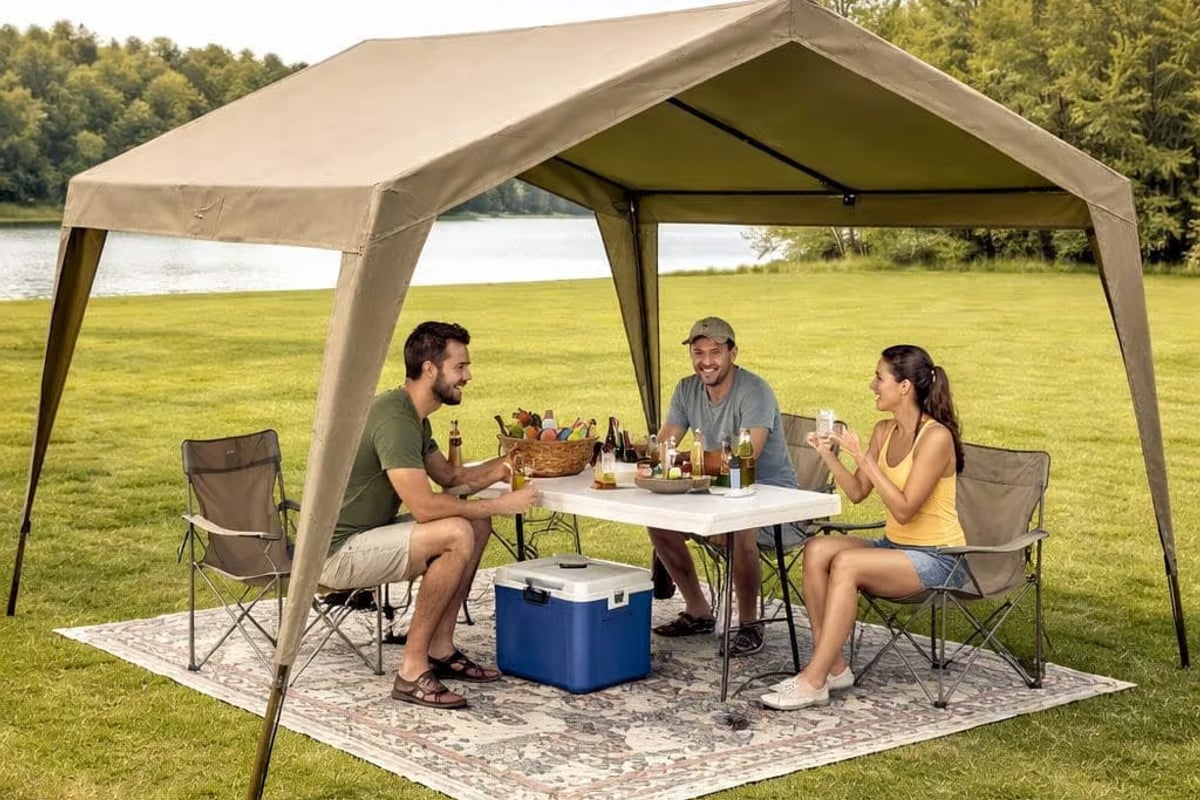
Adding a separate dining or cooking shelter enhances camp comfort. A lightweight canopy positioned near the tent door provides weather protection for meal preparation without introducing cooking moisture and odors into sleeping quarters. The Canvas Gazebo Heavy Duty Waterproof Ripstop Gazebo offers excellent weather protection and creates comfortable communal space that complements your sleeping tent.
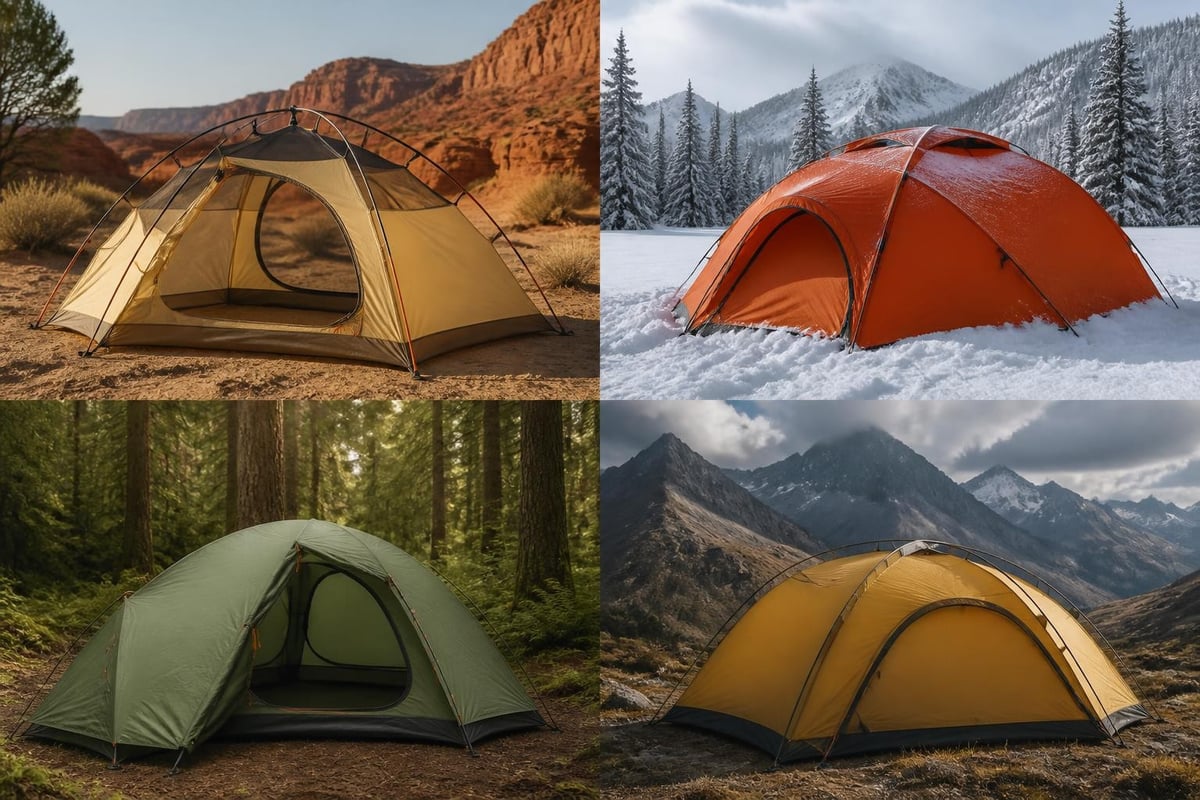
A 6 person camping tent designed for three-season use handles spring through autumn conditions but lacks the features necessary for winter camping. Understanding seasonal classifications helps match equipment to planned trips.
Three-season tents prioritize ventilation, lighter weight, and bug protection. They handle moderate wind and rain but struggle with heavy snow loads or extreme cold. The increased mesh area that makes them comfortable in warm weather becomes a liability when temperatures drop.
Four-season or expedition tents feature reinforced poles, minimal mesh, and geodesic designs that shed wind and snow. The reduced ventilation and increased weight make them uncomfortable choices for summer camping.
| Season | Temperature Range | Precipitation Type | Recommended Features |
|---|---|---|---|
| Spring | 5-20°C | Rain, occasional frost | Robust waterproofing, ventilation |
| Summer | 15-35°C | Thunderstorms | Maximum mesh, strong wind resistance |
| Autumn | 0-18°C | Rain, wind | Insulation compatibility, wind stability |
| Winter | -10 to 10°C | Snow, ice | Reinforced structure, minimal mesh |
Camping in the Drakensberg demands different tent specifications than coastal KwaZulu-Natal. Mountain environments require superior wind resistance and cooler-weather features, while coastal areas prioritize ventilation and moisture management.
The National Weather Service provides essential guidance on checking forecasts and preparing for rapidly changing conditions, particularly relevant in South Africa's diverse climate zones.
Interior Karoo camping faces extreme temperature swings between day and night. A 6 person camping tent in this environment benefits from thick fabric that moderates temperature changes and maintains comfortable interior conditions across wide daily variations.
Budget considerations significantly influence tent selection, but understanding where manufacturers cut costs helps identify acceptable compromises versus deal-breaking limitations.
Tents under R2000 typically use cheaper materials and simplified construction. Expect thinner fabrics, basic waterproof coatings, fiberglass poles, and minimal features. These options suit occasional use at established campgrounds with shelter facilities nearby.
Compromises to expect:
The R3000-R6000 bracket represents optimal value for regular campers. Manufacturers at this price point use quality materials, proven designs, and reliable construction without exotic features or ultra-premium components.
These tents deliver 5-7 years of regular use when properly maintained. Better pole systems, comprehensive rainfly coverage, functional vestibules, and thoughtful interior design justify the price increase over budget models.
Above R8000, you're paying for specialized features, exotic materials, or brand prestige. Ultralight fabrics, advanced pole systems, modular designs, and expedition-grade construction appear at this tier.
For guidance on selecting among the many available options, TruePicked’s comprehensive family tent guide synthesizes user reviews and testing data across multiple price points and use cases.
A 6 person camping tent represents your primary shelter during outdoor adventures. Understanding safety features and emergency procedures ensures this shelter protects occupants effectively.
Guy lines and stake systems provide critical stability during wind events. Quality tents include reflective guy lines that remain visible at night, preventing trip hazards while improving visibility in emergency situations.
Lightning safety requires understanding that tents provide no electrical protection. During thunderstorms, avoid contact with tent poles, move away from tall trees, and follow established lightning safety protocols. Never assume your tent offers any protection from electrical strikes.
Inspect these components regularly throughout trips:
Emergency repairs require specific supplies. Tent-specific repair kits should include:
The internal architecture of a 6 person camping tent dramatically affects livability and setup requirements. Each design philosophy offers distinct advantages and limitations.
Dome structures use crossing poles to create freestanding shelters with good wind resistance and efficient interior space. The curved walls shed wind and rain effectively while providing decent headroom at center. However, sloping walls reduce usable floor space near perimeter.
Best for: Exposed sites, windy conditions, frequent moves
Limitations: Reduced vertical walls, less interior organization
Cabin tents feature nearly vertical walls that maximize usable floor space and headroom. Multiple rooms become possible in larger cabin designs, creating separate sleeping and living areas. The trade-off comes in reduced wind resistance and typically heavier weight.
Best for: Car camping, extended stays, families wanting interior organization
Limitations: Heavier, less wind-resistant, usually requires staking before standing
Tunnel designs create excellent length-to-width ratios and offer superior vestibule space. These tents require careful orientation and solid staking since they rely on tension for structural integrity rather than crossing poles.
Best for: Bicycle touring, linear sleeping arrangements, maximum vestibule space
Limitations: Must be staked to stand, less stable in multidirectional wind
Responsible tent ownership extends beyond personal use to consider manufacturing impact and end-of-life disposal. A 6 person camping tent represents significant material and energy investment.
Quality construction costs more initially but reduces environmental impact over the product lifecycle. A well-made tent lasting ten years with proper care generates far less waste than three cheap tents replaced every few seasons.
Repair instead of replace whenever possible. Most tent damage can be fixed with appropriate materials and techniques. Manufacturers increasingly offer repair services and spare parts that extend product life significantly.
Larger groups create more impact on campsites. Follow established protocols:
The Leave No Trace principles provide comprehensive guidance on minimizing camping impact while protecting natural areas for future visitors.
Local environmental factors influence tent selection and setup procedures. South African campers face unique combinations of intense UV exposure, sudden weather changes, and diverse terrain requiring thoughtful equipment choices.
South African sun intensity accelerates tent fabric aging. UV-resistant treatments and thicker materials offset this exposure, but all tents eventually show UV damage. Minimize exposure by:
Mosquito netting quality matters significantly in lowveld and coastal areas. Fine-mesh panels prevent even tiny insects from entering while maintaining adequate airflow. No-see-um netting uses tighter weaves than standard mosquito netting.
Larger wildlife concerns require proper food storage away from sleeping areas. Never store food inside your 6 person camping tent regardless of perceived safety. Even sealed containers retain odors that attract curious animals.
Rocky terrain in mountain regions makes traditional stake placement difficult. Carry extra guy lines to anchor around rocks or trees when ground stakes won't penetrate. Alternatively, heavy-duty rock anchors designed specifically for hard surfaces provide reliable hold.
Sandy beaches and desert environments require specialized stakes or sand anchors. Standard stakes pull free easily in loose sand. Deadman anchors (buried bags or boards) or specialized sand stakes with large surface area provide necessary holding power.
Selecting the right 6 person camping tent requires balancing capacity, durability, climate suitability, and budget constraints to match your specific outdoor adventures. Understanding real-world capacity, material performance, and proper setup procedures ensures your investment delivers years of reliable shelter across South Africa's diverse camping environments. Whether you're planning coastal getaways, mountain expeditions, or bushveld adventures, Ejenti Outdoor provides durable tents and outdoor solutions engineered specifically for South African conditions, backed by local expertise and quality materials designed to perform where you camp.