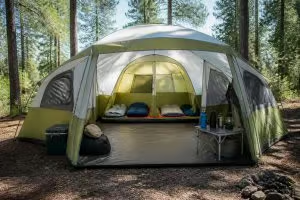
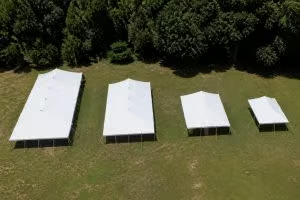
The concept of pitching a tent inside a tent might sound redundant at first, but this setup has become a cornerstone strategy for serious outdoor enthusiasts who face extreme weather conditions, extended expeditions, or simply want to maximize comfort in the bush. Whether you're planning a winter camping trip in the Drakensberg or setting up a semi-permanent base camp in Kruger, understanding the mechanics and benefits of this double-layer approach can transform your outdoor experience from merely survivable to genuinely comfortable.
The primary reason campers and outdoor professionals employ a tent inside a tent configuration is thermal regulation. The air gap between the two fabric layers creates an insulating barrier that significantly reduces heat loss in cold conditions and provides shade buffering in hot climates.
This setup also addresses one of camping's most persistent challenges: condensation. When warm, moist air from breathing and body heat meets cold tent walls, water droplets form on interior surfaces. Understanding vapor-pressure differential helps explain why a double-wall system manages this moisture more effectively than single-layer shelters.
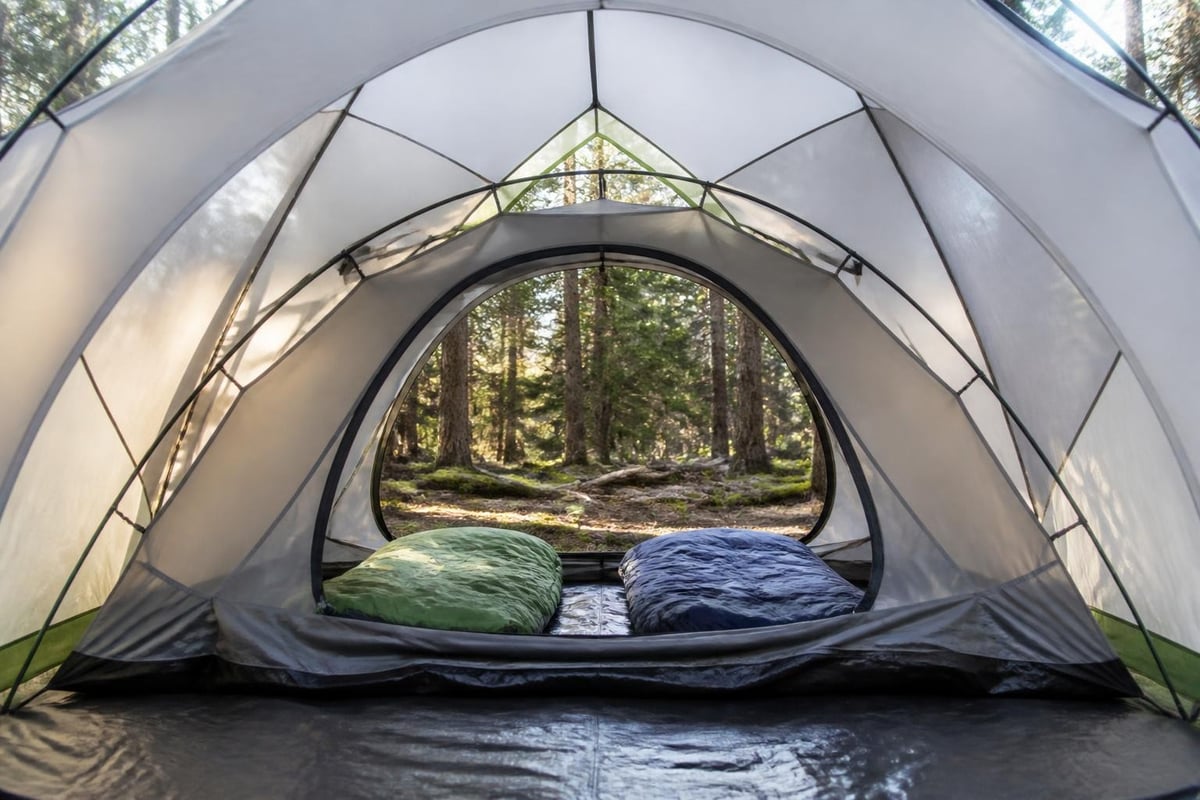
Different outdoor scenarios demand different approaches to the tent inside a tent method. Understanding when and how to deploy this configuration ensures you get maximum benefit from your gear investment.
For stays lasting more than a week, a tent inside a tent setup transforms a temporary shelter into a livable space. The outer structure handles weather protection while the inner tent becomes your organized living quarters with stable temperature and reduced condensation on gear.
Base camp considerations:
Mountain environments and winter camping push gear to its limits. A properly configured tent inside a tent system can mean the difference between a restful night and a dangerous situation.
| Condition | Single Tent | Double Tent Setup |
|---|---|---|
| Interior temp at -10°C outside | -5°C | +2°C |
| Condensation on walls | Heavy | Minimal |
| Wind noise | Loud | Significantly reduced |
| Gear storage | Limited | Excellent |
The U.S. Army’s fire prevention guidelines specifically address heating safety in multi-layer tent configurations, emphasizing proper ventilation when using heaters inside doubled shelters.
Proper setup requires planning and attention to structural details. Rushing through installation compromises the benefits and can create new problems.
The outer tent should provide at least 30-50 centimeters of clearance around the inner tent perimeter. This spacing ensures adequate airflow and prevents the inner tent from touching the outer wall where condensation accumulates.
Size matching guidelines:
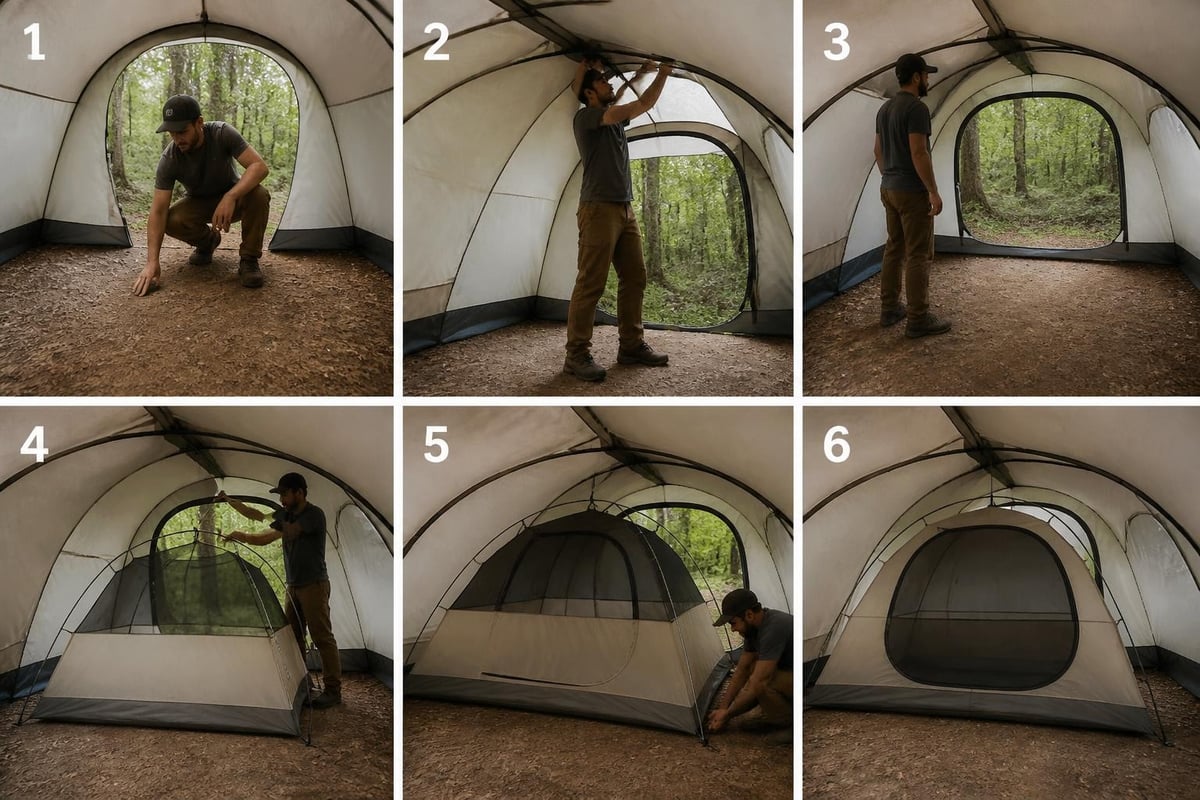
Following the correct order prevents frustration and ensures both structures maintain proper tension and shape.
When working with quality canvas structures, such as those from canvas tent manufacturers, proper tensioning becomes even more critical as canvas stretches and settles differently than synthetic fabrics.
Not all tent fabrics work equally well in a tent inside a tent configuration. Understanding material properties helps you select compatible shelters and avoid common problems.
The exterior tent bears the brunt of weather exposure. It should feature:
Canvas remains the gold standard for outer layers in harsh conditions. The Premium Heavy-Duty Canvas Dome Tent exemplifies the kind of robust outer shelter that performs reliably in the African bush, offering the durability and weather resistance needed for serious double-layer camping setups.
The inner tent focuses on comfort and breathability rather than weatherproofing:
| Feature | Outer Tent | Inner Tent |
|---|---|---|
| Waterproofing | Essential | Optional |
| Breathability | Moderate | Maximum |
| Weight | Heavy acceptable | Lighter preferred |
| UV Protection | Critical | Less important |
| Durability | Maximum | Moderate |
Even with a tent inside a tent setup, proper airflow management remains essential. The double-layer system changes the condensation dynamics but doesn't eliminate the need for ventilation strategy.
Strategic vent positioning allows moisture to escape while maintaining thermal efficiency. Open vents at different heights create natural convection currents that move humid air out of both tent layers.
Ventilation best practices:
The National Wildfire Coordinating Group’s campsite guidance provides detailed protocols for tent ventilation in field camps, many of which apply directly to recreational double-layer systems.
Beyond ventilation, active moisture management keeps both tents dry and comfortable:
Different climates and landscapes require adapted approaches to the tent inside a tent concept. What works in the Kalahari won't necessarily succeed in the Cape winter rains.
In hot, dry conditions, the tent inside a tent serves primarily as a solar heat shield. The outer layer absorbs and deflects direct sunlight while the gap between layers allows heated air to rise and escape.
Wet environments challenge double-layer systems with persistent moisture from rain and ambient humidity. Focus shifts to drainage and airflow rather than insulation.
High-humidity tactics:
High-altitude camping combines cold temperatures, high winds, and intense solar radiation. The tent inside a tent becomes a critical survival system rather than a comfort upgrade.
Equipment selection matters significantly in alpine zones. When researching outdoor tents for serious mountain use, prioritize four-season ratings and reinforced construction that can handle sustained wind loading without collapse.
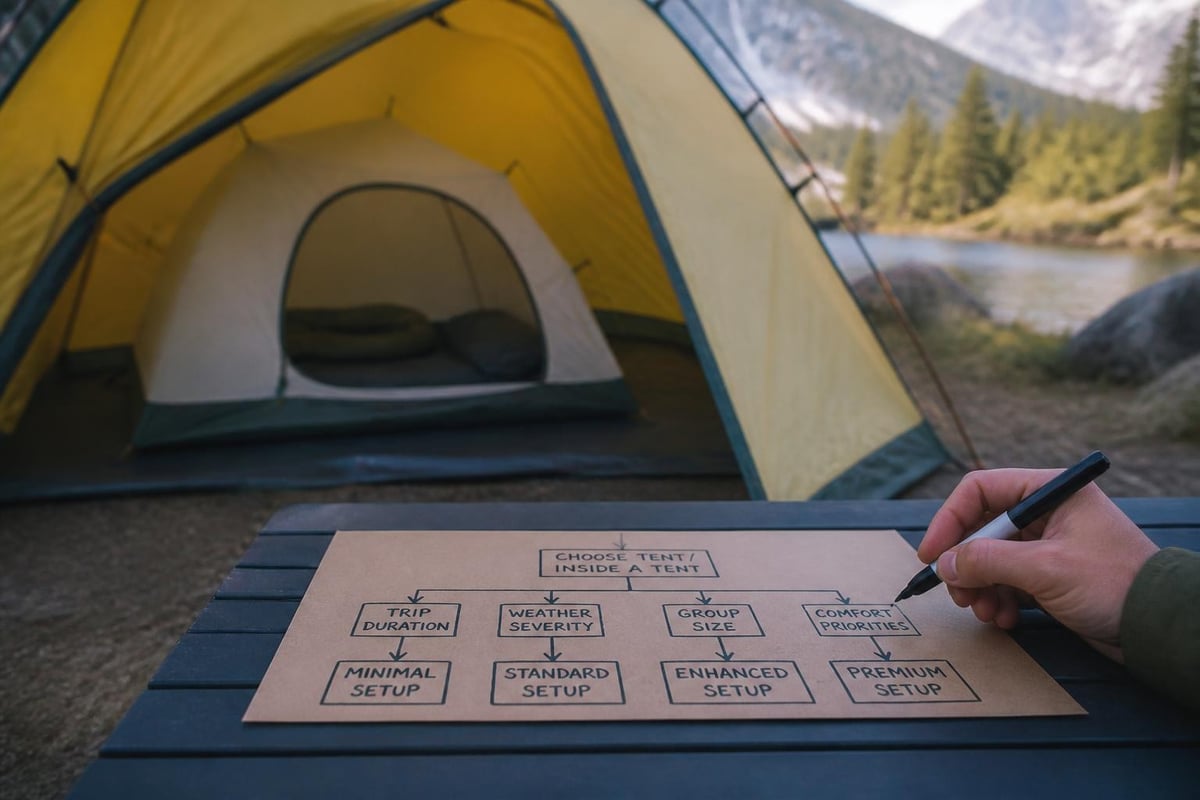
Implementing a tent inside a tent system requires additional investment in gear, time, and pack weight. Understanding whether the benefits justify these costs depends on your specific camping style and objectives.
| Factor | Single Tent | Tent Inside Tent |
|---|---|---|
| Initial cost | R2,000-R8,000 | R5,000-R15,000 |
| Pack weight | 2-5 kg | 5-12 kg |
| Setup time | 10-15 min | 25-40 min |
| Comfort level | Good | Excellent |
| Weather capability | Moderate | High |
| Useful life | 3-5 years | 5-10+ years |
Certain camping scenarios strongly favor the tent inside a tent approach:
For weekend warriors and fair-weather campers, a quality single tent often suffices. Those exploring camping tents for families need to assess whether the added complexity suits their camping style.
A tent inside a tent system represents a significant gear investment that requires proper care to deliver years of reliable service. Regular maintenance prevents small issues from becoming expensive failures.
After each trip, both tents need thorough attention:
Canvas tents, in particular, benefit from specialized care techniques. The essential care guide for canvas tents provides detailed instructions that apply whether you're maintaining a single tent or a double-layer system.
Proper storage between trips extends tent life significantly:
Experienced campers often customize their tent inside a tent setups to address specific needs or enhance performance beyond standard configurations.
For extreme cold or specialized applications, some adventurers add a third layer using lightweight emergency bivvies or additional inner liners. This approach is common in polar expeditions but rarely necessary for recreational camping.
Creating a dedicated floor layer between the outer tent groundsheet and inner tent floor provides additional insulation and moisture protection. This works particularly well in snow camping or on cold ground.
Floor layer options:
Rather than using completely separate tents, some manufacturers offer modular systems where inner liners attach to the outer structure. These integrated designs simplify setup while maintaining the benefits of the double-layer approach.
For those seeking quality camping solutions without the complexity of separate structures, exploring dome tent options with built-in double-wall designs might offer the ideal middle ground.
While a tent inside a tent offers many advantages, the configuration also introduces specific safety considerations that require attention and planning.
The gap between tent layers can trap heat and gases if heating or cooking equipment is used improperly. Never use open flame devices inside the tent envelope created by the double-layer system.
Safe heating practices include:
Two tents create more surface area for wind to catch, potentially doubling the stress on stakes and guy lines. In high winds, this can lead to failure if not properly addressed.
Wind stability checklist:
Before committing to a double-layer system, consider whether alternative approaches might meet your needs more efficiently.
Modern four-season tents incorporate many benefits of double-layer systems into a single structure through advanced materials and design. These offer:
However, they sacrifice the flexibility and extreme-condition capability of true tent inside a tent configurations.
Aftermarket liners designed to attach inside existing tents provide some thermal benefits without requiring a complete second tent. These work well for occasional cold-weather camping but don't match full double-layer performance.
| Solution | Insulation | Setup Complexity | Cost | Flexibility |
|---|---|---|---|---|
| Tent inside tent | Excellent | High | High | Maximum |
| Four-season single | Good | Medium | Medium | Low |
| Liner kit | Fair | Low | Low | Medium |
| Standard tent + sleeping bag | Basic | Low | Low | High |
For those researching shelter options, companies like Sunshine Universal offer diverse camping gear solutions with free shipping, making it easier to compare different approaches before committing to a specific system.
Understanding how seasoned outdoor enthusiasts implement tent inside a tent systems provides practical insights beyond theoretical benefits.
Professional photographers working in African bush camps often spend weeks in the field. Their tent inside a tent setups prioritize:
Search and rescue teams operating in alpine environments use tent inside a tent configurations as mobile command posts. These setups must handle:
Multi-week trekking expeditions through varied climate zones benefit from the adaptability of double-layer systems. Teams adjust the configuration as conditions change:
Learning from professionals who understand why quality outdoor equipment matters helps recreational campers make informed decisions about when and how to invest in advanced shelter systems.
South Africa's diverse climates and landscapes present unique challenges and opportunities for tent inside a tent configurations. From the Drakensberg peaks to the Karoo plains, adapting your setup to local conditions maximizes comfort and safety.
Winter nights on the Highveld can drop below freezing while days warm to comfortable temperatures. This temperature swing makes tent inside a tent setups particularly valuable:
The Garden Route and coastal regions combine moderate temperatures with high humidity and frequent rain. Focus your double-layer approach on moisture management rather than insulation.
The Kruger region and similar environments present dust, occasional rain, and temperature variation. A tent inside a tent configuration excels here by:
A tent inside a tent setup transforms challenging outdoor conditions into manageable comfort through strategic layering, proper material selection, and thoughtful configuration. Whether you're planning extended bush camps, winter mountain expeditions, or simply want to maximize your camping comfort, understanding this approach gives you powerful options for any adventure. Ejenti Outdoor provides the durable canvas tents, quality outdoor fabrics, and expert guidance South African adventurers need to implement reliable double-layer shelter systems that perform year after year in our demanding conditions.