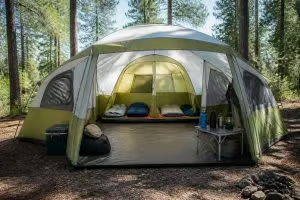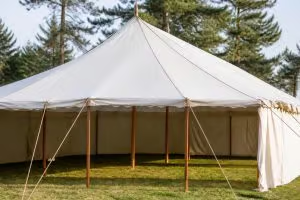

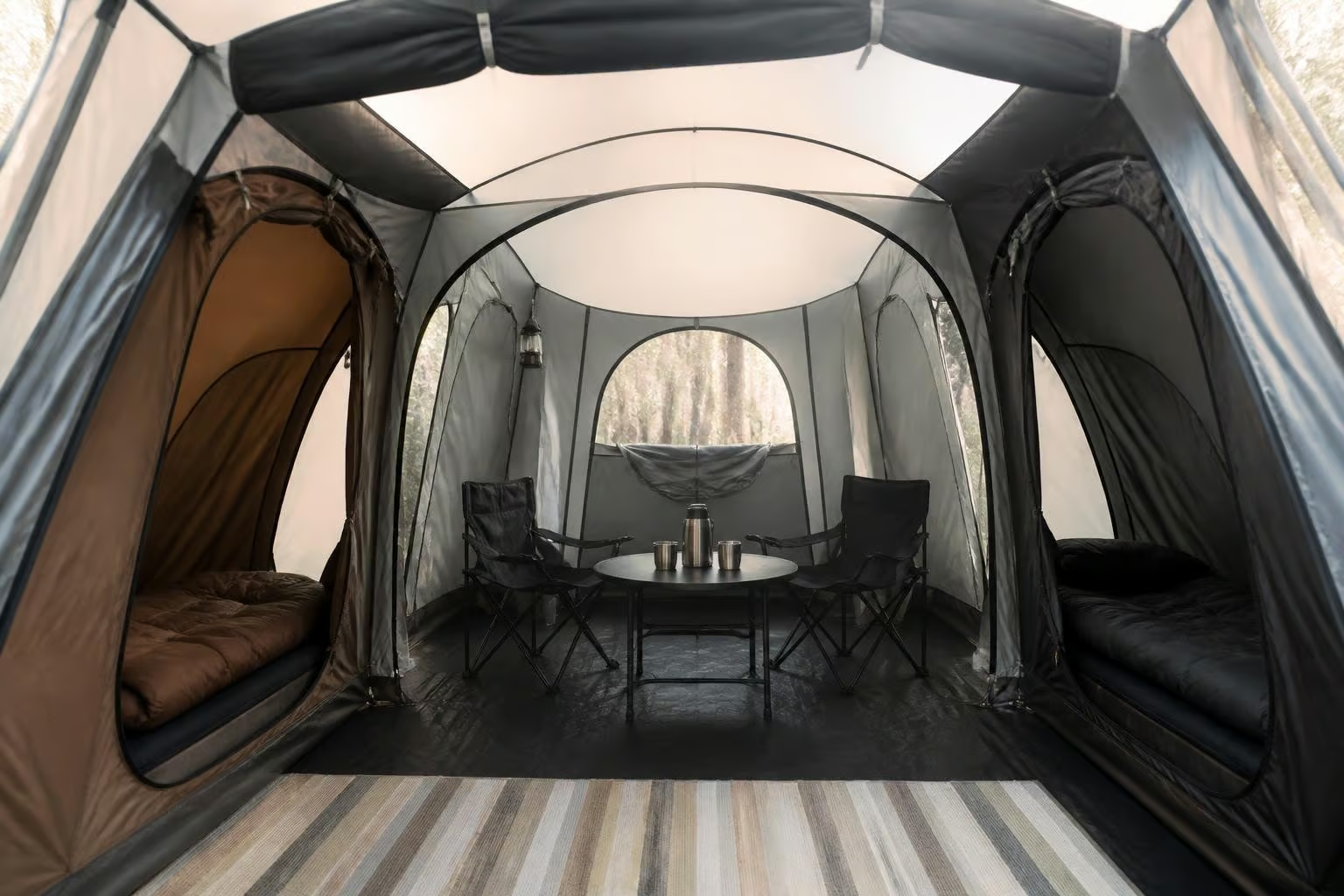
When planning a camping trip that requires more space, organization, and comfort, room tents for camping offer a practical solution that transforms your outdoor experience. These multi-compartment shelters provide dedicated spaces for sleeping, storage, and living, making extended stays in nature more enjoyable and manageable for families, groups, and anyone who values personal space in the wilderness. Understanding how room tents work, what features matter most, and how to select the right configuration can make the difference between a cramped, chaotic campsite and a well-organized outdoor home away from home.
Room tents for camping are designed with internal dividers, partitions, or separate chambers that create distinct living zones within a single shelter. Unlike traditional single-room tents that offer one open space, these multi-room designs typically feature two, three, or even four separate compartments connected by a shared frame structure.
The most common layout includes two sleeping rooms flanking a central living area. This configuration provides privacy for couples or families while maintaining a communal space for meals, gear storage, and socializing when weather keeps everyone inside. Some designs place sleeping quarters side-by-side with a vestibule entrance, while others stack rooms front-to-back for a longer footprint.
Different manufacturers approach room tent design with varying philosophies, but certain patterns have emerged as industry standards:
The physical dimensions of room tents for camping vary considerably, but most family-oriented models range from 3m x 4m for compact two-room designs up to 6m x 8m or larger for expedition-style base camps. Ceiling height is equally important, with most quality designs offering at least 1.8m of headroom in living areas and 1.5m in sleeping chambers.
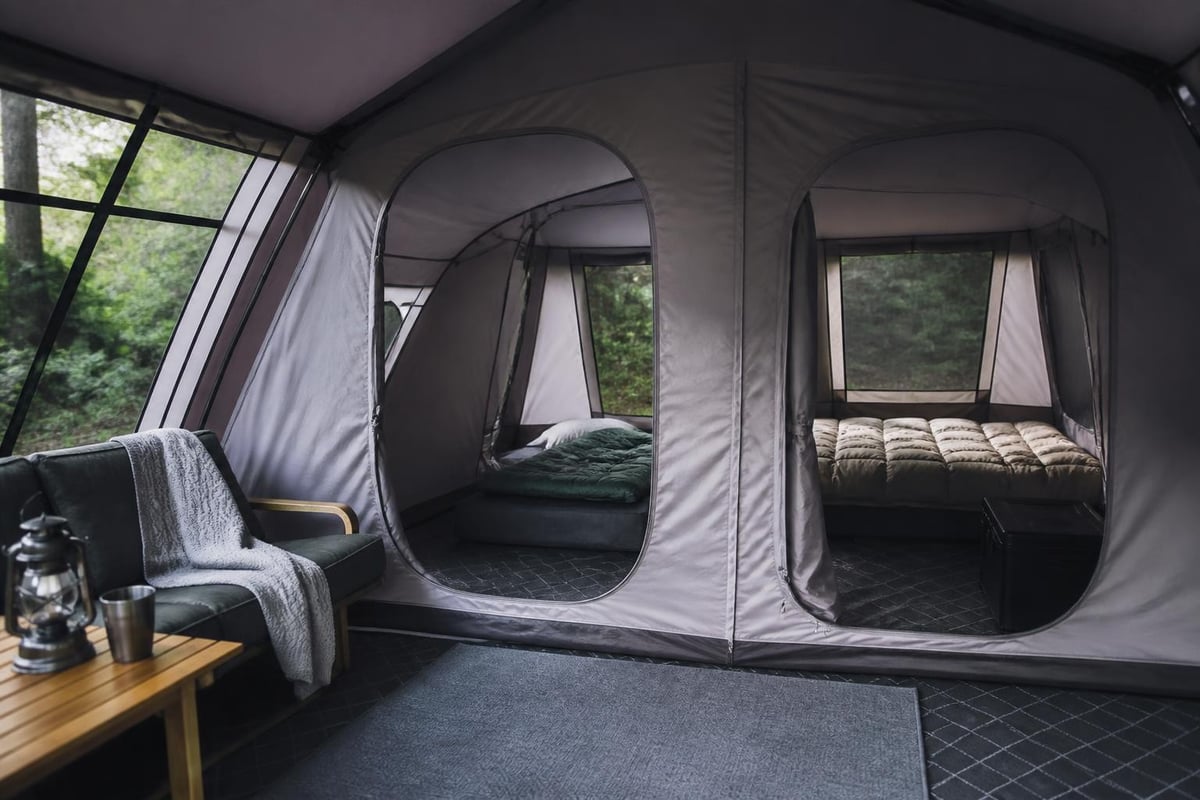
Room tents for camping must withstand the same environmental challenges as any outdoor shelter, but their larger size and increased complexity demand robust construction and thoughtful design. The materials, waterproofing systems, and structural engineering directly impact how well these tents perform in adverse conditions.
Quality multi-room tents utilize ripstop polyester or canvas fabrics with waterproof coatings or treatments. The National Park Service provides valuable guidance on tent selection and weather readiness that applies particularly well to larger room configurations. Canvas options, typically ranging from 280-400 GSM (grams per square meter), offer superior breathability and durability compared to synthetic alternatives, though they weigh more and require proper drying after rain exposure.
| Feature | Purpose | Quality Indicators |
|---|---|---|
| Rainfly | Primary water barrier | Full coverage, extended vestibules, 1500mm+ waterproof rating |
| Floor bathtub | Prevents ground water intrusion | Welded or sealed seams, 3000mm+ rating, 15cm+ sidewalls |
| Ventilation | Reduces condensation | Multiple mesh panels, adjustable vents, cross-flow design |
| Frame structure | Wind resistance and stability | Aluminum or steel poles, reinforced joints, guy-line anchor points |
Wind resistance becomes particularly important with room tents for camping because their larger surface area catches more air pressure. Look for designs with multiple stake points (12-20 or more), reflective guy lines with tensioners, and geodesic or semi-geodesic frame patterns that distribute stress across multiple poles rather than relying on a simple dome or tunnel architecture.
The Forest Service’s sustainable recreation design guidance offers insights into campsite infrastructure that helps when selecting appropriately sized tents for established camping pads and understanding how larger shelters impact the surrounding environment.
Multi-compartment tents naturally involve more complex assembly than simple two-pole domes, but modern room tents for camping have evolved to balance feature-rich designs with manageable setup processes. Most quality models can be pitched by two people in 20-45 minutes once familiar with the system.
The typical setup sequence follows this pattern:
For larger room tents for camping, the NPS campsite selection and setup guidance emphasizes choosing level ground, avoiding low spots where water pools, and respecting established tent pads that minimize environmental impact.
Even experienced campers encounter difficulties with larger tents. Being prepared for these situations saves time and frustration:
Breaking down room tents for camping in wet conditions requires special care. The National Park Service camping resources emphasize never storing wet tents for more than 24-48 hours without drying, as mold and mildew can permanently damage fabrics and compromise waterproof coatings.
Larger enclosed spaces create unique challenges for air circulation, temperature regulation, and condensation management. Room tents for camping must balance weather protection with adequate airflow to maintain comfortable, dry interior conditions across varying temperatures and humidity levels.
Condensation forms when warm, moist air from breathing and body heat contacts cooler tent surfaces, creating water droplets that can drip onto sleeping bags and gear. Multi-room designs actually help manage this issue by creating separate air zones and providing more opportunities for strategic vent placement.
Key ventilation features include:
The CDC’s public health information on carbon monoxide provides critical safety guidance when considering any heating or cooking equipment inside room tents for camping. Never use charcoal grills, propane heaters without proper ventilation, or any combustion device in a fully enclosed tent space.
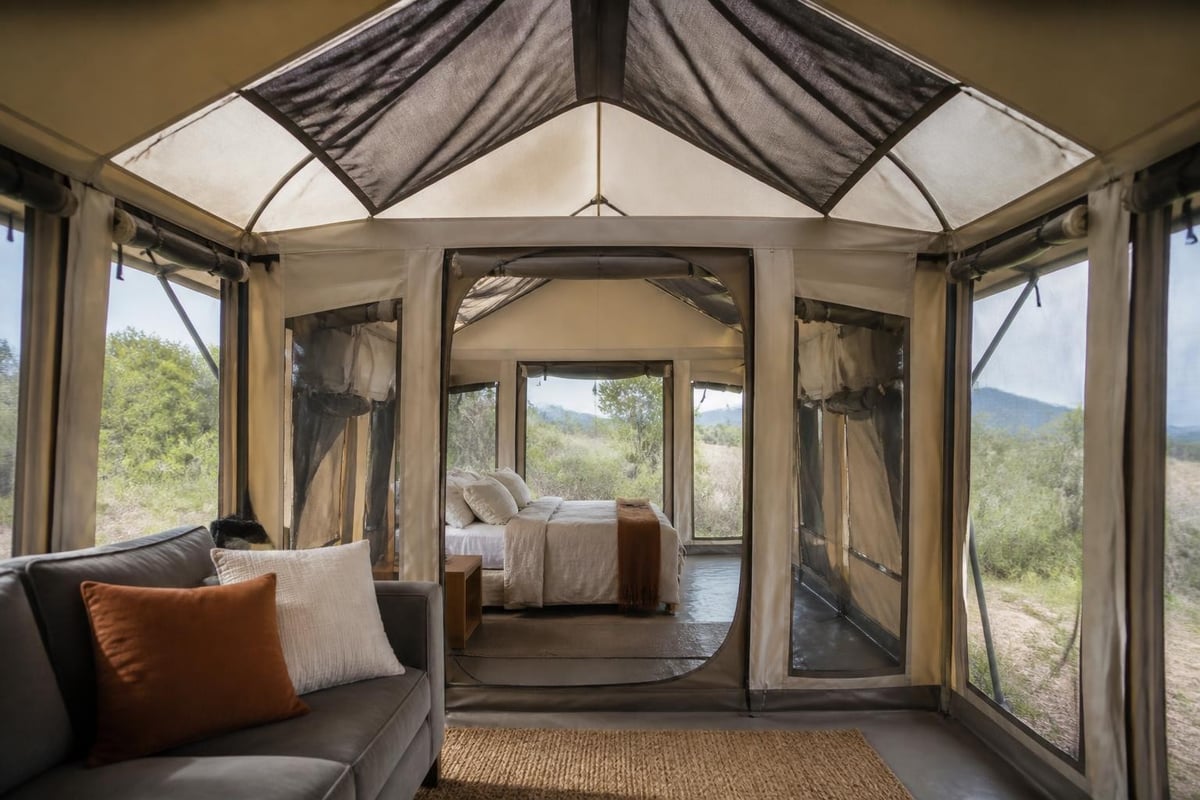
Manufacturers rate tent capacity by the number of sleeping bags that can fit side-by-side on the floor, but this measurement rarely accounts for gear storage, comfortable movement space, or realistic sleeping arrangements. For room tents for camping, understanding actual usable space versus rated capacity helps you choose the right size.
A general rule suggests selecting a tent rated for 2-3 more people than will actually sleep inside. A tent labeled for six people realistically accommodates four adults with gear, or two adults and three children with reasonable comfort. Room dividers consume 10-20cm of floor space where they're installed, further reducing usable area.
| Rated Capacity | Realistic Users | Ideal Use Case | Approximate Floor Area |
|---|---|---|---|
| 4-person | 2 adults + 1 child | Weekend family camping | 2.4m x 2.4m |
| 6-person | 2 adults + 2-3 children | Extended family trips | 3m x 3m |
| 8-person | 4 adults or 2 adults + 4 children | Group camping, base camps | 3.5m x 4m |
| 10+ person | 6+ adults | Large families, scout groups | 4m x 5m+ |
Ceiling height dramatically affects livability in room tents for camping. Models with 1.8m+ center height allow most adults to stand upright, making dressing, organizing gear, and simply moving around far more comfortable during multi-day stays. Sloped sidewalls reduce usable headroom, so check both peak height and wall height specifications.
For families with specific accessibility needs, the Forest Service’s outdoor recreation accessibility guidelines outline considerations for maneuvering space, entrance widths, and interior layouts that can inform tent selection for users with mobility equipment or service animals.
Room tents for camping are classified by seasonal use patterns that indicate their weather-resistance capabilities and intended operating conditions. Understanding these ratings helps match tent features to your camping calendar and regional climate.
Three-season tents dominate the room tent market and are designed for spring, summer, and fall use in moderate climates. They prioritize ventilation, feature large mesh panels, and use lighter fabrics since they're not expected to handle heavy snow loads or extreme cold. Most family-oriented multi-room designs fall into this category.
Four-season tents incorporate stronger frames, fewer mesh panels, and more robust fabrics to withstand winter conditions and alpine environments. True four-season room tents for camping are relatively rare because winter camping usually involves smaller, lower-profile shelters, but some manufacturers offer convertible designs with winter panels that can be added to three-season frames.
The differences between seasonal ratings manifest in specific design elements:
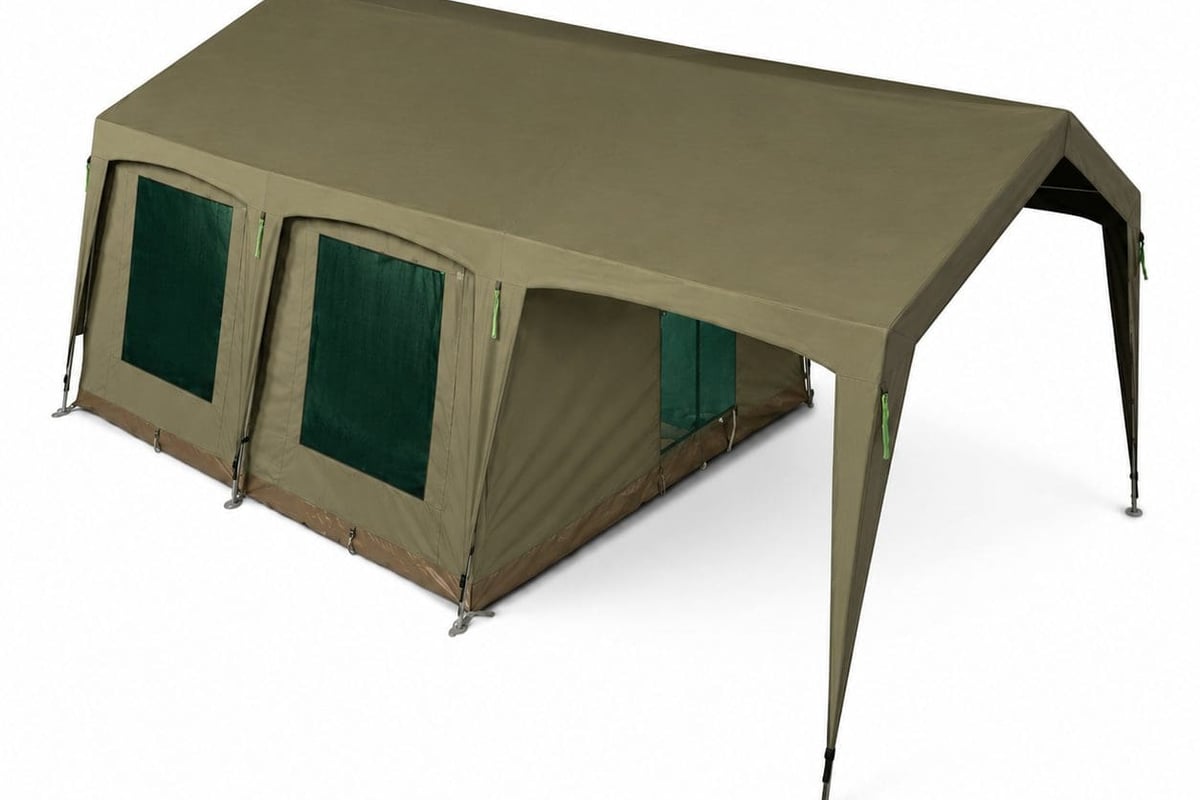
Extended trips in South Africa's diverse climate zones, from coastal regions to highveld grasslands, benefit from room tents for camping that offer adaptability. The 3m x 6m Safari Lodge Tent Two Room Waterproof Canvas Tent South Africa exemplifies this approach with 300 GSM ripstop canvas construction designed specifically for demanding outdoor conditions while providing organized two-room living space for extended stays.
The fabric envelope forms the primary barrier between campers and the elements, making material selection one of the most consequential decisions in room tent design. Modern room tents for camping utilize either synthetic materials (polyester, nylon) or natural fibers (cotton canvas), each offering distinct advantages and trade-offs.
Polyester has become the dominant synthetic choice because it resists UV degradation better than nylon and maintains its strength when wet. Quality polyester tent fabrics range from 68D (denier) for ultralight applications up to 300D+ for heavy-duty floor materials. The denier number indicates fiber thickness; higher numbers mean thicker, more durable, and heavier fabric.
Canvas tents constructed from cotton or polycotton blends offer superior breathability, durability, and a more comfortable interior microclimate. Canvas naturally regulates humidity, reducing condensation compared to synthetic walls. The material also provides better insulation, keeping interiors cooler in summer heat and warmer during cool nights.
| Material | Breathability | Weight | Durability | Water Resistance | UV Resistance |
|---|---|---|---|---|---|
| Polyester | Moderate | Light | Good | Excellent (coated) | Very Good |
| Nylon | Moderate | Very Light | Fair | Good (coated) | Fair |
| Cotton Canvas | Excellent | Heavy | Excellent | Good (treated) | Fair |
| Polycotton | Very Good | Moderate | Very Good | Very Good | Good |
Waterproof coatings and treatments create the actual water barrier on tent fabrics. The effectiveness is measured in millimeters of water pressure the fabric can withstand before leaking. Quality room tents for camping should have minimum 1500mm ratings on walls and 3000mm+ on floors, which contact wet ground directly.
When evaluating materials for South African conditions, UV resistance and tear strength become particularly important given intense sun exposure and varied terrain. Ejenti Outdoor's focus on durable outdoor solutions emphasizes materials engineered for these demanding environments, and their range of camping accessories includes fabric-care products that extend tent life in harsh conditions.
Effective interior organization transforms room tents for camping from simple sleeping shelters into functional temporary homes. Built-in storage solutions keep gear accessible, floors clear, and living spaces comfortable throughout extended stays.
Most quality multi-room tents include several standard organization features:
Room dividers themselves often feature zippered doors between chambers, mesh panels for airflow, and sometimes built-in storage pockets. The ability to fully remove dividers creates flexibility for different group configurations and use scenarios.
Thoughtful organization improves comfort and efficiency in room tents for camping. Consider this zoning approach:
For longer camping expeditions or safari-style setups, external storage solutions like equipment bags hung from guy lines, gear hammocks suspended between trees, and heavy-duty ground sheets used as staging areas for gear organization extend the functional living space beyond the tent's actual footprint.
While room tents for camping create comfortable shelter, they also present safety considerations that require understanding and respect. Fire safety, emergency egress, and proper equipment use become especially important in larger enclosed structures where multiple people sleep.
The NFPA standards for tents and membrane structures provide industry guidance on flame-retardant treatments, emergency exit requirements, and spacing regulations. While these standards primarily address commercial and event tents, the principles apply to large recreational room tents for camping used by families and groups.
Critical safety practices include:
Flame-retardant treatments on tent fabrics slow fire spread but don't prevent combustion. Most quality manufacturers treat canvas with FR chemicals, while synthetic fabrics often incorporate inherently fire-resistant fibers. Check product specifications for flame-resistance certifications and reapply treatments according to manufacturer recommendations as they degrade over time.
Room tents for camping span a wide price spectrum, from budget-friendly entry models around R3,000-R5,000 to premium expedition tents exceeding R25,000. Understanding what drives these price differences helps identify genuine value versus marketing markup.
Construction quality represents the single largest cost factor. Premium tents feature reinforced stitching (often double or triple-stitched seams), taped or welded waterproof seams, YKK or similar quality zippers, and aluminum poles rather than fiberglass. These manufacturing details directly impact longevity and weather performance.
Budget models (R3,000-R7,000):
Mid-range options (R8,000-R15,000):
Premium selections (R16,000-R25,000+):
The Consumer Reports guidance on tent selection emphasizes matching tent features to actual usage patterns rather than aspirational scenarios. If you camp three weekends per summer in mild conditions, investing in four-season expedition features provides little practical value.
Proper maintenance extends the service life of room tents for camping from 3-5 years to 10-15 years or more. Regular care prevents common failure modes like zipper deterioration, seam leaking, pole corrosion, and fabric degradation that often result from neglect rather than normal wear.
Post-trip care routine:
Pole maintenance matters particularly for room tents for camping because the larger frames experience more stress than compact backpacking shelters. Inspect pole segments for cracks, dents, and corrosion after each trip. Clean dirt from pole joints that can cause binding. Replace shock cord when it becomes slack or frayed, typically every 2-4 years depending on use frequency.
Beyond trip-by-trip care, seasonal maintenance preserves performance:
Fabric repairs require different approaches for synthetic versus canvas materials. Small tears in polyester tents can be temporarily patched with repair tape, then permanently fixed with seam-grip adhesive or sewn patches. Canvas tears should be sewn immediately to prevent expansion, then sealed with waterproof canvas treatment.
Selecting from the hundreds of available room tents for camping requires matching specific features to your actual camping style, group composition, and environmental conditions. A systematic evaluation process eliminates unsuitable options and highlights designs that truly fit your needs.
Start by defining your primary use case. Weekend family camping near vehicles in established campgrounds has completely different requirements than multi-week safari expeditions or festival camping. Vehicle-accessible sites allow heavier canvas tents with superior comfort, while portable camps demand lighter synthetic alternatives despite comfort compromises.
Group composition heavily influences ideal room configuration. Families with young children often prefer two sleeping rooms with a central living area that provides supervision sight lines. Groups of adults typically want three or four separate sleeping chambers for maximum privacy. Mixed groups with teenagers benefit from asymmetric layouts that create distinct "adult" and "youth" zones.
Decision framework questions:
Climate conditions in your primary camping regions should heavily weight material and ventilation decisions. Hot, humid environments demand maximum airflow and moisture management, making mesh-heavy polyester designs or breathable canvas optimal. Cool, wet regions require robust waterproofing and minimal mesh, prioritizing synthetic fabrics with heavy coatings.
Room tents for camping deliver organized, comfortable outdoor living spaces that transform how families and groups experience nature, providing the privacy and functionality that makes extended trips genuinely enjoyable rather than endurance tests. By carefully evaluating size requirements, material options, seasonal capabilities, and quality features, you can select a multi-room shelter that serves your specific needs for years of reliable service. When you're ready to explore premium canvas tents, durable outdoor fabrics, and camping solutions engineered for South African conditions, visit Ejenti Outdoor to discover products built for performance and longevity in demanding environments.