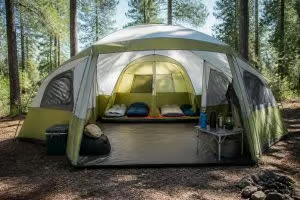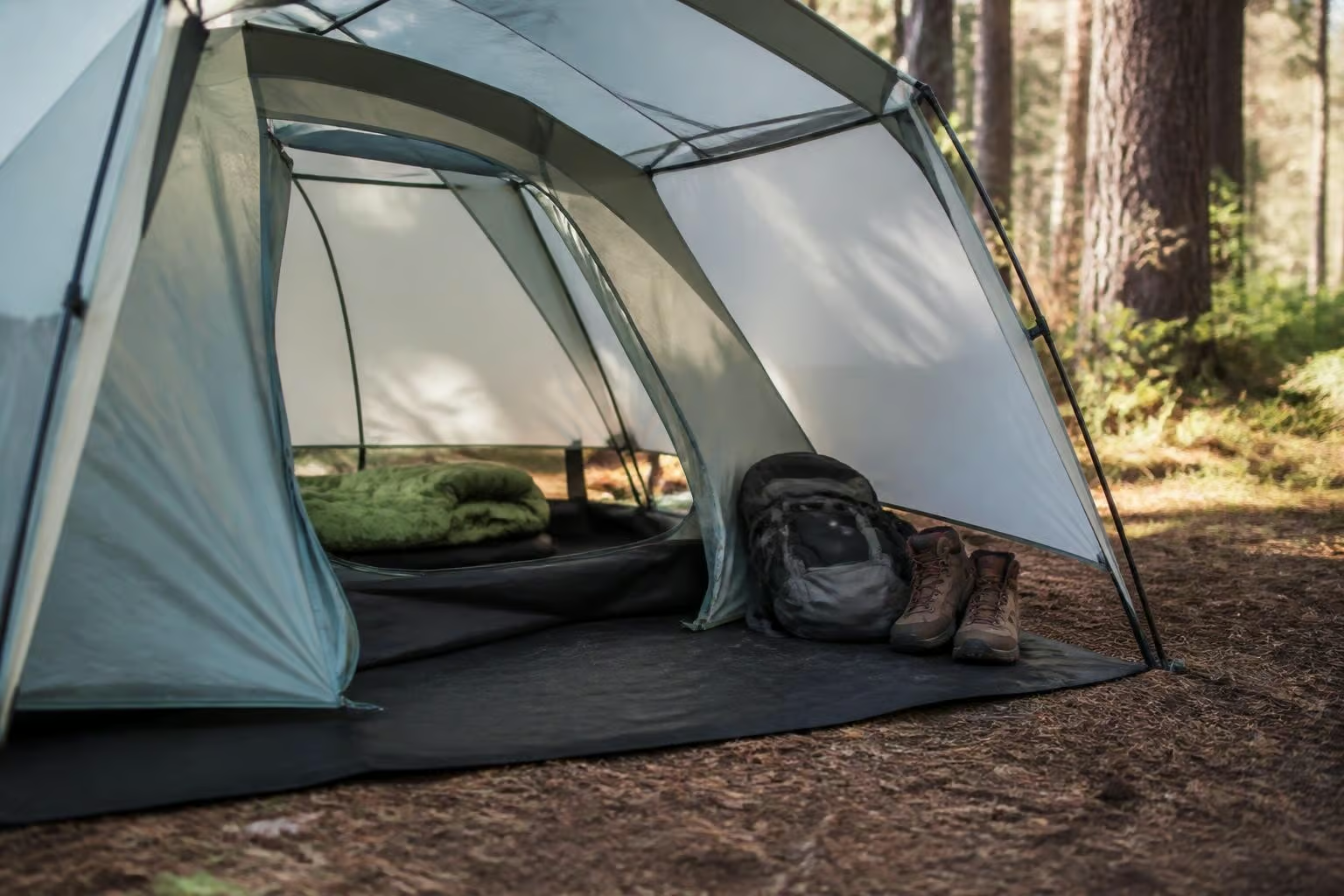
A door tent is more than just an entrance to your outdoor shelter. The door and vestibule area of any tent represents a critical interface between the protected interior space and the external environment. Whether you're camping in the South African bush, setting up a semi-permanent safari lodge, or hosting an outdoor event, understanding the design, function, and maintenance of tent door systems will dramatically improve your outdoor experience. This guide explores the technical aspects, practical benefits, and best practices for selecting and using tents with well-designed door configurations.
The term "door tent" typically refers to the entrance system of a camping or event tent, including the door itself, the vestibule or porch area, and the closure mechanisms. Modern tent doors serve multiple purposes beyond simple entry and exit. They regulate airflow, control light, provide weather protection, and create transitional space between indoor and outdoor environments.
Key components of a door tent system include:
The National Park Service provides detailed guidance on campsite layout and tent placement, emphasizing that proper door orientation relative to wind direction and slope can significantly improve comfort and safety.
Tent designers offer various door configurations to suit different needs and user preferences. Single-door tents provide simplicity and structural integrity, while multi-door designs offer convenience and improved ventilation.
| Configuration | Best For | Advantages | Considerations |
|---|---|---|---|
| Single front door | Small tents, backpacking | Lightweight, simple setup | Limited access, potential congestion |
| Dual opposing doors | Family camping, base camps | Cross-ventilation, easy access | Slightly heavier, more zipper maintenance |
| Door with side entry | Safari tents, lodge setups | Privacy zones, gear organization | Requires more space around tent |
| Multiple doors | Large event tents, group camping | Traffic flow, emergency egress | Higher cost, more weather sealing needed |
A well-designed door tent configuration considers the intended use case. For extended camping trips, having multiple access points reduces wear on any single zipper system and creates better living flow.
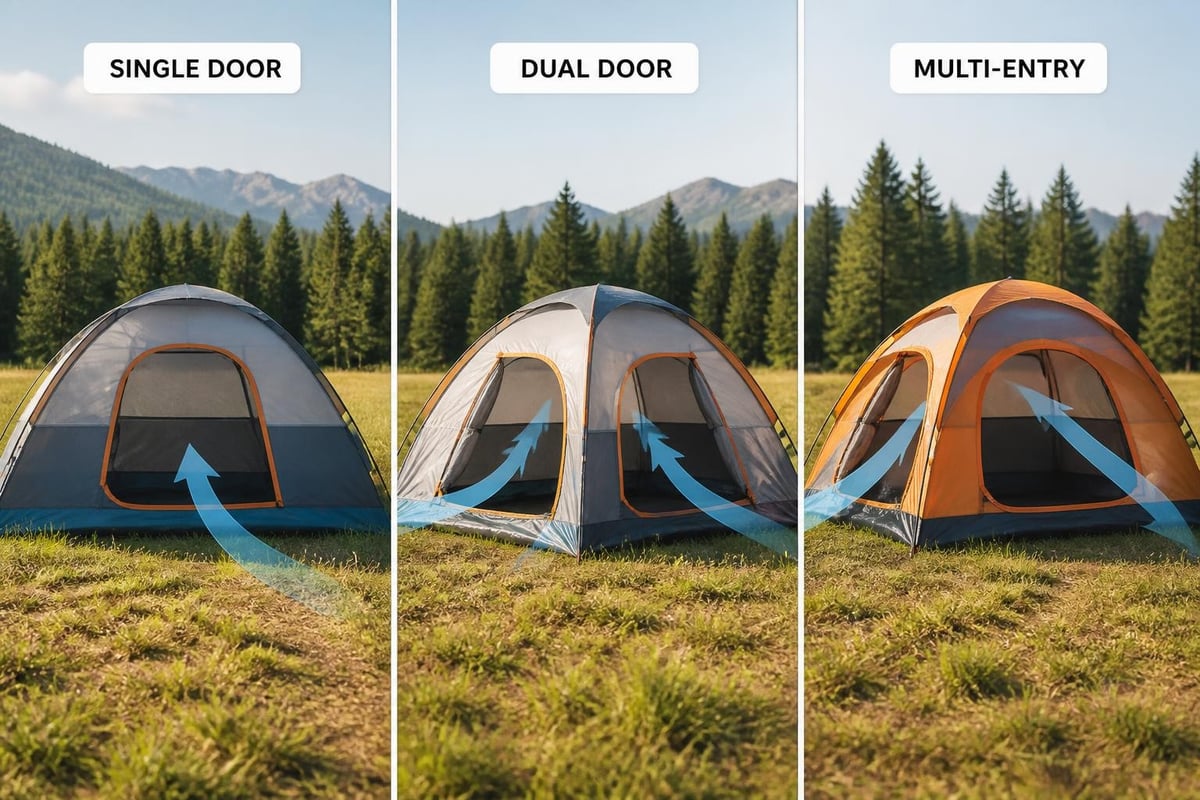
The vestibule is the covered area outside the main door of a tent, created by extending the rainfly beyond the tent body. This transitional space serves as a mudroom, gear storage area, and weather barrier. Understanding what a tent vestibule is and how to use it can transform your camping experience from cramped to comfortable.
Vestibule space extends the usable area of your tent without adding to the sleeping footprint. In South African camping conditions, where afternoon thunderstorms can arrive suddenly, a generous vestibule provides critical protection.
Essential vestibule uses include:
The size and shape of the vestibule directly impact functionality. Small backpacking tents may offer just enough vestibule space for boots and a pack, while safari-style lodge tents can feature expansive covered porches suitable for chairs and tables.
The fabric and hardware used in door tent construction determine durability, weather resistance, and longevity. Different materials serve different purposes across the door system.
Main door panels typically use the same material as the tent body – either breathable canvas, ripstop nylon, or polyester. Canvas doors offer superior durability and a traditional aesthetic, while synthetic options reduce weight and dry faster.
Mesh panels integrated into door systems provide ventilation while blocking insects. Fine-weave no-see-um mesh protects against even the smallest biting insects, essential for camping in areas with dense mosquito populations.
Rainfly material for vestibules must combine waterproof performance with UV resistance. The vestibule fabric takes constant sun exposure while protecting against rain, making material quality critical. Heavy-duty options like 550 GSM PVC fabric provide excellent waterproofing and can handle years of outdoor use without degradation.
When selecting gear that will stand up to regular use, quality hardware makes the difference between a door that functions smoothly for years versus one that fails after a season. The right fasteners and attachment points distribute stress evenly across the door tent system.

Modern door tent systems use various closure mechanisms, each with distinct advantages:
| Closure Type | Durability | Ease of Use | Weather Sealing | Typical Application |
|---|---|---|---|---|
| Two-way zippers | Excellent | Very easy | Good with storm flaps | Most camping tents |
| Tie closures | Outstanding | Moderate | Excellent when doubled | Traditional canvas tents |
| Velcro strips | Good | Very easy | Fair | Mesh panels, quick access |
| Buckle systems | Excellent | Easy | Good | Large doors, event tents |
| Combination systems | Excellent | Easy | Superior | Premium tents |
The ISO 5912:2020 standard establishes requirements and test methods for camping tents, including specifications for zipper strength, flame resistance, and structural integrity of door systems.
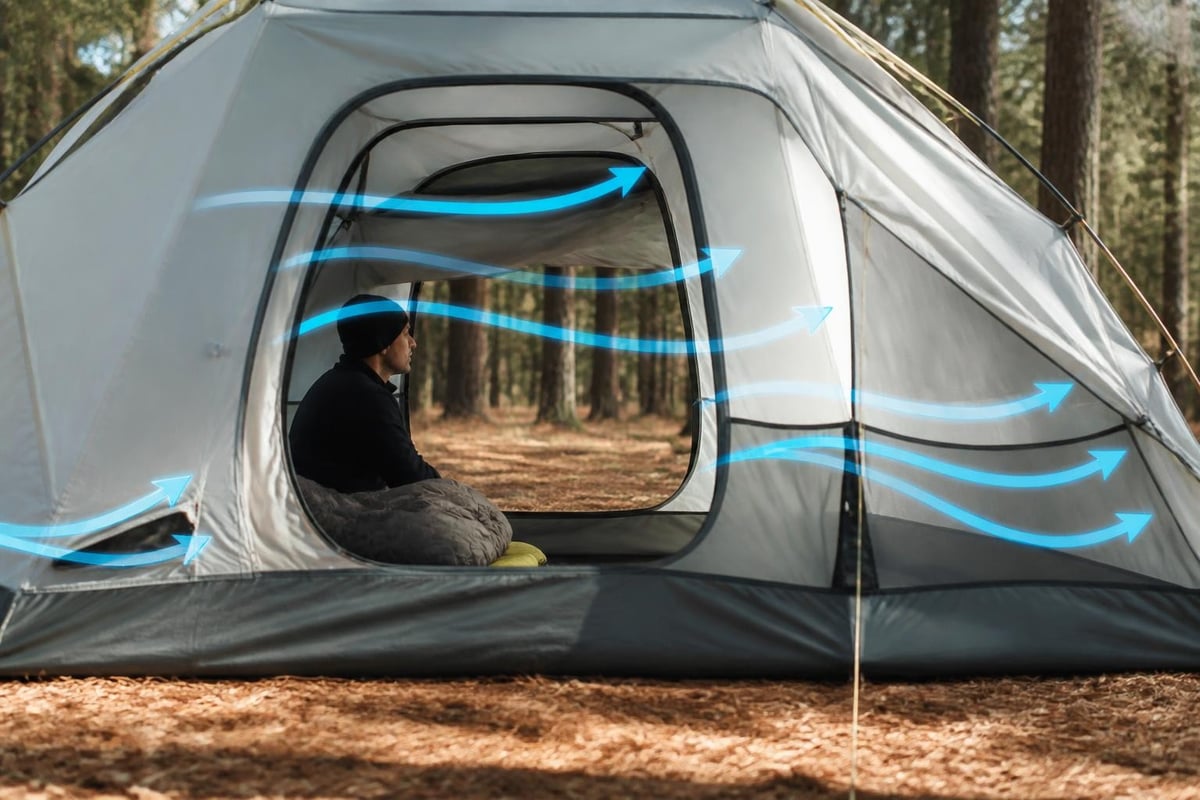
A door tent system plays a crucial role in regulating the internal environment. Proper ventilation prevents condensation buildup, maintains air quality, and creates comfortable sleeping conditions across varying temperatures.
The position and design of tent doors directly affect ventilation efficiency. Cross-ventilation – achieved by opening doors on opposite sides of the tent – creates airflow that reduces humidity and regulates temperature.
Ventilation strategies for different conditions:
For larger tents or semi-permanent installations, ventilation requirements become more critical. The ASHRAE Standard 55 provides guidance on thermal environmental conditions for human occupancy, principles that apply to larger tented spaces used for extended periods.
The door tent area represents the most vulnerable point in any shelter's weather protection system. Wind-driven rain, ground water runoff, and storm gusts all challenge the integrity of door seals and vestibule design.
Effective waterproofing requires multiple layers of protection. A properly designed door tent includes overlapping fabrics, extended storm flaps, and elevated thresholds.
Critical waterproofing elements:
Outdoor Research’s guide to bivy sacks and vestibule care offers practical advice on maintaining waterproof performance through proper setup and regular treatment with DWR (durable water repellent) coatings.
Door openings create structural weak points that require reinforcement. Quality tent manufacturers address this through triangulated stress distribution, reinforced corner patches, and properly tensioned guy lines anchored near door areas.
When setting up in exposed locations, orient the door away from prevailing winds. The door tent opening should face a natural windbreak when possible, or position the solid back wall toward the wind to create a protected vestibule space.
Safety standards for tent doors address flammability, egress requirements, structural integrity, and labeling. Understanding these requirements helps you select appropriate shelters for different applications.
Tent door fabrics must meet flammability standards in many jurisdictions. Canada’s regulatory framework on tent flammability provides detailed requirements for flame resistance and proper labeling of tent components including doors and vestibules.
Fire safety best practices for door tent areas:
For larger tents housing multiple occupants, secondary exits become safety essentials rather than conveniences. Event tents, safari lodge accommodations, and group camping setups should provide at least two separate exit routes.
The UNHCR emergency shelter guidance recommends specific door widths and numbers based on occupancy, standards that apply to both humanitarian contexts and recreational group camping.
Proper installation and regular maintenance extend the life of your door tent system and ensure reliable performance when you need it most.
Step-by-step door tent setup for optimal performance:
The National Park Service campsite guidance emphasizes selecting level ground with natural drainage, positioning that becomes especially important for the door threshold area.
Regular inspection and maintenance prevent small issues from becoming trip-ending failures.
| Component | Inspection Frequency | Maintenance Tasks |
|---|---|---|
| Zippers | Before each trip | Clean debris, apply zipper lubricant |
| Mesh panels | Monthly during season | Check for tears, repair small holes immediately |
| Storm flaps | After each trip | Clean, check attachment points, reseal if needed |
| Guy lines | Before setup | Inspect for fraying, adjust tensioners |
| Vestibule fabric | Seasonally | Clean, retreat with waterproofing as needed |
Common door tent problems and solutions:
Different outdoor activities demand specific door tent configurations. Understanding these variations helps you select the right shelter for your intended use.
Extended-stay tents like safari accommodations feature larger door systems with multiple entry points and spacious vestibules. These designs prioritize comfort and livability over pack weight. For those exploring tent options for garden camping, understanding the difference between backpacking-style entrances and lodge-style doors helps match equipment to use case.
Safari-style door tent designs often include:
Large gathering spaces require door systems designed for high traffic volumes and extended setup periods. Event tent doors must accommodate frequent passage while maintaining structural integrity and weather protection.
Event tent door specifications:
Commercial applications may require compliance with additional safety codes, including ADA accessibility standards for public gatherings and building code equivalents for semi-permanent installations.
Tent door design continues to evolve with new materials, mechanisms, and integrated features that improve function and user experience.
Recent advances in fabric technology impact door tent performance significantly. Nano-coating treatments create super-hydrophobic surfaces that shed water more effectively than traditional DWR treatments. These coatings also resist soiling, keeping door areas cleaner during extended use.
Breathable waterproof membranes integrated into door panels allow moisture vapor to escape while blocking liquid water. This technology, adapted from technical apparel, reduces condensation around door areas where temperature differentials are greatest.
Self-healing fabrics with embedded polymers can seal small punctures automatically, particularly valuable for mesh panels that suffer most abrasion damage in door tent systems.
Some premium tents now incorporate technical features into door systems:
These innovations remain uncommon in 2026 but represent the direction of door tent development, particularly for high-end expedition and permanent-installation products.
Existing tents can often benefit from door system improvements through aftermarket additions and modifications.
Universal vestibule extensions attach to standard tent doors, creating covered space without replacing the entire shelter. These additions typically mount using existing guy line points and stake positions.
DIY vestibule enhancement:
Experienced tent owners sometimes modify door systems to better suit specific needs. Common modifications include adding mesh panels for improved ventilation, installing secondary closures for redundancy, or retrofitting traditional tie doors with modern zippers.
Before modifying any tent door:
Professional tent repair services can execute modifications that exceed DIY capabilities, including complex zipper replacements and structural reinforcement around door openings.
Choosing the right door tent configuration starts with honest assessment of your primary use case and secondary requirements.
Priority factors:
Recommended features: Single door with large mesh panel, minimal vestibule, lightweight zipper hardware
Priority factors:
Recommended features: Dual doors, spacious vestibule, reinforced high-traffic areas, simple closures
Priority factors:
Recommended features: Multiple large doors, extended covered verandahs, heavy-duty materials, integrated screening
Priority factors:
Recommended features: Simple closures, multiple exits, reinforced stress points, clear setup indicators
The UNHCR shelter standards provide detailed specifications for emergency shelter applications, including door requirements based on family size and climate zone.
Understanding door tent design, function, and maintenance transforms your outdoor shelter from simple rain protection into a comfortable, functional living space. Whether you're selecting your first camping tent, upgrading to a safari lodge setup, or outfitting an event space, the door and vestibule system deserves careful consideration as it directly impacts daily comfort, weather protection, and long-term durability. Ejenti Outdoor manufactures a comprehensive range of tents, gazebos, and outdoor solutions with thoughtfully designed door systems built for South African conditions, backed by expertise in durable materials and proven construction methods that perform when it matters most.