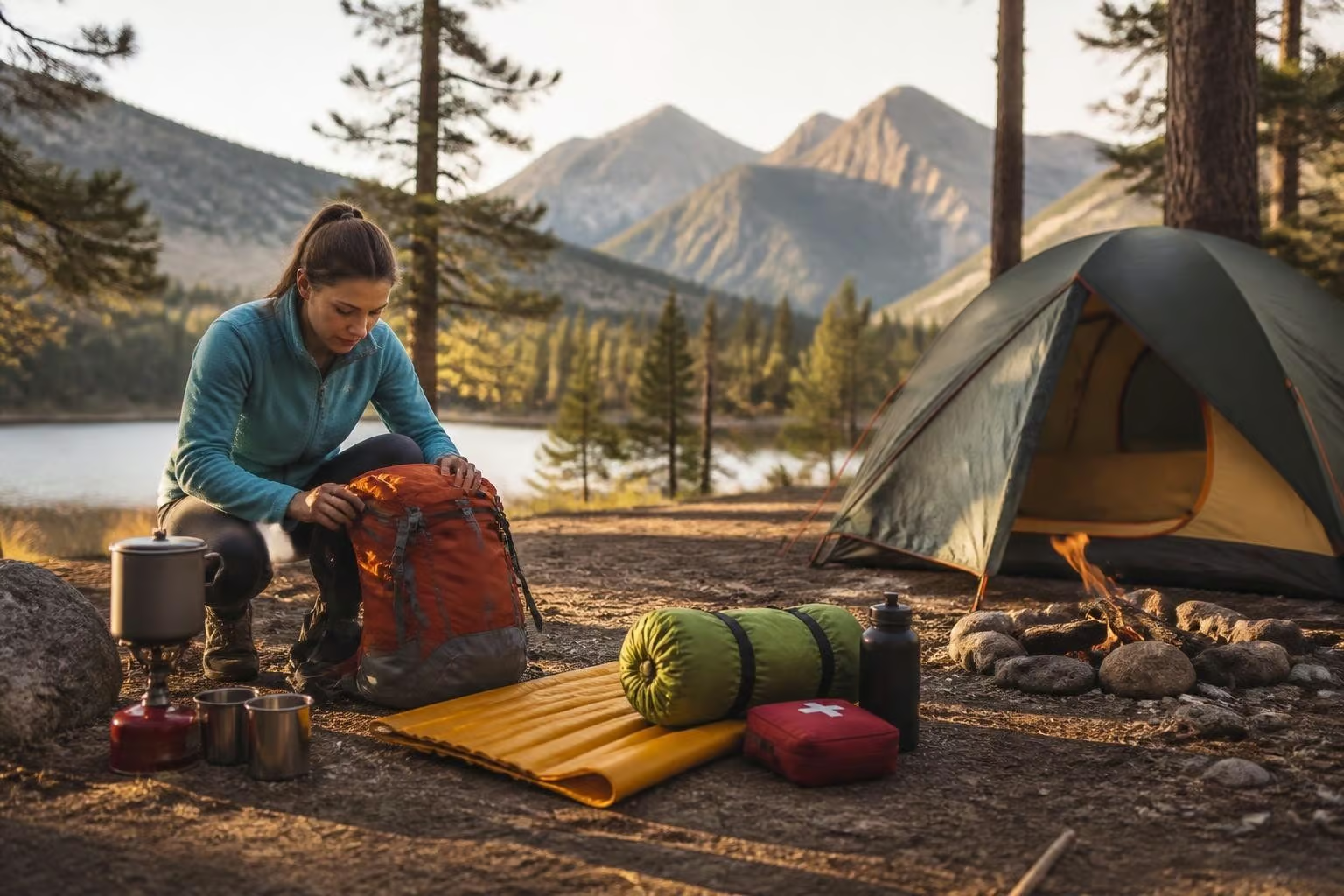
When you think about getting outdoors, "camp and more" encompasses the full spectrum of outdoor adventure preparation, execution, and enjoyment. It's not just about pitching a tent-it's about understanding the complete ecosystem of gear, planning, safety, and experiences that transform a simple overnight trip into a memorable journey. Whether you're heading into the South African bush for a weekend or setting up a semi-permanent outdoor space, mastering the fundamentals of camp and more will elevate every aspect of your outdoor life.
Understanding the breadth of camp and more begins with knowing your gear categories. Too many first-time campers focus exclusively on shelter while overlooking equally critical components.
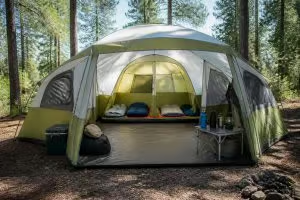
Your shelter forms the foundation of any camp setup. The kinds of tent available today range from lightweight backpacking models to robust family structures designed for extended stays.
Key shelter considerations include:
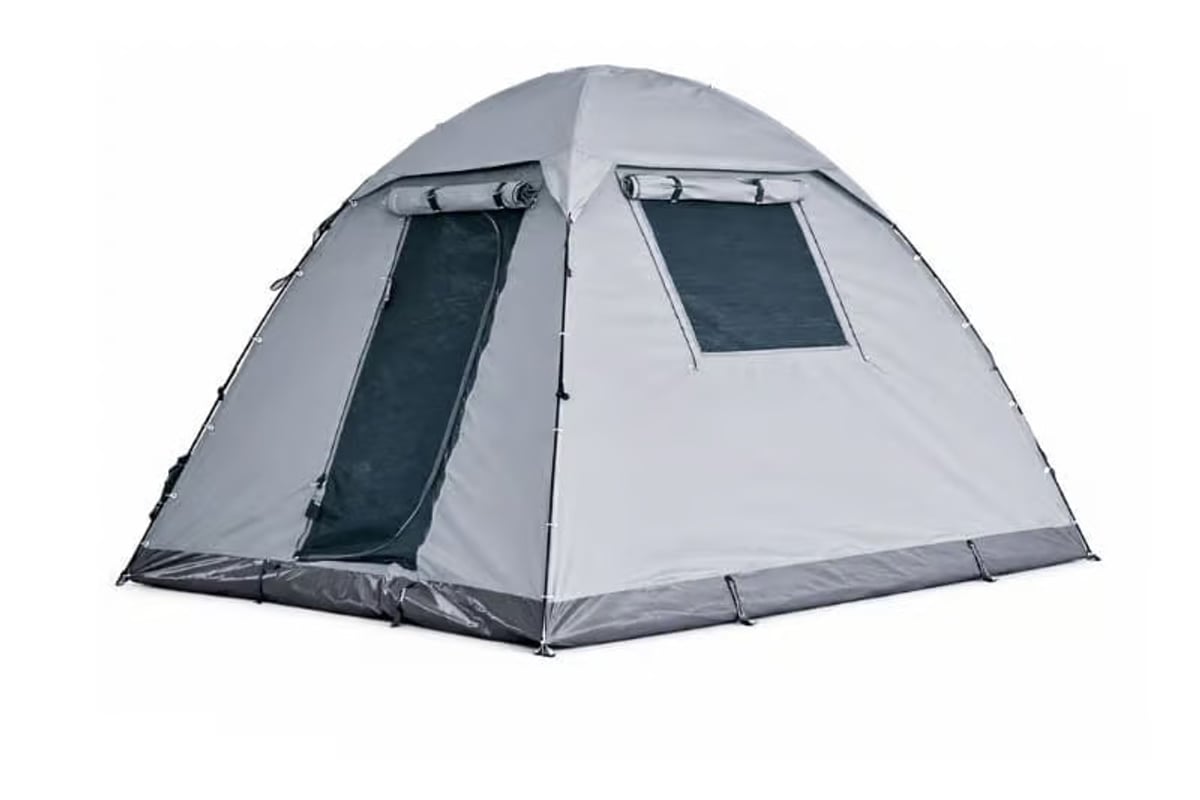
For those planning extended outdoor stays or dealing with South Africa's variable weather patterns, the Premium Heavy-Duty Canvas Dome Tent offers exceptional durability engineered specifically for African conditions. This shelter provides reliable protection whether you're at a SANParks site or on a remote trail, combining weather resistance with practical design features that matter in real-world conditions.
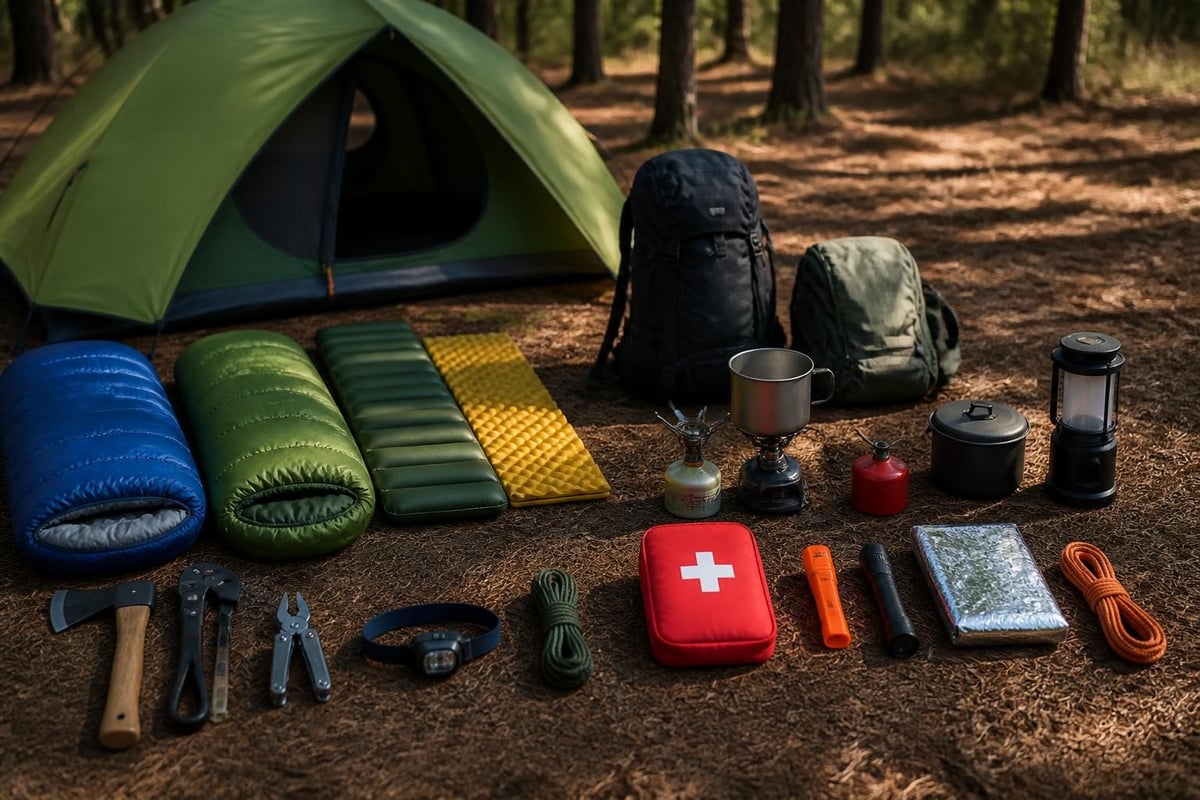
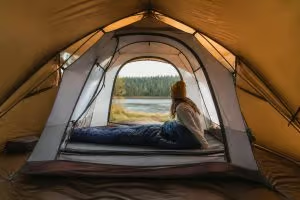
Quality rest separates enjoyable camping from endurance tests. Your sleep system extends beyond just a sleeping bag to include sleeping pads, pillows, and for some setups, tents with beds that bring comfort to remote locations.
| Sleep Component | Purpose | Priority Level |
|---|---|---|
| Sleeping pad | Insulation and cushioning | Critical |
| Quality sleeping bag | Temperature regulation | Critical |
| Camp pillow | Neck support and comfort | High |
| Bedding layers | Temperature adjustment | Medium |
| Cot or raised platform | Ground separation | Optional |
The difference between a 15°C night and a comfortable sleep often comes down to proper insulation from the ground. Many campers underestimate how much body heat transfers through ground contact.
Camp cooking requires more thought than simply packing a stove. The "and more" in camp and more definitely includes comprehensive food preparation and storage solutions.
You'll need cooking equipment matched to your trip duration, group size, and location. Portable stoves, cookware sets, utensils, cleaning supplies, and proper food storage containers all play roles in successful outdoor meals. Don't overlook water purification systems-clean drinking water isn't negotiable in backcountry settings.
Camp and more encompasses comprehensive safety planning that extends far beyond basic first aid. According to the National Park Service’s camping safety guidelines, thorough pre-trip preparation dramatically reduces emergency incidents.
Wilderness medical training makes the difference when professional help is hours away. The NOLS wilderness first aid programs provide structured training that covers common outdoor medical situations from minor cuts to serious injuries.
Essential medical kit components:
For truly remote adventures, consider registering a personal locator beacon with NOAA's search and rescue system. These devices provide global emergency response capability when you're beyond cell coverage.
South African outdoor spaces present unique wildlife considerations. Understanding animal behavior, proper food storage, and campsite selection reduces dangerous encounters significantly.
The National Park Service provides detailed guidance for managing wildlife interactions during your camping stay. Food should be stored in sealed containers away from sleeping areas, and trash must be properly secured. In areas with larger predators, additional precautions like elevated food storage become necessary.
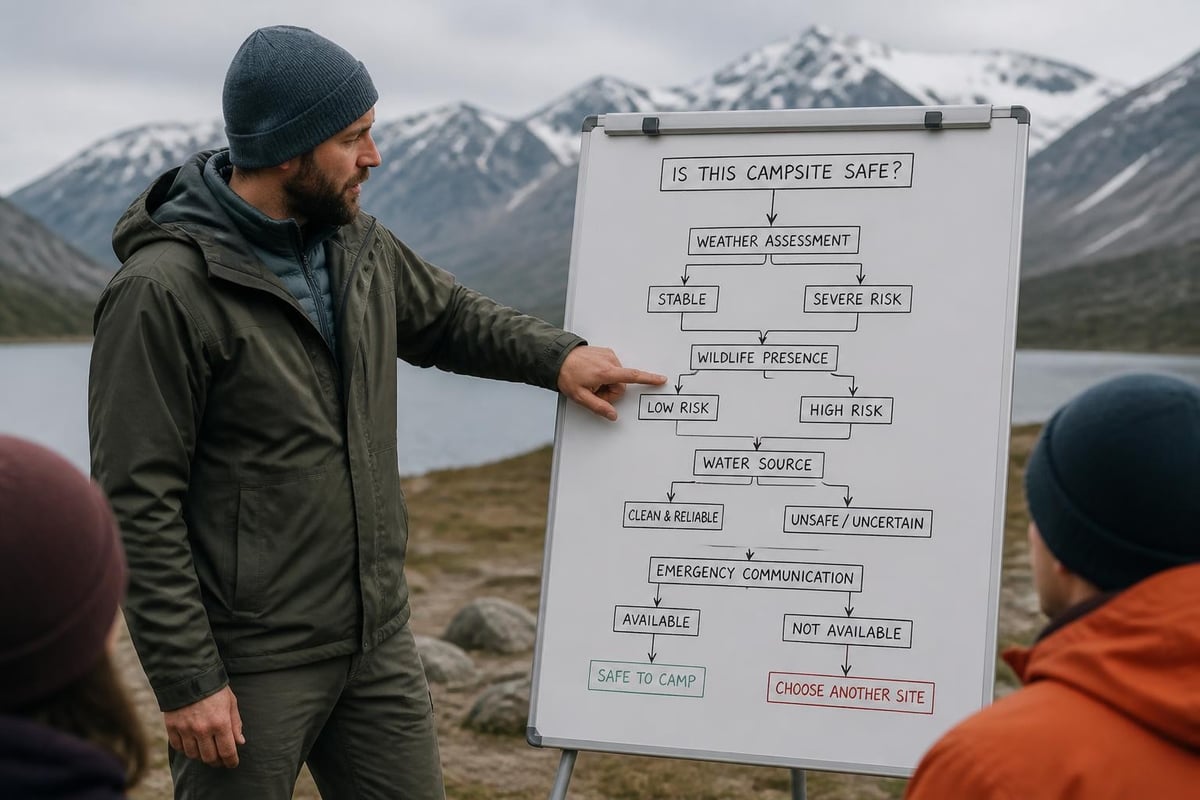
Choosing where and how to establish camp represents a critical skill within the camp and more framework. Poor site selection creates problems that the best gear cannot solve.
Evaluate these factors before committing to a campsite:
The difference between restful sleep and a miserable night often traces back to spending an extra ten minutes evaluating site options. Level ground, adequate drainage, and natural windbreaks matter more than scenic views when weather deteriorates.
Efficient camp layout separates functional outdoor living from chaotic gear piles. Designate specific zones for sleeping, cooking, gear storage, and activities.
| Zone | Purpose | Distance from Sleep Area |
|---|---|---|
| Cooking | Food prep and eating | 20-30 meters minimum |
| Food storage | Sealed containers | 30+ meters downwind |
| Water collection | Cleaning and drinking | Near source, away from contamination |
| Activity area | Seating and gathering | Central, visible |
| Latrine | Waste management | 60+ meters from water |
Research from Consumer Reports’ camping gear guide demonstrates that organized camps reduce equipment damage and improve overall satisfaction. When everything has a designated place, you spend less time searching and more time enjoying the outdoors.
Camp and more includes developing weather reading skills and adaptive strategies. South Africa's diverse climate zones-from coastal regions to highveld-demand different approaches throughout the year.
Summer camping in South Africa requires sun protection, adequate ventilation, and insect management. Quality camping accessories become essential when temperatures climb and insects emerge. Natural solutions like Mosquito Beads offer chemical-free protection by masking human scent at ground level, particularly valuable for family camping where DEET concerns arise.
Winter camping demands entirely different preparation. Cold-weather sleeping bags rated for temperatures well below expected minimums, proper insulation layers, and understanding condensation management inside tents prevent dangerous situations.
Pre-storm checklist:
Weather can change rapidly in mountainous regions. The camp and more philosophy emphasizes monitoring forecasts before departure and having contingency plans for deteriorating conditions.
When camp transitions from overnight adventure to temporary home, additional considerations emerge. Extended camping requires thinking beyond basic survival toward creating functional outdoor living spaces.
Multi-day and multi-week camps benefit from establishing semi-permanent infrastructure. Shade structures, organized storage systems, comfortable seating areas, and efficient work spaces transform basic camping into outdoor living.
Camping tents for families often include features like multiple rooms, standing height, and built-in storage that become increasingly valuable as stays lengthen. The investment in quality tent and canvas materials pays dividends when shelters face weeks of sun, wind, and rain exposure.
Maintaining cleanliness during extended outdoor stays directly impacts health and comfort. Establish washing stations for dishes and personal hygiene, manage greywater appropriately, and implement waste disposal systems that align with environmental principles.
Extended stay hygiene essentials:
The "more" in camp and more extends beyond physical preparation to encompass the profound health benefits outdoor experiences provide. According to a systematic review of nature-based interventions, camping and wilderness experiences deliver measurable mental and physical health improvements.
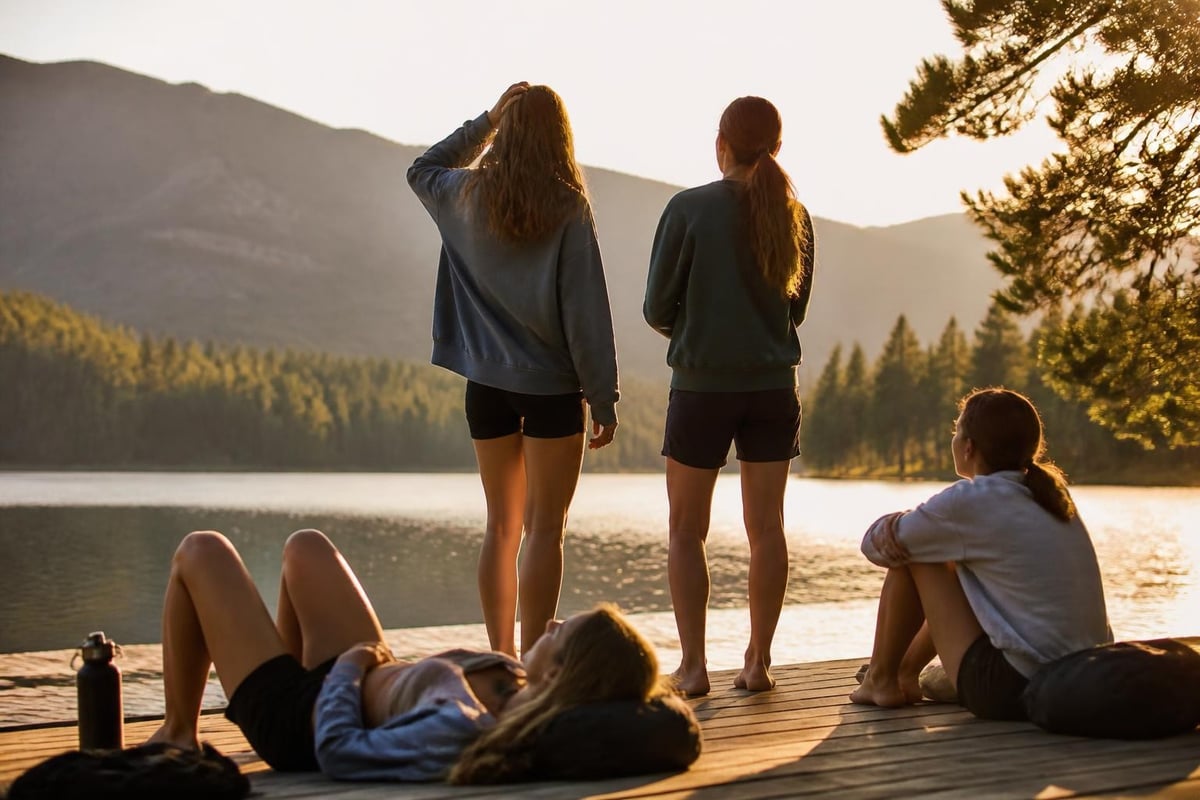
Regular camping experiences reduce stress, improve mood, and enhance cognitive function. The combination of physical activity, natural environments, and disconnection from digital demands creates conditions for genuine mental restoration.
Time spent outdoors shifts perspective. Problems that seemed overwhelming in urban environments often shrink when viewed from a mountain ridge or beside a campfire. This psychological benefit alone justifies the effort required for camp and more preparation.
Camping naturally incorporates physical activity. Setting up camp, gathering firewood, hiking to water sources, and exploring surroundings provide exercise without the structured monotony of gym routines. Even basic campsite maintenance delivers functional fitness benefits.
Camp and more takes on additional dimensions when camping with groups or families. Coordinating multiple people's needs, gear, and expectations requires planning beyond solo adventures.
Introducing children to outdoor experiences builds lifelong appreciation for nature while creating lasting family memories. However, camping with families demands age-appropriate planning.
| Age Group | Special Considerations | Recommended Adaptations |
|---|---|---|
| Toddlers (1-3) | Short attention span, safety hazards | Close supervision, simple activities, familiar foods |
| Children (4-10) | Energy management, engagement | Structured activities, nature exploration, reasonable hikes |
| Teens (11-17) | Social needs, independence | Involve in planning, allow controlled freedom, challenging activities |
| Mixed groups | Varying abilities and interests | Flexible scheduling, multiple activity options, base camp approach |
Start with shorter trips closer to home when introducing families to camping. Success builds confidence for more ambitious future adventures.
Group camping creates unique social dynamics. Shared meals, collaborative problem-solving, and collective experiences strengthen relationships in ways normal social interactions rarely achieve.
Effective group camping requires clear communication about expectations, shared responsibilities, and mutual respect for different comfort levels and camping styles. Some people thrive on minimalist backpacking while others prefer car camping luxury-both approaches are valid within the camp and more spectrum.
Quality outdoor equipment represents significant investment. Proper care extends lifespan and ensures reliability when you need it most. Understanding why quality outdoor equipment matters informs purchase decisions and maintenance priorities.
Essential maintenance steps after every trip:
Canvas requires different care than synthetic materials. Natural fabrics benefit from periodic reproofing treatments that restore water resistance without compromising breathability. South African conditions-intense sun, variable humidity, dust-accelerate wear on all materials, making maintenance even more critical.
Developing basic repair skills transforms potential trip-ending equipment failures into minor inconveniences. Knowing how to patch a tent, repair a broken pole, or improvise solutions with available materials represents valuable outdoor competency.
Carry a repair kit matched to your gear. For canvas tents, include patching material, heavy-duty thread, and waterproof adhesive. For modern synthetic equipment, specialized tape and patch kits designed for technical fabrics prove invaluable.
The camp and more concept adapts to diverse outdoor pursuits beyond traditional recreational camping. Understanding specialized applications helps match gear and planning to specific activities.
Overlanding and mobile camping require equipment that packs efficiently, sets up quickly, and withstands constant relocation. Roof-top tents, trailer systems, and modular storage solutions optimize the unique demands of vehicle-based adventures.
Tent manufacturing has evolved to serve these specialized needs with designs that integrate with vehicle platforms while maintaining weather protection and comfort.
Some outdoor pursuits benefit from establishing a stationary base camp that supports multiple days of activities radiating outward. Climbing expeditions, extended photography trips, and family vacation camps often use this approach.
Base camps justify heavier, more comfortable equipment since portability matters less than durability and livability. Larger tents, comprehensive cooking setups, and infrastructure like shade structures and seating areas enhance extended stays.
Camp and more skills translate directly to emergency preparedness. Natural disasters, power outages, and other disruptions require the same self-sufficiency outdoor camping develops.
Maintaining camping equipment in ready condition provides disaster resilience beyond recreational value. Families with comprehensive camping gear possess significant emergency resources others lack.
Responsible outdoor recreation balances personal enjoyment with environmental protection. The camp and more philosophy embraces Leave No Trace principles as ethical imperatives rather than optional guidelines.
Core Leave No Trace practices for sustainable camping:
These practices preserve outdoor spaces for future users while protecting ecosystems that took decades or centuries to develop. Every camper bears responsibility for stewardship.
Water represents the most critical resource in camp settings. Even in areas with abundant water, responsible use demonstrates environmental awareness.
Minimize water waste during cleaning by using three-bucket washing systems that reuse water efficiently. Dispose of greywater by broadcasting it widely over vegetated areas away from water sources, allowing soil to filter contaminants naturally. Use biodegradable soaps sparingly-even "eco-friendly" products impact aquatic ecosystems.
Camp and more encompasses continuous learning. Outdoor skills deepen through experience, formal training, and knowledge sharing within the outdoor community.
GPS devices and smartphone apps provide convenient navigation, but traditional map and compass skills remain essential. Technology fails-batteries die, devices break, and satellite coverage gaps exist. Paper maps and magnetic compasses work regardless of conditions.
Practice navigation in familiar areas before venturing into unknown terrain. Understand topographic maps, declination, and basic orienteering principles. These skills build confidence and independence while providing critical safety backup.
Fire represents both practical tool and potential hazard. Learning proper fire management-site selection, fuel preparation, fire building techniques, and complete extinguishing-separates responsible campers from dangerous ones.
Camp cooking extends beyond simply heating food. Developing outdoor culinary skills improves nutrition, morale, and overall camping satisfaction. Master basic techniques like temperature control, efficient fuel use, and one-pot meals before attempting complex outdoor cuisine.
Mastering camp and more transforms outdoor experiences from simple escapes into rich adventures that build skills, strengthen relationships, and deliver profound personal benefits. When you're ready to equip yourself with durable, reliable outdoor solutions designed for South African conditions, Ejenti Outdoor provides the quality tents, gazebos, canvas materials, and camping accessories that support every aspect of outdoor living. Whether you're planning your first family camping trip or outfitting a serious expedition, the right gear foundation makes all the difference in creating memorable outdoor experiences.