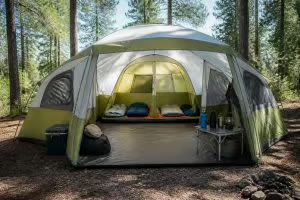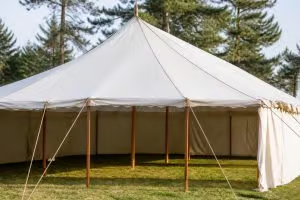


The tent in a tent concept has transformed how outdoor enthusiasts approach camping comfort and weather protection. This dual-layer shelter system combines an inner tent with an outer protective shell, creating a versatile solution for everything from weekend camping trips to extended safari adventures. Understanding how this configuration works and when to use it can significantly improve your outdoor experience, particularly in South Africa's diverse climate conditions.
A tent in a tent setup consists of two distinct layers working together to create an enhanced shelter system. The inner tent provides living space, privacy, and insect protection, while the outer layer (often called a fly or rain fly) shields against rain, wind, and direct sunlight.
This configuration creates an air gap between the two layers, which serves multiple critical functions. The space allows moisture to escape from the inner tent while preventing external water from reaching your living area. It also provides insulation, keeping the interior cooler during hot days and warmer during cold nights.
The inner tent typically features breathable fabric that allows air circulation and prevents condensation buildup inside your sleeping area. Most designs include mesh panels for ventilation and visibility, particularly useful during warm evenings when you want airflow without inviting insects.
Essential elements include:
The outer layer uses heavier, waterproof materials designed to withstand harsh weather conditions. Quality outdoor fabric ensures long-term durability and consistent performance across multiple camping seasons.
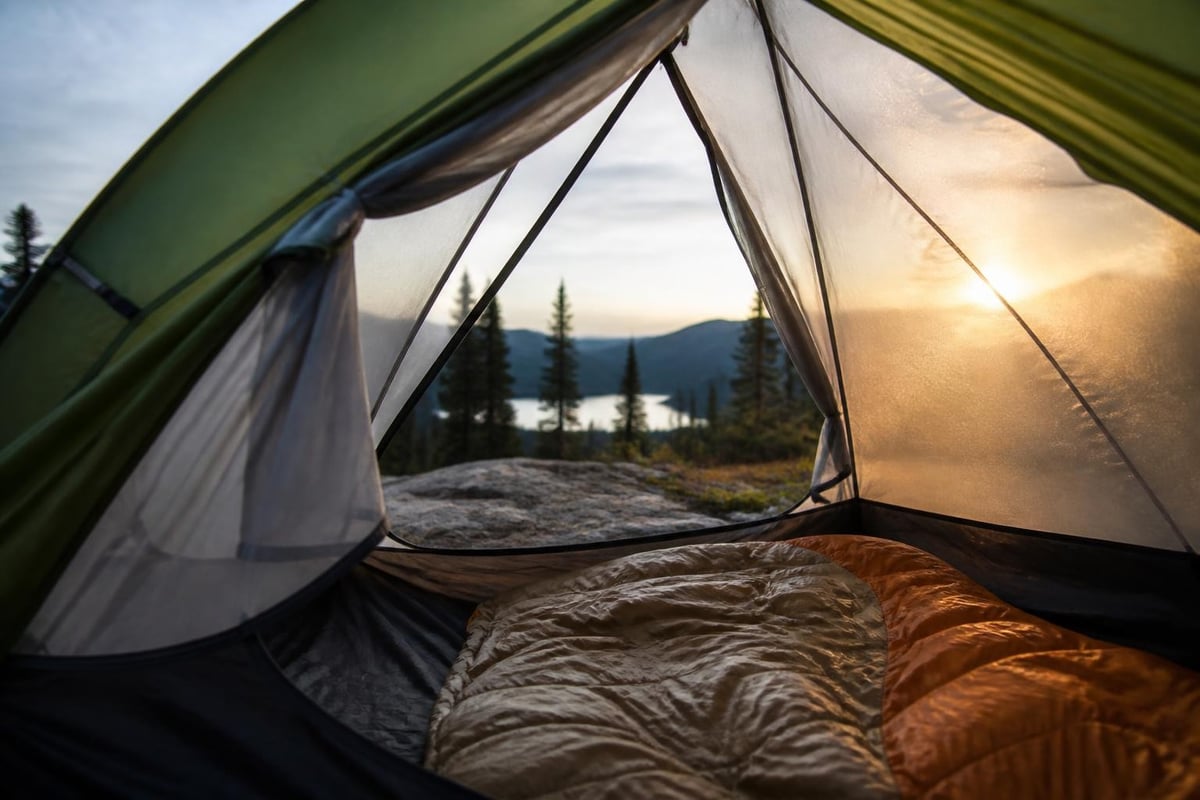
Temperature regulation stands as one of the most significant advantages of this configuration. The air gap between layers acts as insulation, reducing heat transfer in both directions. During summer months, this prevents your tent from becoming unbearably hot, while winter camping benefits from reduced heat loss.
A tent in a tent setup provides superior protection against the elements compared to single-layer alternatives. The outer shell takes the brunt of rain, wind, and UV exposure, preserving the inner tent's condition and extending its lifespan.
| Weather Condition | Single Layer Performance | Tent in a Tent Performance |
|---|---|---|
| Heavy Rain | Water seepage risk | Complete protection |
| Strong Wind | Direct impact on structure | Outer layer absorbs force |
| Condensation | Interior moisture buildup | Managed through air gap |
| UV Exposure | Fabric degradation | Inner tent protected |
The condensation management alone justifies this configuration for many campers. When you breathe, cook, or simply exist inside a tent, you release moisture into the air. Without proper ventilation and layer separation, this moisture condenses on tent walls, creating uncomfortable dampness and potential mildew issues.
The dual-layer design offers better privacy than single-wall tents. The outer layer creates visual separation from surrounding campsites, while the inner tent provides a defined personal space. This proves particularly valuable when camping with family or groups.
Additional comfort benefits include reduced noise from wind and rain hitting the outer layer rather than directly on your sleeping area. The psychological comfort of having two barriers between you and the elements shouldn't be underestimated either.
Safari and extended camping trips represent prime use cases for this configuration. When you're spending multiple nights in the same location, the enhanced comfort and weather protection justify the additional setup time and weight.
South African safari camps frequently employ tent in a tent systems for their guest accommodations. The setup provides the rugged durability needed for bush conditions while maintaining comfort levels guests expect.
Safari-specific advantages:
The configuration allows safari operators to create semi-permanent camps that withstand seasonal changes without constant maintenance. Many canvas tents designed for safari use incorporate built-in tent in a tent features.
Mountaineering expeditions and base camp setups benefit enormously from this shelter approach. When your tent serves as home for weeks or months, the added protection and comfort become essential rather than optional.
The system allows you to adapt to changing conditions without completely restructuring your shelter. Remove the outer layer during fair weather for better stargazing and ventilation, then quickly reinstall it when storms approach.
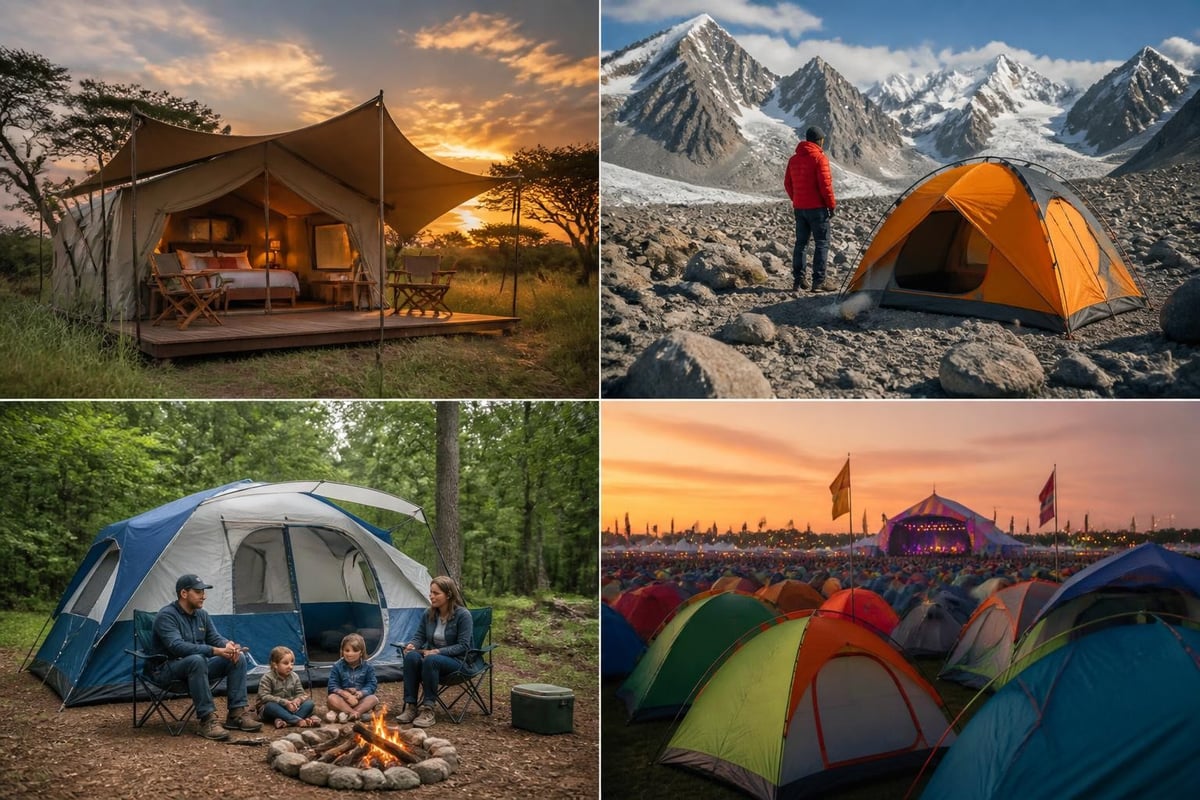
Material selection determines both performance and longevity of your tent in a tent system. The inner tent should prioritize breathability and lightweight construction, while the outer layer needs waterproofing and durability.
Ripstop canvas offers excellent breathability and durability for inner tents. The fabric's tear-resistant construction prevents small punctures from becoming major problems. Look for materials that balance weight with strength, particularly if you plan to transport your setup regularly.
Mesh panels should be fine enough to exclude insects but open enough to allow airflow. Consider your primary camping locations when evaluating mesh density. Coastal areas might require finer mesh for smaller insects, while inland locations can use more open weaves.
The outer shell requires robust waterproofing and UV resistance. Materials rated at 300 GSM or higher provide reliable protection for South African conditions. Some setups use PVC fabric for maximum waterproofing, though this adds weight.
Outer layer material comparison:
| Material Type | Weight | Waterproofing | Durability | Best For |
|---|---|---|---|---|
| Ripstop Canvas 300 GSM | Medium | Excellent | Very High | All-around use |
| PVC 550 GSM | Heavy | Maximum | Maximum | Permanent/semi-permanent |
| Poly-Cotton | Light | Good | Medium | Fair weather camping |
| Nylon Ripstop | Very Light | Good | Medium | Backpacking |
Consider how the outer layer attaches to the inner tent. Quality systems use adjustable connections that let you optimize the air gap based on weather conditions. Wider gaps provide better ventilation in hot weather, while narrower gaps offer more insulation during cold nights.
Proper installation of a tent in a tent system requires attention to detail and understanding of the relationship between both layers. Start by selecting level ground and clearing any sharp objects that might puncture your tent floor.
The air gap between layers should typically measure between 10-15 centimeters. This provides adequate space for air circulation without creating excessive bulk or using unnecessary space in your campsite.
When securing the outer layer, ensure water naturally runs off rather than pooling. The shelter offered by camping accessories like proper tensioning systems makes this process much easier and more reliable.
Many campers position the outer layer too close to the inner tent, negating the benefits of the tent in a tent configuration. If the layers touch, condensation transfers from outer to inner, and insulation value decreases significantly.
Avoid these errors:
Always test your setup before heading into remote locations. A practice run in your backyard reveals potential issues and helps you develop an efficient installation routine.
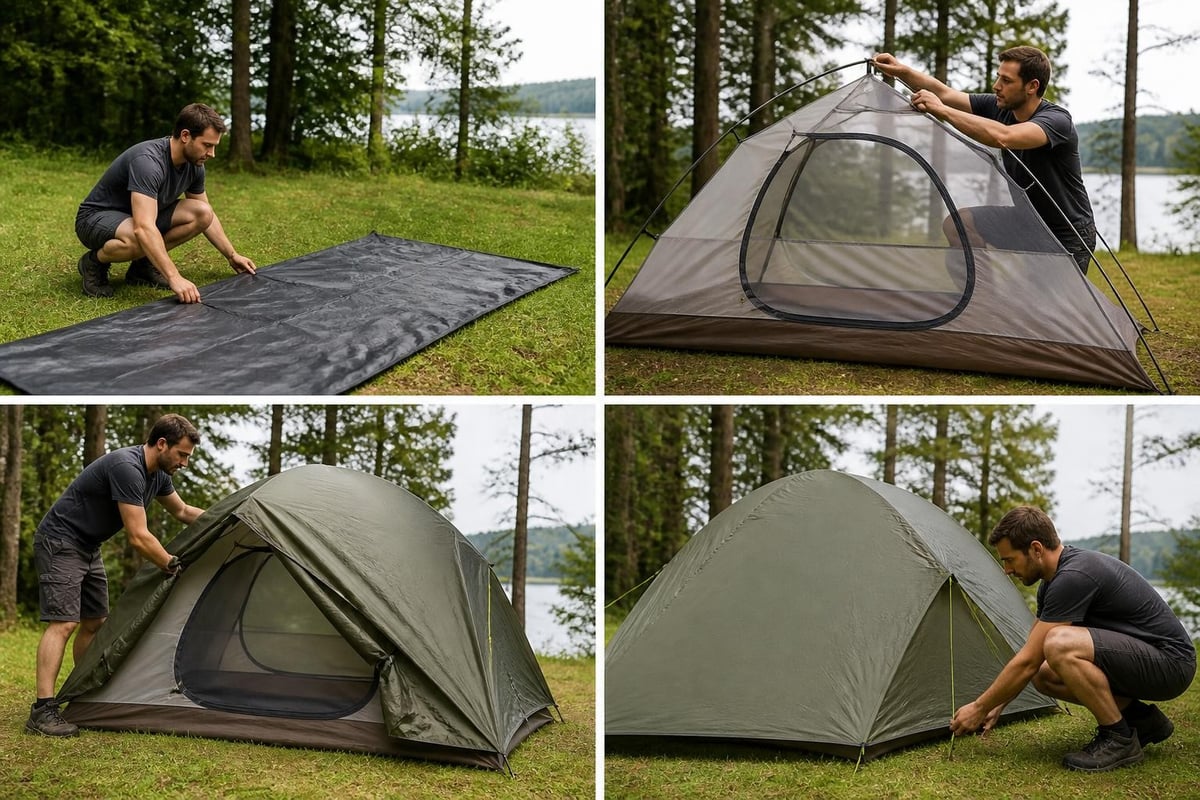
A tent in a tent system represents a significant investment in your outdoor equipment. Proper maintenance ensures years of reliable service and protects that investment.
Clean both tent layers separately after each extended trip. Use mild soap and cool water, avoiding harsh chemicals that can damage waterproof coatings or fabric treatments. Pay special attention to zippers and connection points where dirt accumulates.
Allow both layers to dry completely before storage. Storing damp tents invites mildew growth and fabric degradation. Set up the tent in a shaded area or hang the fabric in a well-ventilated space until thoroughly dry.
Store tents loosely folded or rolled rather than compressed. Constant compression weakens fabrics and damages waterproof coatings over time. Use breathable storage bags rather than plastic containers that trap moisture.
Inspect your tent in a tent setup before and after each camping season. Look for:
Address small issues immediately before they become major problems. A small tear repaired promptly prevents larger fabric damage. Similarly, replacing worn guy lines costs much less than repairing structural damage from inadequate tensioning.
Quality canvas tents benefit from periodic reproofing treatments. Apply waterproofing products according to manufacturer specifications, typically every two to three years for frequently used tents.
South Africa's diverse climate zones require different approaches to tent in a tent configurations. Coastal areas face humidity and salt exposure, while inland regions deal with extreme temperature swings and intense UV radiation.
During hot summer months, maximize ventilation while maintaining rain protection. Open all inner tent mesh panels and adjust the outer layer to create maximum airflow through the system.
Position your tent to catch prevailing breezes while avoiding direct afternoon sun exposure. The outer layer should provide shade without blocking airflow. Some campers remove the outer layer entirely during dry periods, though this sacrifices weather protection if conditions change suddenly.
Consider lighter color outer layers for summer camping. Dark colors absorb more heat, increasing interior temperatures even with good ventilation. Light-colored materials reflect heat while still providing necessary UV protection.
Cold weather camping requires tightening the tent in a tent configuration to maximize insulation. Reduce the air gap slightly to minimize heat loss while maintaining enough space to prevent condensation transfer between layers.
Close ventilation openings that aren't essential for air circulation. You need enough airflow to prevent dangerous carbon monoxide buildup if cooking inside, but excessive ventilation wastes heat unnecessarily.
Winter optimization checklist:
The combination of proper camping gear and correct tent configuration keeps you comfortable even during cold snaps.
A tent in a tent system inevitably weighs more than single-layer alternatives. Understanding this trade-off helps you make informed decisions about when this configuration makes sense for your specific needs.
Backpackers often find full tent in a tent systems too heavy for extended hiking trips. However, ultralight versions using minimalist inner tents with tarp-style outer layers provide some benefits without excessive weight penalties.
Vehicle-based camping eliminates most weight concerns. When you can drive to your campsite, prioritize comfort and protection over gram-counting. The enhanced livability of a proper tent in a tent setup justifies the additional weight for car camping and safari trips.
| Transport Method | Weight Priority | Recommended System |
|---|---|---|
| Backpacking | Critical | Minimalist hybrid |
| Vehicle Camping | Low | Full dual-layer |
| Motorcycle/Bicycle | High | Lightweight compromise |
| Boat/Canoe | Medium | Compact dual-layer |
Pack inner and outer tents in separate bags for easier setup and organization. This separation also allows you to deploy only the components you need for specific conditions.
Use compression sacks selectively. While they reduce pack volume, over-compression damages fabrics and coatings. Compress only when absolutely necessary for space constraints.
Mark guy lines and stakes clearly so you can identify them quickly during setup. Color-coding systems or labeled bags save significant time, particularly when setting up in fading light or adverse weather.
A tent in a tent system often works best when combined with complementary outdoor shelter solutions. Vestibules, awnings, and adjacent structures extend your usable space and enhance overall camping comfort.
Vestibules create covered storage and transition areas between your tent interior and the outside environment. This space keeps muddy boots, wet gear, and cooking equipment out of your sleeping area while protecting them from weather.
Many tent in a tent designs include built-in vestibules as part of the outer layer. These extensions use the same waterproof material as the main fly, creating seamless weather protection.
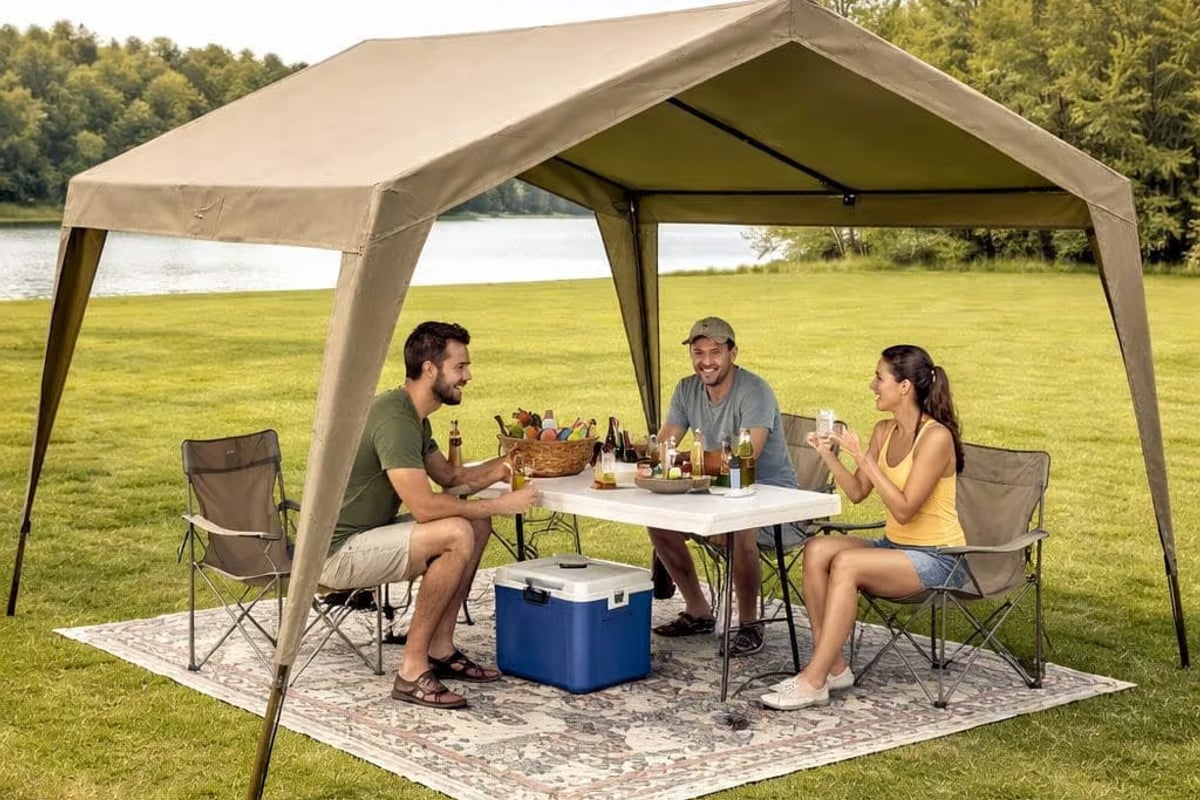
For extended stays, consider adding a separate shelter like a canvas gazebo near your tent. This provides a covered common area for meals, relaxation, and gear organization. Ejenti Outdoor manufactures high-quality Canvas Gazebo Heavy Duty Waterproof Ripstop Gazebo options that complement tent in a tent setups perfectly for group camping or base camp situations. These gazebos use the same durable ripstop canvas construction, ensuring consistent weather protection across your entire campsite layout.
The ground protection beneath your tent in a tent system deserves careful attention. A quality footprint prevents moisture intrusion from below and protects against punctures and abrasion.
Footprints should extend slightly beyond the inner tent floor but remain smaller than the outer layer's perimeter. This prevents rain from collecting between the footprint and tent floor, which would defeat the purpose of ground protection.
Consider the terrain when selecting footprint materials. Rocky areas require heavier-duty protection than soft grass campsites. Some campers carry multiple footprint options for different environments.
Evaluating tent in a tent systems requires looking beyond initial purchase price to long-term value and performance. While these configurations typically cost more than basic single-layer tents, the enhanced durability and comfort often justify the investment.
Quality tent in a tent systems range from mid-tier recreational models to premium expedition-grade setups. Your specific needs and usage frequency should guide budget allocation.
Price considerations by category:
Factor in the cost of essential accessories like quality stakes, guy lines, and replacement parts. These components significantly affect overall system performance and shouldn't be afterthoughts.
Calculate cost per camping night over the expected lifespan of your tent. A higher-quality tent in a tent system that lasts 10 years of regular use often proves more economical than replacing cheaper tents every two years.
Consider resale value for premium systems. Well-maintained quality tents retain significant value, while budget options typically have minimal resale potential. This becomes relevant if your camping needs change or you upgrade equipment.
Modern outdoor enthusiasts increasingly consider environmental impact when selecting camping equipment. Tent in a tent systems present both challenges and opportunities in sustainability.
The most sustainable tent is one that lasts for decades rather than requiring frequent replacement. Quality tent in a tent systems excel here, providing reliable service across many years when properly maintained.
Repairable construction matters significantly. Systems using standard components and proven construction techniques can be repaired indefinitely, while proprietary designs often become unrepairable once parts are discontinued.
Consider what happens when your tent eventually reaches end of life. Canvas and natural fiber materials decompose more readily than synthetic alternatives, though modern waterproof treatments complicate this equation.
Some manufacturers offer recycling programs for worn-out tents. These initiatives recover usable materials and properly dispose of components that cannot be recycled. Supporting companies with take-back programs encourages industry-wide sustainability improvements.
Advanced users often customize tent in a tent systems for specific activities or environments. Understanding modification possibilities helps you optimize your shelter for unique requirements.
Adding reinforcement patches to high-stress areas extends tent lifespan significantly. Focus on stake points, pole contact areas, and zipper terminations where fabric experiences the most strain.
Custom ventilation additions improve airflow in hot climates. Carefully placed mesh panels or adjustable vents enhance comfort without compromising structural integrity. Consult with professionals before making major modifications to ensure you don't create weak points.
Scientific research expeditions, film productions, and extended wilderness programs often require customized tent in a tent configurations. These applications demand specific features beyond standard recreational camping needs.
Medical tent setups for remote clinics use modified configurations providing sterile environments and climate control. Similarly, mobile workshops and field offices adapt the tent in a tent concept for professional rather than recreational purposes.
A tent in a tent system enhances safety through redundancy and superior weather protection. However, proper usage requires understanding potential risks and mitigation strategies.
High winds pose significant challenges to any tent system. The tent in a tent configuration spreads wind load across two structures, but proper installation becomes critical for safety during storms.
Emergency weather protocols:
Never remain in a tent during lightning storms in exposed locations. Seek proper shelter in vehicles or buildings. The tent in a tent system provides no lightning protection and may actually increase risk through metal frame components.
Cooking inside any tent creates fire and carbon monoxide risks. If you must cook under cover during bad weather, use the vestibule area with adequate ventilation, never the sleeping compartment.
Keep fire extinguishers or water readily accessible when cooking near tent structures. Camping accessories specifically designed for safety should be part of every camping setup.
Position tents away from campfires and cooking areas. Even with distance, embers from fires can drift and create burn holes in tent fabric. The dual-layer construction provides some redundancy, but prevention remains the best strategy.
The tent in a tent configuration represents a proven approach to comfortable, protected outdoor sheltering across diverse conditions and applications. Whether you're planning weekend camping trips, extended safari adventures, or setting up semi-permanent base camps, understanding how dual-layer systems work and how to optimize them for your specific needs enhances every outdoor experience. Ejenti Outdoor provides the quality canvas tents, outdoor fabrics, and camping accessories South African adventurers need to build reliable tent in a tent systems that perform year after year in our unique climate conditions.