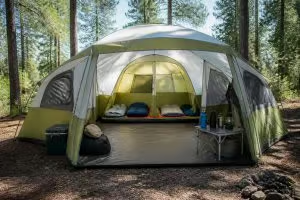
Finding reliable shelter for your outdoor adventures doesn't require breaking the bank. Camping cheap tents have evolved significantly over recent years, offering surprisingly robust features, improved materials, and better weather protection than ever before. Whether you're a beginner camper testing the waters or an experienced adventurer looking for a backup shelter, understanding what makes a budget tent worth your money can transform your camping experience while keeping your wallet happy.
Budget tents occupy a unique space in outdoor gear. They're designed to provide essential weather protection and sleeping space without the advanced materials or specialized features found in premium models.
The key difference between camping cheap tents and their expensive counterparts usually lies in weight, packed size, and specialized features rather than basic functionality. Most affordable tents use slightly heavier fabrics, simpler pole systems, and fewer ventilation options. However, these compromises rarely affect weekend campers or those setting up base camps where weight isn't critical.
Modern budget tents typically use polyester or nylon fabrics ranging from 68D to 75D (denier), which refers to fabric thickness and durability. These materials provide adequate tear resistance and waterproofing for typical camping conditions.
Common fabric features include:
According to OutdoorGearLab’s comprehensive testing, budget tents with 1,200mm to 2,000mm waterproof ratings handle moderate rain effectively. While premium tents often exceed 3,000mm, most campers encounter conditions where mid-range waterproofing proves sufficient.
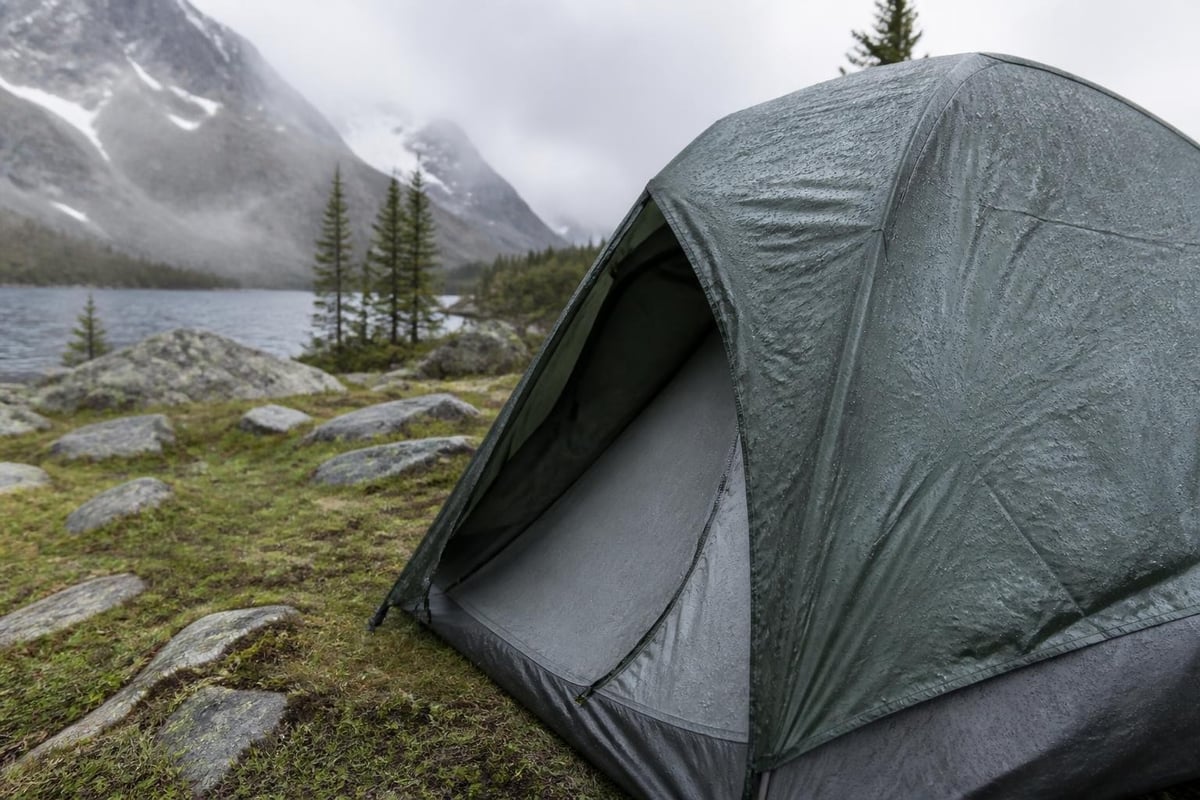
When shopping for camping cheap tents, certain features deliver more value than others. Understanding where to compromise and where to stay firm helps you select a tent that performs reliably.
Fiberglass poles dominate the budget tent market because they're affordable and reasonably durable. They work well for car camping and casual use, though they're heavier and more prone to breakage than aluminum alternatives.
| Pole Type | Weight | Durability | Flexibility | Price Range |
|---|---|---|---|---|
| Fiberglass | Heavy | Moderate | Good | Budget |
| Aluminum (basic) | Medium | Good | Excellent | Mid-range |
| Aluminum (premium) | Light | Excellent | Excellent | High |
| Carbon fiber | Very light | Excellent | Good | Premium |
Look for tents with shock-corded poles that snap together easily. This feature saves frustration during setup and reduces the chance of losing pole sections.
A bathtub-style floor that extends several inches up the tent walls provides crucial protection against ground moisture. This design prevents water from seeping in during heavy rain or when camping on damp ground.
Many camping cheap tents include integrated floors with higher denier ratings (typically 120D to 150D) than wall fabrics. This extra thickness resists punctures from rocks, sticks, and rough terrain. The National Park Service recommends using an additional ground cloth or footprint underneath your tent to extend floor life and provide extra moisture protection.
Tent capacity ratings can mislead buyers. A "3-person" tent technically fits three sleeping bags side-by-side with zero room for gear, movement, or comfort.
Practical sizing guidelines:
Budget family tents often prioritize floor space over height, which works well for sleeping but can feel cramped during daytime use or when changing clothes. Single-wall designs save money but create more condensation issues than double-wall tents with separate rain flies.
Even camping cheap tents should offer some protected storage space. Vestibules created by extended rain flies keep boots, backpacks, and cooking equipment dry without cluttering your sleeping area.
A 2-foot vestibule provides enough space for two backpacks and footwear. Larger families benefit from double-door designs with vestibules on both sides, distributing gear storage and improving entry/exit convenience.

Poor ventilation ranks among the most common complaints about budget tents. When warm, moist air from breathing meets cool tent fabric, condensation forms and drips onto sleeping bags and gear.
Quality camping cheap tents incorporate mesh panels in doors and windows to promote cross-ventilation. These panels should have closeable fabric covers for privacy and cold-weather protection.
Effective ventilation features include:
Backpacker magazine’s testing shows that tents with at least two mesh panels opposite each other significantly reduce condensation compared to single-vent designs. This becomes especially important during humid summer nights or when camping near water sources.
Most camping cheap tents fall into the "3-season" category, designed for spring, summer, and fall conditions. These tents handle moderate wind, rain, and occasional light snow but aren't built for winter camping or extreme weather.
Understanding seasonal ratings prevents disappointment and potential safety issues. A budget 3-season tent performs admirably during typical camping weather but struggles in sustained heavy rain, strong winds above 35 mph, or snow accumulation.
Full-coverage rain flies that extend to the ground offer superior weather protection compared to partial flies. The gap between the inner tent and rain fly creates dead air space that improves insulation and reduces condensation.
Budget tents sometimes sacrifice fly coverage to reduce material costs. Look for flies that cover at least 80% of the tent body and provide adequate vestibule protection. Guy-out points (attachment locations for stabilizing ropes) improve wind resistance and rain fly stability.
For those seeking reliable weather protection in South African conditions, the Premium Heavy-Duty Canvas Dome Tent offers engineered durability specifically designed for harsh African climates, providing exceptional value for serious outdoor enthusiasts.
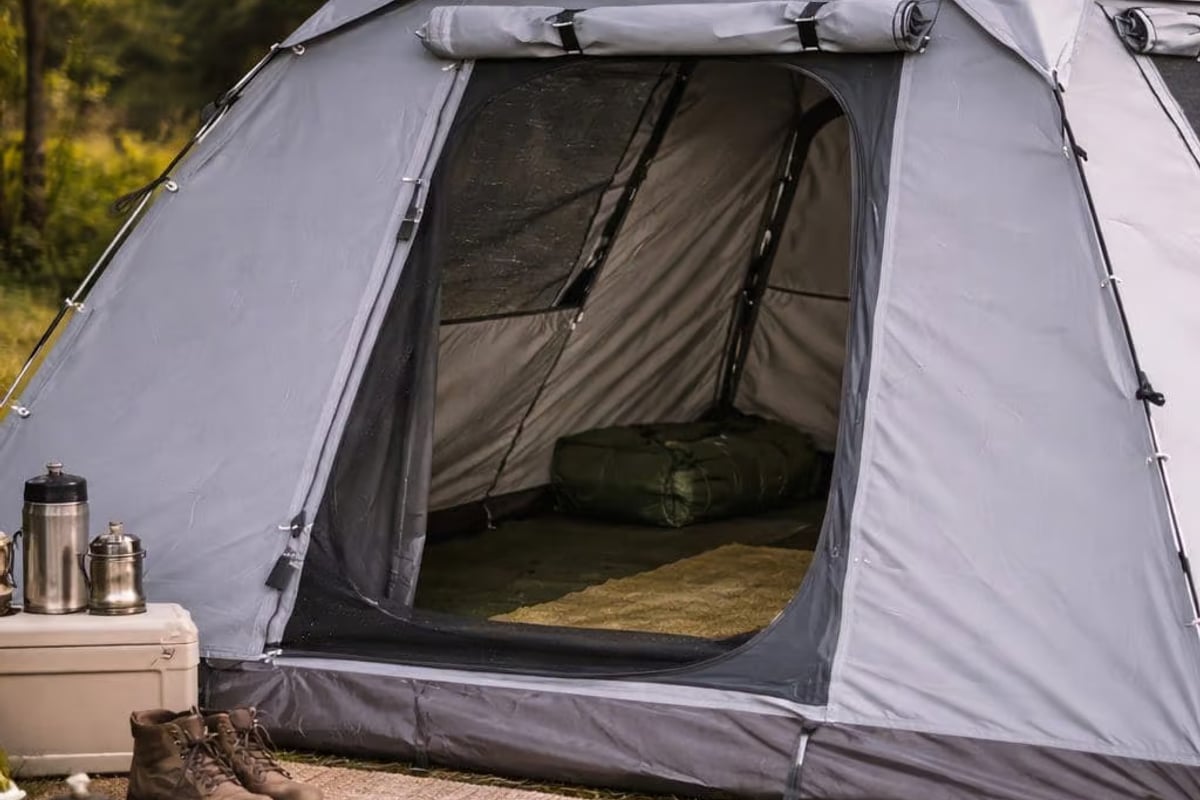
Complex setup procedures frustrate tired campers, especially when arriving at camp after dark. Camping cheap tents should assemble in 15 minutes or less with basic instructions.
Setup features that matter:
Freestanding tents use pole tension to maintain shape, allowing you to position the tent before staking. This flexibility helps when camping on rocky ground or when you need to rotate the tent for optimal door placement and shade.
Budget tent stakes often disappoint. They bend easily, pull out in soft soil, and lack the strength for rocky ground. Replacing factory stakes with aftermarket aluminum or steel stakes costs little but dramatically improves tent stability.
Quality guy lines with adjustable tensioners let you fine-tune rain fly tightness and overall stability. Pre-attached guy lines save setup time but can tangle during packing. Reflective cord helps prevent tripping hazards at night.
Even camping cheap tents last many seasons with appropriate maintenance and storage practices. Understanding how to care for your shelter protects your investment.
Never pack a wet tent for extended storage. Moisture trapped in fabric promotes mildew growth, weakens waterproof coatings, and creates unpleasant odors.
Proper tent care steps:
When camping in sandy or dusty conditions, shake out the tent thoroughly before packing. Sand particles act like sandpaper, gradually wearing through fabric and zippers.
Small tears in camping cheap tents grow larger without prompt attention. Carrying a basic repair kit extends your tent's usable life significantly.
| Repair Item | Purpose | Application Method |
|---|---|---|
| Tenacious Tape | Fabric tears | Clean area, apply patch, press firmly |
| Seam sealer | Waterproofing | Apply to inside seams, cure overnight |
| Pole splint | Broken poles | Slide over break, secure with tape |
| Spare stakes | Lost/broken stakes | Replace as needed |
Consumer Reports recommends inspecting tent seams annually and reapplying seam sealer to high-stress areas like corners and floor edges.
Timing your purchase and knowing where to look dramatically affects how much you pay for camping cheap tents. Retailers clear inventory at predictable times, creating opportunities for substantial savings.
End-of-season sales (late August through October in the Northern Hemisphere, March through May in South Africa) offer the deepest discounts on camping gear. Retailers make room for next year's models, marking down current inventory by 30% to 50%.
Previous-year models often perform identically to newer versions but cost significantly less. Unless a tent received a major redesign addressing specific problems, last year's model delivers the same value.
Companies selling directly to consumers through their websites eliminate retailer markup, passing savings to buyers. South African manufacturers like Ejenti Outdoor understand local conditions and climate challenges, designing tents specifically for regional needs rather than adapting international designs.
Local manufacturing also simplifies warranty claims, replacement parts, and customer support compared to imported brands.
Before committing to any tent, research independent reviews and testing results. Professional outdoor gear reviewers subject tents to standardized tests measuring waterproofing, wind resistance, durability, and ease of setup.
Weather testing reveals whether camping cheap tents deliver on their specifications. Look for reviews mentioning specific rain amounts (measured in inches or millimeters) or wind speeds the tent survived.
Setup difficulty matters more than manufacturers admit. If professional reviewers struggle with assembly, average campers will face frustration. Video reviews showing actual setup processes provide valuable insight beyond written descriptions.
While most camping cheap tents target general recreational camping, some budget options suit specific activities surprisingly well.
Lightweight pop-up tents and basic dome shelters excel for music festivals, occasional beach camping, or backyard adventures. Since these tents face minimal weather exposure and limited use, budget models perform adequately without premium features.
For those planning coastal camping trips where you might combine land-based activities with water adventures, researching specialized tour operators like Palawan Diving can enhance your overall outdoor experience by connecting you with unique environments that complement your camping adventures.
Camping cheap tents shine in car camping scenarios where weight doesn't matter. Larger family tents with ample space cost less than backpacking tents of similar quality because manufacturers use heavier materials and simpler designs.
U.S. Forest Service guidelines for campsite selection emphasize choosing level ground, avoiding hazard trees, and maintaining proper distance from water sources. These principles apply regardless of tent cost and ensure safe, comfortable camping experiences.
Veterans looking to add backup tents or specialized shelters to their gear collection evaluate camping cheap tents differently than beginners.
Experienced campers often maintain a "backup tent" for unexpected guests, equipment failure, or group trips. Budget tents fill this role perfectly, providing reliable shelter without significant financial investment.
Strategic uses for secondary tents:
This approach allows you to invest in one premium tent for serious trips while maintaining affordable options for other scenarios.
Dividing tent weight by interior square footage creates a useful efficiency metric. Camping cheap tents typically range from 1.5 to 2.5 pounds per square foot of floor space, compared to 0.5 to 1.5 pounds for premium backpacking tents.
For car camping where weight matters little, this metric becomes less relevant. However, understanding it helps compare different models and identify unusually heavy or light options within the budget category.
Budget-conscious camping doesn't require sacrificing environmental responsibility. Several practices reduce your ecological footprint while using camping cheap tents.
Proper campsite selection minimizes environmental impact regardless of tent cost. Choose established sites when available, camp on durable surfaces like gravel or sand, and avoid fragile vegetation.
Low-impact camping practices:
These principles protect natural areas for future campers while ensuring your own camping experience remains enjoyable and sustainable.
Extending tent life through repairs rather than replacement reduces waste and saves money. Many common tent problems need simple fixes rather than full replacement.
Small punctures, broken zippers, and torn seams all respond to straightforward repairs. Budget tents may not use the finest materials, but their simpler construction often makes them easier to repair than complex premium models.
Even camping cheap tents provide adequate shelter when used properly, but understanding their limitations prevents dangerous situations.
Check weather forecasts before trips and monitor conditions while camping. Budget 3-season tents handle moderate weather well but struggle in severe storms.
If forecasts predict extreme weather including thunderstorms, high winds above 40 mph, or heavy snow, consider postponing trips or seeking sturdier shelter. No tent, regardless of cost, protects against lightning strikes or falling trees.
When unexpected severe weather arrives, several techniques improve tent stability and weather resistance:
Having backup shelter options like a vehicle nearby or knowledge of sturdy natural features provides safety margins during unexpected weather changes.
Camping cheap tents offer excellent value when you understand what features matter most and how to maximize their performance through proper selection, setup, and maintenance. Whether you're starting your outdoor journey or adding versatile backup shelter to your gear collection, budget options deliver reliable protection without premium pricing. Ejenti Outdoor specializes in durable, weather-resistant tents and outdoor solutions designed specifically for South African conditions, offering quality gear that performs when you need it most.