
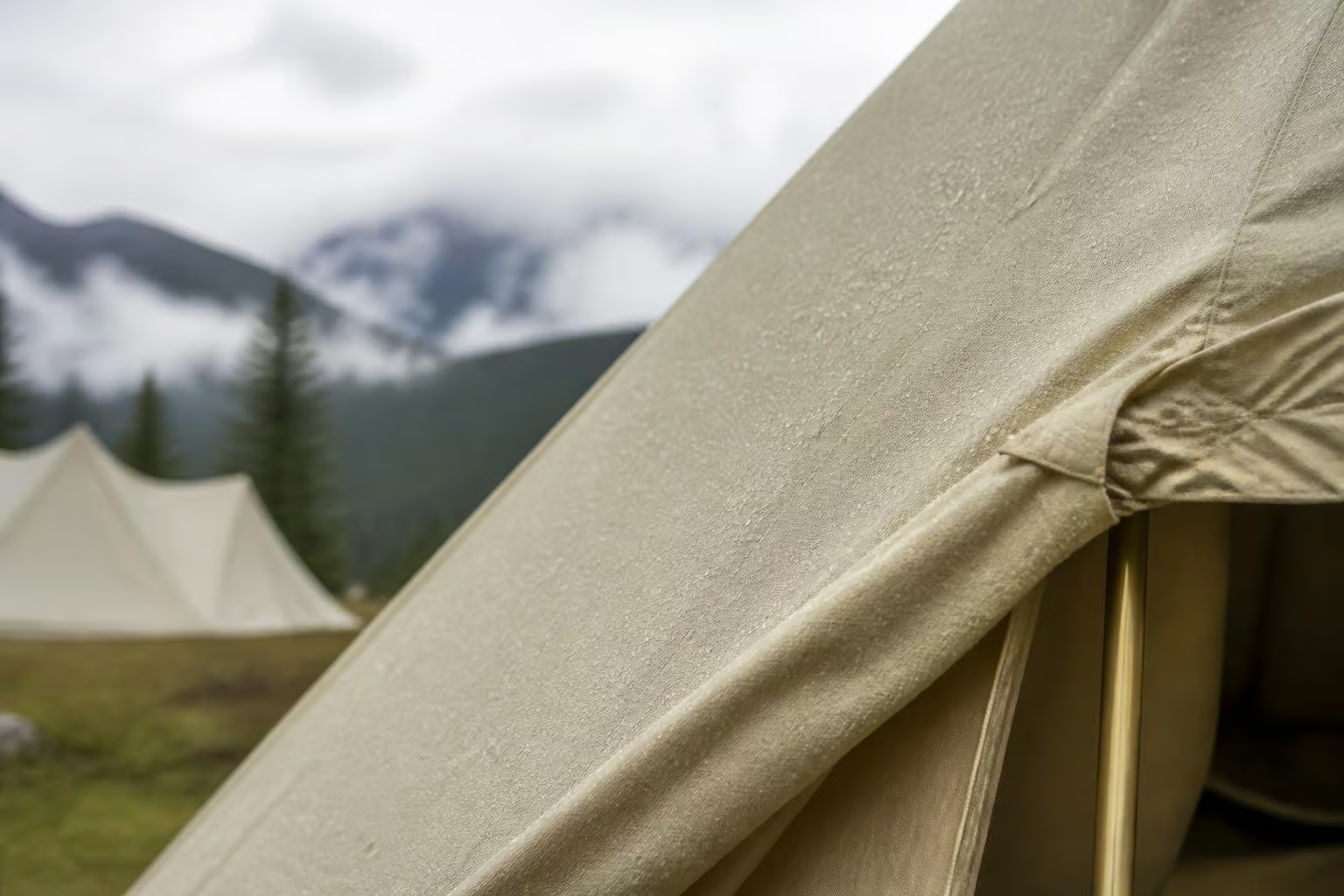
The relationship between tent and canvas has shaped outdoor adventure for centuries. This natural fabric continues to dominate the premium shelter market in 2026, offering a unique combination of breathability, durability, and weather resistance that synthetic materials struggle to replicate. Understanding the science, selection criteria, and maintenance requirements of canvas tents enables outdoor enthusiasts to make informed decisions about their shelter investments.
Canvas fabric represents a tightly woven material traditionally manufactured from cotton, hemp, or linen fibers. The weaving process creates a dense structure that provides exceptional strength while maintaining breathability. Modern canvas production has evolved significantly, with manufacturers now incorporating ripstop patterns and specialized treatments to enhance performance characteristics.
The weight measurement of canvas fabric, expressed in grams per square meter (GSM), directly correlates with its durability and weather resistance. Professional-grade tent and canvas products typically range from 300 GSM to 550 GSM, with heavier weights offering superior protection against harsh conditions. Canvas fabric composition varies based on intended application, with outdoor shelters requiring specific weave densities and fiber treatments.
Cotton canvas offers several distinct benefits for tent construction:
The cellular structure of cotton fibers enables a unique waterproofing mechanism. When exposed to moisture, individual fibers swell and tighten the weave pattern, creating a barrier against water penetration.
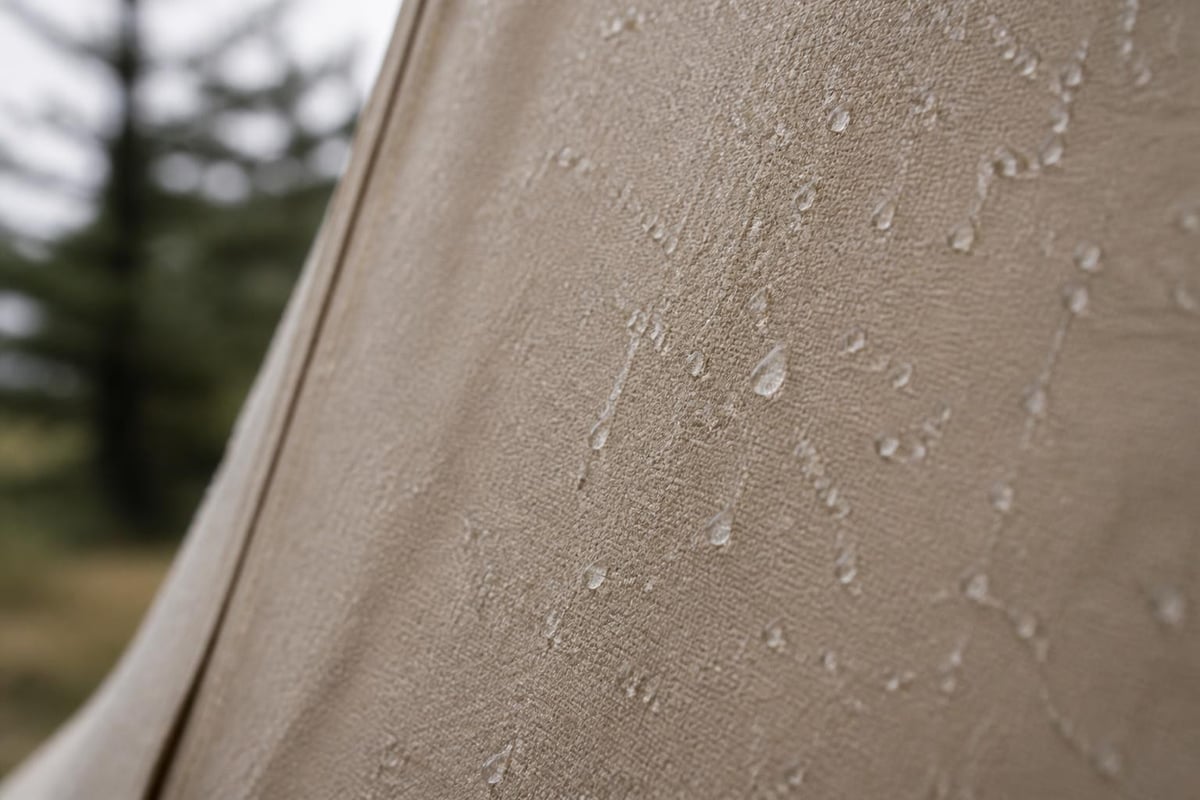
The waterproofing capabilities of tent and canvas products depend on multiple factors working in combination. Natural cotton canvas exhibits inherent water resistance through fiber swelling, but modern treatments enhance this property significantly. Professional-grade tents undergo specialized processes to maximize weather protection while preserving breathability.
Seasoning represents a critical step for new canvas tents. This process involves setting up the tent, spraying it thoroughly with water, and allowing it to dry completely. The science behind canvas tent waterproofing demonstrates how this initial wetting cycle activates the fiber swelling mechanism and identifies potential leak points for sealing.
| Treatment Type | Primary Function | Longevity | Maintenance Required |
|---|---|---|---|
| Silicone-based | Water repellency | 2-3 years | Reapplication needed |
| Wax impregnation | Deep waterproofing | 3-5 years | Periodic recoating |
| Acrylic coating | UV protection | 4-6 years | Minimal upkeep |
| Fluoropolymer | Stain resistance | 1-2 years | Frequent renewal |
Modern tent and canvas manufacturers often combine multiple treatment approaches to achieve optimal performance. The ripstop canvas construction adds reinforcement threads at regular intervals, preventing tears from spreading while maintaining flexibility.
Waterproofing compounds require proper application technique. The canvas must be clean, dry, and stretched when treatments are applied. Seam areas demand special attention, as stitching creates potential water entry points.
Engineering principles govern effective tent and canvas shelter design. The structural analysis of large canvas tents reveals complex interactions between fabric tension, frame geometry, and environmental loads. Professional designers utilize finite element analysis to optimize strength-to-weight ratios and predict performance under extreme conditions.
Frame materials significantly impact overall tent functionality. Galvanized steel provides maximum strength and stability for permanent or semi-permanent installations. Aluminum frames offer lighter weight for portable applications while maintaining adequate structural integrity.
Pole positioning determines load distribution across the canvas fabric. Strategic placement reduces stress concentration points and extends material lifespan. Modern tent and canvas designs incorporate the following structural features:
The relationship between pitch angle and water shedding efficiency requires careful consideration. Steeper roof sections encourage rapid runoff, preventing water accumulation that could stress fabric and seams. Safari-style tents often incorporate dual-layer construction, with an inner breathable layer and outer waterproof fly creating an insulating air gap.
Weight distribution planning ensures stability across varying terrain. Proper staking technique anchors tent and canvas structures against uplift forces generated by wind exposure. Professional installations calculate required stake quantity based on anticipated weather conditions and soil composition.
Evaluating tent and canvas quality requires understanding multiple performance indicators. Fabric weight alone does not determine suitability for specific applications. Thread count, weave pattern, fiber length, and treatment quality all contribute to overall performance characteristics.
Premium canvas utilizes long-staple cotton fibers that produce smoother, stronger yarn. The tight twist applied during spinning enhances durability and reduces pilling over extended use. Manufacturers specify thread count per square inch, with higher densities generally indicating superior quality.
When sourcing tent and canvas products, verify these quality markers:
Ripstop patterns enhance tear resistance without excessive weight addition. These reinforcement threads create a grid structure that contains damage within individual sections. The spacing between ripstop threads affects both strength and flexibility, with tighter patterns offering maximum protection.
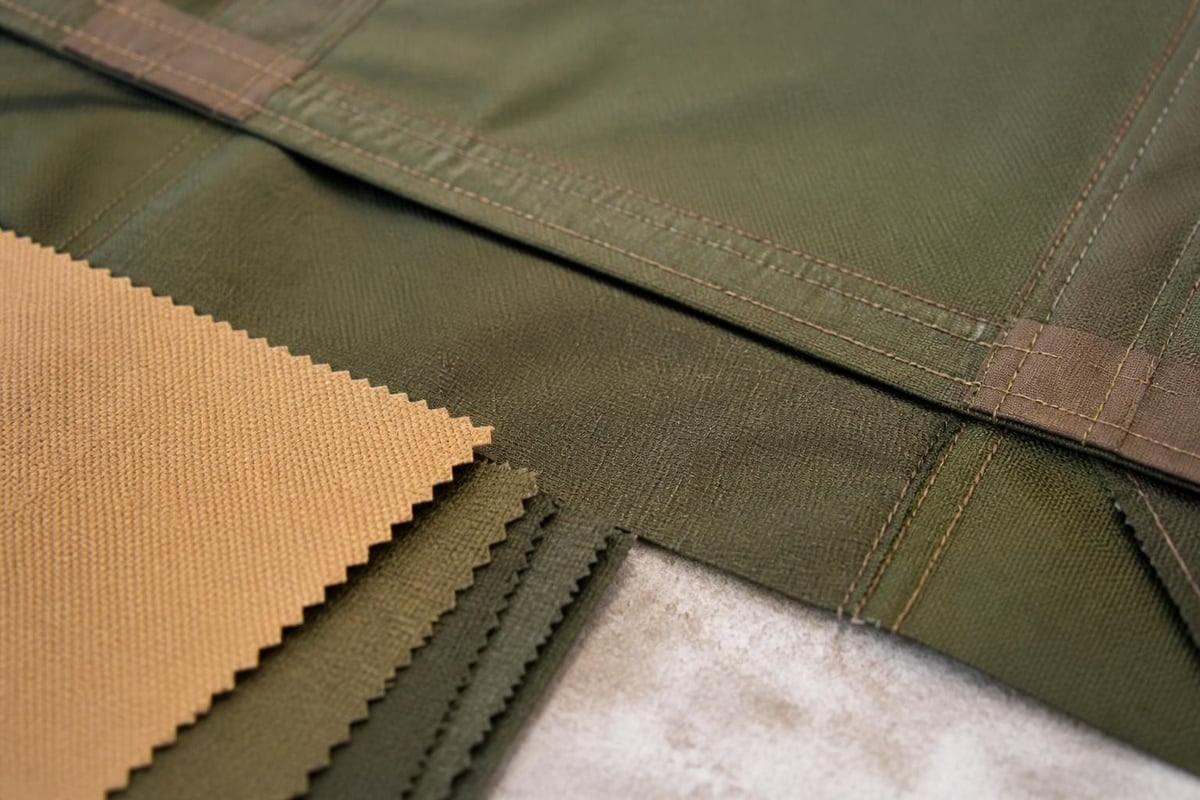
Proper maintenance extends tent and canvas lifespan significantly. Regular cleaning prevents mold growth, material degradation, and waterproofing breakdown. The cleaning process requires gentle approaches that preserve fabric treatments and structural integrity.
Never machine wash canvas tents. Hand cleaning with mild soap and soft brushes removes dirt without damaging fibers. Complete drying before storage prevents mildew formation that weakens fabric and creates unpleasant odors. Ejenti Outdoor’s product range includes specialized care products designed specifically for canvas tent maintenance.
| Storage Condition | Impact on Canvas | Recommended Approach |
|---|---|---|
| Humidity level | Mold growth risk | Store in dry environment below 50% RH |
| Temperature | Fiber deterioration | Maintain moderate temps (15-25°C) |
| Compression | Permanent creasing | Loose rolling or hanging storage |
| Light exposure | UV degradation | Dark storage area essential |
| Ventilation | Musty odor prevention | Allow air circulation around stored tent |
Periodic inspections identify developing issues before they become critical failures. Check seams for thread wear, examine fabric for thin spots or holes, and verify hardware function. Minor repairs completed promptly prevent extensive damage requiring professional restoration.
UV exposure represents the primary environmental threat to tent and canvas durability. Even treated fabrics experience gradual breakdown when subjected to prolonged direct sunlight. Positioning shelters to minimize sun exposure during peak intensity hours preserves material integrity.
Different outdoor activities demand distinct tent and canvas characteristics. Weekend camping trips require different specifications than extended safari expeditions or permanent glamping installations. Understanding intended use patterns guides appropriate product selection.
Recreational camping prioritizes portability and ease of setup. Lighter canvas weights (300-350 GSM) provide adequate protection while minimizing pack weight. Quick-deployment frame systems reduce setup time at campgrounds.
Safari and extended expeditions demand maximum durability and weather protection. Heavy-duty tent and canvas construction (450-550 GSM) withstands harsh conditions and repeated setup cycles. Multi-room configurations provide comfortable living spaces for extended stays.
Event and commercial applications require professional appearance and reliable performance. Large-format structures accommodate significant occupancy while maintaining stability in variable weather. Branded customization options support marketing objectives.
Permanent and semi-permanent installations benefit from maximum weight canvas and robust frame construction. These structures must withstand continuous weather exposure while maintaining aesthetic appeal across seasons.
The 3m x 6m safari lodge tent represents an ideal balance between space and portability for extended outdoor stays. These structures incorporate ripstop canvas fabric and reinforced construction suitable for demanding South African conditions.
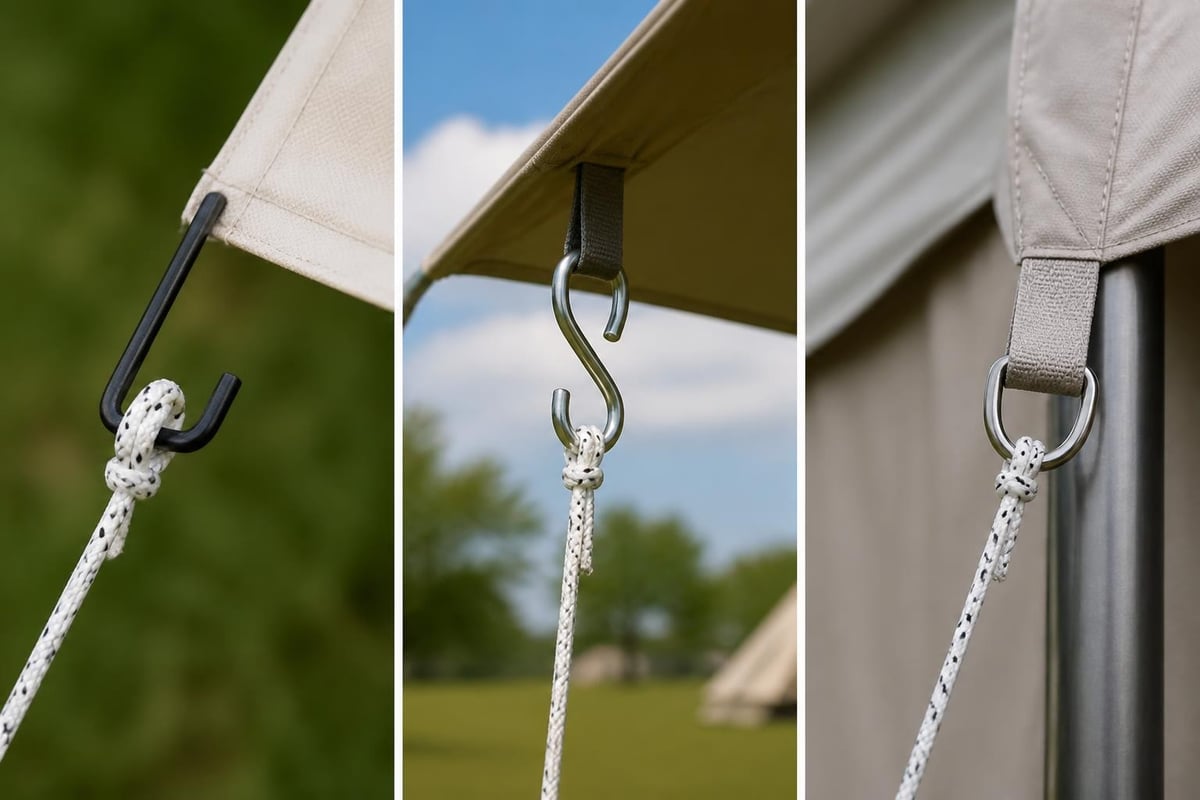
Quality hardware components prove essential for reliable tent and canvas performance. Fastening systems must withstand repeated stress cycles while resisting corrosion in outdoor environments. Metal fatigue and material degradation represent common failure points in inadequate hardware specifications.
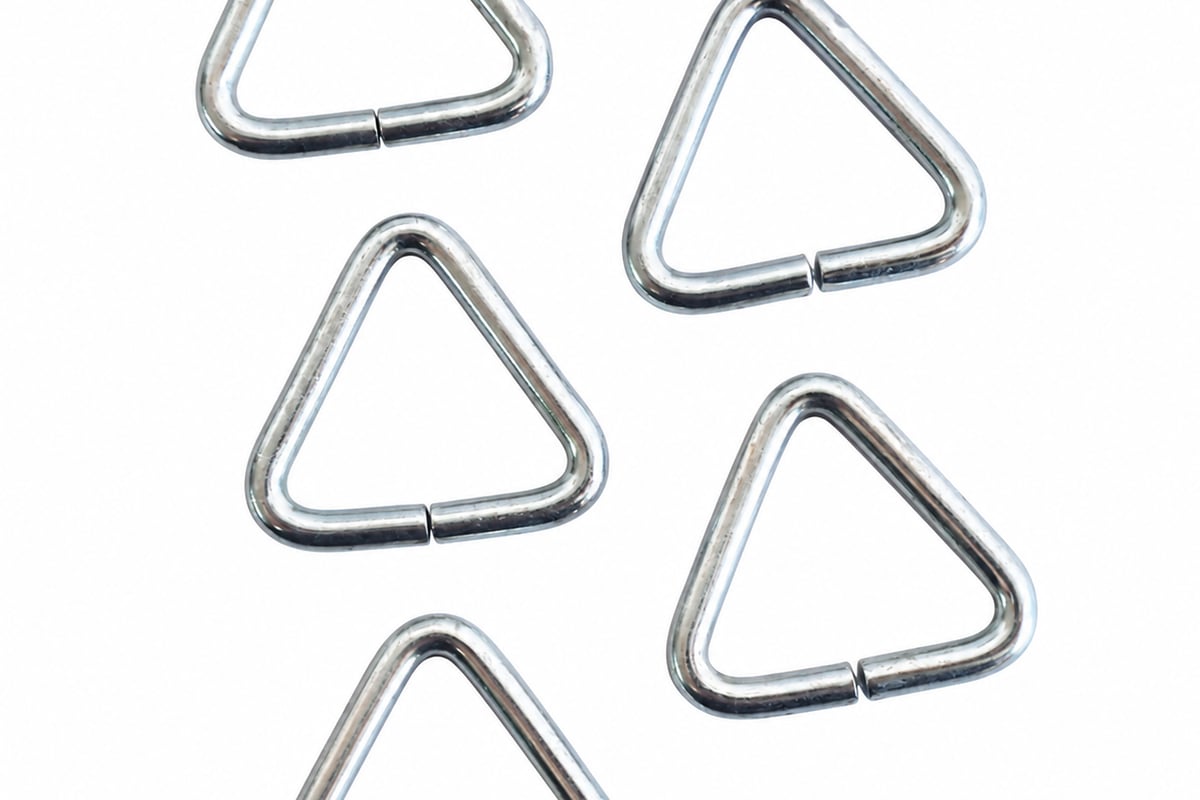
Professional-grade installations utilize specialized components designed for outdoor exposure. Heavy-duty tent hooks and metal fasteners provide strong, secure connections for guy lines, stake points, and structural attachments. Heavy Duty Tent Hooks & Metal Fasteners offer multiple configuration options including J-hooks, S-hooks, D-rings, and triangle attachments suitable for various connection requirements.
Pulley systems facilitate setup and adjustment of large tent and canvas structures. These mechanisms reduce force requirements when raising fabric sections or adjusting tension across extended spans. Proper pulley selection based on rope diameter ensures smooth operation and extended service life.
Buckle and strap systems provide adjustable connections for various applications. Quick-release mechanisms enable rapid deployment and breakdown while maintaining secure attachment under load. Material selection affects durability, with metal buckles offering maximum strength and plastic components reducing weight.
South African outdoor conditions present unique challenges for tent and canvas products. The climate varies dramatically across regions, from coastal humidity to interior heat and seasonal rainfall. Product selection must account for local environmental factors affecting material performance.
Temperature extremes stress fabric and hardware components differently. High heat accelerates UV degradation and can soften waterproofing treatments. Cold conditions may stiffen canvas and reduce flexibility. Quality tent and canvas construction maintains functionality across typical temperature ranges encountered in outdoor applications.
Seasonal planning optimizes tent and canvas performance throughout the year. Summer installations benefit from enhanced ventilation systems managing heat buildup. Winter camping requires additional insulation layers and wind protection features. Transitional seasons demand versatile configurations adapting to variable conditions.
Wind load calculations determine required structural reinforcement for exposed locations. Higher elevations and open terrain generate significant forces against vertical surfaces. Professional installations incorporate engineering analysis ensuring adequate safety margins under extreme conditions.
The tent and canvas industry continues evolving through material science advances and manufacturing innovations. Research into multifunctional tent fabrics explores enhanced water repellency and antibacterial properties while maintaining traditional canvas benefits. These developments promise improved performance without sacrificing the natural characteristics that make canvas ideal for outdoor applications.
Hybrid fabric constructions combine natural cotton canvas with synthetic reinforcement fibers. These blends attempt to optimize strength, weight, and weather resistance while retaining breathability characteristics. Early results show promise for specific applications requiring extreme durability.
Treatment chemistry advances improve waterproofing longevity and environmental safety. Modern formulations reduce toxic compounds while enhancing fabric protection across multiple exposure cycles. Manufacturers increasingly focus on sustainable production methods that minimize ecological impact.
Frame engineering incorporates composite materials offering superior strength-to-weight ratios. Carbon fiber and fiberglass components provide structural capabilities previously requiring heavier metal alternatives. These innovations particularly benefit portable tent and canvas products where weight reduction improves user experience.
Smart tent technology integrates monitoring systems tracking internal conditions and structural integrity. Sensor networks can alert users to developing weather threats or equipment failures. While still emerging, these capabilities may become standard features in premium products by the late 2020s.
Manufacturing automation enhances consistency and reduces production costs. Computer-controlled cutting and sewing systems ensure precise construction meeting strict quality standards. These efficiency improvements make professional-grade tent and canvas products more accessible to broader markets.
Building custom tent and canvas shelters appeals to outdoor enthusiasts seeking specific configurations. Detailed construction guides provide step-by-step instructions for creating functional shelters from basic materials. These projects require careful planning, proper tools, and realistic assessment of skill levels.
Pattern development represents the most critical phase in DIY tent construction. Accurate measurements and appropriate seam allowances ensure proper fit when fabric panels are assembled. Computer-aided design software helps visualize final structures and calculate material requirements.
Sewing heavy canvas demands industrial machines capable of handling thick material layers. Standard home machines lack sufficient power for professional results. Thread selection affects seam strength, with polyester or bonded nylon providing weather-resistant durability.
The basic tent building sequence follows these steps:
Custom features enable personalization matching specific requirements. Window placement, door configuration, and internal organization systems adapt tent and canvas structures for intended applications. Creative problem-solving addresses unique challenges encountered during field use.
Large tent and canvas structures often require professional installation ensuring safety and optimal performance. Commercial applications, permanent installations, and complex multi-room configurations benefit from experienced setup crews understanding structural requirements and local building codes.
Professional installers bring specialized equipment facilitating efficient deployment. Scaffolding systems, power tools, and lifting devices complete installations faster while reducing injury risk. Their experience troubleshooting common issues prevents costly mistakes that damage expensive materials.
Self-setup remains practical for standard recreational tent and canvas products. Modern designs incorporate user-friendly features enabling quick deployment without specialized knowledge. Clear instructions and color-coded components guide proper assembly sequence.
| Consideration | Professional Installation | Self-Setup |
|---|---|---|
| Structure size | Large (>30 sq meters) | Small to medium |
| Complexity | Multi-room, custom | Standard configurations |
| Timeline | Immediate use required | Flexible schedule |
| Risk tolerance | Zero damage acceptable | Minor issues manageable |
| Budget | Higher initial cost | Lower immediate expense |
Training programs teach proper setup techniques for specific tent and canvas models. Manufacturers often provide video tutorials demonstrating critical assembly steps and common error prevention. Investing time in learning correct procedures pays dividends through extended product lifespan and enhanced safety.
Site preparation affects setup difficulty significantly. Level ground, proper drainage, and adequate clearance simplify installation regardless of structure size. Advance planning identifies potential obstacles and allows mitigation before delivery.
Understanding tent and canvas fundamentals enables informed decisions about shelter selection, maintenance, and deployment. The combination of natural fabric properties and modern engineering creates versatile outdoor solutions suitable for diverse applications across South African conditions. Whether you need a weekend camping shelter, extended safari accommodation, or permanent outdoor structure, Ejenti Outdoor manufactures durable tent and canvas products designed specifically for local requirements. Explore their complete range of outdoor solutions to find the perfect match for your adventure needs.