
Choosing the right shelter for your outdoor adventures requires careful consideration of size, capacity, and functionality. A 3 to 4 person tent represents one of the most popular shelter sizes for families, small groups, and couples who need extra space for gear. Understanding what these capacity ratings actually mean and how to select a tent that matches your specific needs will transform your camping experience from cramped frustration to comfortable enjoyment.
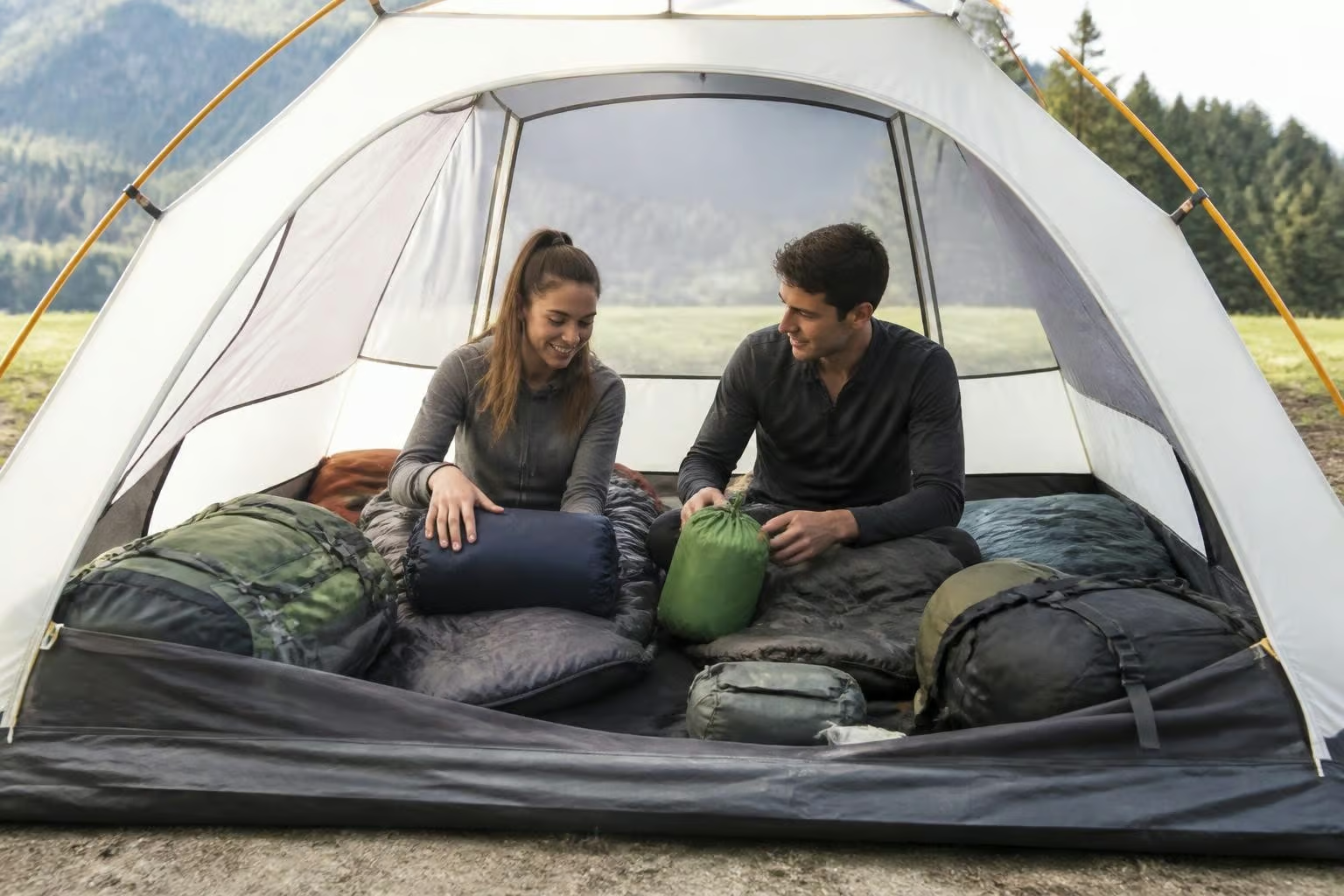
When manufacturers label a tent as a 3 to 4 person tent, they're typically describing the maximum number of adult bodies that can physically lie down inside the footprint. This measurement rarely accounts for gear, comfortable movement, or realistic spacing between occupants.
Industry standards generally allocate roughly 16 to 20 inches of shoulder width per person when calculating capacity. For most adults, this creates a tight sleeping arrangement that leaves minimal room for backpacks, clothing, or personal items. The practical reality of tent capacity ratings shows that subtracting one person from the stated capacity often delivers a more comfortable experience.
Consider these actual use scenarios when evaluating a 3 to 4 person tent:
Most outdoor enthusiasts find that purchasing a tent one size larger than the minimum required capacity significantly improves comfort during multi-day trips.
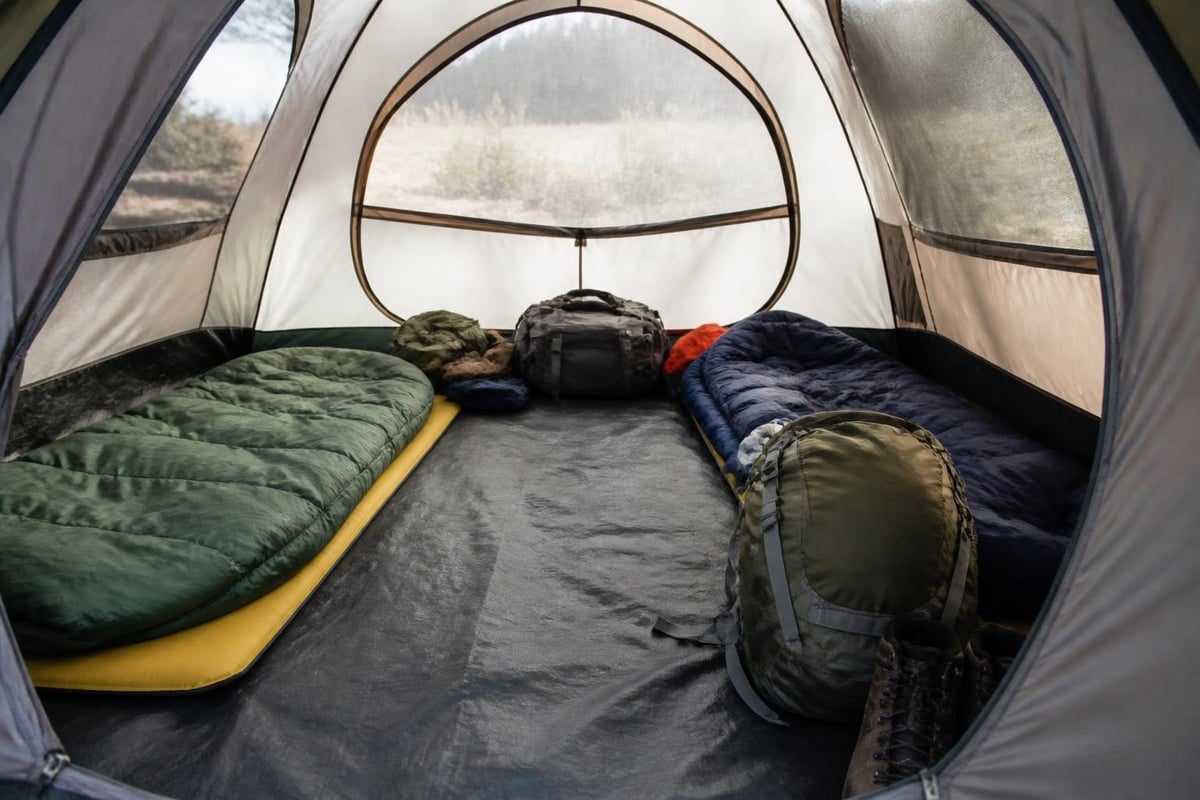
A quality 3 to 4 person tent balances multiple performance factors that directly impact your outdoor experience. Prioritizing features based on your specific camping style ensures you invest in shelter that serves your actual needs.
Floor dimensions matter more than labeled capacity. Quality tents in this size category typically offer 50 to 70 square feet of usable floor space. Peak height determines whether you can sit up comfortably, change clothes standing up, or need to remain on your knees throughout your stay.
| Floor Size | Peak Height | Best For |
|---|---|---|
| 50-60 sq ft | 48-54 inches | Backpacking, minimalist camping |
| 60-70 sq ft | 54-60 inches | Car camping, family weekends |
| 70+ sq ft | 60+ inches | Extended trips, gear-heavy expeditions |
Weather resistance encompasses multiple design elements working together. Wall angle, fabric tension, rainfly coverage, and floor bathtub height all contribute to how well your 3 to 4 person tent handles rain, wind, and moisture.
Critical weather components include:
The detailed testing protocols used by outdoor gear reviewers demonstrate how seemingly minor design differences dramatically affect performance during actual storms.
Fabric choice fundamentally determines tent lifespan, weight, packability, and performance across varying conditions. Understanding material trade-offs helps you match your tent to your camping environment and frequency of use.
Canvas tents offer exceptional durability and breathability that synthetic materials struggle to match. The natural fiber construction regulates temperature effectively and develops water repellency through fiber swelling when wet. A well-maintained canvas 3 to 4 person tent can provide decades of reliable service in harsh conditions.
Synthetic tents prioritize light weight and compact packing. Nylon and polyester constructions weigh significantly less than canvas equivalents, making them preferred choices for backpacking and frequent relocation. Modern synthetic fabrics incorporate waterproof coatings and UV inhibitors that extend service life beyond early-generation materials.
For those camping in South African conditions where sun exposure, sudden storms, and dust are common challenges, canvas construction offers distinct advantages. Ejenti Outdoor manufactures tents for sale using premium canvas fabrics specifically designed for the demanding outdoor environments found throughout the region.
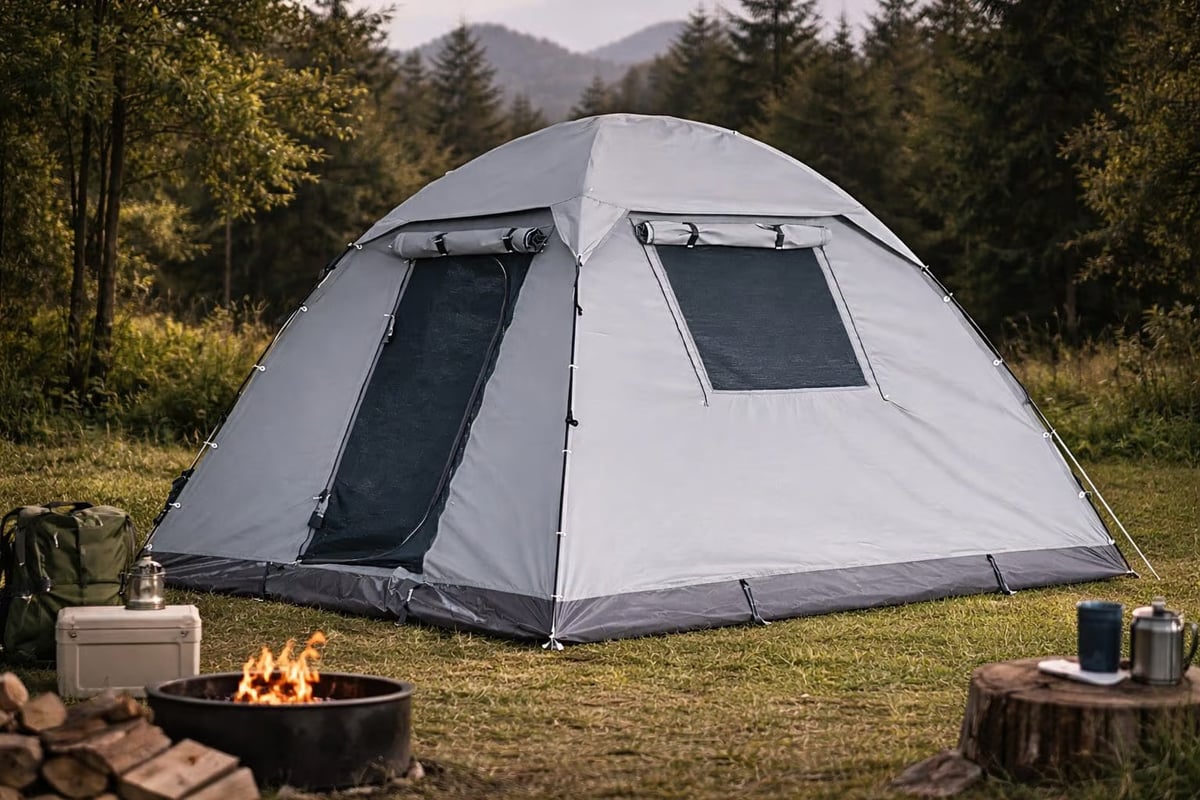
Frame construction directly impacts setup ease, wind resistance, and overall tent longevity. Material choice and structural design determine whether your shelter withstands years of use or requires frequent replacement.
Common pole materials ranked by performance:
Hub designs and continuous pole sleeves distribute stress more evenly than simple pin-and-ring connections. Quality 3 to 4 person tent frames incorporate reinforcement at high-stress junction points where poles intersect or connect to fabric.
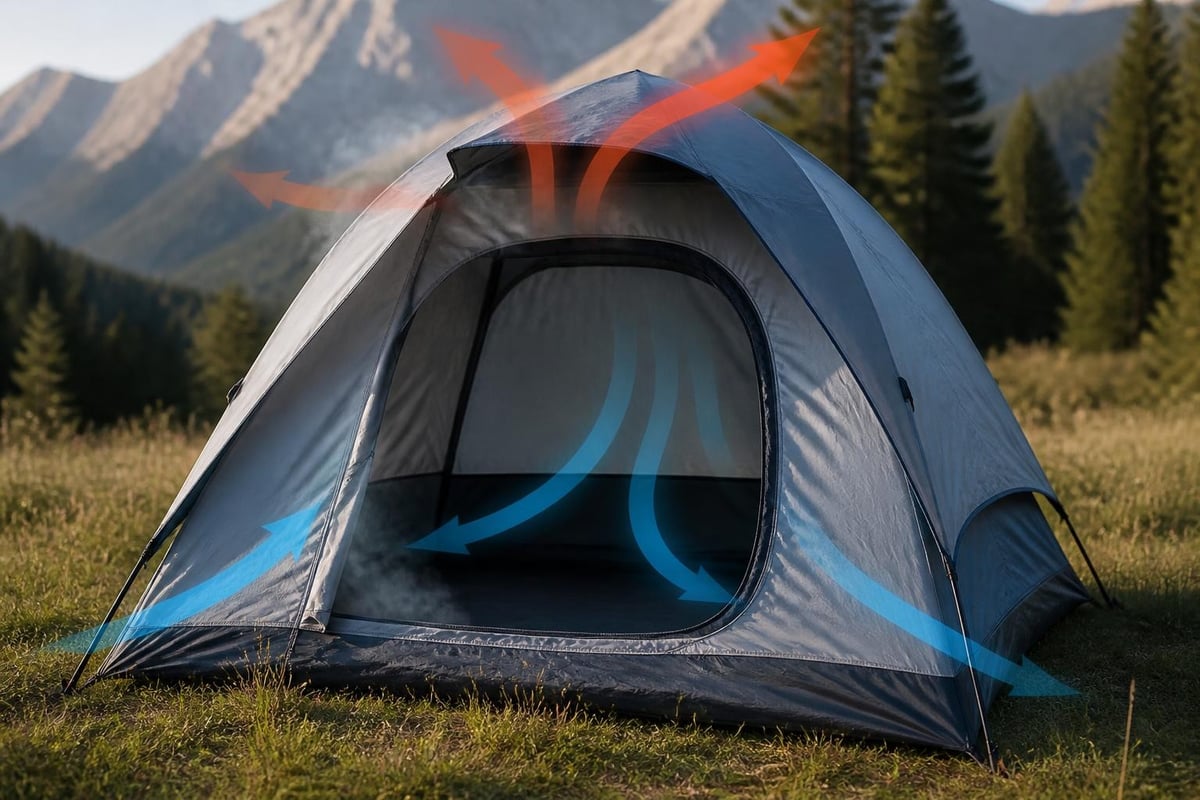
Moisture control separates uncomfortable, damp camping experiences from dry, pleasant nights outdoors. Every tent generates internal condensation from breathing, body heat, and temperature differentials between inside and outside air.
Effective ventilation requires air intake low on tent walls and exhaust venting near the peak. This creates natural convection currents that move moisture-laden air upward and out while drawing fresh air in from ground level.
A well-designed 3 to 4 person tent incorporates multiple ventilation strategies:
Double-wall construction automatically provides better condensation management than single-wall designs. The gap between inner tent body and outer rainfly creates an insulating air space where moisture can condense on the rainfly exterior rather than dripping onto occupants.
The ease with which you can pitch and strike camp affects your entire outdoor experience. A 3 to 4 person tent that requires 45 minutes and multiple people to erect adds stress to travel days, while quick-setup designs let you focus on enjoying your destination.
Freestanding tents use pole structure to maintain shape without ground anchoring. This design allows setup on hard surfaces, easy relocation, and simple cleaning by lifting and shaking out debris. Stakes and guy-lines provide additional stability in wind but aren't required for basic structure.
Staked designs require proper anchoring to achieve shape and stability. While this limits setup location flexibility, these tents often provide better space efficiency and wind performance for equivalent weight. Canvas safari tents and large family shelters typically use staked designs to maximize interior volume.
Total carried weight matters primarily for backpacking and hiking access camping. Car campers can prioritize comfort and durability over weight savings. A typical 3 to 4 person tent weighs between 8 and 18 pounds depending on materials and features.
| Tent Category | Weight Range | Packed Size | Best Use |
|---|---|---|---|
| Ultralight backpacking | 3-6 lbs | 15-18 inches × 6 inches | Multi-day hiking trips |
| Standard backpacking | 6-10 lbs | 18-22 inches × 7 inches | Weekend hiking camping |
| Car camping | 10-18 lbs | 24-30 inches × 9 inches | Drive-up campgrounds |
| Heavy-duty canvas | 18-35 lbs | 30+ inches × 12+ inches | Extended stays, permanent camps |
Research from the Outdoor Industry Association shows that most casual campers primarily engage in car camping where vehicle transport eliminates weight concerns, allowing focus on comfort and durability rather than minimizing ounces.
Tent seasonality describes the weather conditions each design handles effectively. Matching your 3 to 4 person tent to your camping season and climate prevents discomfort and equipment failure during trips.
Three-season designs target spring, summer, and fall camping in moderate climates. These tents emphasize ventilation, bug protection, and rain resistance while minimizing weight. Large mesh panels provide airflow and visibility, with rainfly coverage protecting against precipitation.
These represent the most versatile option for casual campers who avoid winter conditions and extreme environments. The balance between weather protection and breathability suits the majority of camping situations encountered during temperate months.
Four-season tents handle winter snow loads, high winds, and extreme cold. Reduced mesh area, reinforced pole structures, and full-coverage rainflies provide maximum protection against harsh conditions. The trade-off comes in reduced ventilation, increased weight, and higher cost.
Extended-season ratings describe tents that push three-season capabilities into shoulder seasons with occasional snow or sustained cold. These designs add reinforcement and weather protection while maintaining some three-season ventilation and weight advantages.
The tent floor experiences more abrasion, puncture risk, and moisture exposure than any other component. Understanding floor specifications and protection strategies extends tent life significantly.
Quality tent floors extend 4 to 8 inches up sidewalls before seaming to vertical walls. This bathtub design prevents water intrusion during heavy rain when ground saturation causes pooling around tent perimeter. Higher bathtub walls provide better protection but add weight and cost.
Denier rating indicates fabric weight and durability. Floor fabrics typically use 70D to 150D nylon or polyester with waterproof coatings rated at 3,000 to 10,000mm hydrostatic head. Higher denier numbers resist punctures and abrasion better but add pack weight.
Footprints add a protective layer between ground and tent floor, absorbing puncture and abrasion damage that would otherwise compromise the tent. This sacrificial layer extends tent life dramatically when camping on rocky, root-filled, or abrasive surfaces.
Proper site selection matters more than any floor specification. When following National Park Service backcountry guidelines, choosing established tent sites with cleared, level ground minimizes floor stress and environmental impact simultaneously.
How effectively you can organize gear inside your 3 to 4 person tent directly impacts livability during extended trips or poor weather when you're spending significant time inside the shelter.
Interior pockets, gear lofts, and hanging loops transform tent interiors from empty shells to organized living spaces. Strategically placed storage keeps essentials accessible while preventing clutter across sleeping areas.
Essential interior organization features:
Vestibule design deserves special consideration. Dual vestibules in a 3 to 4 person tent provide each sleeper side with dedicated gear storage, reducing interior congestion and providing separate entry points.
Tent pricing spans enormous ranges, from budget models under $100 to premium expedition shelters exceeding $1,000. Understanding what drives cost differences helps you invest appropriately for your camping frequency and conditions.
Materials account for the largest cost variations. Premium aluminum alloys, high-denier ripstop fabrics, and advanced waterproof coatings significantly increase production costs. Manufacturing location and quality control protocols add further price differentiation.
| Price Range | Expected Features | Typical Lifespan | Best For |
|---|---|---|---|
| Under $150 | Basic materials, simple design | 2-5 years occasional use | Casual, infrequent camping |
| $150-$350 | Quality materials, proven designs | 5-10 years regular use | Weekend warriors, family camping |
| $350-$600 | Premium materials, advanced features | 10-15 years frequent use | Serious enthusiasts, varied conditions |
| $600+ | Top-tier materials, specialized design | 15+ years intensive use | Expeditions, professional use |
According to comprehensive tent testing by outdoor experts, the mid-price range typically delivers the best performance-per-dollar ratio for recreational campers who use their tent multiple times annually.
Proper maintenance extends tent life far beyond manufacturer estimates. Simple care practices prevent common failure modes and preserve weather resistance through years of use.
Never store a tent wet or damp. Mold and mildew damage fabrics irreversibly, compromising waterproofing and structural integrity. Always dry your 3 to 4 person tent completely before packing for storage, even if this means setting it up at home after a rainy camping trip.
Clean tents with mild soap and lukewarm water, avoiding harsh detergents that strip waterproof coatings. Rinse thoroughly to prevent soap residue from attracting dirt during subsequent use. UV exposure causes fabric degradation, so store tents in cool, dry, dark locations when not in use.
Factory-sealed seams eventually fail through use and age. Inspect seam tape and sealed stitching annually, reapplying seam sealer where deterioration appears. This simple maintenance prevents minor issues from becoming major leaks during trips.
Waterproof coatings gradually wear away, particularly on tent floors and high-contact areas. When fabrics begin wetting out rather than beading water, reapply appropriate waterproofing treatment. Silicone-based and polyurethane-based treatments suit different fabric types, so verify compatibility before application.
South African outdoor conditions present unique challenges that affect tent selection and use. Understanding these regional factors ensures your 3 to 4 person tent performs reliably across diverse local environments.
The country's varied climate zones range from Mediterranean conditions in the Western Cape to subtropical humidity in KwaZulu-Natal and arid conditions across interior regions. Sun exposure remains intense across all regions, making UV-resistant fabrics and effective ventilation critical features.
Summer thunderstorms arrive suddenly and dump substantial rainfall in short periods. Waterproofing must handle intense downpours, not just drizzle. Flash flooding in low-lying areas requires careful site selection and awareness of drainage patterns around your tent position.
Camping in areas with wildlife requires secure food storage outside tents and awareness of animal activity patterns. Tents provide minimal protection against determined animals, making proper camp setup and food management essential safety practices.
For those exploring South Africa's extensive camping opportunities, finding a camping tent near me from local manufacturers ensures access to designs proven in regional conditions and support from vendors who understand local camping challenges.
Selecting the right 3 to 4 person tent transforms your outdoor experiences by providing reliable shelter matched to your specific camping style, group size, and environmental conditions. Whether you prioritize ultralight backpacking capability, extended-trip durability, or family-friendly space, understanding the features and trade-offs outlined above helps you invest wisely in gear that serves you for years. Ejenti Outdoor manufactures tents and outdoor solutions specifically designed for South African conditions, offering durable canvas and synthetic options that handle the unique challenges of camping across the region's diverse environments.