
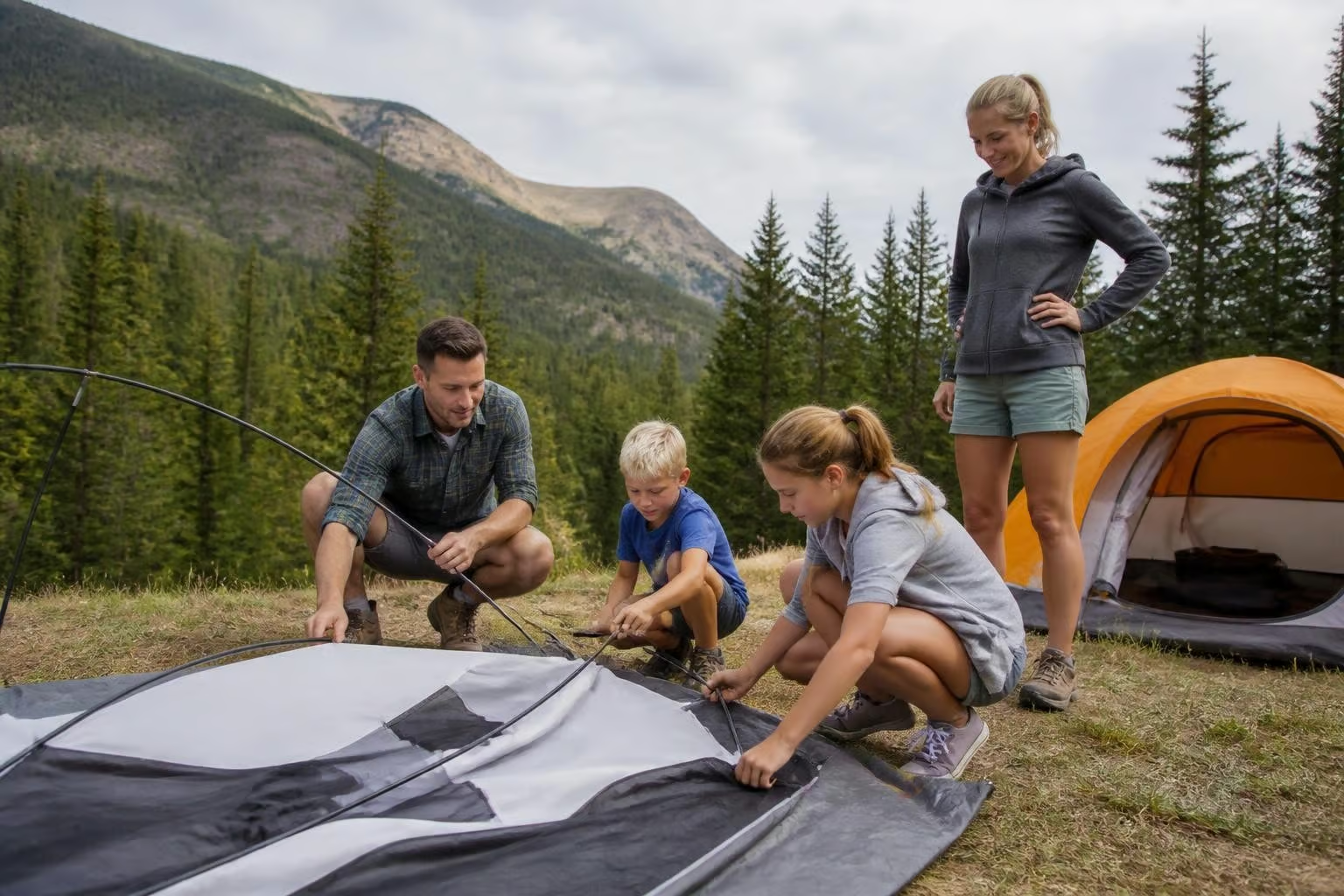
Choosing the right shelter transforms family camping from stressful to memorable. Camping tents for families require careful consideration of space, durability, weather protection, and ease of setup. Unlike solo or couple camping, family expeditions demand larger footprints, multiple sleeping areas, and features that accommodate children's needs. This guide walks through the essential factors that determine whether a tent will serve your family well across multiple seasons and camping styles.
The most critical decision when selecting camping tents for families centers on capacity and livable space. Manufacturers rate tents by person count, but these ratings typically assume minimal gear and tight sleeping arrangements.
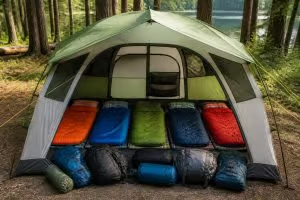
For comfortable family camping, add two to the manufacturer's rating. A tent labeled for six people comfortably sleeps four adults or two adults with three children. This extra capacity provides room for gear storage, changing clothes, and movement during inclement weather.
Consider these spacing guidelines:
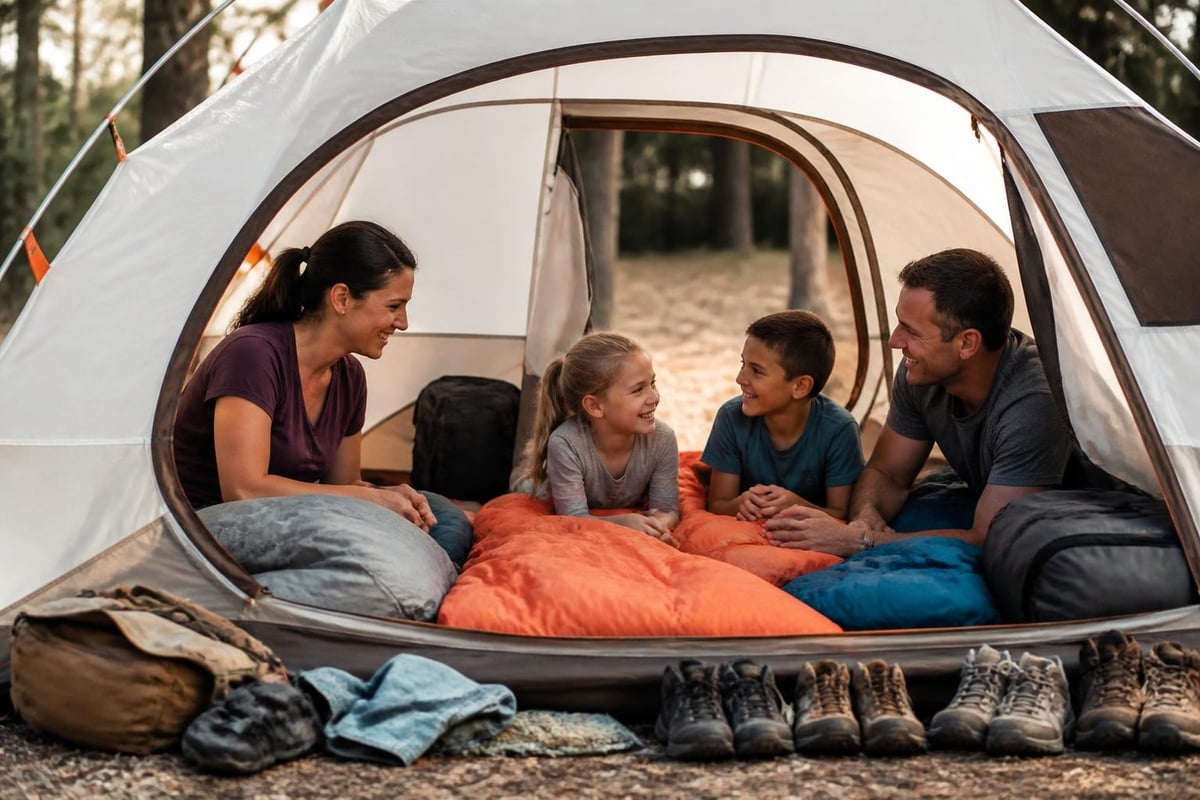
Peak height matters significantly for family tents. Models with center heights of 6 feet or more allow adults to stand, dress, and move comfortably. This feature becomes invaluable during rainy days when families spend extended periods inside.
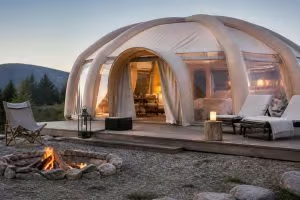
Multi-room designs address privacy concerns in camping tents for families. Divider systems create separate sleeping zones, allowing parents and children distinct spaces. Some models offer removable partitions, providing flexibility between open layouts and divided configurations.
| Configuration Type | Best For | Typical Layout |
|---|---|---|
| Single room | Families with young children (under 8) | One large sleeping area |
| Two-room | Mixed-age families | Parents' room + kids' room |
| Three-room | Larger families or extended stays | Parents' room + two kids' rooms |
| Pod system | Multi-family camping | Separate sleeping pods with shared living space |
Canvas and synthetic fabrics each offer distinct advantages for family camping. The material directly impacts durability, weight, breathability, and weather resistance.
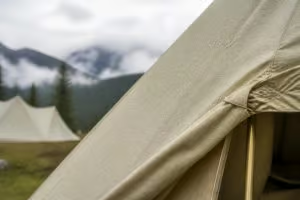
Ripstop canvas provides superior breathability and temperature regulation. These tents stay cooler in summer heat and reduce condensation during cold nights. Canvas tents typically outlast synthetic alternatives by years when properly maintained.
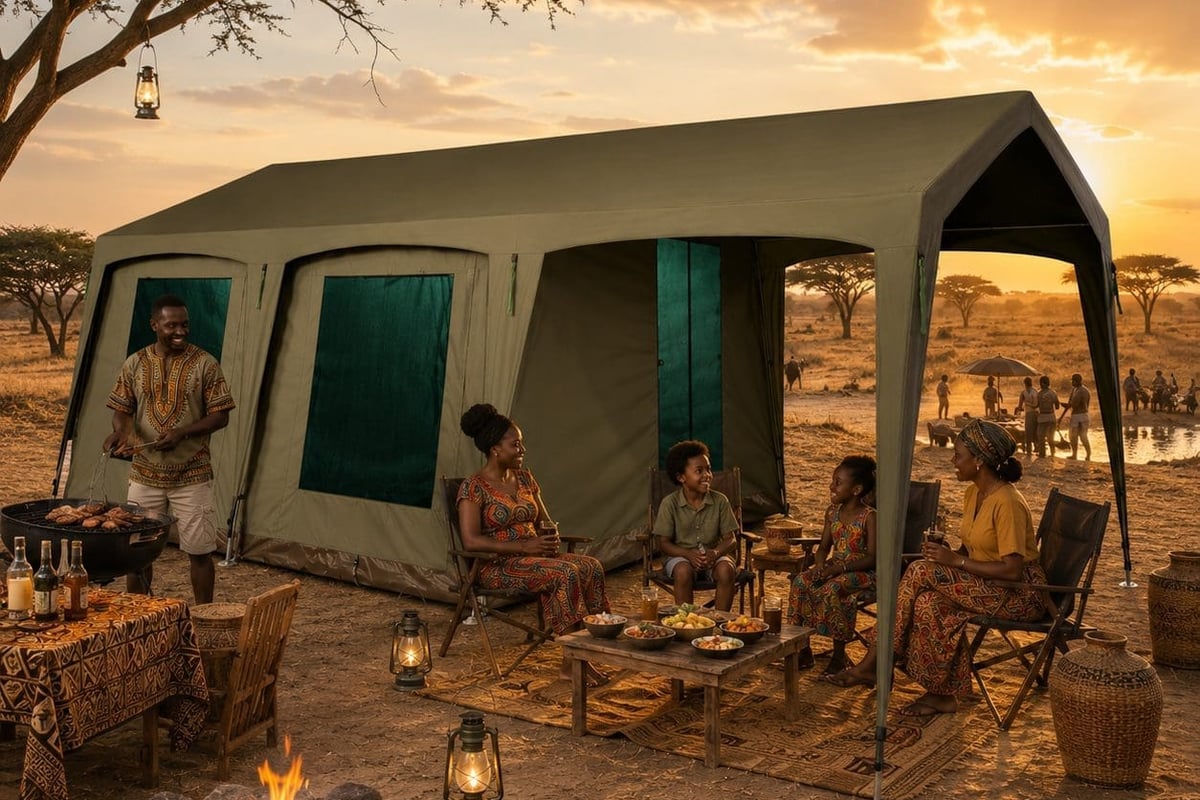
South African conditions demand fabrics that withstand intense UV exposure and sudden weather changes. Canvas weights between 280-320 GSM deliver optimal performance for family camping, balancing durability with manageable weight. The 3m x 6m Safari Lodge Tent Two Room Waterproof Canvas Tent South Africa exemplifies this balance, using 300 GSM ripstop canvas that handles demanding outdoor conditions while providing the two-room layout families need for privacy.
Modern polyester and nylon tents incorporate waterproof coatings and UV inhibitors. These materials excel in:
Waterproof ratings use hydrostatic head measurements. Family tents should feature minimum ratings of 3,000mm for floor material and 2,000mm for walls and roof. Higher ratings (5,000mm+) suit families camping in consistently wet conditions.
Tent season ratings indicate the conditions each design handles effectively. Understanding these classifications helps match camping tents for families to your typical camping calendar.
Three-season tents serve most family camping needs. These designs handle spring through fall conditions, providing:
Four-season tents incorporate heavier materials, stronger poles, and reduced mesh areas. Families planning winter camping or high-altitude adventures require this category, though added weight and reduced ventilation make them less suitable for warm weather.
Proper airflow prevents condensation buildup that causes damp sleeping bags and uncomfortable mornings. Quality ventilation design includes:
Families camping in humid climates benefit from maximum mesh coverage. Those in windy or cold environments prefer designs with adjustable ventilation that closes completely when needed.
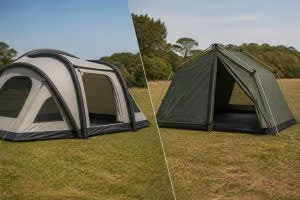
Frame design determines setup speed, wind resistance, and long-term reliability. Camping tents for families typically use one of three pole configurations.
Dome tents feature two or more poles crossing at the peak. This design offers:
Double-layer dome designs create a gap between inner tent and rainfly, improving insulation and rain protection.
Cabin-style tents prioritize interior volume with straight walls and flat roofs. These work well for families prioritizing comfort over packability:
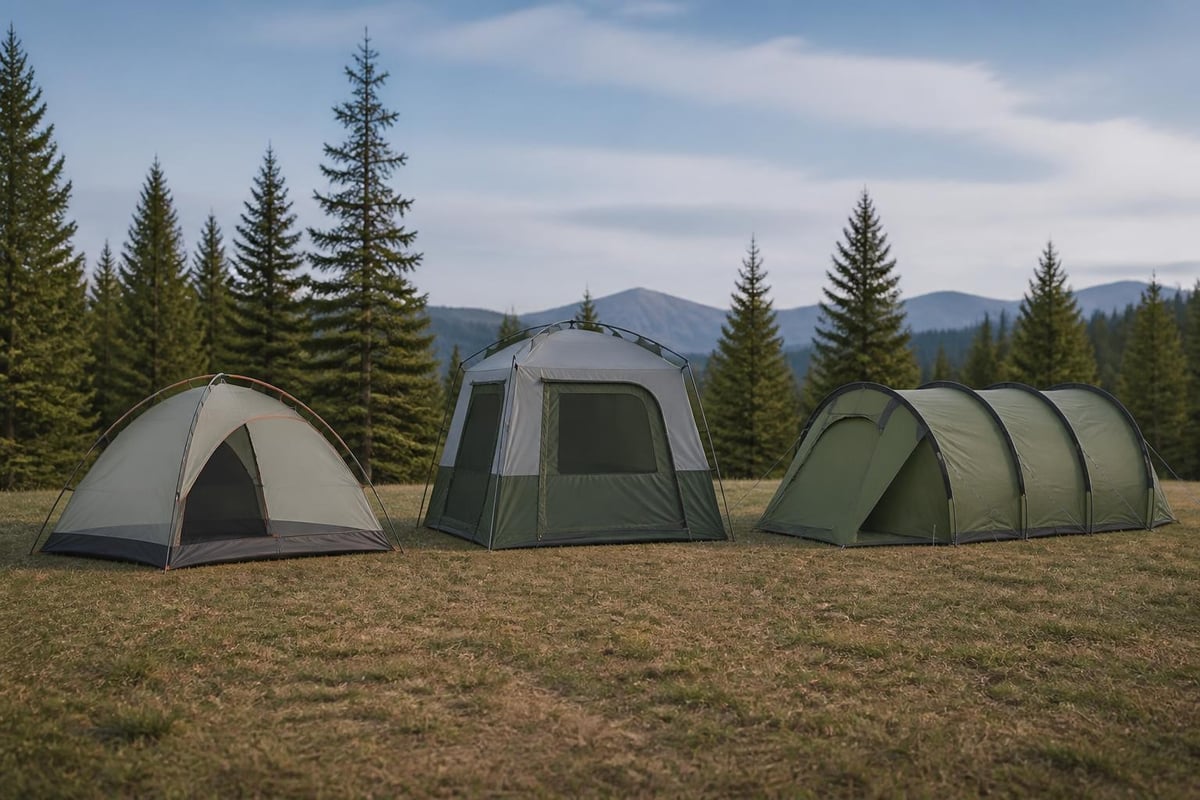
Tunnel tents use parallel hoops to create elongated shapes. Hybrid designs combine elements from multiple styles, offering balanced performance.
| Frame Type | Setup Time | Wind Resistance | Interior Space | Portability |
|---|---|---|---|---|
| Dome | 15-20 min | Excellent | Good | Excellent |
| Cabin | 25-35 min | Fair | Excellent | Fair |
| Tunnel | 20-25 min | Good | Very Good | Good |
| Hybrid | 20-30 min | Very Good | Very Good | Good |
Beyond basic shelter, camping tents for families benefit from thoughtful features that address daily camping activities and comfort.
Organized storage prevents clutter and helps families locate items quickly. Look for:
Adequate vestibule space matters significantly. A covered area outside sleeping quarters provides weather-protected storage and a transition zone that keeps dirt from entering sleeping areas.
Multiple doors reduce nighttime disturbances when children need bathroom trips. Families with young kids particularly appreciate:
Bathtub-style floors curve upward 6-8 inches at walls, creating a barrier against water intrusion. This design proves essential during heavy rain when ground water runs underneath tents.
Footprint ground cloths extend tent life by protecting floor fabric from abrasion, punctures, and moisture. Size footprints slightly smaller than tent floors to prevent rain collection between layers.
Transportation method dramatically influences acceptable tent weight for camping tents for families. Car camping permits heavier, more comfortable options while backpacking demands weight minimization.
When driving to campsites, families can prioritize comfort over weight. Acceptable ranges include:
Pack tents in dedicated bags with compression straps. Separate poles and stakes into their own containers to prevent fabric punctures during transport.
Hiking-based camping requires weight distribution across multiple family members. Ultralight designs sacrifice some durability and space for reduced pack weight:
Long-term value in camping tents for families depends on construction quality and maintenance practices. Well-maintained canvas tents serve families for 10-15 years, while synthetic models typically last 5-8 years with proper care.
Examine these details when evaluating tent durability:
Premium tents feature double-stitched and taped seams that prevent leaks. Budget models often use single-stitch construction that requires aftermarket seam sealing.
Proper maintenance significantly extends tent lifespan:
Canvas tents require periodic reproofing with specialized treatments. Synthetic tents benefit from DWR (Durable Water Repellent) reapplication when fabric begins absorbing water rather than beading.
Camping tents for families span enormous price ranges from $150 to $1,500+. Understanding what drives costs helps families allocate budgets effectively.
Entry-level family tents provide basic shelter with acceptable performance for occasional camping (3-5 trips yearly). Expect:
These work well for families testing camping interest before major investment.
This segment offers the best value for regular family campers. Features include:
Most experienced camping families find their ideal tent in this range.
High-end family tents justify costs through superior materials, innovative designs, and extended durability:
Families camping 15+ nights annually recover premium costs through extended use and enhanced camping experiences.
Time required to pitch camping tents for families affects arrival stress and departure efficiency. Most families develop proficiency within 3-4 setup attempts.
Modern tents use color matching between poles and grommets/sleeves. This visual system reduces setup errors and speeds assembly:
Practice setup at home before your first camping trip. Familiarization in daylight without time pressure prevents frustration at campsites.
Verify these elements before departing:
First-time buyers of camping tents for families frequently encounter these pitfalls:
Underestimating size requirements leads to cramped conditions. Always size up from manufacturer ratings.
Ignoring seasonal ratings results in summer tents used in spring conditions, causing cold, condensation-heavy nights.
Neglecting ventilation in pursuit of weather protection creates humid interiors. Balance weatherproofing with airflow.
Choosing based solely on price often means replacing cheap tents after one season. Calculate cost-per-use rather than initial outlay.
Skipping waterproofing maintenance allows water resistance to degrade. Reapply treatments according to manufacturer schedules.
Even premium camping tents for families perform poorly when improperly positioned. Ejenti Outdoor customers benefit from understanding optimal site selection.
Choose locations that are:
Avoid low-lying areas near streams or lakeshores where cold air settles and flooding risks increase.
Position tent doors:
Guy out all available attachment points for maximum stability. Stake tension should be firm but not overly tight, allowing slight movement during gusts rather than rigid resistance that stresses fabric.
After considering all factors, narrow choices by prioritizing your family's specific needs. Create a weighted scoring system:
| Priority Factor | Weight (%) | Option A Score | Option B Score | Option C Score |
|---|---|---|---|---|
| Interior space | 25 | 8/10 | 7/10 | 9/10 |
| Weather protection | 20 | 7/10 | 9/10 | 8/10 |
| Setup ease | 15 | 9/10 | 6/10 | 7/10 |
| Durability | 15 | 6/10 | 9/10 | 8/10 |
| Ventilation | 10 | 8/10 | 7/10 | 8/10 |
| Price value | 10 | 7/10 | 6/10 | 5/10 |
| Weight | 5 | 6/10 | 8/10 | 7/10 |
| Weighted Total | 100 | 7.5 | 7.6 | 7.9 |
Adjust weight percentages based on your camping style. Families prioritizing portability increase weight's importance while car campers reduce it.
Test tents before purchasing when possible. Many outdoor retailers maintain display models allowing interior examination. Check headroom, visualize your family inside, and operate all zippers and features.
Read recent reviews from families with similar configurations to yours. Parents camping with toddlers face different challenges than those with teenagers. Review platforms help identify issues that specifications don't reveal.
Selecting camping tents for families requires balancing space, durability, weather protection, and budget across numerous options. Prioritize tents that accommodate your family comfortably with room for growth, feature materials suited to your typical camping conditions, and incorporate designs that simplify setup and daily use. Ejenti Outdoor provides durable canvas tents and outdoor solutions specifically engineered for South African conditions, offering families reliable shelter built to last across many camping seasons. Visit their range to find tents that transform family camping from basic shelter to comfortable outdoor homes.