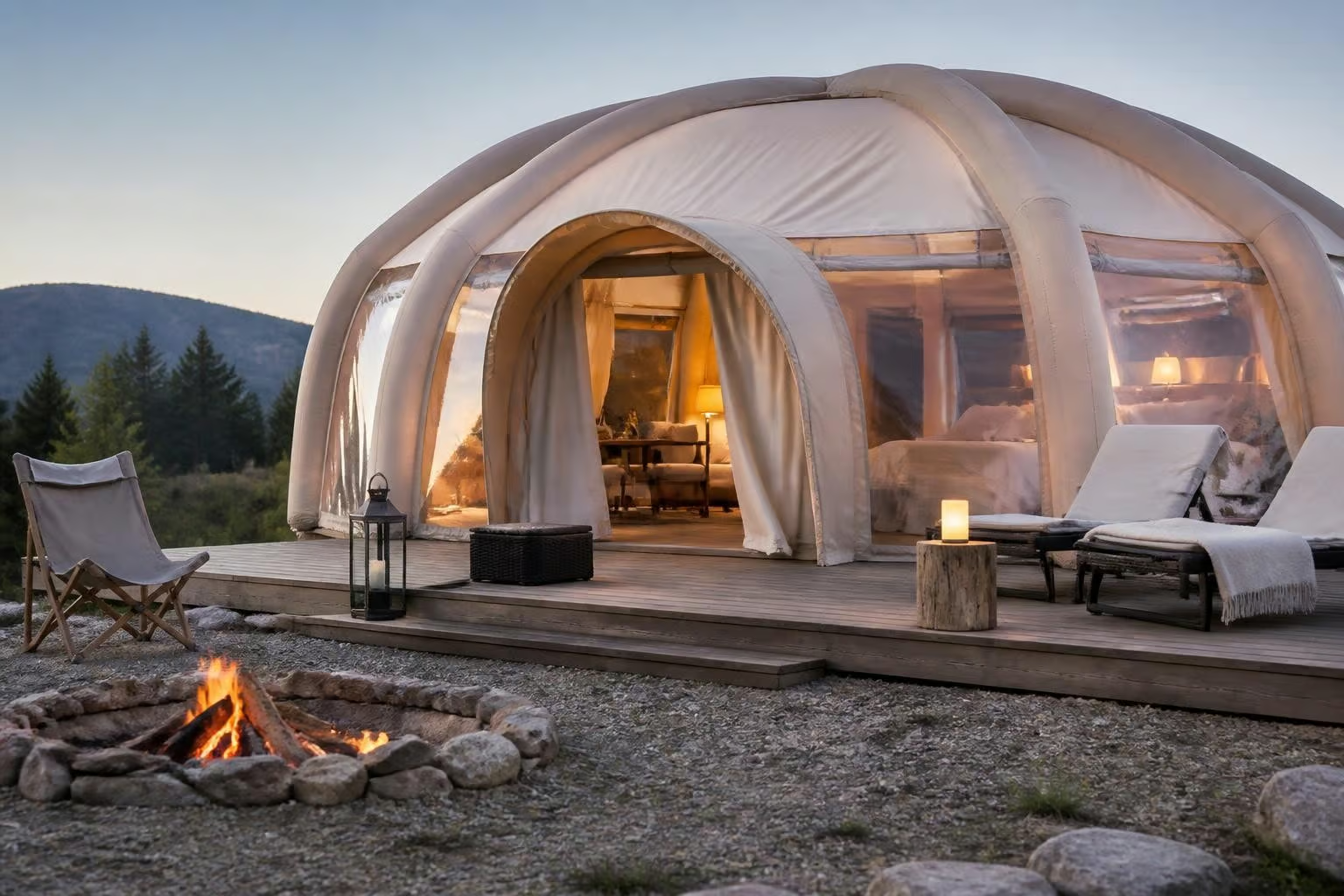
The outdoor accommodation industry has experienced a significant transformation in recent years, with glamping emerging as a popular alternative to traditional camping. Among the innovations driving this change, the inflatable glamping tent has revolutionized how operators and enthusiasts approach temporary luxury shelter. These structures combine the convenience of rapid deployment with the comfort expectations of modern travelers, creating a unique solution for safari lodges, eco-resorts, and private outdoor events across South Africa and beyond.
An inflatable glamping tent operates on fundamentally different principles than conventional pole-based structures. Instead of rigid frames, these tents use air-filled beams or tubes that provide structural support when pressurized. The technology draws from principles used in large-scale inflatable structures, adapted for portable accommodation applications.
The typical inflatable glamping tent consists of several integrated systems working together:
The fabric selection significantly impacts performance and longevity. Premium models utilize multi-layer materials combining waterproof outer shells with breathable inner linings. The air beams themselves typically contain drop-stitch technology, which maintains consistent tube shape under pressure while preventing ballooning or deformation.
| Feature | Inflatable Design | Traditional Pole Design |
|---|---|---|
| Setup Time | 10-20 minutes | 30-60 minutes |
| Weight | Lighter (no metal poles) | Heavier (metal framework) |
| Transport | More compact | Bulkier |
| Repair Complexity | Patch kits for punctures | Pole replacement required |
| Wind Resistance | Flexible, absorbs gusts | Rigid, potential breakage |
The inflatable glamping tent offers distinct operational benefits that traditional structures cannot match. These advantages directly impact profitability, guest satisfaction, and long-term sustainability for accommodation providers.
Rapid Deployment and Relocation
Setup speed represents one of the most compelling advantages. A two-person team can typically erect an inflatable glamping tent in under twenty minutes using a standard pump. This efficiency proves invaluable for seasonal operations, temporary events, or safari camps that rotate locations to minimize environmental impact.
The elimination of complex pole systems reduces physical strain on staff and minimizes the risk of setup errors. Each air beam follows a simple inflation sequence, making training straightforward even for temporary workers during peak seasons.
Enhanced Guest Experience
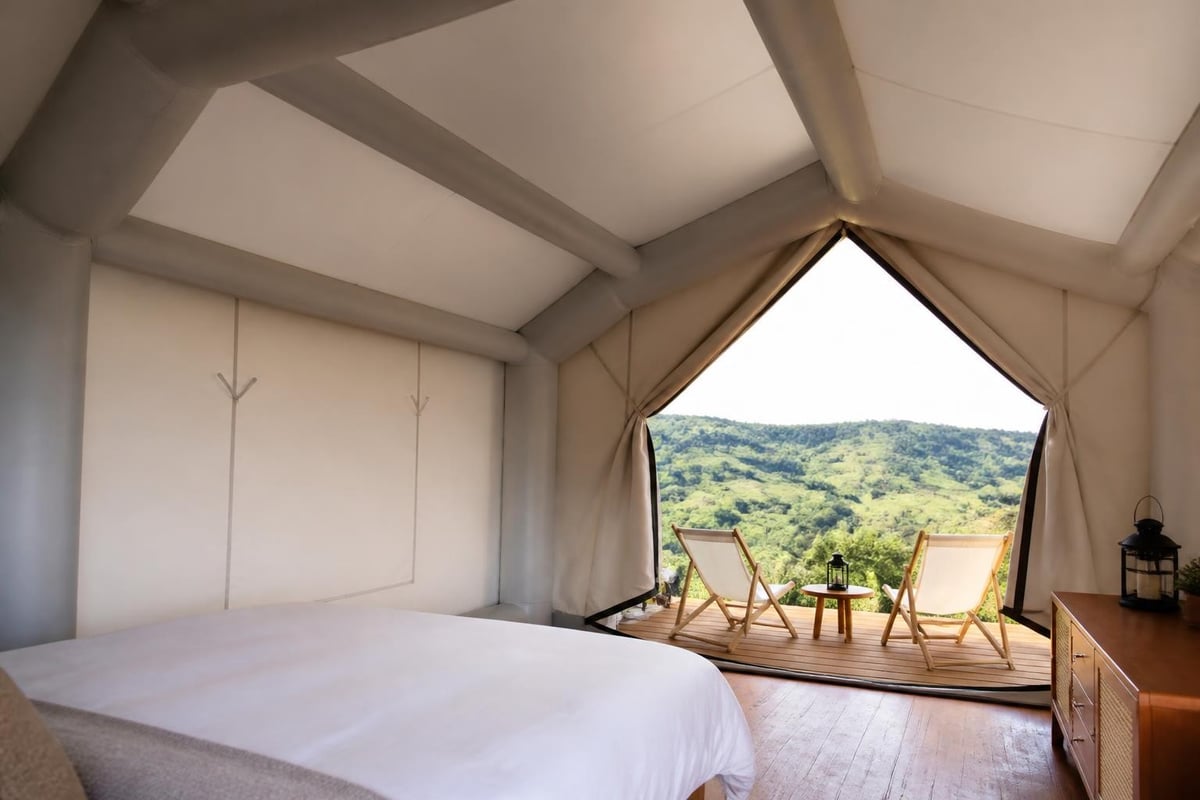
Modern travelers seeking premium glamping experiences expect comfort without sacrificing the outdoor connection. The inflatable glamping tent delivers on both fronts. The absence of internal poles creates unobstructed living space, allowing for creative interior layouts with proper beds, seating areas, and storage solutions.
The curved profiles of inflatable structures naturally shed wind and rain more effectively than angular designs. This aerodynamic advantage translates to quieter interiors during storms and improved thermal performance in both hot and cold conditions.
Inflatable glamping tent designs range from compact two-person units to expansive family accommodations exceeding 50 square meters. Operators can mix unit sizes within a single property to serve different market segments without maintaining multiple setup systems or training protocols.
Customization options include:
The longevity of an inflatable glamping tent depends heavily on material quality and construction methods. Professional-grade units designed for commercial use typically employ fabrics in the 400-600 GSM (grams per square meter) range, ensuring adequate durability without excessive weight.
Weather resistance begins with the base material selection. Most premium inflatable glamping tents use one of three primary fabric types:
PVC-coated polyester offers excellent waterproofing and UV resistance. The coating provides a sealed surface that prevents moisture penetration while maintaining flexibility across temperature ranges. This material performs reliably in diverse South African climates, from coastal humidity to highveld sun exposure.
Ripstop nylon with urethane coating delivers superior tear resistance and lighter weight. The ripstop weave pattern prevents small punctures from propagating into larger failures. This option suits operations prioritizing portability and frequent relocation.
Cotton-synthetic blends provide breathability and condensation management superior to fully synthetic options. While requiring more maintenance than coated synthetics, these fabrics create more comfortable interior environments during extended stays.
For businesses seeking robust outdoor fabrics, exploring a comprehensive product catalog reveals the range of materials suited to different application requirements.
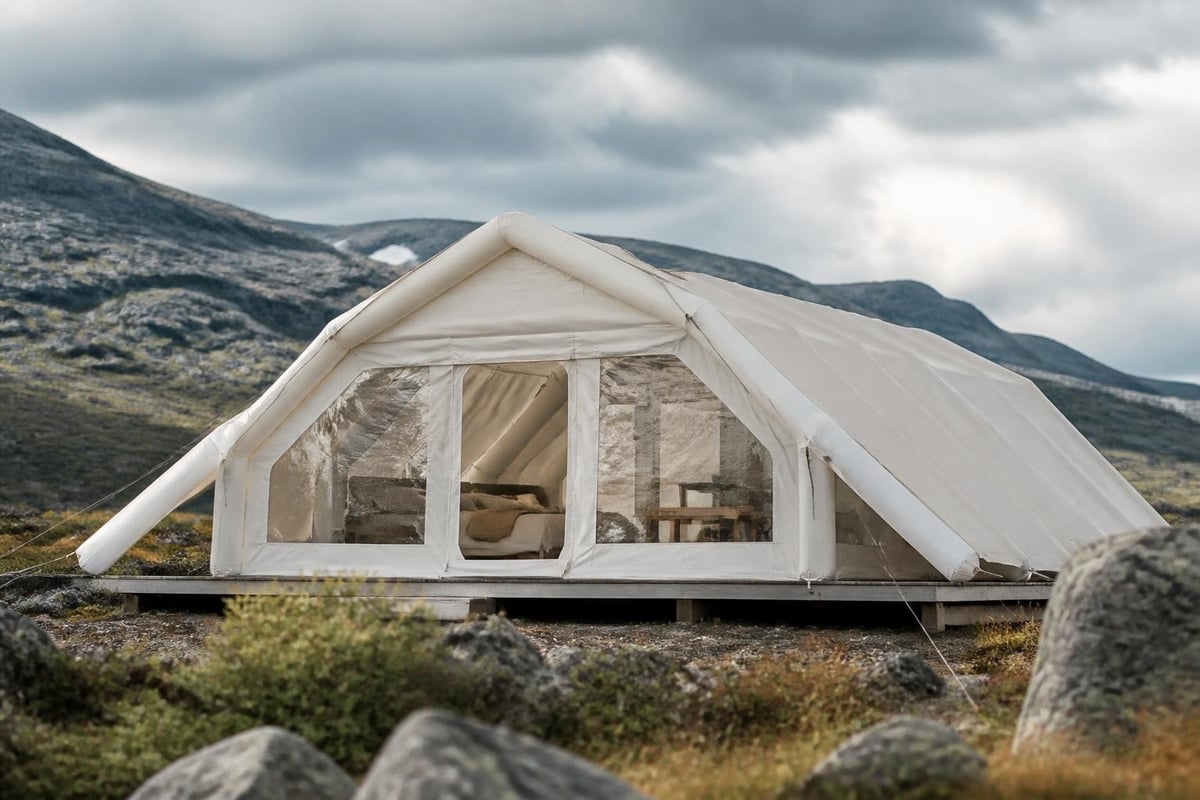
Proper installation directly affects both immediate performance and long-term durability. Following manufacturer protocols ensures the inflatable glamping tent achieves design specifications for safety and comfort.
The foundation preparation requires more attention than traditional camping setups. An inflatable glamping tent presents a larger surface area to wind loads, making proper anchoring critical. Most manufacturers specify minimum anchor strengths and spacing patterns based on expected wind speeds.
Begin by unrolling the tent and positioning it according to site markers. Connect the inflation pump to the primary valve, typically located on the main air beam. Modern designs use color-coded valve systems to prevent confusion in multi-beam structures.
Inflate beams to approximately 80% of recommended pressure initially, allowing fabric to settle into its natural shape. Tension guy lines and stake remaining anchor points before bringing beams to full pressure. This sequence prevents uneven stress distribution that could damage seams or connection points.
Pressure monitoring should continue throughout the tent's deployment. Temperature fluctuations cause air expansion and contraction, potentially requiring adjustment. Many commercial operators install automatic pressure maintenance systems for hands-off operation.
| Setup Stage | Time Required | Personnel Needed |
|---|---|---|
| Site Prep | 15-30 minutes | 2 people |
| Tent Positioning | 5-10 minutes | 2 people |
| Initial Inflation | 10-15 minutes | 1 person |
| Anchoring and Tensioning | 10-15 minutes | 2 people |
| Final Inflation and Interior Setup | 15-20 minutes | 2 people |
An inflatable glamping tent requires regular maintenance to achieve its expected service life, typically ranging from five to ten years under commercial use conditions. Preventive care proves far more cost-effective than reactive repairs.
Establish a weekly inspection schedule covering these critical areas:
Document each inspection with photographs and written notes. This record-keeping identifies degradation patterns early and supports warranty claims if manufacturing defects emerge.
Proper cleaning extends fabric life significantly. Remove surface dirt and organic matter using soft brushes and mild soap solutions. Avoid pressure washers, which can force water past seam sealing and damage coatings. Allow the inflatable glamping tent to dry completely before deflation to prevent mold growth.
Long-term storage requires climate control when possible. Fold the deflated tent loosely rather than creating tight creases that stress fabric fibers. Store in a rodent-free environment, as creatures may chew through fabric seeking nesting material or attracted to food residue.
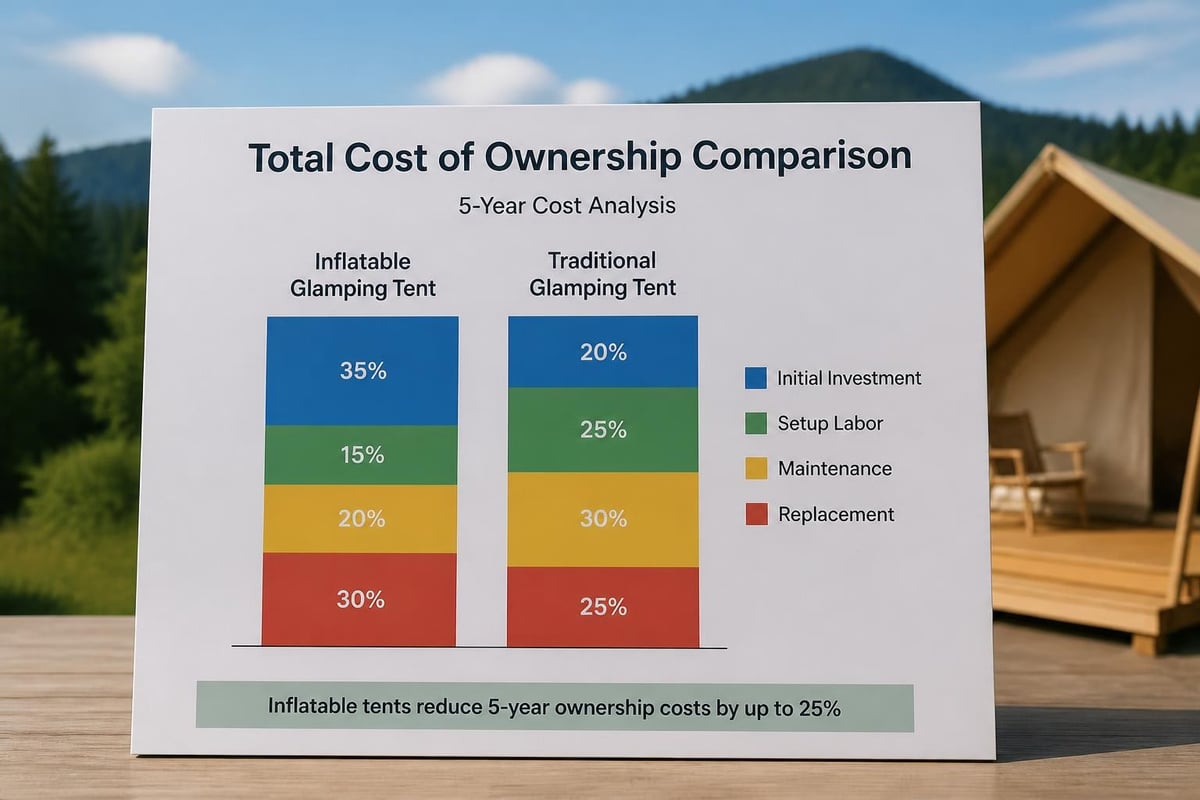
Financial analysis reveals important distinctions between inflatable and traditional glamping accommodation options. While initial purchase prices may appear higher for inflatable designs, operational savings often justify the investment.
A quality inflatable glamping tent suitable for commercial operation typically costs between $3,000 and $12,000 depending on size, features, and manufacturer. This price point positions inflatable options competitively against canvas safari tents and well above basic camping shelters but below permanent structure construction.
The investment includes not only the tent itself but essential accessories:
Setup time directly translates to labor costs. An operation deploying ten units faces substantially lower payroll expense when each inflatable glamping tent requires twenty minutes versus an hour for conventional alternatives. This efficiency compounds during seasonal transitions when entire camps may be erected or dismantled.
Maintenance labor follows similar patterns. Simple repairs requiring patch application consume less time than pole replacement or canvas stitching. Staff training requirements decrease when dealing with standardized air beam systems rather than complex frame assemblies.
The environmental impact of accommodation choices increasingly influences both operator decisions and guest preferences. An inflatable glamping tent presents specific sustainability characteristics worth evaluating.
The lightweight nature and minimal anchoring requirements of inflatable structures reduce ground disturbance compared to permanent foundations or extensive stake systems. This lighter touch particularly benefits ecologically sensitive locations where vegetation recovery and soil preservation matter.
Seasonal operations can establish and remove inflatable glamping tent installations with minimal lasting impact, supporting rotational use patterns that allow land recovery between occupation periods. This flexibility aligns with conservation-focused tourism models gaining prominence across African wildlife areas.
Modern synthetic fabrics used in inflatable construction present recycling challenges at end-of-life. Few facilities process coated technical textiles, meaning most retired units enter landfill streams. Progressive manufacturers now explore recyclable materials and take-back programs, though these remain uncommon in 2026.
Extending service life through proper maintenance represents the most practical sustainability approach currently available. An inflatable glamping tent lasting ten years with careful stewardship demonstrates better environmental performance than cheaper alternatives requiring replacement every three years.
Despite numerous advantages, inflatable glamping tent technology carries limitations that operators should understand before committing resources.
Puncture Vulnerability
Sharp objects pose an obvious threat to air-filled structures. While modern fabrics incorporate puncture-resistant weaves and multiple air chambers provide redundancy, complete failure remains possible. Sites with thorny vegetation, aggressive wildlife, or high vandalism risk may favor traditional construction.
Mitigation strategies include:
Temperature Extremes
Air pressure fluctuates with temperature changes, potentially requiring adjustment multiple times daily in environments experiencing significant temperature swings. While not particularly difficult, this maintenance requirement adds to operational checklists.
Extreme cold presents additional challenges as some pump mechanisms and valve systems may not function optimally below freezing. Operators in high-altitude or winter-active locations should verify equipment specifications before deployment.
UV exposure gradually weakens synthetic fabrics regardless of coating quality. South African sun exposure accelerates this process compared to temperate climates. Expect useful service life to trend toward the lower end of manufacturer estimates when operating under intense solar conditions without shade protection.
Regular application of UV protectant treatments extends fabric life, though this adds to maintenance protocols and operating costs. Some operators install shade structures over glamping areas, protecting both tents and guest comfort while significantly extending material longevity.
Properties already operating traditional tent camps or permanent structures can incorporate inflatable options strategically to enhance flexibility and capacity management.
Seasonal Capacity Expansion
The rapid deployment characteristics of an inflatable glamping tent make it ideal for handling seasonal demand spikes without permanent capacity increases. Properties can store units during off-peak periods and deploy additional accommodation as bookings justify, optimizing revenue per available space.
This approach particularly suits wildlife viewing destinations where migration patterns drive dramatic seasonal occupancy fluctuations. The ability to scale capacity up and down prevents the financial burden of maintaining year-round infrastructure for seasonal use.
Premium Tier Differentiation
Operators can position inflatable glamping tents as either budget-friendly alternatives to permanent structures or premium options above standard camping, depending on interior appointments and service levels. The same basic shelter accommodates vastly different price points through furnishing choices, amenities, and location selection.
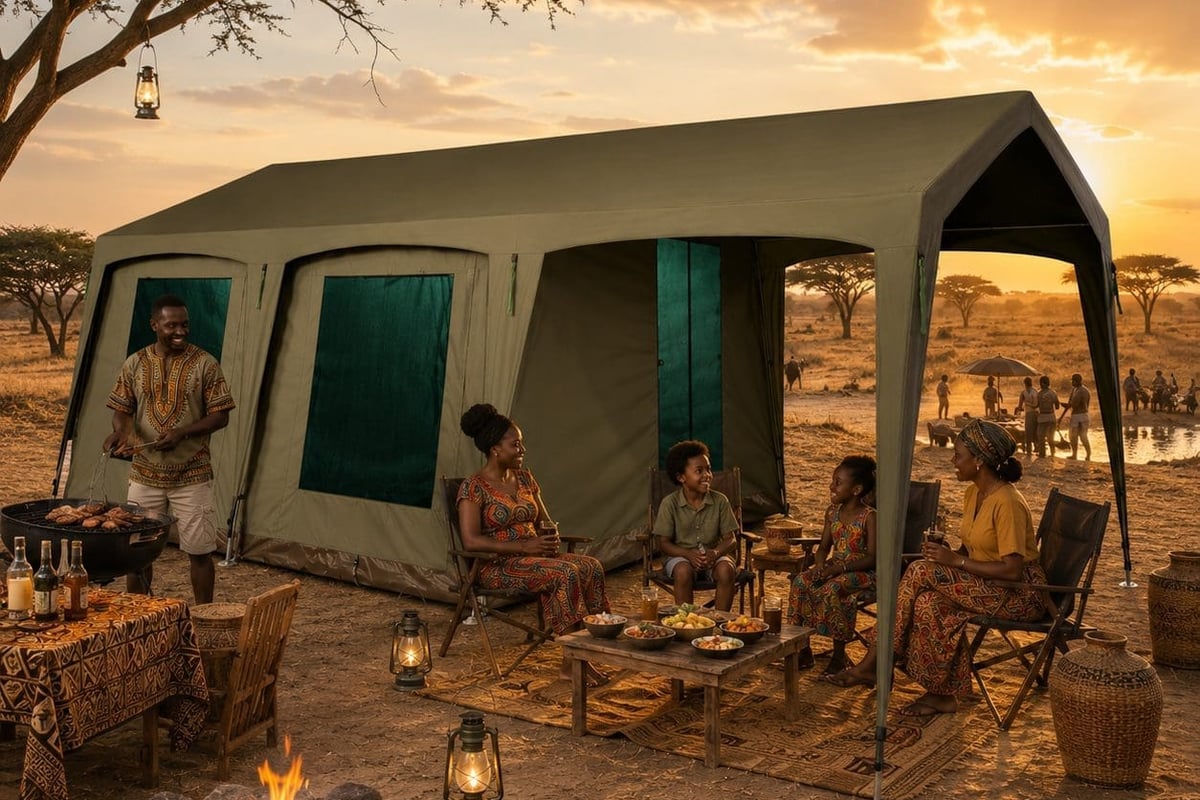
For businesses looking to expand their outdoor accommodation portfolio, the 3m x 6m Safari Lodge Tent Two Room Waterproof Canvas Tent South Africa represents a proven alternative that delivers reliable performance with traditional canvas construction. This option suits operators preferring conventional materials while still offering guests comfortable, weather-protected accommodation.
The inflatable glamping tent market continues evolving as manufacturers respond to operator feedback and guest expectations. Several design directions show promise for enhancing functionality and appeal.
Connected sensors monitoring air pressure, interior temperature, and structural stress increasingly appear in premium models. These systems alert property managers to maintenance needs before guest experience suffers, supporting proactive rather than reactive management approaches.
Integration with property management systems allows remote monitoring of multiple units from central locations, reducing the labor required for physical inspections. Some designs incorporate automated pressure adjustment systems responding to temperature changes without human intervention.
Next-generation designs emphasize modularity, allowing operators to connect multiple inflatable glamping tent units into larger complexes. Covered walkways, shared facilities, and communal spaces create resort-like experiences while maintaining the flexibility to reconfigure layouts between seasons or client requirements.
This modularity supports both growth strategies and operational flexibility. Properties can start with minimal investment and expand incrementally as revenue supports, avoiding large upfront capital commitments while testing market response.
The inflatable glamping tent represents a significant advancement in temporary luxury accommodation, offering operational efficiency, guest comfort, and deployment flexibility that traditional structures struggle to match. Understanding the technology, materials, and maintenance requirements ensures successful implementation for both commercial operations and private use. Whether you're establishing a new glamping venture or expanding existing outdoor accommodation, Ejenti Outdoor provides the durable tents, quality outdoor fabrics, and expert guidance needed to build reliable, weather-resistant shelter solutions suited to South African conditions.