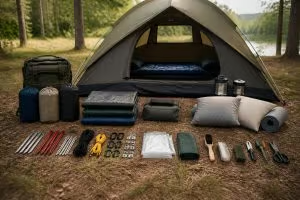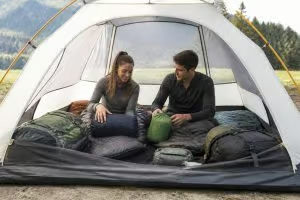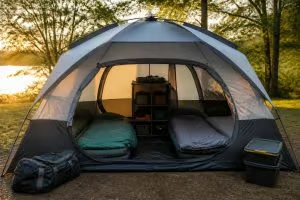

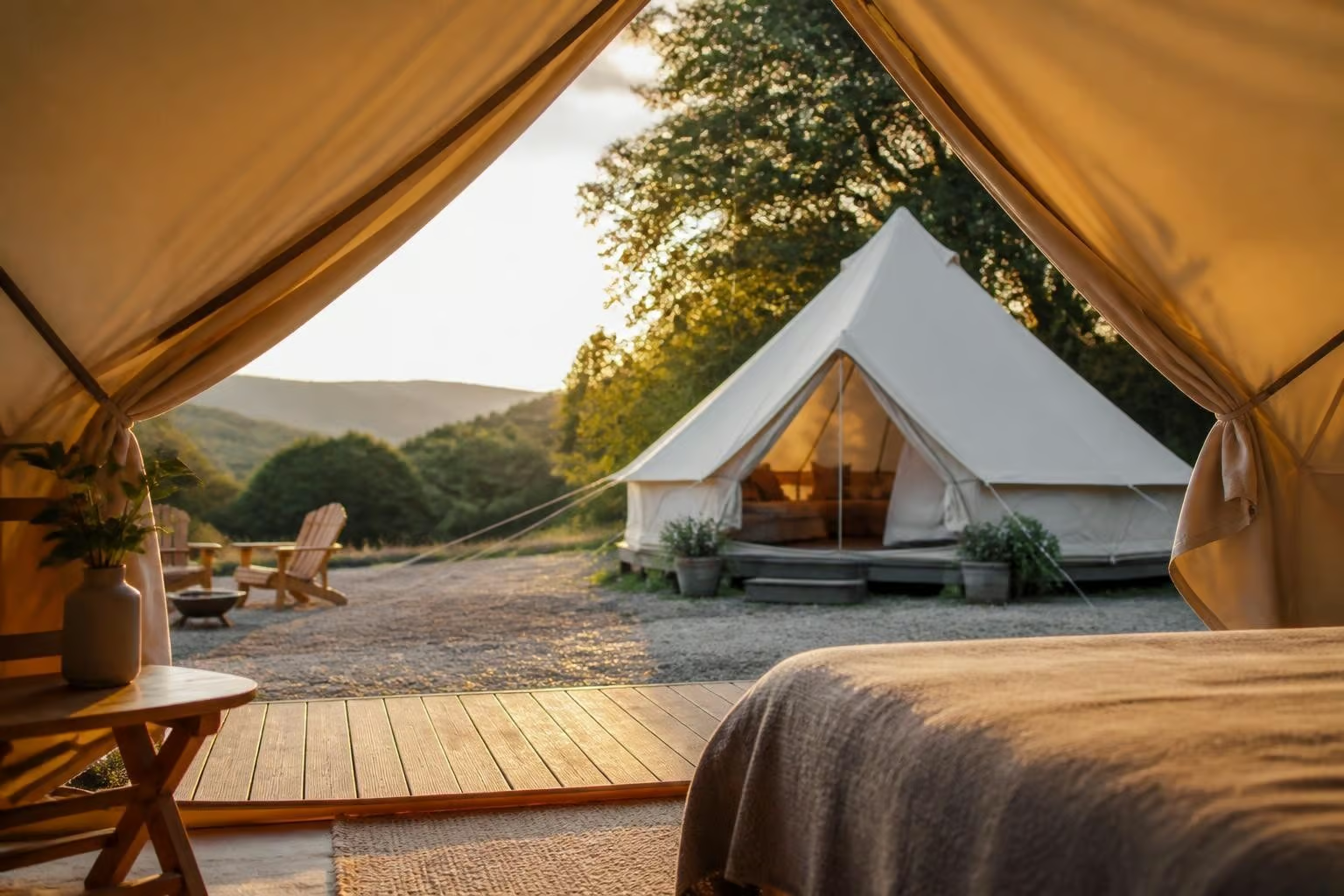
The outdoor hospitality industry continues to evolve as travelers seek unique accommodations that blend comfort with nature. Glamping tents for rent have emerged as one of the fastest-growing segments within this market, offering guests an elevated camping experience without sacrificing convenience or style. Property owners, campground operators, and event planners are increasingly investing in high-quality glamping setups to meet rising demand. Understanding what makes a glamping tent suitable for rental use requires examining construction quality, materials, regulatory considerations, and guest expectations that define success in 2026.
Not every tent qualifies as a viable glamping rental. The distinction between standard camping equipment and professional glamping infrastructure centers on durability, weather resistance, and guest comfort features.
Rental glamping tents must withstand continuous use across multiple seasons. Premium canvas materials ranging from 280 to 550 GSM provide the necessary strength and weather protection. Ripstop weaves add tear resistance, critical when tents remain erected for extended periods in variable weather conditions.
Key material characteristics for rental tents include:
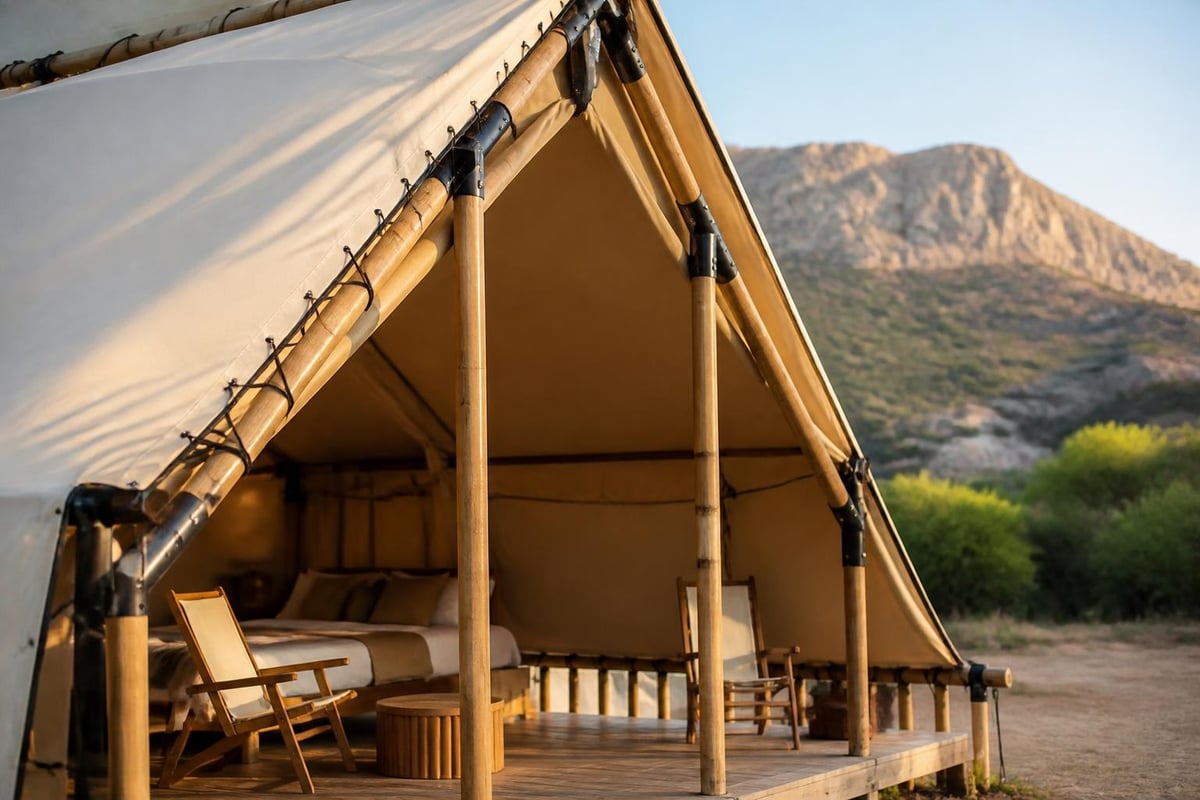
Frame systems separate temporary camping tents from permanent glamping structures. Galvanized steel frames resist corrosion in humid environments, while powder-coated finishes extend service life. Tent designs must accommodate standing height, proper ventilation, and structural stability in wind loads typical to the installation region.
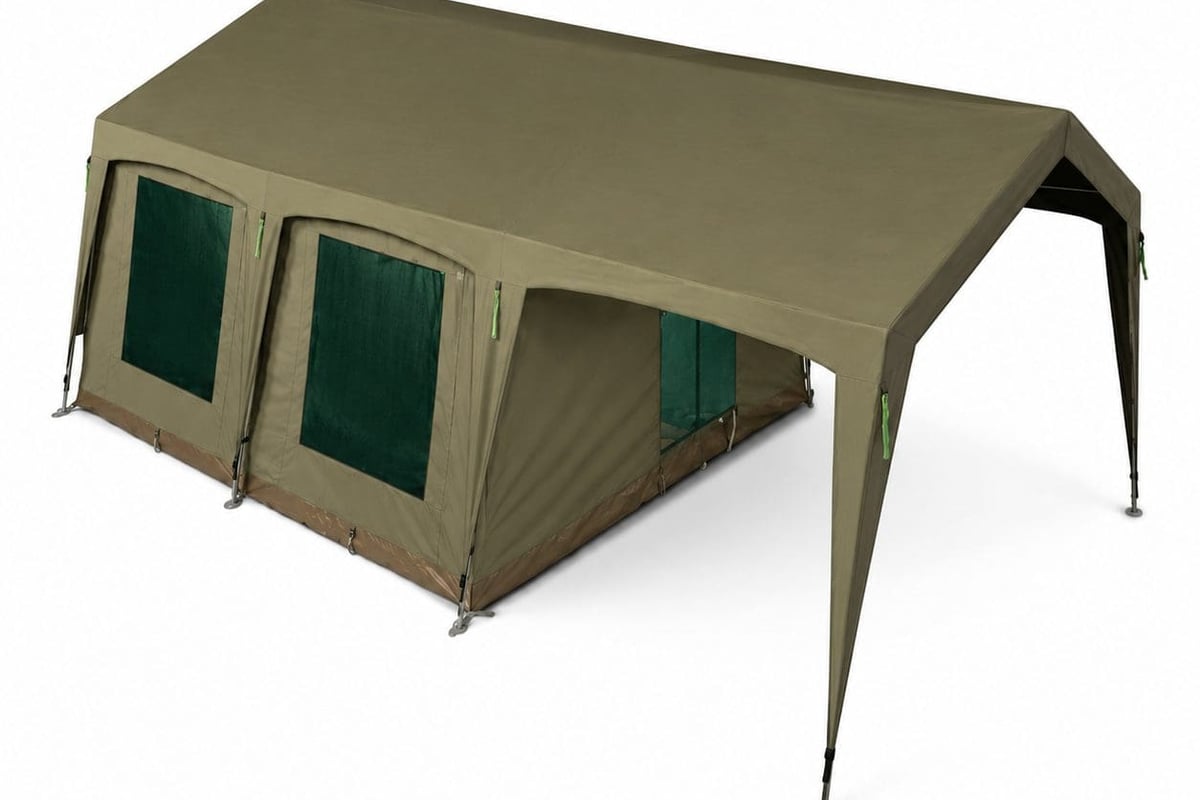
The 3m x 6m Safari Lodge Tent Two Room Waterproof Canvas Tent South Africa exemplifies purpose-built accommodation with 300 GSM ripstop canvas and a two-room layout that provides privacy for extended guest stays. This type of structured canvas solution demonstrates how proper materials translate to reliable rental performance.
Glamping tents for rent typically range from compact 3m x 3m units to expansive 6m x 8m structures. Size selection depends on target guest demographics and site characteristics.
| Tent Size | Capacity | Best Use Case | Typical Setup |
|---|---|---|---|
| 3m x 3m | 2 guests | Couples, minimal footprint sites | Single room, platform base |
| 4m x 5m | 2-4 guests | Families, standard glamping | One or two rooms, furniture space |
| 5m x 6m | 4-6 guests | Group accommodations, events | Multi-room, bathroom partition |
| 6m x 8m+ | 6-8 guests | Premium safari-style lodging | Multiple rooms, full amenities |
Layout features that enhance rental appeal include separate sleeping and living areas, covered entryways, window placements for cross-ventilation, and designated spaces for bathroom facilities or wood stoves depending on climate requirements.
Guest expectations for glamping tents for rent in 2026 extend beyond basic shelter. Amenities and thoughtful design elements differentiate premium offerings from standard camping.
Proper airflow prevents moisture buildup and maintains comfortable interior temperatures. Mesh window panels with exterior canvas flaps allow operators to adjust ventilation based on weather conditions. Guests appreciate controllable ventilation systems that offer flexibility throughout their stay.
During colder months, accommodation for heating solutions becomes critical. Tents designed for year-round rental should include:
Warm-weather considerations include reflective roof treatments, elevated floor designs for airflow beneath the structure, and strategic window placement that captures prevailing breezes.
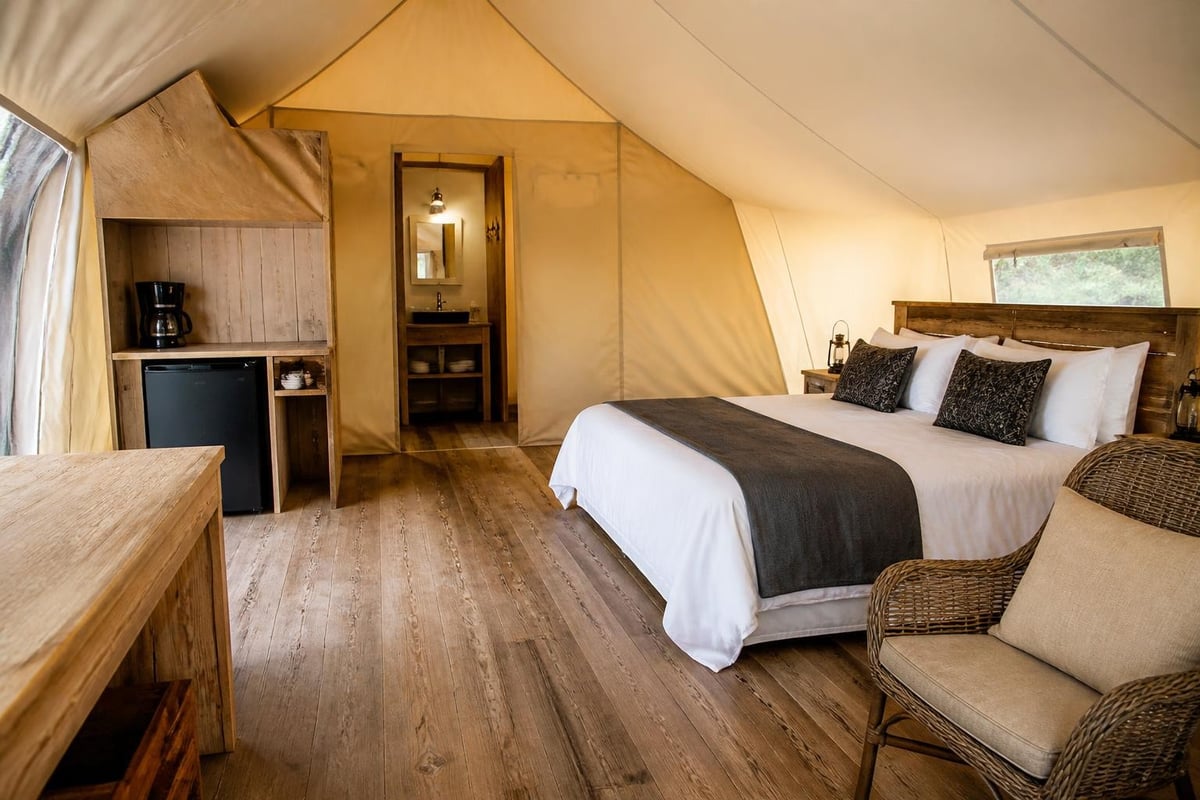
The best glamping tents for rent accommodate real furniture rather than camping gear. Floor space must support proper beds, seating areas, and storage solutions that meet hotel-like expectations. Structural height allows guests to move comfortably without stooping.
Flooring systems range from wooden deck platforms to concrete pads with subflooring. Elevated platforms improve drainage, reduce moisture transfer, and create a psychological separation from ground camping. Many operators install semi-permanent decking that extends beyond tent walls to create outdoor living spaces.
Electrical access has become standard in modern glamping setups. Tent designs should facilitate discreet wiring runs for lighting, charging stations, and small appliances. Dedicated electrical housings or conduits protect connections from weather exposure while maintaining aesthetic appeal.
Operating glamping tents for rent requires navigating building codes, occupancy regulations, and safety standards that vary by jurisdiction. Understanding these requirements prevents costly compliance issues.
Many regions classify glamping tents differently than permanent structures, creating opportunities for streamlined permitting. The Washington Administrative Code WAC 51-50-3103 provides an example of explicit exceptions for tents and yurts under specific size thresholds, illustrating how codes can accommodate temporary structures.
Common regulatory considerations include:
Some municipalities require formal permits for glamping tent operations. The Town of Lake City, Colorado permitting documentation demonstrates the detailed site, occupancy, and safety conditions local authorities may impose on rental glamping installations.
Property owners considering glamping operations on leased or public lands face additional constraints. The Bureau of Land Management’s Colorado camping guidance outlines occupancy rules and limitations that affect commercial camping operations on federal lands.
Private landowners have greater flexibility but should verify zoning permits for commercial lodging. Agricultural or recreational land classifications sometimes prohibit or restrict overnight accommodations for rent.
Understanding current glamping market dynamics helps operators make informed investment decisions about tent specifications and guest amenities.
According to the 2026 State of Glamping Report from RMS Cloud, traveler preferences continue shifting toward unique outdoor accommodations, with safari tents and canvas structures maintaining strong appeal among millennial and Gen X demographics. Booking windows have shortened, with many guests making reservations within 30 days of arrival.
Guest expectations include reliable wifi connectivity, premium bedding, private bathrooms or nearby facilities, and Instagram-worthy aesthetics. Glamping tents for rent that incorporate design elements like natural wood furnishings, ambient lighting, and thoughtful décor command higher nightly rates.
Rental performance varies significantly across regions and climates. Operators in moderate climates achieve year-round occupancy with appropriate heating and insulation investments. Seasonal operations in extreme climates concentrate revenue into peak months, requiring careful financial modeling.
The RoverPass 2026 Outdoor Hospitality Report reveals booking data showing glamping's growth trajectory within campground segments, helping operators forecast demand and optimize pricing strategies throughout the calendar year.
Peak season strategies include:
Successful glamping tent installations require proper site selection and preparation that protects both the structure and guest experience.
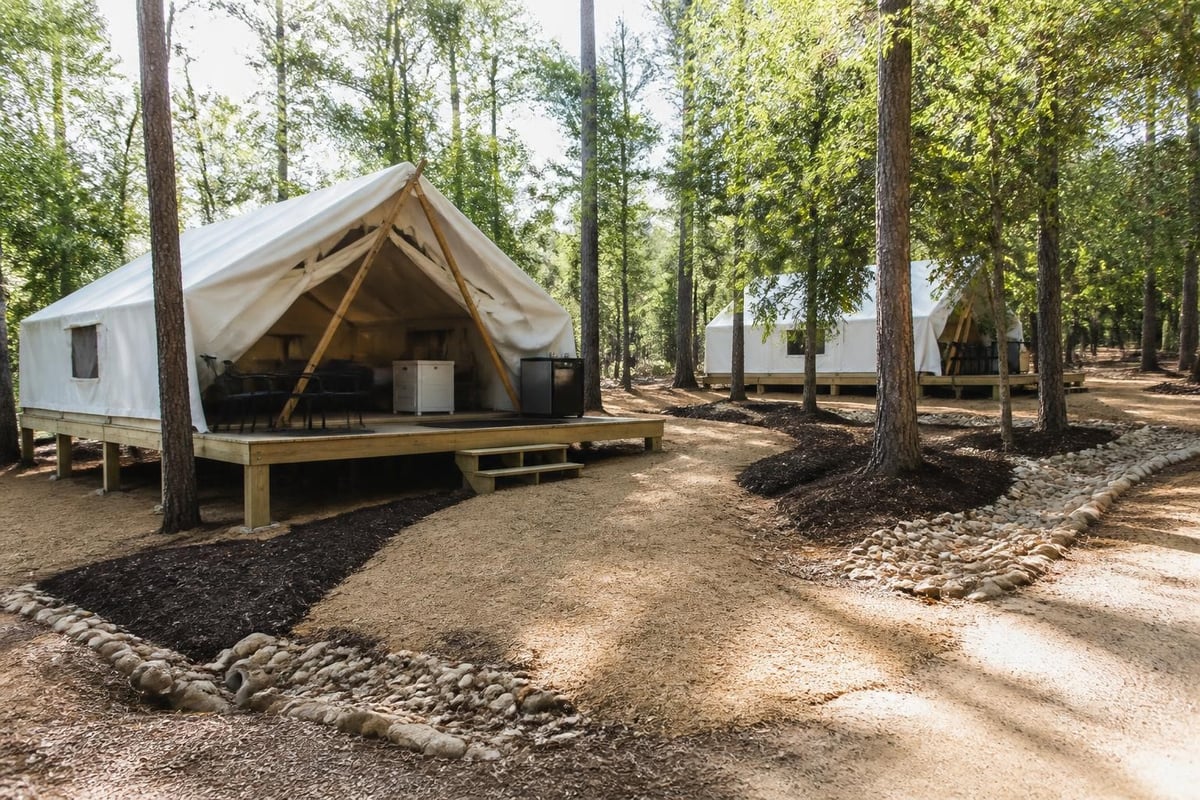
While glamping tents for rent don't require permanent foundations like traditional buildings, they need stable, level platforms that prevent settling and pooling water. Site preparation typically involves:
Proper drainage extends tent lifespan by preventing moisture accumulation beneath floors and around sidewalls. French drains or swales may be necessary in clay soils or high-rainfall environments.
Professional glamping operations provide utilities without visible infrastructure that disrupts the natural setting. Underground electrical conduits, buried water lines, and hidden septic connections maintain aesthetic appeal while delivering expected services.
Access roads must support service vehicles for cleaning, maintenance, and emergency response. Path widths, turning radiuses, and surface materials require planning before tent installation. Guest pathways should include lighting for safety while minimizing light pollution that diminishes the outdoor experience.
Maintaining glamping tents for rent requires different protocols than traditional hotel operations. Proactive maintenance and clear guest communication protect assets and ensure positive reviews.
Regular inspection intervals prevent minor issues from becoming costly repairs:
Canvas requires periodic reproofing to maintain waterproof performance. Seam sealers degrade over time, and preventive reapplication costs less than water damage repairs. Frame components need lubrication at pivot points and bolt tightening to prevent loosening from vibration and thermal cycling.
Clear pre-arrival communication manages expectations and reduces negative reviews. Guests unfamiliar with canvas accommodations may not understand normal characteristics like temperature fluctuations, natural sounds amplified by fabric walls, or wildlife proximity.
Effective communication includes:
Checkout procedures for glamping tents differ from hotel rooms. Guests should receive clear guidance about trash disposal, equipment shutdown, and condition expectations that prevent damage claims and streamline turnover processes.
Determining appropriate rental rates for glamping tents requires balancing market positioning, operational costs, and competitive analysis.
Initial investment in quality glamping tents for rent includes structure costs, site preparation, furnishings, utilities, and permits. Operational expenses encompass cleaning, maintenance, utilities, insurance, and platform fees if using third-party booking systems.
| Cost Category | Typical Range (USD) | Notes |
|---|---|---|
| Quality tent structure | $3,000 – $15,000 | Varies by size and specifications |
| Platform and site prep | $2,000 – $8,000 | Depends on terrain and utility distance |
| Furnishings and décor | $1,500 – $5,000 | Quality matters for guest satisfaction |
| Permits and insurance | $500 – $2,500 annually | Jurisdiction-dependent |
| Per-night operating cost | $25 – $60 | Cleaning, utilities, supplies, maintenance |
Break-even analysis should account for realistic occupancy rates in your market. According to data compiled in the KOA Camping & Outdoor Hospitality Report, established glamping operations in desirable locations achieve 60-75% occupancy during peak seasons, dropping to 20-40% in shoulder periods.
Successful operators adjust rates based on demand signals, local events, and booking patterns. Weekend rates typically command 20-40% premiums over weekday pricing. Holiday periods and special events justify temporary rate increases that maximize revenue during constrained availability.
Minimum night requirements during peak demand prevent single-night bookings that increase turnover costs and reduce overall revenue potential. Two or three-night minimums for summer weekends have become standard across the industry.
Selecting the right supplier impacts long-term operational success. Quality differences between manufacturers become evident after seasons of exposure to weather and guest use.
Reputable tent manufacturers provide detailed specifications, material certifications, and construction documentation. Request samples of fabric, view completed installations, and contact existing customers before committing to large purchases.
Key supplier evaluation factors include:
South African manufacturers like Ejenti Outdoor have built reputations for durable canvas products engineered for harsh outdoor conditions. Their experience with safari tents and outdoor accommodations translates well to glamping rental applications where longevity and weather resistance directly impact profitability.
Premium materials justify higher initial costs through extended service life and reduced maintenance. When comparing glamping tents for rent, prioritize fabrics with documented weathering tests, verifiable GSM ratings, and manufacturer warranties that demonstrate confidence in product durability.
Budget options using lighter fabrics or untreated materials may appear attractive initially but typically require replacement within 2-3 seasons. Quality tents manufactured with proper materials and construction methods deliver 8-12 years of service with appropriate maintenance, fundamentally changing return-on-investment calculations.
Beyond physical tent specifications, successful glamping rental operations focus on experiential elements that generate positive reviews and repeat bookings.
Interior design choices transform functional shelter into desirable destinations. Cohesive design themes that complement natural surroundings create Instagram-worthy moments that drive social media marketing. Popular approaches include minimalist Scandinavian aesthetics, bohemian textiles and patterns, rustic farm-style furnishings, or safari-inspired décor.
Lighting design dramatically impacts evening ambiance. String lights, lanterns, and carefully placed accent lighting create warmth without overwhelming the outdoor setting. Dimmer switches and multiple light sources allow guests to customize brightness levels.
Standard glamping expectations in 2026 include quality mattresses, premium linens, basic cookware, and outdoor seating. Differentiation comes from thoughtful extras that exceed baseline expectations:
Seasonal adaptations show operational sophistication. Summer setups might include cooling towels and insect protection, while winter configurations feature extra blankets, hot water bottles, and recommended winter activities.
Quality glamping tents for rent represent a significant investment that pays dividends through guest satisfaction, positive reviews, and sustainable revenue when operators select appropriate materials and maintain professional standards. Whether you're establishing a new glamping operation or upgrading existing accommodations, choosing tents built for rental durability ensures long-term success in this growing hospitality segment. Ejenti Outdoor manufactures canvas tents, outdoor fabrics, and structural solutions engineered for the demanding South African climate, providing the foundation for reliable glamping operations that stand up to continuous guest use and variable weather conditions.