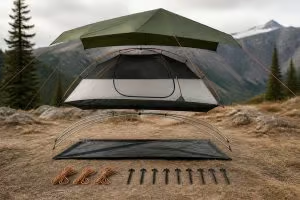
Choosing the right shelter for group camping trips requires careful consideration of space, comfort, and durability. A 5 person camping tent offers the ideal balance between capacity and portability, making it perfect for families or small groups exploring the South African wilderness. Understanding the key features that separate exceptional tents from mediocre ones will transform your outdoor experiences from uncomfortable nights to memorable adventures under the stars.
The label on a 5 person camping tent can be misleading. Manufacturers calculate capacity by fitting sleeping bags shoulder-to-shoulder with zero room for gear, movement, or comfort. This industry-standard measurement rarely reflects practical camping scenarios.
When evaluating tent capacity, consider that a 5 person camping tent typically accommodates three to four adults comfortably with gear storage. The difference between rated capacity and comfortable capacity becomes crucial during multi-day trips when you need space for backpacks, coolers, and camping equipment.
Real-world capacity considerations:
Most experienced campers follow the "minus two" rule, subtracting two from the stated capacity to determine comfortable occupancy. This approach ensures adequate space for sleeping, changing clothes, and storing equipment during inclement weather.
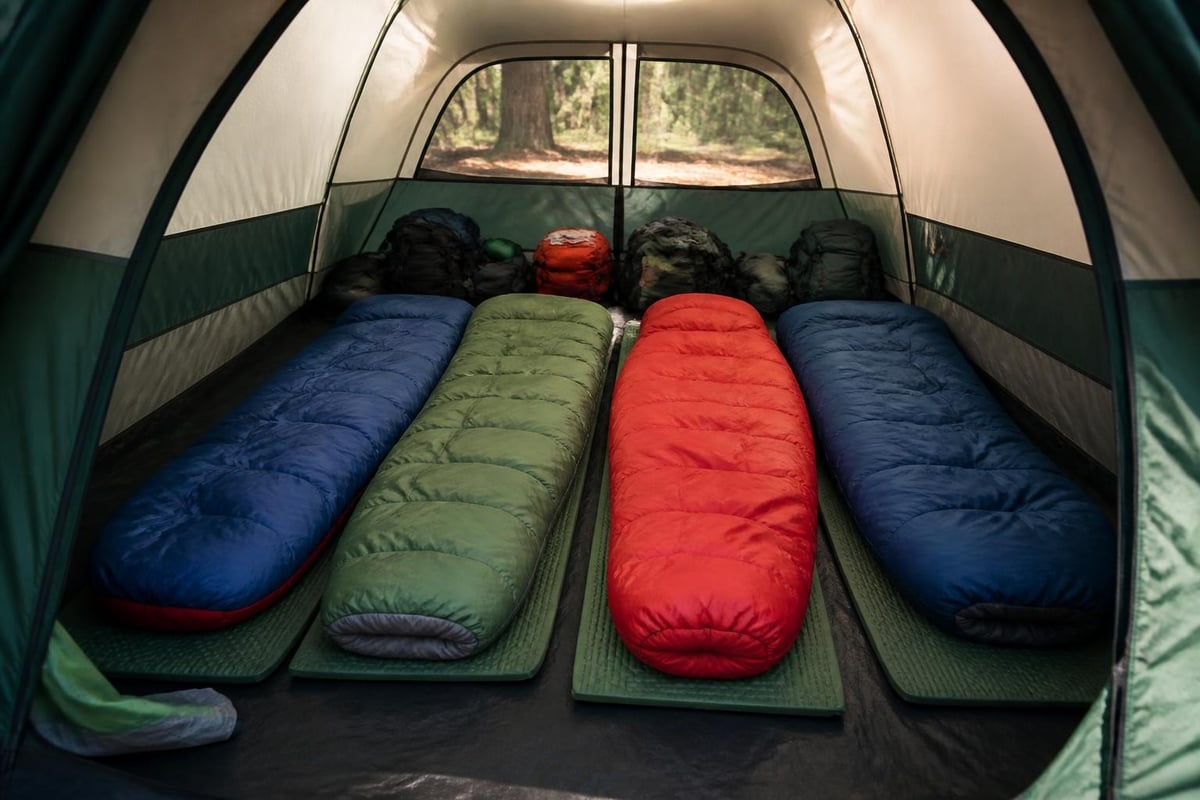
A quality 5 person camping tent should provide at least 75 to 90 square feet of floor space. Beyond total area, the shape affects usability significantly. Rectangular floor plans maximize usable space, while dome designs may waste corner areas.
| Floor Plan Style | Typical Dimensions | Best For | Usable Space Rating |
|---|---|---|---|
| Rectangular | 10' x 9' | Families with gear | Excellent |
| Square | 9' x 9' | Groups of adults | Very Good |
| Dome | Variable | Lightweight camping | Good |
| Cabin | 11' x 9' | Extended stays | Excellent |
Peak height determines whether you can stand upright, which becomes essential during rainy days when you're confined indoors. Look for center heights of at least 6 feet for comfortable movement.
South African weather conditions demand robust construction and thoughtful design. From scorching Karoo summers to sudden Drakensberg storms, your tent must handle diverse challenges.
The outer shell material directly impacts longevity and weather resistance. Ripstop polyester and canvas both offer distinct advantages for different camping styles. Canvas breathes better in hot conditions but weighs more, while modern polyester blends provide excellent waterproofing with reduced weight.
Key fabric specifications to examine:
Seam sealing quality often separates premium tents from budget options. Factory-sealed seams provide superior water resistance compared to field-applied seam sealer. Inspect all stitching points, particularly where walls meet floors and around zipper installations.
Proper airflow prevents condensation accumulation that leads to uncomfortable, damp sleeping conditions. A well-designed 5 person camping tent incorporates multiple ventilation points at different heights to create cross-breezes.
Ground-level vents allow cool air intake, while roof vents or mesh panels facilitate warm air exhaust. This circulation system becomes critical in humid coastal environments or when camping with multiple occupants generating body heat and moisture.
Consider tents with adjustable ventilation that you can modify based on weather conditions. Large mesh panels work wonderfully in summer but need closeable covers for winter camping or windy conditions.
The skeletal system supporting your tent determines its ability to withstand wind, support weight during rain, and maintain shape over time. Understanding pole materials and configurations helps predict performance and longevity.
Common pole types compared:
| Material | Weight | Strength | Durability | Price Point |
|---|---|---|---|---|
| Fiberglass | Heavy | Moderate | Fair | Budget |
| Aluminum Alloy | Light | Excellent | Very Good | Mid-Range |
| Carbon Fiber | Very Light | Excellent | Excellent | Premium |
| Steel | Very Heavy | Superior | Excellent | Varies |
Aluminum alloy poles represent the sweet spot for most campers, offering strength without excessive weight. The pole diameter affects rigidity, with 11mm to 13mm diameters providing adequate support for family-sized tents.
Hub systems simplify setup by connecting multiple poles at central points. These engineering solutions reduce setup time and create more stable structures compared to sleeve systems, though they may cost more initially.
Proper tension and anchoring transform an adequate tent into a storm-worthy shelter. Guy lines extend from the tent body to ground stakes, creating triangulated support that resists wind loads and maintains fabric tension.
Quality tents include reflective guy lines for nighttime visibility and adjustable tensioners for fine-tuning. The importance of space and organization extends to how you arrange these external support elements around your camping area.
Stake quality matters more than many realize. Lightweight aluminum stakes bend in rocky soil, while heavy-duty steel stakes penetrate difficult ground but add weight. Ejenti Outdoor understands these challenges and manufactures solutions designed for diverse South African terrain conditions.
Time spent wrestling with tent assembly reduces time enjoying the outdoors. Modern design innovations have dramatically simplified deployment, making solo setup possible even for large family tents.
Color-coded poles and corresponding sleeves eliminate guesswork during assembly. Some manufacturers take this further with continuous pole sleeves that allow the entire frame to slide through in one motion.
Setup time expectations:
Clip systems attach the tent body to pre-assembled frames using quick-release clips, significantly reducing setup complexity. While these systems cost more initially, the convenience justifies the investment for frequent campers.
Practice setup at home before your trip. Familiarity with your specific tent model prevents frustration at the campsite, especially when arriving after dark or during poor weather.
Multiple entry points prevent midnight disruptions when someone needs to exit. A 5 person camping tent should feature at least two doors, ideally positioned on opposite sides for maximum convenience and ventilation control.
Zippered windows with mesh screens provide insect protection while allowing airflow and views. Storm flaps over zippers prevent water infiltration during heavy rain, a detail that distinguishes quality construction from basic designs.
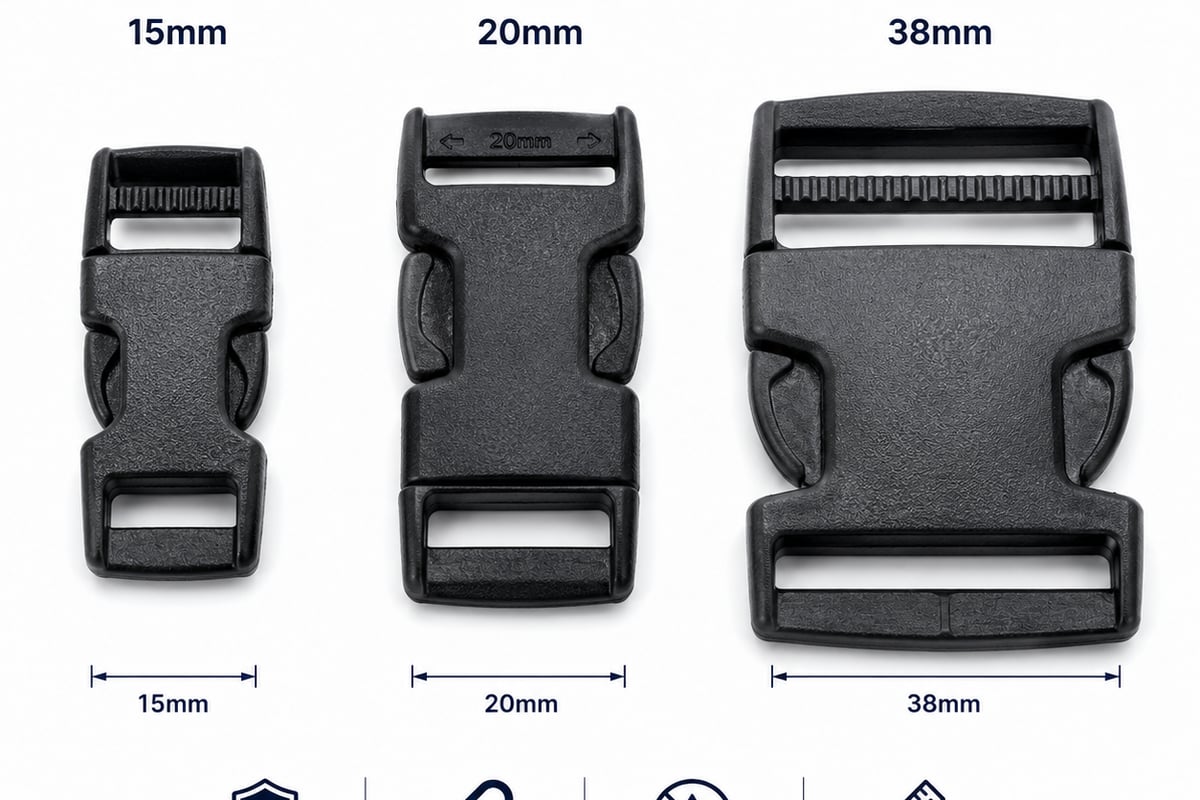
For gear management and organization, the quick-release buckle components used in quality camping equipment allow you to secure internal organizers and attachment points that keep your living space tidy. These small hardware pieces make significant differences in daily camping comfort.
Raw floor space means little without thoughtful organization. Interior pockets, gear lofts, and vestibule areas transform chaotic camping into organized outdoor living.
Covered areas outside the main sleeping chamber protect muddy boots, wet gear, and bulky equipment from weather while keeping the interior clean. Generous vestibules add significant functional space without increasing the sleeping area footprint.
Ideal vestibule features:
Some designs incorporate convertible vestibules that fully open to create covered porches, perfect for cooking areas or shaded relaxation spaces during hot afternoons.
Built-in organizational features prevent the cluttered chaos that often develops in shared tents. Mesh pockets along walls hold headlamps, phones, and personal items within easy reach but off the floor.
Gear lofts suspend from ceiling attachment points, utilizing vertical space for lightweight items like clothing or sleeping bag stuff sacks. This overhead storage keeps the floor clear for movement and sleeping comfort.
E-cable ports allow electrical cord routing for those camping with power access, maintaining weatherproofing while accommodating modern conveniences. These thoughtful details reflect understanding of how people actually use camping equipment in 2026.
Not all tents handle every season equally. Understanding the three-season versus four-season distinction helps match equipment to your intended use patterns and typical camping conditions.
Most 5 person camping tents fall into the three-season category, designed for spring, summer, and fall use. These models prioritize ventilation and weight savings over extreme weather protection.
Three-season tents excel in South African conditions for most of the year. They handle moderate rain, wind, and temperature fluctuations while providing excellent airflow during warm weather. The lightweight construction makes them easier to transport and set up compared to heavy-duty four-season models.
Mesh panels dominate three-season designs, with closeable fabric panels for cooler nights or rainy conditions. This flexibility allows you to adjust the tent's performance based on current weather rather than committing to one configuration.
Winter camping, high-altitude expeditions, or extreme weather scenarios require four-season tent construction. These robust shelters sacrifice ventilation for strength and weather protection.
Four-season design characteristics:
| Feature | Three-Season | Four-Season |
|---|---|---|
| Pole Count | 2-3 | 4-6 |
| Fabric Weight | Lighter | Heavier |
| Ventilation | Extensive | Limited |
| Wind Resistance | Moderate | Extreme |
| Weight | 12-18 lbs | 18-28 lbs |
The increased pole count creates geodesic structures that distribute wind and snow loads effectively. Minimal mesh reduces heat loss and prevents spindrift entry during storms. Unless you regularly camp in harsh winter conditions, a three-season tent offers better value and versatility.
Proper care extends tent lifespan from a few seasons to many years of reliable service. Understanding fabric properties and implementing protective measures prevents premature degradation.
South African sun intensity degrades tent fabrics faster than in many other regions. Ultraviolet radiation breaks down polyester and nylon fibers, weakening waterproof coatings and reducing tear strength.
When possible, position tents in shaded areas or use additional tarps for sun protection during extended stays. After trips, store tents loosely in cool, dry locations rather than compressed in stuff sacks, which stresses fabric and promotes mildew growth.
Maintenance best practices:
Professional-grade outdoor solutions from Ejenti Outdoor incorporate durable materials designed to withstand African conditions, but even the best equipment requires regular maintenance for optimal performance.
Gentle hand washing with mild soap preserves waterproof coatings better than aggressive scrubbing or machine washing. Set up the tent and use a soft brush or sponge with lukewarm water to remove dirt and debris.
Never use harsh detergents, bleach, or washing machines, as these damage protective treatments and fabric integrity. Similarly, avoid direct heat sources when drying, as high temperatures can delaminate waterproof coatings and weaken synthetic fibers.
Spot-treat stubborn stains with specialized tent cleaners designed for technical fabrics. These products maintain breathability and waterproofing while removing organic stains from tree sap, bird droppings, or food spills.
Transportation method significantly impacts acceptable tent weight. Backpackers count every gram, while car campers can accommodate heavier, more spacious designs without concern.
Manufacturers list packed weight including tent body, rainfly, poles, stakes, guy lines, and storage bag. Trail weight excludes stakes and bag, representing the minimum weight needed for functionality.
For a 5 person camping tent, expect packed weights between 12 and 25 pounds depending on materials and features. Canvas models and four-season designs occupy the heavier end of this spectrum, while lightweight three-season tents minimize weight through advanced materials and engineering.
Weight categories:
When selecting tents based on reviews, pay attention to whether weight specifications match your transportation capabilities and campsite distance from vehicle parking.
Beyond weight, packed dimensions affect storage in vehicles or on backpacks. Tent bags should fit comfortably in your available space without requiring extensive rearrangement of other gear.
Compression straps reduce packed volume but increase stress on fabrics over time. If you frequently compress your tent to minimum size, inspect it regularly for pressure damage at fold points and consider slightly larger storage to extend lifespan.
Rolling tents rather than stuffing them creates more uniform shapes that pack efficiently and reduce permanent creases. This method takes slightly more time but preserves fabric condition and makes repacking easier during rainy breakdowns.
Understanding what drives cost differences helps you invest wisely rather than overspending on unnecessary features or choosing inadequate budget options that fail prematurely.
Entry-level tents sacrifice durability and advanced features for affordability. These models work acceptably for occasional camping but may not withstand regular use or harsh conditions.
Expect basic pole systems, thinner fabrics, and minimal warranties. While these limitations don't prevent successful camping, they increase the likelihood of replacement within a few seasons.
Budget tent characteristics:
For families testing camping interest before major investment, budget options provide reasonable entry points. However, choosing tents that balance space with portability requires evaluating your expected usage frequency honestly.
This category offers the best value for regular campers, combining quality materials with thoughtful design at reasonable prices. Established outdoor brands compete heavily in this segment, driving innovation and performance improvements.
Expect aluminum poles, ripstop fabrics with enhanced waterproofing, factory-sealed seams, and multi-season versatility. Warranties typically cover 1-3 years, reflecting manufacturer confidence in construction quality.
These tents serve dedicated camping families well for many years when properly maintained. The investment pays dividends through reliable performance and reduced replacement frequency compared to budget alternatives.
Top-tier tents justify higher costs through superior materials, innovative features, and exceptional durability. Carbon fiber poles, advanced waterproof-breathable fabrics, and lifetime warranties characterize this segment.
Premium manufacturers often provide repair services and replacement parts, extending product lifecycles significantly. For serious outdoor enthusiasts who camp frequently in demanding conditions, these investments make financial sense over time.
Specialty four-season tents and ultra-lightweight backpacking models command premium prices due to engineering complexity and material costs. Unless your specific needs require these capabilities, mid-range options deliver better value for typical camping scenarios.
Your tent serves as shelter and safety barrier against environmental hazards. Design features that enhance security and emergency egress deserve careful evaluation.
Bright colors help locate your tent in crowded campgrounds or during emergency situations. Reflective elements on guy lines prevent nighttime tripping hazards and improve visibility from distance.
Safety-enhancing features:
Some manufacturers incorporate reflective panels visible to search and rescue teams, though this remains uncommon in recreational tents. For remote camping, consider adding reflective markers yourself as insurance against worst-case scenarios.
Multiple doors provide redundant exit routes if one becomes blocked or damaged. This redundancy proves critical during emergencies requiring rapid evacuation.
Zipper quality affects reliability under stress. YKK zippers represent industry standards for smooth operation and longevility, rarely failing during critical moments. Test all zippers before purchase, ensuring smooth operation without snagging or sticking.
Interior loops allow attachment of gear organizers but also provide anchor points for emergency lighting or signaling devices. Consider how tent design facilitates not just comfortable camping but also unexpected emergency scenarios.
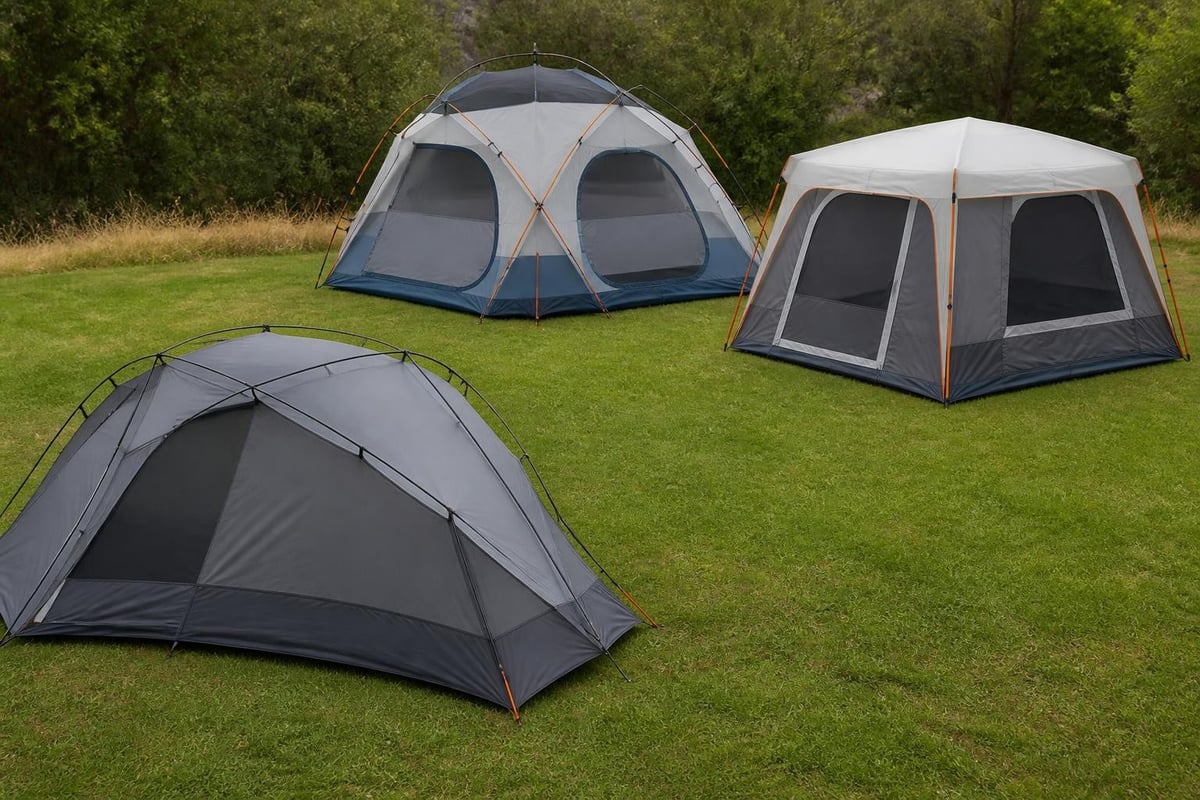
Different architectural approaches suit various camping preferences and environmental conditions. Understanding these distinctions guides selection based on your specific priorities.
The classic dome design uses crossed poles creating a self-supporting structure. This configuration offers excellent wind resistance and efficient use of materials, making dome tents popular for general camping.
Dome tent advantages:
The curved walls reduce internal headroom at edges, creating less usable space than rectangular floor plans suggest. For sleeping comfort this matters little, but it affects livability during extended stays.
Vertical walls maximize usable interior volume, creating nearly rectangular interior spaces. These designs prioritize comfort over weather performance and weight, making them ideal for car camping and established campgrounds.
Peak heights often exceed 6.5 feet, allowing adults to stand and move comfortably throughout the interior. This spaciousness transforms multi-day camping from cramped endurance to enjoyable outdoor living.
The increased fabric surface area and vertical walls make cabin tents more susceptible to wind damage compared to aerodynamic dome designs. Proper staking and guy line tension becomes essential in exposed locations.
Tunnel tents create long, tubular interiors through parallel hoop poles. These designs excel for groups needing maximum floor space with minimal weight, though they require careful orientation relative to prevailing winds.
Extended models combine dome stability with tunnel space efficiency, creating hybrid designs that balance competing priorities. These innovations represent the cutting edge of family tent design in 2026.
Selecting the right 5 person camping tent transforms outdoor adventures from uncomfortable ordeals into memorable experiences that strengthen relationships and create lasting memories. The combination of adequate space, weather protection, quality construction, and thoughtful features determines whether your tent serves reliably for years or disappoints on the first challenging trip. Ejenti Outdoor specializes in durable outdoor solutions engineered for South African conditions, offering expert guidance and quality products that turn camping aspirations into comfortable reality.