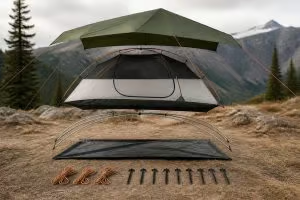
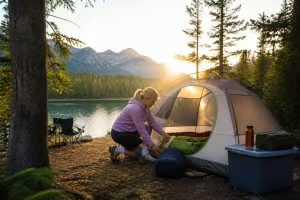
Choosing the right tent for extended outdoor stays requires understanding the unique demands of camp camp tents. These specialized shelters serve as reliable homes away from home, whether you're establishing a semi-permanent base camp, running an outdoor education program, or setting up accommodations for extended wilderness adventures. Unlike lightweight backpacking tents designed for nightly moves, camp camp tents prioritize durability, space, and weather resistance for longer-term occupation in challenging conditions.
Camp camp tents represent a distinct category within outdoor shelter systems. These tents are engineered for situations where you'll maintain a fixed location for several days or weeks, requiring robust construction that can withstand continuous exposure to sun, wind, and precipitation.
The primary distinction lies in their construction philosophy. While ultralight tents sacrifice some durability for portability, camp camp tents embrace heavier materials and reinforced structures. This design approach makes them ideal for:
The fabric choice fundamentally determines how well camp camp tents perform over extended periods. Canvas remains the gold standard for fixed-location camping due to its breathability, durability, and natural weather resistance. Heavy-duty canvas typically ranges from 280gsm to 400gsm, with ripstop weaves adding tear resistance without excessive weight.
PVC-coated fabrics offer completely waterproof protection and exceptional UV resistance. These materials excel in environments with intense sunlight and heavy rainfall, though they require adequate ventilation systems to manage interior condensation. The 550gsm PVC used in professional applications provides commercial-grade durability that withstands years of continuous outdoor exposure.
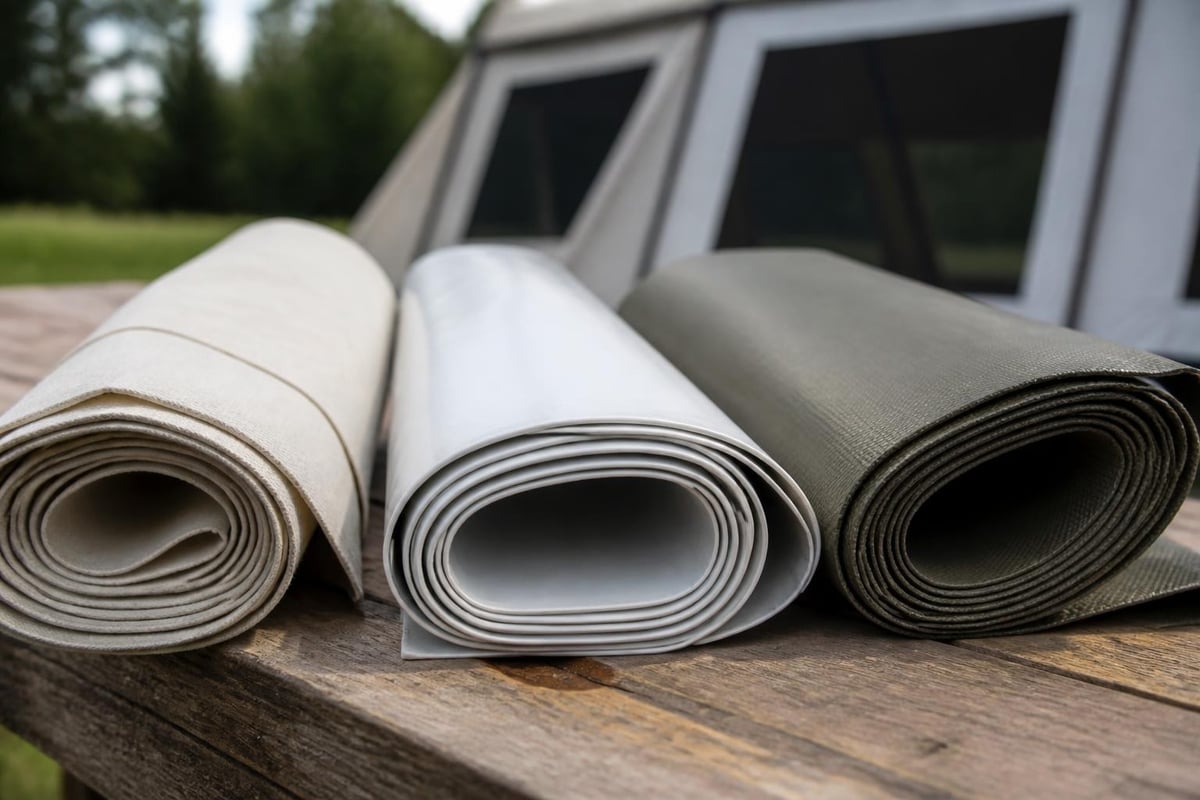
Modern synthetic blends combine the benefits of both approaches. Polyester-cotton blends provide improved mildew resistance while maintaining breathability. These hybrid materials reduce weight compared to pure canvas while offering better moisture management than fully synthetic options.
The framework supporting camp camp tents must deliver stability that lasts throughout extended occupancy periods. Galvanized steel remains the most common choice for semi-permanent installations, offering excellent strength-to-cost ratios and resistance to corrosion in various climates.
| Frame Material | Weight | Durability | Setup Time | Best Application |
|---|---|---|---|---|
| Galvanized Steel | Heavy | Excellent | 45-90 min | Fixed camps, safari lodges |
| Aluminum Alloy | Medium | Very Good | 30-60 min | Mobile base camps |
| Fiberglass | Light | Good | 20-40 min | Short-term setups |
Camp camp tents come in several architectural styles, each optimized for specific use cases. Dome configurations provide excellent wind resistance and maximize interior volume relative to footprint. The geodesic variant, with its interconnected pole structure, offers the highest wind resistance for exposed locations.
Wall tents deliver vertical sides that create usable space throughout the interior. This traditional design works exceptionally well for camps requiring furniture, cots, or storage systems. The straight walls allow efficient organization and comfortable movement, particularly important for tents serving as sleeping quarters, dining areas, or operational headquarters.
Safari-style tents incorporate porches, multiple rooms, and enhanced ventilation systems. These designs prioritize comfort for extended stays, featuring zippered windows with mesh panels, internal dividers for privacy, and reinforced floor systems. According to OutdoorGearLab’s comprehensive tent testing, proper ventilation systems significantly reduce condensation issues in long-term camping scenarios.
Effective weather protection separates reliable camp camp tents from inadequate shelters. Waterproofing extends beyond simple fabric coating to encompass seam sealing, floor protection, and drainage design.
Quality camp camp tents employ multiple waterproofing strategies working together. The outer canopy uses waterproof fabric or treatments rated for sustained rainfall. Seams receive taped or sealed reinforcement to prevent water infiltration at stitching lines. Floor materials typically use heavier-gauge waterproof fabric than walls, as ground contact presents higher abrasion and moisture exposure.
Rainfly systems add a secondary protection layer, creating air gaps that improve insulation and allow moisture to escape. The gap between rainfly and main tent body prevents condensation from forming on interior surfaces while maintaining waterproof coverage. Properly designed rainflies extend beyond tent walls to create covered vestibule areas for gear storage and weather protection at entry points.
The Premium Heavy-Duty Canvas Dome Tent exemplifies these principles, combining 300gsm ripstop canvas with galvanized steel framing specifically engineered for African climate conditions. This construction approach delivers the durability and weather resistance essential for extended outdoor occupation. Premium Heavy-Duty Canvas Dome Tent
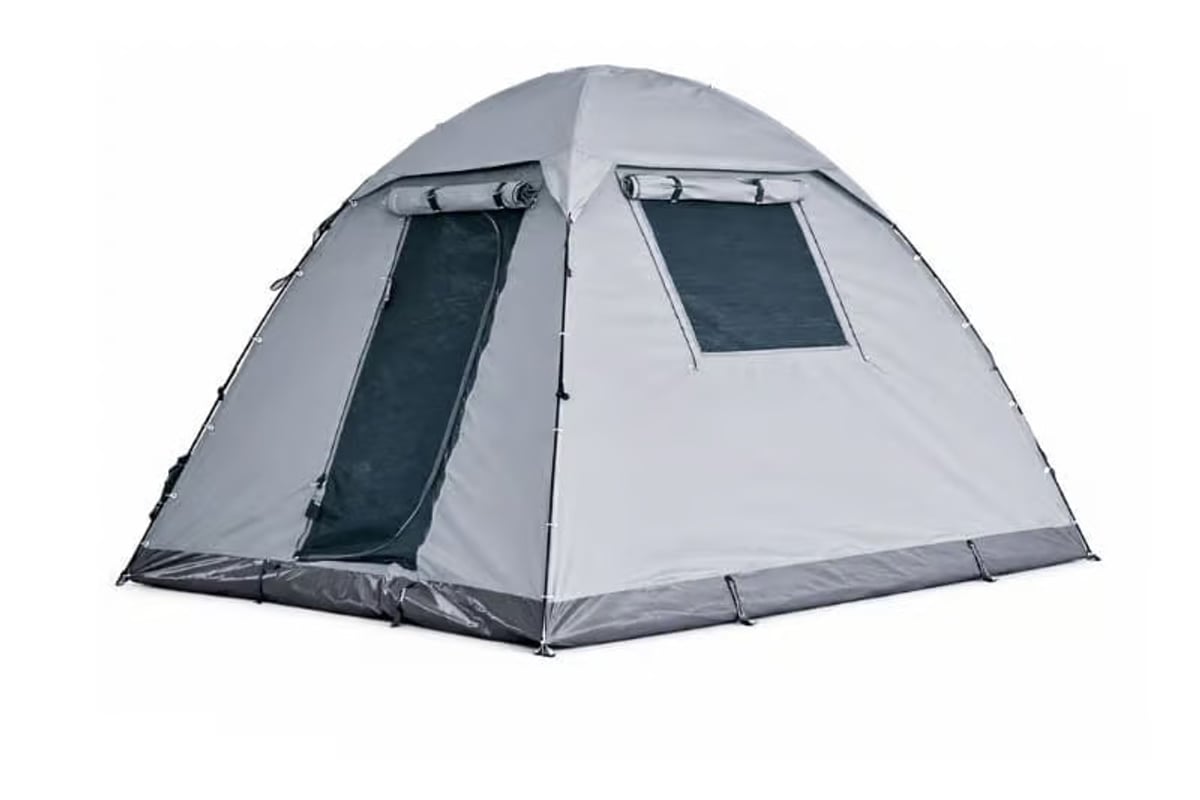
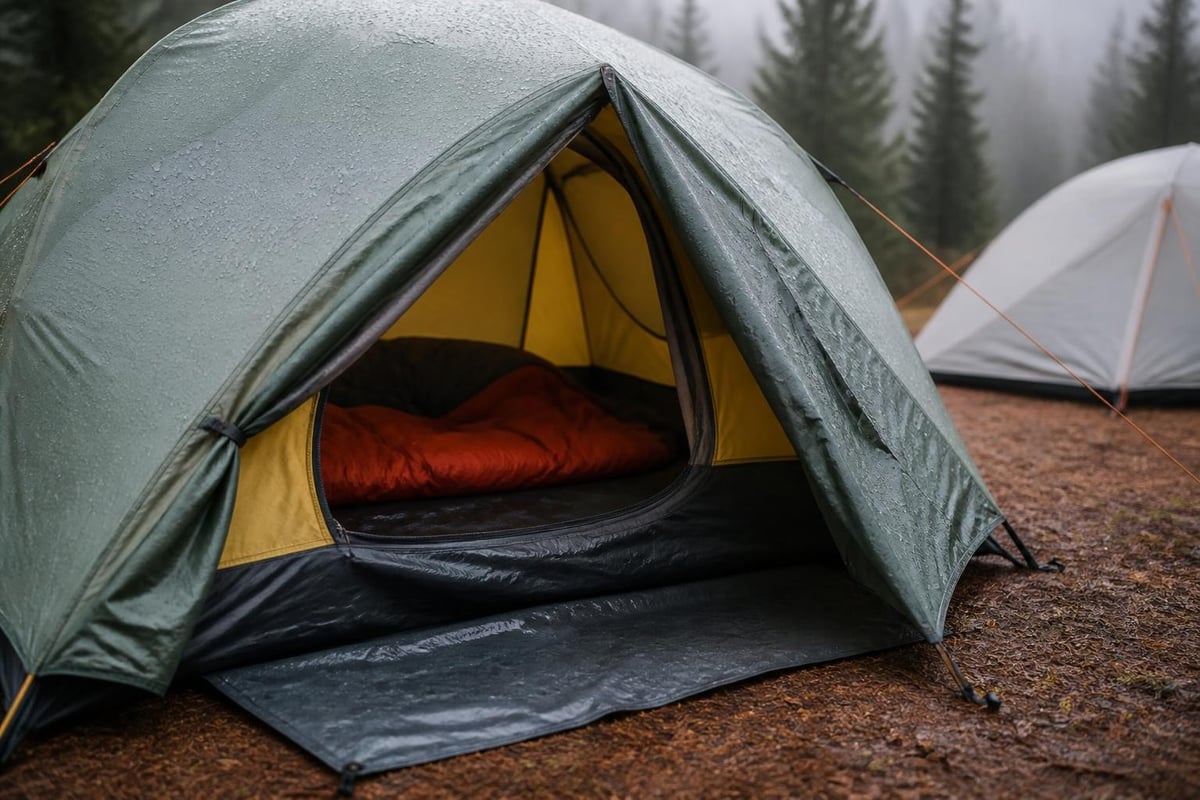
Climate control becomes critical during extended occupation. Canvas naturally regulates temperature through its breathable fiber structure, staying cooler in heat and warmer in cold compared to synthetic materials. Cross-ventilation systems using opposed mesh windows create airflow that reduces interior heat buildup.
Winter camping requires different considerations. Four-season camp camp tents feature reduced mesh areas, heavier fabrics, and designs that shed snow effectively. Stove jacks allow safe installation of heating systems, transforming tents into comfortable shelters even in freezing conditions. The Nortent Vern 1’s all-season design demonstrates how thoughtful engineering creates viable year-round shelter solutions.
Proper installation maximizes the performance and lifespan of camp camp tents. Unlike quick-pitch backpacking shelters, these systems benefit from careful site preparation and methodical assembly.
Location determines how well camp camp tents perform throughout their occupation period. Ideal sites offer level ground with good drainage, avoiding low spots where water accumulates during rain. Natural windbreaks like tree lines or terrain features reduce wind stress on tent structures while maintaining adequate airflow for ventilation.
Ground composition matters significantly. Rocky soil complicates stake placement, while extremely sandy conditions may not hold stakes securely. Clay-heavy soils can become waterlogged, making drainage critical. This comprehensive tent setup guide demonstrates proper site assessment and preparation techniques.
Extended occupation requires reinforced anchoring beyond basic stake placement. Guy lines attached to heavy-duty stakes or ground anchors provide critical support during storms. The lines should extend from tent corners and peak points at 45-degree angles, creating a stability network that distributes wind loads effectively.
In soft soil conditions, additional anchoring techniques improve security. Buried deadman anchors-objects buried horizontally in trenches-provide exceptional holding power where conventional stakes fail. For rocky terrain, securing guy lines to natural features or using specialized rock anchors maintains stability.
Camp camp tents represent significant investments that reward proper maintenance with years of reliable service. Regular care prevents minor issues from becoming major failures.
Weekly inspections during active use identify developing problems early. Check all stress points-stake loops, pole connection points, and seam junctions-for signs of wear or damage. Abrasion from wind-driven fabric movement often appears first at these locations.
Zipper maintenance prevents frustrating failures. Keep zipper tracks clean of dirt and debris, and apply zipper lubricant periodically to maintain smooth operation. Fabric tension around zippers should distribute evenly, preventing excessive stress on the zipper mechanism itself.
| Maintenance Task | Frequency | Time Required | Impact on Lifespan |
|---|---|---|---|
| Seam inspection | Weekly | 15 min | High |
| Zipper cleaning | Bi-weekly | 10 min | Medium |
| Guy line tension check | After storms | 5 min | High |
| Fabric reproofing | Annually | 2-3 hours | Very High |
| Frame joint lubrication | Monthly | 20 min | Medium |
Proper cleaning extends fabric life dramatically. After extended use, clean canvas tents with mild soap and water, avoiding harsh detergents that strip natural oils from the fibers. Allow complete drying before storage-storing damp canvas invites mildew growth that permanently damages fabric.
PVC fabrics tolerate more aggressive cleaning but still benefit from gentle treatment. Remove accumulated dirt and organic matter that can harbor mold spores. UV damage occurs gradually, so minimize unnecessary sun exposure when the tent isn't actively in use.
Storage conditions matter significantly. Cool, dry locations with good air circulation prevent mildew while protecting against temperature extremes that degrade fabric coatings. Avoid compressing tents into tight bundles for long-term storage-loose rolling or hanging allows fabrics to maintain their structural integrity.
Matching tent specifications to intended use ensures satisfaction and performance. Size, layout, and feature sets vary considerably across different models and applications.
Manufacturers rate tent capacity by the number of sleeping occupants the floor area accommodates. However, this rating assumes minimal gear storage and tight spacing. For comfortable extended occupation, choose capacity ratings exceeding your actual group size by at least one person.
Interior height significantly affects livability during extended stays. Tents allowing standing room reduce fatigue and improve comfort for activities like dressing, organizing gear, and general movement. Wall tents and cabin-style designs maximize usable interior volume compared to dome configurations of similar footprint.
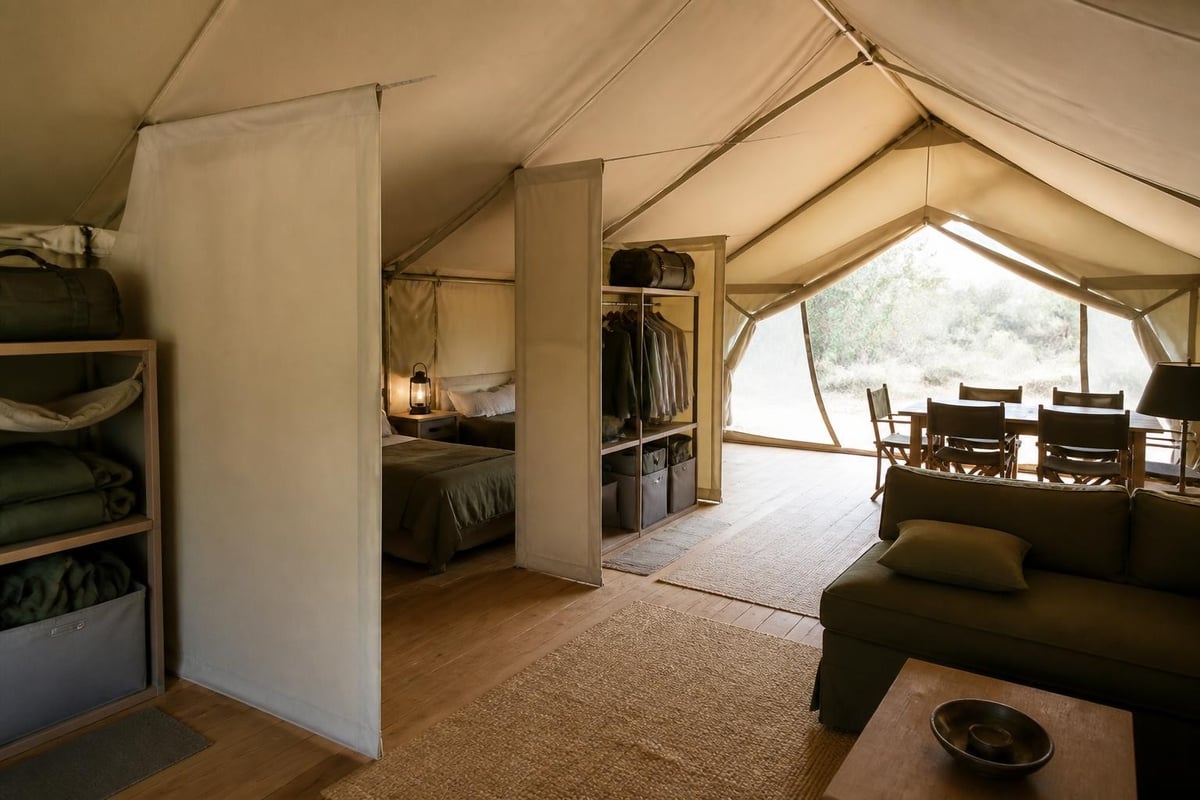
Multi-room layouts provide privacy and organization for group camps or family use. Separate sleeping chambers, central common areas, and dedicated storage vestibules create distinct functional zones. This compartmentalization improves both comfort and efficiency during extended occupation periods.
Regional climate patterns should drive feature selection. Hot, arid environments benefit from maximum ventilation, light-colored fabrics that reflect solar radiation, and extended rainfly coverage creating shaded areas around the tent perimeter. The MSR Hubba Hubba LT2’s ventilation system exemplifies thoughtful airflow design that manages interior climate effectively.
Cold-weather applications require different priorities. Reduced mesh areas minimize heat loss while maintaining necessary ventilation. Reinforced snow flaps around the base prevent snow infiltration during storms. Four-season camp camp tents often include stove jack ports allowing safe installation of heating systems, transforming tents into comfortable winter shelters.
High-wind environments demand robust frame systems and aerodynamic profiles. Lower profile designs present less wind resistance, while reinforced pole structures and additional guy-out points maintain stability during storms. For South African conditions where weather patterns vary significantly, versatile designs that adapt to multiple scenarios provide the best long-term value.
Premium camp camp tents incorporate sophisticated features that enhance comfort and functionality during extended use. Understanding these options helps identify which features justify their additional cost for your specific applications.
Floor design varies from basic groundsheets to fully integrated bathtub-style floors that prevent water and insect infiltration. Bathtub floors extend several inches up the tent walls, creating a sealed barrier against ground moisture and crawling insects. This feature proves particularly valuable in areas with high bug populations or during rainy seasons.
Removable floors offer flexibility for different use cases. In dry conditions or when using cots that elevate sleeping surfaces above the ground, removing the floor improves ventilation and reduces weight. For wet conditions or direct ground sleeping, the floor installation provides essential moisture protection.
Modern camp camp tents increasingly incorporate features supporting electrical systems and equipment mounting. Cable ports with weather-sealed closures allow power cables to enter without compromising weatherproofing. Internal pockets and loops provide organized mounting points for lights, fans, and small accessories.
Some designs include pre-installed wiring channels and junction boxes supporting permanent lighting installations. These features transform basic shelter into functional living space suitable for extended occupation or commercial applications like safari camps or outdoor education facilities.
Certain camp camp tent systems allow modular expansion, connecting multiple units or adding specialized annexes. Kitchen modules, storage vestibules, and covered walkways extend functionality beyond basic sleeping shelter. This modularity proves valuable for operations that grow over time or adapt to changing requirements.
Connector tunnels between separate tent units create weatherproof passages while maintaining distinct functional areas. This approach works well for group camps, outdoor education programs, or commercial operations requiring separated but connected spaces.
Camp camp tents span a wide price range reflecting different construction quality, materials, and feature sets. Understanding what drives cost differences helps make informed purchasing decisions aligned with actual requirements.
Budget-friendly options typically use lighter-weight fabrics, simpler frame systems, and fewer weatherproofing features. These tents suit occasional use in moderate conditions but may not withstand extended occupation or harsh weather exposure. Seam quality, zipper durability, and fabric treatments often represent primary quality differences at this level.
Professional-grade camp camp tents employ heavy-duty materials throughout their construction. Reinforced stress points, commercial-grade zippers, and comprehensive weatherproofing justify higher costs through extended lifespan and reliable performance. For operations depending on tent reliability-safari operations, outdoor education programs, or expedition base camps-professional-grade construction delivers better long-term value despite higher initial investment.
Mid-range options balance durability and affordability, using quality materials in critical areas while making reasonable compromises in less-essential features. These tents work well for serious recreational users who camp frequently but don't require commercial-grade specifications.
South African outdoor environments present unique challenges requiring specific tent characteristics. Understanding these regional factors ensures camp camp tents perform reliably across the country's diverse climate zones.
Intense UV radiation across much of South Africa accelerates fabric degradation compared to temperate climates. UV-resistant coatings and inherently stable fabrics like solution-dyed materials maintain integrity longer under harsh sun exposure. PVC fabrics with UV stabilizers offer exceptional longevity in high-radiation environments.
Canvas benefits from breathability but requires treatment to resist UV damage effectively. Regular reproofing treatments restore water resistance while adding UV protection. Quality South African-made canvas designed for local conditions incorporates appropriate UV stabilization during manufacturing.
Bush camping introduces considerations beyond weather protection. Reinforced zippers and robust closure systems prevent unwanted wildlife entry during night hours. Mesh panels must use fine enough weave to exclude smaller insects while maintaining adequate airflow-critical in regions with mosquito-borne illness concerns.
For areas with larger wildlife, additional security features like reinforced lower walls and secure closure systems provide peace of mind. While properly designed camp camp tents won't stop determined large animals, robust construction discourages casual investigation and provides secure shelter against smaller wildlife.
Choosing locally manufactured camp camp tents provides several advantages for South African users. Designs optimized for regional conditions outperform international specifications developed for different climate patterns. Local manufacturers understand specific challenges like intense UV exposure, dramatic temperature swings, and seasonal wind patterns.
Support and warranty service becomes significantly easier with local suppliers. Replacement parts, repair services, and technical assistance remain accessible without international shipping complications. For commercial operations where tent failures create business disruptions, local support infrastructure provides valuable operational security. Those interested in exploring alternative tent technologies can find additional options suited to specific applications.
Strategic accessory selection transforms basic camp camp tents into comfortable living spaces suitable for extended occupation. Understanding which accessories provide genuine value versus unnecessary additions optimizes both comfort and budget allocation.
Even quality integrated tent floors benefit from additional insulation between occupants and the ground. Foam pads, interlocking foam tiles, or purpose-built tent carpets improve comfort while providing thermal insulation. In cold conditions, this ground insulation layer significantly improves warmth retention and reduces heat loss to the ground.
For extended stays, proper flooring creates a more civilized living environment. Removable floor systems allow thorough cleaning between occupation periods, improving hygiene and reducing odor accumulation. Raised platform systems elevate the sleeping surface above ground level, further improving insulation and comfort while preventing ground moisture infiltration.
Adequate lighting transforms tent functionality after dark. LED light strips attached to interior peak areas provide ambient illumination without excessive power consumption. Battery-powered or solar-recharged systems eliminate dependence on external power sources for basic lighting needs.
For camps with generator or grid power access, proper electrical distribution systems safely deliver power to multiple connection points. Weather-sealed outlets and switches maintain safety standards while providing convenience comparable to permanent structures. Expert recommendations for easy-pitch tents often emphasize the importance of proper lighting integration for enhanced usability.
Appropriate furniture selection maximizes usable interior space while maintaining comfort. Folding cots elevate sleeping surfaces above ground level, improving both comfort and hygiene. Storage systems including hanging organizers, collapsible shelving, and equipment racks keep gear organized and accessible without consuming floor space.
For dining and work areas, folding tables and chairs provide functional surfaces while collapsing for storage or transport. In wall tent configurations, the vertical sides accommodate full-height furniture without headroom restrictions, creating surprisingly conventional living spaces within canvas walls.
Responsible outdoor recreation includes considering the environmental impact of equipment choices and usage patterns. Camp camp tents present both challenges and opportunities regarding sustainability.
The most sustainable tent is one that lasts for years rather than requiring frequent replacement. Investing in durable camp camp tents with repairable construction reduces long-term environmental impact compared to cheaper options requiring regular replacement. Quality canvas and properly maintained PVC can serve reliably for decades with appropriate care.
Repairability extends practical lifespan significantly. Tents designed with replaceable components-zippers, pole sections, guy lines-allow targeted repairs addressing specific wear points without replacing entire units. This serviceability represents genuine sustainability compared to sealed construction requiring complete replacement when individual components fail.
Proper camp camp tent placement and usage practices minimize environmental impact on occupation sites. Using existing cleared areas rather than creating new footprints preserves vegetation and reduces soil disturbance. Adequate ground protection beneath tents prevents vegetation death and soil compaction that persists long after camp removal.
For extended occupation periods, periodic tent relocation allows impacted ground areas to recover. Rotating camp locations across larger properties distributes impact and prevents permanent damage to any single area. This approach proves particularly important for commercial operations maintaining semi-permanent camps over multiple seasons.
Selecting appropriate camp camp tents requires balancing durability, comfort, and functionality against specific usage requirements and environmental conditions. Whether establishing safari accommodations, family base camps, or expedition headquarters, understanding material properties, construction methods, and maintenance requirements ensures reliable performance throughout extended outdoor occupation. For quality tents, gazebos, and outdoor solutions specifically engineered for South African conditions, explore the comprehensive range available at Ejenti Outdoor, where durable construction meets practical design for demanding outdoor environments.