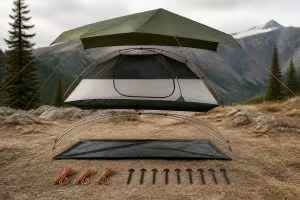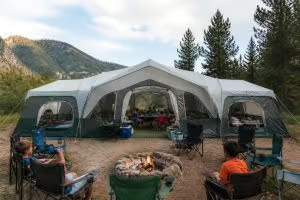


When searching for "inflatable tents near me," you're exploring a revolution in outdoor shelter technology that has transformed how campers, adventurers, and event organizers approach their outdoor experiences. Inflatable tents, also known as air-beam tents, have gained significant popularity in South Africa and worldwide due to their quick setup, durability, and innovative design. This comprehensive guide explores everything you need to know about inflatable tents, from understanding their mechanics to finding quality options in your area.
Inflatable tents represent a fundamental shift from traditional pole-based structures to air-supported frameworks. Instead of threading rigid poles through fabric sleeves, these modern shelters use inflatable tubes or beams that provide structural support when pressurized. The technology behind inflatable tents is both simple and sophisticated, combining durable materials with efficient valve systems.
The core components of an inflatable tent include:
When you inflate these structures, the air beams become rigid enough to support the tent fabric while maintaining flexibility that traditional poles cannot match. This flexibility makes them particularly stable in windy conditions, as they can bend and flex without breaking or collapsing.
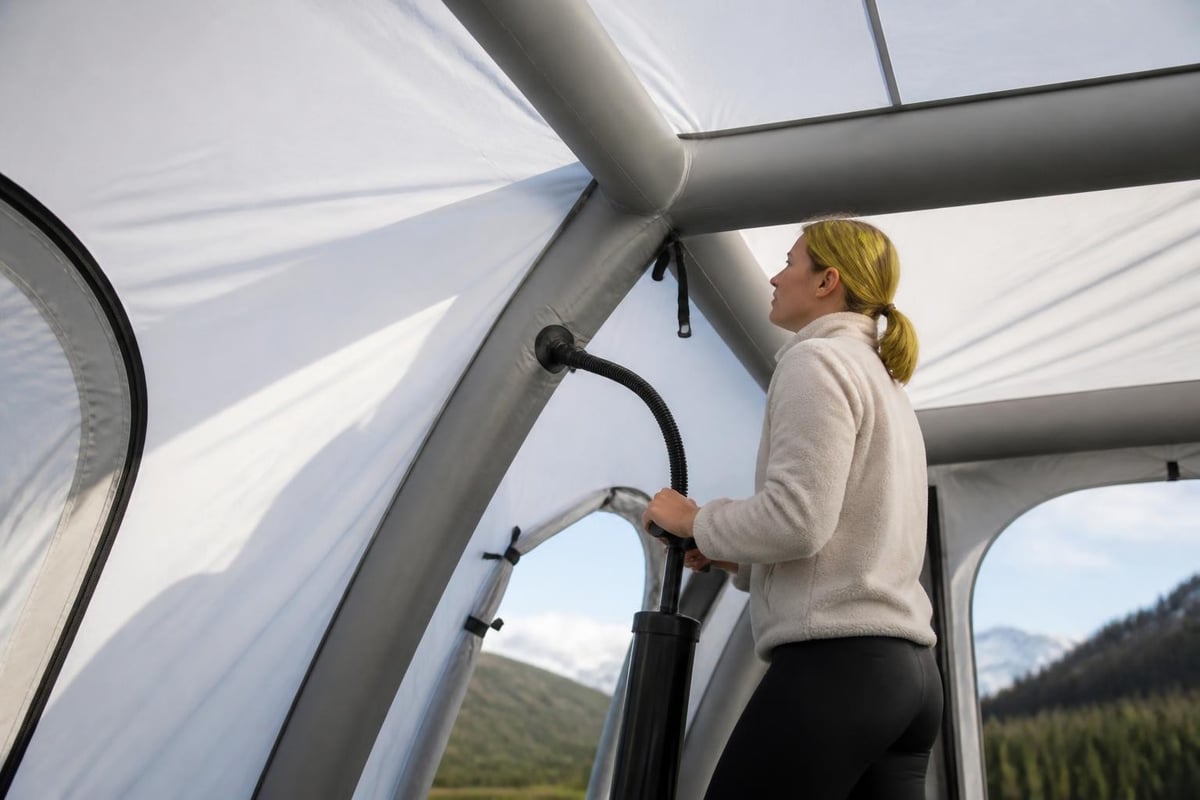
The physics behind inflatable tents relies on maintaining consistent air pressure within sealed chambers. Most quality inflatable tents operate at pressures between 7-10 PSI (pounds per square inch), which provides sufficient rigidity while preventing over-inflation damage. The sealed air chambers distribute stress evenly across the structure, creating a stable framework that can withstand significant wind loads and weather challenges.
Modern inflatable tents incorporate multiple independent air chambers, meaning if one chamber develops a leak, the remaining chambers maintain structural integrity. This redundancy makes them highly reliable for extended camping trips or events where failure could create significant problems.
The growing interest in inflatable tents near me searches reflects the practical advantages these structures offer over traditional alternatives. Whether you're planning a family camping trip, organizing an outdoor event, or establishing a semi-permanent shelter, inflatable tents provide distinct benefits.
Speed and Convenience
Setup time represents one of the most compelling advantages. A traditional family tent requiring 30-45 minutes of pole assembly can be replaced with an inflatable model erected in 5-10 minutes. This efficiency proves invaluable when arriving at camp late, dealing with weather challenges, or managing multiple shelters for events.
Durability and Weather Resistance
Quality inflatable tents use materials specifically engineered for outdoor durability. The fabric typically features higher denier ratings than standard camping tents, with waterproof coatings and UV-resistant treatments. The flexible air-beam structure absorbs wind gusts rather than resisting them rigidly, reducing stress on anchor points and fabric connections.
| Feature | Inflatable Tents | Traditional Pole Tents |
|---|---|---|
| Average Setup Time | 5-10 minutes | 20-45 minutes |
| Wind Resistance | High (flexible structure) | Moderate (rigid poles) |
| Weight | Moderate to Heavy | Light to Moderate |
| Maintenance | Low (no poles to break) | Moderate (pole replacement) |
| Initial Cost | Higher | Lower |
| Longevity | 5-10+ years | 3-7 years |
Versatility Across Applications
From weekend camping excursions to commercial event spaces, inflatable tents serve diverse purposes. Their professional appearance makes them suitable for markets, exhibitions, and outdoor gatherings, while their camping-oriented designs accommodate families and adventure seekers alike.
Proper setup ensures maximum performance and longevity from your inflatable tent investment. While the process is straightforward, following best practices prevents common mistakes and optimizes your shelter's stability. Setting up inflatable tents efficiently requires understanding both the general principles and your specific model's requirements.
Before inflating, ensure all doors and windows are closed, as this helps the tent take its proper shape. Position the tent with openings oriented away from prevailing winds when possible.
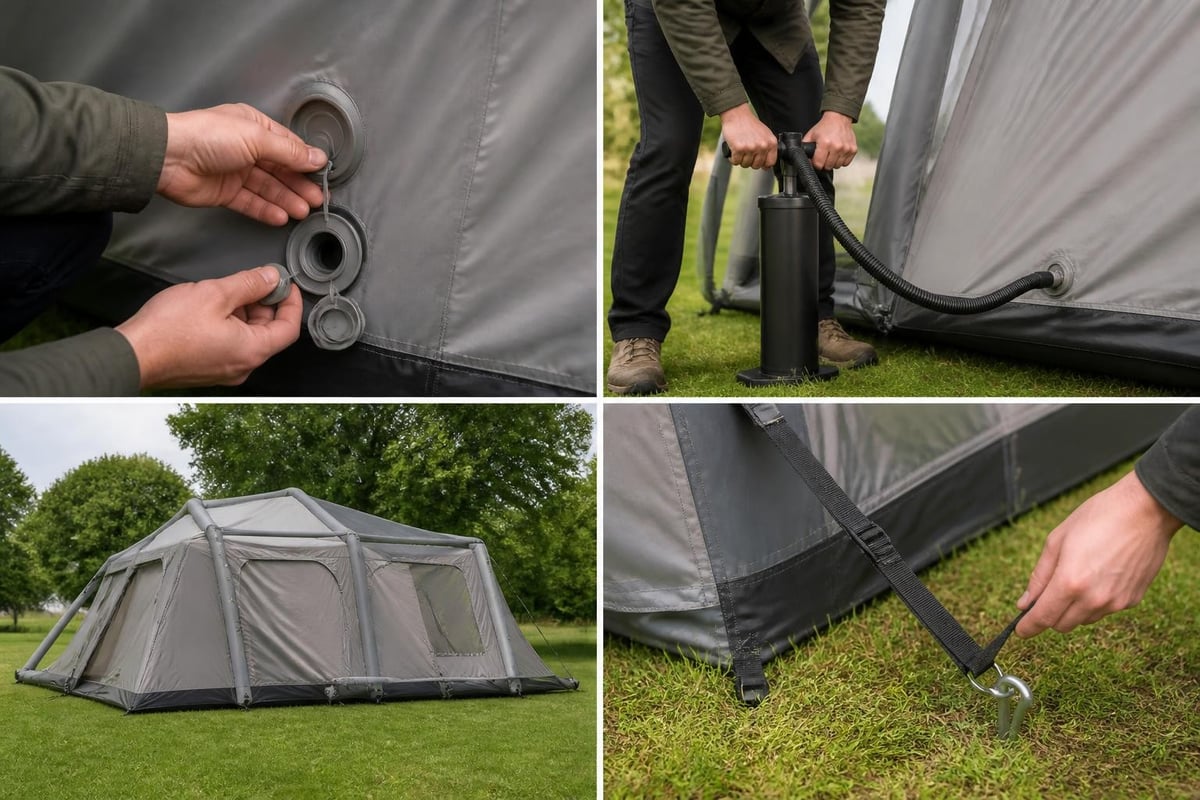
The inflation sequence matters significantly for proper tent formation. Most inflatable tents feature a recommended inflation order clearly marked on the beams or included in setup instructions. Using the correct pump ensures efficient inflation without over-pressurizing chambers.
Manual pumps work effectively for smaller tents but require physical effort. Electric pumps, either battery-powered or connected to vehicle outlets, provide convenience for larger structures or frequent setups. Detailed setup guides with visual references demonstrate proper pump attachment and pressure monitoring techniques.
Critical Setup Steps:
When searching for inflatable tents near me, South African outdoor enthusiasts have several considerations unique to regional conditions. The harsh African sun, sudden weather changes, and diverse terrain require tents engineered for durability and performance. While inflatable technology offers advantages, selecting quality materials and construction proves essential.
Local suppliers offering inflatable tents should provide products suited to South African conditions. Key evaluation criteria include:
Material Specifications:
Construction Quality:
Support and Service:
While inflatable tents offer innovation, traditional canvas options remain highly relevant for South African conditions. Companies like Ejenti Outdoor specialize in durable canvas tents engineered specifically for harsh African climates, providing alternatives worth considering alongside inflatable options.
The decision between inflatable and traditional tents depends on specific use cases, preferences, and priorities. Understanding these differences helps outdoor enthusiasts make informed choices aligned with their needs.
Extreme Weather Performance
Traditional canvas tents excel in extreme heat due to breathable fabric properties and proven durability in African conditions. The Premium Heavy-Duty Canvas Dome Tent exemplifies this approach, offering rugged reliability specifically engineered for SANParks sites and remote 4×4 trails where failure isn't an option. Canvas naturally regulates temperature better than synthetic materials, creating more comfortable interior environments during hot days.
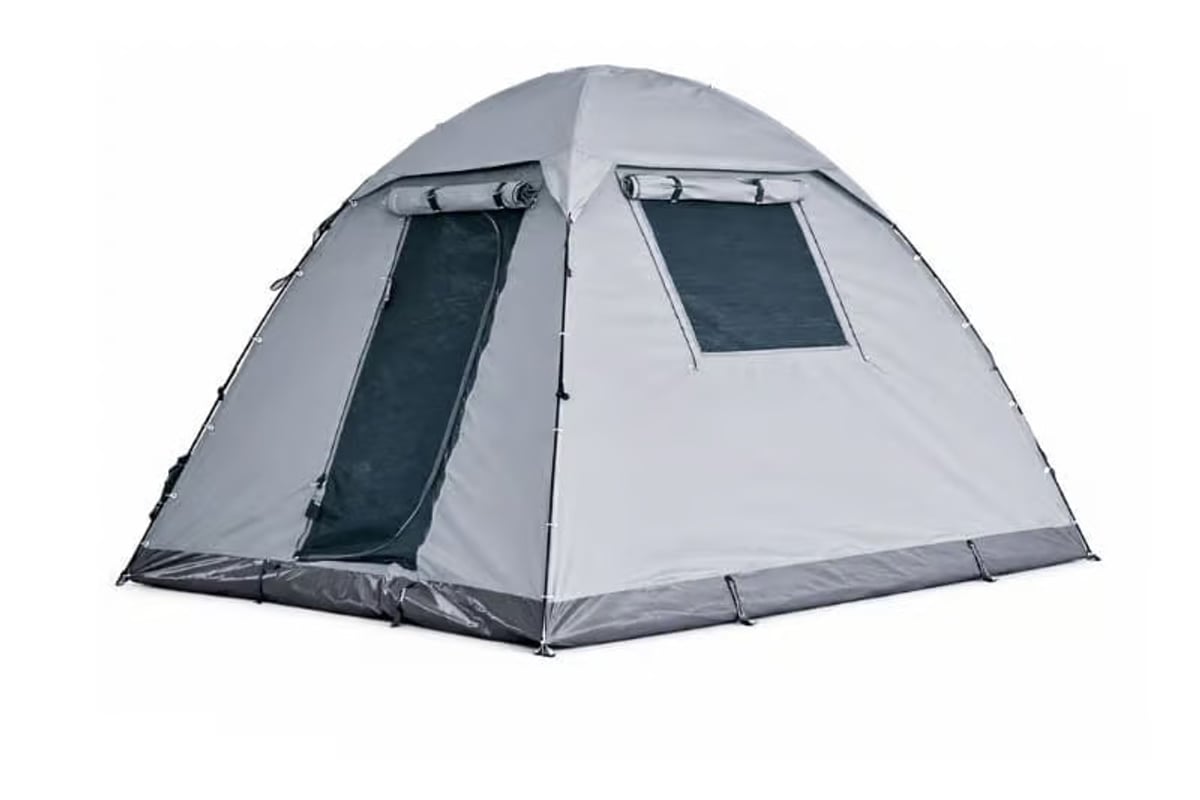
Inflatable tents perform admirably in wind and rain, with their flexible structures absorbing gusts effectively. However, extreme heat can affect air pressure within chambers, requiring occasional pressure adjustments. For adventurers planning immersive safari experiences across diverse African environments, understanding these performance characteristics ensures appropriate shelter selection.
Weight and Transport Considerations
| Tent Type | Weight Range (4-person) | Pack Size | Transport Ease |
|---|---|---|---|
| Inflatable Tent | 15-25 kg | Medium-Large | Requires pump |
| Canvas Dome | 20-35 kg | Large | Heavy but durable |
| Synthetic Pole Tent | 8-15 kg | Small-Medium | Lightweight |
The weight advantage shifts depending on tent size and quality tier. Smaller inflatable tents compete favorably with canvas options, while larger family-sized models become significantly heavier than synthetic alternatives.
Initial purchase price represents only one component of total ownership cost. Inflatable tents typically command higher upfront prices but potentially offer lower maintenance costs due to fewer breakable components. Traditional pole tents require occasional pole replacement, while canvas tents may need reproofing treatments.
Five-Year Ownership Comparison:
Quality matters significantly in this equation. Premium inflatable tents from reputable manufacturers justify their cost through durability and performance, while budget options may require replacement within few seasons.

Proper maintenance extends inflatable tent lifespan while ensuring reliable performance throughout ownership. Unlike traditional tents where pole care dominates maintenance routines, inflatable models require attention to air chambers, valves, and fabric integrity.
After each use, inspect air beams for leaks by listening for hissing sounds or applying soapy water to suspect areas. Small punctures can be repaired using patch kits similar to bicycle tire repairs, making field repairs feasible during extended trips.
Cleaning procedures for inflatable tents follow similar protocols to traditional options:
Avoid harsh chemicals or pressure washing, as these can damage waterproof coatings and fabric integrity. For stubborn stains, specialized tent cleaners provide effective cleaning without compromising protective treatments.
Proper off-season storage prevents damage and extends tent life significantly. Before storing for extended periods, ensure the tent is completely dry inside and out. Mold and mildew develop rapidly in damp conditions, particularly in South Africa's humid coastal regions.
Storage Checklist:
Inflatable tents range from compact two-person models to spacious family options accommodating eight or more occupants. Choosing appropriate size requires considering actual usage patterns rather than manufacturer ratings, which often assume minimal gear storage and tight sleeping arrangements.
Manufacturer capacity ratings typically assume each occupant requires approximately 60cm width for sleeping space. Comfortable camping suggests adding capacity for gear storage and movement space. A tent rated for four people comfortably accommodates three adults with gear, while six-person models suit four adults realistically.
Recommended Sizing:
Configuration options include single-room designs, multi-room layouts with internal dividers, and tunnel versus dome structures. Expert reviews of different inflatable tent configurations provide insights into how various designs perform across different camping scenarios.
Modern inflatable tents incorporate features enhancing functionality and comfort:
For events and commercial applications, branding opportunities through printed panels or attachable banners add value. Some manufacturers offer customization options for frequent event users.
The versatility of inflatable tent technology suits diverse applications beyond traditional camping. Understanding how different models serve specific purposes helps identify the best options for your requirements.
Family camping represents the most common inflatable tent application. Quick setup appeals to parents managing children and gear, while spacious interiors accommodate family dynamics comfortably. Weekend warriors appreciate arriving at camp Friday evening and erecting shelter rapidly, maximizing relaxation time.
Adventure travelers tackling multiple destinations benefit from setup efficiency, particularly when changing locations frequently. The reduced physical effort compared to traditional pole assembly proves valuable after long driving days or physically demanding activities.
Markets, festivals, exhibitions, and outdoor gatherings increasingly utilize inflatable structures for their professional appearance and rapid deployment. Event organizers value the ability to establish multiple shelters quickly, with uniform appearance and reliable weather protection.
Commercial-grade inflatable tents feature reinforced construction, higher capacity ratings, and often include branding customization options. For vendors requiring sustainable and eco-friendly practices, selecting tents manufactured with environmental responsibility provides additional value alignment.
Disaster relief, medical triage, and temporary accommodation scenarios benefit from inflatable tent advantages. Relief organizations deploy these structures globally for their rapid setup, durability, and effective weather protection. The ability to establish functional shelters within minutes proves crucial during emergency responses.
South Africa's diverse climate zones and terrain types present unique challenges for outdoor equipment. From the humid coastal regions to arid inland areas, selecting appropriate shelter requires understanding regional conditions.
Coastal Regions:
Salt air accelerates corrosion on metal components and degrades certain fabrics. Inflatable tents with marine-grade materials and corrosion-resistant valves perform better in these environments. Enhanced UV protection proves essential, as coastal sun exposure intensifies fabric degradation.
Inland and Highveld Areas:
Temperature extremes characterize these regions, with hot days and cold nights year-round. Tents requiring good ventilation for daytime heat while providing adequate insulation for nighttime cold serve users best. Condensation management becomes critical in these temperature-variable conditions.
Mountain and High-Altitude Locations:
Wind resistance and waterproofing dominate requirements for mountain camping. Inflatable tents' flexible structure advantages shine in these conditions, but proper anchoring becomes absolutely essential. Guy lines and stake systems must accommodate rocky terrain and high wind loads.
Camping in areas with wildlife activity requires additional precautions regardless of tent type. While no tent provides security against determined large animals, proper food storage and camp hygiene prevent most wildlife encounters. Some campers prefer quality canvas options for their robust construction when camping in areas with significant wildlife presence.
After researching inflatable tents near me and understanding technology, benefits, and applications, the final purchase decision involves balancing multiple factors against your specific needs and budget. Creating a decision framework helps organize priorities and evaluate options systematically.
| Priority Factor | Weight (1-5) | Inflatable Score | Traditional Score | Notes |
|---|---|---|---|---|
| Setup Speed | 5 | 5 | 2 | Critical for frequent use |
| Weight | 3 | 3 | 4 | Moderate importance |
| Durability | 5 | 4 | 5 | Essential for longevity |
| Weather Protection | 5 | 4 | 5 | Regional requirements |
| Budget | 4 | 2 | 4 | Cost considerations |
Customize this matrix with factors matching your priorities, assigning weights reflecting their importance to your situation. Score options honestly based on research and requirements rather than marketing claims.
When contacting local suppliers about inflatable tents near me, asking informed questions reveals product quality and supplier expertise:
Suppliers demonstrating detailed product knowledge and providing comprehensive answers inspire greater confidence than those offering vague responses or pushing immediate purchases.
While inflatable tents offer compelling advantages, exploring alternative shelter solutions ensures you select the optimal option for your specific circumstances. South Africa's outdoor equipment market provides diverse choices suited to different needs and preferences.
Canvas tents remain highly relevant for extended stays, semi-permanent installations, and situations where weight concerns minimal importance. Their breathability, durability, and natural aesthetic appeal to traditional camping enthusiasts and those prioritizing longevity over convenience.
Quality canvas gazebos serve different purposes than tents but share durability characteristics. These structures provide excellent outdoor event shelters, shade solutions, and multipurpose covered spaces. Organizations requiring reliable event infrastructure across various applications find value in heavy-duty gazebo options engineered for South African conditions.
Some manufacturers offer hybrid designs combining inflatable technology with traditional pole support or mixing inflatable main structures with pole-supported vestibules. These approaches balance benefits and limitations of each technology.
Specialized applications sometimes require purpose-built solutions. Extreme weather expedition tents, ultralight backpacking shelters, and vehicle-mounted options each address specific use cases where standard inflatable or traditional tents fall short.
The outdoor equipment industry continues innovating, with inflatable technology representing just one advancement among many. Understanding emerging trends helps make purchases with longer relevance periods and better long-term value.
New fabric technologies promise lighter weight without sacrificing durability, improved waterproofing that maintains breathability, and enhanced UV resistance extending product lifespans. Sustainable materials gained prominence as outdoor enthusiasts increasingly prioritize environmental responsibility in purchasing decisions, similar to trends in sustainable fashion and accessories.
Some manufacturers experiment with integrated sensors monitoring internal conditions, automated pressure adjustment systems maintaining optimal beam rigidity, and app-connected features providing setup guidance and maintenance reminders. While currently premium features, these technologies may become standard as costs decrease and adoption increases.
Environmental impact considerations influence both manufacturing processes and material selection. Recycled fabrics, reduced chemical treatments, and improved recyclability at end-of-life represent industry priorities. Companies demonstrating genuine environmental commitment through transparent practices and measurable improvements attract growing consumer segments.
Once you've purchased an inflatable tent, maximizing its value requires proper usage, maintenance, and care throughout its lifespan. Comprehensive usage guides provide detailed instructions helping owners optimize their investment.
Strategic accessories extend functionality and improve comfort:
Investing in accessories matching your tent's quality level ensures balanced performance across your camping system. Premium tents paired with inadequate sleeping systems or poor quality stakes fail to deliver their full potential.
Practice setup procedures at home before field deployment. Familiarity with your specific tent's requirements, valve locations, and optimal inflation sequence eliminates frustration during actual camping trips. Time yourself during practice sessions, identifying efficiency improvements and potential challenges.
Document your setup process through photos or notes, creating personalized reference guides supplementing manufacturer instructions. These custom guides prove valuable when sharing tent duties with family members or friends unfamiliar with your specific model.
Inflatable tents represent a significant advancement in outdoor shelter technology, offering quick setup, excellent weather resistance, and versatile applications suited to diverse needs. Whether you're seeking solutions for family camping, commercial events, or adventure travel, understanding inflatable tent capabilities, limitations, and proper usage ensures informed decisions aligned with your requirements. When selecting outdoor equipment for South African conditions, consider how different options perform across the diverse climates and terrains you'll encounter. Ejenti Outdoor provides expert guidance and quality products engineered specifically for African outdoor challenges, helping you select shelter solutions that deliver reliable performance across your adventures.