

When you're planning outdoor adventures or setting up semi-permanent structures, the material you choose determines how well your shelter performs. A tent heavy duty canvas offers unmatched durability, breathability, and weather resistance compared to synthetic alternatives. Understanding what makes canvas the preferred choice for serious outdoor enthusiasts, safari operations, and event organizers helps you make informed decisions about your shelter investments. This guide explores the construction, benefits, testing standards, and practical applications of heavy-duty canvas tents used across South Africa and beyond.
Not all canvas is created equal. The term "heavy duty" refers to specific characteristics that separate recreational-grade materials from professional-quality fabrics designed for extended outdoor use.
Heavy-duty canvas typically ranges from 10 ounces to 18 ounces per square yard, though specialty applications may use even heavier weights. The fabric density directly impacts durability, with tighter weaves providing better tear resistance and longevity.
Key specifications include:
The weight-to-strength ratio matters significantly when selecting a tent heavy duty canvas. Heavier fabrics offer more protection but add weight for transport and setup. Manufacturers balance these factors by using ripstop patterns that integrate reinforcement threads at regular intervals, creating a grid that prevents tear propagation without excessive bulk.
Traditional cotton canvas provides excellent breathability but requires treatment to achieve waterproof performance. Modern heavy-duty options incorporate multiple treatment processes:
| Treatment Type | Primary Benefit | Durability Impact |
|---|---|---|
| Wax coating | Water resistance | Requires reapplication every 1-2 years |
| Silicone impregnation | Superior waterproofing | Long-lasting, 5+ years |
| Acrylic coating | UV protection | Extends fabric life 2-3x |
| Fire retardant | Safety compliance | Required for commercial use |
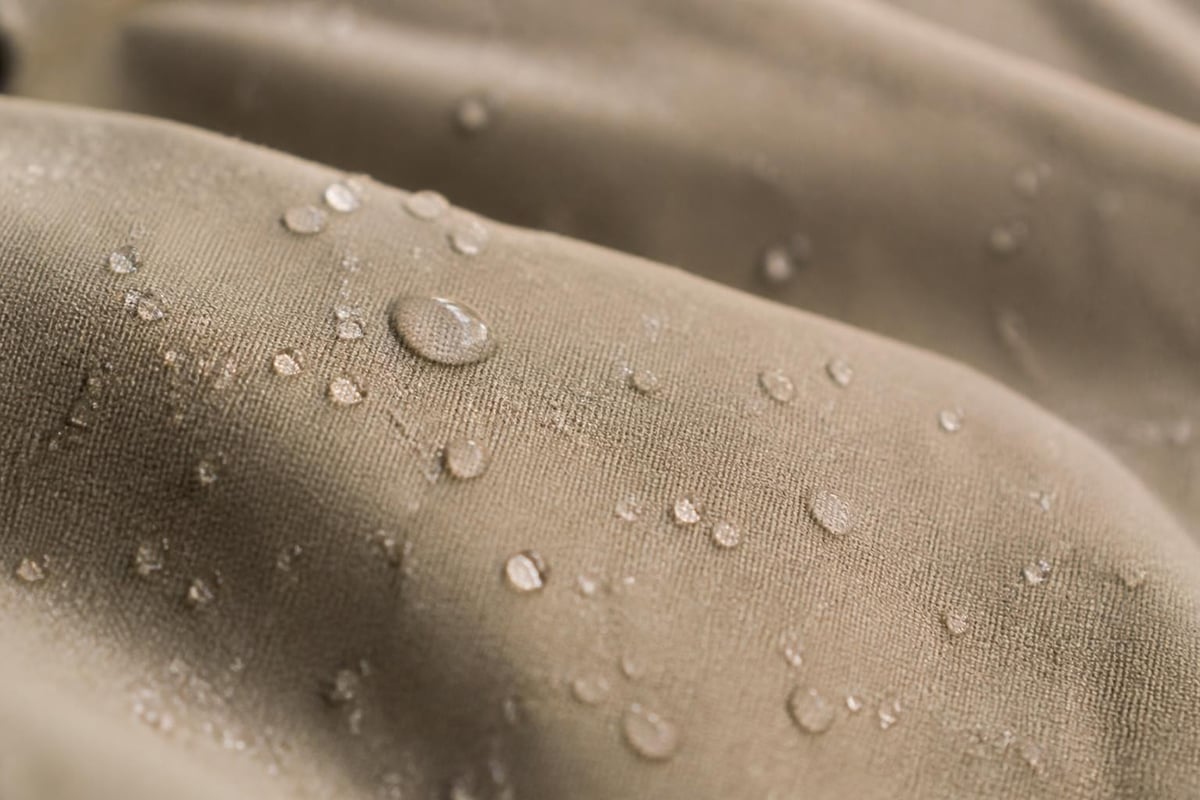
Understanding the treatment specifications helps predict maintenance requirements. Silicone-treated fabrics maintain water resistance longer but cost more initially. Budget-conscious buyers might select wax-treated canvas with plans for periodic re-treatment using readily available products.
When investing in a tent heavy duty canvas, certifications validate performance claims. Several recognized testing protocols ensure fabrics meet specific safety and durability thresholds.
Commercial tents and structures used for public gatherings must meet flame resistance standards. The California State Fire Marshal’s technical documentation outlines comprehensive testing protocols including CPAI-84 and NFPA 701 certifications.
Required certifications vary by use:
These standards test how fabric responds to flame exposure, measuring char length, afterglow duration, and whether melted material drips. The Fairfax County Fire & Rescue tent guidance provides practical examples of permitting requirements that reference these standards.
The ASTM standards catalog includes D4037 and related specifications for testing waterproof coatings on textiles. These protocols measure:
Professional-grade tent heavy duty canvas should demonstrate hydrostatic ratings of 2000mm or higher. This measurement indicates the height of water column the fabric can support before leakage begins-essential for performance during heavy rain or prolonged wet conditions.
How manufacturers assemble canvas into finished tents dramatically affects real-world performance. Quality construction translates to fewer failures and lower lifetime costs.
Seam failure represents the most common weak point in tent structures. Heavy-duty construction employs several techniques to reinforce these critical areas:
The stitching pattern matters as much as thread quality. Lock-stitch construction (where upper and lower threads interlock) provides the strongest hold for tent heavy duty canvas applications. Thread must be synthetic (polyester or nylon) rather than cotton to prevent rot and maintain strength when wet.
Strategic reinforcement extends tent life significantly. Quality tent manufacturing incorporates reinforcement at predictable stress points:
| Location | Reinforcement Method | Purpose |
|---|---|---|
| Corner gussets | Triple-layer patches | Distributes pole stress |
| Guy-out points | Webbing or leather tabs | Prevents tear-out under tension |
| Pole sleeves | Reinforced channels | Resists abrasion from pole movement |
| Door openings | Bound edges with zippers backed by storm flaps | Prevents stress concentration |
These reinforcements add minimal weight while preventing the catastrophic failures that typically occur under wind load or during setup/breakdown cycles.
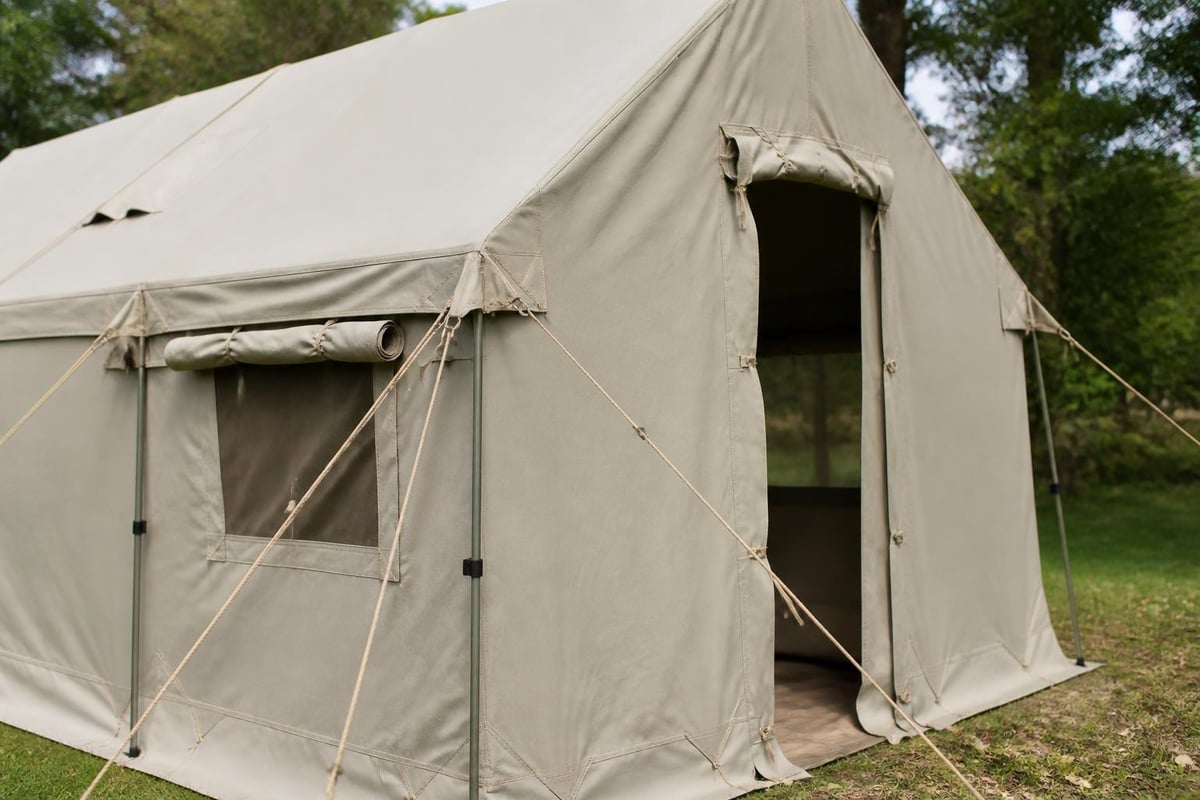
The versatility of tent heavy duty canvas extends far beyond recreational camping. Different industries leverage canvas properties for specific operational needs.
Semi-permanent safari camps rely on canvas for guest accommodations that balance comfort with mobility. Canvas breathability prevents condensation buildup during hot days, while thermal properties provide insulation during cool nights.
Safari operators prioritize:
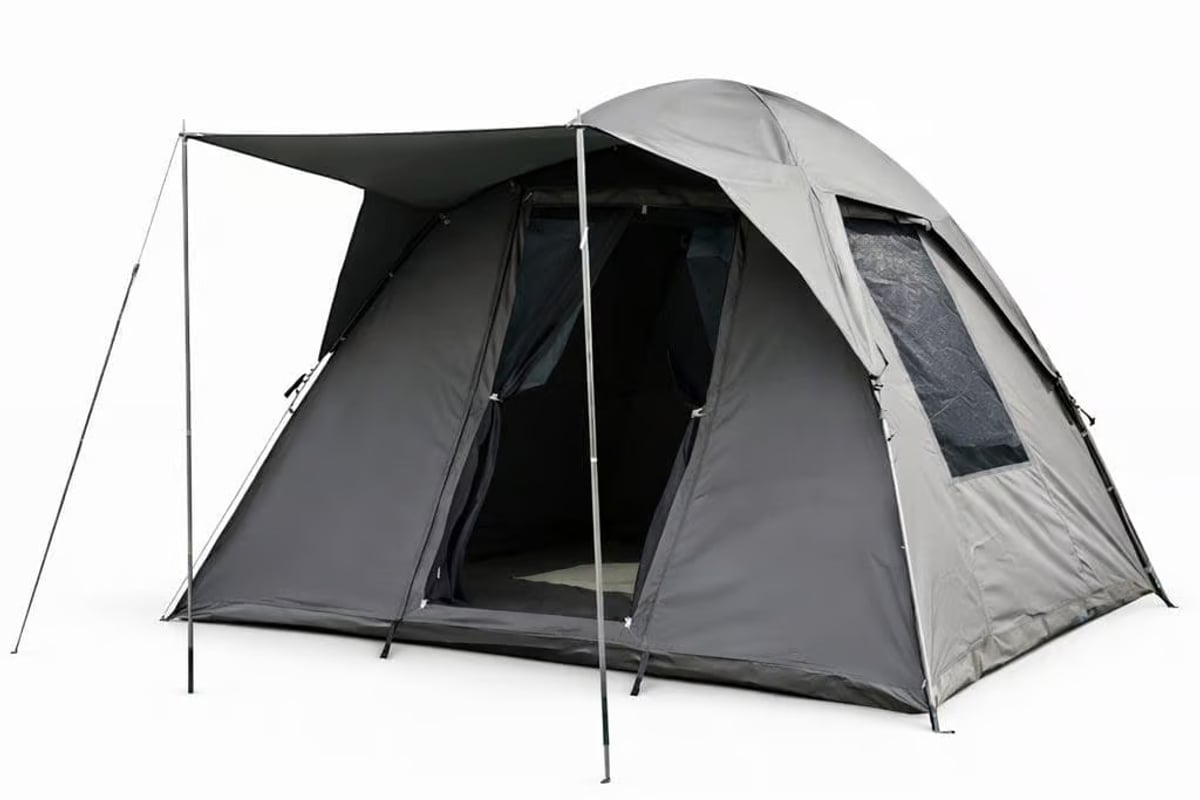
A well-maintained tent heavy duty canvas unit can serve 7-10 seasons in continuous use, making it cost-effective compared to seasonal replacement of synthetic alternatives. For those seeking reliable shelter in challenging African conditions, the Premium Heavy-Duty Canvas Dome Tent provides engineered protection specifically designed for harsh climates and extended outdoor exposure.
Large gatherings require structures that meet strict safety codes while providing comfortable temporary spaces. Event planners select canvas for:
Many municipalities require permits for temporary structures, and the City of Columbia tent application process exemplifies the documentation needed, including flame certificates, anchoring plans, and structural engineering for larger installations.
Farmers and industrial operations use canvas structures for equipment storage, livestock shelter, and crop protection. The breathability prevents moisture accumulation that damages stored goods or creates unhealthy conditions for animals.
Advantages in these settings include:
Even the most robust tent heavy duty canvas requires proper care to achieve its maximum service life. Systematic maintenance prevents small issues from becoming expensive replacements.
Regular cleaning removes contaminants that degrade canvas fibers and waterproof treatments:
Step-by-step cleaning process:
Never store canvas while damp. Mildew can establish within 24-48 hours in warm, humid conditions, creating permanent staining and weakening fibers. If you must pack a damp tent, unpack and dry it within 12 hours.
Waterproof treatments gradually degrade through UV exposure and abrasion. Visual inspection reveals when reapplication is needed:
Choose reproofing products compatible with your original treatment. Wax-based treatments work only on wax-finished canvas, while silicone products suit silicone-impregnated fabrics. Mismatching treatments creates repellency issues where water neither absorbs nor sheds properly.
Minor damage becomes major if ignored. Canvas repairs rank among the simplest outdoor gear fixes:
| Damage Type | Repair Method | Materials Needed |
|---|---|---|
| Small tear (under 5cm) | Adhesive canvas patch | Patch material, contact cement |
| Larger tear | Sewn patch with seam sealer | Patch, needle, thread, sealant |
| Seam separation | Re-stitch and seal | Thread, seam sealer |
| Grommet pull-out | Reinforcement patch and new grommet | Patch material, grommet kit |
Many camping accessories and tent supplies include repair kits specifically designed for canvas maintenance in the field.
While tent heavy duty canvas offers distinct advantages, understanding how it compares to synthetic options helps you make context-appropriate choices.
Different materials excel in different situations:
Canvas advantages:
Synthetic advantages:
Weight becomes critical when human portability is required. A 4-person canvas tent weighs 25-40 kg, while a comparable synthetic tent weighs 5-8 kg. This difference matters for backpacking but becomes irrelevant for vehicle-based camping or fixed installations.
For semi-permanent installations, the superior durability of tent heavy duty canvas offsets the setup effort. Many safari operators and event companies transport canvas tents as cargo rather than backpack-style, making weight secondary to performance and longevity.
Long-term thinking reveals financial and environmental benefits that aren't immediately obvious when comparing purchase prices.
Initial investment in quality tent heavy duty canvas exceeds synthetic alternatives, but lifetime costs tell a different story:
10-year cost analysis example:
This model assumes proper maintenance and excludes catastrophic damage. The break-even point typically occurs around year 4-5, after which canvas provides clear economic advantages.
Environmental impact extends beyond recyclability to include manufacturing footprint and longevity:
However, treatment chemicals (waterproofing, fire retardants) complicate the sustainability picture. Selecting minimally-treated canvas where fire codes permit reduces chemical exposure and end-of-life disposal concerns.
Matching tent heavy duty canvas specifications to intended use prevents over-engineering (unnecessary cost) or under-specification (premature failure).
Recreational weekend camping: 10-12 oz canvas, basic waterproofing, minimal fire treatment
Extended safari or expedition use: 12-15 oz canvas, premium waterproofing, UV protection coating
Semi-permanent or commercial installations: 15-18 oz canvas, full treatment package, certified fire retardant
Event and exhibition structures: Fire-certified canvas (regardless of weight), professional-grade construction
Buyers can explore various specifications through comprehensive product catalogs that detail weight, treatment, and certification for each option.
Standard tent configurations suit most applications and offer immediate availability at lower costs. Custom specifications make sense when:
Custom orders typically add 20-40% to base costs and extend delivery timelines by 4-8 weeks. However, a properly specified custom tent heavy duty canvas unit performs better and lasts longer than a compromised standard option.
Even the finest canvas performs poorly with inadequate setup. Proper installation techniques protect your investment and ensure safety.
Canvas tents require secure anchoring to resist wind loads. Ground conditions dictate anchor selection:
Soft soil/sand: Long stakes (30-45cm) driven at 45-degree angles, or buried deadman anchors
Hard ground/rock: Rock anchors, concrete weights, or vehicle attachment
Permanent installations: Concrete footings with embedded anchor points
Guy-line tension distributes loads across the structure rather than concentrating stress at corners. Proper tensioning creates taut fabric that sheds wind rather than collecting it in billowing pockets that generate uplift.
Canvas breathability works best with proper air circulation. Strategic ventilation prevents condensation while maintaining comfortable interiors:
Poor ventilation negates canvas's breathability advantage. The same tent heavy duty canvas unit performs completely differently with closed versus optimized ventilation configurations.
South Africa's diverse climate zones create specific challenges for tent materials and design.
Coastal regions present high humidity, salt exposure, and moderate temperatures. Canvas selection should prioritize:
Inland areas experience greater temperature extremes, lower humidity, and intense UV radiation. These conditions favor:
The diverse range of outdoor solutions available addresses these regional variations with appropriate specifications.
Many South African operations use canvas tents seasonally. Proper storage during off-seasons prevents degradation:
Pre-storage preparation:
Storage environment:
Proper storage extends tent life by 30-50% compared to neglected off-season care.
Investing in tent heavy duty canvas provides long-term value through superior durability, comfort, and performance across diverse applications from recreational camping to commercial operations. The combination of natural breathability, repairable construction, and proven longevity makes canvas the preferred choice for serious outdoor use. Whether you're planning a safari operation, organizing events, or seeking reliable shelter for extended expeditions, Ejenti Outdoor offers expertly manufactured canvas tents and outdoor solutions engineered specifically for South African conditions, backed by local expertise and quality craftsmanship.