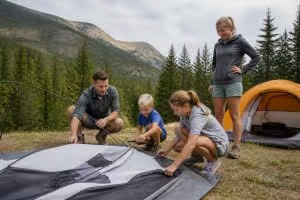

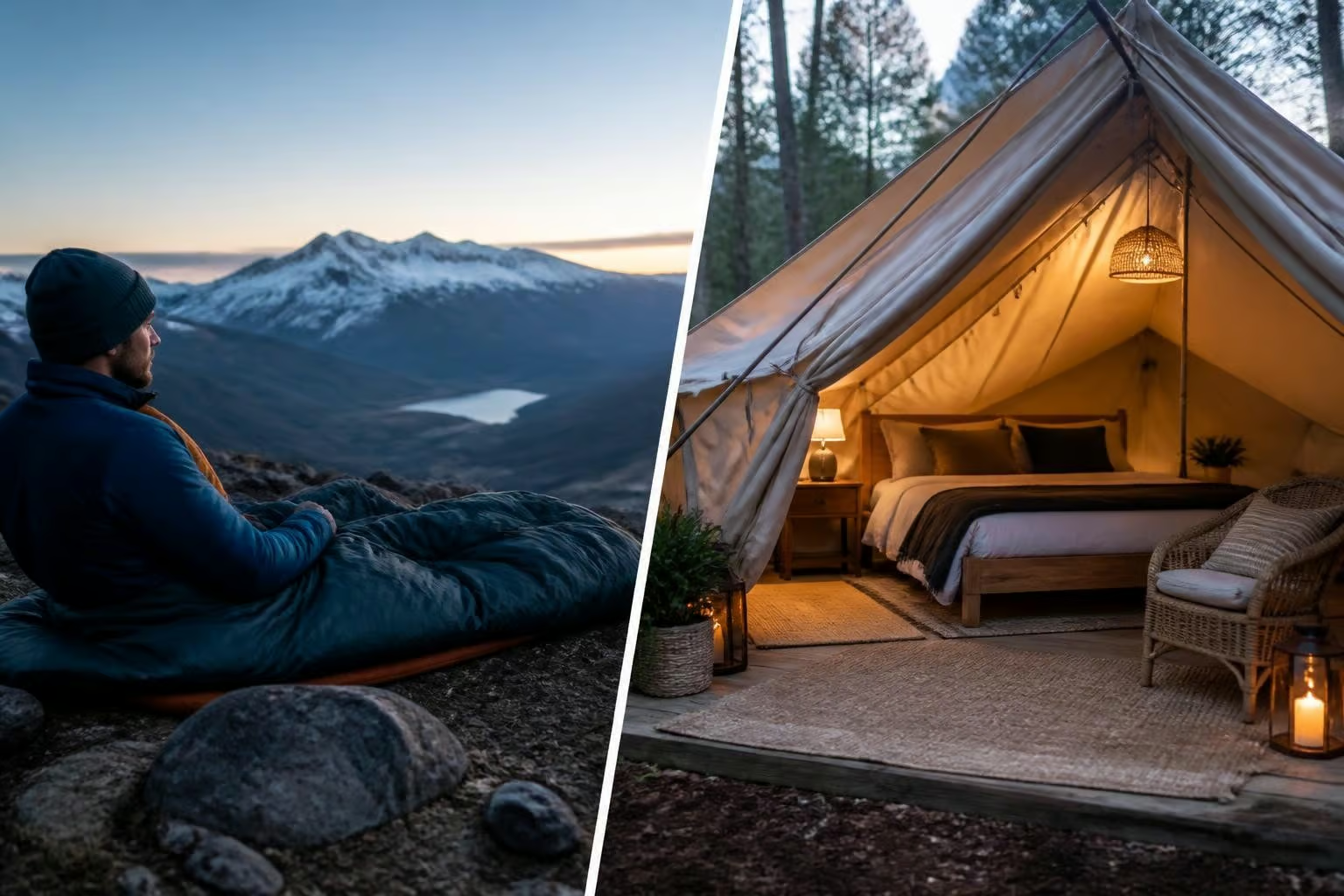
The outdoor accommodation landscape has transformed dramatically over the past decade, with tents with beds emerging as a popular solution for campers seeking comfort without sacrificing the authentic outdoor experience. This evolution reflects changing expectations about camping, where traditional sleeping bags on hard ground are no longer the only option. Whether you're planning a weekend getaway, organizing a family camping trip, or establishing a semi-permanent outdoor retreat, understanding the benefits and considerations of tents with beds can elevate your outdoor adventures significantly.
The camping industry has witnessed a substantial shift toward comfort-focused outdoor experiences. Tents with beds combine the adventure of sleeping under canvas with the restorative benefits of proper sleeping surfaces, addressing one of camping's most common complaints: poor sleep quality.
This trend aligns with the glamping movement, where luxury meets wilderness. Safari operators, hospitality businesses, and adventure tourism providers have recognized that many modern travelers desire nature immersion without compromising rest quality. The result is a thriving market for pre-furnished tents that eliminate the need to transport bulky sleeping gear.
Camping veterans know the challenges of sleeping directly on the ground. Temperature regulation becomes difficult as cold seeps through thin sleeping pads. Body pressure points develop after hours on hard surfaces, leading to morning stiffness and fatigue. Moisture from ground condensation can compromise sleeping bags, creating damp, uncomfortable conditions.
Key problems with traditional camping sleep arrangements:
These issues have driven innovation in camping accommodation, with tents with beds offering practical solutions to each challenge.
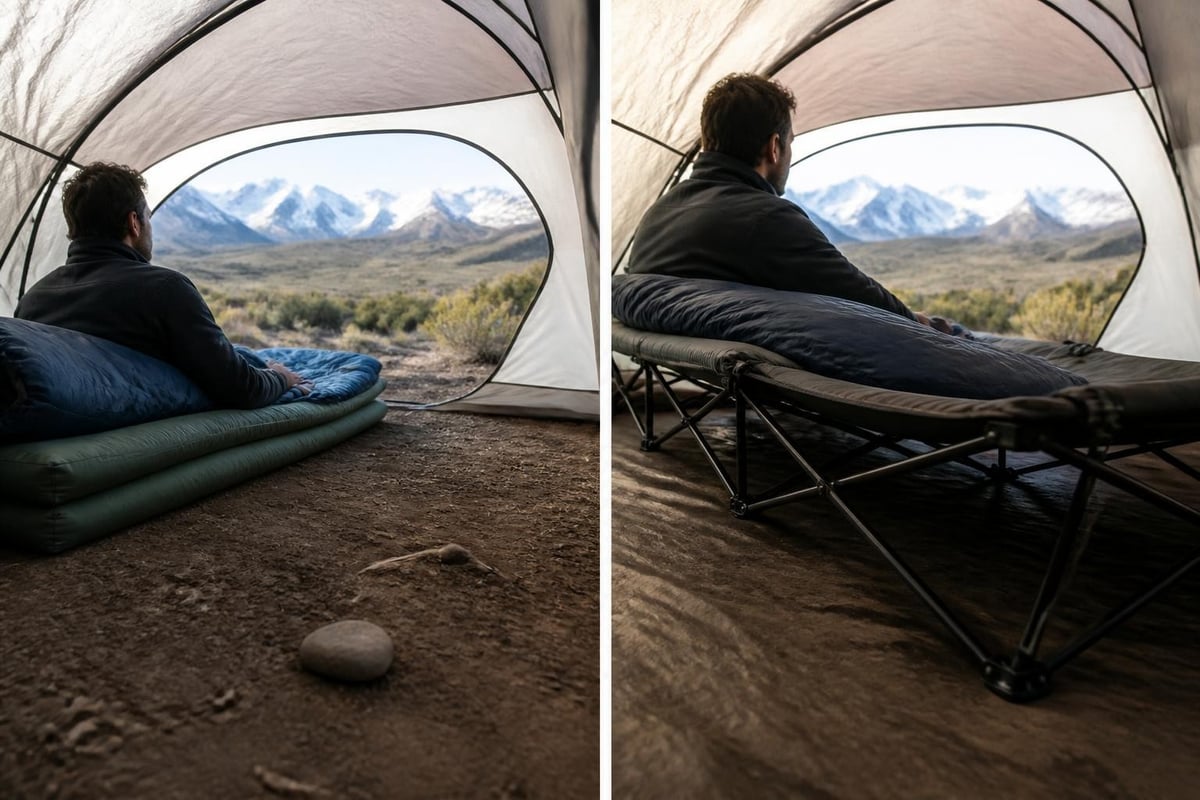
The market now offers diverse options ranging from luxury safari tents to family-friendly camping solutions. Understanding the categories helps match your specific needs with the right product.
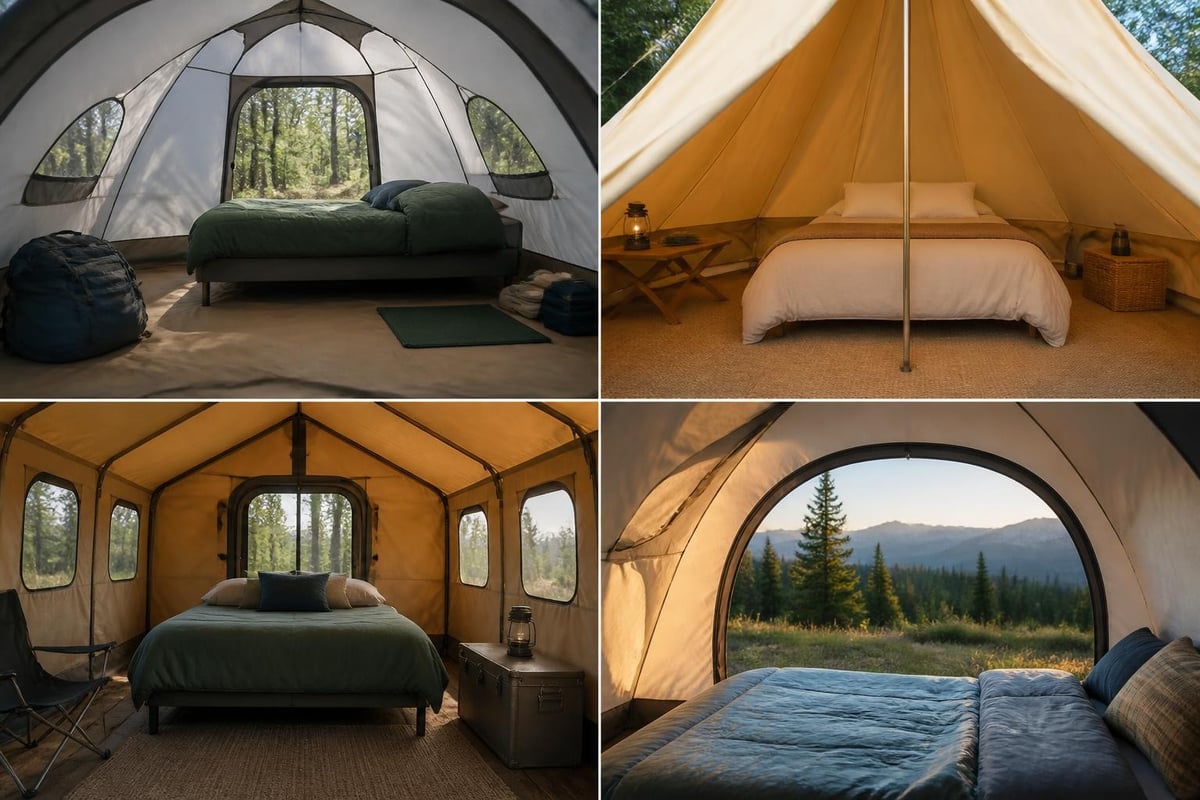
These premium structures feature sturdy frames supporting heavy-duty canvas walls and include proper beds with mattresses. Safari-style tents typically range from 4×4 meters to 6×6 meters, providing ample space for queen or king-sized beds plus additional furniture.
The historical evolution of tent beds traces back to military and expedition camping, where officers required better rest facilities than enlisted personnel. Modern luxury versions build on this heritage with contemporary materials and design.
Bell tents feature distinctive cone shapes with central poles and can accommodate multiple sleeping platforms around the perimeter. Spacious bell tent designs allow families to create separate sleeping zones within a single structure, maximizing space efficiency while maintaining the social benefits of shared accommodation.
| Bell Tent Size | Bed Capacity | Ideal Group Size | Setup Time |
|---|---|---|---|
| 4m diameter | 1 queen bed | 2-3 people | 20-30 minutes |
| 5m diameter | 1 king + 2 singles | 4-5 people | 30-40 minutes |
| 6m diameter | 2 queens or multiple singles | 6-8 people | 40-60 minutes |
Designed specifically for family camping experiences, these family-oriented glamping tents prioritize safety, space, and convenience. They often include separate sleeping compartments with built-in bed frames or platforms, allowing parents and children comfortable, organized sleeping arrangements.
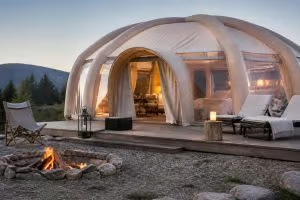
The latest innovation combines air beam technology with spacious interiors designed to house large inflatable tent structures that support beds. These eliminate traditional pole systems, creating unobstructed interior space perfect for arranging multiple sleeping surfaces.
Choosing appropriate beds for tents with beds requires balancing comfort, portability, and durability. Not all bed solutions suit every tent type or camping scenario.
The traditional camp bed remains popular due to proven reliability and easy transport. Modern versions feature aluminum frames with reinforced fabric sleeping surfaces, supporting weights up to 150kg while folding into compact packages.
Advantages of elevated camp cots:
Contemporary air mattresses designed for tent use feature raised profiles (30-45cm high) mimicking home bed heights. Built-in pumps enable rapid inflation, while multi-chamber construction prevents total deflation if punctured.
Self-inflating foam mattresses offer middle-ground solutions, combining open-cell foam with air chambers. They provide better insulation than pure air mattresses while remaining more compact than traditional foam pads.
For semi-permanent installations or seasonal camps, constructing proper bed frames within tents creates the most home-like sleeping experience. Wooden or metal frames support standard mattresses, transforming canvas structures into comfortable bedrooms.
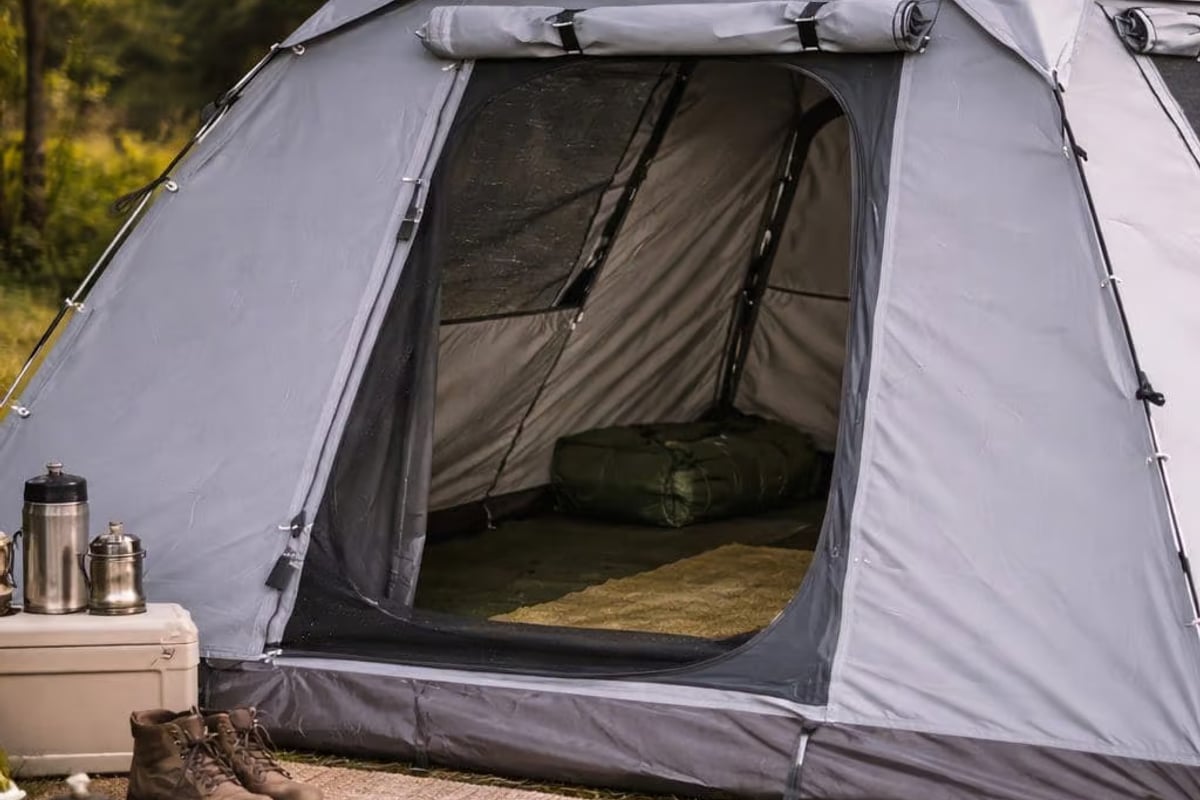
Ejenti Outdoor recognizes this need for durable, long-lasting shelter solutions. The Premium Heavy-Duty Canvas Dome Tent provides a robust foundation for permanent or seasonal bed installations, engineered specifically for African climate conditions with reinforced canvas and structural integrity that supports heavier furniture arrangements.
| Bed Type | Weight | Setup Time | Comfort Level | Durability | Price Range |
|---|---|---|---|---|---|
| Folding Camp Cot | 6-10kg | 2-5 minutes | Moderate | High | $80-$200 |
| Air Mattress (raised) | 3-8kg | 5-10 minutes | High | Moderate | $100-$300 |
| Self-Inflating Pad | 2-5kg | 10-15 minutes | Moderate-High | High | $120-$350 |
| Permanent Frame | 15-30kg | 30-60 minutes | Very High | Very High | $200-$600 |
Proper setup maximizes comfort, safety, and longevity of both tent and sleeping surfaces. Following systematic approaches prevents common mistakes that compromise your outdoor experience.
Choose level terrain free from rocks, roots, and depressions. Even small ground irregularities become magnified when sleeping on elevated surfaces. Clear the area of debris, and consider laying ground tarps or footprints to protect tent floors from abrasion and moisture.
Assess drainage patterns to avoid water accumulation during rain. Position tents on slightly elevated ground when possible, ensuring water flows away from your sleeping area rather than pooling beneath the tent floor.
Always complete full tent assembly before introducing beds or furniture. This prevents accidental damage to sleeping surfaces during pole insertion or guy line tensioning. Ensure all zippers function smoothly and ventilation panels operate correctly.
Systematic tent-with-bed setup process:
Strategic bed placement enhances comfort and functionality. Position beds away from tent doors to minimize drafts and nighttime disturbances. Maintain clearance from tent walls to prevent condensation transfer to bedding and allow air circulation.
Orient beds to maximize headroom, particularly in dome or bell tents where ceiling height varies. Consider morning sunlight angles when positioning beds, as direct sun on sleeping faces disrupts rest quality.
South Africa's diverse climate zones demand thoughtful approaches to tent-based sleeping arrangements. From coastal humidity to highveld temperature fluctuations, understanding regional conditions ensures comfortable rest.
Elevated beds improve summer comfort by promoting air circulation beneath sleeping surfaces. This natural cooling effect proves particularly valuable during hot Lowveld or Karoo camping trips where ground temperatures remain elevated through the night.
Maximize cross-ventilation by opening opposing mesh panels. Position beds to capture prevailing breezes without creating wind tunnel effects that destabilize tent structures. Consider the orientation of tent openings relative to afternoon sun angles to prevent excessive heat buildup.
Cold-weather camping requires insulation beneath sleeping surfaces. Air gaps below elevated beds can become cold sinks unless properly managed. Use foam pads or reflective barriers beneath mattresses to prevent heat loss through convection.
Canvas tents perform exceptionally well in cold conditions when properly prepared. The outdoor fabric selection significantly impacts thermal performance, with heavier canvas grades providing superior insulation compared to synthetic alternatives.
South Africa's coastal regions and summer thunderstorms create condensation challenges. Adequate ventilation becomes critical when sleeping on elevated surfaces, as human respiration and perspiration release substantial moisture into enclosed spaces.
Open roof vents throughout the night, even during light rain, to facilitate moisture escape. Position beds away from tent walls where condensation typically forms first. Use moisture-wicking bedding materials that transport perspiration away from sleepers rather than trapping it against skin.
Tents with beds represent significant investments requiring proper maintenance to ensure years of reliable service. Systematic care prevents premature wear and maintains structural integrity.
Clean both tent fabric and bed components after each camping trip. Remove dirt, sand, and organic debris that accelerate material degradation. Allow complete drying before storage to prevent mold and mildew development.
Store canvas tents in breathable bags rather than sealed plastic containers. This prevents moisture accumulation during storage periods. Disassemble bed frames or cots to reduce storage volume and prevent stress on folding mechanisms.
Conduct thorough inspections before and after each season. Check tent seams for separation, examine zippers for smooth operation, and verify pole integrity. Inspect bed frames for stress cracks, loose joints, or fabric wear on sleeping surfaces.
Regular maintenance checklist:
Small repairs completed promptly prevent major failures during trips. Carry basic repair supplies including patch material, seam sealer, and replacement fasteners.
Understanding the economics of tents with beds helps make informed purchasing decisions aligned with usage patterns and budget constraints.
Quality tents with beds command premium prices compared to basic camping gear, but proper evaluation considers cost per use over the product's lifespan. A well-maintained canvas tent with proper bed setup can provide 10-15 years of regular use, while budget alternatives may require replacement after 2-3 seasons.
Calculate realistic cost-per-night figures based on expected usage frequency. Families camping monthly justify higher initial investments through rapid cost recovery compared to occasional weekend campers.
For infrequent camping or one-time events, rental options provide cost-effective alternatives to ownership. Glamping operators and outdoor equipment specialists increasingly offer furnished tent rentals complete with beds, bedding, and furniture.
| Scenario | Rental Cost | Purchase Cost | Break-Even Point |
|---|---|---|---|
| Weekend glamping (2 nights) | $200-400 | $1,500-3,000 | 8-15 trips |
| Week-long family camping | $500-800 | $2,000-4,000 | 4-8 trips |
| Seasonal installation (3 months) | $1,200-2,000 | $2,500-5,000 | 2-4 seasons |
Start with essential components and upgrade incrementally. A quality tent provides the foundation, with basic camp cots offering acceptable comfort initially. Upgrade to premium mattresses or permanent frames as budget allows and usage patterns justify investment.
Consider purchasing demonstration models or previous-season inventory from reputable dealers like Ejenti Outdoor for significant savings without compromising quality.
While recreational camping drives most interest in tents with beds, numerous specialized applications demonstrate versatility and practical value.
Rapid deployment shelters with integrated sleeping platforms provide critical infrastructure during natural disasters or humanitarian crises. Elevated sleeping surfaces protect vulnerable populations from ground moisture and contamination while maintaining dignity during difficult circumstances.
Remote research facilities require comfortable accommodation for extended deployments. Tents with beds offer cost-effective alternatives to permanent structures for seasonal research stations, medical outreach programs, and environmental monitoring sites.
Music festivals, sporting events, and cultural gatherings increasingly offer premium camping options featuring furnished tents. This creates revenue opportunities for event organizers while enhancing guest experiences beyond traditional festival camping.
Construction sites, mining operations, and agricultural projects utilize tent-based accommodation for temporary worker housing. Proper beds improve worker rest quality, enhancing productivity and safety while reducing accommodation costs compared to traditional modular buildings.
Veteran outdoor enthusiasts have developed practical wisdom through years of tent camping with beds. These insights help newcomers avoid common pitfalls and maximize comfort.
Choose bedding appropriate for both climate and bed type. Air mattresses require insulated sleeping bags or thick comforters as air provides minimal insulation. Camp cots perform well with standard sleeping bags or lightweight bedding depending on season.
Pack extra blankets rather than relying solely on sleeping bags when using proper beds. This flexibility allows easy temperature regulation throughout the night by adding or removing layers.
Elevated beds complicate middle-of-the-night bathroom trips, particularly for children or elderly campers. Position beds strategically to minimize obstacles between sleeping surfaces and tent exits. Consider small LED pathway lights or headlamps stored within easy reach.
Arrange gear systematically to create clear pathways. Tripping hazards prove more dangerous when disoriented by sleep and darkness.
Small touches transform tents with beds from basic shelter into comfortable retreats. Bring familiar pillows that support proper sleep posture. Add reading lights for bedtime routines. Include small tables or storage solutions that organize personal items and eliminate clutter.
These details matter particularly on extended trips where tent accommodation becomes home rather than temporary shelter.
Innovation continues driving the outdoor accommodation industry forward, with emerging technologies and design philosophies reshaping what's possible with tents with beds.
Integration of IoT sensors monitors interior conditions including temperature, humidity, and air quality. Automated ventilation systems respond to condensation levels, maintaining optimal sleeping environments without manual intervention. Some luxury models now include climate control systems powered by solar arrays or portable generators.
Environmental consciousness drives material innovation. Recycled canvas and organic cotton reduce environmental impact while maintaining durability. Biodegradable bed components minimize waste when products reach end-of-life, addressing growing consumer demand for sustainable outdoor gear.
Contemporary tent platforms increasingly adopt modular approaches allowing customization based on specific needs. Interchangeable components enable single tent structures to transform from summer mesh configurations to insulated winter setups, with bed platforms adjusting to accommodate different group sizes.
Advanced coating technologies improve waterproofing without compromising breathability. New canvas treatments provide superior UV resistance, extending fabric lifespan in harsh sunlight conditions typical across South African landscapes. Reinforced stress points and improved engineering minimize weather-related failures.
Choosing reputable manufacturers and suppliers ensures product quality, appropriate warranty coverage, and reliable customer support throughout ownership.
Quality manufacturers specify fabric weights, treatment processes, and construction techniques. Canvas weight (measured in grams per square meter) directly impacts durability and weather resistance. Premium tents typically utilize 280-400gsm canvas compared to budget options at 180-250gsm.
Examine stitching quality, reinforcement at stress points, and hardware specifications. Double or triple-stitched seams outlast single stitching. Reinforced grommets and corner patches prevent tearing under tension.
Comprehensive warranties indicate manufacturer confidence in product durability. Look for coverage periods of 12-24 months minimum on fabric components and longer warranties on structural elements. Understand what's covered and excluded, particularly regarding normal wear versus manufacturing defects.
Access to replacement parts ensures long-term usability. Tents become unusable if proprietary components fail without available replacements. Verify suppliers maintain adequate parts inventory before purchasing.
South African manufacturers like Ejenti Outdoor understand local climate challenges and usage patterns. Products designed specifically for regional conditions often outperform international alternatives optimized for different environments. Local support networks simplify warranty claims and parts acquisition compared to international suppliers.
Tents with beds represent a meaningful evolution in outdoor accommodation, delivering comfort and practicality that transforms camping experiences for families, adventure seekers, and commercial operators alike. Whether you're planning weekend getaways or establishing semi-permanent outdoor facilities, the right combination of quality shelter and proper sleeping surfaces creates the foundation for restorative rest under canvas. Ejenti Outdoor specializes in durable canvas tents engineered for South African conditions, providing the robust structures needed to support comfortable bed installations that withstand our diverse climate challenges while delivering years of reliable outdoor adventure.