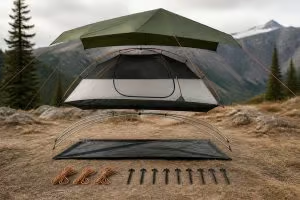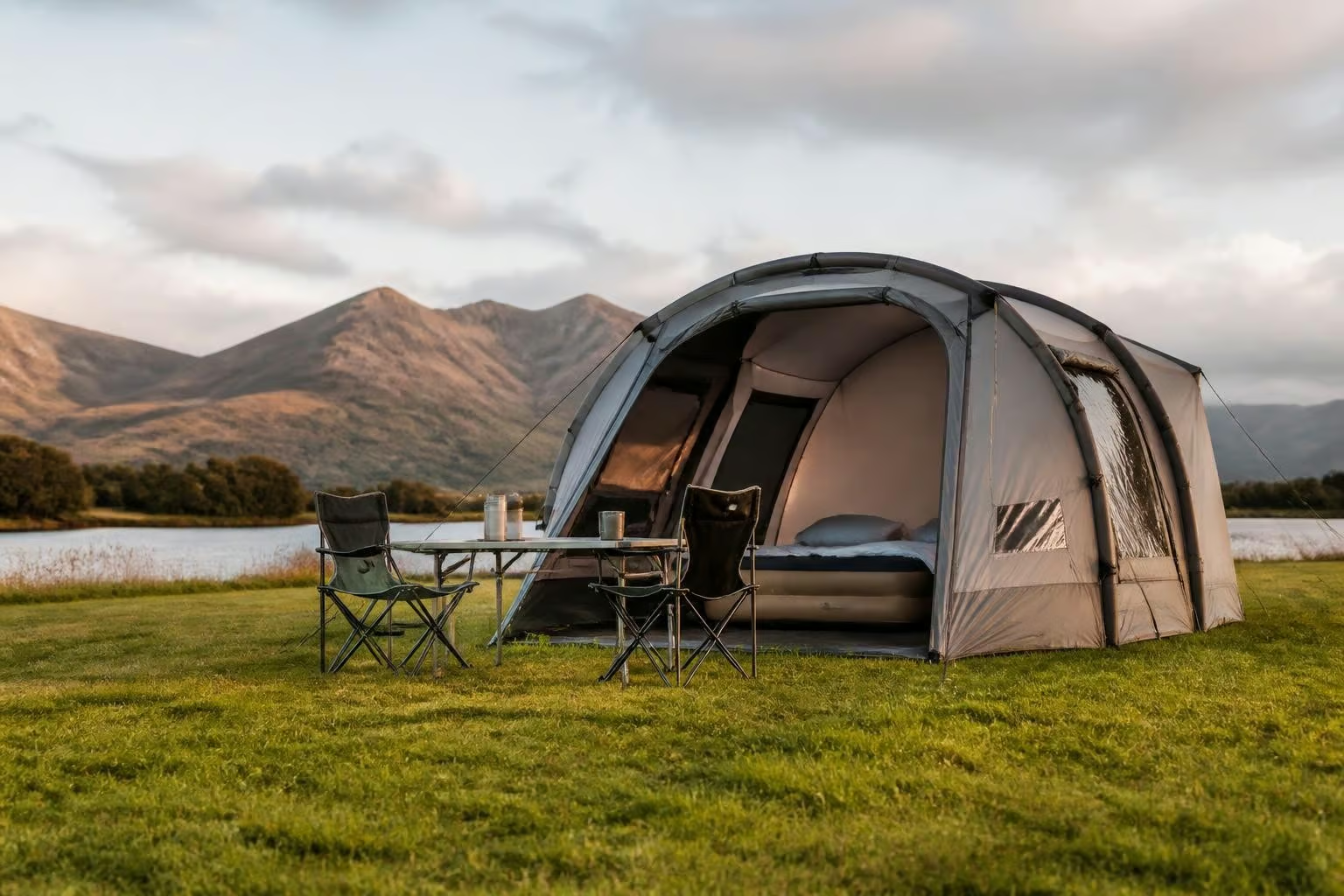
Outdoor enthusiasts and event organizers are constantly seeking faster, more efficient shelter solutions that don't compromise on durability or weather protection. Inflatable pop up tents have emerged as a transformative technology in the outdoor industry, combining rapid deployment with structural integrity. These innovative shelters use air beam technology instead of traditional metal or fiberglass poles, creating a setup experience that takes minutes rather than the traditional hour-long struggle with complicated pole systems. Understanding how these tents work, their advantages, and their practical applications helps you make informed decisions for camping trips, outdoor events, or commercial ventures.
The foundation of inflatable pop up tents lies in their air beam construction. Unlike conventional tents that rely on rigid poles threaded through fabric sleeves, these structures use inflatable tubes made from durable materials like TPU (thermoplastic polyurethane) or PVC-coated fabrics. When inflated to the correct pressure, these beams become rigid enough to support the tent's weight and withstand significant wind loads.
The engineering behind blow-up tents has advanced considerably since their introduction. Modern air beams typically operate at pressures between 5 and 10 PSI, creating a structural integrity comparable to traditional pole systems. The beams are constructed with multiple layers, including an airtight inner bladder and a protective outer sleeve that absorbs UV radiation and resists punctures.
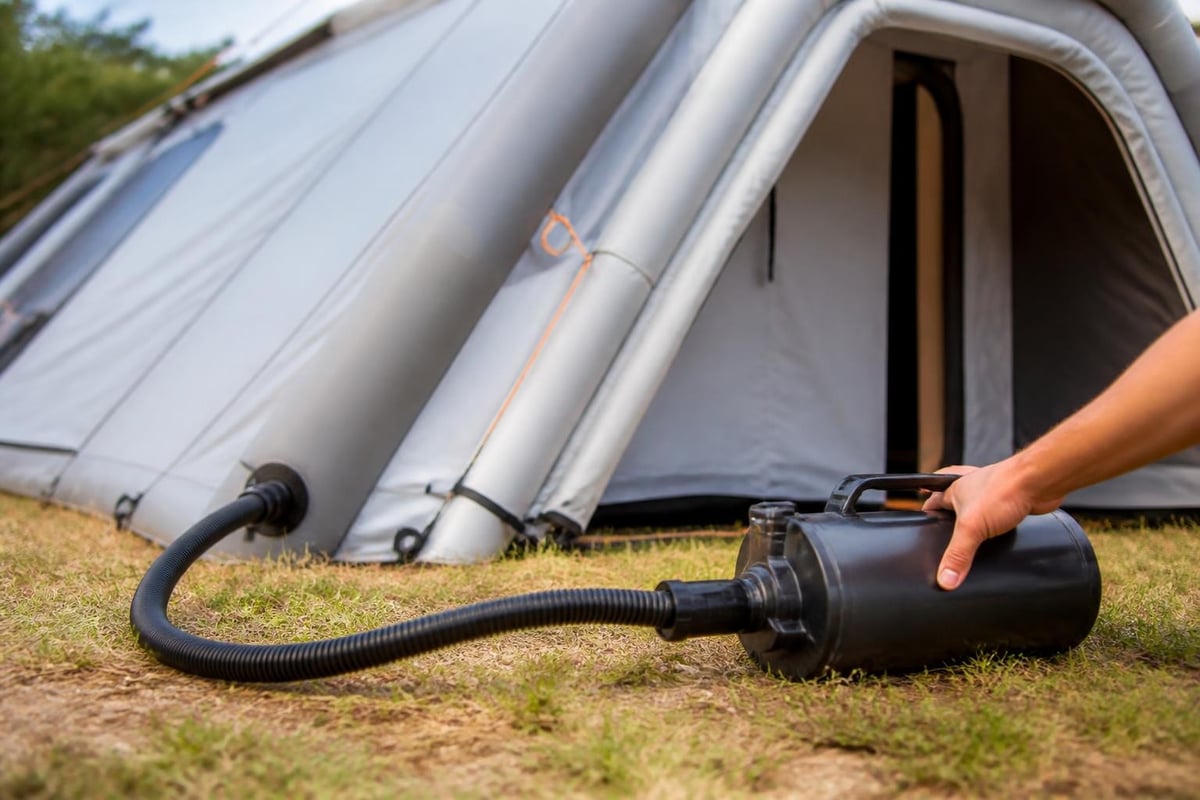
Most inflatable pop up tents come with either manual or electric pump systems. Manual pumps require physical effort but offer reliability in remote locations without power access. Electric pumps significantly reduce setup time, inflating a family-sized tent in under five minutes.
Key inflation features include:
The valve systems are engineered for durability and ease of use. High-quality tents feature one-way valves that maintain pressure even when the pump is disconnected, allowing users to check tent positioning before completing inflation.
Traditional tent setup often requires two or more people, particularly for larger family or event tents. The process involves identifying pole sections, threading them through sleeves, connecting joints, and securing guy lines. This can take 30 to 90 minutes depending on tent complexity and user experience.
Inflatable pop up tents dramatically reduce this timeline. A comprehensive overview of inflatable tents shows that most models can be pitched by a single person in 5 to 15 minutes. The simplified process involves unfolding the tent, securing corner pegs, and connecting the pump.
| Tent Type | Setup Time | People Required | Skill Level |
|---|---|---|---|
| Traditional Pole Tent | 30-90 minutes | 2-3 people | Moderate to Advanced |
| Inflatable Pop Up Tent | 5-15 minutes | 1 person | Beginner |
| Quick-Pitch Pole Tent | 15-30 minutes | 1-2 people | Moderate |
This efficiency proves particularly valuable in challenging weather conditions. When rain threatens or wind picks up, the ability to establish shelter quickly protects both people and equipment. Event organizers managing tight schedules also benefit from rapid deployment when setting up multiple structures.
A common misconception suggests that inflatable pop up tents sacrifice durability for convenience. Modern designs prove otherwise. The fabric shells use the same ripstop polyester or canvas materials found in premium traditional tents, often with waterproof ratings exceeding 3,000mm hydrostatic head.
The air beams themselves demonstrate impressive resilience. Quality manufacturers use reinforced TPU that resists punctures, abrasion, and UV degradation. Even in the unlikely event of a puncture, most tents remain standing with one or two beams deflated, and repair kits allow field fixes similar to bicycle tire repairs.
Wind performance represents a critical factor for any outdoor shelter. Testing shows that properly secured inflatable pop up tents can withstand wind speeds comparable to traditional designs. The flexible nature of air beams actually provides an advantage in gusty conditions, as they can flex and absorb impacts that might snap rigid poles.
Essential anchoring practices include:
For event applications, particularly in South Africa's diverse climate zones, understanding local weather patterns helps determine necessary specifications. Coastal areas with consistent winds require different considerations than inland regions with afternoon thunderstorms.
While inflatable pop up tents excel in recreational camping, their versatility extends to numerous commercial and organizational uses. Event planners utilize these structures for outdoor weddings, festivals, corporate functions, and market stalls. The professional appearance combined with branded customization options makes them attractive for businesses.
Medical and emergency response teams have adopted inflatable shelters for field hospitals, triage stations, and disaster relief operations. The rapid deployment capability proves essential when establishing operations in crisis situations. Military organizations similarly use these tents for temporary bases and training exercises.
When planning outdoor events or temporary structures, consider complementary equipment from outdoor specialists. Organizations managing frequent setups benefit from investing in durable solutions designed for South African conditions. Ejenti Outdoor offers various tent options and outdoor fabrics that withstand demanding environments.
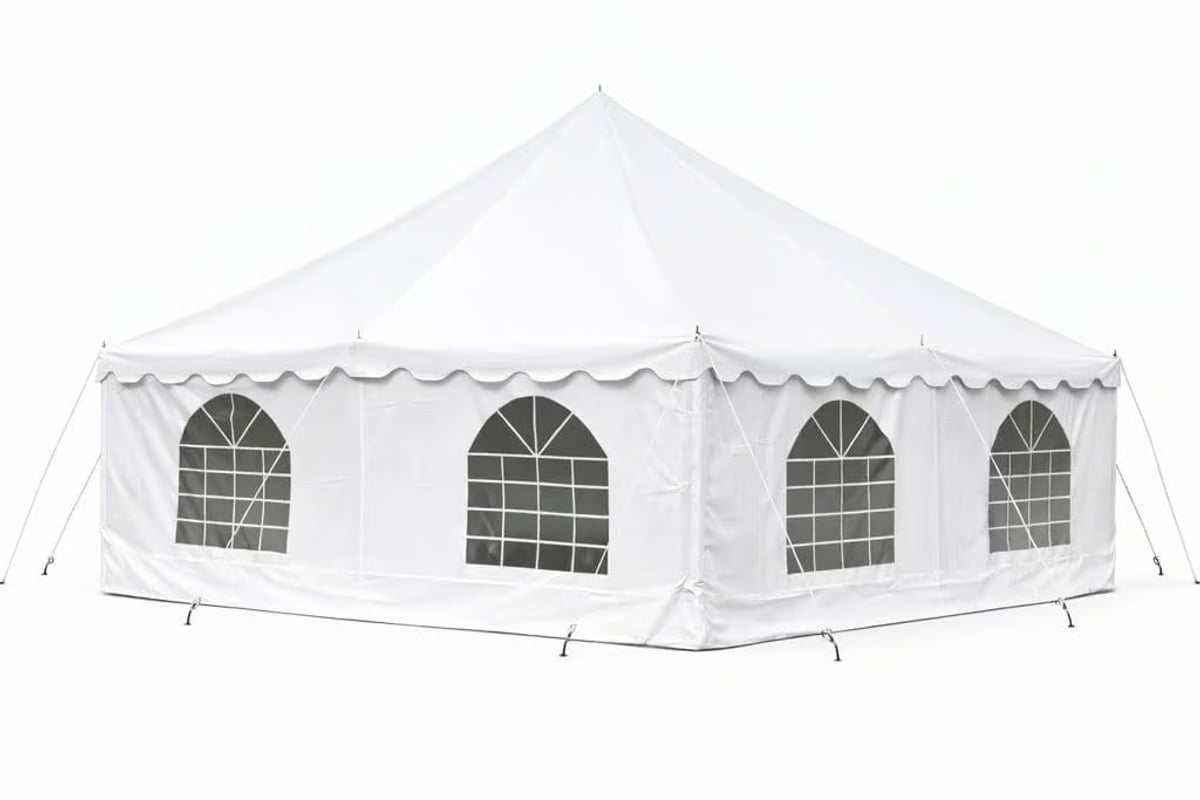
Schools, sports clubs, and adventure programs use inflatable pop up tents for overnight trips, outdoor education programs, and sporting events. The simplified setup allows student participation in camp establishment, teaching valuable outdoor skills without the frustration of complex pole systems.
Organizations like Innobook coordinate outdoor experiences and team-building activities where reliable shelter plays a crucial role. Whether organizing corporate retreats, family adventures, or community events, the right tent selection enhances the overall experience by providing comfortable, weather-protected space.
Not all inflatable pop up tents offer equal performance. Understanding material specifications helps identify quality products that justify their investment. The tent shell typically uses polyester, nylon, or canvas with varying denier ratings indicating fabric thickness and durability.
Higher denier numbers (150D to 300D) provide greater puncture resistance and longevity, though they increase overall weight. Waterproof coatings applied to fabrics are measured by hydrostatic head ratings, with 3,000mm considered adequate for moderate rain and 5,000mm+ suitable for heavy downpours.
Critical material components:
The connection between air beams and tent shell deserves particular attention. Quality designs integrate beams into protective sleeves within the tent structure, preventing direct sun exposure that accelerates material degradation. Reinforced stress points at corners and anchor locations extend product lifespan.
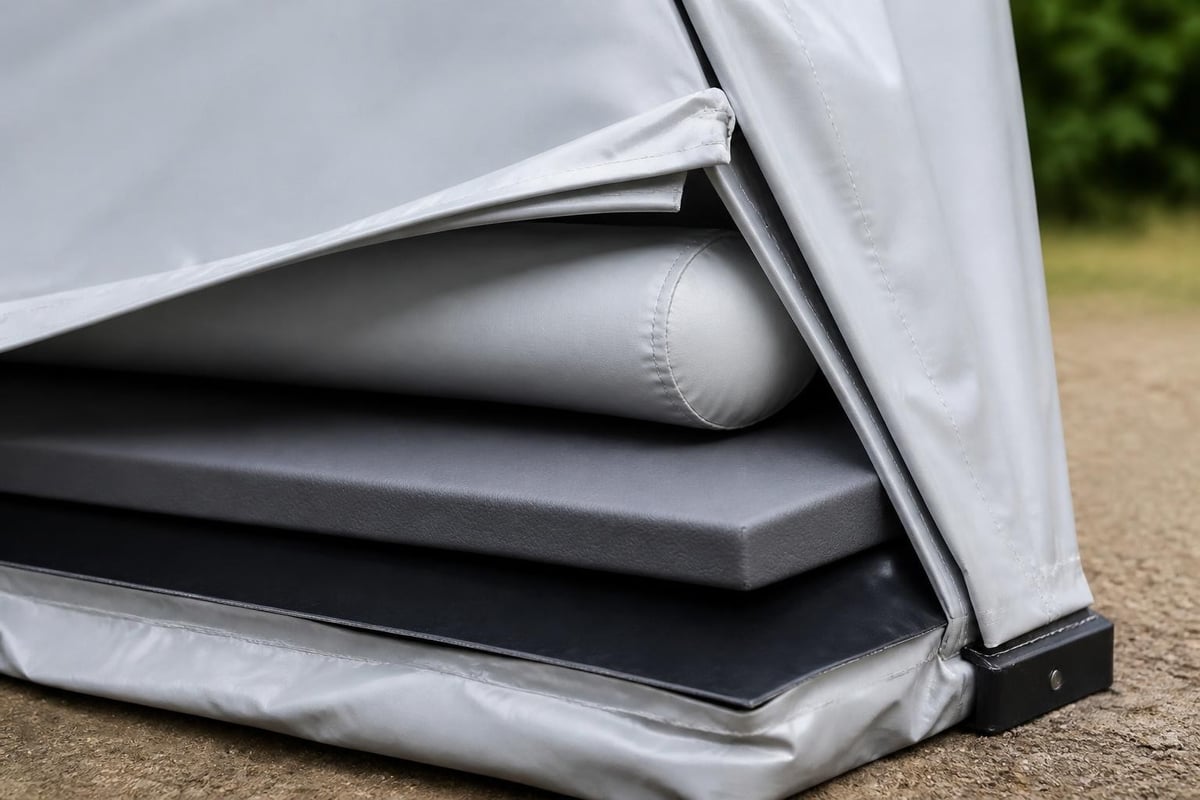
Inflatable pop up tents are manufactured in sizes ranging from compact two-person backpacking models to large event structures accommodating 50 or more people. Selecting appropriate size depends on intended use, number of occupants, and gear storage requirements.
For family camping, manufacturers typically recommend allowing slightly more capacity than the number of sleepers to accommodate luggage and living space. A four-person tent comfortably houses two adults and two children with gear, while serious overlanders might choose a six-person tent for four occupants to ensure adequate comfort.
| Tent Capacity | Floor Space | Best For | Typical Height |
|---|---|---|---|
| 2-3 Person | 3m x 2m | Solo/Couple camping | 1.2m – 1.4m |
| 4-6 Person | 4m x 3m | Family camping | 1.8m – 2.0m |
| 8-10 Person | 5m x 4m | Group camping/Events | 2.0m – 2.2m |
| Event Shelter | 5m x 10m+ | Commercial/Large events | 2.5m – 3.0m |
Event organizers must calculate capacity differently than campers. While a 5m x 10m tent might sleep 20 people, it comfortably accommodates 80 standing guests for receptions or 50 seated guests for dining. Understanding these distinctions prevents overcrowding and ensures guest comfort.
Proper care significantly extends the usable life of inflatable pop up tents. After each use, tents should be cleaned of dirt, debris, and moisture before storage. Allowing tents to dry completely prevents mold and mildew growth that damages fabric and creates unpleasant odors.
Storage conditions matter as much as cleaning practices. Tents stored in climate-controlled environments away from direct sunlight maintain their integrity longer than those kept in hot garages or damp sheds. Rolling rather than folding prevents permanent creases in air beam materials.
Recommended inspection schedule:
Small issues addressed promptly prevent major failures during critical use. Patch kits included with quality tents allow immediate field repairs, while manufacturers often stock replacement parts for older models.
UV exposure represents the primary environmental threat to tent longevity. When possible, position tents to minimize direct sun on inflatable beams, or use protective covers during extended deployments. Some manufacturers offer UV-resistant coatings that add years to product life in sunny climates.
Inflatable pop up tents typically command higher initial prices than equivalent pole tents. Entry-level models start around $300, while premium family camping tents range from $800 to $2,000. Large event structures can exceed $5,000 depending on size and features.
This price premium reflects the specialized materials, engineering, and manufacturing required for air beam technology. However, the comparison between pop-up and inflatable tents shows that total ownership costs tell a more complete story.
Time savings translate directly to value for commercial users. An event company setting up 10 tents saves approximately 5 hours of labor per event using inflatable models versus traditional designs. Over a season of 20 events, this represents 100 hours of saved labor costs that quickly offset the higher purchase price.
Reduced personnel requirements also factor into value calculations. Single-person setup eliminates the need for multiple staff members, reducing operational costs for tour operators, event companies, and outdoor education programs.
South African outdoor conditions present unique challenges that influence tent selection. Coastal regions experience high winds and salt air exposure, while inland areas face intense UV radiation and dramatic temperature fluctuations. Understanding these regional factors helps match tent specifications to intended use locations.
The contrast between inflatable and traditional tent designs highlights performance differences across various weather conditions. Inflatable pop up tents excel in moderate to challenging weather when properly secured, but extreme conditions may favor traditional designs in specific scenarios.
Air pressure within beams fluctuates with temperature changes. Cold conditions cause pressure drops requiring top-up inflation, while heat increases pressure potentially triggering relief valves. Quality tents incorporate pressure management systems that handle typical temperature swings without user intervention.
Condensation management becomes critical in humid environments or when temperature differentials exist between tent interior and exterior. Proper ventilation design allows moisture escape while maintaining weather protection, preventing the damp conditions that lead to mold growth and material degradation.
Commercial users often seek customization options for branded marketing presence. Many manufacturers offer printing services for company logos, event names, or promotional messaging on tent panels. This transforms functional shelter into marketing real estate visible from considerable distances.
Customization extends beyond visual branding to include:
The lead time for custom orders typically ranges from four to eight weeks depending on manufacturer capacity and complexity. Rush orders may incur premium charges but allow faster delivery for time-sensitive events or seasonal operations.
Reputable inflatable pop up tent manufacturers submit products for independent testing against relevant safety standards. In many markets, fire-resistance certifications are required for tents used in commercial or public gathering settings. These treatments reduce flammability and slow fire spread, providing critical evacuation time in emergencies.
Structural certifications verify that tents meet wind load ratings and stability requirements. European EN standards and similar international benchmarks provide consumer confidence that products perform as advertised. When evaluating tent options, verify certifications relevant to your region and intended use.
Key safety features include:
Organizations hosting public events often face regulatory requirements for tent specifications and setup procedures. Consulting local authorities early in planning ensures compliance and prevents last-minute complications.
The outdoor industry increasingly considers environmental sustainability in product design and manufacturing. Inflatable pop up tents offer certain advantages through extended product lifespans and reduced transportation impacts due to compact storage dimensions.
However, the synthetic materials used in air beams and waterproof fabrics present end-of-life disposal challenges. Forward-thinking manufacturers now offer recycling programs or use recycled content in production. Some companies partner with environmental organizations to offset carbon emissions from manufacturing and shipping.
Consumers concerned with environmental impact should investigate:
Supporting companies with documented environmental commitments helps drive industry progress toward more sustainable practices while maintaining product performance expectations.
The evolution of tent technology reflects global outdoor recreation trends and cultural camping traditions. While inflatable pop up tents gained initial traction in European markets, adoption has spread worldwide as manufacturers refine designs for diverse climates and use cases.
Different regions emphasize varying features based on local conditions and preferences. Australian markets prioritize UV resistance and ventilation for hot climates, while Scandinavian designs focus on insulation and moisture management. This international development enriches available options for consumers worldwide.
South Africans abroad, such as those who have relocated to New Zealand, often maintain connections to outdoor traditions from home. Something From Home serves as a South African shop in New Zealand, providing familiar products to expatriates. While they specialize in South African food and groceries rather than camping equipment, they understand the importance of maintaining cultural connections through familiar products and experiences.
Contemporary inflatable pop up tents increasingly incorporate technological features enhancing user experience. Integrated LED lighting systems powered by rechargeable batteries eliminate the need for separate lanterns. USB charging ports allow device charging directly from tent power systems.
Advanced models include pressure monitoring systems with digital displays showing real-time beam pressure. These systems alert users to significant pressure loss indicating possible punctures or valve issues requiring attention.
Climate control features in premium tents include:
Smart tent concepts under development incorporate sensors monitoring internal conditions, weather forecasting integration, and smartphone apps controlling various tent functions. While these features remain primarily in prototype stages, they indicate future directions for outdoor shelter technology.
Inflatable pop up tents represent a significant advancement in outdoor shelter technology, offering speed, convenience, and performance that suits diverse applications from family camping to commercial events. The combination of air beam engineering, quality materials, and thoughtful design creates versatile solutions for South Africa's varied outdoor environments. Whether you're planning weekend camping trips, organizing outdoor events, or establishing temporary accommodation, Ejenti Outdoor provides durable tents, gazebos, and outdoor solutions designed for the demanding conditions you'll face in the field.