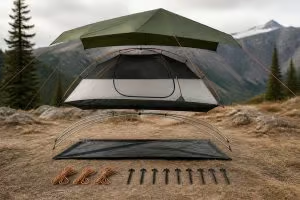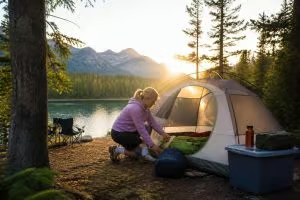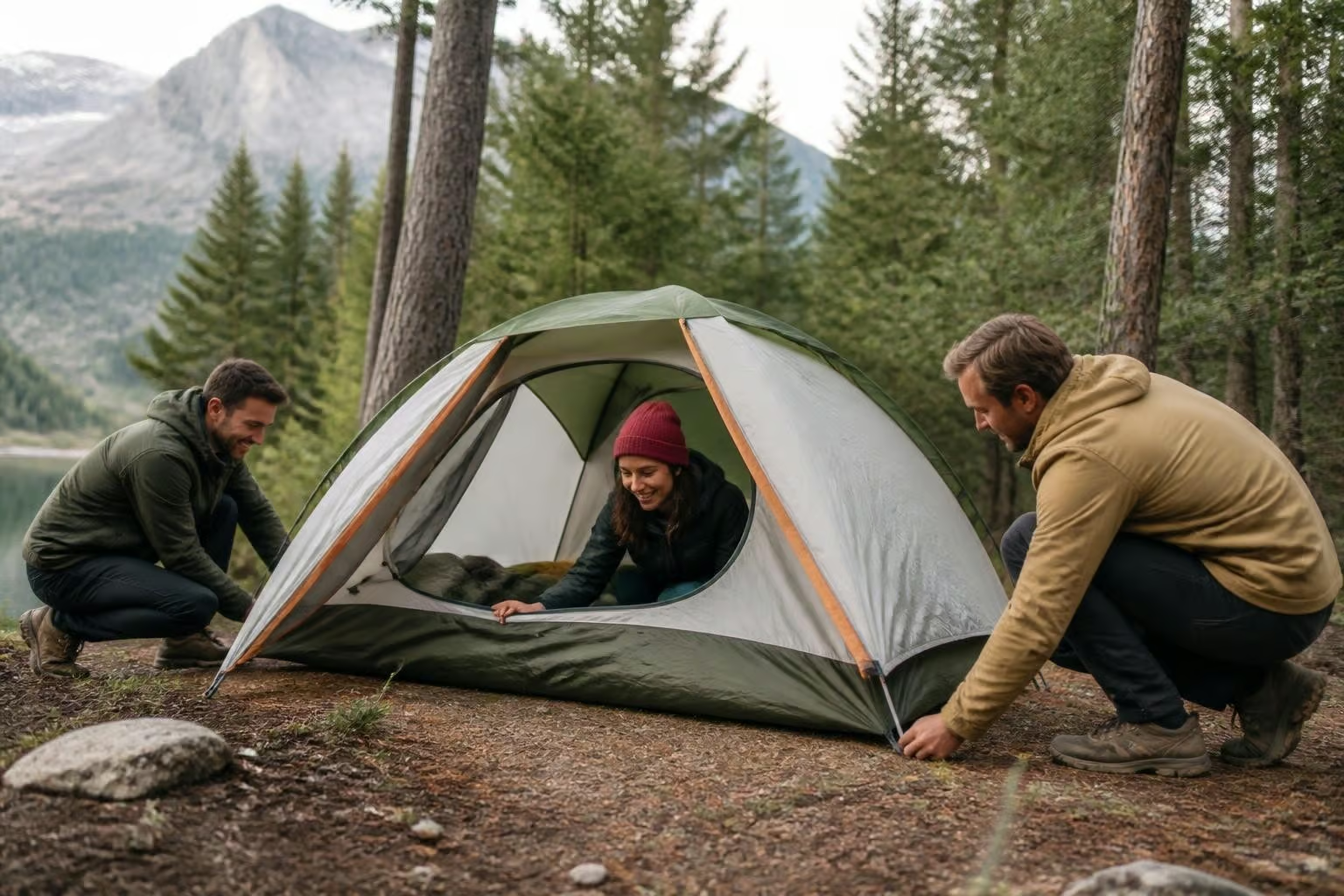
Finding the right shelter for small group adventures requires careful consideration of space, durability, and practical features. Tents for 3 person camping offer an ideal balance between compact portability and adequate living space, making them popular among families, small friend groups, and couples who value extra room. Whether you're planning weekend getaways in the Drakensberg or extended camping trips along the Garden Route, understanding what makes a quality three-person tent will transform your outdoor experiences from merely functional to genuinely comfortable.
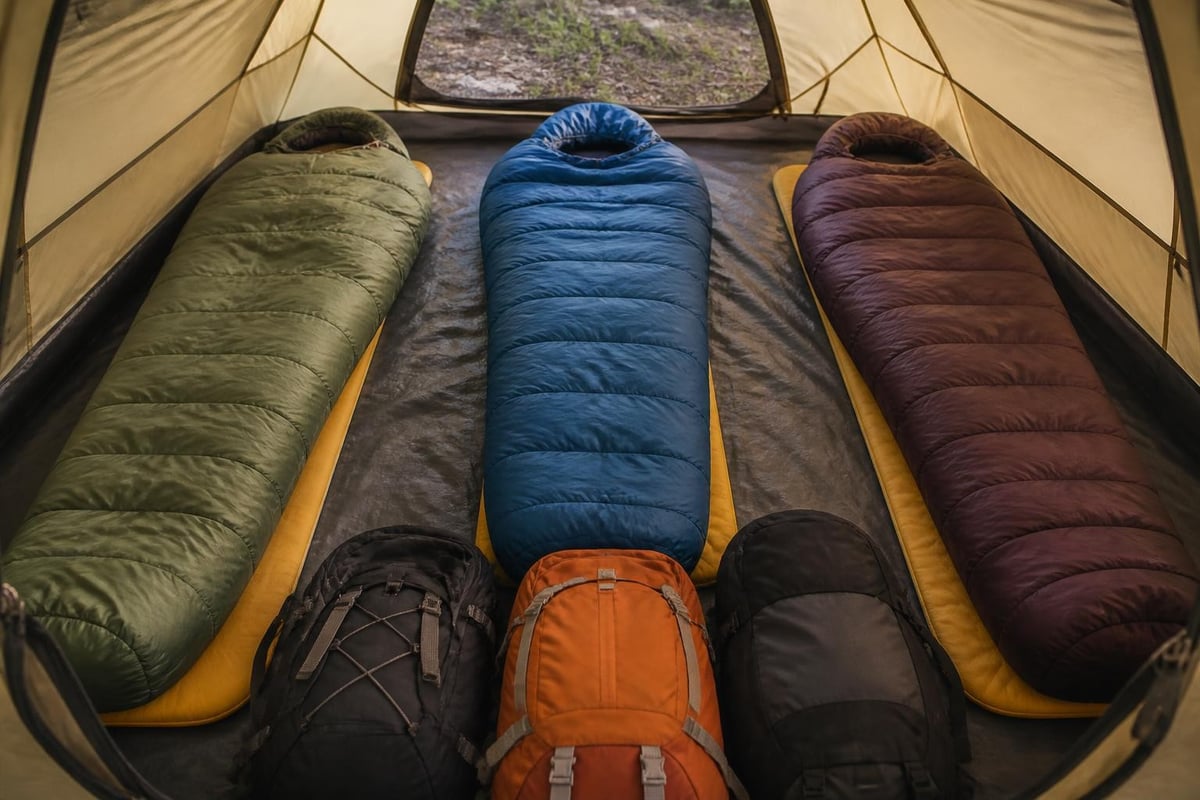
The term "three-person" doesn't always mean comfortable sleeping for three adults. Most manufacturers base their capacity ratings on fitting three sleeping bags side by side with minimal space for gear or movement. In reality, these tents work best for two adults with gear, two adults and a child, or three backpackers willing to pack extremely light.
Actual usable space varies significantly across different models and brands. A tent measuring 210cm by 180cm at the base provides approximately 3.78 square meters of floor space. That translates to roughly 1.26 square meters per person, which leaves little room for personal belongings or nighttime movement.
When evaluating tents for 3 person use, look beyond the advertised capacity to examine specific measurements:
Many top-rated 3-person tents include dual vestibules that effectively double your storage capacity without cluttering the sleeping area. This design feature proves particularly valuable during wet weather when you need protected space for muddy gear.
The fabric, poles, and overall build quality determine how well your tent performs in real-world conditions. South African camping environments present unique challenges, from intense summer sun in the Karoo to heavy rain along the coast and cold mountain nights in the Berg.
| Material | Weight | Breathability | Durability | Water Resistance | Best Use |
|---|---|---|---|---|---|
| Canvas | Heavy | Excellent | Superior | Very Good | Base camping, family trips |
| Ripstop Nylon | Light | Moderate | Good | Excellent (with coating) | Backpacking, hiking |
| Polyester | Medium | Moderate | Good | Very Good | Multi-purpose camping |
Canvas tents offer exceptional breathability and durability for established campsites where weight isn't a primary concern. The natural fiber handles temperature fluctuations better than synthetic alternatives, creating a more comfortable interior climate. For those prioritizing lightweight portability, modern ripstop fabrics provide impressive strength-to-weight ratios.
Pole materials directly impact tent stability and longevity. Aluminum poles offer the best combination of strength and light weight, while fiberglass provides a budget-friendly option at the cost of additional weight and reduced durability. Premium models often feature DAC aluminum poles, engineered for extreme conditions and guaranteed performance.
Proper weather protection involves multiple integrated systems working together. A quality rainfly should extend well beyond the tent body, creating protected vestibule space while preventing water from contacting the main fabric. Look for sealed seams, reinforced stress points, and bathtub-style floors that rise at least 15cm up the walls.
The detailed evaluation of weather resistance in modern tent designs reveals that waterproof ratings matter less than overall construction quality. A tent rated at 2000mm hydrostatic head with well-sealed seams outperforms a 5000mm rated tent with poor seam construction.
Understanding seasonal ratings helps match your tent to expected conditions. The classification system ranges from one-season (summer only) to four-season (winter mountaineering), with three-season tents serving most recreational campers.
Most tents for 3 person camping fall into the three-season category, designed for spring through fall use. These models balance ventilation with weather protection, featuring mesh panels for airflow and solid fabric sections for warmth retention.
Key three-season features include:
South African summer camping demands excellent ventilation to manage heat, while winter trips to higher elevations require better insulation and wind resistance. A versatile three-season tent adapts through strategic rainfly positioning and vent management.
For those planning high-altitude adventures or winter camping, four-season tents for 3 person groups provide enhanced protection. These specialized shelters feature:
The trade-off involves increased weight and reduced ventilation. Mountain adventure tent selection requires careful attention to these specialized features to ensure safety in demanding environments.
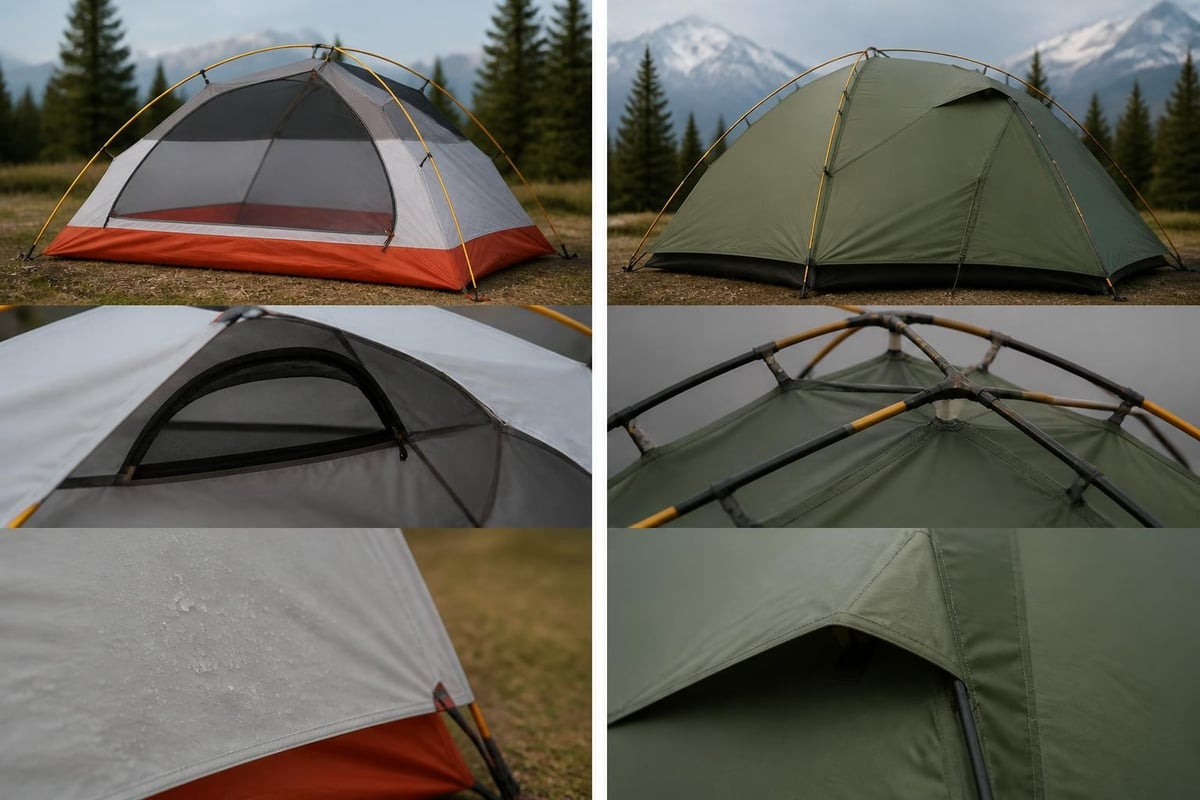
After a long day of hiking or driving, nobody wants to wrestle with complicated tent assembly. Modern tents for 3 person camping incorporate various setup systems, each with distinct advantages and learning curves.
Freestanding tents use their pole structure to maintain shape without stakes, offering maximum flexibility in site selection. You can pitch them on platforms, rocky ground, or even pick them up and move them fully assembled. This design typically requires more poles and adds slight weight, but the convenience factor often justifies the trade-off.
Staked tents rely on guy lines and ground anchors for structure, resulting in lighter overall weight and smaller pack size. These work well for backpackers prioritizing minimal weight, though they require suitable ground for secure staking.
For South African conditions, where you might encounter everything from soft sand to rocky terrain, a freestanding design with robust staking options provides the most versatility. This hybrid approach lets you set up quickly anywhere while still offering proper anchoring for windy conditions.
Different pole arrangements affect setup speed, interior space, and weather performance:
Color-coded pole sleeves and clips significantly reduce setup time and eliminate confusion during low-light conditions. Quality manufacturers include clear instructions and sometimes even setup videos accessible via QR codes on the carry bag.
The total weight of your shelter system dramatically impacts hiking comfort and vehicle packing efficiency. Tents for 3 person groups range from ultralight backpacking models under 2kg to robust family camping options exceeding 8kg.
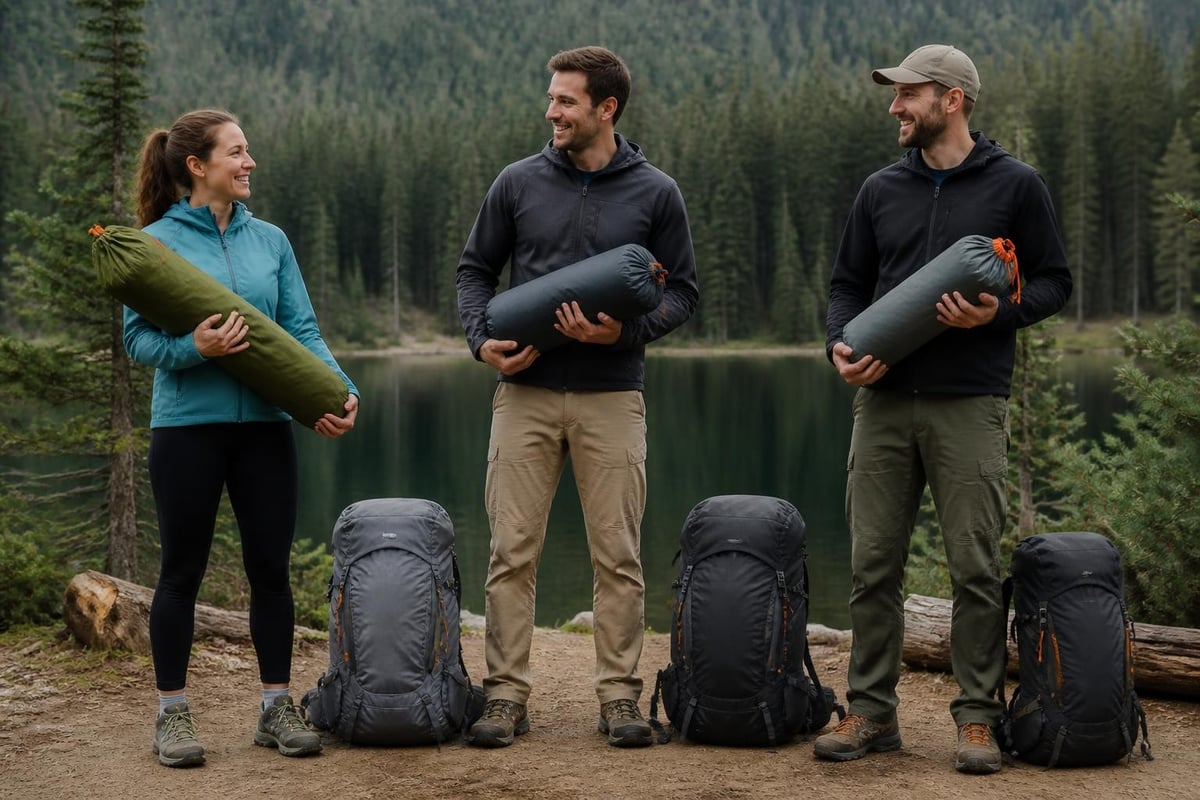
Serious backpackers apply the rule of dividing tent weight by capacity to determine per-person carry burden. For three-person tents, target weights vary by intended use:
| Use Case | Total Weight | Per Person | Trail Weight |
|---|---|---|---|
| Ultralight Backpacking | 1.8-2.5kg | 0.6-0.8kg | 1.2-1.8kg |
| Standard Backpacking | 2.5-4kg | 0.8-1.3kg | 1.8-3kg |
| Car Camping | 4-8kg | Not divided | N/A |
Trail weight excludes stakes and stuff sacks, representing the actual packed burden. Some groups divide tent components among members, with one person carrying the poles, another the body, and the third the rainfly and stakes.
The evaluation of lightweight backpacking tents demonstrates that modern materials technology enables sub-2kg shelters without sacrificing durability or livability. These engineering achievements come at premium prices, but the reduced physical strain justifies the investment for regular backpackers.
Compressed dimensions matter when space is limited. A tent that packs to 50cm x 18cm fits easily in or strapped to a backpack, while a 60cm x 25cm package becomes awkwardly bulky. Check both compressed size and the flexibility of the stuff sack, as rigid poles sometimes prevent efficient packing.
For overlanding and 4×4 adventures, pack size becomes less critical than durability and weather resistance. The canvas tents popular in South Africa prioritize longevity and comfort over minimal packed dimensions, serving groups who value substantial shelter over lightweight mobility.
Interior moisture management separates comfortable camping from damp, unpleasant nights. Tents for 3 person groups require robust ventilation systems to handle the moisture three people generate through breathing and gear storage.
Effective ventilation relies on strategically placed openings that promote air circulation without inviting weather inside. Look for these design elements:
During warm nights, full mesh construction with a removable rainfly maximizes cooling and stargazing opportunities. When temperatures drop or rain threatens, closing panels and deploying the fly maintains warmth while still allowing critical airflow through dedicated vents.
Double-wall construction provides superior condensation management compared to single-wall designs. The inner tent catches interior moisture while the rainfly sheds external precipitation, creating an air gap that enhances insulation and reduces interior dampness.
Quality construction details determine whether your tent lasts five trips or fifteen seasons. When investing in tents for 3 person camping, examine these critical durability indicators beyond basic specifications.
High-stress areas require extra material or construction reinforcement:
YKK zippers represent the industry standard for reliability, operating smoothly even when dirty or frozen. Self-healing coil zippers recover from minor snags, while tooth-style zippers provide maximum strength for high-use areas.
Even premium tents eventually need repairs. Choose models with readily available replacement parts and straightforward repair procedures. Pole sections, tent stakes, and guy lines should be standard components, not proprietary designs requiring manufacturer-specific replacements.
After mastering quality outdoor equipment fundamentals through resources like why quality outdoor equipment matters, you'll appreciate how proper maintenance extends tent lifespan significantly. Regular cleaning, proper drying before storage, and UV protection when stored ensure decades of reliable service.
Beyond sleeping space, well-designed tents for 3 person groups include thoughtful organization features that enhance daily camping life. These details separate basic shelter from genuinely comfortable living space.
Mesh pockets positioned along walls keep small items organized and accessible without cluttering floor space. Look for at least four corner pockets plus a ceiling pocket for headlamps or phones. Some designs include gear lofts, mesh shelves suspended from the ceiling for storing clothing and equipment overnight.
Vestibule design dramatically affects usable living space. Dual vestibules provide separate entry points and dedicated gear areas, reducing congestion and improving organization. Calculate vestibule area separately from sleeping area to understand total functional space.
Modern tents often incorporate internal attachment points for accessories like gear lofts, drying lines, or even battery-powered lights. These mounting systems use hooks, loops, or webbing tabs that don't compromise structural integrity while significantly expanding functionality.
The number and placement of doors affects accessibility and convenience. For three-person occupancy, dual-door designs prevent the dreaded "tent shuffle" when someone needs to exit during the night. D-shaped doors provide easier entry than tunnel-style openings, while dual-zipper operation allows precise ventilation control.
Vestibule doors should mirror sleeping area doors, providing protected entry during rain and gear access without disturbing sleeping occupants. Well-designed vestibules include multiple zipper tracks allowing you to open only mesh for ventilation or deploy full weather protection as needed.
Budget considerations significantly influence tent selection, with options spanning from under R2,000 to over R15,000. Understanding what drives these price differences helps identify genuine value versus marketing hype.
Entry-level tents for 3 person camping provide basic functionality for occasional use. Expect heavier materials, basic pole systems, and minimal features. These serve weekend warriors and families testing their interest in camping before major investment.
Typical trade-offs include:
For casual car camping where weight and pack size don't matter, budget tents deliver acceptable performance. However, frequent users quickly outgrow these limitations.
This category represents the sweet spot for most recreational campers, balancing features, quality, and price. Manufacturers in this range include aluminum poles, ripstop fabrics, dual vestibules, and enhanced weather protection.
Value indicators include:
The comprehensive reviews of 3-person tent options frequently highlight mid-range models that deliver performance approaching premium tents at significantly lower cost.
High-end tents for 3 person expeditions justify their cost through advanced materials, innovative design, and exceptional durability. These represent long-term investments for serious outdoor enthusiasts demanding maximum performance.
Premium features include ultralight fabrics with superior strength, advanced pole geometry for extreme conditions, lifetime warranty coverage, and meticulous construction quality. Brands like Hilleberg, MSR, and specialized manufacturers serve this market segment, often with models tested in polar, alpine, and desert extremes.
For those combining camping with outdoor wellness activities like relaxing after long hikes, creating comfortable base camps matters. Whether you're setting up near a peaceful retreat like RecoSauna’s outdoor wellness facilities or establishing a family camping base where everyone from adults to pets using North Hound Life supplements can thrive, investing in quality shelter pays long-term dividends.
Even the best tents for 3 person groups perform poorly if pitched incorrectly. Understanding proper site selection and setup techniques maximizes comfort and safety while protecting your investment.
Level terrain prevents overnight rolling and pooling water during rain. A slope exceeding 5 degrees becomes uncomfortable for sleeping and stresses tent structure. When perfect level ground isn't available, orient the tent so your head sits higher than your feet.
Surface composition affects stake holding power and ground insulation. Soft sand requires specialized stakes or buried anchor points, while rocky ground might demand freestanding setup with heavy rocks securing guy lines. Grass provides ideal staking conditions but may retain moisture.
Clear the footprint area of rocks, sticks, and debris that could damage the floor or create uncomfortable sleeping conditions. A groundsheet or footprint beneath the tent adds protection and extends floor life significantly, though it adds weight to your pack.
Position your tent relative to natural features for optimal comfort and safety:
The detailed backpacking tent reviews often emphasize how proper site selection influences overall camping satisfaction as much as tent quality itself.
Quality manufacturers stand behind their products with comprehensive warranties and accessible customer support. These commitments signal confidence in construction quality and provide peace of mind for significant investments.
Lifetime warranties cover manufacturing defects indefinitely, though they typically exclude normal wear, improper use, and damage from accidents. Limited warranties specify coverage periods (commonly 1-5 years) and covered components, often separating tent body, rainfly, poles, and accessories.
Read warranty terms carefully to understand what constitutes normal wear versus defect. A seam separation after two trips suggests manufacturing fault, while zipper wear after five seasons represents expected deterioration.
Responsive customer service proves invaluable when questions arise or problems occur. Evaluate manufacturers based on:
Local South African suppliers often provide advantages in warranty service, shipping speed, and understanding regional conditions. Companies like Ejenti Outdoor combine local knowledge with quality products designed for African camping environments.
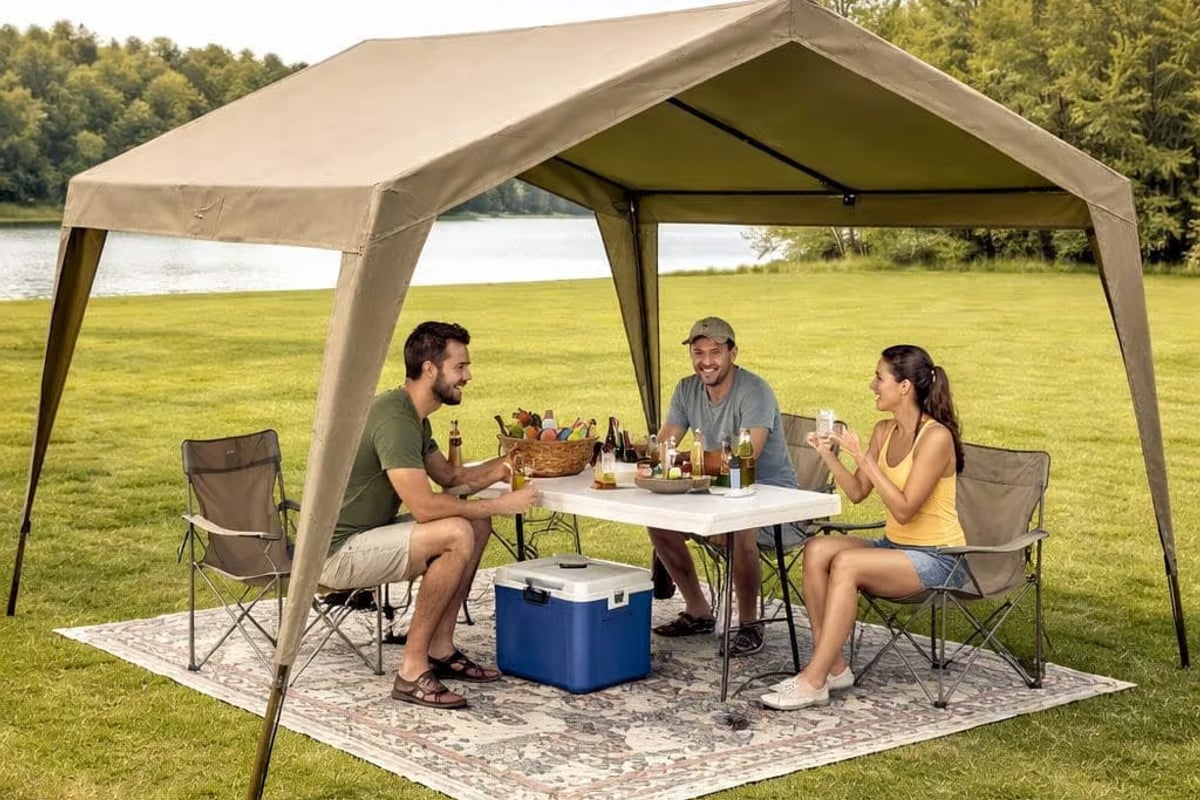
For those seeking robust shelter solutions beyond standard camping, Ejenti Outdoor manufactures the Canvas Gazebo Heavy Duty Waterproof Ripstop Gazebo using 300gsm ripstop canvas fabric and galvanized steel frames. This heavy-duty outdoor shelter provides reliable protection for base camps, event spaces, and extended outdoor setups where durability matters as much as the tents themselves.
Specifications and marketing claims matter less than verified field performance. Before committing to specific tents for 3 person adventures, research user experiences across various conditions and timeframes.
Weather extremes reveal design weaknesses invisible during fair-weather camping. Seek reviews mentioning:
Single overnight trips in perfect weather don't stress tents sufficiently to expose potential issues. Look for reviewers with season-long or multi-year experience across varied environments.
Beyond technical specifications, subjective comfort factors significantly impact satisfaction:
The MSR tent design review demonstrates how professional testing across multiple environments provides insights beyond manufacturer specifications.
Different camping styles demand different tent characteristics. Tents for 3 person groups excel at specific applications while compromising in others.
Weight minimization dominates backpacking tent selection. Every gram matters when carrying shelter for days or weeks. Target packed weight under 3kg total, with individual components manageable for distribution among group members.
Compact pack size ensures the tent fits easily in or straps securely to your pack without throwing off balance. Compression stuff sacks help minimize volume, though avoid over-compression that stresses fabrics and coatings.
Quick setup becomes critical after exhausting days on trail. Freestanding designs with color-coded components and minimal stake requirements enable fast camp establishment even in fading light.
Comfort features take priority when weight isn't limited. Taller peak heights allow standing or changing clothes, while spacious vestibules accommodate camp furniture and cooking gear.
Durability over lightweight construction makes sense for established campsites where the tent might stay pitched for extended periods. Heavier fabrics and robust pole systems withstand constant use better than ultralight alternatives.
Family-friendly features like room dividers, multiple doors, and generous floor space transform camping from endurance test to comfortable vacation.
Easy setup and takedown matter when you're establishing temporary accommodation in crowded festival grounds. Freestanding designs that don't require extensive guy lines prevent tripping hazards and neighbor conflicts.
Security features like lockable zippers and opaque fabrics protect belongings during extended absences. Bright colors or unique designs help identify your tent among hundreds of similar shelters.
Social space considerations mean vestibules serve as gathering areas for small groups, making dual vestibules with generous coverage especially valuable.
Conscious consumers increasingly consider environmental factors when selecting outdoor gear. Tents for 3 person camping involve significant material resources and manufacturing energy, but thoughtful choices minimize ecological impact.
Material sourcing affects environmental footprint substantially. Recycled fabrics, responsibly harvested canvas, and non-toxic coatings represent more sustainable choices. Some manufacturers publish detailed environmental impact reports and commit to carbon-neutral production.
Durability as sustainability means a tent lasting fifteen years proves far more environmentally sound than replacing cheaper models every three years. Calculate environmental cost over expected lifespan, not just initial purchase.
Repair versus replace mentality reduces waste significantly. Choose manufacturers supporting repair through available parts, published repair guides, and service programs that extend product life.
Quality tents eventually wear beyond practical repair. Consider:
Some outdoor retailers operate take-back programs, accepting worn gear regardless of brand for recycling or refurbishment.
Current tent technology incorporates sophisticated features that significantly enhance performance and convenience. While not essential, these innovations provide genuine value for specific applications.
Built-in LED strips powered by USB rechargeable batteries eliminate fumbling with headlamps and provide ambient lighting for the entire tent. These systems integrate into seams or peak points, distributing light evenly without creating harsh shadows.
Reflective guy lines and stake loops enhance nighttime visibility, preventing trips and making camp navigation safer after dark. Simple additions that provide significant safety benefits.
Adjustable vent systems with dual-position operation allow precise airflow management. Some designs incorporate mechanical vents that automatically open as interior temperature rises, maintaining comfortable conditions without constant adjustment.
Moisture-responsive fabrics expand and contract based on humidity levels, providing passive condensation management. While still emerging technology, these materials show promise for reducing interior dampness.
Snap-together pole systems eliminate threading poles through sleeves, reducing setup time to mere minutes. External pole sleeves with clip attachment points combine speed with user-friendly operation.
Color-coded everything extends beyond poles to include stakes, guy lines, and stuff sacks, making setup intuitive even for first-time users or during challenging conditions.
Selecting the right tents for 3 person camping requires balancing multiple factors including space, weight, durability, and intended use against budget constraints. The most effective approach involves honestly assessing your camping style, frequency, and conditions while prioritizing features that enhance safety and comfort for your specific adventures.
Whether you're planning weekend escapes to local parks or extended expeditions across South Africa's diverse landscapes, Ejenti Outdoor provides durable outdoor solutions designed specifically for African conditions. From canvas tents built to withstand harsh sun and heavy rain to specialized outdoor fabrics engineered for performance and longevity, quality shelter transforms outdoor adventures into comfortable, memorable experiences.