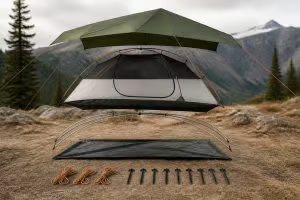
Camping enthusiasts know that choosing the right shelter can make or break an outdoor adventure. When you're planning a family camping trip or heading out with friends, 2 room tents for camping offer a practical solution that balances privacy, comfort, and functionality. These versatile shelters have transformed the camping experience by providing dedicated spaces for sleeping, storage, and living, all within a single portable structure. Whether you're setting up camp in the Kruger National Park or exploring the Garden Route, understanding what makes a quality two-room tent essential knowledge for 2026.
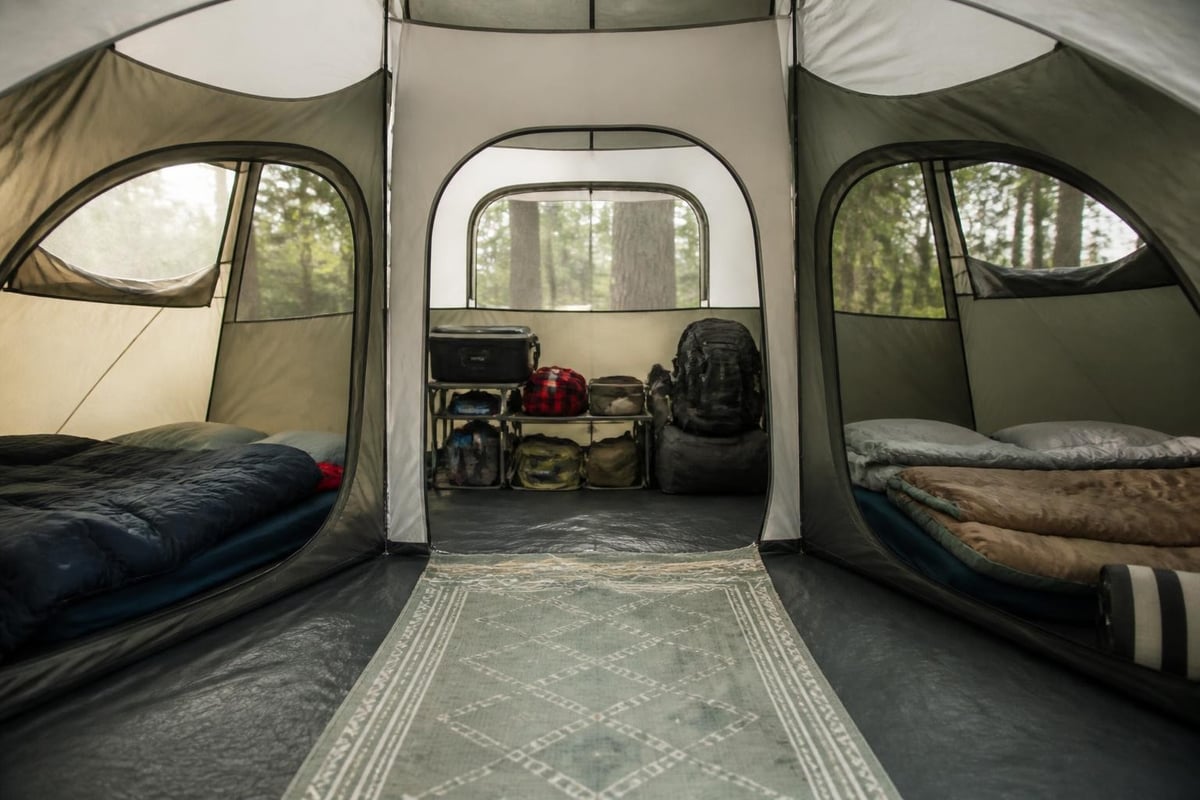
The fundamental architecture of 2 room tents for camping revolves around creating distinct spaces within one shelter. Most designs feature a divider wall that separates the tent into two functional areas, allowing campers to establish boundaries even in the wilderness.
Key structural components include:
The divider wall serves multiple purposes beyond simple privacy. It creates thermal zones within the tent, helps organize gear, and provides psychological comfort for families with children or groups needing personal space. Many modern designs allow you to remove the divider entirely, transforming the shelter into one large open area when needed.
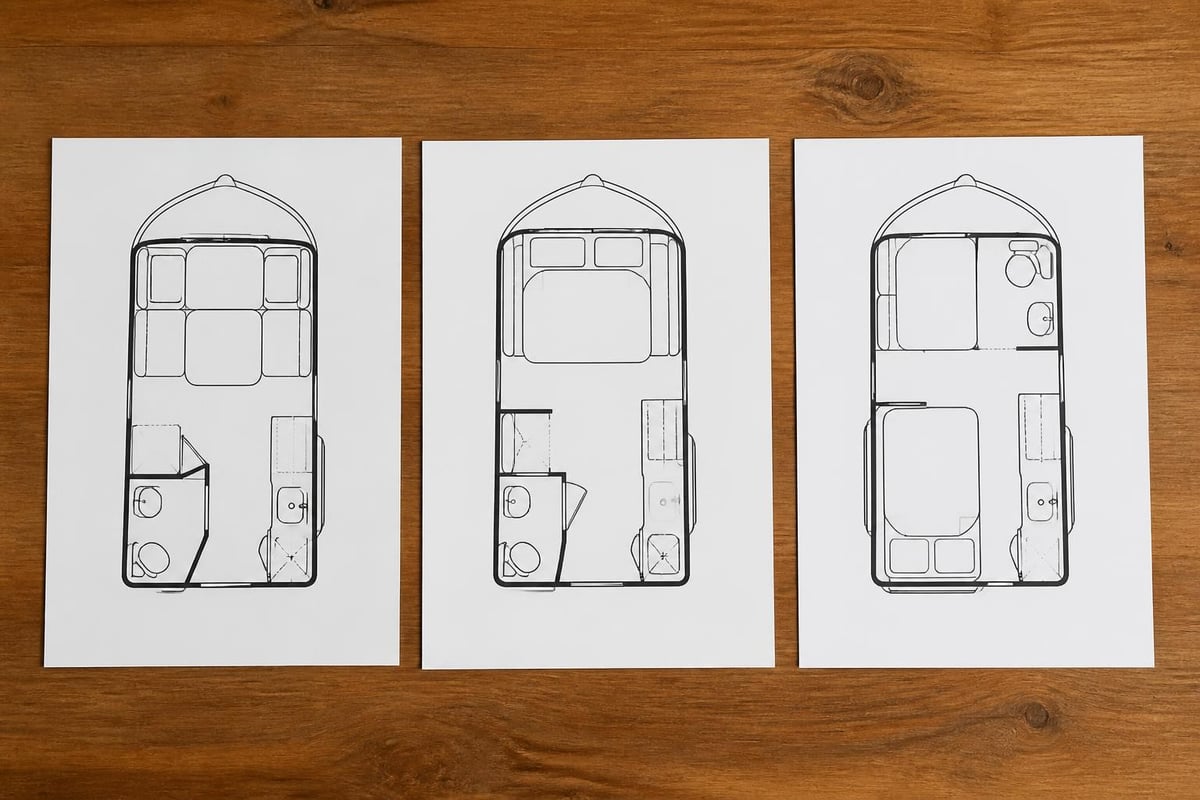
Two-room tents typically come in three main layouts. The side-by-side configuration places both rooms of equal size next to each other, ideal for couples or friends who want equal space. The front-and-back layout positions one room behind the other, often with the front room serving as a gear vestibule or living area.
The third option features an asymmetric design where one room is noticeably larger than the other. This works exceptionally well for families with children, as parents can occupy the larger space while kids share the smaller room. Understanding which layout matches your camping style determines long-term satisfaction with your purchase.
When selecting 2 room tents for camping, specific features separate exceptional models from mediocre ones. Construction quality directly impacts how well your tent performs in challenging conditions.
Premium tents utilize ripstop polyester or canvas materials with waterproof ratings between 2000mm and 5000mm. The fabric weight matters significantly. Lightweight backpacking options use 68D polyester, while family camping tents employ heavier 210D materials that resist tears and punctures better.
Weatherproofing elements to verify:
Canvas options, particularly popular in South Africa's varied climate zones, offer superior breathability and durability. These natural fiber tents regulate temperature more effectively than synthetic alternatives, though they require more maintenance and weigh considerably more.
Proper airflow prevents condensation buildup that can soak sleeping bags and create uncomfortable humidity. Quality 2 room tents for camping incorporate mesh panels on walls and ceiling, adjustable vents near the roof peak, and ground-level air intakes.
The best 2-room tent designs feature cross-ventilation that moves air through both compartments independently. This becomes critical during summer camping when temperatures inside tents can rise dramatically. Look for models with at least four ventilation points per room, including options you can adjust from inside without exiting the tent.
| Feature Category | Budget Models | Mid-Range Options | Premium Tents |
|---|---|---|---|
| Waterproof Rating | 1500-2000mm | 2500-3500mm | 4000mm+ |
| Floor Material | 110D polyester | 150D oxford | 210D reinforced |
| Pole Material | Fiberglass | Aluminum alloy | DAC aluminum |
| Setup Time | 20-30 minutes | 10-15 minutes | 5-10 minutes |
| Weight | 8-12 kg | 12-18 kg | 18-25 kg |
Choosing the appropriate size requires understanding both the stated capacity and actual livable space. Manufacturers often list capacity based on minimal sleeping space without accounting for gear storage or movement room.
A tent marketed as a six-person shelter typically accommodates four adults comfortably with gear. When evaluating 2 room tents for camping, add two to your group size for realistic comfort levels. A family of four should consider six-person models to ensure adequate space for everyone's equipment and personal items.
Measure floor dimensions carefully, not just total square footage. A tent with 120 square feet divided into two 60-square-foot rooms provides different utility than one with an 80/40 split. Consider what activities you'll perform inside beyond sleeping.
Space allocation guidelines:
The tent size guide provides detailed metrics for matching tent dimensions to group size and camping style. Peak height matters especially for taller campers. Models under 180cm force constant stooping, while 200cm+ heights allow full standing in central areas.
The complexity of pitching 2 room tents for camping varies dramatically between models. Traditional pole-and-sleeve designs require 15-25 minutes with two people, while modern clip systems reduce this to 8-12 minutes. Color-coded poles and sleeves simplify the process considerably.
Most two-room tents follow a similar erection sequence. Begin by selecting level ground and clearing rocks or debris. Lay out the tent body with doors facing your preferred direction, then stake down the corners loosely to establish shape.
Assembly progression:
Practice setup at home before your camping trip. Familiarity with your specific tent model prevents frustration in fading light or inclement weather. Top-rated 2-room tents often include quick-pitch features like pre-attached poles or hub systems that significantly reduce setup complexity.
Long-term performance of 2 room tents for camping depends heavily on material quality and proper care. Synthetic fabrics dominate the market due to their lightweight properties and water resistance, but canvas tents offer unmatched longevity when maintained correctly.
Polyester and nylon tents resist mildew naturally and dry quickly after rain. They pack smaller and weigh less, making them ideal for mobile camping. However, synthetic materials degrade under UV exposure and typically last 5-8 years with regular use.
For those seeking exceptional durability in South Africa's diverse climate conditions, the Premium Heavy-Duty Canvas Dome Tent demonstrates how traditional materials excel in demanding environments. Canvas breathes naturally, regulates temperature effectively, and can last 15-20 years with proper waterproofing treatments.
| Material Type | Lifespan | Weight | Breathability | Maintenance Level |
|---|---|---|---|---|
| Polyester | 5-8 years | Light | Moderate | Low |
| Nylon | 4-7 years | Very light | Low | Low |
| Canvas | 15-20 years | Heavy | Excellent | High |
| Polycotton | 10-12 years | Moderate | Good | Moderate |
Never pack a wet tent for extended periods. Moisture trapped in fabric creates perfect conditions for mildew growth that permanently damages waterproof coatings. Always dry your tent completely before storage, even if this means setting it up at home.
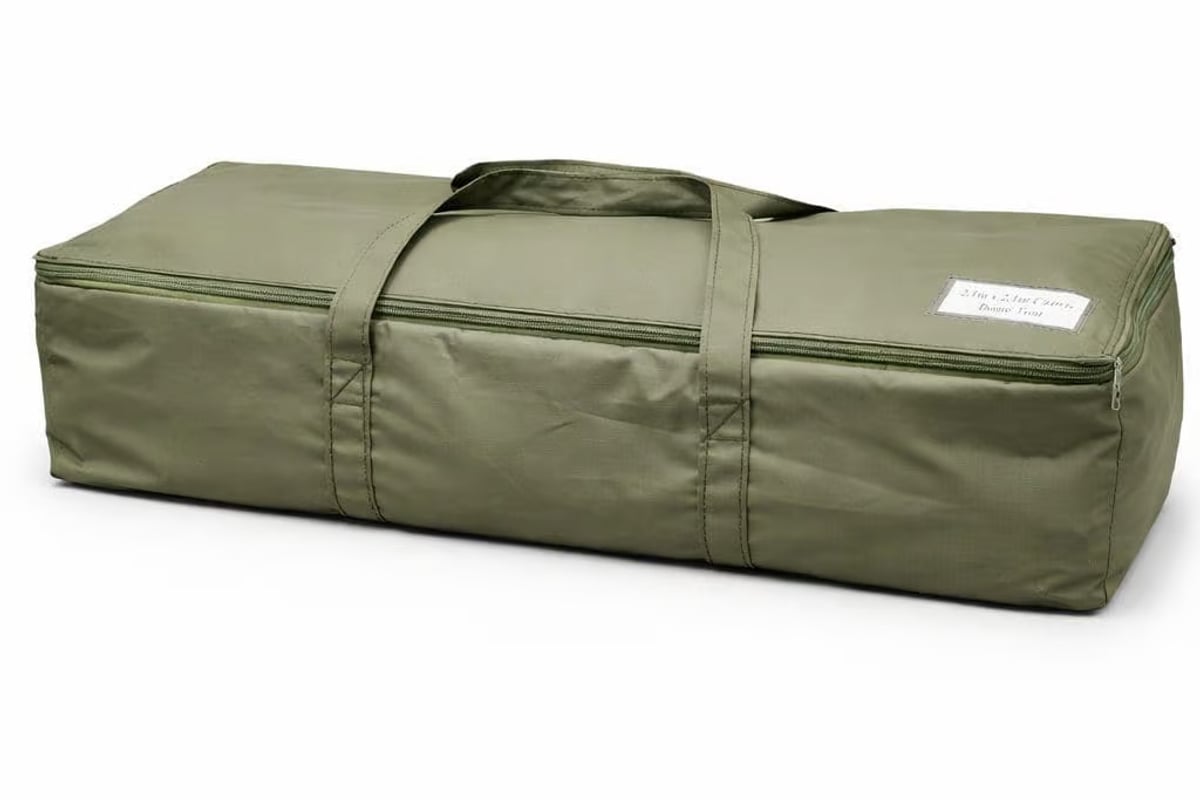
Periodically inspect seams and reapply seam sealer to areas showing wear. Check zippers for smooth operation and lubricate them with zipper wax if they stick. Store tents in a cool, dry location away from direct sunlight. Avoid compressed storage; loose packing in a breathable bag prevents fabric degradation.
Understanding how 2 room tents for camping perform across different seasons helps match the right model to your typical camping calendar. Three-season tents handle spring through fall conditions in most regions, while four-season models withstand winter weather and high winds.
Summer camping in hot climates demands maximum ventilation. Tents with full mesh panels and multiple vents prevent the greenhouse effect that makes sleeping uncomfortable. Large doors that can remain open with screen protection allow air circulation while keeping insects out.
Winter or high-altitude camping requires the opposite approach. Four-season two-room tents use minimal mesh, reinforced poles, and lower profiles to shed wind and snow. They sacrifice ventilation for thermal retention and structural stability in storms.
Seasonal feature requirements:
The dual-compartment design of 2 room tents for camping solves numerous practical challenges that plague single-room shelters. Families with children appreciate the ability to separate sleeping schedules. Parents can read or talk quietly while kids sleep in the adjacent room.
Storage organization becomes significantly easier with designated spaces. One room can serve exclusively for sleeping while the other functions as gear storage and living area during bad weather. Many models include built-in pockets, gear lofts, and hanging loops that multiply usable space.
The psychological benefit of defined spaces shouldn't be underestimated. After several days in close quarters, having even a thin fabric wall between you and your camping companions reduces stress and improves the overall experience. This matters especially on extended trips where personal space becomes precious.
Transportation requirements significantly influence which 2 room tents for camping make sense for different camping styles. Car campers can choose heavier, more spacious models without concern for carry weight. Backpackers must balance space benefits against the burden of carrying extra kilograms.
Pack weight and volume determine feasibility for different travel methods. A 22-kilogram canvas tent poses no problem when loaded in a 4×4 vehicle but becomes impractical for motorcycle camping or hiking trips. Measure your available cargo space and weight capacity before purchasing.
Weight categories and applications:
Modern innovations have produced surprisingly lightweight two-room options. Some models sacrifice interior height and use premium materials to achieve sub-6kg weights while maintaining dual compartments. These represent significant investments but deliver exceptional portability for active campers.
Price ranges for 2 room tents for camping span from budget-friendly options under $200 to premium models exceeding $1,500. Understanding what drives these cost differences helps identify genuine value versus marketing hype.
Entry-level tents utilize basic materials and simpler construction techniques. They function adequately for occasional use but show wear quickly with regular camping. Mid-range options between $400-$800 offer substantial quality improvements including better fabrics, superior waterproofing, and more thoughtful design features.
Premium tents justify higher prices through exceptional materials, advanced engineering, and extended warranties. Brands investing in research and development produce innovations that improve camping comfort and shelter longevity. Evaluate how many nights per year you'll use the tent when calculating cost per use.
| Price Range | Typical Features | Best For | Expected Lifespan |
|---|---|---|---|
| Under $300 | Basic materials, simple design | Occasional campers | 2-4 years |
| $300-$600 | Quality fabrics, good weatherproofing | Regular weekend trips | 5-8 years |
| $600-$1000 | Premium materials, advanced features | Frequent campers | 8-12 years |
| Over $1000 | Top-tier construction, innovation | Serious enthusiasts | 12-20 years |
South African campers face unique environmental challenges that influence tent selection. Temperature extremes, intense UV radiation, sudden storms, and varied terrain demand robust equipment. Tents designed for European or North American markets may underperform in African conditions.
The harsh African sun degrades tent fabrics faster than in temperate regions. UV-resistant treatments and heavier fabric weights extend tent life significantly. Canvas and ripstop materials tolerate sun exposure better than standard polyester, making them preferred choices for outdoor solutions in sunny climates.
Ventilation becomes critical during hot seasons when tent interiors can reach dangerous temperatures. Models with large mesh sections and multiple vents prevent heat buildup that makes daytime rest impossible. The ability to stake out the rainfly away from tent walls creates cooling air gaps that improve comfort dramatically.
African camping considerations:
The camping industry continues evolving, with 2 room tents for camping benefiting from numerous technological advances. Pre-curved pole designs increase interior volume without expanding footprint. Color-coding systems simplify setup for beginners. Reflective guy lines improve nighttime safety and prevent tripping accidents.
Inflatable pole systems replace traditional aluminum frames in some premium models. These air beams eliminate the possibility of broken poles and reduce setup time dramatically. However, they add weight and introduce puncture vulnerabilities that require careful handling.
Smart fabric treatments now combine water repellency, UV resistance, and flame retardancy in single applications. These multi-functional coatings reduce fabric weight while improving performance across multiple metrics. Environmentally conscious manufacturers increasingly use recycled materials without compromising durability.
The best 2-person tent models incorporate lessons applicable to larger two-room designs, including improved door mechanisms, better stake systems, and more intuitive guy line arrangements. These refinements trickle up to family-sized tents over time.
Making the right choice requires balancing multiple factors against your specific camping needs and constraints. Begin by honestly assessing how you'll use the tent. Weekend car camping differs dramatically from multi-week expeditions or permanent seasonal setups.
Rank these factors based on your situation: capacity requirements, transport method, typical weather conditions, setup complexity tolerance, budget constraints, and expected usage frequency. Your top three priorities should drive the final decision more heavily than secondary considerations.
Decision-making steps:
Reading comprehensive reviews of 2-room camping tents provides real-world insights beyond manufacturer specifications. Pay particular attention to comments about durability, weatherproofing performance, and whether the tent meets stated capacity claims comfortably.
Maximizing the utility of 2 room tents for camping often involves complementary equipment that enhances functionality. Footprints protect tent floors from abrasion and punctures while adding a moisture barrier. Quality models cost 15-20% of tent price but extend floor life significantly.
Gear lofts suspend from ceiling attachment points, creating overhead storage for clothing and small items. These accessories remove clutter from floor space and keep essential items easily accessible. LED lighting strips with tent-specific mounting systems provide hands-free illumination throughout both rooms.
Room dividers with zippered doors offer more privacy than simple fabric panels. Some aftermarket options include mesh sections for airflow or solid panels for complete visual separation. These upgraded dividers transform how families use their camping space, creating genuine room functionality rather than symbolic division.
Selecting the right 2 room tents for camping transforms your outdoor adventures by providing comfort, organization, and privacy that single-room shelters simply cannot match. Whether you prioritize lightweight portability or spacious luxury, understanding the features, materials, and configurations helps you invest wisely in equipment that serves your needs for years. Ejenti Outdoor specializes in durable outdoor solutions engineered specifically for South African conditions, offering tents and camping gear built to withstand the unique challenges of the African wilderness. Explore their range of premium canvas and synthetic options designed for serious adventurers who demand performance and longevity from their equipment.