
Finding a cheap inflatable tent doesn't mean sacrificing quality or functionality. As outdoor enthusiasts increasingly embrace the convenience of air-supported shelters, the market has expanded to include affordable options that deliver reliable performance without breaking the bank. Understanding what makes these budget-friendly models worthwhile helps campers make informed decisions that balance cost with practical camping needs.
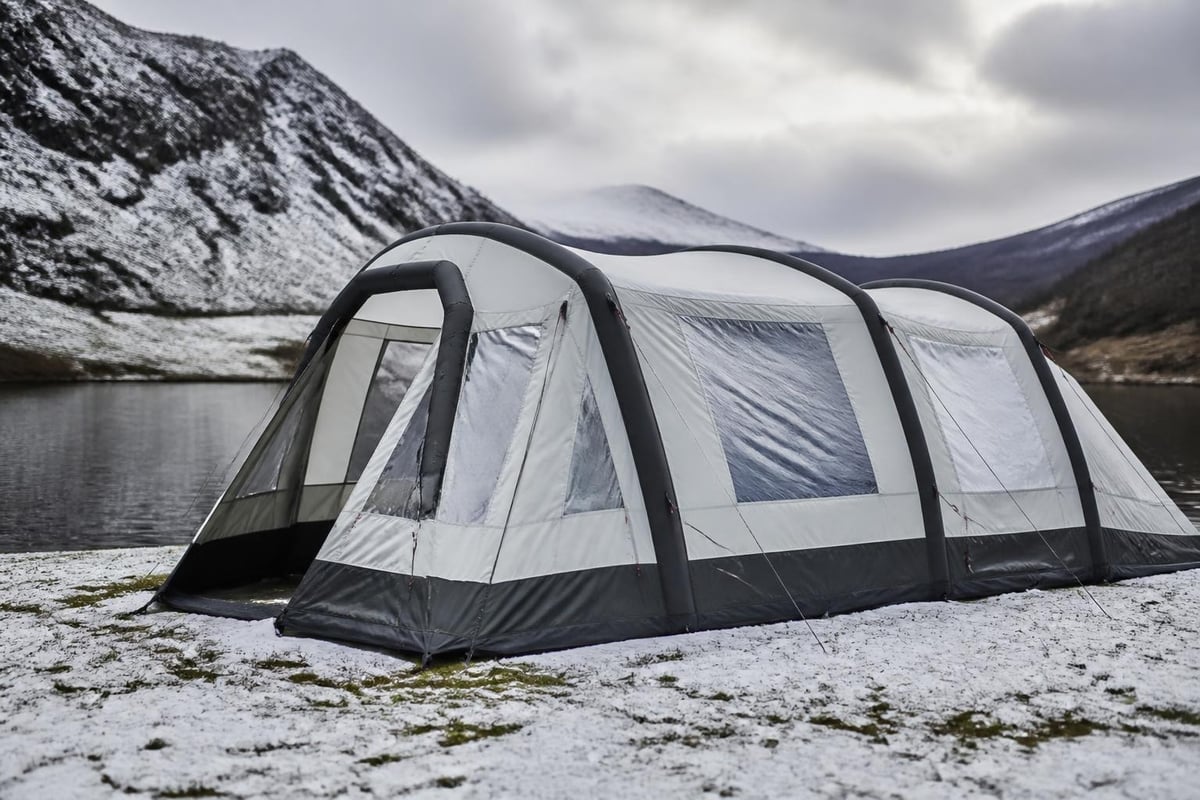
Inflatable tents, also known as air tents, represent a significant shift in camping shelter design. Instead of traditional poles, these structures rely on inflatable beams or tubes that create a sturdy framework when pressurized with air. The basic mechanics of inflatable tents demonstrate how this innovation simplifies the camping experience while maintaining structural integrity.
The core component of any cheap inflatable tent is its air beam system. These pressurized tubes replace conventional tent poles, creating a framework that supports the tent fabric. Most budget models use single-skin or double-skin air beams with one-way valves that maintain pressure once inflated.
Key components include:
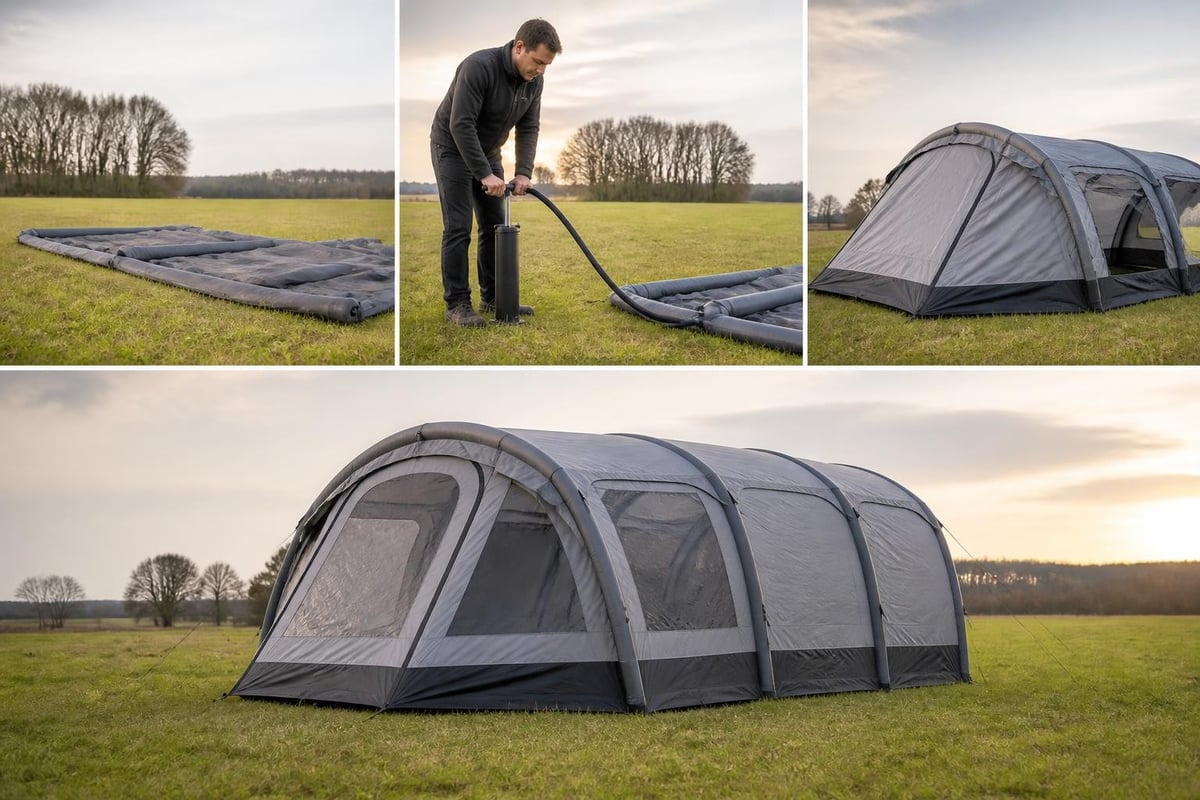
The inflation process typically takes three to ten minutes, depending on tent size and pump type. Budget models usually come with manual pumps, while premium versions may include battery-powered alternatives.
A cheap inflatable tent uses cost-effective materials while maintaining adequate weather resistance. Most affordable options feature polyester fabric with polyurethane coating, offering waterproof ratings between 2000mm and 3000mm hydrostatic head. This specification indicates moderate rain protection suitable for fair-weather camping.
| Material Component | Budget Option | Performance Rating |
|---|---|---|
| Tent Fabric | 190T Polyester | Good for light rain |
| Air Beams | PVC Construction | Adequate durability |
| Groundsheet | PE or Basic Polyester | Moisture resistant |
| Waterproof Coating | PU 2000-3000mm | Fair weather protection |
Cost-conscious campers benefit from several practical advantages when selecting a cheap inflatable tent. The primary appeal lies in the combination of easy setup and reduced physical complexity compared to traditional pole structures.
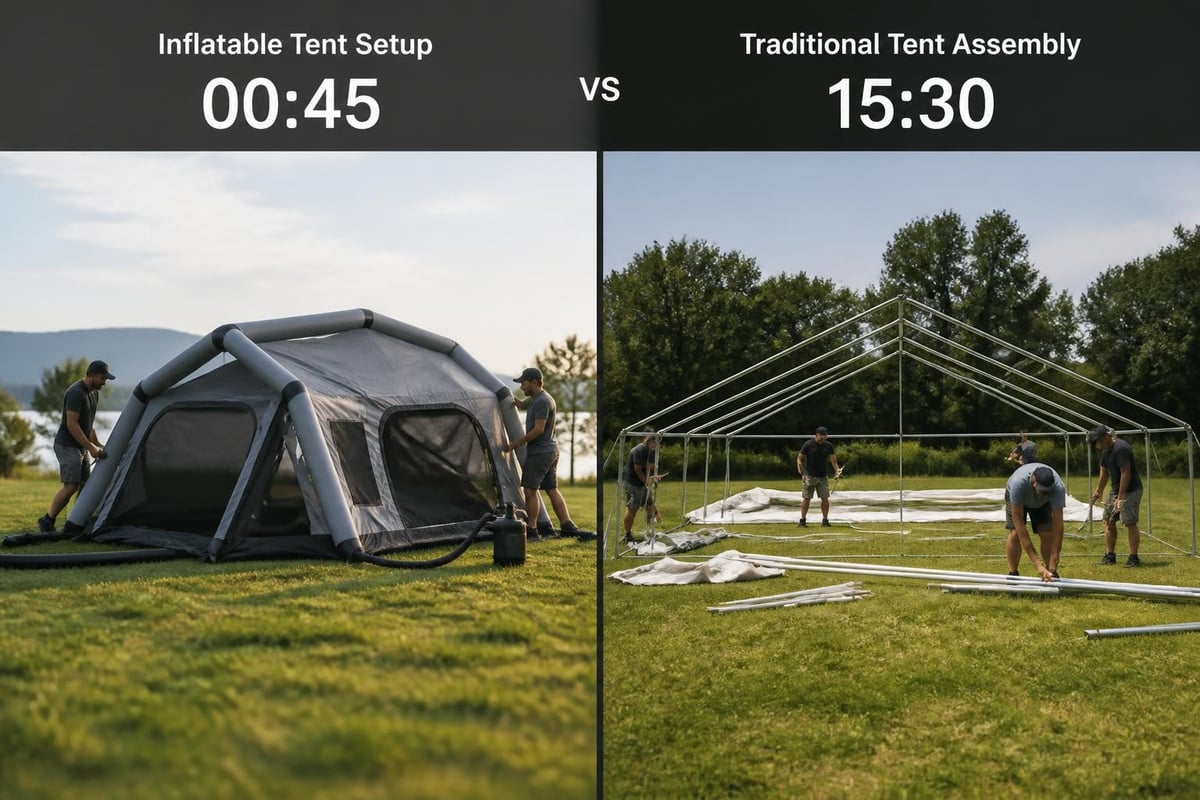
Time savings represent one of the most compelling reasons to choose inflatable options. Even budget models typically erect in under ten minutes, allowing campers to establish shelter quickly after arrival. This efficiency proves particularly valuable during unexpected weather changes or late arrivals at campsites.
The simplicity extends to takedown as well. Deflating the beams, folding the fabric, and packing everything away requires minimal effort and coordination. Solo travelers and families with young children appreciate this streamlined process.
While not as ultralight as backpacking tents, a cheap inflatable tent often weighs less than comparable traditional canvas options. The absence of metal or fiberglass poles eliminates several pounds from the overall pack weight. For car camping scenarios, this translates to easier transportation and handling.
Transportation advantages:
Budget-friendly models make inflatable tent technology accessible to casual campers who might otherwise invest in traditional structures. Prices for a cheap inflatable tent typically start around $150 to $300 for small family sizes, compared to $400 or more for premium air tent models.
This affordability allows campers to experience the convenience of inflatable systems without significant financial commitment. Those exploring inflatable tents near me often find that local retailers stock budget options alongside premium brands.
Several disadvantages accompany inflatable tent designs, particularly in more affordable price ranges. Understanding these limitations helps set realistic expectations and prepare for potential issues.
The most significant concern with any cheap inflatable tent involves puncture risk. Sharp objects, rough terrain, and accidental impacts can compromise air beam integrity. Budget models may use thinner PVC materials that prove more susceptible to damage than reinforced alternatives.
Carrying a repair kit becomes essential equipment for any inflatable tent user. Most manufacturers include basic patch materials, but additional backup supplies provide peace of mind during extended trips.
Air pressure fluctuates with temperature changes, affecting tent stability. Cold overnight temperatures cause air contraction, potentially reducing beam firmness. Conversely, direct sunlight and heat expansion can over-pressurize beams if not monitored.
Budget inflatable tents may lack sophisticated pressure regulation systems found in higher-end models. Campers must manually adjust air pressure to compensate for environmental conditions.
While adequate for moderate conditions, inflatable tents face challenges in severe weather scenarios. Strong winds can stress air beams differently than rigid poles, and budget models may not include reinforced anchoring systems needed for storm resistance.
| Weather Condition | Budget Model Performance | Recommended Action |
|---|---|---|
| Light Rain | Good (with proper coating) | Standard setup |
| Moderate Wind | Fair (requires secure guying) | Extra stakes needed |
| Heavy Rain | Variable (depends on seam quality) | Check seam sealing |
| Strong Winds | Limited (structural concerns) | Seek alternative shelter |
Making an informed purchase requires evaluating specific features and understanding how they align with intended camping activities. Comprehensive buying guides offer detailed selection criteria, but several key factors apply specifically to budget options.
A cheap inflatable tent should accommodate your typical camping group comfortably while remaining manageable for transport and setup. Manufacturers rate capacity by the number of sleeping adults, but actual usable space varies significantly.
Space planning tips:
Budget models typically serve three-season camping in mild to moderate climates. Four-season or winter-rated inflatable tents exist but generally exceed budget price ranges due to specialized materials and construction.
Understanding your primary camping season helps match tent specifications to actual needs. A cheap inflatable tent designed for summer use may lack the insulation and reinforcement necessary for spring or fall conditions in cooler regions.
When working within budget constraints, certain features deliver more value than others. Focus on fundamentals that directly impact comfort and reliability rather than convenience extras.
Some budget manufacturers cut costs by omitting included accessories. Factor in the need for stakes, guy lines, and a pump when comparing overall value between models.
Proper setup techniques and regular maintenance extend the lifespan of any cheap inflatable tent while ensuring reliable performance. These practices prove especially important for budget models that may use less durable materials.
Following systematic setup procedures prevents common mistakes that compromise tent stability or damage components. Clear the campsite of sharp debris before laying out the tent footprint.
The inflation process requires attention to even pressure distribution across all beams. Over-inflation stresses seams and connection points, while under-inflation reduces structural stability.
A cheap inflatable tent demands consistent care to maintain waterproofing and structural integrity. Post-trip maintenance prevents small issues from developing into major failures.
After each camping trip:
Fabric care proves particularly important for budget models. UV exposure degrades waterproof coatings over time, so avoid prolonged sun exposure when possible and use a shade tarp for extended setups.
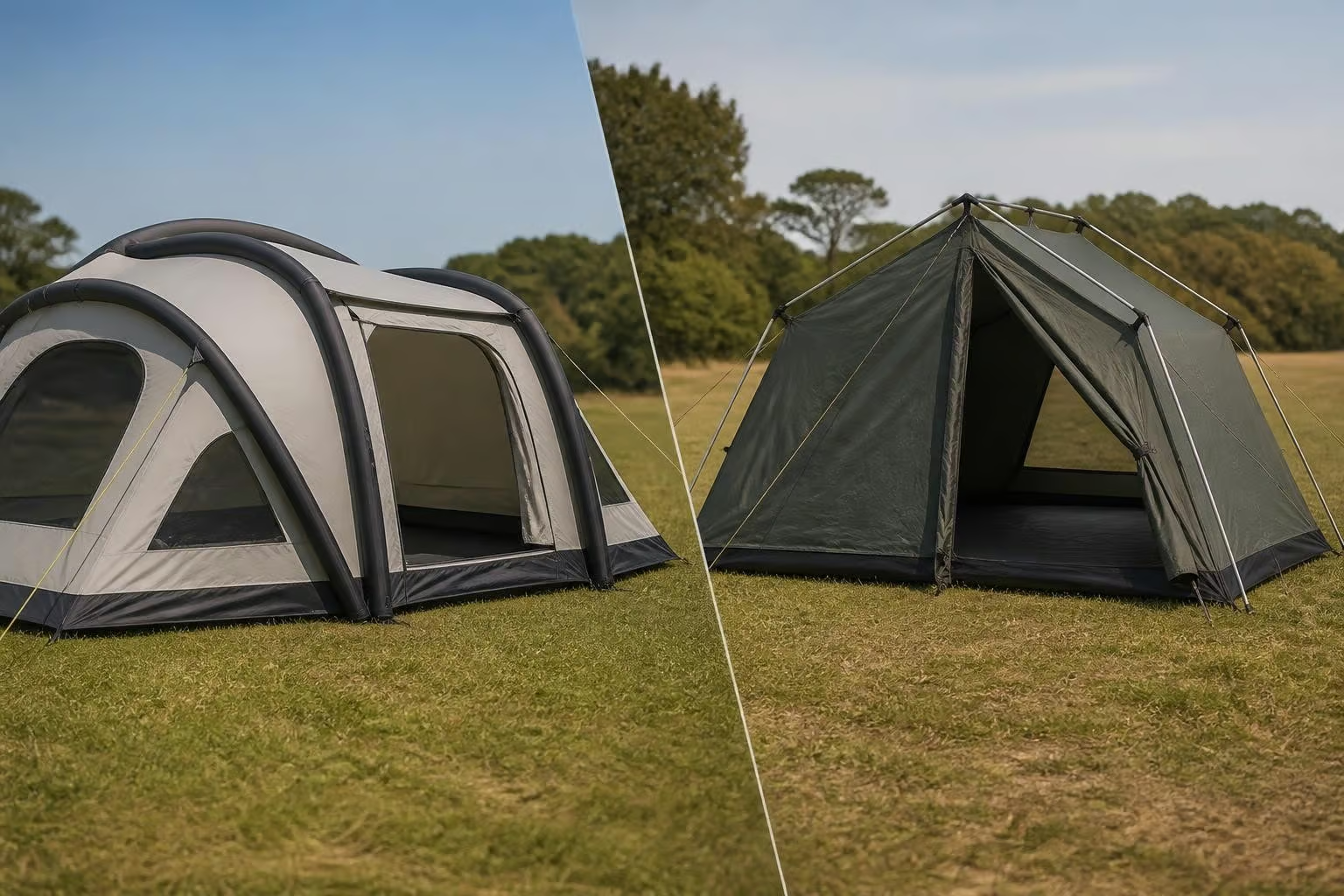
The debate between inflatable and standard tent designs highlights distinct advantages for each approach. Understanding these differences helps campers determine whether a cheap inflatable tent suits their specific needs better than conventional alternatives.
Inflatable models consistently win on setup time, even when comparing budget options. A cheap inflatable tent typically erects in five to ten minutes with one person, while traditional family tents of similar size may require fifteen to thirty minutes and benefit from multiple helpers.
This time advantage compounds during adverse weather conditions when quick shelter establishment becomes critical. The simplified process also reduces frustration for inexperienced campers or families with restless children.
Traditional pole tents generally offer superior long-term durability, especially when comparing budget price points. Quality canvas or nylon tents with aluminum poles can provide decades of service with proper care, while a cheap inflatable tent may last three to seven years depending on usage intensity.
| Factor | Budget Inflatable | Traditional Pole | Winner |
|---|---|---|---|
| Setup Time | 5-10 minutes | 15-30 minutes | Inflatable |
| Weight | 8-15 lbs | 12-20 lbs | Inflatable |
| Lifespan | 3-7 years | 10-20 years | Traditional |
| Repair Complexity | Moderate (patch required) | Low (pole replacement) | Traditional |
| Storm Performance | Fair to Good | Good to Excellent | Traditional |
| Solo Setup Ease | Excellent | Difficult | Inflatable |
The choice ultimately depends on camping frequency and priorities. Weekend campers seeking convenience may prefer inflatable options, while dedicated outdoor enthusiasts investing in long-term equipment often select traditional designs.
Several accessories and techniques improve the performance and comfort of a cheap inflatable tent without significant additional investment. These enhancements address common budget model limitations.
Basic accessories transform adequate shelter into comfortable outdoor accommodation. Prioritize items that address specific weaknesses in budget inflatable designs.
Essential upgrades:
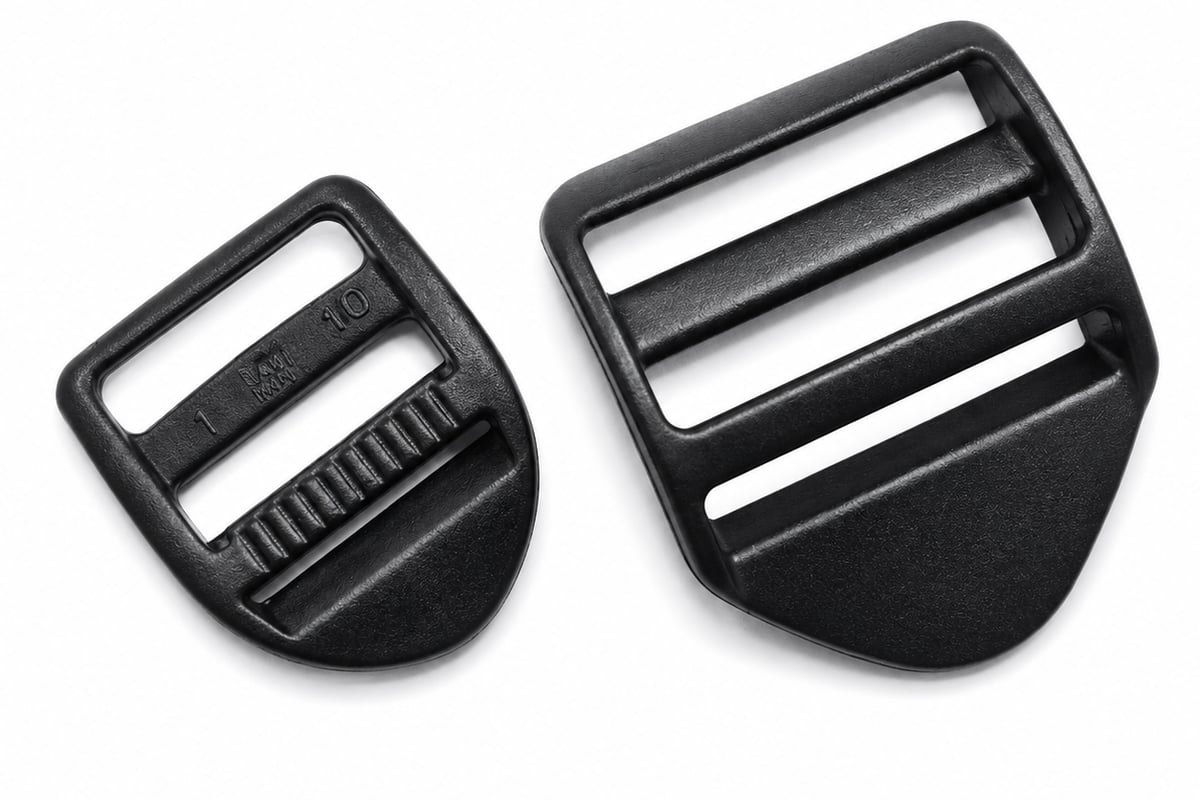
Strategic hardware choices significantly impact tent security. Heavy-duty stakes work better in various soil types than basic plastic options often included with budget tents. For securing important outdoor equipment, components like the Ladder Lock Buckle Plastic 25mm 38mm for Adjustable Straps offer reliable adjustment mechanisms that maintain tension on guy lines and equipment straps effectively.
Choosing the right campsite location compensates for some budget tent limitations. Thoughtful positioning reduces exposure to weather extremes and potential damage sources.
Look for naturally sheltered areas protected from prevailing winds but with adequate air circulation to minimize condensation. Avoid low spots where water pools during rain, and clear the tent footprint area of rocks, sticks, and other puncture hazards before setup.
A cheap inflatable tent serves some camping styles better than others. Matching tent capabilities to activity type ensures satisfaction and appropriate performance expectations.
Budget inflatable models excel in family car camping scenarios where convenience and quick setup outweigh extreme durability requirements. The easy inflation process allows parents to establish shelter quickly while managing children and gear.
Most families camp in developed campgrounds with level sites and nearby facilities, conditions that suit budget tent capabilities. The moderate weather protection typical of affordable models proves adequate for fair-weather family outings.
Short-duration events benefit from the rapid setup and takedown inflatable tents provide. Reviews of budget-friendly inflatable tents demonstrate adequate performance for festival camping where shelter serves primarily as sleeping quarters rather than extended living space.
The reduced setup complexity proves valuable when arriving at crowded festival sites with limited space and time. However, security becomes important as the ease of deflation also means easier theft if tents are left unattended.
Casual weekend campers represent the ideal market for a cheap inflatable tent. The balance of convenience, adequate weather protection, and affordable pricing aligns well with occasional outdoor activities that don't demand expedition-grade equipment.
Ideal use scenarios:
Setting realistic expectations based on actual field performance prevents disappointment and helps campers prepare appropriately. Budget inflatable tents deliver specific benefits but require understanding of their operational boundaries.
Most affordable inflatable models handle light to moderate rain effectively, provided seams are properly sealed and the waterproof coating remains intact. Extended downpours may reveal weaknesses in budget construction, particularly at seam junctions and zipper interfaces.
Wind resistance varies significantly between models and setup configurations. Proper staking and guy line tension become critical in breezy conditions. Wind speeds exceeding 25-30 mph test the limits of most budget designs, though the best inflatable tents include reinforced designs that perform better.
With appropriate care, a cheap inflatable tent provides three to five years of regular seasonal use. Factors affecting lifespan include storage conditions, setup frequency, weather exposure intensity, and maintenance consistency.
UV degradation represents the primary aging factor for inflatable tent materials. Prolonged sun exposure weakens both fabric and air beam materials, eventually leading to leaks or fabric deterioration. Minimizing direct sunlight exposure during storage and using shade protection during extended setups preserves material integrity.
Knowing how to execute field repairs extends camping trips when minor damage occurs. Most punctures in air beams can be temporarily patched using included repair kits, though permanent fixes often require specialized adhesives and techniques.
Field repair essentials:
Carrying backup materials beyond the included kit provides insurance against multiple failures. Additional patches, strong tape, and extra adhesive weigh little but offer significant peace of mind during remote trips.
When ready to invest in a cheap inflatable tent, several purchasing strategies maximize value and reduce the risk of buyer's remorse. Thorough research and comparison shopping identify the best options within budget constraints.
Multiple retail channels offer inflatable tents at various price points. Local outdoor retailers allow hands-on inspection but may carry limited budget options. Online marketplaces provide extensive selection and competitive pricing, though purchasing sight-unseen carries some risk.
Exploring options from established outdoor equipment specialists like Ejenti Outdoor ensures access to quality camping solutions backed by knowledgeable support. While they specialize in traditional canvas tents and outdoor equipment, their expertise in durable outdoor shelters provides valuable perspective on construction quality and material selection.
Before committing to purchase, systematically evaluate each prospective tent against objective criteria. Create a comparison spreadsheet to track specifications across multiple models.
When determining total budget, account for necessary accessories beyond the base tent price. A $200 cheap inflatable tent may require another $50-100 in stakes, guy lines, footprint, and backup repair supplies to achieve adequate performance.
| Item Category | Budget Allocation | Priority Level |
|---|---|---|
| Base Tent | 60-70% | Essential |
| Quality Footprint | 10-15% | High |
| Additional Stakes/Guy Lines | 5-10% | High |
| Battery Pump | 10-15% | Medium |
| Extended Repair Kit | 5% | Medium |
A cheap inflatable tent offers practical advantages for recreational campers seeking convenience and quick setup without premium pricing. Understanding the capabilities and limitations of budget models ensures appropriate selection and realistic performance expectations. Whether you're equipping your family for weekend campground adventures or seeking efficient festival shelter, the right inflatable tent delivers reliable service when matched to appropriate use cases. Ejenti Outdoor provides expert guidance on durable outdoor shelters and camping solutions designed for South African conditions, helping you make informed decisions that balance quality, performance, and budget considerations for your outdoor adventures.