
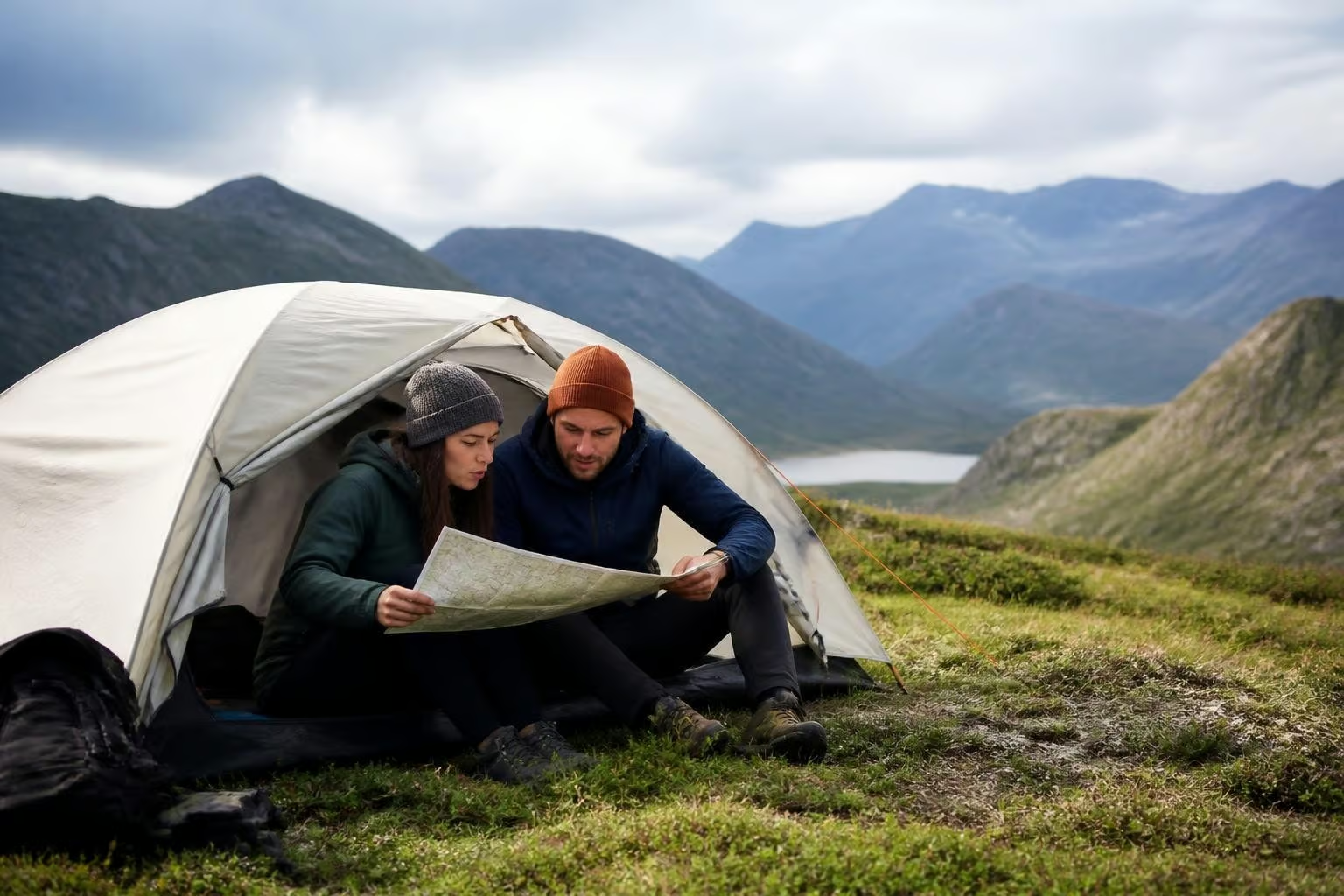
Choosing the right tent for two persons transforms a camping trip from a cramped, uncomfortable experience into a memorable outdoor adventure. Whether you're planning a weekend getaway in the Kruger National Park or a multi-day hiking expedition through the Drakensberg, your shelter choice directly impacts comfort, safety, and enjoyment. A quality two-person tent balances weight, weather protection, interior space, and durability to meet the specific demands of your outdoor activities.
The tent for two persons market spans several distinct categories, each designed for different use cases and environments. Understanding these categories helps you match a tent to your specific outdoor needs.
Backpacking tents prioritize weight savings and pack size above all else. These shelters typically weigh between 1.5 and 3 kilograms and compress into a compact bundle that fits easily into a hiking pack. The lightweight design comes with trade-offs: less interior space, thinner fabrics, and sometimes more complex setup procedures.
Key characteristics include:
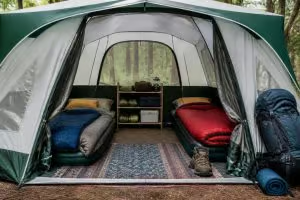
Car camping tents offer maximum comfort because weight isn't a constraint. These models feature taller peak heights, more floor space, and sturdier construction. A tent for two persons in this category might weigh 5-8 kilograms but provide standing room and space for gear storage.
According to research from the Outdoor Industry Association, car camping remains the most popular camping style, with 72% of campers preferring drive-up sites in 2025-2026.
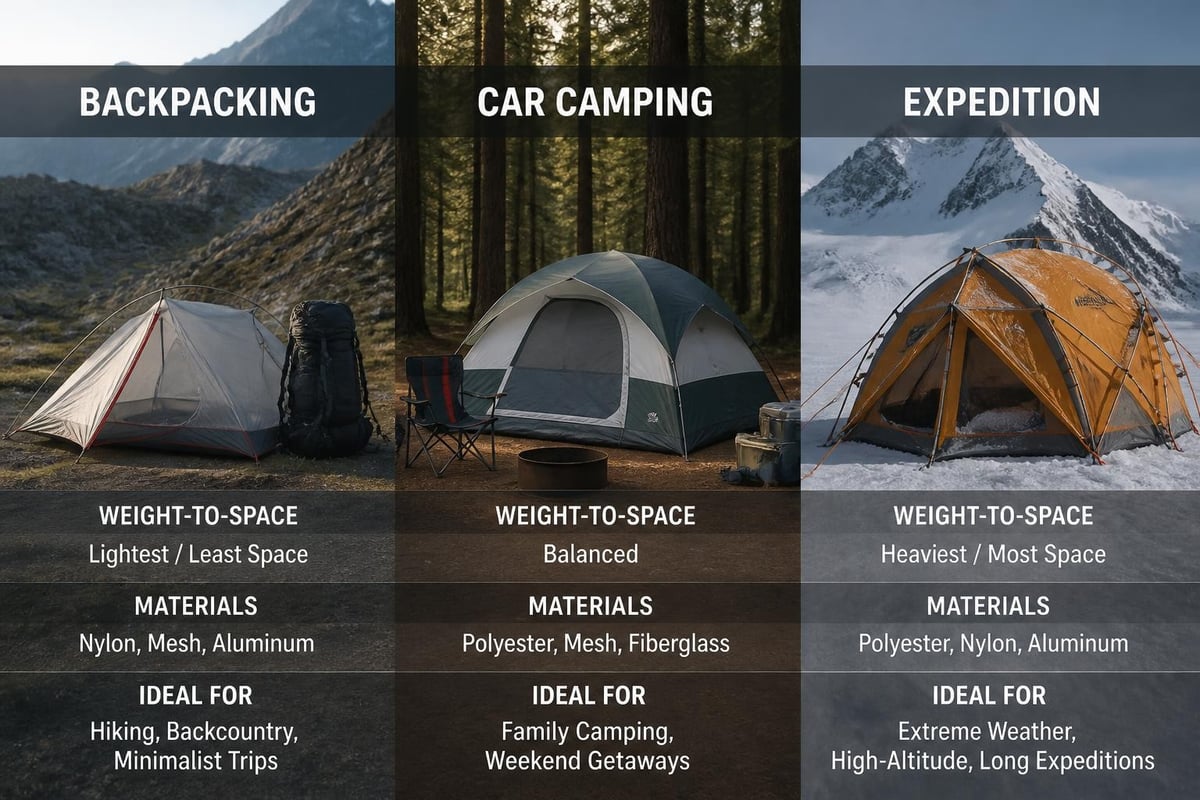
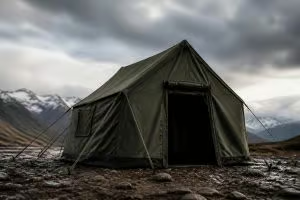
Four-season tents handle extreme weather including heavy snow, high winds, and sustained storms. These robust shelters feature reinforced poles, fewer mesh panels, and designs that shed snow accumulation. While heavier and more expensive, they're essential for mountaineering and winter camping.
| Tent Category | Typical Weight | Best Use | Price Range (ZAR) |
|---|---|---|---|
| Ultralight Backpacking | 1-2 kg | Multi-day hiking | R4,500-R12,000 |
| Standard Backpacking | 2-3.5 kg | Weekend trips | R2,500-R7,000 |
| Car Camping | 5-8 kg | Drive-up sites | R1,800-R5,000 |
| Four-Season | 3-5 kg | Winter/mountains | R6,000-R15,000 |
Several fundamental features separate an exceptional tent for two persons from a mediocre one. Evaluating these characteristics helps you identify quality construction and appropriate specifications.
Floor area directly affects comfort. Most two-person tents measure between 2.1-2.4 meters in length and 1.2-1.5 meters in width. However, these dimensions can be deceiving. Tapered designs save weight but reduce usable space, especially at the feet.
Practical considerations:
Effective weather protection relies on multiple systems working together. The rainfly should provide complete coverage with minimal exposed mesh during storms. Hydrostatic head ratings measure waterproofing: 1,500mm handles light rain, while 3,000mm or higher withstands heavy downpours.
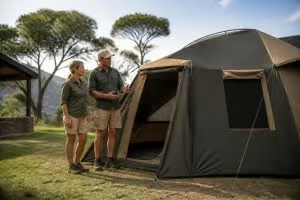
Canvas tents, like the Premium Heavy-Duty Canvas Dome Tent, offer superior breathability and natural water resistance that improves over time as the fibers swell when wet. This design particularly suits the variable conditions found throughout South African camping destinations.
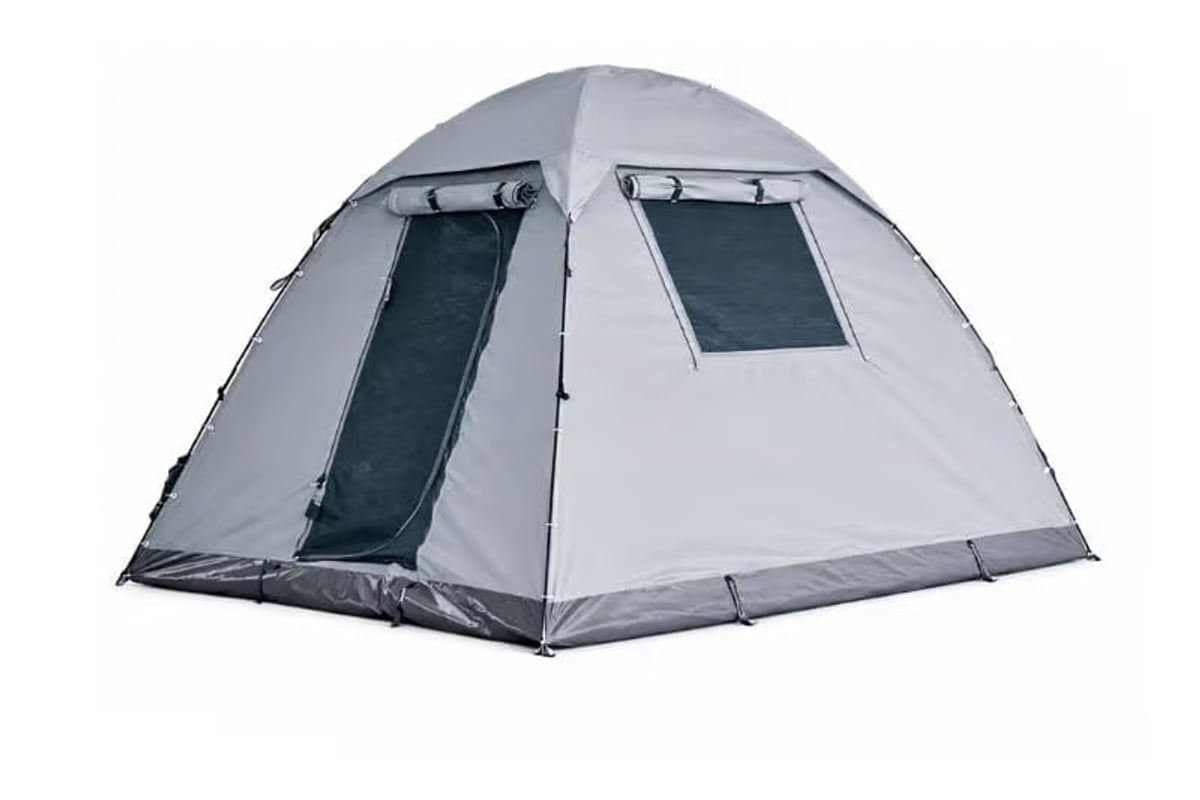
Human respiration produces approximately 1 liter of water vapor per person per night. Without adequate ventilation, this moisture condenses on tent walls, dripping back onto occupants and gear. Quality tents address this through multiple vents, mesh panels, and thoughtful rainfly design.
Technical research on textile shelters demonstrates that double-wall tent designs with adjustable vents significantly reduce condensation compared to single-wall alternatives, especially in humid conditions.
The fabrics and construction methods used in a tent for two persons determine its longevity, weight, and performance across different conditions.
Nylon dominates the lightweight tent market due to its excellent strength-to-weight ratio. Ripstop weaves incorporate reinforcement threads that prevent tears from spreading. Denier (D) ratings indicate thread thickness: 20D is ultralight but delicate, while 70D offers better puncture resistance.
Polyester resists UV degradation better than nylon and doesn't stretch when wet, maintaining taut pitches in rain. It's slightly heavier but often more durable for long-term use.
Canvas provides exceptional breathability and durability. The natural fiber regulates temperature effectively and develops a weathered character over years of use. While heavier, canvas suits safari camps and semi-permanent setups where weight isn't critical.
Tent poles create the structural skeleton that determines stability and interior volume. Aluminum alloy poles (typically 7000-series or DAC Featherlite) offer the best balance of strength, flexibility, and weight. Pole diameter affects strength: 8.5mm poles suit lightweight designs, while 11mm or thicker handles extreme conditions.
Pole configurations:
Proper setup maximizes your tent's performance and lifespan while ensuring a comfortable night's sleep. The process begins before you even arrive at your campsite.
The National Park Service provides detailed guidance on finding and setting up a campsite, emphasizing level ground, drainage, and distance from water sources. When pitching a tent for two persons, look for naturally level areas that minimize the need for clearing vegetation.
Avoid depressions where water collects during rain. Position your tent with the door facing away from prevailing winds, and check overhead for dead branches ("widowmakers") that could fall during storms.
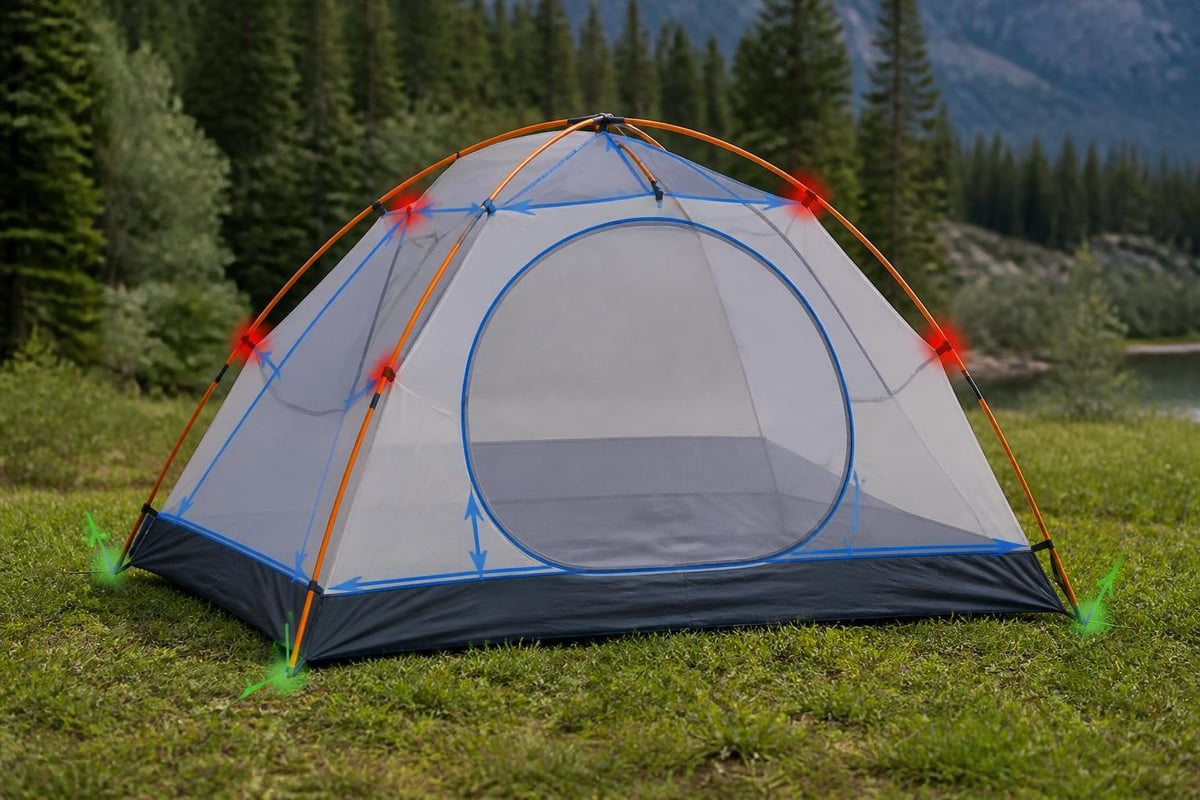
Proper staking creates a taut pitch that sheds wind and rain effectively while minimizing fabric flapping and pole stress. Start by staking out all four corners before inserting poles. This prevents the tent from shifting during assembly.
Optimal stake angles and techniques:
A groundsheet or footprint extends tent floor life by protecting against abrasion, punctures, and ground moisture. The footprint should be slightly smaller than the tent floor to prevent water from pooling between the two layers during rain.
South Africa's diverse climate zones demand specific tent considerations. From coastal humidity to highveld thunderstorms and Karoo temperature extremes, your tent for two persons must handle varied conditions.
Summer afternoons bring intense thunderstorms with lightning, heavy rain, and occasional hail. Tents for this region need robust waterproofing, secure stake-out systems, and adequate ventilation for hot, humid nights.
Regional requirements:
Coastal camping involves salt air, persistent wind, and high humidity. Canvas performs exceptionally well in these conditions, naturally regulating moisture while resisting mildew better than expected. Synthetic tents need maximum ventilation to combat condensation.
The Drakensberg and other mountain regions experience rapid weather changes, including snow at higher elevations year-round. A four-season tent for two persons becomes essential above 2,500 meters, especially for winter expeditions.
The American Alpine Club offers mentorship resources that include shelter selection guidance for alpine conditions, emphasizing the importance of structural integrity and snow-shedding designs.
For backpacking trips, how you carry your tent matters as much as what you carry. Smart weight distribution reduces fatigue and improves comfort on multi-day treks.
A tent for two persons naturally divides into components: tent body, poles, stakes, and rainfly. Distribute these between hiking partners to balance pack weight. Typically, one person carries the tent body and rainfly (the heavier portion), while the other takes poles and stakes.
| Component | Typical Weight | Assignment Strategy |
|---|---|---|
| Tent body + rainfly | 1.2-2.5 kg | Stronger or taller hiker |
| Poles | 0.4-0.8 kg | Second hiker |
| Stakes + guy lines | 0.2-0.4 kg | Second hiker |
| Footprint | 0.2-0.3 kg | Either (optional item) |
Position the tent body and rainfly vertically inside your pack, creating a frame sheet against your back. This improves load transfer and stability. Place poles either vertically inside the pack or strapped externally along the side, depending on pack design and pole length.
Proper maintenance extends the functional life of your tent for two persons from a few seasons to potentially decades, depending on construction quality and material type.
Never store a tent while damp or dirty. Mold and mildew damage fabric coatings and create persistent odors. After each trip, pitch the tent in a shaded area to air dry completely. Clean dirt and debris with a soft brush and lukewarm water.
Storage best practices:
Factory seam sealing degrades over time. Inspect seams annually and reapply seam sealer where the coating has cracked or peeled. Tent floor coatings also wear with use. When water stops beading on the floor, apply a urethane coating to restore waterproofing.
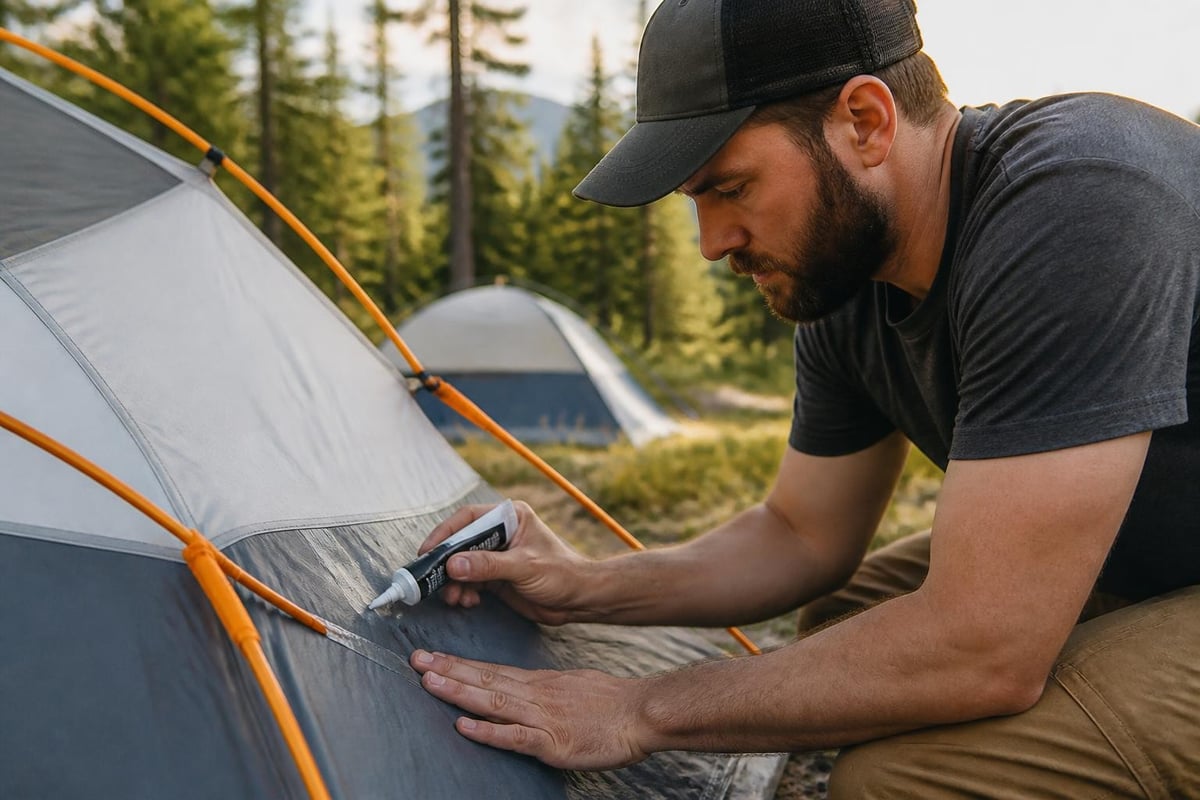
Carry a basic repair kit including:
Small tears repaired promptly don't expand into major failures. Address any damage before your next trip rather than risking catastrophic failure in the field.
Consumer Reports uses rigorous testing protocols when evaluating camping gear, including controlled water spray tests, wind resistance simulations, and setup time measurements. Understanding these methods helps you evaluate manufacturer claims critically.
Before committing to a specific tent for two persons for extended trips or expeditions, conduct real-world testing in controlled environments. Set up the tent in your backyard during a rainstorm to check for leaks and ventilation performance. Pitch it in wind to verify stake-out adequacy and structural stability.
Marketing specifications don't always translate to real-world performance. A tent claiming 2.5 square meters of floor space might feel cramped if that measurement includes unusable tapered areas. Whenever possible, set up display models or borrow from friends to assess actual interior volume and livability.
Your tent serves as primary shelter during emergencies, making safety features and preparation essential components of trip planning.
The NPS camping safety guidance emphasizes trip planning and weather awareness. Download offline maps and weather forecasts before entering areas with limited connectivity. Select a tent for two persons with appropriate weather ratings for the worst conditions you might reasonably encounter, not just expected weather.
During thunderstorms, tents provide no lightning protection. Avoid camping on hilltops, ridgelines, or near isolated tall trees. If caught in a storm, stay inside your tent (it's safer than standing outside), but recognize that the tent itself offers no electrical protection.
Carry an emergency bivy or space blanket as backup shelter, especially on extended trips. This redundancy proves invaluable if your primary shelter fails or you need to split up for emergency evacuation.
A tent for two persons performs differently across seasons, requiring strategic adjustments to maintain comfort in varying temperatures.
Hot weather camping prioritizes ventilation over insulation. Open all mesh panels and vents to maximize airflow. Position the tent in shade during setup hours, even if this means moving it once shadows shift. Leave the rainfly partially open if weather permits, or remove it entirely for maximum airflow during clear, hot nights.
Cold weather camping requires the opposite approach. Minimize mesh openings to retain heat, though you still need some ventilation to prevent condensation. Four-season tents include fabric panels instead of mesh to trap warmth while still providing essential ventilation points.
Cold weather considerations:
Spring and autumn camping encounters the widest temperature swings, sometimes 25+ degrees Celsius between afternoon and predawn hours. Three-season tents for two persons handle these conditions well, offering adjustable ventilation that adapts as temperatures change throughout the day and night.
Moisture inside your tent comes from three sources: ground moisture, weather precipitation, and human respiration. Managing all three requires understanding the physics involved.
University research on practical shelter design quantifies human respiration moisture output and its impact on tent interior humidity. Each person exhales approximately 40 grams of water vapor per hour while sleeping, creating significant condensation potential in sealed environments.
Moisture rises from soil through vapor diffusion, especially in humid climates or after rain. A quality footprint with waterproof coating blocks this moisture pathway. Ensure your tent floor has a hydrostatic head rating of at least 3,000mm to prevent ground moisture penetration under body weight pressure points.
Effective ventilation removes moisture-laden air before it condenses. Position intake vents low (near the floor) and exhaust vents high (at the peak), creating convection-driven airflow. Even in rain, partially opening vents prevents condensation buildup without allowing significant water entry when the rainfly is properly positioned.
Tent for two persons pricing spans from under R1,000 for basic models to over R15,000 for premium ultralight or expedition-grade shelters. Understanding what drives these price differences helps you identify genuine value.
Materials quality creates the largest price variations. Premium fabrics like DCF (Dyneema Composite Fabric) cost significantly more than standard polyester but save substantial weight. Similarly, high-end aluminum alloys and specialized coatings increase both performance and cost.
Construction techniques also affect pricing. No-see-um mesh, reinforced stress points, and advanced waterproof coatings require more manufacturing steps and quality control.
A R8,000 tent that lasts 15 years costs less per trip than a R2,500 tent that fails after three seasons. Factor in replacement frequency when evaluating true value. Canvas tents from Ejenti Outdoor exemplify this principle, offering decades of service with proper care despite higher initial investment than synthetic alternatives.
Total cost calculation should include:
Certain outdoor activities impose unique demands on tent selection beyond general camping considerations.
Bike camping requires compact pack size and reasonable weight (typically under 3kg for touring cyclists). Look for a tent for two persons with compression-friendly packing that fits panniers or handlebar bags. Quick setup becomes more important when you're tired from a full day of riding.
Paddling trips prioritize waterproof stuff sacks and moderate weight. Since you're not carrying the tent on your back, you can accept heavier construction in exchange for better durability and comfort. Extended vestibules for wet gear storage prove especially valuable after paddling in rain.
Festival camping emphasizes durability in high-traffic environments, security features, and pack size for travel to venues. Weather protection matters less than theft deterrence and ability to withstand inadvertent damage from neighboring campers. Consider locking zippers and high-visibility colors for easy identification.
Selecting the ideal tent for two persons requires balancing weight, durability, weather protection, and budget against your specific outdoor activities and environments. By understanding material properties, construction techniques, and maintenance requirements, you can identify a shelter that serves reliably for years of adventures. Whether you need a lightweight backpacking shelter or a robust canvas basecamp, Ejenti Outdoor offers expertly crafted tents designed specifically for South African conditions, backed by local manufacturing expertise and materials proven in our demanding climate.