
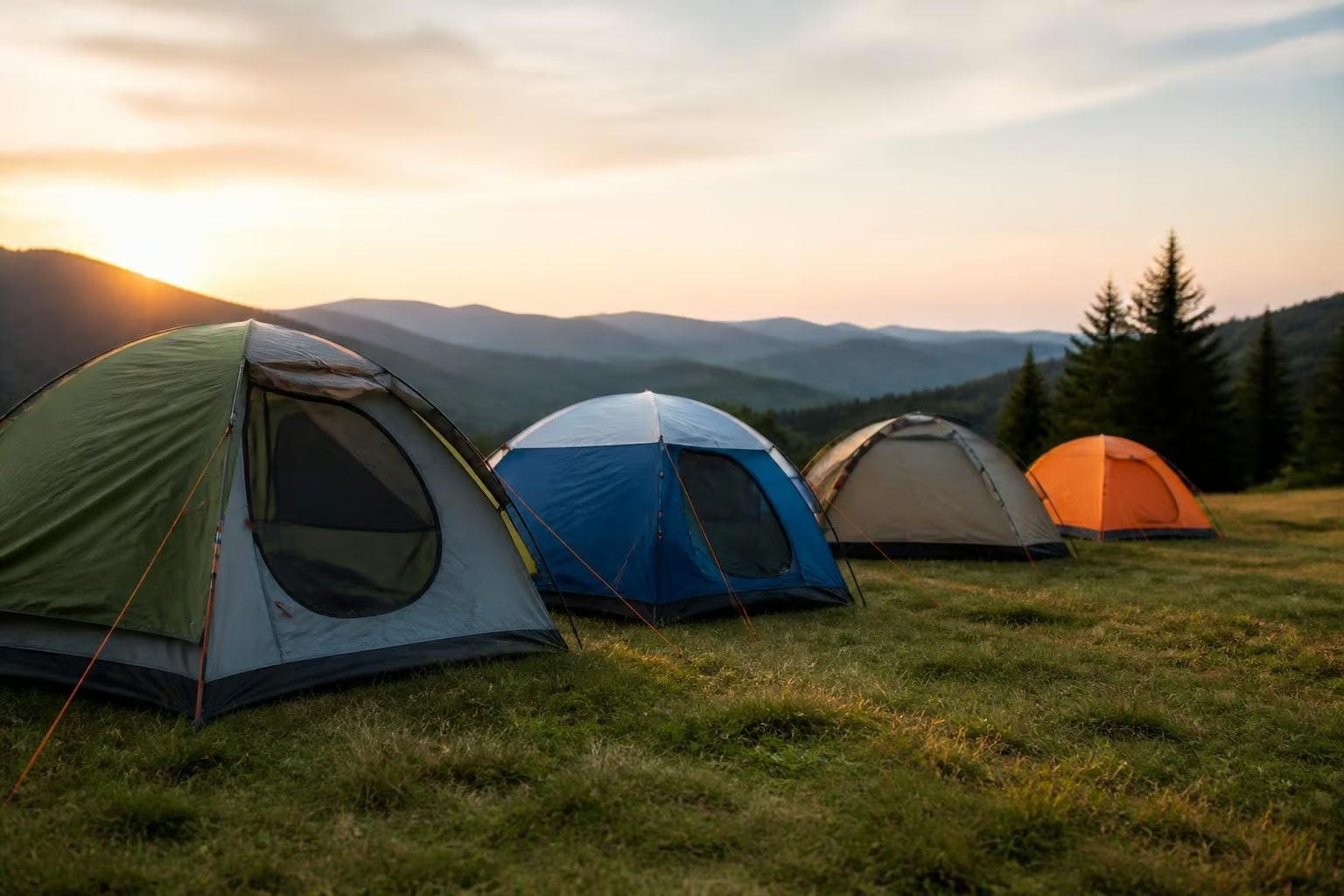
Choosing the best outdoor tent transforms your camping experience from uncomfortable to unforgettable. Whether you're planning a weekend family trip, an extended safari adventure, or a backcountry expedition, the right shelter provides protection, comfort, and peace of mind. With hundreds of models available in 2026, understanding what separates excellent tents from mediocre ones helps you invest wisely in gear that performs when conditions turn challenging.
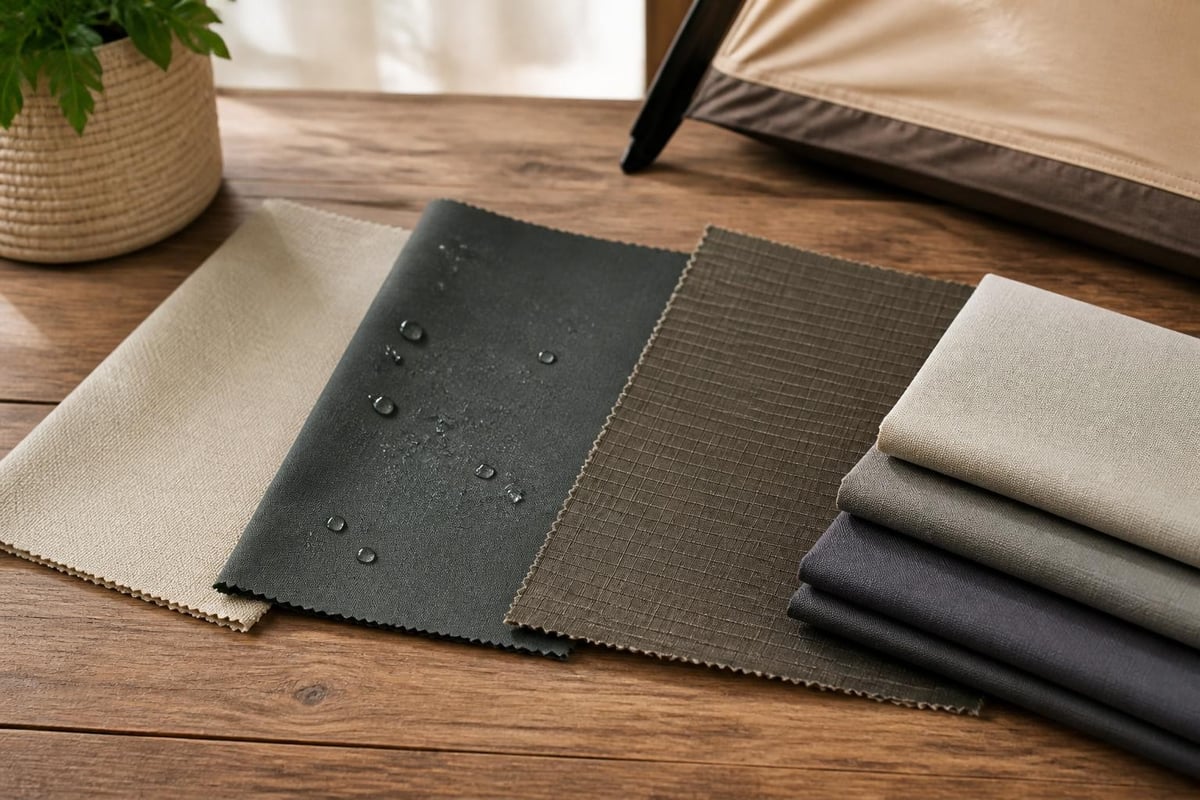
The foundation of any best outdoor tent lies in its construction and fabric choice. Modern tents use various materials, each offering distinct advantages depending on your intended use and climate.
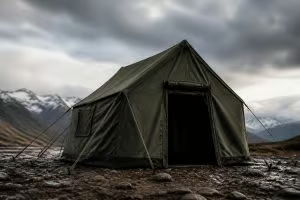
Canvas tents have experienced a resurgence in popularity due to their breathability and durability. These natural fiber shelters regulate temperature effectively, staying cooler in summer heat and warmer during cold nights. The ripstop canvas fabric commonly used in premium models resists tearing and handles UV exposure better than many synthetics.
Key advantages of canvas construction:
Synthetic fabrics like polyester and nylon offer different benefits. They're lightweight, quick-drying, and typically more affordable. Many manufacturers now incorporate bluesign® approved materials that meet rigorous environmental and safety standards in textile production.
The best outdoor tent requires a robust frame system that withstands wind, rain, and prolonged use. Galvanized steel frames offer exceptional strength for base-camp setups, while aluminum poles reduce pack weight for mobile camping.
| Frame Type | Weight | Durability | Best For |
|---|---|---|---|
| Galvanized Steel | Heavy | Excellent | Safari camps, extended stays |
| Aluminum Alloy | Light | Very Good | Backpacking, frequent moves |
| Fiberglass | Very Light | Fair | Casual weekend camping |
| Carbon Fiber | Ultra Light | Good | Premium backpacking |
Dome, tunnel, and cabin designs each distribute stress differently across the frame. Dome tents shed wind and snow efficiently. Tunnel designs maximize interior space for minimal weight. Cabin-style tents provide vertical walls and headroom for family comfort.
Protection from the elements defines tent performance in real-world conditions. The best outdoor tent incorporates multiple layers of weather defense that work together as an integrated system.
Fabric waterproofing uses hydrostatic head measurements expressed in millimeters. A rating of 1,500mm handles light rain, while 3,000mm or higher withstands heavy downpours. Premium tents often feature 5,000mm-rated floors for puddle and groundwater protection.
Polyurethane (PU) and silicone coatings each offer distinct characteristics. PU coatings provide excellent waterproofing at lower cost but degrade faster under UV exposure. Silicone treatments increase tear strength and UV resistance while maintaining flexibility in cold weather.
Essential waterproofing features:
Wind resistance separates adequate tents from exceptional ones. The best outdoor tent includes multiple guy-out points allowing you to stake the shelter firmly against gusts. Aerodynamic shapes reduce wind loading, while internal cross-bracing prevents frame flex.
Proper site selection matters tremendously for wind protection. The National Park Service provides guidance on choosing naturally sheltered locations and orienting your tent to minimize wind exposure.
Understanding how manufacturers rate tent capacity helps set realistic expectations. A "four-person" tent comfortably sleeps two adults with gear, or three adults without equipment storage inside.
Actual usable space depends on tent geometry. Rectangular floor plans maximize sleeping area for given footprint dimensions. Hexagonal and circular designs create more headroom at the center but reduce usable perimeter space.
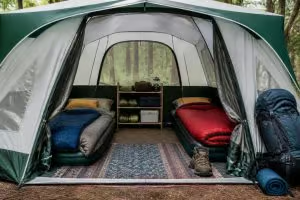
Peak height determines whether you can stand, crouch, or only crawl inside. Cabin-style tents often provide 6-7 feet of headroom, while backpacking models prioritize low profiles for weight savings and wind resistance.
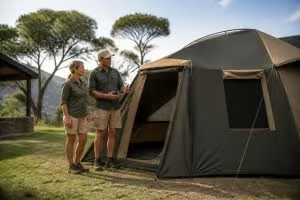
When setting up safari camps or extended outdoor accommodations, models like the Premium Heavy-Duty Canvas Dome Tent offer the spaciousness and durability needed for the harsh African climate and prolonged use. These purpose-built shelters balance comfort with weather protection for serious outdoor enthusiasts.
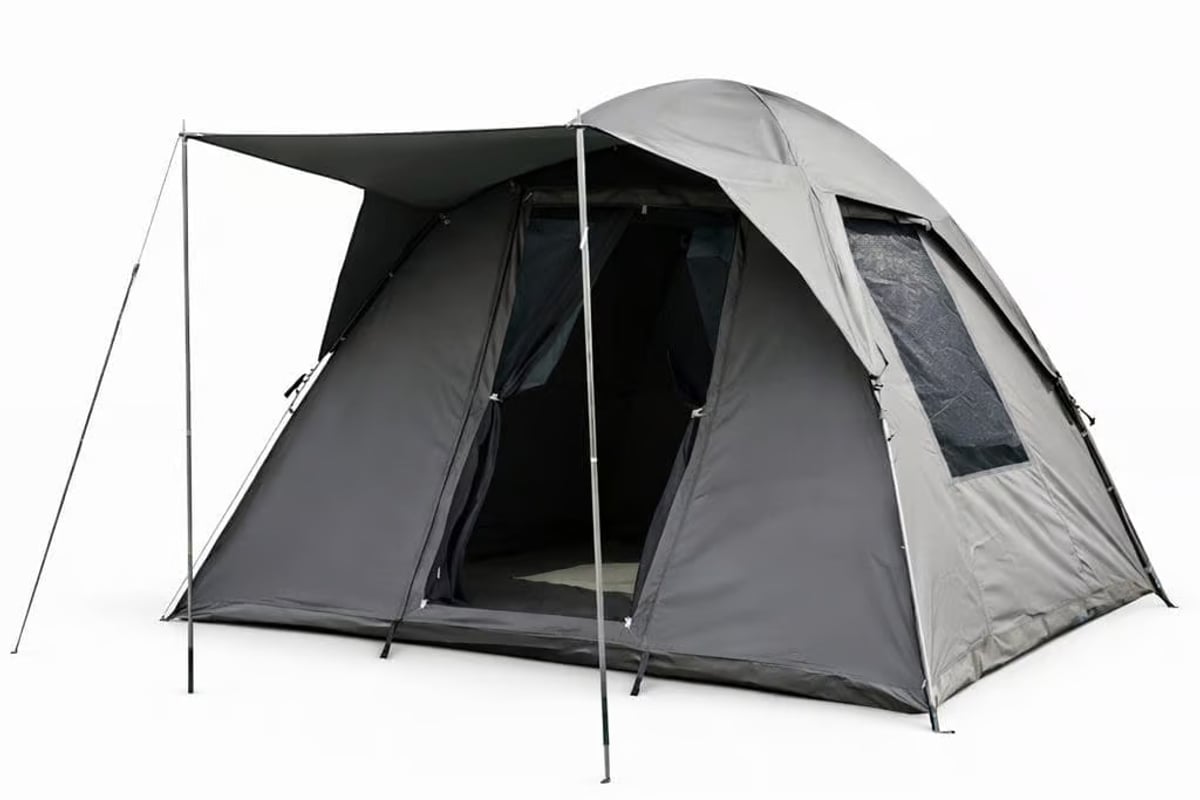
Vestibules extend your living space and protect equipment from weather. Single-door tents typically include one vestibule, while double-door models offer storage at both ends. This separation keeps muddy boots and wet clothing away from sleeping areas.
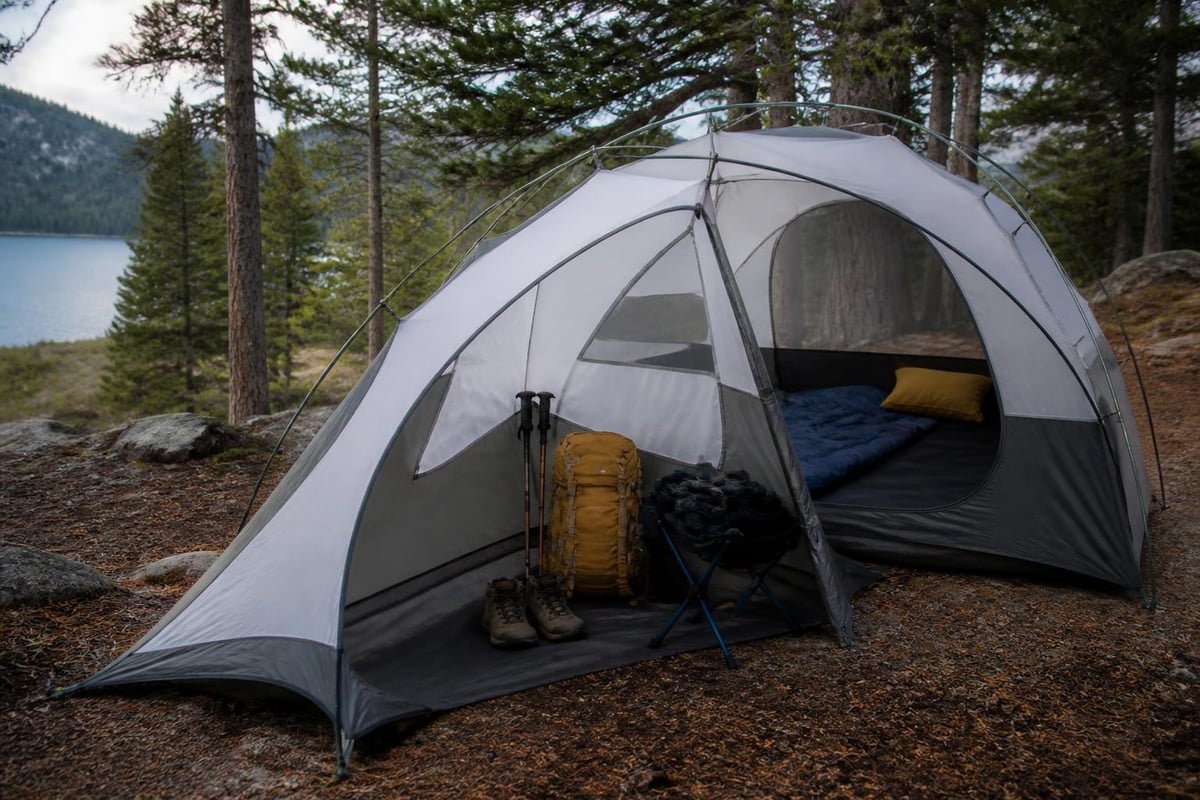
Even the best outdoor tent struggles with condensation without proper airflow. Moisture from breathing, cooking, and wet gear accumulates on cool interior surfaces, dripping onto occupants and gear.
Strategic mesh placement creates convection currents that carry humid air outside. Low intake vents near the floor and high exhaust vents at the peak work together as a chimney system. Adjustable vent covers let you balance airflow against privacy and warmth.
Double-wall tents separate the breathable inner tent from the waterproof rainfly, creating an air gap that prevents condensation from reaching occupants. Single-wall designs reduce weight and setup complexity but require careful ventilation management.
Effective ventilation includes:
The best outdoor tent balances quick deployment against structural stability. Color-coded poles, continuous pole sleeves, and clip systems speed assembly compared to traditional methods requiring threading poles through separate sleeves.
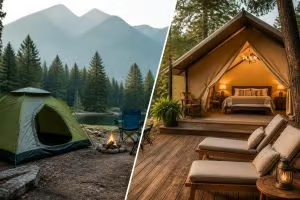
Freestanding tents support themselves using pole tension, requiring stakes only for wind stability. This flexibility lets you position the tent on any surface, including wooden platforms or rocky ground. Non-freestanding designs need stakes for structure but often achieve lighter pack weights.
Pack size and weight matter significantly for mobile camping. A three-season backpacking tent should weigh under four pounds, while car-camping models can approach 20 pounds with their heavier materials and larger dimensions.
Tent season ratings indicate intended use conditions rather than specific temperature ranges. Three-season tents handle spring through fall in temperate climates. Four-season or winter tents withstand heavy snow loads and high winds.
Most recreational camping occurs in three-season conditions where temperatures stay above freezing and precipitation falls as rain rather than snow. The best outdoor tent for this use balances weather protection against ventilation, using lighter fabrics than winter models.
These tents typically feature larger mesh areas for warm-weather ventilation while maintaining rainfly coverage for storm protection. They handle light frost but struggle when snow accumulates on the rainfly.
True four-season tents use stronger fabrics, more poles, and reduced mesh area to retain heat and support snow loads. Geodesic dome designs with four or more pole intersections distribute weight across multiple anchor points.
| Feature | Three-Season | Four-Season |
|---|---|---|
| Fabric Weight | 30-70D nylon/polyester | 70-210D nylon/polyester |
| Mesh Area | 30-50% | 5-15% |
| Pole Count | 2-3 poles | 4-6 poles |
| Vestibule Coverage | Partial | Full |
| Weight | 3-6 lbs (2-person) | 6-10 lbs (2-person) |
Fire safety becomes critical when concentrating people in temporary structures. The National Fire Protection Association establishes standards for tent flame resistance and event permitting requirements that apply to gatherings.
Commercial and event tents often require certification showing compliance with CPAI-84 or NFPA 701 flame resistance standards. These treatments slow ignition and limit flame spread, providing critical escape time during emergencies.
Even recreational tents benefit from flame-retardant fabrics, particularly when camping with children or cooking near shelter entrances. Never operate stoves or open flames inside tents lacking adequate ventilation and fire-resistant materials.
The U.S. Forest Service provides detailed guidance on safe tent spacing for campgrounds and group sites. Minimum separations reduce fire spread risk while respecting privacy. Individual campsites should maintain 15-20 feet between tents when possible.
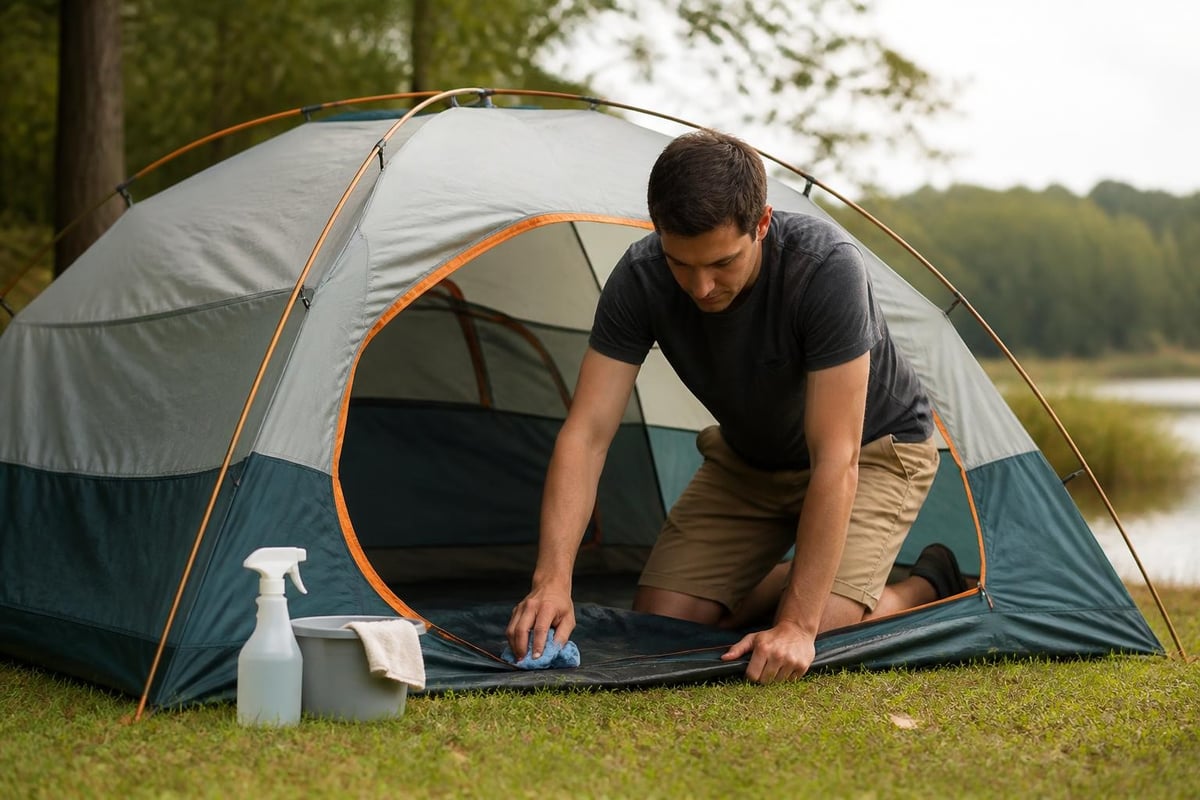
The best outdoor tent provides years of service with proper care and maintenance. Regular cleaning, correct storage, and timely repairs extend lifespan significantly beyond neglected alternatives.
Never store tents wet. Moisture promotes mold growth that weakens fabrics and creates unpleasant odors. After each trip, air-dry the tent completely before packing, even if this means setting it up at home for several hours.
Clean canvas and synthetic fabrics differently. Canvas tolerates gentle brushing and spot cleaning with mild soap, while synthetics require specialized technical cleaners that don't compromise waterproof coatings.
Storage best practices:
Carrying a repair kit enables fixing minor damage before it worsens. Essential items include:
Quality manufacturers offer replacement parts including poles, stakes, and rainflies. Investing in a premium tent from companies supporting their products long-term saves money compared to replacing entire cheap tents every few seasons.
Professional outdoor publications like Backpacker magazine conduct rigorous field testing that evaluates real-world performance beyond manufacturer specifications. These tests measure setup time, weather resistance, durability, and packed size under actual camping conditions.
Similarly, BBC Countryfile’s comprehensive tent guides provide consumer-focused reviews covering family camping, backpacking, and festival use. Independent testing removes marketing hype, revealing which features actually matter during extended use.
When researching the best outdoor tent, prioritize reviews documenting multi-day tests in varied weather over spec-sheet comparisons. Real performance data from experienced testers proves more valuable than theoretical capabilities.
Different outdoor activities demand purpose-built shelter designs optimized for specific use cases rather than general camping.
Safari camping requires spacious, durable shelters supporting weeks or months of continuous occupation. These canvas tents prioritize livability over pack weight, offering standing height, multiple rooms, and robust construction.
Heavy-duty canvas withstands prolonged UV exposure better than lightweight synthetics. The breathable fabric creates comfortable interior conditions even during hot African days when synthetic tents become unbearable saunas.
Weight-conscious backpackers accept smaller dimensions and reduced features for lighter pack loads. Ultra-light tents using cuben fiber or sil-nylon fabrics weigh under two pounds while still providing adequate weather protection.
These minimalist shelters often sacrifice vestibule space, peak height, and durability for portability. They excel for fast-and-light trips where every ounce matters but prove impractical for extended stays or family camping.
Large-capacity tents accommodate dining, meetings, or social gatherings. Frame tents and pole tents create open interior spaces without center obstructions, while sidewalls provide weather protection and privacy.
Commercial event tents require stronger materials and more robust anchoring systems than recreational camping shelters. They must withstand public use, meet local permitting requirements, and maintain appearance through repeated setup and teardown cycles.
Identifying the best outdoor tent requires balancing competing priorities based on your specific needs and camping style. Weekend car campers prioritize different features than through-hikers or safari enthusiasts.
Quality tents range from under $100 for basic recreational models to over $1,000 for expedition-grade shelters. While premium tents offer superior materials and construction, mid-range options frequently provide excellent value for typical three-season camping.
Consider cost-per-use rather than absolute price. A $500 tent used fifty nights costs $10 per trip. A $150 tent failing after ten trips costs $15 per outing. Durability and longevity factor heavily into true value calculations.
Established outdoor brands typically offer better warranty coverage, replacement part availability, and customer service than unknown manufacturers. Companies like Ejenti Outdoor that specialize in outdoor solutions understand regional climate challenges and design products accordingly.
Research manufacturer reputations through outdoor forums, professional reviews, and warranty terms before committing to expensive purchases. Companies standing behind their products with multi-year warranties demonstrate confidence in construction quality.
Selecting the best outdoor tent requires careful consideration of materials, design, intended use, and maintenance requirements. Whether you need a lightweight backpacking shelter or a spacious safari camp setup, understanding these core principles helps you choose confidently. Ejenti Outdoor manufactures premium canvas tents, camping gear, and outdoor solutions engineered specifically for demanding African conditions, providing the durability and performance serious outdoor enthusiasts require.