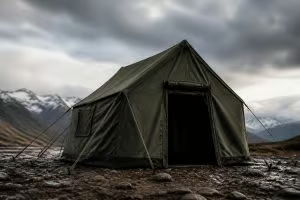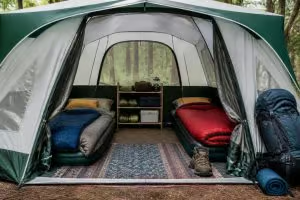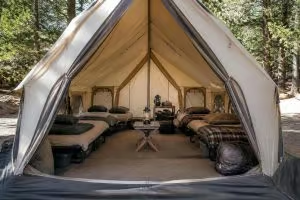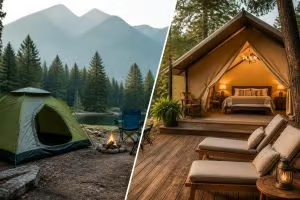

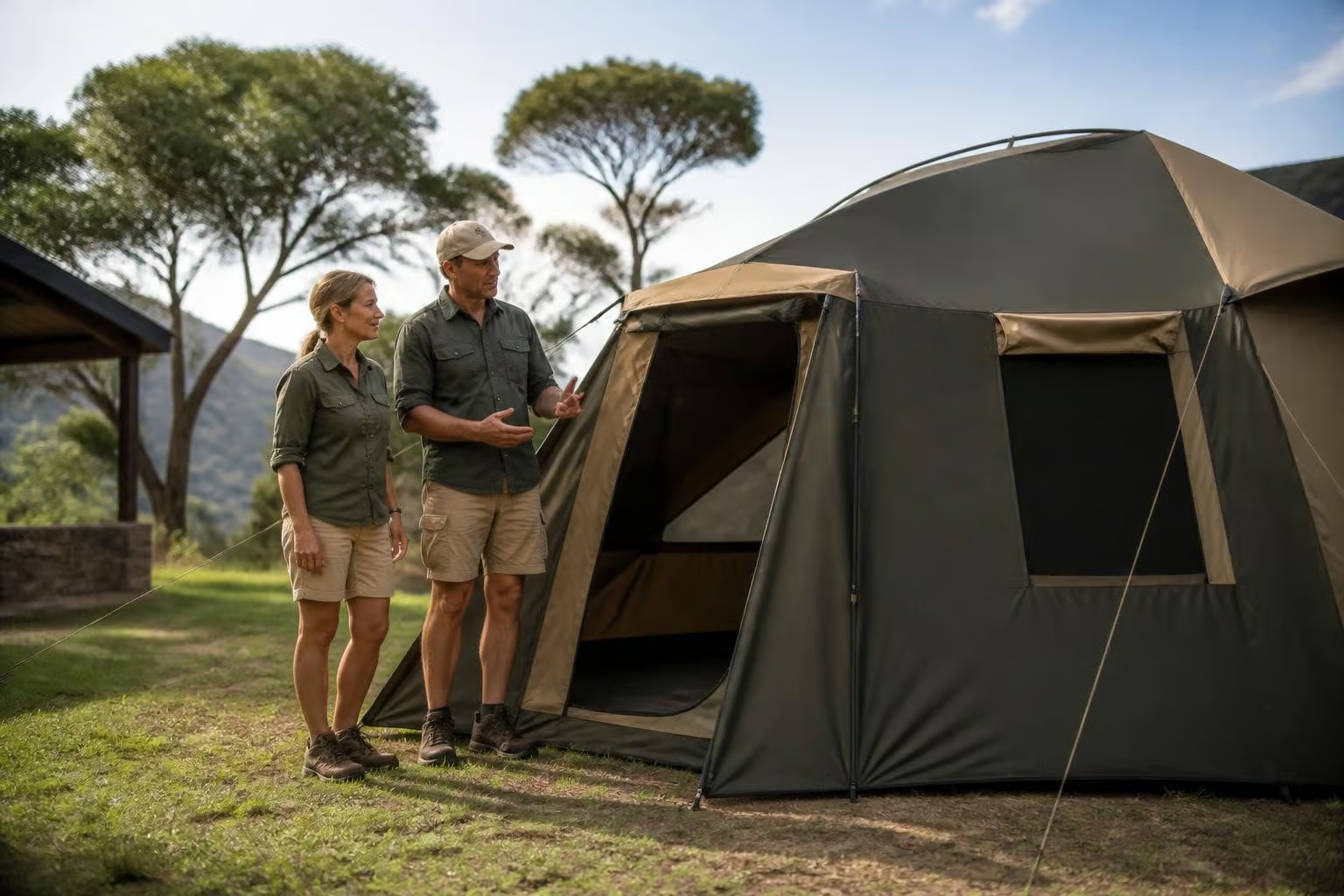
Searching for "camping tents near me" has become the go-to approach for outdoor enthusiasts looking to purchase quality shelter without the uncertainty of online-only shopping. Whether you're planning a weekend camping trip in the Drakensberg, setting up a basecamp in Kruger, or preparing for a family adventure along the Garden Route, finding the right tent locally offers significant advantages. You can inspect fabric quality, test zippers and poles, assess waterproofing, and get expert advice from people who understand South African weather conditions. This guide walks you through everything you need to know about finding, evaluating, and selecting camping tents available near you.
When you search for camping tents near me, you're typically looking at several distinct categories of suppliers, each with unique advantages. Outdoor specialty retailers offer expert staff and premium brands, while general sporting goods stores provide mid-range options at competitive prices. Local manufacturers and distributors like those producing canvas tents often provide the best value for South African conditions, as their products are specifically designed for our climate.
The benefit of buying locally extends beyond just seeing the product. You gain access to after-sales support, warranty claims become simpler, and you can often negotiate package deals that include accessories like pegs, guy ropes, and groundsheets.
Specialist outdoor retailers typically stock:
Local manufacturers offer:
General sporting goods chains provide:
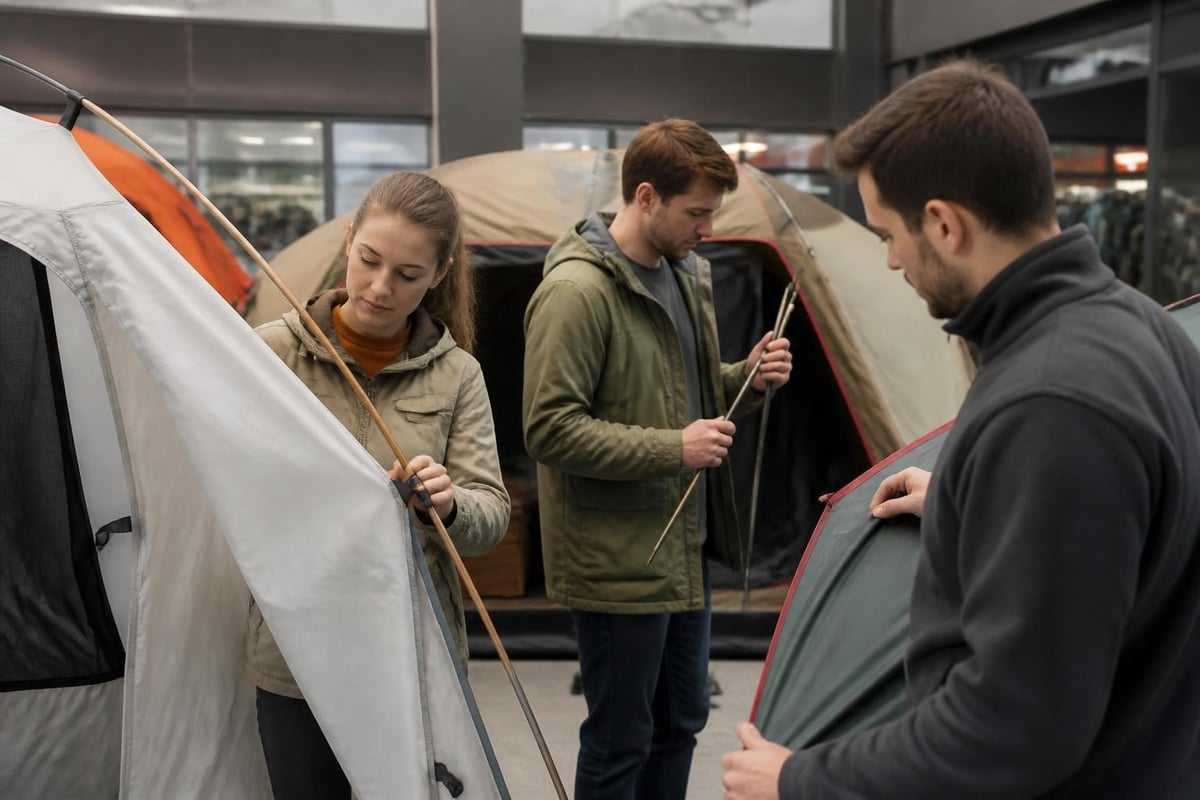
Physical inspection separates local shopping from online purchasing. When you visit a supplier, focus on specific quality indicators that photos and descriptions can't fully convey. Fabric weight and weave density directly impact durability and weather resistance. A 300 GSM ripstop canvas offers substantially better performance than 180 GSM alternatives, particularly during South African summer storms.
Examine these elements during your visit:
The National Park Service provides detailed guidance on campsite selection that directly influences what tent features matter most for your intended use.
| Feature | Budget Tent | Mid-Range Tent | Premium Tent |
|---|---|---|---|
| Fabric GSM | 150-200 | 250-350 | 400+ |
| Pole Material | Steel | Aluminum alloy | Aircraft aluminum |
| Waterproof Rating | 1000mm | 2000-3000mm | 5000mm+ |
| Setup Time | 15-20 min | 10-15 min | 5-10 min |
| Expected Lifespan | 1-2 seasons | 3-5 seasons | 10+ seasons |
Different camping scenarios demand specific tent designs. When searching for camping tents near me in South Africa, consider where you'll actually pitch the tent. Highveld camping requires excellent wind resistance and cold-weather features, while coastal camping demands superior ventilation and corrosion-resistant components.
Dome tents excel in windy conditions due to their aerodynamic shape and typically feature freestanding designs that work on hard ground. Their curved poles create internal space without requiring excessive footprint area.
Cabin-style tents provide maximum headroom and livable space, making them ideal for family camping at established campgrounds. However, their vertical walls catch wind and perform poorly in exposed locations.
Safari lodge tents combine canvas durability with comfort-focused design. The two-room layout offers privacy and organization during extended stays. These tents work exceptionally well for semi-permanent setups at private reserves or long-duration camping trips.
South African camping spans diverse climates and seasons. Summer tents prioritize ventilation with large mesh panels and multiple windows, while winter-capable tents feature heavier canvas and fewer mesh sections to retain warmth.
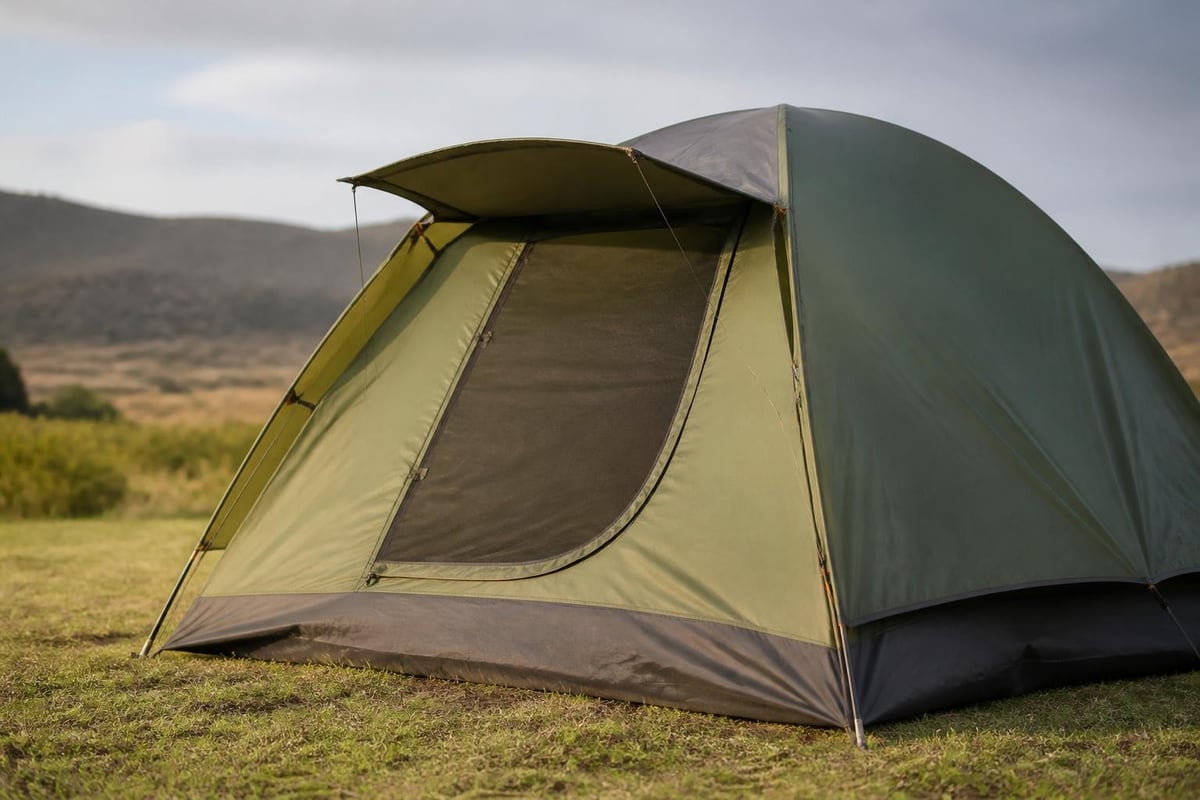
The fabric used in camping tents near me varies dramatically in performance and longevity. Canvas remains the gold standard for extended camping in harsh conditions. Ripstop canvas combines traditional canvas benefits with modern tear-resistance technology, preventing small punctures from expanding into catastrophic failures.
PVC-coated materials offer complete waterproofing and easier maintenance than untreated canvas. The trade-off involves increased weight and reduced breathability. For event use or rainy-season camping, this exchange makes sense. For dry conditions and extended trips, breathable canvas proves superior.
Understanding GSM (grams per square meter) ratings helps compare options objectively. A 550 GSM waterproof PVC fabric provides commercial-grade durability suitable for frequent setup and breakdown, while 300 GSM ripstop canvas balances weight and durability for recreational camping.
Recent research from the Henry Royce Institute explores sustainable waterproof materials that avoid harmful PFAS chemicals, pointing toward future innovations in tent fabric technology.
| Material Type | Waterproofing | Breathability | Weight | Lifespan | Best Use |
|---|---|---|---|---|---|
| Cotton Canvas | Moderate | Excellent | Heavy | 10+ years | Base camping |
| Ripstop Canvas | Good | Very Good | Medium-Heavy | 8-12 years | Multi-season |
| Polyester | Good | Poor | Light | 3-5 years | Backpacking |
| PVC-Coated | Excellent | Poor | Heavy | 5-7 years | Events, rain |
| Polycotton Blend | Very Good | Good | Medium | 5-8 years | General camping |
When you find camping tents near me manufactured in South Africa, you're accessing products designed specifically for local conditions. International brands optimize for global markets, often prioritizing lightweight backpacking over the durability needed for vehicle-based family camping common here.
South African manufacturers understand that our camping often involves extended stays in one location rather than nightly repositioning. Tents designed for this use emphasize livability, durability, and weather resistance over minimal weight. They're built for the intense UV exposure of the Karoo, the humidity of KwaZulu-Natal, and the sudden storms of the Drakensberg.
Ejenti Outdoor exemplifies this approach by manufacturing tents using locally-sourced materials and construction techniques proven in African conditions. Their focus on heavy-duty waterproof construction and ripstop fabrics addresses the specific challenges South African campers face.
Buying locally manufactured camping tents near me creates several practical advantages:
Faster repair turnaround: Send your tent to the factory for repairs rather than shipping internationally
Readily available spare parts: Poles, pegs, and replacement fabric sections ship quickly from local inventory
Climate-appropriate design: Features like increased ventilation and UV-resistant treatments come standard
Economic impact: Your purchase supports South African manufacturing jobs and skills development
Finding quality camping tents near me represents only half the equation. Proper campsite selection dramatically impacts your tent's performance and longevity. The Leave No Trace research bibliography provides extensive resources on minimizing environmental impact while selecting optimal tent locations.
Look for level ground with natural drainage to prevent water pooling beneath your tent. Avoid depressions that become puddles during rain, regardless of how well your tent seals. The Appalachian Trail Conservancy offers detailed campsite selection guidance that applies equally well to South African camping contexts.
Natural windbreaks like vegetation or terrain features reduce stress on tent structures. However, maintain appropriate distance from trees to avoid falling branches and excessive leaf litter.
Camping tents near me span enormous price ranges, from basic R800 two-person tents to premium R25,000 family safari shelters. Understanding where added cost delivers genuine value versus marketing markup helps maximize your investment.
Entry-level tents (R800-R2,500) suit occasional use by individuals or couples. Expect 180-220 GSM polyester, basic aluminum poles, and 1-2 season ratings. These tents work for summer camping at established sites with amenities nearby.
Mid-range options (R2,500-R8,000) provide significant durability improvements. Materials upgrade to ripstop polyester or polycotton blends, pole quality increases, and design features like vestibules and multiple doors appear. This category suits regular weekend campers and families.
Premium tents (R8,000-R25,000+) justify their cost through superior materials like heavy ripstop canvas, professional-grade poles, and features like built-in groundsheets and multiple rooms. The 3m x 6m safari lodge tent demonstrates how premium construction enables years of reliable use in demanding conditions.
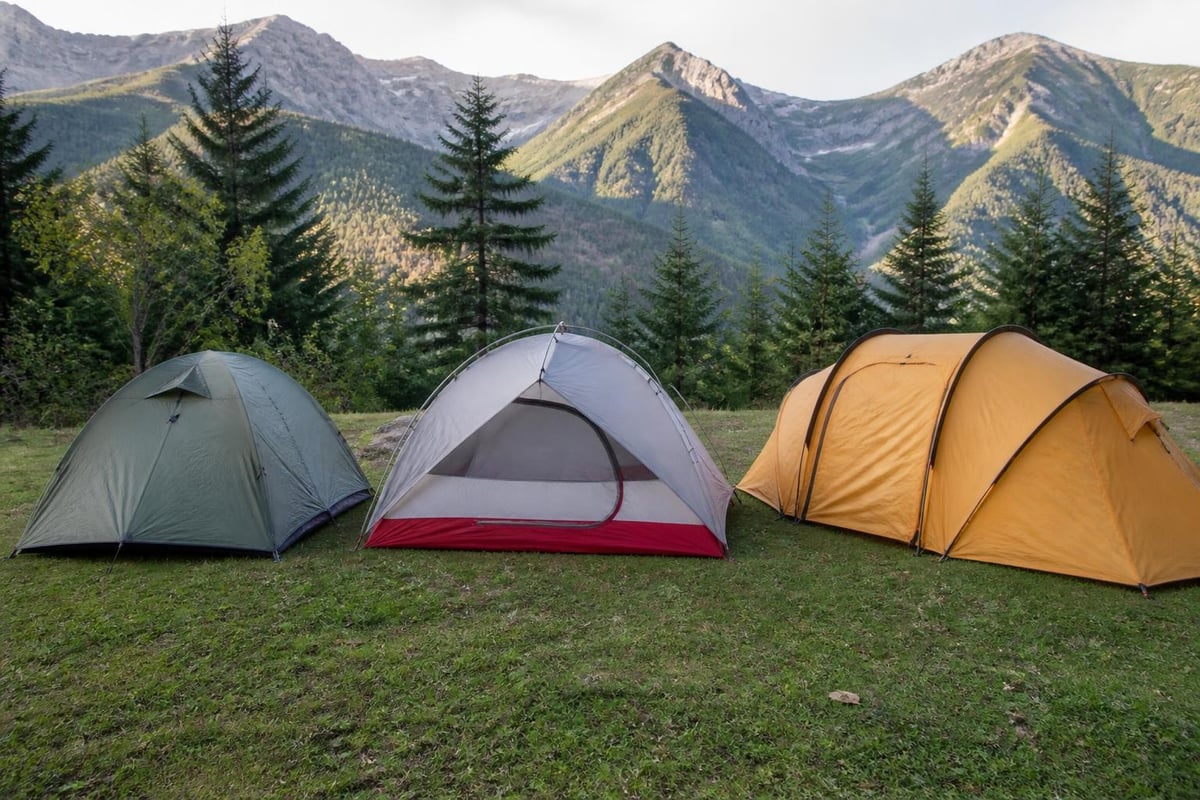
Smart shoppers evaluate camping tents near me based on cost per camping night rather than purchase price alone. A R15,000 tent used 30 nights per year for 10 years costs R50 per night. A R2,000 tent used the same amount but lasting only 2 years costs R33 per night initially but requires replacement every two years.
Factor in these additional costs:
A tent alone doesn't create a complete camping solution. When shopping for camping tents near me, allocate 15-25% of your tent budget for essential accessories that enhance performance and extend tent life.
Critical accessories include:
Proper storage dramatically extends tent lifespan. Never pack a wet tent for extended storage, as mildew and mold damage fabric irreparably.
Not all suppliers offering camping tents near me provide equal value or expertise. Evaluate potential suppliers using these criteria before making significant investments in camping equipment.
Look for these indicators of reliable suppliers:
The USDA Forest Service guidelines on camping highlight regulations and standards that inform proper tent selection for various camping scenarios.
Canvas tents deserve special attention when searching for camping tents near me in South Africa. While heavier than synthetic alternatives, canvas provides unmatched performance for our typical camping style and climate.
Canvas excels in:
Temperature regulation: Canvas breathes naturally, reducing condensation and moderating internal temperatures. Summer interiors remain cooler than synthetic tents, while winter setups retain warmth more effectively.
Durability: Quality canvas withstands years of UV exposure without degrading. Synthetic fabrics become brittle and weak after 3-5 years of African sun, while canvas maintains integrity for decades.
Repairability: Canvas accepts patches and stitching repairs easily. Damaged sections can be replaced without compromising the entire structure.
Weather resistance: When properly treated, canvas sheds water effectively while allowing moisture vapor to escape. This prevents the clammy, damp interiors common in waterproof synthetic tents.
Modern ripstop canvas incorporates reinforcement threads that prevent tears from spreading, combining traditional canvas benefits with contemporary durability technology.
Canvas demands more maintenance than synthetic materials but rewards proper care with exceptional longevity:
Family camping creates different requirements than solo or couple trips. When searching for camping tents near me for family use, prioritize livability features that reduce friction during extended stays.
Family tent must-haves:
Two-room configurations work particularly well for families with children or mixed groups. Parents occupy one room while children share the other, creating appropriate boundaries within a single shelter.
| Tent Capacity | Floor Area | Ideal Use | Standing Room |
|---|---|---|---|
| 2-person | 4-6 m² | Couple, minimal gear | Limited |
| 4-person | 8-12 m² | Small family, couple with gear | Partial |
| 6-person | 12-18 m² | Family of 4-5 with comfort | Yes |
| 8+ person | 18-30 m² | Large family, group camping | Full |
Note that manufacturer capacity ratings typically assume minimal gear and tight sleeping arrangements. For comfortable family camping, choose tents rated 2-4 persons larger than your group size.
Smart buyers test camping tents near me before committing to purchases, particularly for premium models. Many suppliers offer demo programs, rental options, or generous return policies that allow real-world evaluation.
Testing strategies include:
Backyard trials: Set up the tent at home to practice assembly and identify any issues before your first trip. This reveals setup quirks and lets you organize your system without time pressure.
Rental first: Some outdoor retailers rent tents for weekend rates of 10-15% of purchase price. Rent before buying to test suitability for your specific needs.
Demo sales: Retailers often sell floor models and demonstration units at 20-40% discounts. These tents show minimal wear but lack original packaging.
Seasonal sales: End-of-season sales in March and September offer significant savings on current-year models as suppliers clear inventory.
Focus your trial on these critical performance factors:
Searching for camping tents near me produces different results depending on your location within South Africa. Urban centers like Johannesburg, Cape Town, and Durban offer numerous retail options and direct access to manufacturers, while rural areas may require online ordering or travel to regional centers.
Major urban areas provide:
Regional towns typically offer:
Rural areas may require:
Regardless of location, buying from established manufacturers with national distribution ensures access to parts and service across the country.
Warranty coverage separates temporary tent suppliers from committed long-term partners. When evaluating camping tents near me, carefully review warranty terms and the supplier's track record for honoring claims.
Standard warranty coverage typically includes:
Warranties generally exclude:
Premium manufacturers often offer extended warranties or lifetime guarantees on specific components. These demonstrate confidence in product quality and represent genuine value for long-term campers.
Finding quality camping tents near me in South Africa requires balancing material quality, design features, and local support against your specific camping style and budget. Whether you prioritize lightweight portability, family-sized comfort, or maximum durability, understanding fabric specifications, construction quality, and regional climate demands ensures you select shelter that performs reliably for years. When you're ready to invest in camping equipment built specifically for South African conditions, explore the range of durable canvas tents and outdoor solutions from Ejenti Outdoor, designed and manufactured locally to handle everything from coastal humidity to highveld storms.