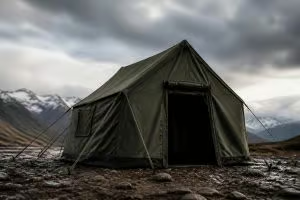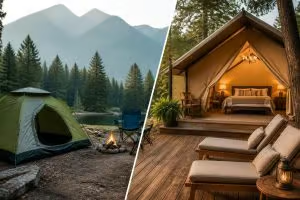

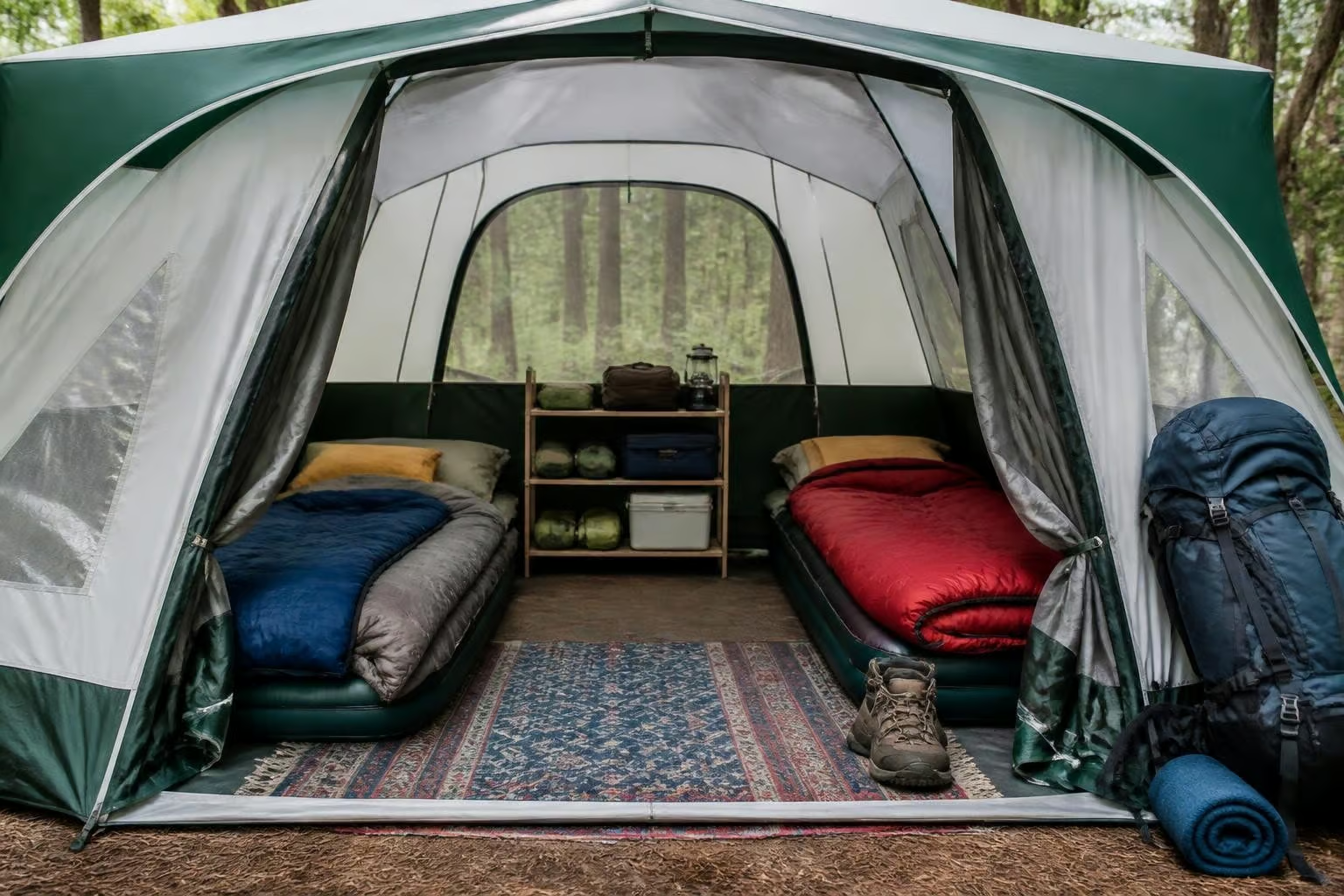
Choosing the right shelter for family camping trips or group adventures requires careful consideration of space, durability, and practical features. When searching for 5 person tents for camping, you're looking at a sweet spot in tent design: large enough for comfort yet manageable enough for setup and transport. These tents serve families with young children, groups of friends sharing outdoor experiences, or couples who want extra room for gear and comfort. Understanding what makes a quality five-person tent will help you invest in equipment that performs reliably across seasons and conditions.
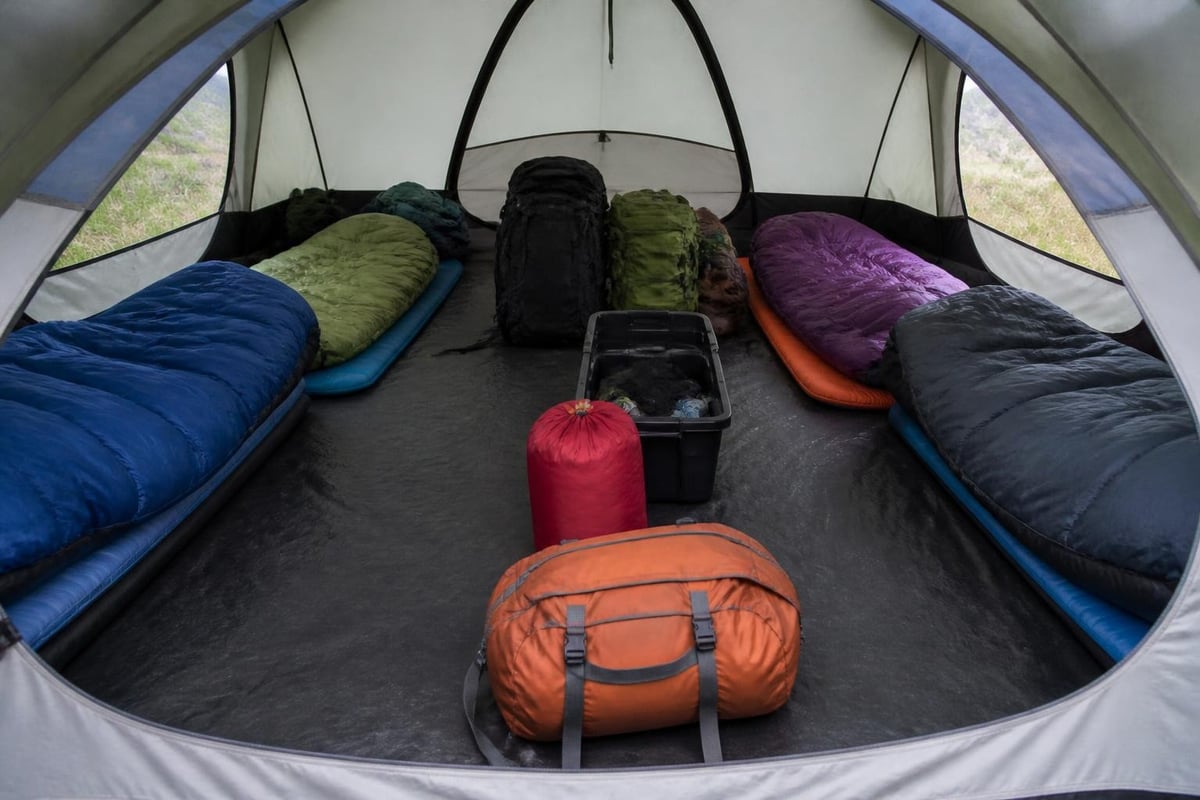
The rated capacity of any tent represents the maximum number of sleeping bags that can fit side by side on the floor. This standard measurement doesn't account for gear storage, moving around inside, or personal space preferences.
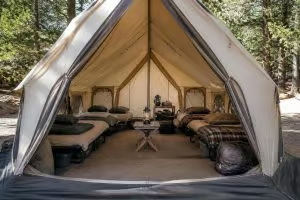
A five-person tent typically measures between 90 to 120 square feet of floor space. However, this number only tells part of the story. When you factor in:
Most experienced campers use the "minus two" rule: a 5 person tent comfortably sleeps three adults or two adults with two children.
Peak height matters significantly for livability. Quality 5 person tents for camping feature center heights ranging from 5 feet to 6.5 feet, allowing most adults to stand upright or sit comfortably throughout the interior.
| Feature | Tight Fit (5 people) | Comfortable (3-4 people) | Luxury (2-3 people) |
|---|---|---|---|
| Floor Space | 90-100 sq ft | 100-110 sq ft | 110-120+ sq ft |
| Peak Height | 5-5.5 ft | 5.5-6 ft | 6-6.5+ ft |
| Gear Storage | Minimal/vestibule only | Corners + vestibule | Ample interior + vestibule |
| Setup Time | 15-20 min (2 people) | 10-15 min (2 people) | 10-15 min (1-2 people) |
Beyond basic dimensions, several features distinguish exceptional 5 person tents for camping from mediocre options. These elements directly impact comfort, weather protection, and long-term durability.
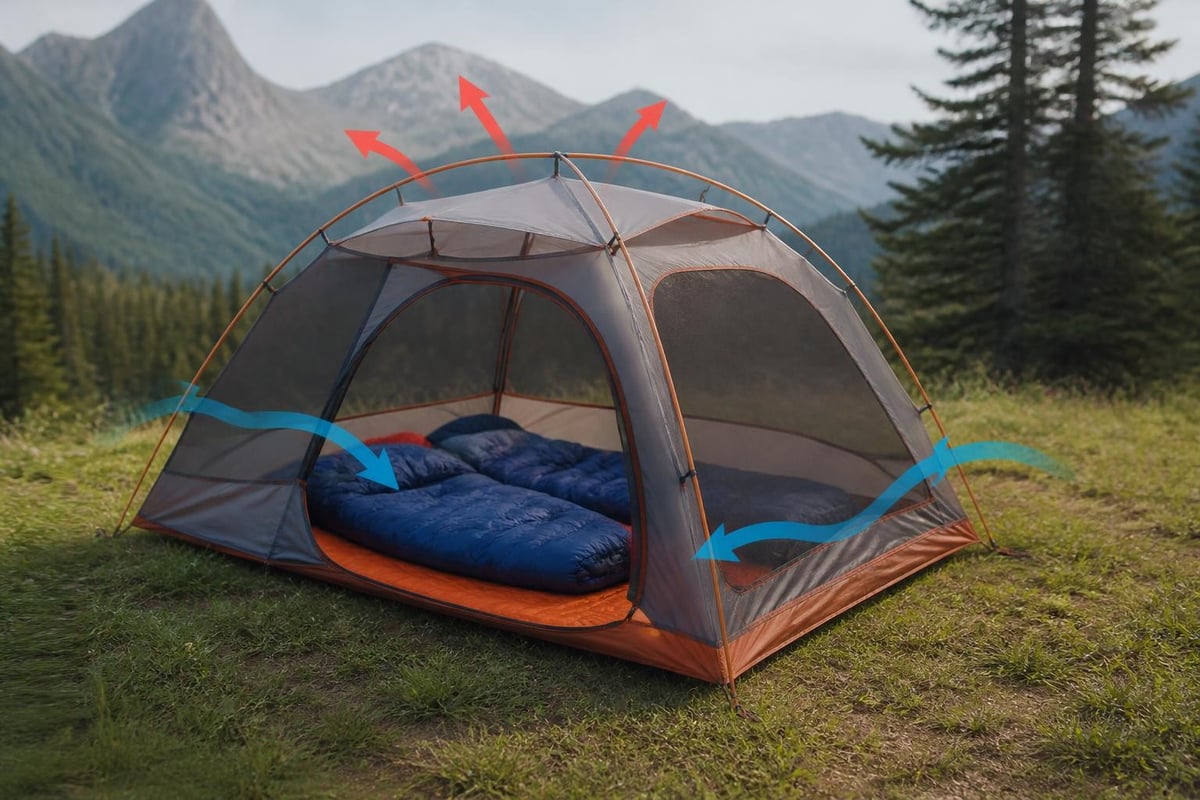
Proper ventilation prevents condensation buildup while maintaining temperature regulation. The National Park Service recommends evaluating ventilation systems before purchasing camping equipment.
Key ventilation components:
Understanding vapor pressure differential and tent condensation helps explain why multiple ventilation points matter more than single large openings. Warm, moist air from breathing and body heat rises and needs escape routes, while cooler fresh air enters from lower openings.
Waterproofing specifications indicate how well fabric resists water penetration. Look for these minimum standards:
The pole system determines how well your tent handles wind, rain, and extended use. Modern 5 person tents for camping employ several frame designs.
Freestanding dome tents use crossed poles creating a self-supporting structure. Benefits include easy repositioning after setup and stability in moderate winds.
Cabin-style frames maximize interior volume with near-vertical walls. These designs offer superior headroom and living space but require more stakes and guy lines for stability.
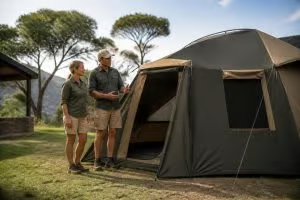
For African conditions where Ejenti Outdoor operates, canvas construction offers distinct advantages. The Premium Heavy-Duty Canvas Dome Tent provides exceptional durability against harsh sun exposure, sudden weather changes, and rough terrain common at SANParks sites and remote 4×4 trails.
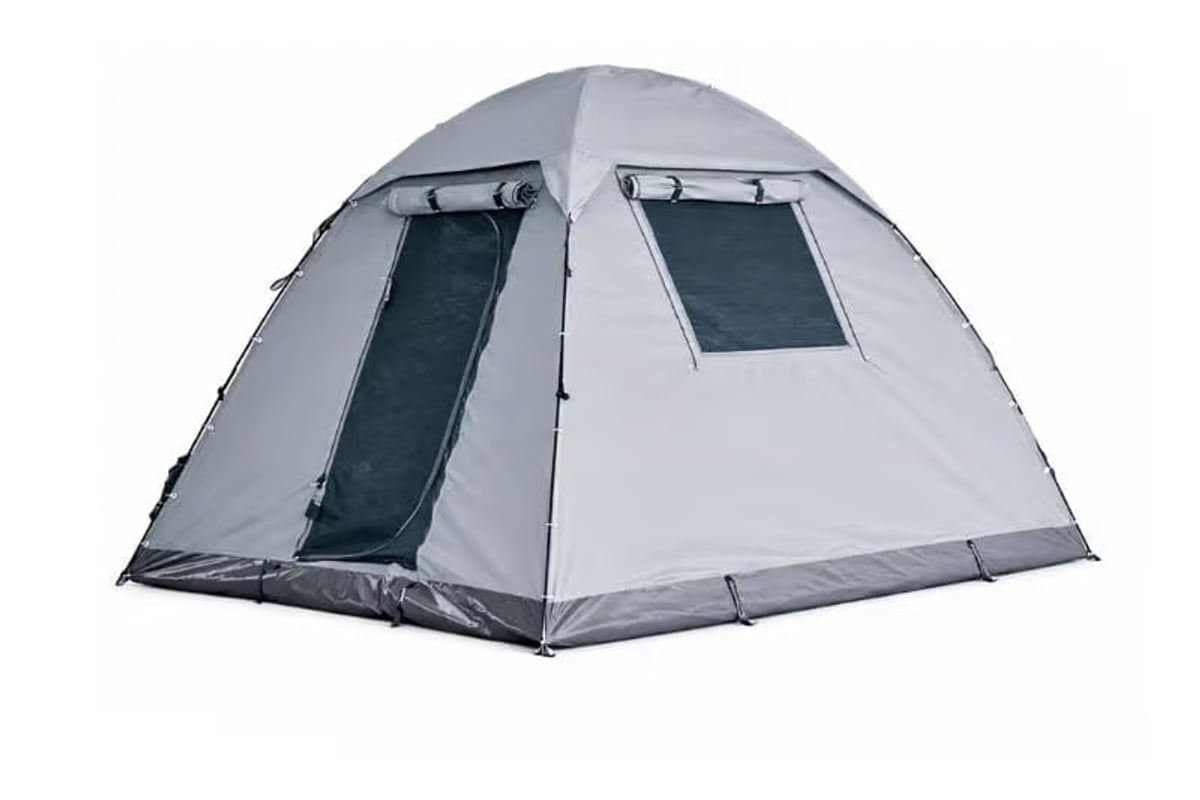
The fabric choice fundamentally affects performance, weight, lifespan, and maintenance requirements for 5 person tents for camping.
Polyester and nylon dominate the synthetic tent market. These materials offer:
However, synthetic fabrics deteriorate faster under intense UV exposure and don't breathe as effectively as natural fibers.
Canvas tents, particularly those made from ripstop canvas, provide superior performance for extended camping trips and semi-permanent installations. The canvas tent selection at Ejenti Outdoor showcases this construction method.
Canvas benefits include:
The trade-off involves increased weight and bulk. Canvas 5 person tents for camping work best for car camping, base camps, or situations where vehicle transport eliminates weight concerns.
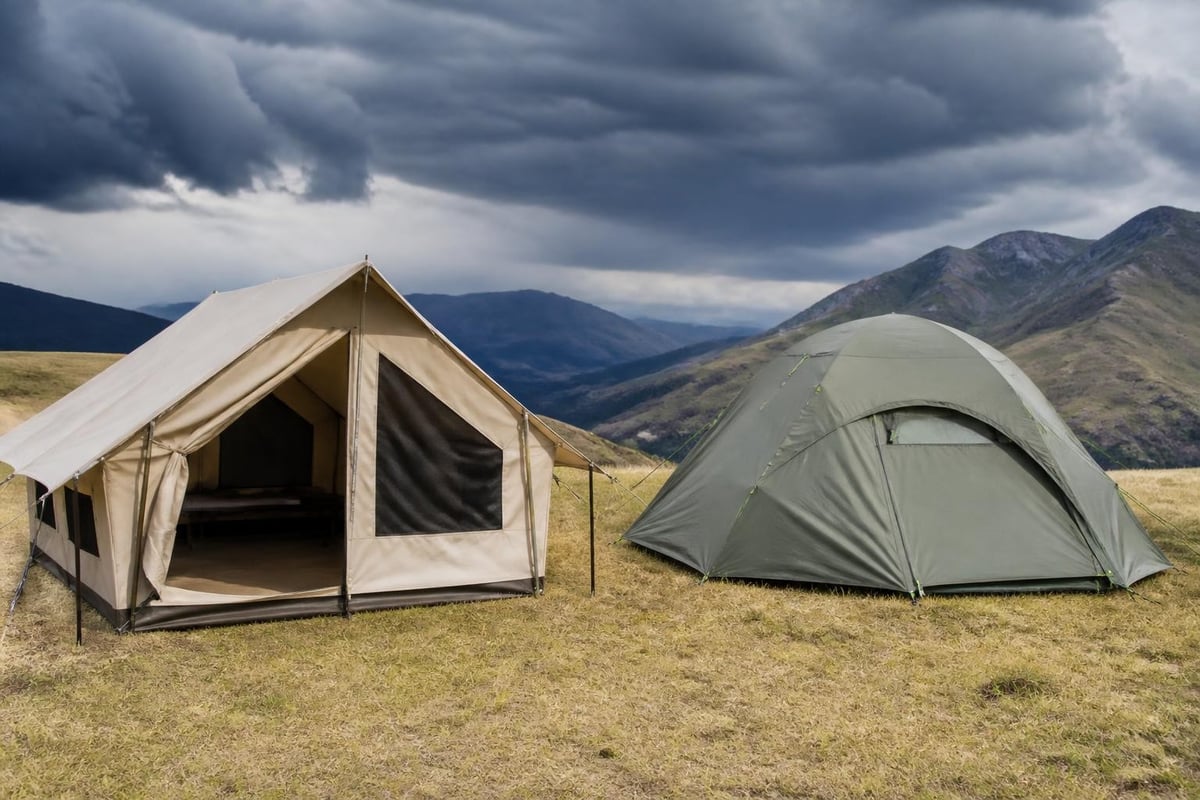
Proper tent placement and setup techniques extend equipment life while improving camping comfort and safety. The National Park Service provides detailed guidance on site selection and pitch methods.
Before unpacking your tent, evaluate potential locations:
The USDA Forest Service tent pad specifications recommend 12×12 foot cleared areas for tents in this size range, accounting for stakes, guy lines, and rainfly coverage.
Efficient setup prevents damage and ensures proper tent function:
Most quality 5 person tents for camping require 10-20 minutes for experienced campers working in pairs.
Proper care dramatically extends tent lifespan while maintaining performance. These practices apply regardless of construction material.
Daily maintenance tasks:
The Washington Trails Association offers practical solutions for common tent problems including condensation management, ventilation optimization, and field repairs.
Between camping trips, proper storage prevents mildew, fabric degradation, and component damage.
| Storage Aspect | Best Practice | Why It Matters |
|---|---|---|
| Cleaning | Spot-clean stains; gentle hand wash if needed | Dirt and oils degrade waterproof coatings |
| Drying | Completely air dry (both sides) | Moisture causes mildew and fabric rot |
| Storage Location | Cool, dry, dark space | UV and heat accelerate fabric breakdown |
| Compression | Loose storage in breathable bag | Tight compression damages coatings and fibers |
| Pole Care | Store separately; check shock cord tension | Prevents permanent pole bends and cord failure |
Canvas tents require additional attention. After each trip, set up your canvas tent in full sun for complete drying. This prevents mildew growth and maintains the natural weatherproofing properties of cotton fibers.
5 person tents for camping perform differently across seasons. Understanding these variations helps you choose appropriate models and prepare for specific conditions.
Most family tents fall into the three-season category (spring, summer, fall). These designs prioritize:
Three-season tents handle light snow but struggle with heavy accumulation or extreme cold. The Public Lands field guide explains how to match tent specifications to your camping season.
Converting 5 person tents for camping to handle winter conditions requires:
Structural modifications:
Practical additions:
True four-season tents cost significantly more and sacrifice summer comfort for winter capability. Most families benefit more from choosing appropriate camping seasons than investing in extreme-weather equipment.
Learning from others' experiences prevents costly errors and dangerous situations when using 5 person tents for camping.
The problem: Cramming five adults into a five-person tent creates miserable conditions. Bodies touching all night, no room for gear, impossible to move without waking others.
The solution: Apply the minus-two rule consistently. If you regularly camp with five people, consider a seven or eight-person tent for actual comfort.
Rushing setup causes multiple problems. Rocks and sticks under the floor create punctures. Uneven ground leads to sliding and discomfort. Poor drainage results in flooded tents.
Prevention steps:
Sealed tents trap moisture from breathing and perspiration. Morning condensation soaks sleeping bags and creates uncomfortable dampness.
Proper ventilation practices:
Small problems become catastrophic failures when ignored. A tiny seam separation admits rain. Weak pole shock cords snap during setup. Unnoticed zipper damage leads to broken closures.
Inspection schedule:
The Government of Canada tent flammability standard covers safety labeling requirements, reminding us that regular equipment inspection extends beyond weather protection to fundamental safety concerns.
5 person tents for camping range from budget models under $200 to premium options exceeding $800. Understanding what drives these differences helps you invest appropriately.
Entry-level tents provide basic shelter with acceptable quality for occasional use (3-5 camping trips yearly).
Typical features:
Best for: Families testing whether camping becomes a regular activity, occasional weekend campers, fair-weather use only.
This category offers the best value for regular campers. Improved materials and construction deliver significantly better performance.
Enhanced specifications:
Best for: Families camping monthly or more, variable weather conditions, balance of features and affordability.
Top-tier 5 person tents for camping use advanced materials, superior engineering, and enhanced durability for demanding users.
Premium advantages:
Canvas tents often fall into this category due to material costs and construction complexity. The investment pays dividends through decades of reliable service when properly maintained.
South African camping presents unique challenges requiring specific tent considerations. Intense UV radiation, sudden weather changes, and varied terrain demand robust equipment.
The southern African sun degrades synthetic materials faster than moderate climates. Canvas construction naturally resists UV damage better than polyester or nylon. When choosing synthetic 5 person tents for camping for this region:
Desert camping involves dramatic temperature swings. A tent that's comfortable at 35°C afternoon heat must also handle 5°C nighttime lows.
Design features addressing temperature range:
Rocky soil, hard-packed earth, and sandy conditions each require different staking strategies. Quality tents include multiple stake types or universal designs that function across soil types.
For semi-permanent camps or extended stays at a single location, canvas construction proves superior. When you need professional guidance on selecting equipment matched to your specific needs, the team at Ejenti Outdoor understands regional requirements and can recommend appropriate solutions.
Larger 5 person tents for camping often include room dividers or multi-room designs, transforming single open spaces into organized living areas.
Removable fabric panels attach via zippers or clips, creating separate sleeping zones. Benefits include:
Permanent room divisions built into tent structure offer sturdier separation but eliminate flexibility.
Extended rainfly coverage creates covered outdoor space perfect for:
Larger vestibules add weight and setup complexity but dramatically improve livability on extended trips.
Strategic accessories transform good 5 person tents for camping into exceptional outdoor homes.
| Accessory | Purpose | Value Rating |
|---|---|---|
| Footprint/Groundsheet | Protects floor, extends tent life | Critical |
| Gear Loft | Organizes small items overhead | High |
| Carpet/Rug | Comfort, insulation, clean interior | Medium-High |
| Extra Stakes | Improved stability in poor soil | High |
| Pole Repair Sleeve | Emergency field repairs | Critical |
| Seam Sealer | Maintains waterproofing | High |
Beyond basics, these items improve quality of life:
Responsible camping includes considering your equipment's environmental footprint throughout its lifecycle.
The most sustainable tent is one that lasts decades rather than requiring replacement every few years. This principle favors:
Modern consumer culture encourages replacing damaged goods. The outdoor community increasingly embraces repair:
Repairable components in quality 5 person tents for camping:
Learning basic field repairs extends equipment life while reducing waste. Many manufacturers support this approach with repair guides and replacement parts availability.
Selecting 5 person tents for camping requires balancing capacity needs, construction quality, seasonal requirements, and budget constraints. The right tent provides years of reliable shelter, creating comfortable base camps for family adventures and group outings while withstanding the weather challenges you'll encounter. When you're ready to invest in durable outdoor equipment built for African conditions, Ejenti Outdoor offers expert guidance and quality products designed to perform reliably across South Africa's diverse camping environments, from coastal sites to bushveld expeditions.