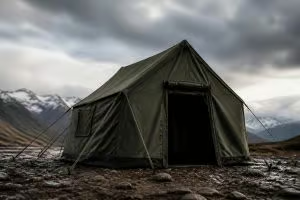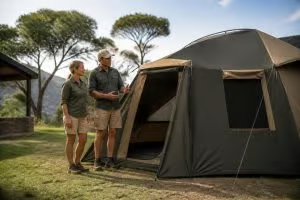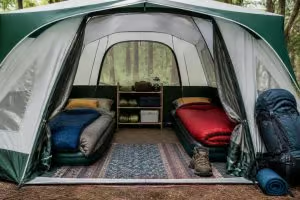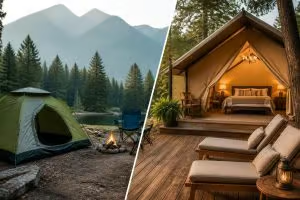

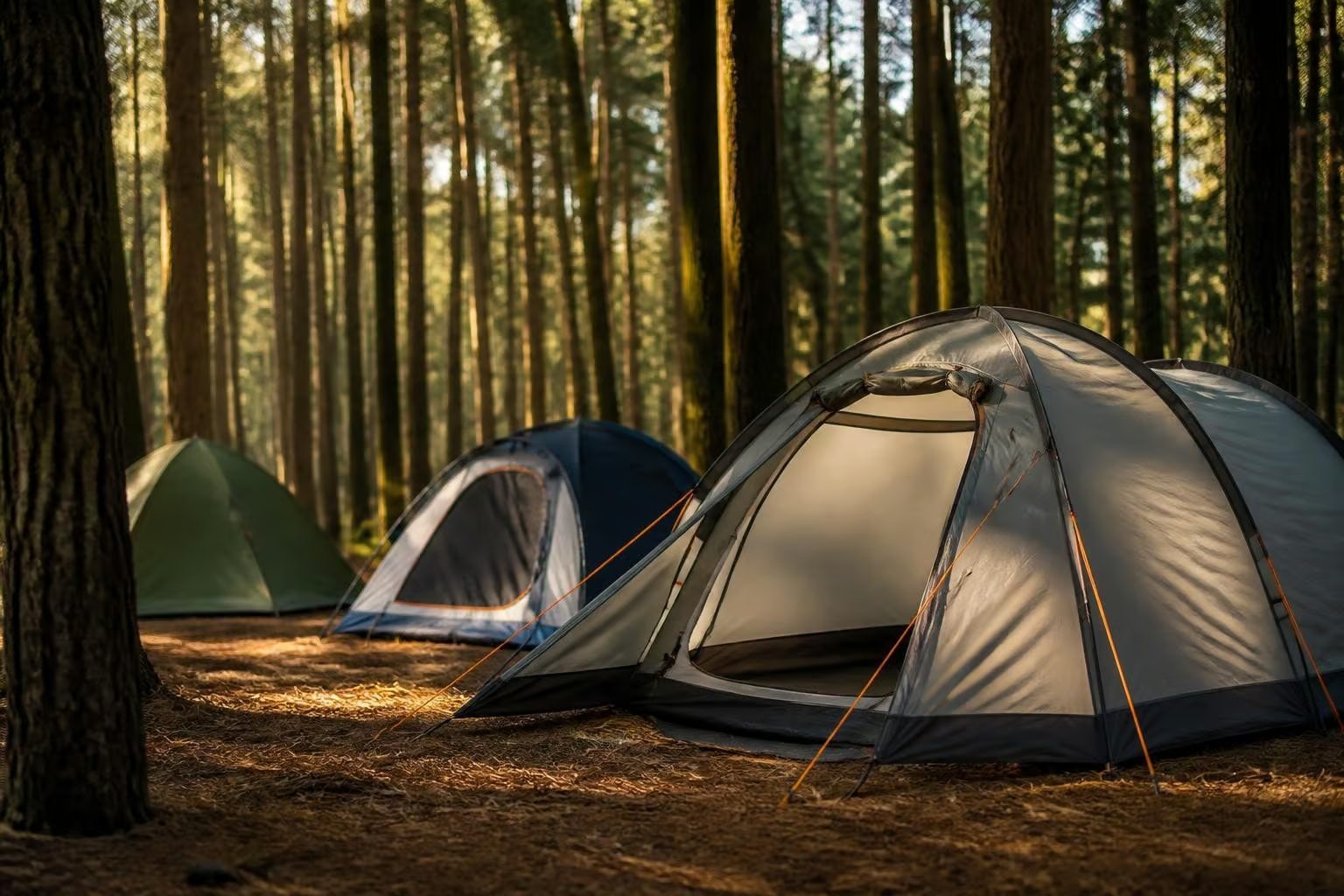
Finding nice tents for camping transforms your outdoor experience from merely surviving to truly thriving under the stars. Whether you're planning a weekend escape to the Drakensberg or a month-long safari adventure, your shelter choice directly impacts comfort, safety, and enjoyment. In 2026, modern tent technology offers unprecedented options in materials, designs, and features that cater to every camping style and climate condition. This guide explores what makes a camping tent truly exceptional and how to select the perfect shelter for your specific needs.
Quality camping shelters stand apart through thoughtful engineering and premium materials. The best nice tents for camping balance durability, weather protection, livable space, and ease of setup. These factors work together to create a reliable home away from home.
Durability begins with fabric weight and construction methods. Canvas tents typically use 300 GSM (grams per square meter) or higher ripstop material, while PVC options often feature 550 GSM fabric designed for extreme weather. The National Park Service provides comprehensive guidance on camping basics that includes shelter selection considerations for various environments.
Weather protection extends beyond simple waterproofing. Premium tents incorporate:
Space planning separates functional shelters from cramped boxes. Nice tents for camping offer standing headroom, organized storage pockets, and thoughtful floor plans that accommodate sleeping, changing, and gear storage without constant compromise.
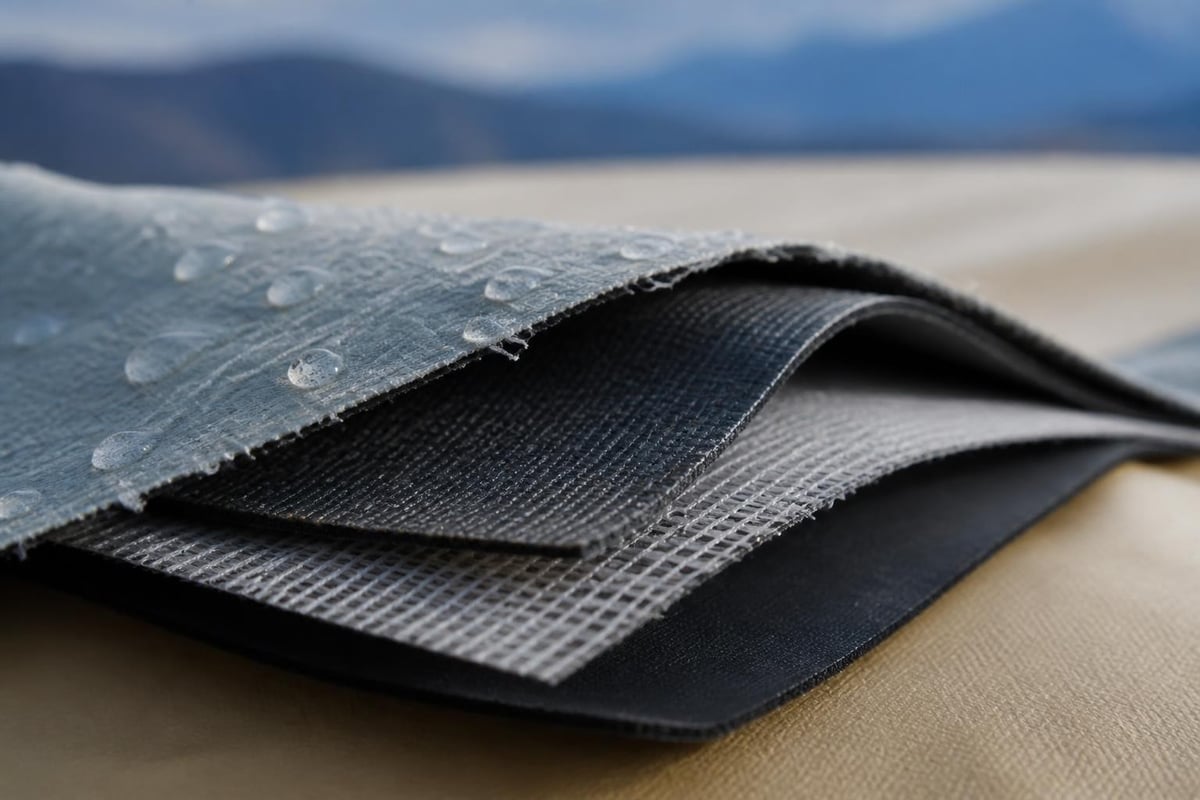
The fabric choice fundamentally shapes your camping experience. Each material category delivers distinct advantages suited to specific camping styles and conditions.
Canvas remains the gold standard for extended trips and harsh climates. These natural fiber shelters breathe naturally, regulating interior temperature and humidity without mechanical ventilation. The 300 GSM ripstop canvas used in quality safari tents resists tears while maintaining flexibility in temperature extremes.
Canvas advantages include:
The material does require more maintenance than synthetics. Waterproofing treatments need periodic renewal, and canvas must dry completely before storage to prevent mildew. For serious campers planning extended stays, the safari tent category showcases how premium canvas construction handles demanding conditions.
PVC and polyester fabrics excel in different scenarios. Waterproof PVC marquee tents provide instant weather protection without break-in periods or waterproofing treatments. The 550 GSM PVC fabric used in event and camping shelters delivers complete water barrier properties.
| Material Type | Weight (GSM) | Best For | Maintenance Level |
|---|---|---|---|
| Ripstop Canvas | 300-400 | Long-term camping, safari use | Moderate |
| Heavy PVC | 500-600 | Events, extreme weather | Low |
| Nylon/Polyester | 70-150 | Backpacking, short trips | Low |
| Poly-Canvas Blend | 250-300 | Multi-season camping | Low-Moderate |
Synthetic materials pack smaller and lighter, making them ideal for mobile camping where weight matters. However, they generally show less breathability and require more ventilation planning to manage interior moisture.
Tent architecture affects everything from setup complexity to interior livability. Understanding these fundamental designs helps match shelter to purpose.
Dome structures use crossed poles to create freestanding shelters with excellent wind resistance. The geodesic design distributes stress across multiple pole intersections, maintaining shape in challenging conditions. Nice tents for camping in the dome category typically feature:
Dome tents work equally well for weekend camping trips and expedition basecamp setups. The structural efficiency makes them popular for national park camping where site selection and setup guidance emphasizes minimizing environmental impact.
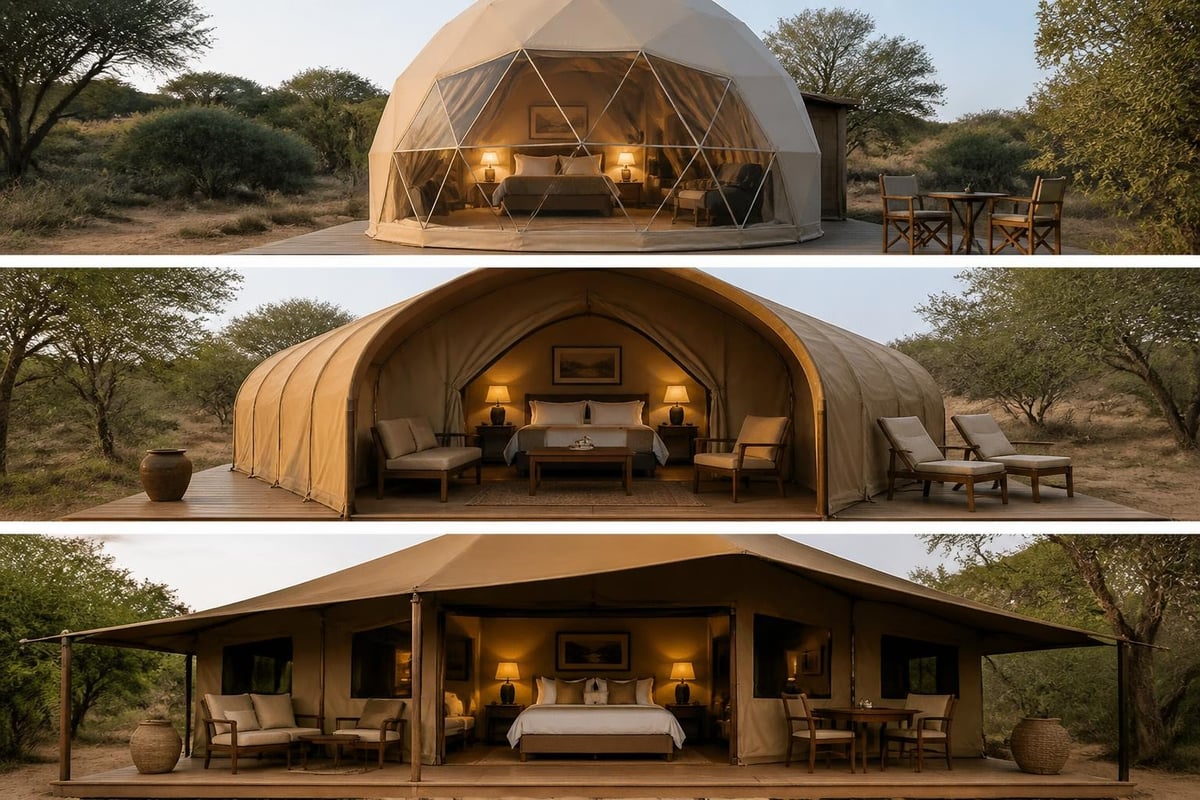
Wall-tent designs prioritize interior space and comfort. These rectangular structures feature vertical walls that maximize usable floor area and full standing height throughout most of the shelter. Two-room layouts separate sleeping quarters from living areas, creating organized spaces for extended stays.
Safari tents shine in semi-permanent setups where comfort equals priority. The vertical walls accommodate furniture, storage systems, and even wood stoves in four-season versions. Setup requires more time and often benefits from two people, but the resulting livability justifies the effort for trips lasting weeks or months.
Beyond materials and shape, specific features separate adequate shelters from genuinely nice tents for camping. These details enhance functionality and longevity.
Ventilation systems rank among the most critical yet overlooked features. Mesh panels positioned at ground level and roof vents create convective airflow that expels humid air while admitting fresh oxygen. Quality tents include:
Pole systems determine setup ease and structural integrity. Aluminum poles offer excellent strength-to-weight ratios, while steel frames provide maximum durability for semi-permanent installations. DAC aluminum poles have become an industry benchmark, though quality steel works beautifully in canvas safari tents where weight matters less than longevity.
Modern nice tents for camping incorporate thoughtful hardware solutions. When setting up complex tent systems, components like the Quick Release Buckle Plastic for Straps simplify guy line tensioning and strap adjustments, allowing faster setup and more secure connections in windy conditions. These plastic buckles work with straps from 20mm to 50mm width, providing reliable fastening that releases quickly when breaking camp.
Floor construction deserves careful consideration. Bathtub-style floors with raised edges prevent groundwater intrusion during heavy rain. Reinforced flooring in high-traffic areas extends tent life significantly. Removable groundsheets offer versatility but require careful sealing at tent perimeters.
Understanding season ratings prevents mismatches between shelter capabilities and environmental demands. These classifications guide selection based on expected conditions.
Most nice tents for camping fall into this category, designed for spring through fall use in temperate climates. Three-season shelters balance ventilation with weather protection, featuring:
South African campers use three-season tents year-round in most regions, though summer thunderstorms demand full rainfly deployment and proper guy line tensioning. Consumer Reports’ camping gear guidance provides independent testing data on how various tent models perform across seasonal conditions.
Winter camping and high-altitude expeditions require specialized four-season designs. These shelters feature:
Four-season tents sacrifice ventilation for protection, making them uncomfortably hot in mild conditions. The specialized design comes at premium pricing, justified only when genuinely extreme conditions are expected.
| Season Rating | Typical Use | Ventilation | Structure | Weight Class |
|---|---|---|---|---|
| 2-Season | Summer only | Maximum | Light | Ultralight |
| 3-Season | Spring-Fall | High | Moderate | Standard |
| 3-4 Season | Extended season | Moderate | Strong | Mid-Heavy |
| 4-Season | Winter/Alpine | Minimal | Very Strong | Heavy |
Manufacturer capacity ratings often paint an optimistic picture. Understanding real-world space requirements ensures adequate comfort.
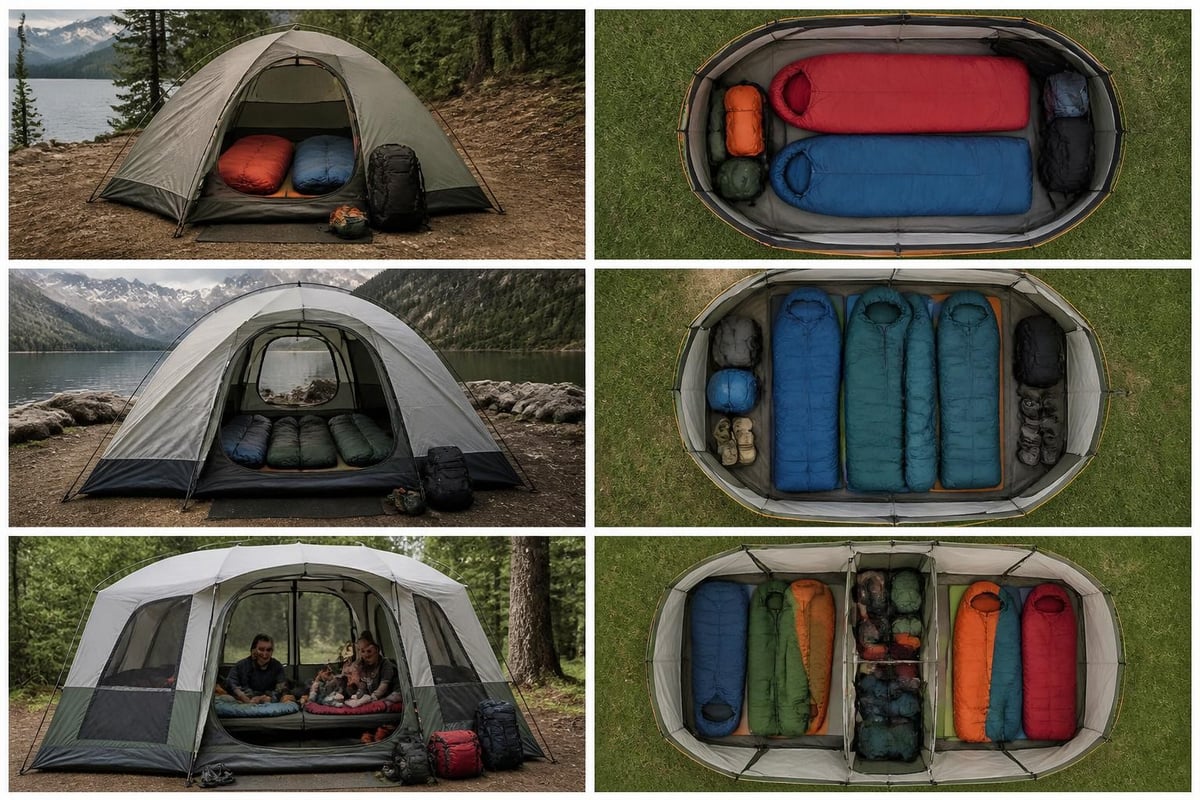
Tent capacity typically assumes sleepers positioned shoulder-to-shoulder with minimal gear inside. A "four-person" tent realistically accommodates three adults with backpacks, or two adults plus children with room for everyone's belongings.
Calculate actual needs by considering:
For extended camping or safari setups, separate living and sleeping areas transform the experience. Two-room designs or paired tents create genuine homes in the wilderness where weather confines occupants for extended periods.
Headroom calculations should account for sleeping pad thickness and seated activities. A 1.5-meter peak height allows sitting up in sleeping bags but not comfortable dressing. Full standing height begins around 1.8 meters and dramatically improves livability during multi-day trips.
The inverse relationship between ease-of-setup and interior space shapes shelter selection. Understanding these tradeoffs aligns expectations with reality.
Freestanding tents offer maximum flexibility. These structures maintain their shape without stakes, allowing repositioning and easy cleaning. Setup typically requires 5-10 minutes for experienced campers. The design works beautifully on sandy, rocky, or platform surfaces where staking proves difficult.
Non-freestanding shelters depend on stakes and guy lines for structural integrity. While this complicates setup, it often enables lighter weight and better wind performance. Trekking pole tents epitomize this approach, eliminating dedicated poles entirely.
Safari and lodge tents require systematic setup procedures:
This process takes 30-60 minutes depending on tent size and helper availability. The reward comes in superior interior space and multi-week durability. Backpacker magazine’s tent coverage includes detailed setup tutorials and time comparisons across tent categories.
Transport weight and packed size matter most for mobile camping. A 15-kilogram canvas safari tent works perfectly for vehicle-based camping but proves impractical for backpacking. Modern materials enable impressive weight reductions without sacrificing much durability.
Weather protection determines whether your nice tents for camping keep you comfortable or leave you miserable during storms. Multiple systems work together to shed water effectively.
Hydrostatic head measurements quantify waterproofing. This rating indicates how much water pressure fabric withstands before leaking. Minimum standards include:
Coating types affect performance and longevity. Polyurethane (PU) coatings provide excellent waterproofing at reasonable cost but degrade faster than silicone treatments. Silicone-impregnated fabrics resist UV damage and maintain flexibility longer, though they cost more initially.
Canvas waterproofing follows different principles. The tight weave swells when wet, closing gaps between fibers naturally. Additional wax or synthetic treatments enhance this property. Proper waterproofing maintenance requires:
Even waterproof fabric leaks at seams unless properly sealed. Factory-sealed seams use tape or liquid sealant applied under heat and pressure. Field sealing requires compatible products and careful application.
Check seam integrity before each camping season. Apply additional sealant to any areas showing wear or separation. The product catalog at Ejenti Outdoor includes waterproofing products and maintenance supplies designed specifically for canvas and synthetic tent materials.
Interior moisture management separates comfortable shelters from damp, unpleasant spaces. Even waterproof tents trap humidity from breathing, cooking, and wet gear.
Condensation forms when warm, humid interior air contacts cold tent fabric. The moisture condenses and drips, wetting sleeping bags and gear. Prevention requires:
Double-wall tent designs create air gaps between inner tent and rainfly. This space allows condensation to form on the fly exterior, dripping harmlessly to the ground rather than onto occupants. Single-wall tents save weight but require careful ventilation management.
Vestibule areas provide covered space for wet gear and cooking equipment. These extensions keep moisture sources outside the sleeping area while protecting them from weather. Quality nice tents for camping include vestibules at both ends for maximum utility and emergency exit options.
Modern campers increasingly prioritize environmental responsibility in gear selection. Sustainable tent choices consider manufacturing impact, material lifecycle, and field practices.
Material sourcing affects environmental footprint significantly. Organic cotton canvas requires intensive farming but biodegrades naturally. Recycled polyester reduces petroleum dependence while maintaining performance. The Outdoor Industry Association research library tracks sustainability trends and material innovations across the outdoor sector.
Product longevity represents the most impactful sustainability factor. A canvas tent lasting 20 years with proper maintenance generates far less waste than three synthetic tents requiring replacement every 5-7 years. Repair-friendly designs extend usable life through simple maintenance.
Leave No Trace principles guide responsible tent use. The Leave No Trace research bibliography documents how shelter placement and camping practices affect soil compaction, vegetation damage, and wildlife displacement. Key practices include:
Legitimate safety standards protect campers from hazards. Understanding these certifications helps identify quality products.
Flammability testing ensures tent materials meet minimum safety requirements. The ASTM F3431 standard specifies testing protocols for recreational camping tent materials. Compliant tents resist flame spread and self-extinguish rather than supporting fire propagation.
Structural testing verifies pole strength and fabric tear resistance. While no universal standard exists, reputable manufacturers conduct wind tunnel testing and stress analysis on frame components. Quality tents specify maximum wind ratings and snow loads.
Material certifications validate fabric performance claims. Look for independent testing of:
The best nice tents for camping balance initial cost against years of reliable service. Smart purchasing considers total cost of ownership rather than sticker price alone.
Entry-level quality tents from established brands start around R3,000-R5,000 for two-person models. These shelters provide adequate performance for occasional weekend camping. Expect 3-5 year lifespans with moderate use.
Mid-range options (R7,000-R15,000) deliver significantly better materials, construction quality, and features. These tents suit regular campers planning multiple trips annually. Proper care extends their useful life to 8-12 years.
Premium and specialized shelters (R15,000+) incorporate advanced materials, exceptional craftsmanship, and specific design optimizations. Safari tents, four-season expedition shelters, and large family tents occupy this category. These investments reward serious outdoor enthusiasts with decades of service.
Consider these value factors:
Research current offerings through resources like Popular Science gear coverage that evaluate materials technology and construction innovations across price points.
Different camping styles demand specialized shelter approaches. Understanding category strengths helps match tent to intended use.
Weight-conscious designs sacrifice space and durability for packability. Modern materials enable sub-1-kilogram shelters for solo travelers. These nice tents for camping work brilliantly for mobile adventures where every gram matters.
Trade-offs include limited interior space, reduced weather protection, and shorter lifespan. The minimal designs provide adequate shelter without frills or excess capacity.
Large capacity shelters prioritize comfort for vehicle-based camping. Multiple rooms, standing headroom, and generous vestibules create enjoyable base camps. Setup weight matters less since vehicles transport everything.
These tents excel at campgrounds with established sites but prove too bulky for remote locations requiring significant carry distance. Weather protection ranges from adequate to excellent depending on investment level.
Purpose-built for extended wilderness stays, these shelters combine maximum durability with livable space. Canvas construction, reinforced frames, and thoughtful layouts support month-long occupancy. The investment pays dividends in reliability and comfort during challenging conditions.
Setup complexity and transport weight limit these tents to semi-permanent installations or vehicle-based safaris. Properly maintained examples serve families across generations of outdoor adventures.
| Tent Category | Pack Weight | Setup Time | Typical Cost | Best Use Case |
|---|---|---|---|---|
| Ultralight | 0.7-1.5 kg | 5-10 min | R5,000-R12,000 | Backpacking, fast travel |
| Car Camping | 8-15 kg | 15-30 min | R4,000-R10,000 | Campground weekends |
| Safari/Lodge | 15-35 kg | 30-60 min | R12,000-R35,000 | Extended stays, base camps |
| Expedition 4-Season | 4-8 kg | 20-40 min | R15,000-R40,000 | Winter, high-altitude |
South Africa's diverse climates demand adaptable shelter solutions. Coastal humidity, highveld thunderstorms, and Karoo temperature swings each present unique challenges.
Summer thunderstorms arrive suddenly with intense rainfall and strong winds. Quality nice tents for camping in these conditions require complete rainfly coverage, reinforced guy lines, and excellent drainage around tent perimeters. Stake all attachment points before storms develop rather than scrambling during downpours.
Winter frost in interior regions necessitates insulated sleeping systems and condensation management. Single-wall tents struggle with frost accumulation on interior surfaces. Double-wall designs with good ventilation perform better while maintaining warmth.
Coastal camping battles salt air, high humidity, and persistent winds. Rinse tents thoroughly after beach trips to prevent salt corrosion of zippers and fabric degradation. Extended ventilation during setup helps prevent mildew in humid conditions.
Selecting nice tents for camping requires balancing numerous factors from materials and design to intended use and budget constraints. The perfect shelter enhances every outdoor experience through reliable weather protection, comfortable living space, and hassle-free setup that leaves more time for enjoying nature. Whether you're planning weekend getaways or extended safari adventures, investing in quality shelter pays dividends in comfort and longevity. Ejenti Outdoor specializes in durable canvas tents, PVC marquees, and complete outdoor solutions designed specifically for South African conditions, offering expert guidance to help you find the ideal shelter for your camping style and requirements.