
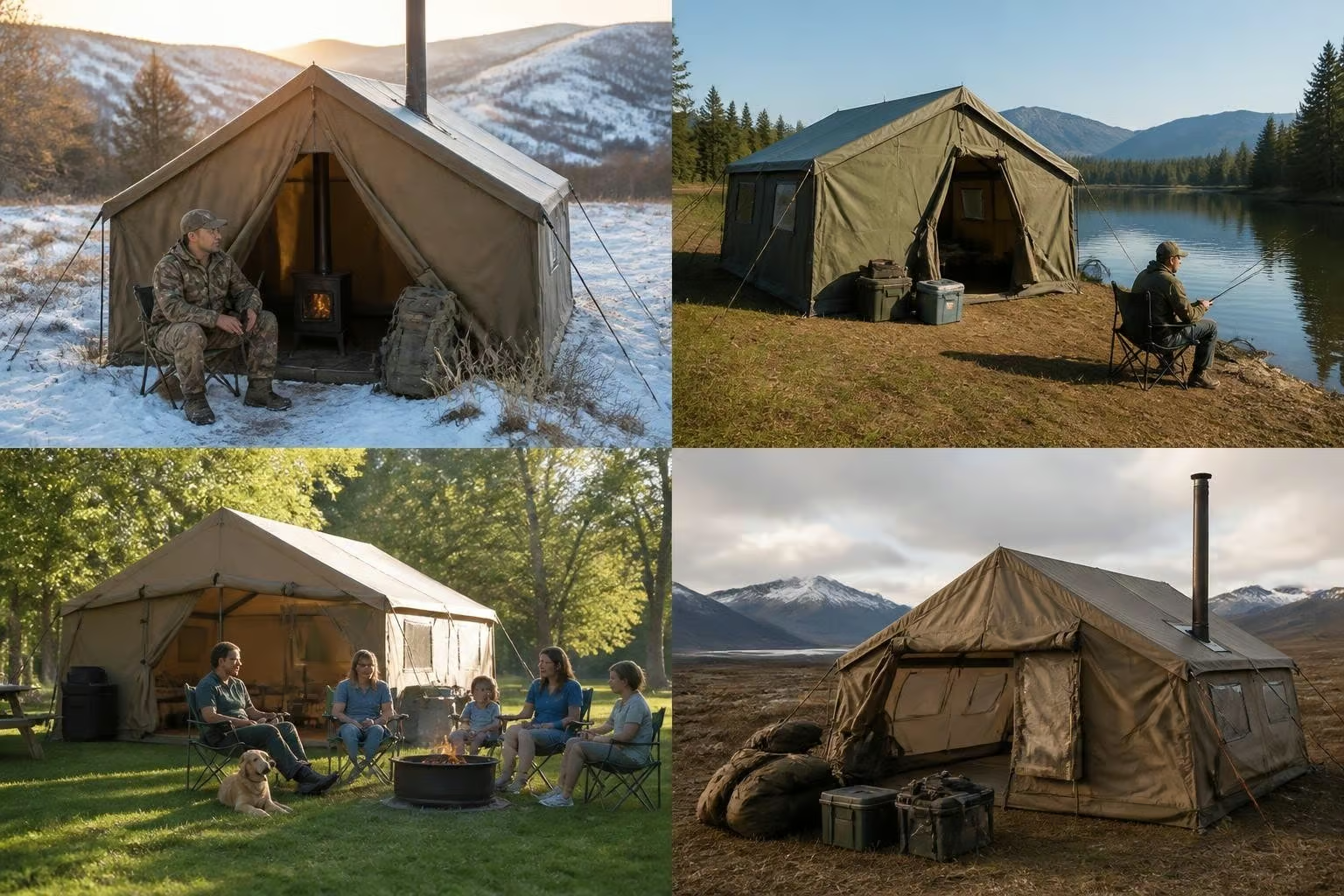
When you're planning outdoor adventures in 2026, having reliable shelter can make the difference between a memorable experience and a miserable one. Guide gear tents have become increasingly popular among outdoor enthusiasts who need dependable, functional shelter systems for extended stays in challenging environments. Whether you're setting up a hunting camp in the bush, establishing a base for fishing expeditions, or creating comfortable family camping accommodations, understanding what makes these tents distinct will help you make informed decisions about your outdoor gear investments.
Guide gear tents represent a specific category of outdoor shelter designed primarily for extended outdoor use where durability and practical functionality take priority over lightweight portability. These tents earned their name from the professional guides who originally relied on them for multi-day expeditions, hunting camps, and remote outdoor operations where shelter failure simply wasn't an option.
The defining characteristics of guide gear tents set them apart from standard camping tents. Most feature heavyweight canvas construction, substantial frame systems, and generous interior space that accommodates not just sleeping areas but also storage for gear and equipment. While backpackers might prioritize every gram of weight savings, guide gear tents focus on creating livable space that can withstand weeks or months of continuous use.
Material composition forms the foundation of what makes these shelters reliable. Traditional guide gear tents utilize heavy-duty canvas fabrics, typically ranging from 10 to 15 ounces per square yard. This substantial material provides excellent breathability while offering superior durability compared to synthetic alternatives.
Canvas naturally regulates interior temperature better than nylon or polyester. During hot days, the fabric breathes and reduces condensation buildup. When temperatures drop, canvas provides better insulation properties that help maintain warmth inside the shelter.
Frame construction in guide gear tents typically employs steel or heavy-duty aluminum poles rather than the lightweight shock-corded systems found in backpacking tents. These robust frames support the substantial weight of canvas materials and withstand high winds and heavy snow loads that would compromise lighter tent structures.
The weight consideration represents perhaps the most significant trade-off. Guide gear tents commonly weigh between 40 and 100 pounds or more, making them impractical for backpacking but ideal for vehicle-based camping, hunting camps, or semi-permanent installations where transportation weight isn't a limiting factor.
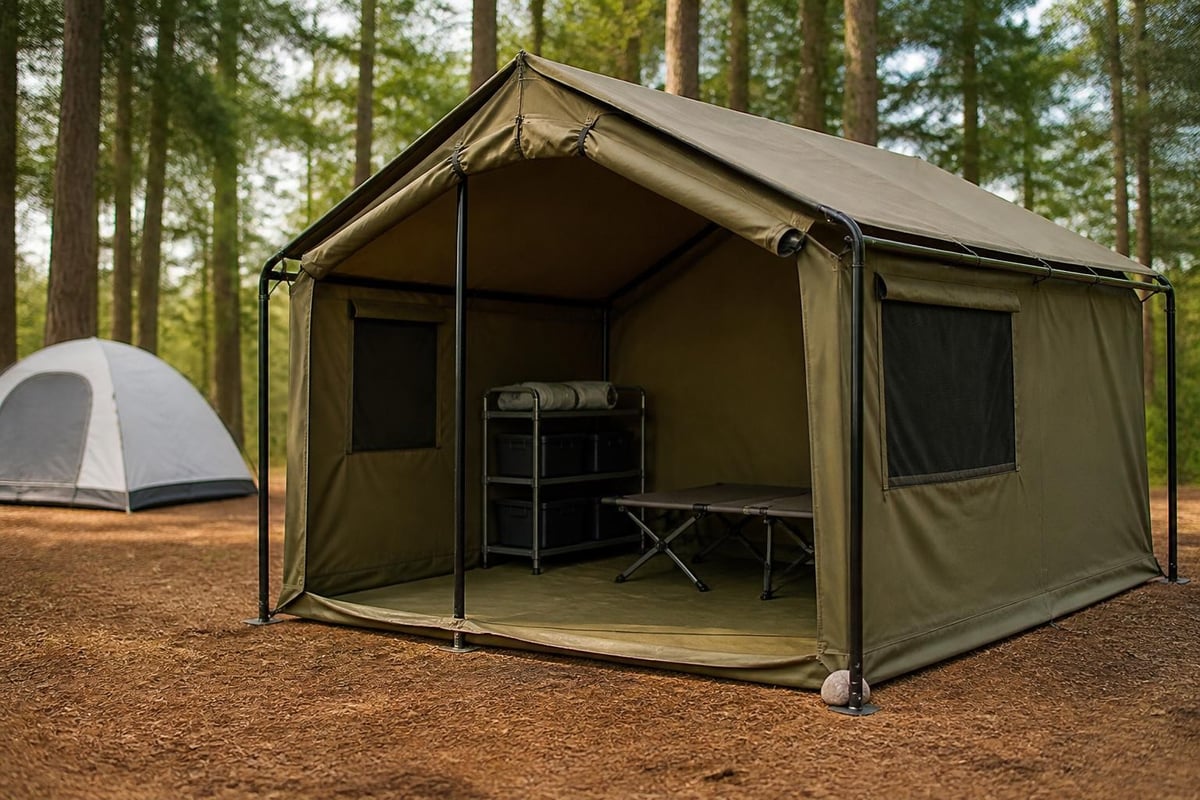
Choosing the appropriate guide gear tent configuration requires matching your specific outdoor activities with tent capabilities. Different styles serve distinct purposes, and understanding these variations helps ensure you invest in shelter that truly meets your needs.
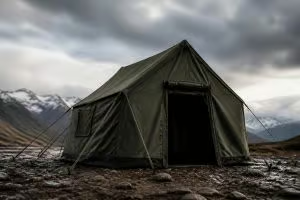
Wall tents represent the classic guide gear tent configuration, featuring vertical walls that maximize usable interior space. Unlike dome tents where sloping walls reduce headroom at the edges, wall tents provide full standing height throughout most of the interior.
These tents typically measure between 10×10 feet and 16×20 feet, offering substantial floor space for cots, gear storage, and even wood stoves in larger models. The vertical wall design creates a more room-like feel that many users find comfortable during extended stays.
| Wall Tent Size | Floor Area | Sleeping Capacity | Typical Applications |
|---|---|---|---|
| 10×10 feet | 100 sq ft | 2-3 people | Solo hunters, small groups |
| 12×14 feet | 168 sq ft | 4-6 people | Family camping, base camps |
| 14×16 feet | 224 sq ft | 6-8 people | Extended hunting camps |
| 16×20 feet | 320 sq ft | 8-10 people | Group expeditions, semi-permanent camps |
Cabin tents share similarities with wall tents but typically feature more modern construction methods and may incorporate synthetic materials alongside canvas. These guide gear tents often include room dividers, creating separate sleeping areas that enhance privacy for families or groups.
The near-vertical walls in cabin designs maximize floor space utilization. Many models include built-in gear lofts, hanging pockets, and organizational features that help keep equipment sorted and accessible during extended trips.
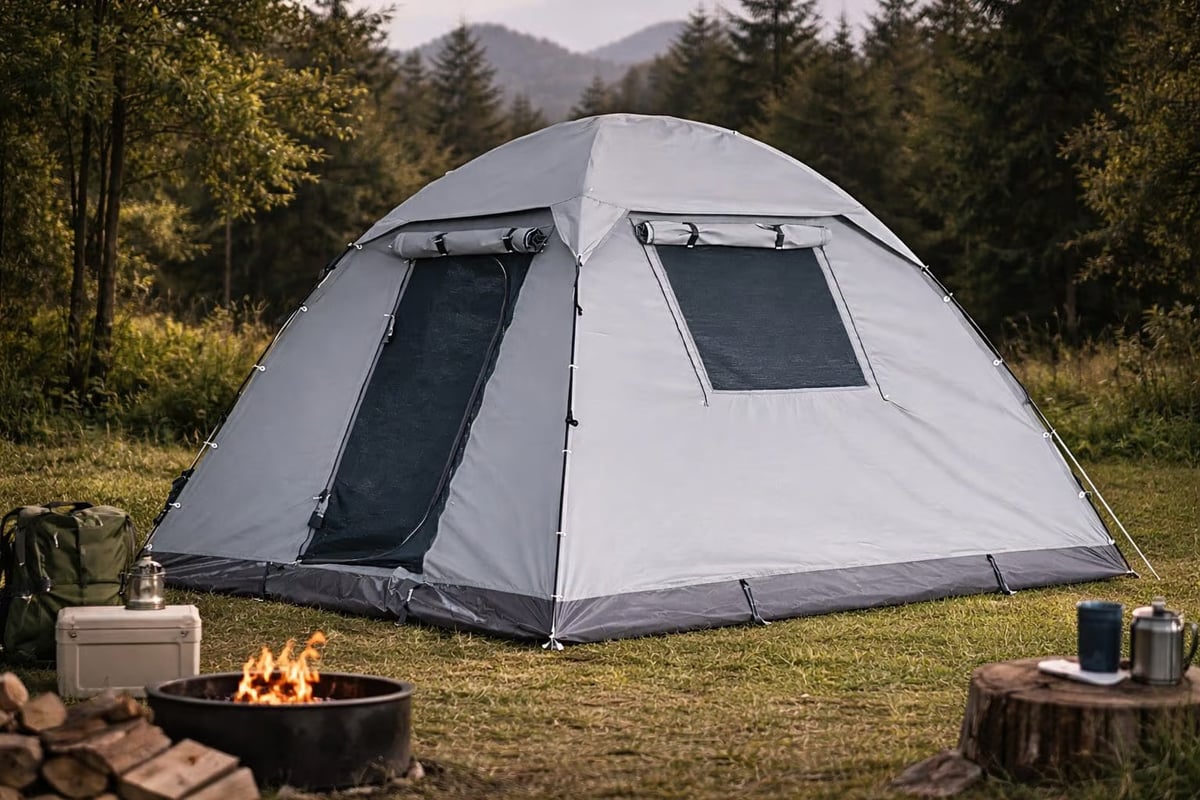
While traditional backpacking domes prioritize light weight, guide gear tents in dome configurations scale up these designs with heavier materials and larger dimensions. The dome shape naturally sheds wind and precipitation while requiring fewer poles than comparable wall tent sizes.
Modified dome designs often incorporate raised centers or extended vestibules that add functional space for gear storage or cooking areas protected from weather. These hybrid approaches combine the strength of dome architecture with the livability features outdoor enthusiasts need for comfortable extended stays.
Proper setup significantly impacts both the performance and longevity of guide gear tents. Unlike lightweight backpacking shelters that pitch quickly, these substantial structures require systematic approach and attention to detail during installation.
Ground assessment forms the critical first step. Look for level terrain free from rocks, roots, or depressions that could create uncomfortable sleeping surfaces or allow water pooling during rain. The Leave No Trace principles provide excellent guidance for selecting campsites that minimize environmental impact while maximizing safety and comfort.
Drainage considerations become especially important for guide gear tents that may remain erected for weeks or months. Position your tent on slight elevation where water naturally flows away rather than toward your shelter. Avoid low spots where cold air settles or where flash flooding could pose risks.
Wind direction affects both comfort and structural integrity. Position your tent so prevailing winds hit the strongest structural elements rather than broad fabric panels. Many experienced guides orient wall tents with the narrow end facing predominant wind direction to reduce stress on the structure.
Successful guide gear tent setup follows a logical sequence that ensures proper tensioning and structural integrity:
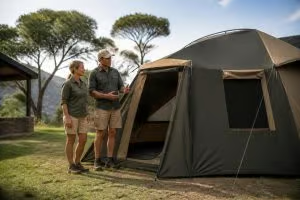
The Premium Heavy-Duty Canvas Dome Tent exemplifies quality construction engineered for South African conditions, providing reliable shelter that stands up to harsh weather while maintaining the breathability and durability serious outdoor enthusiasts require. This type of robust design ensures your investment delivers years of dependable performance.
Proper tension prevents fabric wear and maintains structural integrity. Canvas guide gear tents require different tensioning approaches than synthetic materials. Canvas stretches when wet and contracts when dry, necessitating periodic adjustments during use.
Additional stabilization becomes critical in exposed locations or during severe weather. Strategic placement of extra guy lines, reinforced staking at stress points, and sometimes anchoring to trees or large rocks helps guide gear tents withstand challenging conditions that would destroy lighter shelters.
Guide gear tents represent significant investments that reward proper maintenance with decades of reliable service. Understanding care requirements helps protect your investment while ensuring shelter remains safe and functional when you need it most.
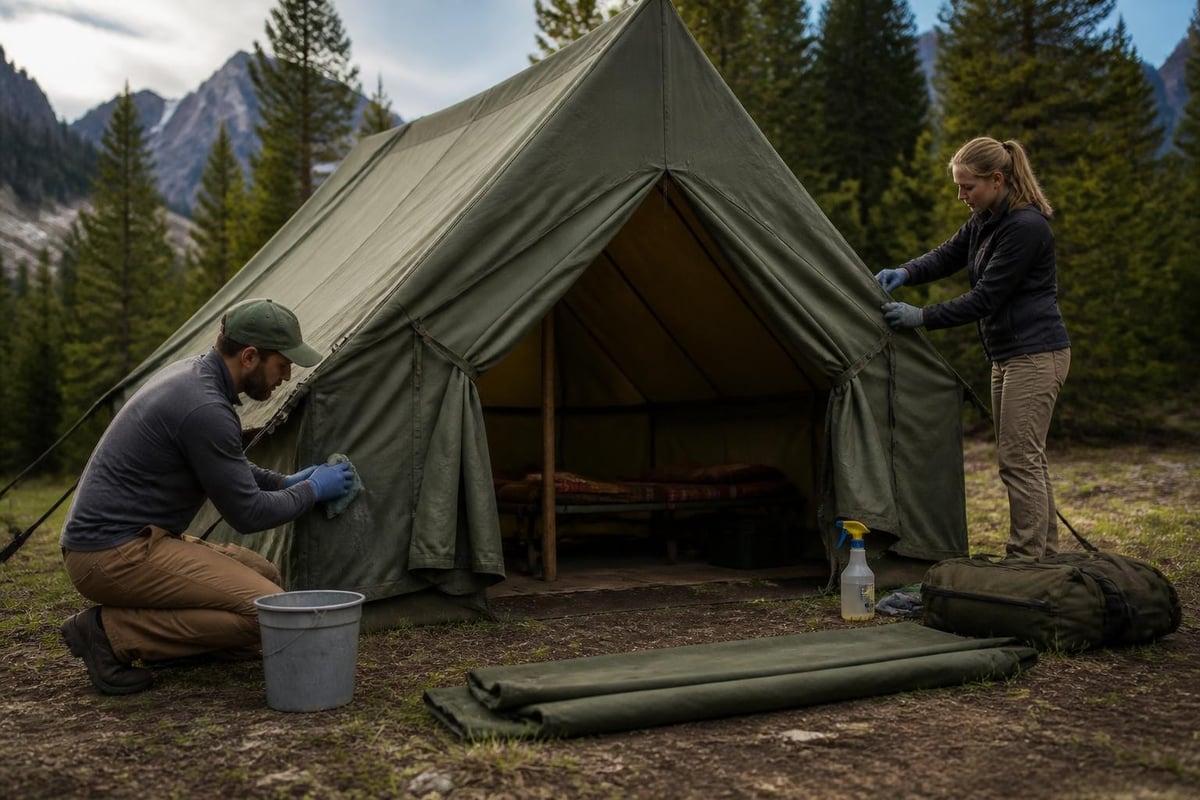
Field cleaning during extended trips prevents minor issues from becoming major problems. Sweep or shake out debris daily to prevent accumulation of dirt, pine needles, or organic material that can promote mold growth. Spot-clean spills and stains promptly using mild soap and water rather than harsh chemicals that might damage waterproof treatments or fabric integrity.
After trips, thorough cleaning becomes essential before storage. Set up guide gear tents completely in a dry, shaded location and allow them to air out for at least 24 hours. This drying period prevents mold and mildew that rapidly damage canvas materials stored while damp.
Use soft brushes to remove dried mud and debris, then wipe down fabric with damp cloths. For stubborn stains, mild soap solutions work effectively without compromising waterproof treatments. Rinse thoroughly and allow complete drying before packing for storage.
Canvas guide gear tents rely on waterproof treatments that gradually degrade through UV exposure and use. Most manufacturers recommend reapplying waterproofing annually or every 50-100 days of use, whichever comes first.
Treatment application requires clean, dry fabric and appropriate environmental conditions. Apply waterproofing products in temperatures between 50-80°F with low humidity for optimal absorption and curing. Follow manufacturer specifications regarding drying time before exposing treated fabric to moisture.
Pay special attention to seams, stress points, and areas showing water penetration or discoloration. These locations often need additional treatment to maintain complete weather protection.
Proper storage between trips dramatically extends guide gear tent lifespan. Store completely dry tents in breathable bags or containers that allow air circulation. Avoid plastic bags or sealed containers that trap moisture and promote mold growth.
Climate control matters for long-term storage. Keep tents in cool, dry locations away from direct sunlight, extreme temperatures, and rodents. Attics, basements, and garages work well if they maintain moderate temperatures and humidity levels.
Store tents loosely folded rather than tightly compressed. While guide gear tents don't require the careful treatment of down sleeping bags, allowing fabric to relax between uses prevents permanent creasing and stress on waterproof coatings.
Even high-quality guide gear tents eventually develop problems requiring attention. Recognizing common issues and understanding repair approaches helps maintain shelter integrity and extends useful life.
Small tears or punctures in canvas require prompt repair to prevent expansion. Canvas repair patches work effectively when properly applied:
Larger damage may require professional repair or sewing patches using heavy-duty thread and appropriate needles designed for canvas materials. Many outdoor specialists offer repair services specifically for guide gear tents and canvas products.
Frame components experience stress from wind loads, uneven ground, and repeated setup cycles. Regular inspection identifies potential failures before they occur in the field.
Common pole issues include:
Replacement parts for popular guide gear tent brands remain available through manufacturers and specialty outdoor retailers. Carrying spare connectors, pins, and shock cord on extended trips enables field repairs that keep shelters functional until permanent fixes can be made.
Quality zippers in guide gear tents generally prove reliable, but they require periodic maintenance. Clean zipper teeth regularly using soft brushes to remove dirt and debris that can cause jamming or premature wear.
Lubricate zippers annually using zipper lubricant or paraffin wax. Avoid oils that attract dirt or may damage fabric. When zippers stick or catch, identify and remove the obstruction rather than forcing the slider, which can strip teeth or bend the mechanism.
Understanding how guide gear tents compare to alternative shelter systems helps clarify when they represent the optimal choice and when other options might serve better.
The substantial weight of guide gear tents limits their application to situations where transportation doesn't require carrying shelter on your back. Vehicle-based camping, boat-accessed locations, horseback expeditions, or semi-permanent installations all work well with these heavier shelters.
According to Outdoor Industry Association research, camping participation continues growing with increasing interest in comfortable, extended outdoor experiences rather than just lightweight backpacking. This trend favors guide gear tents that prioritize livability over minimal weight.
| Shelter Type | Typical Weight | Setup Time | Best Use Case |
|---|---|---|---|
| Backpacking Tent | 2-6 lbs | 5-15 minutes | Foot travel, weight-critical |
| Guide Gear Tent | 40-100+ lbs | 30-90 minutes | Vehicle camping, base camps |
| Lightweight Tarp | 1-3 lbs | 10-20 minutes | Minimalist camping, emergency |
| RV/Trailer | 3000-10000 lbs | 15-45 minutes | Vehicle-based, amenity focus |
While backpacking tents typically provide 100-200 nights of use before requiring replacement, properly maintained guide gear tents commonly last 500-1000 nights or more. This extended lifespan offsets the higher initial investment for users who camp frequently or need reliable long-term shelter solutions.
The robust construction handles abuse that destroys lighter tents. Sharp gear, accidental impacts, and rough handling that would tear ultralight fabrics often barely mark heavy canvas. This resilience proves valuable in hunting camps, working expeditions, or family situations where multiple users access the shelter.
Interior space substantially impacts comfort during extended stays. Guide gear tents provide room to stand, move around, and organize gear without the cramped quarters of backpacking shelters. This spaciousness reduces the claustrophobic feeling that some people experience in small tents during multi-day rain events.
Temperature regulation in canvas guide gear tents surpasses synthetic alternatives. The breathable fabric reduces condensation buildup that soaks sleeping bags and creates uncomfortable humidity in sealed synthetic shelters. Many users report sleeping more comfortably in canvas tents across a wider range of conditions.
For those establishing semi-permanent camps or hospitality setups, quality linens enhance the comfort factor significantly. Noble Signature Group provides premium hospitality-grade linens that transform basic tent accommodations into comfortable sleeping environments, demonstrating how thoughtful provisioning elevates the outdoor experience beyond just weather protection.
Guide gear tents perform differently across seasons, and understanding these variations helps you prepare appropriately and extend your camping season into shoulder periods when fair-weather campers stay home.
Hot weather camping presents unique challenges that guide gear tents address through material properties and design features. Canvas breathability becomes especially valuable when temperatures climb, allowing air circulation that reduces interior heat buildup.
Ventilation management proves critical for summer comfort:
UV exposure accelerates waterproofing degradation during summer months. Position guide gear tents in partial shade when possible, or use reflective rain flies that deflect solar radiation and reduce interior temperatures.
Winter camping in guide gear tents offers experiences impossible in lighter shelters. The substantial construction supports wood stoves or heaters that make extended cold-weather stays comfortable rather than just survivable.
Heat retention in canvas tents exceeds synthetic materials significantly. The thicker fabric provides insulation that maintains warmer interiors and reduces the heating fuel required to keep spaces comfortable. Proper ventilation remains important even in winter to prevent condensation from cooking, breathing, and heating activities.
Snow loading requires attention in winter camping scenarios. Steep roof pitches shed snow naturally, but flat or low-slope designs may accumulate dangerous weight. Brush snow from roofs regularly during heavy snowfall events, and reinforce frames if extended winter use is planned.
Properly setup guide gear tents handle rain exceptionally well once canvas fully wets out and swells to create its natural waterproof barrier. This swelling process means new canvas tents or those freshly treated with waterproofing may leak slightly during the first significant rain before the fibers expand to seal gaps.
Storm preparation extends beyond the tent itself:
Lightning safety in guide gear tents follows general outdoor lightning protocols. Avoid exposed ridgelines and isolated trees, and recognize that being inside a tent provides no inherent protection from lightning strikes.
Guide gear tents require larger upfront investments than standard camping tents, but total cost of ownership calculations often favor these durable shelters for frequent users or those requiring specific capabilities.
Entry-level guide gear tents from reputable manufacturers typically start around $500-800 for smaller wall tent designs. Mid-range options offering enhanced features, larger dimensions, or premium materials generally fall in the $1000-2500 range. High-end custom or extra-large configurations can exceed $3000-5000.
This pricing contrasts sharply with backpacking tents ranging from $200-600 or car camping tents available for $100-400. However, the comparison becomes more favorable when factoring durability and capability differences.
A quality guide gear tent providing 800 nights of use at a $2000 purchase price costs $2.50 per night. A $300 backpacking tent lasting 150 nights costs $2.00 per night. While initially cheaper, the lighter tent requires replacement multiple times across the same usage period.
Additional value factors beyond pure economics include:
For outdoor professionals, hunting guides, or serious enthusiasts who spend 30-100+ nights annually camping, guide gear tents typically provide superior value despite higher purchase prices.
Smart purchasing approaches help maximize value when investing in guide gear tents:
The South African outdoor market offers excellent options through specialized suppliers like Ejenti Outdoor, which provides locally appropriate designs engineered for regional climate conditions and usage patterns.
Guide gear tents function as shelter systems rather than standalone products, and appropriate accessories significantly enhance performance, comfort, and longevity.
Footprints and ground cloths protect tent floors from abrasion, punctures, and ground moisture. Custom-fitted footprints provide optimal coverage, but generic tarps cut slightly smaller than tent dimensions work effectively at lower cost.
Ground cloth placement matters more than many realize. Position protection underneath tent floors rather than inside, and ensure edges don't extend beyond the tent perimeter where they can channel rainwater under the shelter. For comprehensive tent floor protection and extended life, heavy-duty materials prove worth the investment.
Standard tent stakes rarely suffice for guide gear tents, especially in challenging soil conditions or high-wind environments. Invest in heavy-duty stakes appropriate for your typical camping terrain:
Carry 50% more stakes than minimum requirements to enable additional guy line attachment points during severe weather. Quality stakes represent minimal expense compared to tent replacement costs after wind damage.
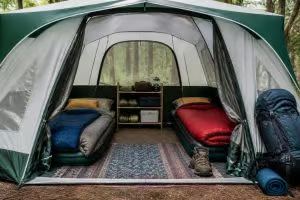
Interior organization transforms guide gear tents from simple shelter into functional living space. Gear lofts keep equipment off the floor and readily accessible. Hanging pockets organize small items that otherwise disappear in larger tent interiors. Clothes lines allow drying wet garments safely away from sleeping areas.
Sleeping systems deserve attention equal to shelter itself. Cots elevate sleeping surfaces away from cold, damp ground and provide more comfortable sleeping than directly on tent floors. Quality sleeping bags or blankets appropriate for expected temperature ranges ensure restful sleep that makes outdoor experiences enjoyable rather than endurance tests.
Lighting solutions extend usable hours and improve safety during dark conditions. LED lanterns provide reliable, efficient illumination without the fire hazards of fuel-burning alternatives. Strategic placement of multiple light sources eliminates dark corners and enables reading, cooking, and other activities after sunset.
Reviews and testing from publications like Backpacker magazine provide independent evaluation of tent performance and accessories, helping buyers make informed decisions based on real-world testing rather than marketing claims.
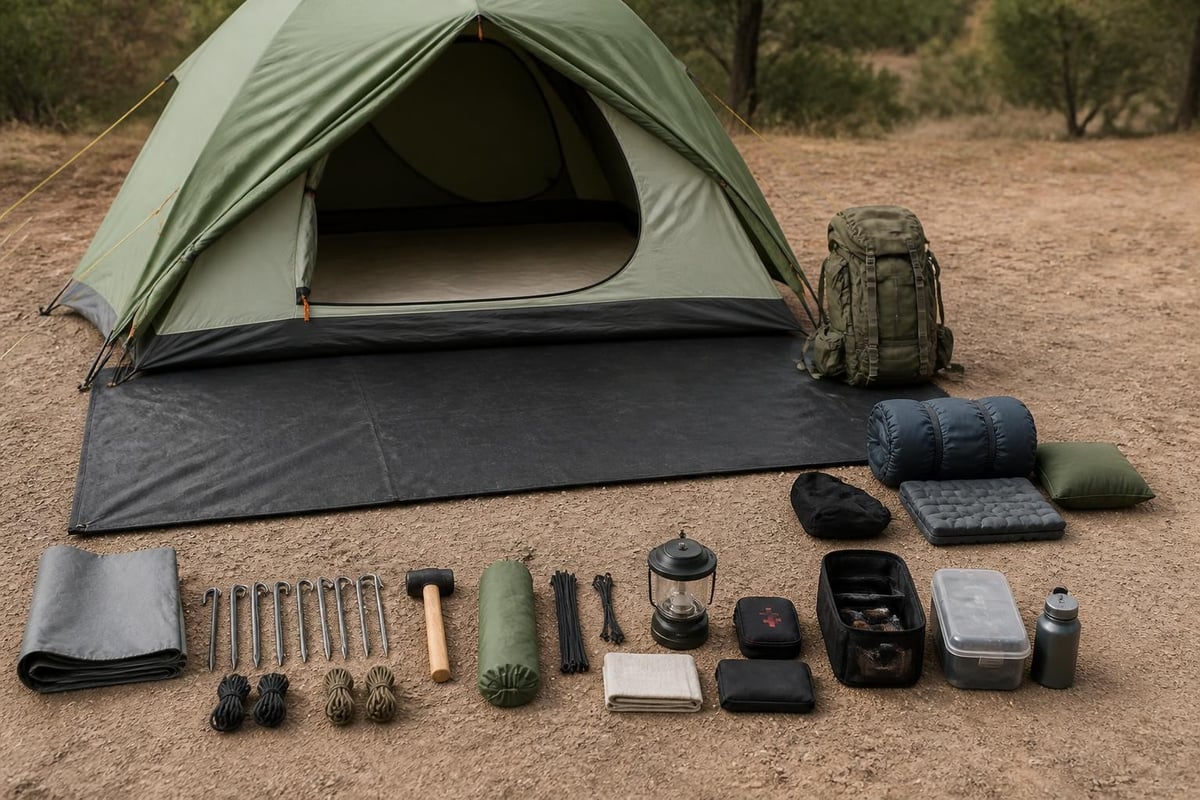
Outdoor enthusiasts bear responsibility for minimizing environmental impact while enjoying natural spaces. Guide gear tents present both challenges and opportunities in sustainability considerations.
Canvas production requires significant resources, but natural cotton fibers biodegrade at end-of-life unlike synthetic tent materials that persist in landfills for centuries. The extended lifespan of guide gear tents means fewer manufacturing cycles and reduced total resource consumption compared to repeatedly replacing lighter synthetic alternatives.
Waterproofing treatments represent an area requiring careful consideration. Traditional paraffin and wax-based treatments offer more environmentally friendly profiles than fluoropolymer coatings, though performance characteristics differ. Evaluate treatment options based on both effectiveness and environmental impact aligned with your values.
Guide gear tents support repair rather than replacement culture. The substantial construction and availability of replacement parts enables fixing rather than discarding shelters when components fail. This repairability extends product life while reducing waste streams.
Learning basic tent repair skills empowers users to maintain equipment rather than relying on replacement. Simple repairs like patch application, seam sealing, and stake replacement require minimal tools and skills while preventing functional tents from becoming waste.
Where and how you use guide gear tents impacts environments hosting your camps. Following established guidelines minimizes damage:
Long-term or semi-permanent installations require extra care. Rotate tent locations periodically to allow vegetation recovery. Monitor for erosion or compaction issues developing around high-traffic areas. Consider environmental carrying capacity when choosing camp locations for extended stays.
Selecting and maintaining appropriate guide gear tents requires understanding your specific needs, usage patterns, and the environments where you'll camp. These substantial shelters provide unmatched durability, comfort, and capability for vehicle-based camping, hunting expeditions, and extended outdoor stays where weight concerns take secondary priority to livability and weather protection. Whether you're establishing a semi-permanent hunting camp, creating comfortable family accommodations, or simply wanting shelter that handles whatever weather nature delivers, quality guide gear tents reward your investment with decades of reliable service. Ejenti Outdoor specializes in durable outdoor solutions engineered specifically for South African conditions, offering premium canvas tents, gazebos, and outdoor fabrics designed to withstand demanding environments while providing the comfort and functionality serious outdoor enthusiasts require.