Inside a Camping Tent: Setup, Comfort & Maintenance

The experience inside a camping tent defines the quality of your outdoor adventure. Whether you're spending a weekend in nature or embarking on an extended camping expedition, understanding how to optimize your tent's interior space, manage climate control, and maintain comfort makes the difference between restful nights and uncomfortable struggles. This comprehensive guide explores everything you need to know about creating a functional, comfortable, and safe environment inside a camping tent, drawing on proven techniques used by experienced campers across South Africa and beyond.

Choosing the Right Tent for Interior Comfort

Before you can optimize the space inside a camping tent, you need to select the right shelter for your needs. The interior dimensions, height, and layout significantly impact how comfortable your camping experience will be.

Floor Space and Headroom Considerations

When evaluating a tent, measure the usable floor space against your sleeping arrangements and gear storage needs. A tent marketed as a "four-person" shelter often provides minimal space for four adults and their equipment. Consider these factors:

  • Sleeping capacity: Add one or two extra person capacity to the manufacturer's rating for comfortable sleep
  • Gear storage: Allocate at least 20% of floor space for backpacks, boots, and equipment
  • Vestibule areas: Look for tents with covered entry spaces that keep muddy items outside the sleeping area
  • Peak height: Tents with center heights above 1.5 meters allow you to change clothes while standing

The National Park Service provides practical guidance on campsite selection that includes considerations for tent placement and setup on durable surfaces.

Material Selection for Climate Control

The fabric composition of your tent walls and floor directly affects the interior environment. Canvas tents offer excellent breathability and temperature regulation, making them ideal for extended stays in variable weather conditions. Synthetic materials like ripstop nylon and polyester provide lightweight portability but require careful ventilation management.

Material Type Breathability Weight Durability Best Use Case
Canvas Excellent Heavy Very High Extended camping, safari setups
Ripstop Nylon Moderate Light High Backpacking, short trips
Polyester Good Moderate High General camping
PVC-Coated Fabric Low Heavy Excellent Event tents, permanent structures

Understanding tent fabric properties helps you anticipate how the interior environment will behave in different weather conditions.
Tent interior climate factors

Organizing Space Inside a Camping Tent

Efficient organization transforms a cramped shelter into a functional living space. The layout you establish on your first night sets the pattern for your entire trip.

Zoning Your Interior Layout

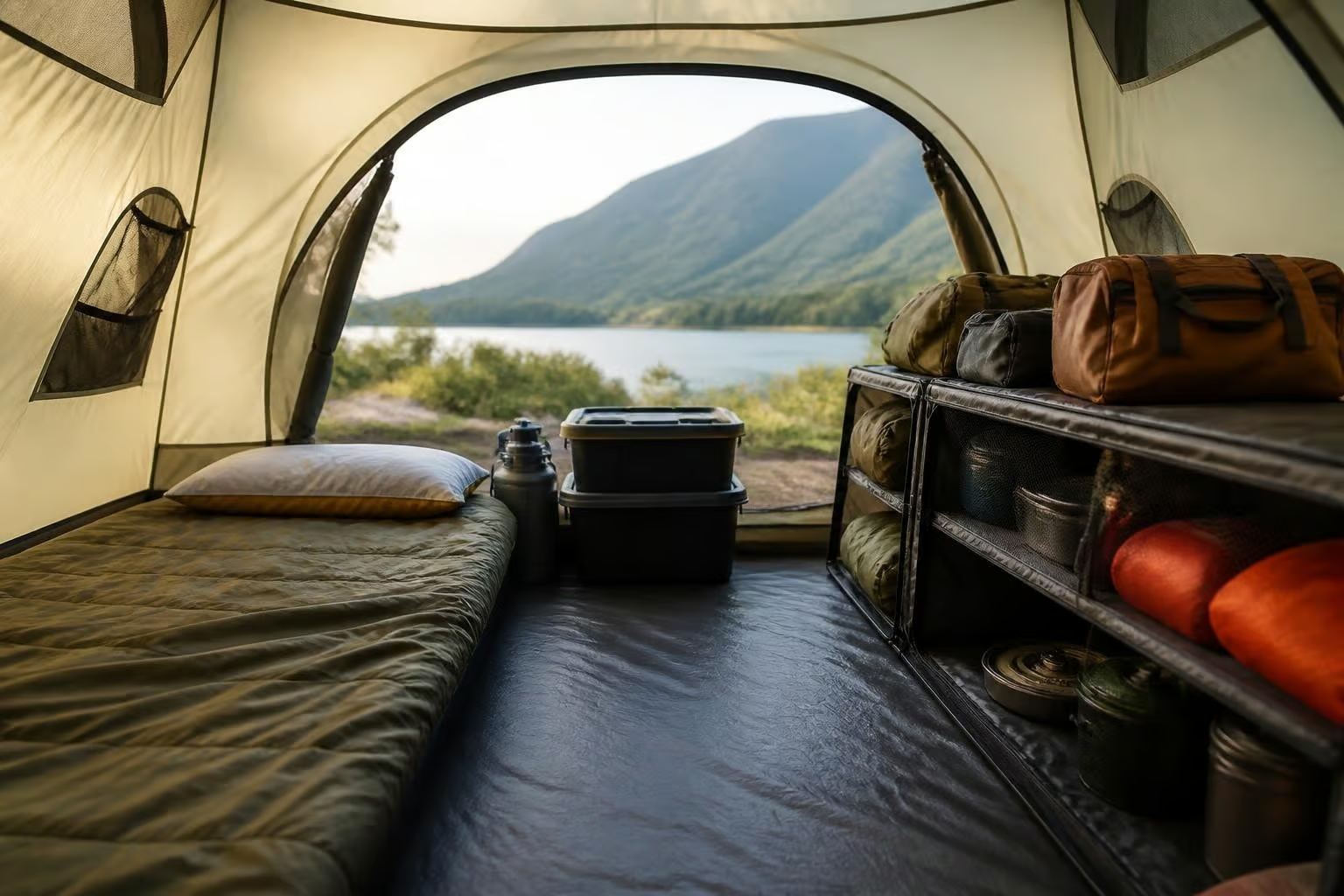
Divide the space inside a camping tent into distinct functional zones. This approach maximizes usable space and maintains order even in compact shelters:

  1. Sleeping zone: Position sleeping bags and pads along the tent walls, heads toward the apex for maximum headroom
  2. Storage zone: Designate corners or one side for packed gear, keeping heavy items low and centered
  3. Changing area: Reserve space near the door where you can sit and change footwear
  4. Utility zone: Create a small area for lanterns, phones, and items you'll access during the night

Keep the center pathway clear from door to sleeping areas. This prevents you from stepping on gear or other campers during nighttime bathroom trips.

Gear Management Strategies

Loose items create chaos inside a camping tent. Implement these organizational systems:

  • Hanging organizers: Use mesh pockets attached to tent walls for small items like headlamps, phones, and glasses
  • Stuff sacks by category: Color-code bags for clothing, toiletries, cooking gear, and electronics
  • Shoe storage: Position a waterproof mat or bag inside the vestibule for muddy footwear
  • Overhead storage: Utilize gear loft attachments or create makeshift shelves using paracord and carabiners

Secure hardware becomes essential when organizing equipment in outdoor setups. Quality fasteners and attachment points keep gear safely organized and accessible.

Managing Condensation and Moisture

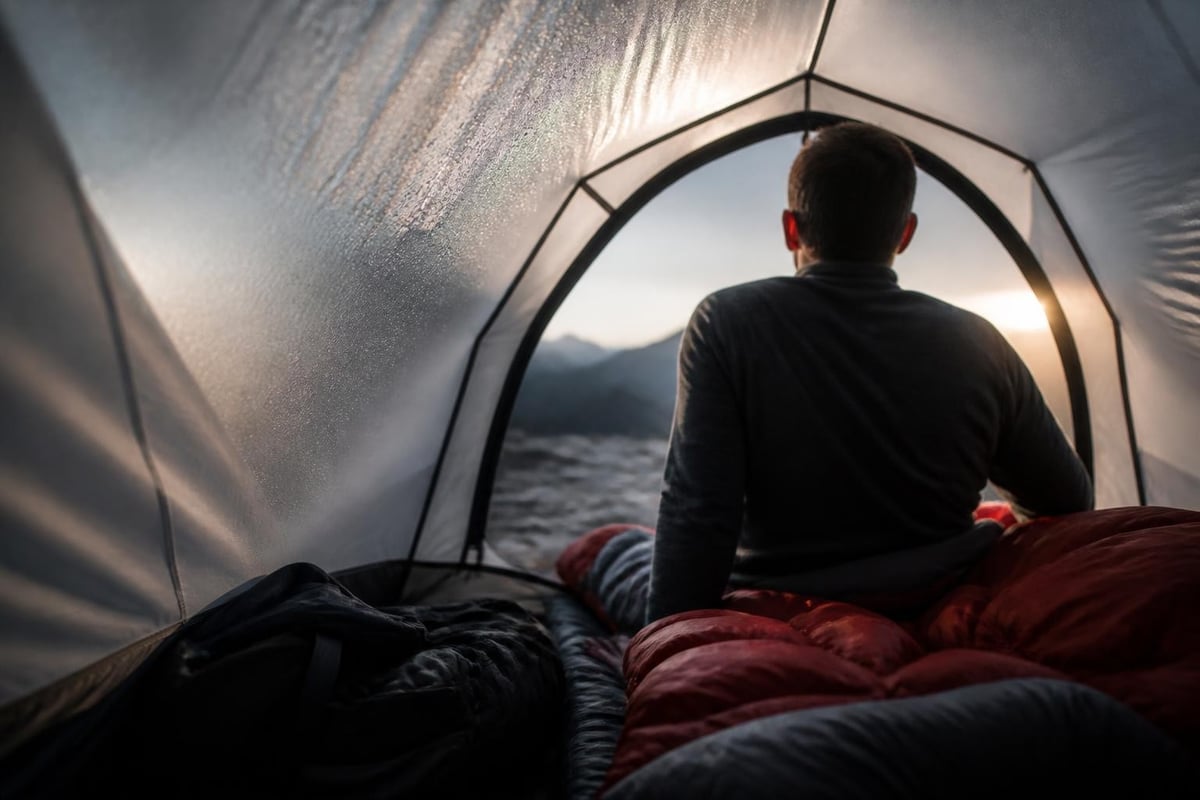
One of the most common challenges inside a camping tent is managing moisture buildup. Condensation forms when warm, humid air inside the tent meets cooler tent fabric, creating water droplets that drip onto sleeping bags and gear.

Understanding the Science of Tent Condensation

According to research on vapor pressure and humidity dynamics, condensation occurs when air temperature drops below the dew point. Inside a camping tent, multiple moisture sources contribute to this problem:

  • Respiration: Each person exhales approximately one liter of water vapor per night
  • Body perspiration: Even in cool weather, sleepers release moisture through skin
  • Wet gear: Damp clothing, boots, and equipment add humidity to the enclosed space
  • Ground moisture: Water vapor rises through tent floors without proper ground sheets

A detailed technical analysis of tent condensation explains how vapor pressure differentials drive moisture accumulation and provides data-driven mitigation strategies.

Practical Condensation Prevention

Implement these techniques to minimize moisture inside a camping tent:

  1. Maximize ventilation: Open roof vents and door panels even in cold weather to promote airflow
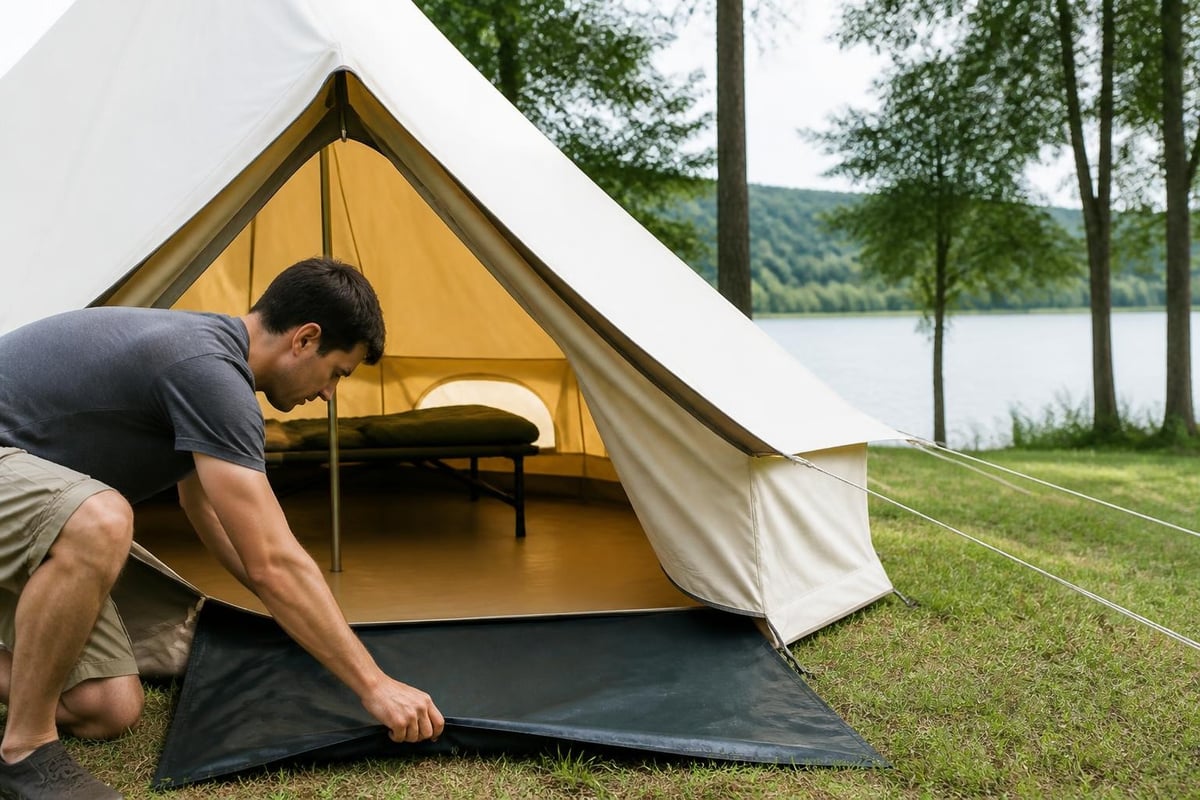
  2. Use a proper footprint: Place a waterproof ground cloth slightly smaller than your tent floor to prevent wicking
  3. Pitch the rainfly correctly: Maintain 15-20cm clearance between fly and tent body for air circulation
  4. Avoid cooking inside: Steam from cooking adds massive amounts of moisture to the interior
  5. Wipe down walls: Each morning, use an absorbent cloth to remove condensation before it drips

Double-wall tents with separate inner and outer layers perform better in humid conditions because moisture condenses on the fly rather than the sleeping chamber.
Moisture control strategies

Temperature Regulation and Comfort

Creating a comfortable temperature inside a camping tent requires understanding heat transfer principles and employing both passive and active climate control strategies.

Cold Weather Insulation Techniques

In cooler conditions, heat escapes rapidly through tent floors and walls. Layer your insulation strategically:

  • Ground insulation: Use closed-cell foam pads or inflatable insulated sleeping pads with R-values above 4.0
  • Draft sealing: Close all vents and zip doors completely, leaving only minimal ventilation for moisture escape
  • Heat retention: Fill empty spaces with soft gear like clothing to reduce air volume that needs heating
  • Thermal layers: Hang a reflective emergency blanket along tent walls to redirect radiant heat inward

Never use open-flame heaters or unapproved heating devices inside a camping tent. The fire risk and carbon monoxide danger far outweigh any comfort benefits. The Consumer Product Safety Commission report on tent flammability documents numerous incidents involving heating equipment in tents.

Hot Weather Cooling Strategies

Managing heat inside a camping tent during summer requires different approaches:

  1. Site selection: Pitch under shade trees or use natural terrain features to block afternoon sun
  2. Reflective fly: Light-colored rainflies reflect solar radiation better than dark fabrics
  3. Cross-ventilation: Create airflow by opening doors on opposite sides and all roof vents
  4. Timing: Keep the tent fully open during morning and evening, closing only during peak sun hours
  5. Wet towel method: Hang damp towels inside to cool through evaporative cooling (only in low humidity)

The USDA Forest Service trip planning guide offers comprehensive advice on campsite selection that includes considerations for sun exposure and natural wind patterns.

Safety Practices Inside a Camping Tent

Maintaining safety inside a camping tent involves awareness of fire hazards, wildlife interactions, and emergency preparedness.

Fire Safety and Lighting

Tent fabrics vary significantly in their fire resistance properties. The National Fire Protection Association guidelines detail requirements for temporary structures and emphasize the importance of proper flame-retardant treatment.

Follow these fire safety rules inside a camping tent:

  • LED lighting only: Use battery-powered LED lanterns and headlamps instead of fuel-burning lights
  • No cooking: Keep all stoves and cooking equipment outside the tent or in well-ventilated vestibules
  • Candle prohibition: Never use candles or any open flame inside fabric shelters
  • Battery management: Store spare batteries away from metal objects to prevent short circuits
  • Emergency exit plan: Always know where your doors are and keep them unobstructed

Proper visibility aids safety for anyone camping in shared spaces or near established campgrounds. Consider using reflective markers or signage solutions to identify your campsite in low-light conditions, especially in larger camping areas where navigation can become challenging after dark.

Wildlife and Insect Protection

The interior of your tent provides protection only if you maintain proper protocols. Food odors attract wildlife, while gaps in zippers and mesh allow insect entry.

Implement these protective measures:

  • Zero food inside: Store all food, toiletries, and scented items in bear canisters or vehicle trunks
  • Immediate zip closure: Enter and exit quickly, zipping doors immediately to prevent insect infiltration
  • Mesh inspection: Check window screens and door panels regularly for tears or gaps
  • Repellent treatment: Apply permethrin to tent fabric and gear according to EPA guidelines for insect repellent use
  • Ground barriers: Create a clean zone around your tent free of food debris that attracts animals

Additional safety measures become important in areas with specific hazards. In industrial camping sites or organized events, clear safety signs help communicate hazards and emergency protocols to all campers.

Sleeping Comfort Optimization

Quality sleep inside a camping tent depends on proper bedding setup, sound management, and personal comfort systems.

Bedding Configuration

The foundation of tent sleeping comfort starts with your sleeping pad. Many campers focus exclusively on sleeping bag warmth while neglecting the critical insulation and cushioning provided by a quality pad.

Sleeping pad selection criteria:

Pad Type Insulation (R-Value) Comfort Pack Size Best For
Closed-cell foam 2.0-3.5 Firm Large Budget, reliability
Self-inflating 3.0-6.0 Medium Medium General camping
Inflatable insulated 4.0-8.0 Soft Small Cold weather, backpacking
Cot systems Variable Excellent Very large Vehicle camping

Layer sleeping pads when temperatures drop below freezing. Combine a closed-cell foam base with an inflatable insulated pad on top for R-values exceeding 10.0.

Sound and Light Control

External noise and early morning light disrupt sleep inside a camping tent. Create better rest conditions:

  • Earplugs: Quality foam or silicone earplugs block snoring tentmates and early birds
  • Eye masks: Complete darkness improves sleep quality and allows later morning rest
  • White noise: Use smartphone apps (airplane mode) to mask campground sounds
  • Strategic pitching: Position your tent door away from pathways and neighboring campers

The American Red Cross camping safety guidance includes recommendations for creating safe, comfortable sleeping arrangements that promote proper rest during outdoor adventures.

Maintenance and Care During Use

Regular maintenance inside a camping tent during your trip prevents damage and extends shelter lifespan.

Daily Tent Care Routines

Establish these habits each morning and evening:

Morning routine:

  1. Wipe condensation from interior walls before it drips onto gear
  2. Air out sleeping bags and pads by draping over guy lines
  3. Sweep or shake out debris from the tent floor
  4. Check all zipper tracks for dirt or damage
  5. Inspect guy lines and stakes for loosening

Evening routine:

  1. Remove boots and brush off dirt before entering
  2. Organize gear to prevent damage from shifting weight
  3. Close all vents partially if rain is forecast
  4. Position a headlamp in an accessible location for nighttime use
  5. Do a final walk around to ensure all stakes are secure

Preventing Interior Damage

Most tent damage occurs from inside through careless use. Protect your investment:

  • Sharp objects: Keep knives, tools, and pet claws away from tent fabric
  • Pressure points: Avoid sitting or leaning heavily against tent walls
  • Zipper care: Always zip and unzip slowly, holding fabric taut to prevent snags
  • Floor protection: Use an interior ground cloth in high-traffic areas
  • Ventilation before storage: Ensure the tent interior is completely dry before packing to prevent mildew

Quality construction components make maintenance easier and extend tent life significantly. When setting up larger structures or safari tents, proper tensioning hardware and fasteners ensure the shelter remains taut and properly shaped throughout your stay.
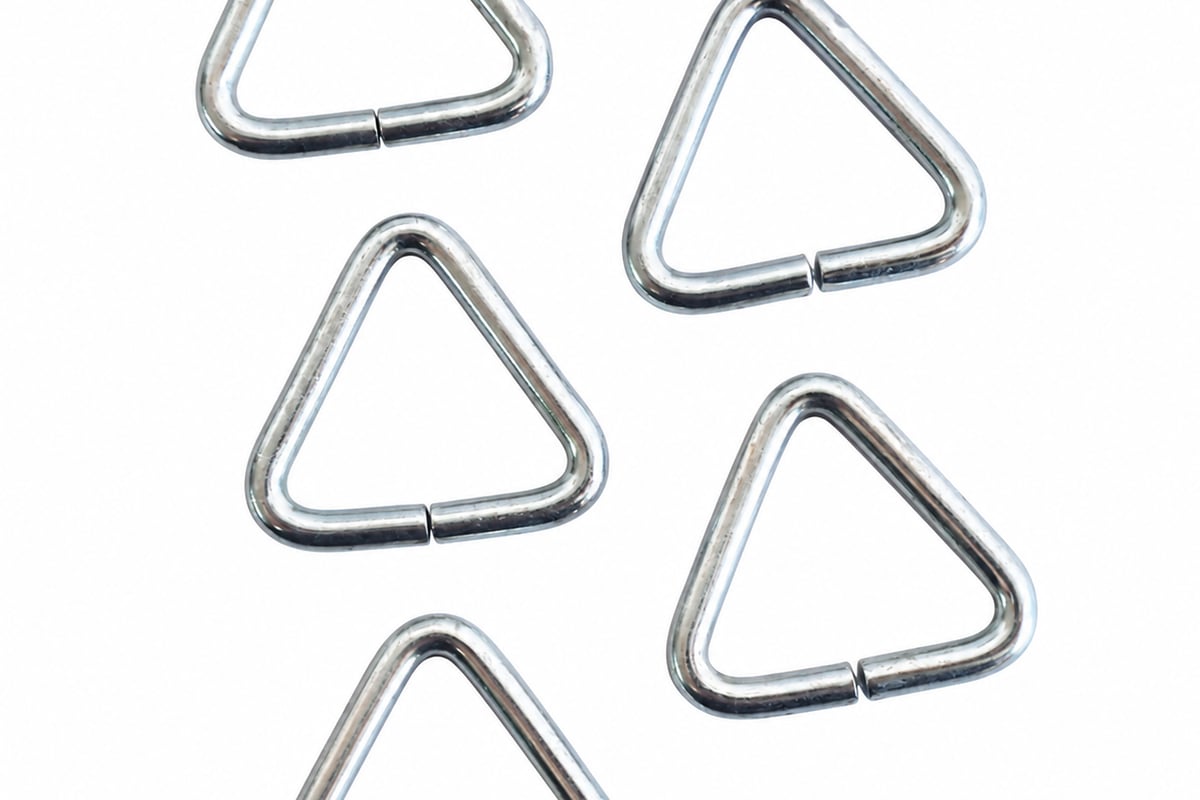
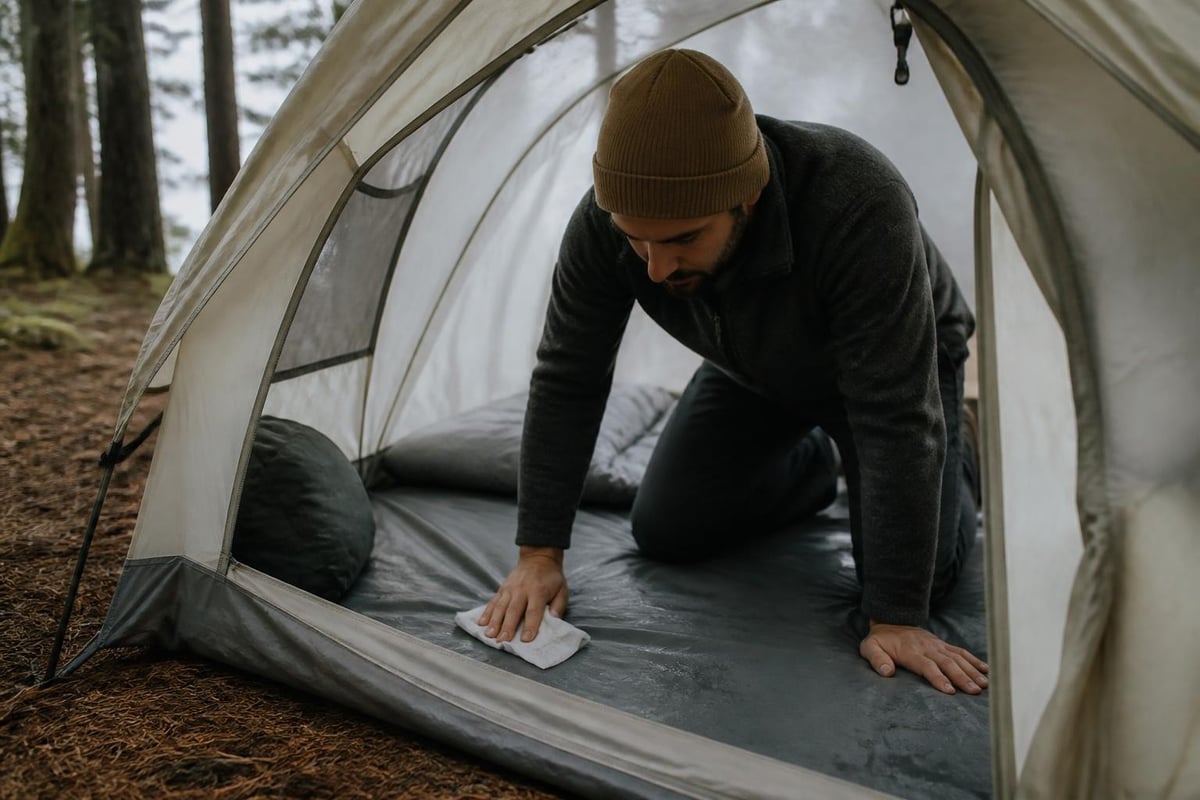
Heavy Duty Tent Hooks & Metal Fasteners - J Hook, S Hook, D Ring, Triangle - Ejenti OutdoorTent maintenance checklist

Storage Solutions for Extended Stays

When camping for multiple days, efficient storage inside a camping tent becomes increasingly important. Disorganization compounds quickly in confined spaces.

Vertical Space Utilization

Most campers underutilize the vertical space inside a camping tent. Implement these overhead storage strategies:

  • Gear lofts: Install mesh loft systems that hang from tent ceiling attachment points
  • Hanging loops: Attach lightweight items to built-in loops using carabiners
  • Clothesline systems: String paracord across the tent interior for drying socks and towels
  • Stuff sack hooks: Hang stuffed clothing bags from tent poles to keep floors clear

Avoid overloading overhead systems. Excessive weight on tent ceilings causes sagging and stresses seams.

Dirty vs. Clean Separation

Maintain sanitation inside a camping tent by separating contaminated items from clean gear:

  1. Designated dirty bag: Use one stuff sack exclusively for worn clothing and dirty items
  2. Quarantine zone: Create a small area near the door for items that touched the ground
  3. Hand sanitizer station: Keep hand sanitizer accessible for use before handling clean items
  4. Sock management: Hang worn socks outside or in vestibules to air rather than storing inside
  5. Towel system: Designate separate towels for bathing and general cleaning tasks

This organizational discipline becomes essential on trips exceeding three days when accumulated dirt and odors intensify.

Adapting to Different Tent Styles

The strategies for optimizing space inside a camping tent vary depending on shelter design. Different tent architectures require specialized approaches.

Dome and Cabin Tents

Traditional dome tents offer good headroom in the center but limited space along walls. Cabin-style tents provide vertical walls that maximize usable floor space.

Dome tent optimization:

  • Store gear in the perimeter where ceiling height is lowest
  • Use the center area for sitting and changing
  • Position sleeping bags radially from the center pole

Cabin tent optimization:

  • Utilize vertical wall space with hanging organizers
  • Create room divisions using gear placement
  • Maximize corner spaces for storage

Tunnel and Wedge Configurations

Tunnel tents create elongated interior spaces ideal for gear organization. Wedge tents prioritize simplicity and weather resistance over interior volume.

Tunnel tent advantages inside:

  • Natural room separation with distinct sleeping and living areas
  • Superior ventilation through end-to-end airflow
  • Easy gear organization along sidewalls

Wedge tent considerations:

  • Limited headroom requires kneeling or lying down
  • Minimal gear storage space necessitates external vestibules
  • Excellent stability in high winds compensates for less comfortable interior

For extended stays or semi-permanent camping setups, larger canvas structures provide significantly more livable space and comfort. Quality canvas construction offers superior breathability and temperature regulation compared to synthetic alternatives.

Electronics and Power Management

Modern camping often involves managing electronics inside a camping tent. Proper power management ensures devices remain functional without creating hazards.

Safe Charging Practices

Follow these protocols when charging devices inside a camping tent:

  • Battery banks only: Never run AC power or generators inside tents
  • Heat management: Charge devices on hard surfaces, not bedding or sleeping bags
  • Cable routing: Secure charging cables to prevent tripping hazards
  • Moisture protection: Keep all electronics in waterproof bags when not in use
  • Overnight charging: Only charge devices while awake to monitor for overheating

Store power banks and spare batteries in insulated pouches during cold weather. Lithium batteries lose capacity rapidly in freezing temperatures.

Device Organization Systems

Create a dedicated electronics station inside a camping tent:

  1. Central charging station: Designate one gear pocket or mesh organizer for all electronics
  2. Cable management: Use velcro straps or small stuff sacks to prevent cable tangles
  3. Accessibility hierarchy: Keep frequently used items (headlamp, phone) in easy-access locations
  4. Backup storage: Store backup batteries and emergency power in a separate, known location
  5. Weather protection: Double-bag all electronics in waterproof containers

Weatherproofing Your Interior

External weather conditions directly impact comfort inside a camping tent. Proper weatherproofing preparation prevents emergency situations.

Rain Preparation Strategies

Before rain arrives, implement these protective measures inside a camping tent:

  • Gear elevation: Place all items on top of sleeping pads or in waterproof stuff sacks
  • Leak identification: Know common failure points (seams, zippers, floor edges) and monitor them
  • Absorbent materials: Keep microfiber towels accessible to wipe pooling water
  • Door management: Create a mudroom system in vestibules for wet clothing
  • Critical item protection: Store phones, documents, and fire-starting materials in waterproof containers

Wind Protection Techniques

High winds create unique challenges inside a camping tent through noise, movement, and potential structural failure:

  1. Weight distribution: Center heavy gear to lower the tent's center of gravity
  2. Loose item security: Stow all lightweight items that could blow around
  3. Door orientation: Face doors away from prevailing winds when possible
  4. Guy line monitoring: Check and adjust tension on exterior lines to reduce tent movement
  5. Emergency preparedness: Keep shoes and essentials accessible for quick evacuation if needed

Proper tent pitching and site selection as detailed in authoritative camping guidance forms the foundation of weather protection.

Hygiene and Sanitation Practices

Maintaining cleanliness inside a camping tent promotes health and comfort during extended outdoor stays.

Personal Hygiene Routines

Establish daily hygiene practices that work within the constraints of tent camping:

  • Hand hygiene: Use hand sanitizer before meals and after bathroom trips
  • Face and body wipes: Keep biodegradable wipes for daily freshening when showers aren't available
  • Oral care: Maintain dental hygiene with water bottles and portable toothbrush systems
  • Clothing rotation: Change base layers daily and hang worn clothes outside
  • Foot care: Air feet daily and apply foot powder to prevent fungal growth

Waste Management Inside Tents

Never store waste inside a camping tent. Even small amounts of garbage attract insects and animals:

  1. Immediate removal: Take all food packaging and waste directly to proper containers
  2. Scent control: Store used toiletry items in sealed bags between uses
  3. Tissue management: Dispose of used tissues immediately rather than accumulating them
  4. Water dumping: Pour wash water at least 70 meters from camp, never near the tent
  5. Pack it out: Maintain a dedicated trash bag that lives outside the tent

Mastering the environment inside a camping tent transforms outdoor experiences from endurance tests into comfortable adventures. By implementing proper organization, climate control, and safety practices, you create a functional home away from home in any weather condition. Whether you're planning a weekend camping trip or an extended safari expedition, Ejenti Outdoor provides the durable tents, quality hardware, and reliable outdoor solutions designed specifically for South African conditions. Visit Ejenti Outdoor today to explore premium canvas tents and camping equipment built to enhance your comfort in the wilderness.

Leave a Reply

Your email address will not be published. Required fields are marked *