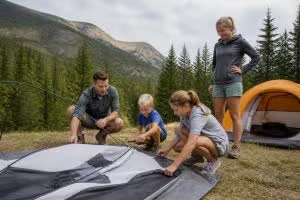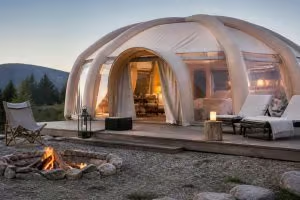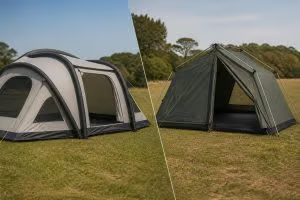

Camping enthusiasts face a fundamental decision before every outdoor adventure: should you invest in purchasing equipment or rent tents for camping? For many outdoor lovers, rental solutions offer practical advantages that make them the preferred choice. Whether you're planning your first camping trip, need specialized equipment for unique conditions, or want to test different shelter options before committing to a purchase, understanding the rental landscape empowers you to make informed decisions that enhance your outdoor experiences.
The camping equipment rental market has evolved significantly, offering sophisticated solutions for diverse outdoor needs. When you rent tents for camping, you gain access to professional-grade equipment without the substantial upfront investment required for ownership.
Storage concerns represent one of the most compelling reasons to consider rentals. Quality camping tents require proper storage conditions to maintain their waterproofing and structural integrity. For urban dwellers with limited storage space, this poses a genuine challenge.
Rental services deliver measurable cost benefits, especially for occasional campers. A premium four-season tent can cost upward of $800 to $1,500, while renting the same equipment typically ranges from $50 to $150 per weekend depending on size and features.
The 2026 tent rental pricing landscape reflects these considerations, with transparent pricing structures that help campers budget effectively for their adventures.

Understanding tent categories helps you match your shelter to specific camping conditions and group sizes. Rental companies typically organize their inventory into distinct classifications based on design, capacity, and intended use.
Standard dome and cabin tents serve most recreational camping needs. These shelters accommodate between two and eight people, featuring straightforward setup processes and adequate weather protection for three-season use.
Dome tents utilize crossed poles to create freestanding structures that resist wind effectively. Their aerodynamic shape sheds rain efficiently, making them reliable choices for variable weather conditions.
Cabin tents prioritize interior space with vertical walls that maximize headroom. While they offer superior comfort for families, their larger profiles make them less suitable for exposed, windy locations.
When you rent tents for camping in challenging environments, expedition-grade shelters become essential. These technical tents feature reinforced fabrics, geodesic pole structures, and enhanced waterproofing systems designed for extreme conditions.
| Tent Type | Capacity | Weight Range | Best For |
|---|---|---|---|
| Backpacking | 1-3 people | 1-3 kg | Hiking, multi-day treks |
| Family Cabin | 4-8 people | 10-20 kg | Car camping, established sites |
| Expedition | 2-4 people | 4-8 kg | High altitude, severe weather |
| Canvas Lodge | 4-12 people | 25-60 kg | Safari, semi-permanent camps |
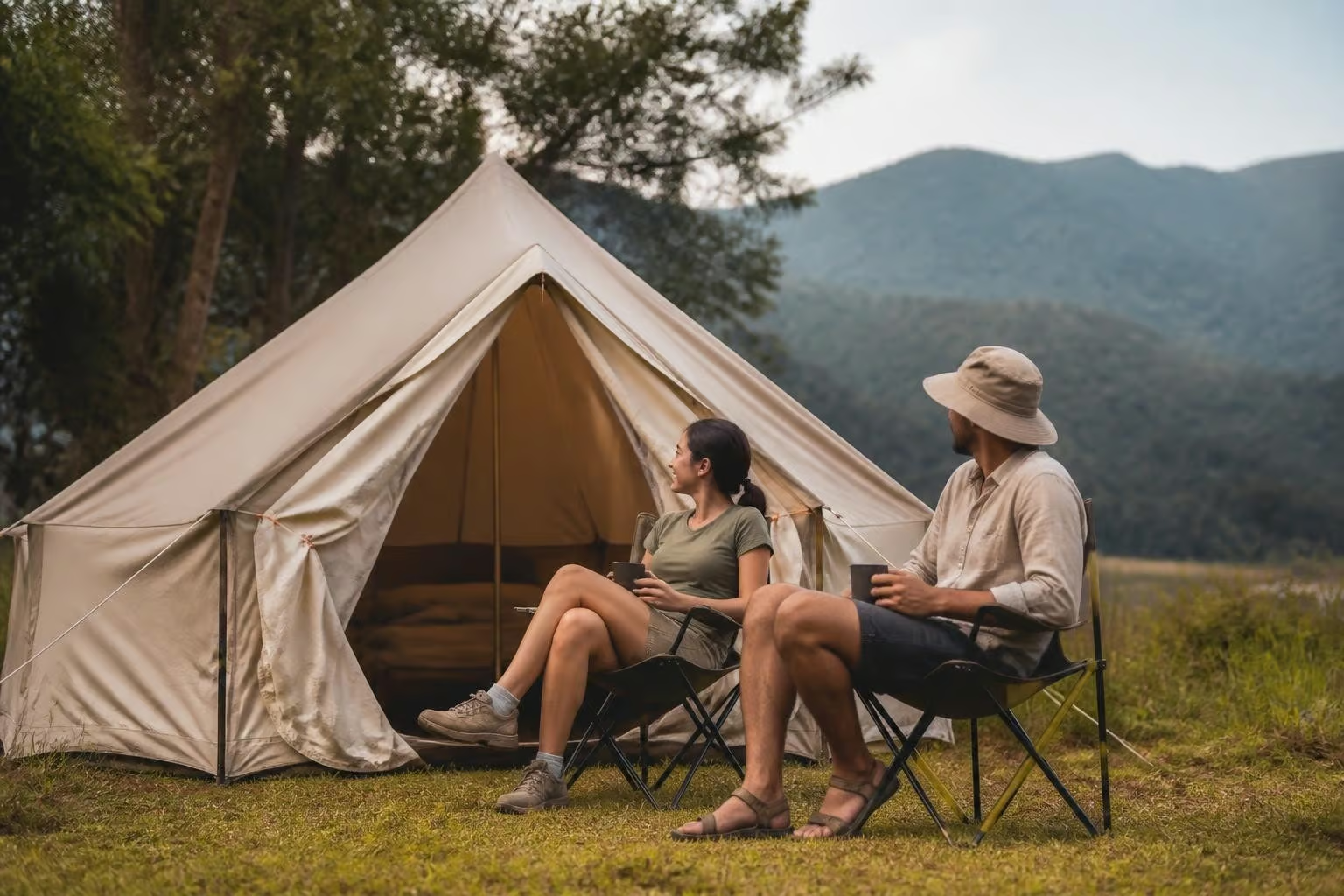
Canvas lodge tents deserve special attention for their durability and comfort. These substantial shelters provide excellent ventilation, superior insulation, and remarkable longevity compared to synthetic alternatives.
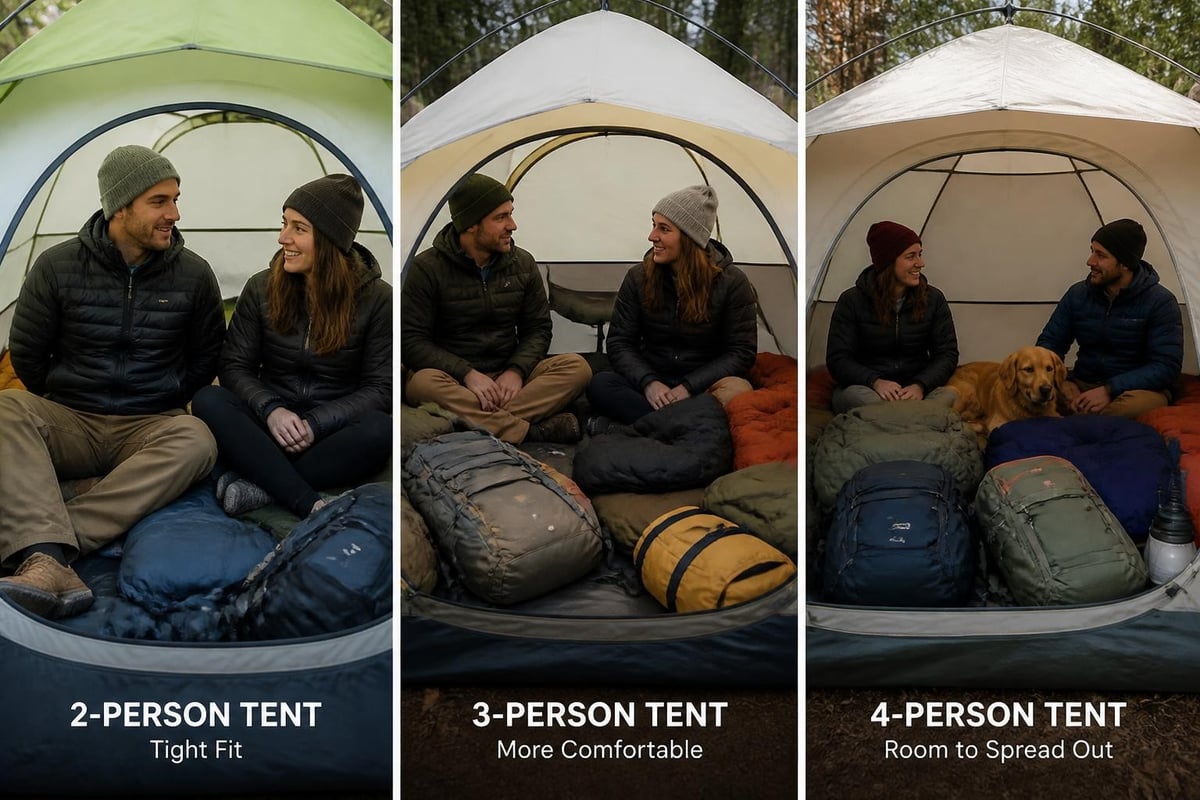
Proper sizing ensures comfort without unnecessary weight or cost. Rental companies rate tent capacity based on sleeping space alone, without accounting for gear storage or movement room.
The standard industry calculation allocates approximately 20 square feet per person for sleeping space. However, experienced campers typically add one to two person capacity beyond their actual group size.
A family of four should consider six-person tents to accommodate sleeping bags, personal belongings, and comfortable movement during weather events that confine everyone indoors. This extra space prevents the claustrophobic conditions that diminish camping enjoyment.
Height considerations matter significantly for extended stays. Tents with peak heights above 6 feet allow adults to stand upright, reducing physical strain during dress changes and equipment organization.
Large group expeditions require strategic tent selection. Rather than renting one massive shelter, distributed smaller units often provide better flexibility, privacy, and site adaptation.
When organizing events or extended camping trips, understanding festival tent rental considerations helps ensure adequate coverage for all participants.
Rental pricing varies based on multiple factors that reflect equipment quality, seasonal demand, and service inclusions. Understanding these variables helps you budget accurately and identify value opportunities.
Weekend rates (Friday pickup, Monday return) represent the standard pricing unit for most camping tent rentals. Detailed tent rental cost information shows that basic four-person tents start around $40-60 per weekend, while premium expedition tents reach $120-180.
Seasonal fluctuations significantly impact availability and pricing. Peak camping months (June through August in the Northern Hemisphere) command premium rates and require advance booking, sometimes 8-12 weeks ahead for popular models.
Duration discounts apply for extended rentals. Weekly rates often represent only 3-4 times the weekend cost, while monthly rentals may cost just 8-10 times the base rate, providing substantial savings for long-term camping expeditions.
Beyond base rates, several supplementary charges may apply when you rent tents for camping. Transparent rental companies clearly communicate these fees during the reservation process.
| Fee Type | Typical Range | Purpose |
|---|---|---|
| Security Deposit | $100-$500 | Damage protection |
| Cleaning Fee | $25-$75 | Professional maintenance |
| Delivery/Pickup | $50-$150 | Transport service |
| Late Return | $20-$50/day | Scheduling compliance |
| Damage Waiver | $15-$40 | Insurance option |
Insurance or damage waiver options provide peace of mind for valuable equipment. For a relatively modest fee, you protect yourself from liability for accidental damage beyond normal wear.
Strategic planning maximizes your rental options and ensures equipment availability. Timing your tent rental booking appropriately prevents last-minute disappointments and often secures better rates.
For weekend camping trips during off-peak seasons (September through May), 2-3 weeks advance notice typically suffices. However, premium equipment and larger group configurations require longer lead times.
Holiday weekends demand 6-8 weeks minimum advance booking. Memorial Day, Independence Day, and Labor Day weekend represent peak camping periods when rental inventory depletes rapidly.
Multi-day expeditions and specialized equipment (winter tents, large capacity shelters) warrant 8-12 weeks advance reservation, particularly during prime seasons.
Reputable rental companies provide comprehensive support resources, including setup guides, troubleshooting assistance, and emergency contact information for field issues.
When you rent tents for camping, thorough equipment verification prevents field problems that could compromise your trip. Professional rental companies maintain rigorous quality standards, but camper verification provides additional assurance.
Examine your rental tent carefully before departing the facility. This inspection protects you from liability for pre-existing damage and ensures functional equipment.
Many rental operations offer optional setup services for an additional fee. While this represents extra cost, it provides valuable peace of mind for inexperienced campers tackling complex tent designs.
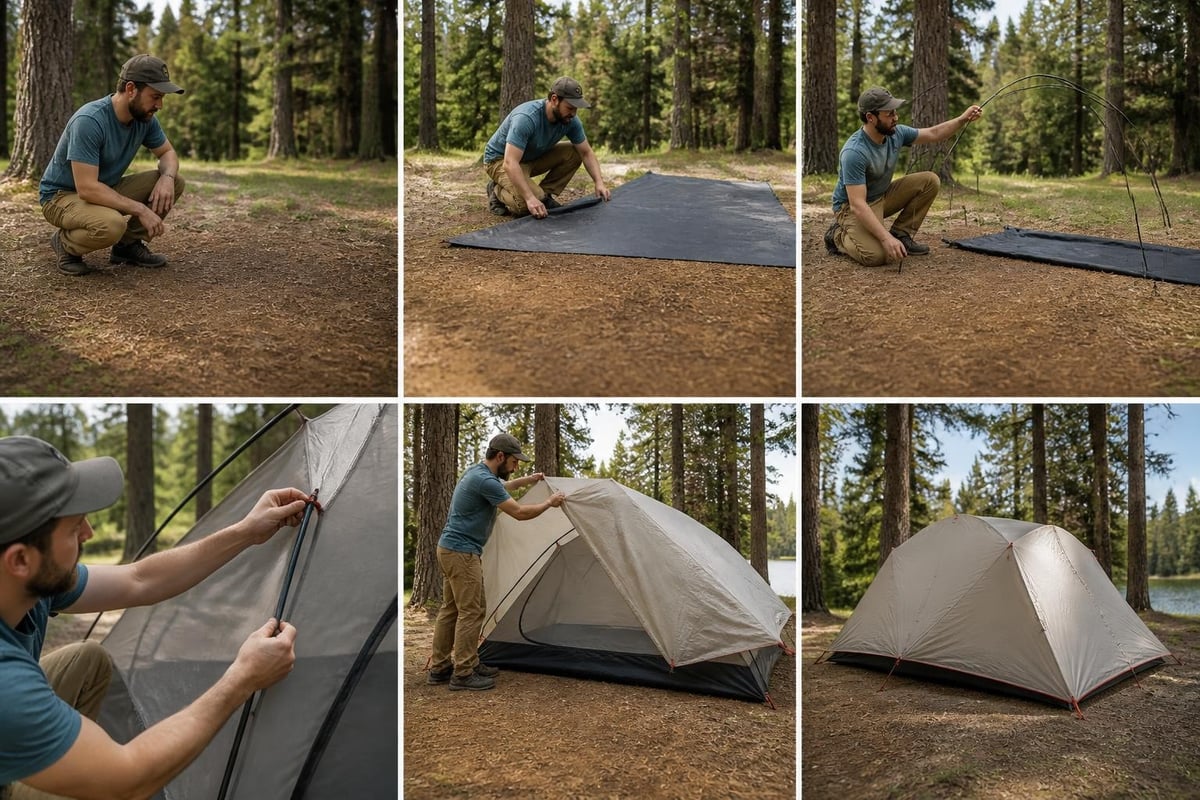
Different tent designs demand varying setup expertise and time commitments. Simple dome tents typically require 10-15 minutes for two people, while large canvas lodge tents may need 30-45 minutes and 3-4 people.
Ground preparation significantly impacts setup success. Level terrain free from rocks, roots, and debris prevents uncomfortable sleeping and potential fabric damage. Take time to clear and prepare your site before beginning setup.
For camping adventures in challenging terrain, companies like Hiking Mount Rinjani demonstrate how professional outfitters provide comprehensive equipment support, including setup assistance and field maintenance for trekkers tackling demanding environments.
Rental agreements typically specify care requirements that protect equipment integrity and prevent additional charges. Understanding these obligations ensures smooth returns and maintains good standing with rental providers.
Ventilation prevents moisture accumulation that causes mildew and fabric degradation. Open vents and windows during dry periods, even when absent from camp. This airflow prevents condensation buildup from temperature differentials.
Debris management requires daily attention. Remove leaves, dirt, and organic matter that stain fabrics and attract moisture. A small whisk broom handles this task efficiently.
Severe weather demands specific protective actions when you rent tents for camping. High winds require additional staking and guy line tensioning to prevent structural damage or tent loss.
Storm preparation involves:
After weather events, inspect your tent for any damage requiring immediate reporting to the rental company. Prompt communication demonstrates responsible stewardship and facilitates quick resolution.
Not all rental providers offer equivalent service, equipment quality, or customer support. Evaluating companies before committing helps ensure positive experiences and reliable equipment.
Professional rental operations maintain transparent inventory lists with detailed equipment specifications. They provide clear photographs showing actual rental units, not just manufacturer stock images.
Customer reviews offer valuable insights into service reliability, equipment condition, and problem resolution. Look for consistent patterns in feedback rather than isolated complaints or praise.
Equipment age directly impacts performance and reliability. Reputable companies retire tents after specified usage periods or when they no longer meet quality standards, regardless of apparent condition.
| Evaluation Criteria | High Quality Indicator | Concern Flag |
|---|---|---|
| Equipment Age | Documented rotation schedule | No age information provided |
| Inspection Protocol | Pre and post-rental checks | No mentioned process |
| Damage Policy | Clear, fair terms | Vague or punitive language |
| Support Access | 24/7 emergency line | Business hours only |
| Reservation System | Online with instant confirmation | Phone/email only |
Premium rental services differentiate themselves through value-added inclusions that enhance the camping experience beyond basic equipment provision.
Setup instructions in video or printed format help first-time users avoid common mistakes. Some companies offer pre-departure orientation sessions where staff demonstrate proper assembly and takedown procedures.
Gear packages bundle tents with complementary equipment like sleeping pads, camp furniture, or lighting systems at discounted rates compared to individual item rentals.
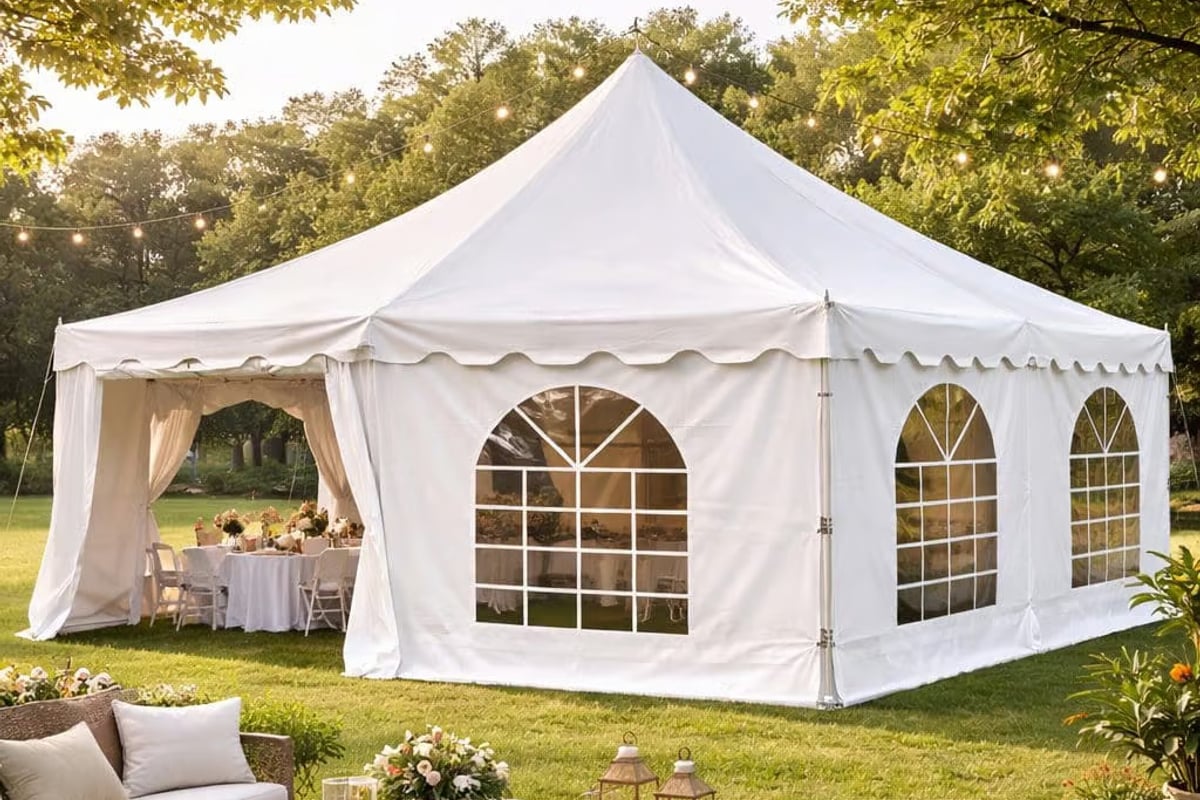
For those seeking specialized outdoor equipment designed for durability and performance, the 5m x 10m PVC Marquee Tent Heavy Duty Waterproof Event Tent South Africa exemplifies the type of robust shelter that supports large gatherings and extended outdoor activities. This heavy-duty option demonstrates how quality construction using 550gsm PVC fabric delivers reliable protection against South African weather conditions.
Environmental conditions dramatically influence appropriate tent selection. When you rent tents for camping in varied settings, matching equipment specifications to anticipated challenges prevents discomfort and potential safety issues.
Beach and tropical camping introduces salt air and persistent moisture. Canvas tents with superior breathability outperform synthetic options in these conditions, reducing condensation and providing natural ventilation.
Corrosion resistance becomes critical for pole materials and hardware. Aluminum and stainless steel components withstand salt exposure better than standard steel, which rusts rapidly in marine environments.
Elevation introduces temperature extremes, intense UV exposure, and unpredictable weather patterns. Four-season tents with reinforced pole structures and enhanced fabric durability become necessary above 8,000 feet.
Wind resistance requires aerodynamic profiles and robust staking systems. Geodesic designs distribute wind loads across multiple pole intersection points, providing superior stability in exposed locations.
Extreme temperature swings between day and night demand versatile shelter systems. Tents with removable rainflies offer daytime shade while allowing maximum nighttime cooling through mesh panels.
Sand penetration prevention requires tightly woven floor materials and sealed seam construction. Bathtub-style floors with 6-8 inch walls prevent fine particles from infiltrating living space during wind events.
Proper return procedures protect your security deposit and maintain positive rental company relationships. Most providers outline specific expectations in rental agreements.
Rental contracts typically require tents returned in clean, dry condition. This standard prevents mildew growth during storage and extends equipment lifespan.
Field cleaning involves:
If weather prevents field drying, communicate with your rental provider about wet return protocols. Many companies accept damp equipment with advance notice and appropriate fees for professional drying.
Honest damage reporting demonstrates integrity and often results in more favorable resolution than attempting concealment. Minor wear receives different treatment than negligent damage in most rental agreements.
Common damage categories include:
Comprehensive tent rental guidance helps renters understand industry standards for damage assessment and fair resolution practices.
Coordinating tent rentals for multiple people requires additional planning beyond solo or couple camping. When you rent tents for camping with groups, communication and organization prevent confusion and ensure everyone enjoys adequate shelter.
Rather than housing entire groups in single large tents, distributed smaller units offer flexibility and privacy. Families with children often prefer separate sleeping tents near a common area shelter for meals and activities.
Site layout planning should consider:
Group bookings often qualify for volume discounts from rental companies. Coordinating through a single point person simplifies communication and pickup/return logistics.
Shared responsibility agreements clarify equipment care duties, cost splits, and damage liability before trips begin. Written agreements prevent misunderstandings when issues arise.
Choosing to rent tents for camping rather than purchasing disposable equipment supports environmental sustainability. Quality rental inventory receives professional maintenance that extends useful life far beyond typical consumer ownership patterns.
Professional rental companies achieve economies of scale in equipment maintenance, repair, and eventual recycling. This centralized approach reduces overall resource consumption compared to individual ownership models.
Material efficiency improves when high-quality tents serve multiple users over extended periods. A well-maintained rental tent might support 50-100 camping trips over its service life, compared to 10-20 trips for a purchased tent receiving variable maintenance.
Regardless of equipment source, Leave No Trace principles guide ethical outdoor recreation. When using rental tents, additional care preserves equipment for future users while protecting natural environments.
Renting tents for camping offers practical advantages that make outdoor adventures more accessible, affordable, and flexible for both occasional and dedicated campers. From specialized equipment access to freedom from storage and maintenance burdens, rental solutions support diverse camping goals. Whether you need a weekend shelter for family camping or expedition-grade equipment for challenging environments, Ejenti Outdoor provides durable tents, gazebos, and outdoor solutions designed specifically for South African conditions. Explore their range of canvas tents and camping gear to find equipment that delivers reliable performance on your next outdoor adventure.