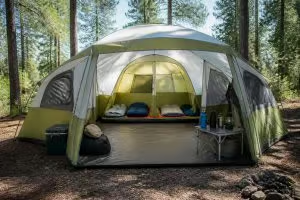
When you're camping in the South African bush or setting up for an outdoor event, the last thing you want is water seeping through your shelter. A tent rainproof system requires more than just choosing the right product-it demands understanding materials, construction methods, and proper maintenance techniques. Whether you're facing sudden summer downpours in the Drakensberg or persistent coastal drizzle, knowing how to protect your outdoor space from moisture ensures comfort and prevents equipment damage.
Modern waterproofing technology has evolved significantly from the simple waxed canvas of decades past. A truly tent rainproof solution combines multiple elements working together to create an impenetrable barrier against moisture.
The hydrostatic head measurement determines how waterproof a fabric truly is. This rating measures the height of water column a material can withstand before water penetrates through.
| Rating (mm) | Water Resistance | Suitable Conditions |
|---|---|---|
| 1,000-1,500 | Light rain | Short trips, summer |
| 2,000-3,000 | Moderate rain | Weekend camping |
| 3,000-5,000 | Heavy rain | Extended trips |
| 5,000+ | Extreme weather | All-season use |
Fabrics rated above 3,000mm provide reliable protection for most camping scenarios. However, the rating alone doesn't tell the complete story-construction quality, seam sealing, and regular maintenance all contribute to keeping your shelter dry.
Different fabrics offer distinct advantages when creating a tent rainproof barrier:
Canvas remains popular in South African conditions because it breathes naturally while offering excellent protection. When properly treated, canvas creates a tent rainproof environment without the condensation issues common with synthetic materials.
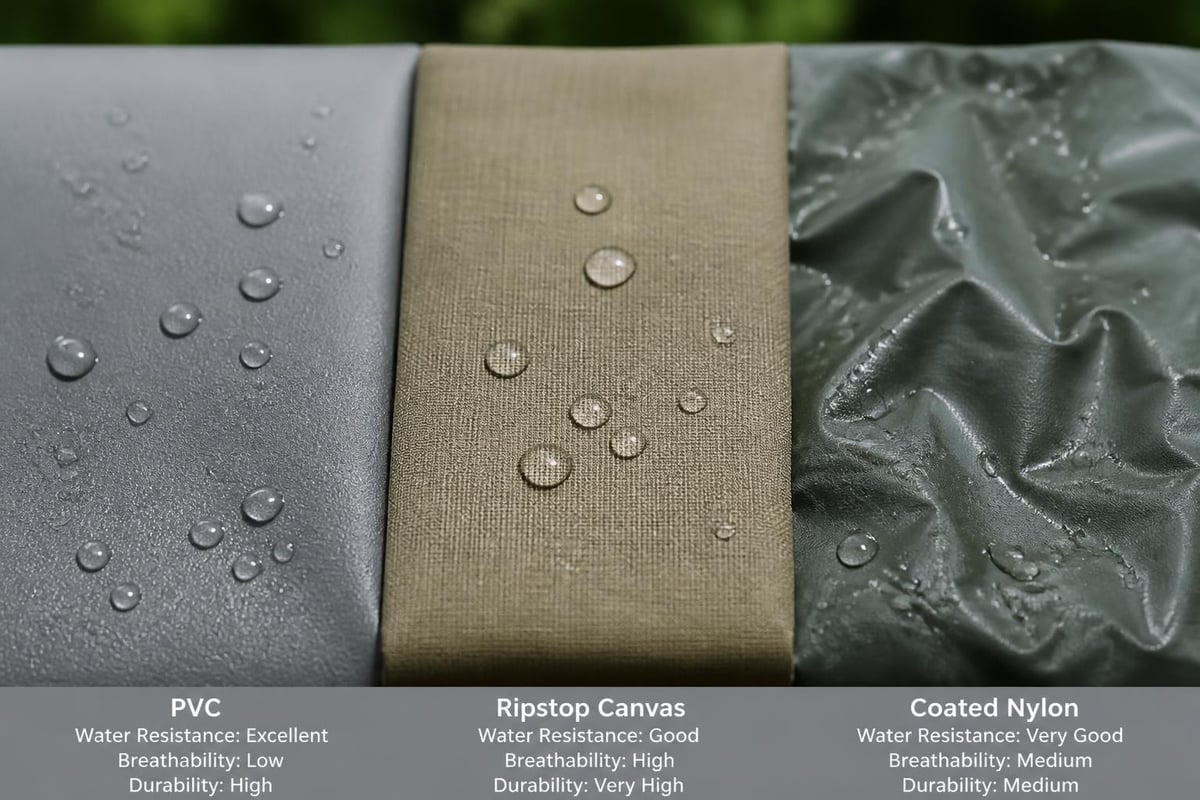
Even the best waterproof fabric fails without proper construction techniques. Manufacturing quality directly impacts how well your shelter performs in wet conditions.
Seams represent the most vulnerable points in any tent rainproof design. Water naturally finds these needle holes and stitching channels during rainfall.
Factory-sealed seams use heat-activated tape applied during manufacturing. This creates the most reliable seal but requires specialized equipment. Field-applied sealant allows you to reinforce seams yourself using liquid seam sealer, giving you control over maintenance and repairs.
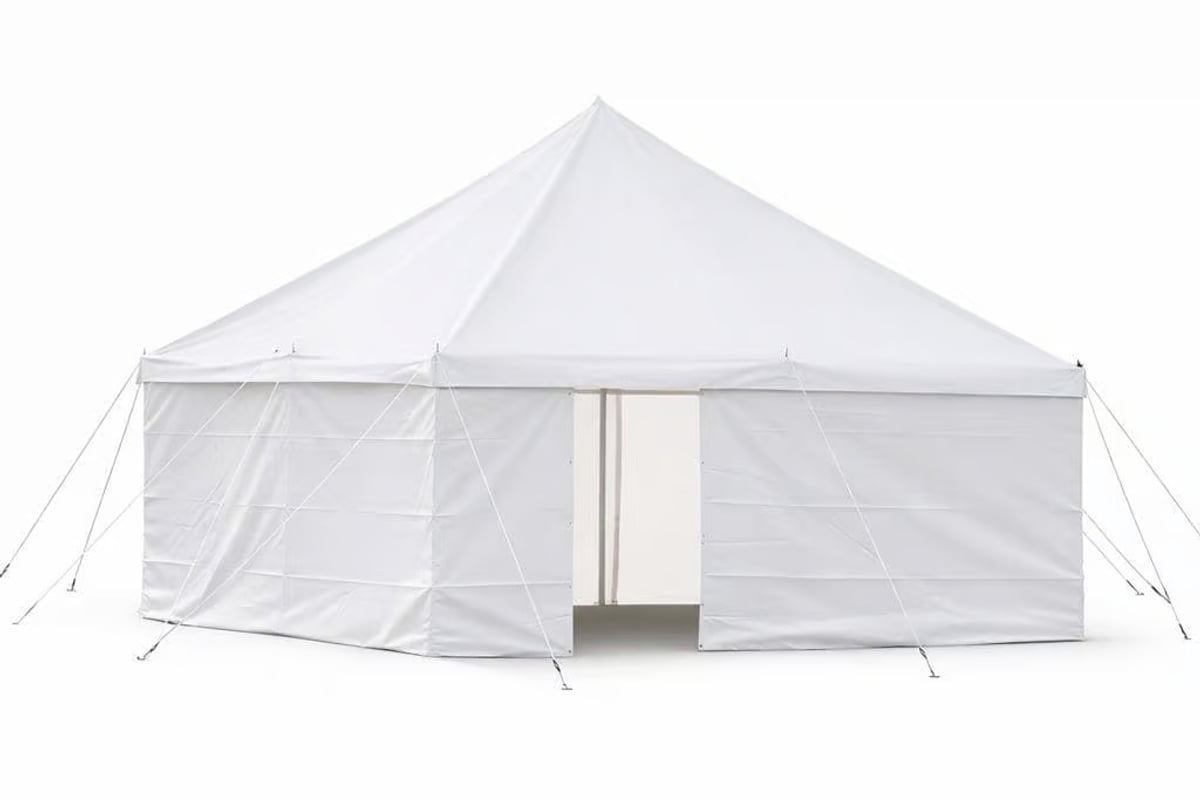
Professional outdoor shelters incorporate welded seams where possible, completely eliminating needle holes. The 5m x 10m PVC Marquee Tent Heavy Duty Waterproof Event Tent South Africa demonstrates this approach, using SA-made 550gsm PVC fabric with professionally sealed construction designed specifically for South African weather patterns.
Your tent rainproof strategy must extend below the walls. Groundwater poses just as much threat as rainfall, especially on damp soil or during heavy downpours.
The National Park Service provides excellent guidance on finding and setting up a campsite with proper drainage considerations, which proves invaluable for maintaining dry conditions.
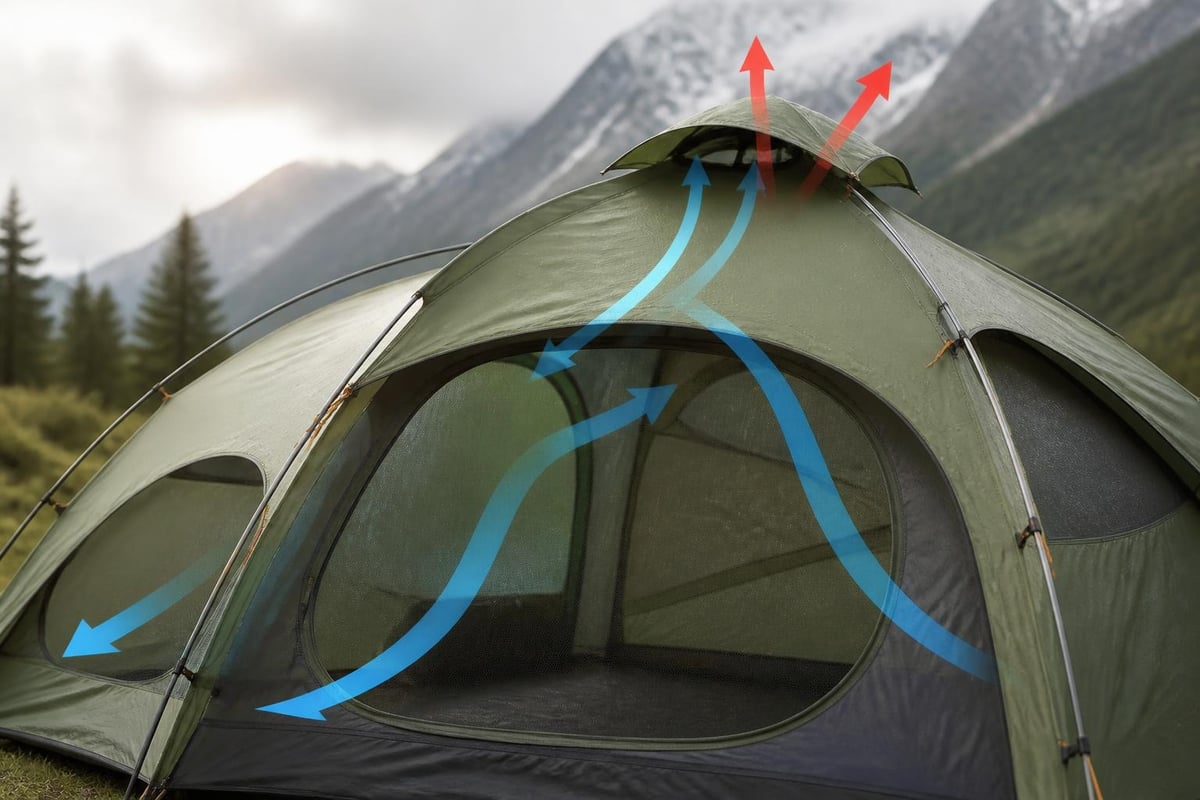
A complete tent rainproof approach requires understanding the relationship between water protection and air circulation. Too much sealing creates condensation problems; too little ventilation allows moisture buildup.
Full-coverage rainflies extend close to the ground, offering maximum protection but potentially reducing airflow. Partial-coverage designs protect only the roof and upper portions, promoting better ventilation while still shedding water effectively.
The gap between inner tent and rainfly matters significantly. Adequate spacing allows air circulation while preventing the fly from contacting inner walls where condensation transfers through.
Even in a perfectly tent rainproof shelter, moisture from breathing, cooking, and damp gear creates condensation. This internal moisture feels identical to leaks when it drips onto sleeping bags and equipment.
Strategic ventilation placement allows moisture to escape without permitting rain entry. Quality designs incorporate storm vents that function even during heavy weather.
Purchasing a tent rainproof from the factory represents just the starting point. Regular maintenance ensures your shelter remains waterproof season after season.
Dirt and organic matter gradually degrade waterproof treatments. Clean your tent after each extended trip and always before storage:
Harsh detergents strip protective coatings, while prolonged UV exposure degrades both fabrics and waterproof treatments. When exploring tent camping options, consider how storage and maintenance requirements fit your usage patterns.
All waterproof coatings eventually wear down. Canvas tents require periodic retreatment with waterproofing solutions, while synthetic materials need specialized spray-on treatments.
Test water repellency by sprinkling water on the fabric. If water beads and rolls off, protection remains adequate. If water soaks in, retreatment is necessary.
| Material Type | Treatment Product | Reapplication Frequency |
|---|---|---|
| Canvas | Waterproofing wax or solution | Every 1-2 years |
| PVC-coated | Generally permanent | As needed for damage |
| Polyurethane-coated | Spray-on treatments | Annually |
| Silicone-coated | Silicone-based sprays | Every 2-3 years |
Apply treatments evenly in well-ventilated areas, allowing complete drying before use. Multiple light coats outperform single heavy applications.
Even the most advanced tent rainproof design fails with improper setup. Field techniques dramatically impact your shelter's weather performance.
Choose elevated positions where water naturally drains away. Avoid depressions, dried creek beds, and areas directly beneath trees where dripping continues long after rain stops.
Look for slight slopes that channel water away from your tent site. Orient your shelter so doors face away from prevailing wind and rain direction.
Loose, sagging fabric collects water puddles that eventually seep through or add excessive weight. Proper tension allows water to sheet off quickly.
The Ejenti Outdoor shop offers various hardware components that enhance setup reliability, from heavy-duty stakes to tensioning systems designed for South African conditions.
Rain doesn't always wait until you're perfectly prepared. Knowing how to address tent rainproof failures in the field keeps you dry when unexpected issues arise.
Small leaks demand immediate attention before they expand into major problems:
Always pack a small repair kit containing patches, tape, and sealer. These lightweight additions prove invaluable during multi-day trips.
Some damage exceeds field repair capabilities. Large tears, delaminated coatings, or structural damage to waterproof layers require professional attention or replacement.
Evaluate repair costs against replacement value. Sometimes investing in new equipment makes more sense than extensive repairs to heavily damaged shelters.
How you store your tent between uses significantly impacts its tent rainproof capabilities over time. Improper storage causes coating breakdown, fabric deterioration, and mold growth that compromises waterproofing.
Never store tents damp or dirty. Moisture trapped during storage creates mildew that permanently damages fabrics and coatings.
Fold along different lines each time to prevent permanent creases that crack waterproof coatings. Some campers prefer loose rolling to folding for this reason.
Even stored tents benefit from occasional attention. Every few months, remove your tent from storage, inspect for moisture or pest damage, and air out in a shaded area.
This practice prevents surprise failures when you're ready to camp. Discovering waterproofing issues at home beats learning about them during a rainstorm far from civilization.
South African outdoor conditions vary dramatically from coastal humidity to high-altitude exposure. Your tent rainproof requirements change based on specific environments.
Salt air and humidity accelerate coating breakdown while persistent moisture tests waterproofing limits. Coastal camping demands:
Rinse coastal tents with fresh water after use to prevent salt crystallization that damages fabrics.
High-altitude conditions bring intense UV exposure, sudden weather changes, and potentially heavy precipitation. Mountain-worthy shelters require:
Check the Ejenti Outdoor blog for location-specific recommendations tailored to South African outdoor environments.
Tents used for events, markets, or extended stays face different challenges than recreational camping shelters. These applications prioritize durability and consistent protection over packability.
Heavy-duty PVC fabrics excel in these scenarios, offering long-lasting tent rainproof performance with minimal maintenance. Professional-grade construction withstands repeated setup and teardown while maintaining weather protection.
Waterproofing technology continues advancing with new materials and treatments entering the market regularly. Understanding emerging options helps you make informed decisions for future purchases.
Traditional waterproof treatments often use fluorocarbons with environmental concerns. New water-based treatments provide effective protection without harmful chemicals:
These innovations deliver tent rainproof performance while reducing environmental impact, aligning with growing eco-consciousness in outdoor recreation.
Modern fabrics incorporate waterproofing directly into fiber structure rather than relying solely on surface coatings. These materials maintain breathability while offering superior water resistance that lasts longer than traditional treatments.
Hybrid constructions combine different materials strategically-using highly waterproof fabrics in vulnerable areas while employing breathable materials elsewhere for optimal performance.
Maintaining a tent rainproof over years of use requires understanding materials, practicing proper setup, and committing to regular maintenance. The combination of quality construction, appropriate treatments, and field knowledge keeps you dry regardless of weather conditions. For South African outdoor enthusiasts seeking reliable waterproof shelters built to handle local conditions, Ejenti Outdoor manufactures durable tents and outdoor solutions using proven materials and construction techniques designed specifically for the challenging environments you'll encounter across the country.