
Choosing the right tent material fabric determines whether your outdoor shelter stands strong through harsh weather or fails when you need it most. Modern outdoor textiles combine advanced engineering with proven traditional materials to deliver protection, durability, and comfort. Understanding the science behind tent fabrics helps you select equipment that performs reliably in South African conditions, from the Drakensberg highlands to coastal camping sites.
The performance of any tent depends fundamentally on how its fabric is woven, coated, and finished. Tent material fabric consists of base fibers engineered into textiles through specific weaving patterns, then enhanced with coatings that add waterproofing, UV resistance, and tear strength.
Different fiber types create distinct performance characteristics. Natural cotton fibers breathe exceptionally well and resist UV degradation better than many synthetics, making canvas tent material fabric ideal for extended use in high-sun environments. Polyester fibers offer excellent strength-to-weight ratios and resist stretching when wet, while nylon provides superior tear resistance and flexibility.
The choice between natural and synthetic fibers involves trade-offs:
Research into UV-driven degradation of synthetic textile microfibers shows that material selection significantly impacts long-term durability under sun exposure.
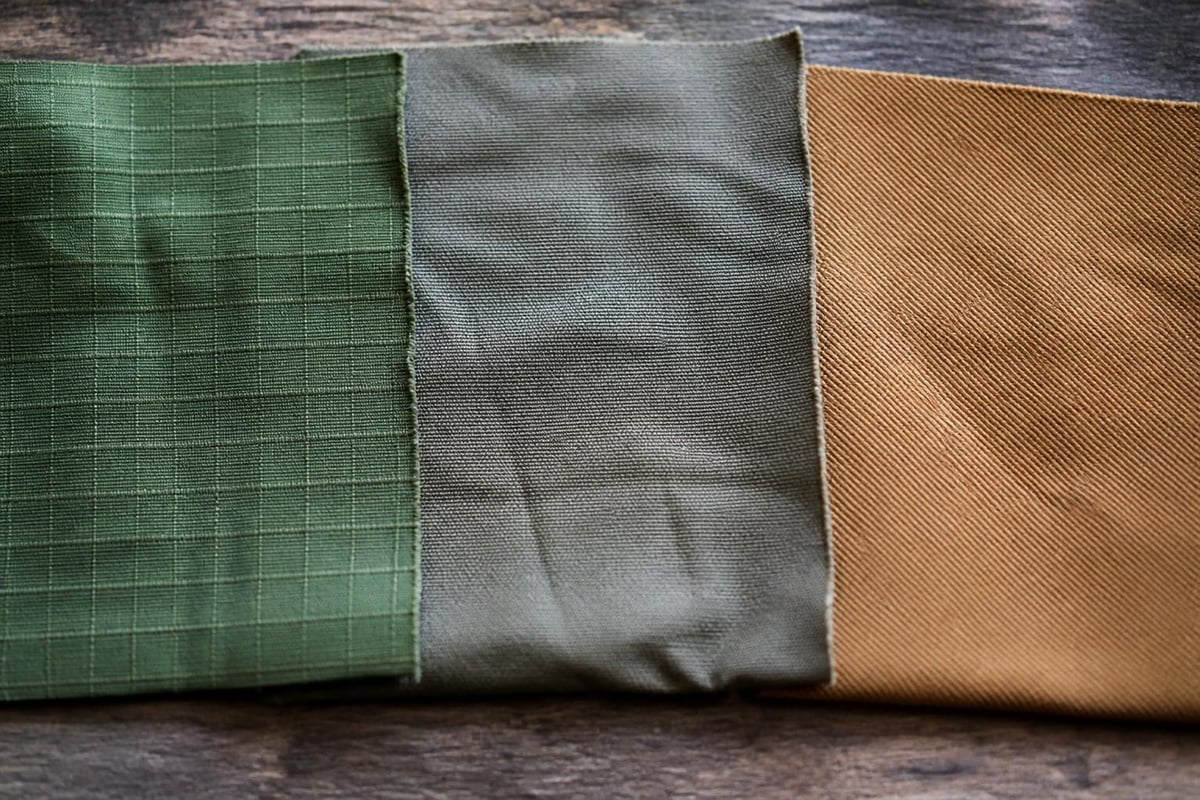
The weaving technique directly affects how tent material fabric performs under stress. Ripstop weaves incorporate reinforcement threads at regular intervals, creating a grid pattern that prevents tears from spreading. Plain weaves offer uniform strength in all directions, while twill weaves provide enhanced drape and flexibility.
Fabric density, measured in grams per square meter (GSM), indicates how tightly fibers are packed. Higher GSM values generally mean:
A 300 GSM canvas provides robust protection for semi-permanent installations, while 70 GSM nylon suits ultralight backpacking where every gram matters.
Raw tent material fabric requires coating to achieve waterproof performance. The coating type, application method, and thickness determine how well your shelter keeps water out while allowing moisture vapor to escape.
Polyurethane (PU) coatings represent the most common waterproofing treatment for synthetic tent fabrics. Manufacturers apply PU as a liquid layer to the fabric's inner surface, creating a continuous barrier measured in microns of thickness. Multiple coating layers build up waterproof capacity.
Silicone coatings penetrate the fiber structure rather than sitting on the surface, making them more durable and elastic. Silicone-treated tent material fabric resists UV degradation better than PU coatings and maintains flexibility in cold conditions. The downside is that silicone cannot be sealed with standard seam tape, requiring specialized construction techniques.
| Coating Type | Waterproof Rating | UV Resistance | Durability | Weight | Cost |
|---|---|---|---|---|---|
| PU Single Layer | 1,000-2,000mm | Moderate | Good | Light | Low |
| PU Multiple Layer | 3,000-10,000mm | Moderate | Very Good | Medium | Medium |
| Silicone | 2,000-5,000mm | Excellent | Excellent | Light | High |
| PU/Silicone Hybrid | 3,000-8,000mm | Very Good | Excellent | Medium | High |
The industry measures waterproofing using hydrostatic head testing, where fabric is subjected to increasing water pressure until it leaks. Performance testing methodologies standardize these measurements across manufacturers.
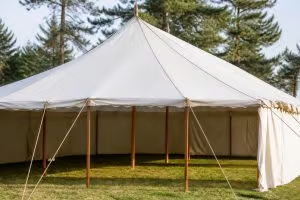
Heavy-duty tent material fabric for commercial applications often uses PVC (polyvinyl chloride) coating or lamination. PVC creates an impermeable barrier ideal for marquee tents, event shelters, and semi-permanent structures. The material handles repeated setup cycles without degrading and cleans easily after outdoor events.
Acrylic treatments work differently by creating a water-repellent surface rather than a waterproof barrier. These treatments work well on canvas tent material fabric, allowing the natural fibers to breathe while shedding light rain. The canvas fibers swell when damp, closing gaps in the weave to enhance water resistance naturally.
When selecting equipment with PVC-coated fabrics, checking technical specifications helps verify the coating weight and waterproof rating meet your requirements.
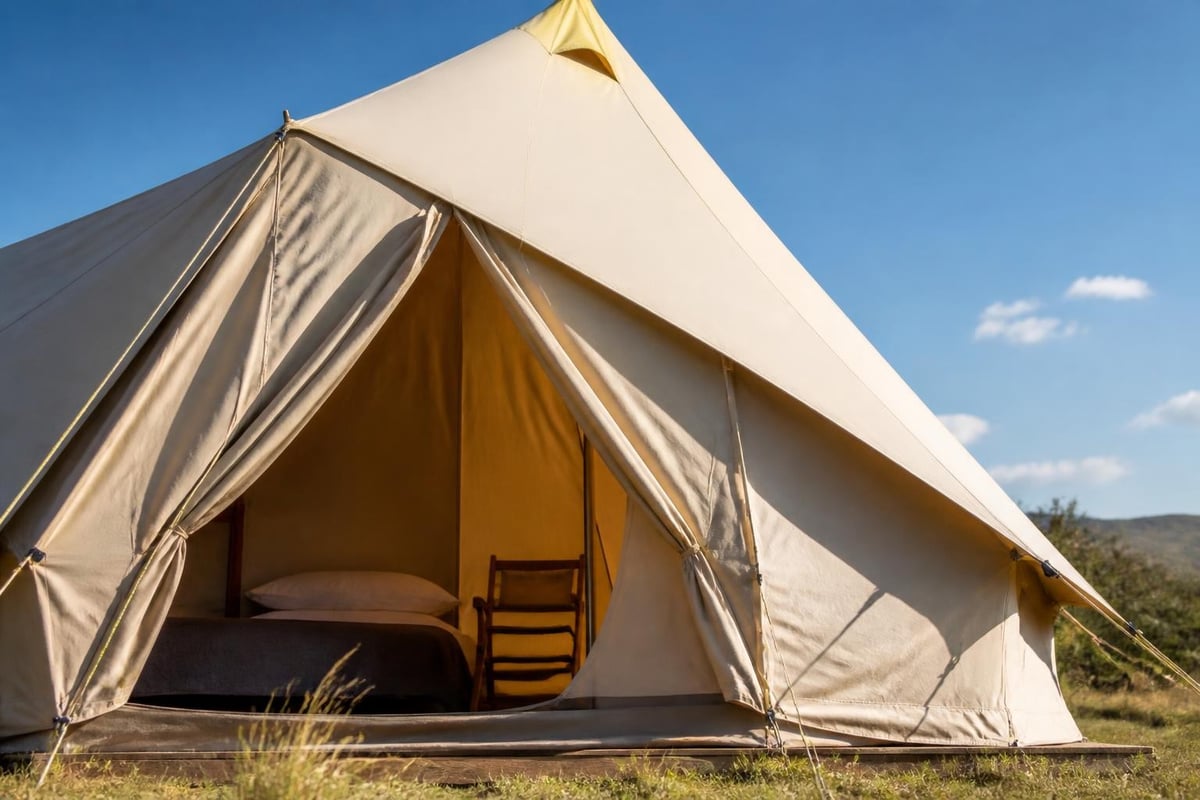
Cotton canvas has protected outdoor enthusiasts for centuries, and modern manufacturing has enhanced this traditional tent material fabric with improved treatments and weaving techniques. Canvas excels in conditions where breathability, UV resistance, and long-term durability matter more than minimal weight.
Canvas naturally regulates temperature and humidity inside your shelter. The cotton fibers allow water vapor molecules to pass through while resisting liquid water, creating natural ventilation that reduces condensation. This breathability makes canvas tent material fabric comfortable during hot days and reduces moisture buildup during cold nights.
In South African summer conditions, canvas shelters maintain significantly lower interior temperatures than synthetic alternatives. The fabric's thermal mass absorbs heat during the day and releases it slowly at night, moderating temperature swings.
Cotton fibers resist ultraviolet degradation far better than nylon or untreated polyester. While synthetic tent material fabric can lose 50% of its strength after extended UV exposure, properly treated canvas maintains structural integrity for years of seasonal use.
The natural UV resistance of canvas makes it ideal for:
Canvas does require proper storage when not in use. Mildew can develop if the fabric is packed wet, so thorough drying before storage extends service life.
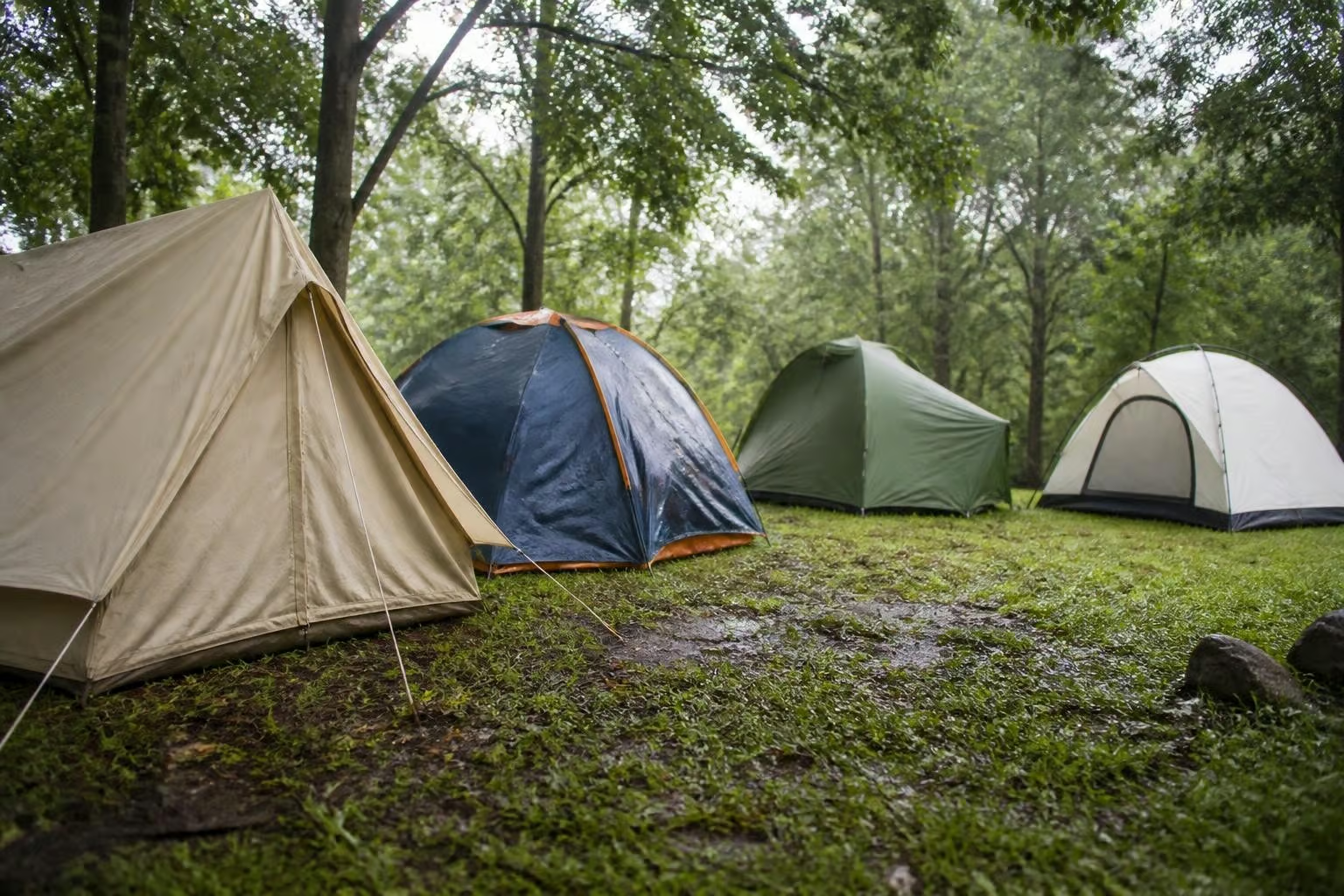
Polyester and nylon dominate the lightweight tent market, offering exceptional strength-to-weight ratios and consistent performance across temperature ranges. Understanding the differences between these synthetic options helps match tent material fabric to specific outdoor activities.
Polyester tent material fabric resists stretching when wet, maintaining taut pitch in rain conditions. This dimensional stability prevents the sagging and re-tensioning required with nylon shelters. Polyester also offers better UV resistance than nylon, making it suitable for extended setups.
Manufacturers achieve different performance levels through:
A 75D polyester ripstop with 3,000mm PU coating provides reliable performance for recreational camping, while 210D polyester suits gear that sees rough handling.
Nylon tent material fabric delivers maximum tear strength and abrasion resistance, explaining its popularity for backpacking shelters and expedition gear. The fiber stretches slightly under load, absorbing impact forces that might tear less elastic materials.
The main limitation of nylon is UV sensitivity. Extended sun exposure breaks down the polymer chains, reducing fabric strength over time. Manufacturers address this through:
Quality nylon tent material fabric can last for years with proper care, but requires storage out of direct sunlight between trips. Coastal campers and high-altitude users face accelerated UV degradation and should inspect equipment regularly.
Understanding how manufacturers test and rate tent material fabric helps you interpret product specifications and compare options objectively. Industry standards ensure consistent measurement across brands and materials.
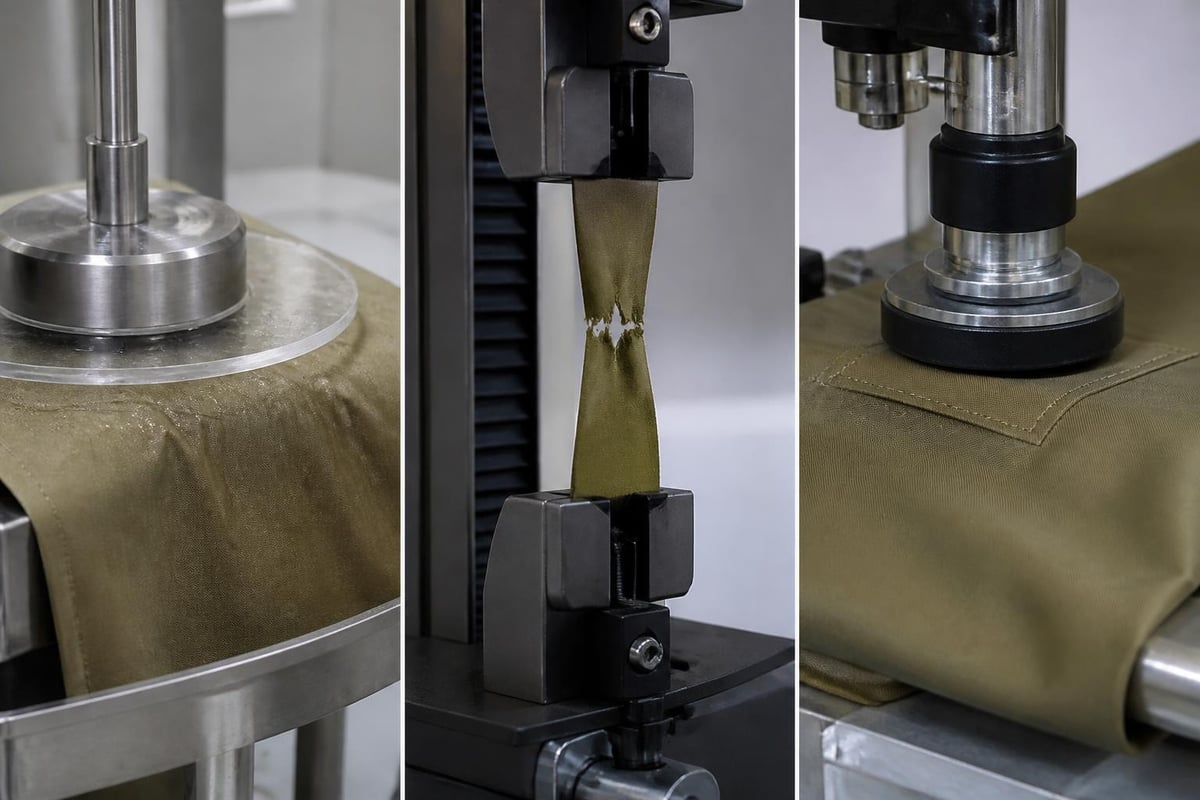
The hydrostatic head test measures how much water pressure fabric withstands before leaking. Technicians clamp tent material fabric in a sealed chamber and apply increasing water column pressure. The height in millimeters when water penetrates defines the waterproof rating.
Common rating benchmarks include:
| Rating (mm) | Performance Level | Suitable Applications |
|---|---|---|
| 1,000-1,500 | Water resistant | Light showers, dry climates |
| 2,000-3,000 | Waterproof | Moderate rain, seasonal camping |
| 4,000-5,000 | Very waterproof | Heavy rain, extended exposure |
| 8,000+ | Extreme waterproof | Harsh conditions, commercial use |
Most recreational tent material fabric rates between 2,000mm and 5,000mm, providing adequate protection for typical camping conditions. Floor fabrics typically carry higher ratings (5,000-10,000mm) because they face direct water contact and abrasion.
Tear strength testing applies force to a small cut in tent material fabric and measures how many pounds or newtons of force the fabric resists before the tear propagates. Higher tear strength values indicate better damage resistance.
Manufacturers test tear strength in both warp (lengthwise) and weft (crosswise) directions because weave patterns create directional differences. Ripstop fabrics show dramatically higher tear resistance than plain weaves of equivalent weight.
Abrasion resistance measures how well tent material fabric withstands rubbing and friction. The Martindale abrasion test cycles a weighted disk across the fabric surface until the material shows visible wear or holes develop. Canvas typically outperforms lightweight synthetics in abrasion testing.
Proper maintenance extends tent material fabric lifespan significantly. Different materials require specific care approaches to preserve waterproofing, prevent damage, and maintain performance.
Canvas tent material fabric needs periodic waterproofing renewal as the treatment wears away with use. Signs that retreatment is needed include water soaking into the fabric rather than beading on the surface, or leaking at seams during rain.
Steps for canvas care:
Never store damp canvas, as mildew growth permanently stains and weakens the fibers. If mildew appears, clean with specialized removers before the damage becomes structural.
Polyester and nylon tent material fabric requires less maintenance than canvas but benefits from regular cleaning and proper storage. UV exposure represents the primary threat to synthetic longevity.
Cleaning synthetic tents involves:
Seam sealing requires renewal every few seasons as the tape or sealant degrades. Inspect seams before major trips and reapply sealer to any areas showing leakage or delamination.
When setting up equipment with hardware components, using quality accessories like secure strap fasteners ensures the tent material fabric isn't stressed by poorly designed connection points.
Certain outdoor situations demand tent material fabric engineered for specific challenges beyond standard camping requirements. These specialized materials incorporate advanced treatments and construction techniques.
Commercial and public event shelters often require fire-retardant tent material fabric to meet safety regulations. These treatments create a chemical barrier that prevents flame spread and reduces ignition risk.
Fire retardancy comes through:
Fire-retardant fabrics must be certified to specific standards, with regular retesting required for commercial applications. The treatments can reduce fabric strength and breathability, requiring careful specification matching.
Winter camping and high-altitude expeditions need tent material fabric that remains flexible and strong in freezing conditions. Standard PU coatings become brittle below freezing, potentially cracking and delaminating.
Cold-weather fabrics incorporate:
Four-season tent material fabric typically weighs more and costs more than three-season alternatives, but the performance difference matters when conditions turn harsh.
The outdoor industry increasingly focuses on reducing environmental impact through sustainable tent material fabric choices and manufacturing processes. Understanding these factors helps environmentally conscious buyers make informed decisions.
Cotton production requires significant water and pesticide inputs, though organic cotton options reduce chemical use. Synthetic tent material fabric derives from petroleum, creating carbon emissions during production. However, synthetics often last longer with proper care, potentially reducing replacement frequency.
Recycling programs for outdoor equipment remain limited, though some manufacturers now accept used gear for recycling or repurposing. The durability of quality tent material fabric matters environmentally because longer-lasting products reduce overall consumption.
Recent research highlights that washing synthetic tent material fabric releases microplastic fibers into waterways. While tents aren't washed as frequently as clothing, the environmental impact deserves consideration when selecting materials and caring for equipment.
Strategies to minimize microfiber release include:
The environmental impact of synthetic textile microfibers continues to drive research into more sustainable coating and fiber technologies.
Selecting appropriate tent material fabric requires matching material properties to your specific outdoor activities and environmental conditions. No single fabric excels at everything, making informed choice essential.
Weekend camping and family outdoor adventures prioritize comfort, durability, and reasonable cost over minimal weight. Canvas or polyester tent material fabric provides reliable performance without the expense of ultralight materials.
For South African recreational campers, consider:
The right camping tent setup combines appropriate tent material fabric with proper site selection and weather preparation.
Multi-week expeditions and remote travel demand tent material fabric that performs reliably without resupply or replacement options. Durability and repairability matter more than minor weight savings.
Expedition fabric selection emphasizes:
Canvas excels for base camp setups, while silicone-treated nylon suits mobile expeditions where weight matters but durability can't be compromised.
Professional outdoor event operators need tent material fabric that withstands frequent setup, weather exposure, and cleaning cycles. Commercial-grade materials justify higher initial costs through extended service life and reduced replacement frequency.
Event tent priorities include:
Selecting the right tent material fabric fundamentally determines your outdoor shelter's performance, durability, and suitability for specific conditions. Whether you need breathable canvas for extended safari accommodation, waterproof PVC for commercial events, or lightweight polyester for recreational camping, understanding fabric construction, coatings, and performance characteristics ensures your investment delivers reliable protection. Ejenti Outdoor manufactures outdoor solutions using premium tent material fabrics engineered for South African conditions, from ripstop canvas dome tents to heavy-duty PVC marquees. Explore their range of outdoor fabrics and equipment designed for durability and performance in demanding environments.