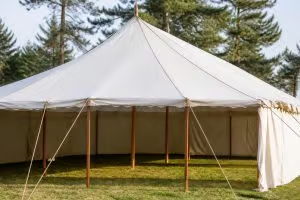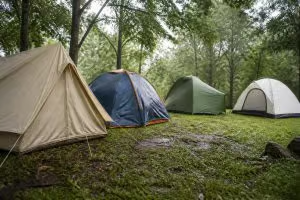

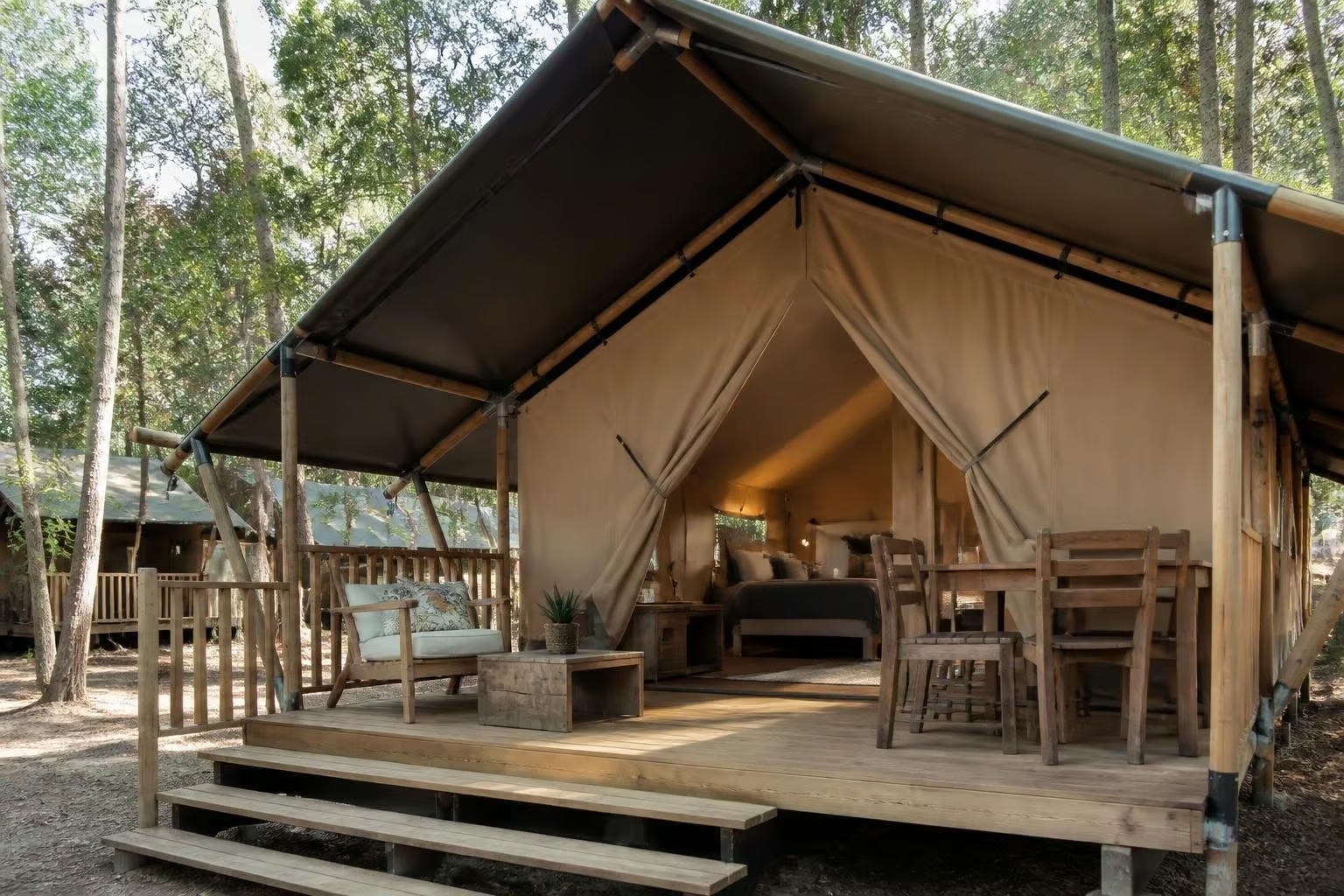
Safari tents represent a unique blend of traditional camping and elevated outdoor accommodation that has gained significant popularity across adventure tourism, permanent campsites, and private outdoor spaces. These specialized tents combine the authentic camping experience with enhanced comfort, durability, and protection from the elements. Originally designed for extended stays in African wilderness settings, safari tents now serve diverse purposes from glamping operations to family camping adventures, offering a practical solution for anyone seeking reliable outdoor shelter with improved living space and weather resistance.
Safari tents stand apart from conventional camping tents through their construction, size, and intended use. The primary distinction lies in their robust build quality and spacious interior design.
Most safari tents utilize heavy-duty canvas fabric ranging from 280 GSM to 400 GSM, significantly thicker than standard camping tent materials. This canvas construction provides superior durability and natural breathability that synthetic materials cannot match. The fabric weight directly impacts weather resistance, with heavier canvas offering better protection against wind, rain, and prolonged sun exposure.
The frame systems in safari tents typically employ galvanized steel poles rather than lightweight aluminum. This creates a more permanent structure capable of withstanding harsh conditions over extended periods. Many designs incorporate vertical walls that maximize usable interior space, allowing adults to stand comfortably throughout most of the tent.
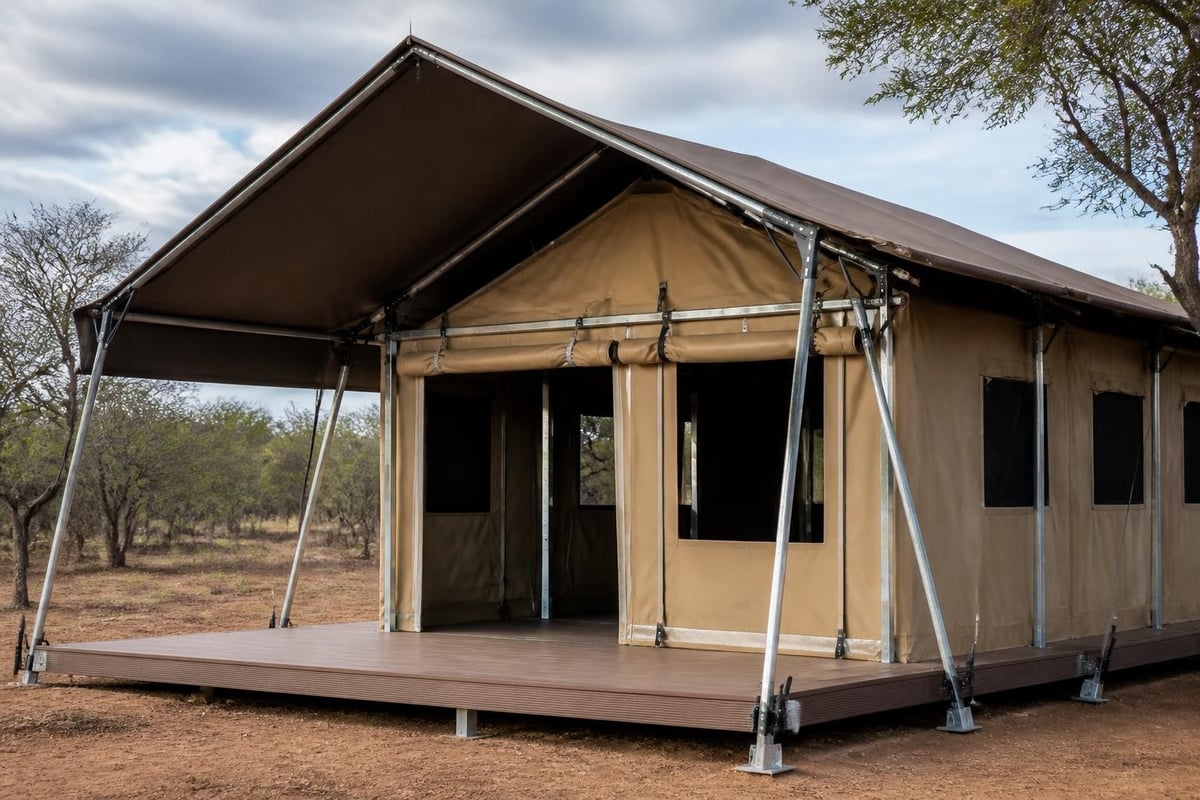
Safari tents commonly range from 3 meters by 3 meters to 5 meters by 10 meters or larger. This substantial footprint accommodates real furniture, multiple sleeping areas, and designated living spaces. Many models feature room dividers, separate entrance vestibules, and integrated storage solutions.
| Feature | Safari Tents | Standard Camping Tents |
|---|---|---|
| Floor Space | 9-50+ square meters | 4-12 square meters |
| Standing Height | 1.8-2.5 meters | 1.2-1.8 meters |
| Frame Material | Galvanized steel | Aluminum or fiberglass |
| Canvas Weight | 280-400 GSM | 150-210D polyester |
| Setup Time | 30-90 minutes | 10-30 minutes |
| Lifespan | 10-20+ years | 2-8 years |
Understanding the essential features helps identify well-designed safari tents that will deliver long-term value and reliable performance.
Genuine canvas safari tents provide natural water resistance that improves over time. When canvas fibers absorb moisture, they swell and create a tighter weave that blocks water penetration. Quality manufacturers apply additional waterproofing treatments to enhance this natural property.
Proper waterproofing extends beyond fabric treatment. Reinforced stitching with bonded or sealed seams prevents water infiltration at connection points. Rain flaps over zippers, adjustable guy ropes, and adequate roof pitch all contribute to superior weather protection. The National Fire Protection Association provides comprehensive guidance on tent standards that include weatherproofing requirements for permanent and semi-permanent installations.
Ground sheets made from heavy-duty PVC or similar materials create a moisture barrier from below. Many safari tents feature bathtub-style floors that extend several inches up the walls, preventing water entry during heavy rainfall or flooding conditions.
Effective ventilation distinguishes comfortable safari tents from stuffy, condensation-prone shelters. Well-designed models incorporate multiple ventilation points:
This multi-point ventilation system reduces condensation buildup, regulates interior temperature, and improves overall comfort during extended stays. The placement and size of ventilation openings significantly impact air circulation efficiency, particularly in hot climates where heat management becomes critical.
Safari tents serve remarkably diverse purposes across commercial, recreational, and residential outdoor applications.
Commercial glamping sites increasingly rely on safari tents as their primary accommodation structure. These installations provide guests with the outdoor experience they seek while delivering comfort levels that justify premium pricing. Safari tents work particularly well for tourism operators because they:
Planning regulations for glamping sites vary by region, and operators should review local camping site guidance and understand requirements for permits and exemption certificates. The Country Land & Business Association offers detailed planning guidance specifically addressing glamping structures under various planning frameworks.
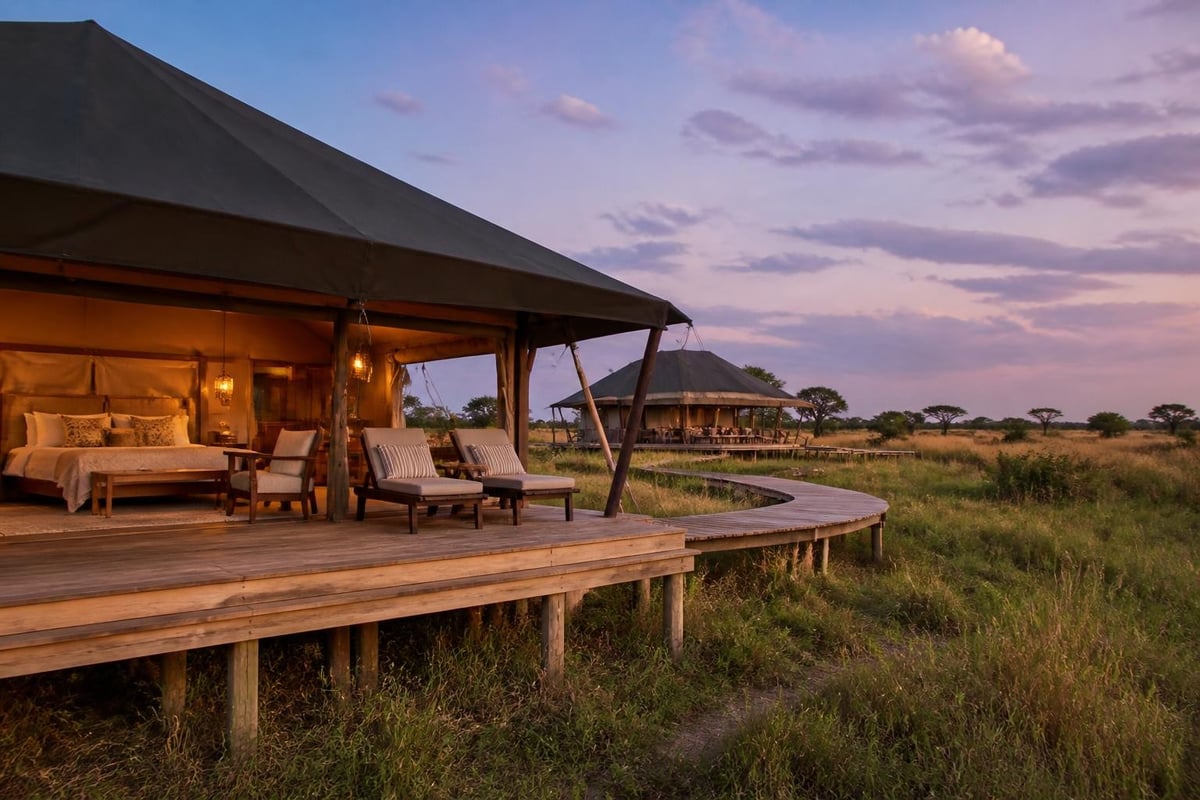
Families investing in safari tents gain a semi-permanent camping solution for private property or regular campsite visits. The durability and space allow families to create a comfortable base camp that children and adults enjoy equally. Private safari tent owners appreciate the ability to leave furniture and supplies inside when stored properly, eliminating the need to pack and unpack everything for each camping trip.
Extended family gatherings benefit from safari tent accommodations. Multiple tents can create a small village atmosphere while maintaining individual family privacy. This application has grown particularly popular for multi-generational vacation properties and outdoor celebration spaces.
Safari tents provide excellent temporary accommodation for events, festivals, and seasonal gatherings. Their substantial size accommodates VIP areas, hospitality spaces, or staff quarters. Event organizers value the professional appearance and weather protection safari tents deliver compared to standard camping equipment.
Fire safety becomes paramount when deploying tents for events with large gatherings. The International Fire Code provides specific requirements for temporary membrane structures including permit thresholds, aggregate area limitations, and fire separation distances that must be considered during event planning.
Proper installation and ongoing maintenance directly impact safari tent longevity and performance.
Choosing the right location involves evaluating drainage, wind exposure, sun orientation, and ground composition. Ideal sites feature:
Ground preparation should remove rocks, sticks, and sharp objects that might damage the floor. Some installations benefit from compacted gravel bases or wooden platform foundations that improve drainage and extend floor life.
For those new to larger tent systems, reviewing guides on proper tent setup techniques provides valuable context about interior arrangement and organization that applies equally to safari tents.
Safari tent assembly typically requires two to four people depending on size. The general process follows this sequence:
Quality hardware makes significant difference in setup ease and long-term reliability. Reinforced connection points, heavy-duty zippers, and corrosion-resistant stakes all contribute to better performance. When working with straps and adjustable systems, components like quick-release buckles simplify tension adjustments and modifications during setup and ongoing use.
Regular maintenance preserves safari tent condition and extends service life significantly:
Fabric Care:
Frame Maintenance:
Hardware Inspection:
Safari tents represent a substantial initial investment compared to standard camping equipment, but their longevity and versatility deliver long-term value.
Safari tent pricing varies widely based on size, materials, and features. Understanding the market helps set realistic expectations:
| Tent Category | Size Range | Typical Price Range (ZAR) | Expected Lifespan |
|---|---|---|---|
| Entry Level | 3m x 3m – 4m x 4m | 15,000 – 35,000 | 5-8 years |
| Mid Range | 4m x 6m – 5m x 8m | 35,000 – 75,000 | 8-12 years |
| Premium | 5m x 10m+ | 75,000 – 150,000+ | 12-20+ years |
Entry-level options often use thinner canvas (240-280 GSM) and lighter frame materials. These serve well for occasional recreational use but may not withstand continuous commercial deployment or harsh climates.
Mid-range safari tents typically feature 300-350 GSM canvas, reinforced connection points, and robust galvanized frames. This category suits serious recreational users and smaller glamping operations seeking quality without premium investment.
Premium models incorporate the heaviest canvas (380-400+ GSM), commercial-grade frames, specialized features like integrated flooring systems, and superior hardware throughout. Commercial operators and those requiring maximum durability gravitate toward this tier.
Glamping operators analyzing safari tent investments should consider occupancy rates, pricing power, and operational costs. A well-maintained premium safari tent generating ZAR 1,500-3,000 per night can recover initial investment within 50-150 nights of occupancy depending on operating costs.
The Landscape Performance case study on Eagle View Camp demonstrates how tented accommodation, including safari-style structures, creates measurable environmental and economic value in real-world applications. This documented approach shows the broader benefits beyond simple revenue calculations.
Operators should also account for reduced maintenance costs versus traditional buildings, lower permit and construction expenses, and increased booking appeal that safari tents generate among target demographics seeking authentic outdoor experiences.
Operating safari tents, particularly for commercial purposes, involves various regulatory requirements that vary by jurisdiction and scale.
Temporary and permanent safari tent installations may require planning permission, especially when used commercially or for extended periods. Key factors affecting permit requirements include:
The Royal Town Planning Institute provides comprehensive briefing on planning policy considerations for camping and glamping operations that helps operators understand their obligations. Additionally, Cornwall Council’s planning guidance for temporary campsites offers practical examples of how local authorities approach tented accommodation regulation.
For operations planning temporary deployments, reviewing New Forest National Park’s guidance on temporary campsites provides insight into permitted operating days, site layout requirements, and environmental considerations that increasingly apply across jurisdictions.
Fire safety represents a critical concern for safari tent operations, particularly those accommodating guests or operating commercially. Essential safety measures include:
Prevention:
Emergency Access:
The San Francisco Fire Department’s safety requirements for tents and temporary structures provide detailed protocols applicable to safari tent operations, particularly regarding cooking appliances, electrical systems, and managed event scenarios.
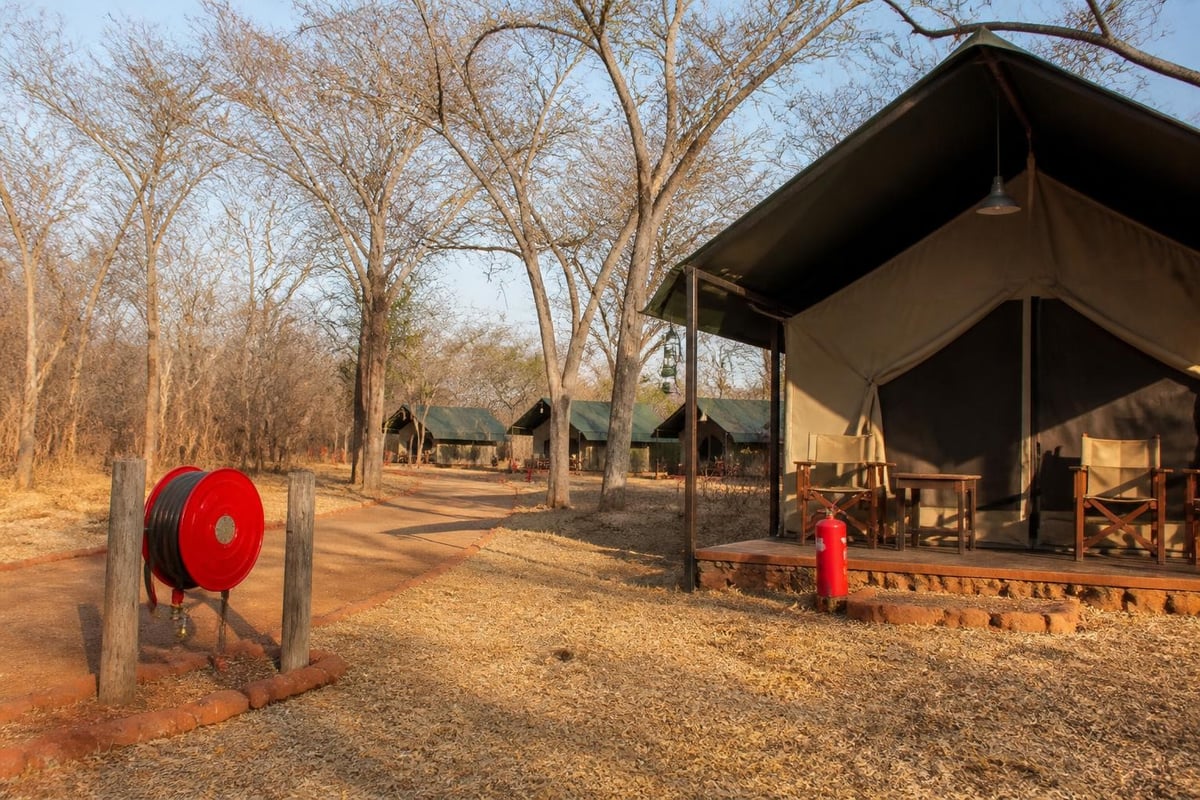
Modern safari tents offer extensive customization possibilities that extend functionality and improve user experience.
Unlike standard camping tents, safari tents accommodate real furniture and comfort amenities. Common interior enhancements include:
Glamping operations often add ensuite bathrooms, private decks, and full kitchenettes to create luxury accommodation that rivals hotel standards while maintaining the outdoor experience guests seek.
Many safari tent manufacturers offer factory customization or field modifications:
These modifications enhance functionality but may impact structural integrity if not properly engineered. Working with experienced manufacturers ensures additions maintain tent stability and weather resistance.
Safari tents readily accommodate modern utilities when designed appropriately:
Electrical Systems:
Plumbing:
Communication:
Understanding how safari tents compare to other outdoor shelter options helps identify the right solution for specific needs.
Bell tents offer circular design and simple center-pole construction. While aesthetically appealing and quick to erect, they provide less usable floor space than equivalent-sized safari tents due to their shape. Safari tents deliver better vertical walls, more standing room, and superior weather protection in challenging conditions.
Yurts provide excellent insulation and year-round capability but require more complex construction and foundation preparation. Safari tents offer greater mobility, simpler setup, and better airflow for warm climates. Yurts excel in cold-weather applications where their insulated walls and roof systems provide superior thermal performance.
Recreational vehicles deliver self-contained utilities and instant readiness but at significantly higher purchase and operating costs. Safari tents require more setup effort but cost substantially less, offer better connection to the outdoor environment, and avoid vehicle maintenance expenses. For stationary operations or seasonal use, safari tents often provide better value and aesthetic appeal.
For travelers exploring coastal regions where outdoor accommodation thrives, resources like The Maine Beaches highlight destinations where various camping styles, including safari tents, blend with natural environments to create memorable visitor experiences.
Safari tents perform differently across seasons and climate zones, requiring appropriate preparation and sometimes modification.
In tropical and desert environments, safari tents excel due to their natural breathability. Canvas allows moisture vapor to escape while blocking direct solar radiation. Key adaptations for hot climates include:
While less common, safari tents function in cooler climates with appropriate modifications. Cold-weather considerations include:
Insulation:
Heating:
Regions with heavy rainfall seasons require enhanced waterproofing and drainage:
Finding reliable safari tents requires evaluating manufacturers, materials, and support services.
Quality safari tent manufacturers demonstrate several key characteristics:
South African manufacturers like those offering products through Ejenti Outdoor’s specialized tent collection understand local climate demands and design accordingly, using materials proven in African conditions.
Verifying material quality prevents disappointment with substandard products:
Canvas Testing:
Frame Quality:
Complete safari tent packages should include all necessary components for immediate deployment. Essential inclusions are:
Missing components create frustration and additional expense. Confirm package contents before purchase.
Safari tents offer several environmental advantages compared to permanent structures or other accommodation options.
Safari tents minimize ground disturbance and environmental footprint:
Natural canvas from cotton or cotton-blend sources offers biodegradability advantages over synthetic materials. While production involves agricultural inputs, end-of-life disposal creates less persistent pollution than polyester or nylon alternatives.
Galvanized steel frames provide decades of service and remain fully recyclable. This longevity reduces replacement frequency and associated manufacturing impacts.
Safari tents naturally regulate temperature through breathability, reducing cooling energy requirements. When paired with solar power systems and water conservation measures, safari tent operations can achieve minimal environmental impact while delivering quality accommodation experiences.
Operators committed to sustainability should:
Safari tent development continues evolving with new materials, technologies, and design approaches.
Emerging fabric technologies combine natural fiber benefits with enhanced performance. Treatments improving water resistance, UV protection, and mildew resistance without compromising breathability represent significant advances. Some manufacturers experiment with hemp-blend canvases offering superior durability and environmental profiles.
Modern safari tents increasingly incorporate technology for enhanced guest experience and operational efficiency:
Newer designs feature modular construction allowing easy expansion, reconfiguration, or component replacement. This approach enables operators to adapt to changing needs without complete tent replacement, improving long-term investment value and operational flexibility.
Visitors exploring current tent innovations and special offerings can discover how these trends manifest in available products and identify opportunities to access advanced features at competitive pricing.
Safari tents deliver exceptional value for outdoor accommodation through their durable construction, versatile applications, and blend of comfort with authentic camping experience. Whether you're planning a commercial glamping operation, seeking enhanced family camping solutions, or need reliable event accommodations, understanding these specialized tents' features, setup requirements, and maintenance needs ensures successful long-term performance. Ejenti Outdoor manufactures safari tents and outdoor solutions specifically engineered for African conditions, offering the quality materials, expert design, and local support that ensure your investment delivers years of reliable service in demanding environments.