
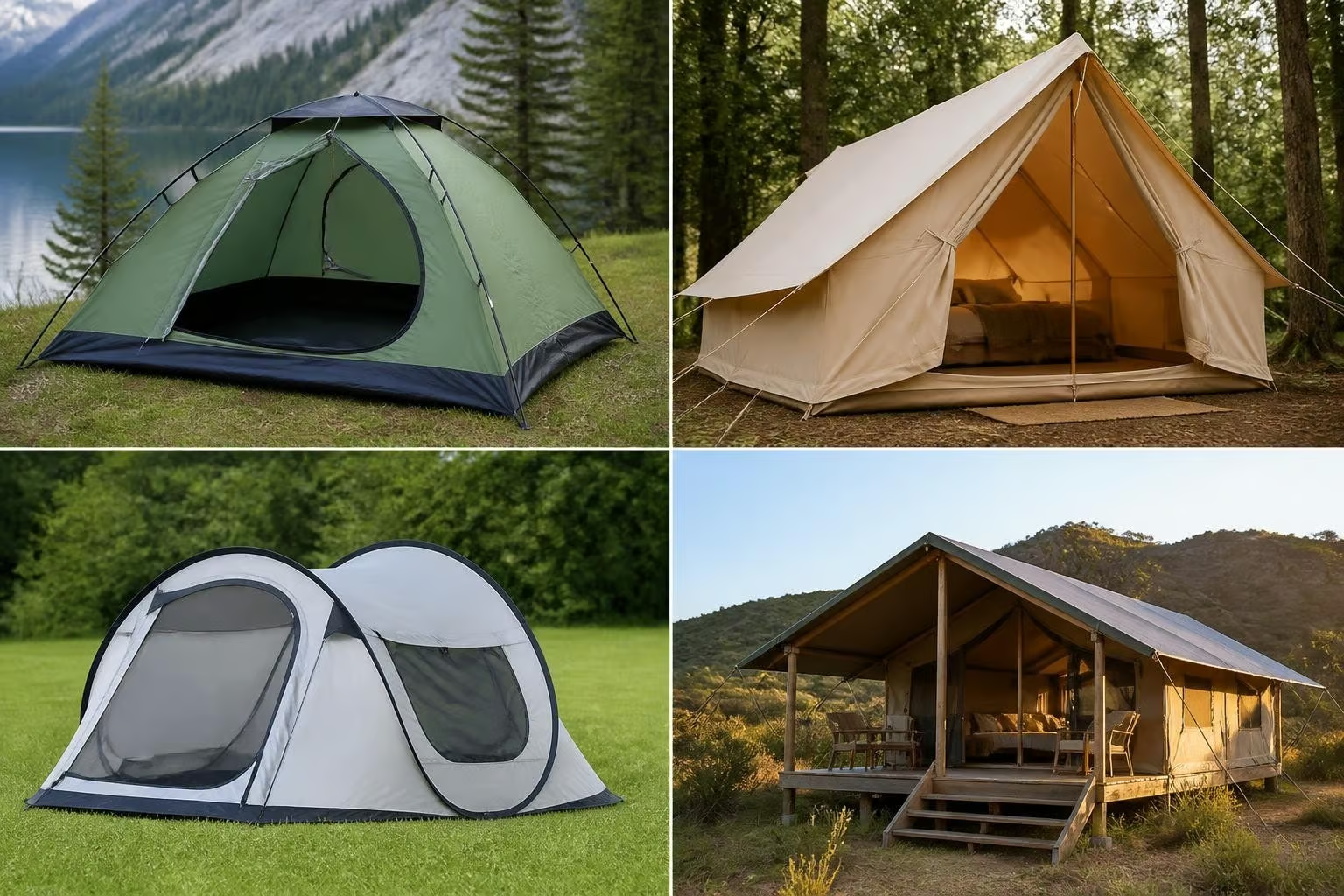
Choosing the right tent camping tent can transform your outdoor experience from uncomfortable to unforgettable. Whether you're planning a weekend getaway to a national park, embarking on a multi-week safari adventure, or simply exploring the backcountry trails of Southern Africa, your shelter choice directly impacts your comfort, safety, and overall enjoyment. The tent camping tent market has evolved significantly in recent years, offering everything from lightweight backpacking options to heavy-duty canvas structures designed to withstand harsh weather conditions. Understanding the differences between tent types, materials, and construction methods helps you make an informed decision that matches your specific camping style and environmental challenges.
Not all tent camping tent options serve the same purpose. The type you choose depends heavily on where you're camping, how you're traveling, and what weather conditions you expect to encounter.
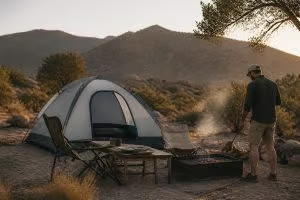
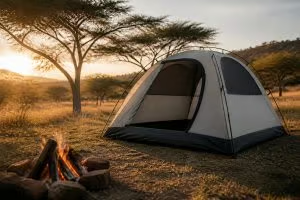
Dome tents represent one of the most popular tent camping tent designs for good reason. Their curved pole structure creates excellent wind resistance while maximizing interior headroom. These tents typically feature two or more poles that cross at the top, creating a self-supporting framework that remains stable even in challenging conditions.
Key advantages of dome tents include:
The dome design works exceptionally well for car camping, festival camping, and moderate backpacking trips. Many campers appreciate that dome tents maintain their shape independently, allowing you to move them after initial setup if you need to adjust placement.
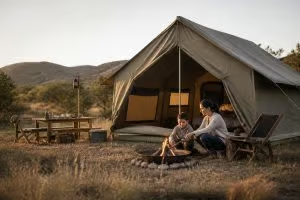
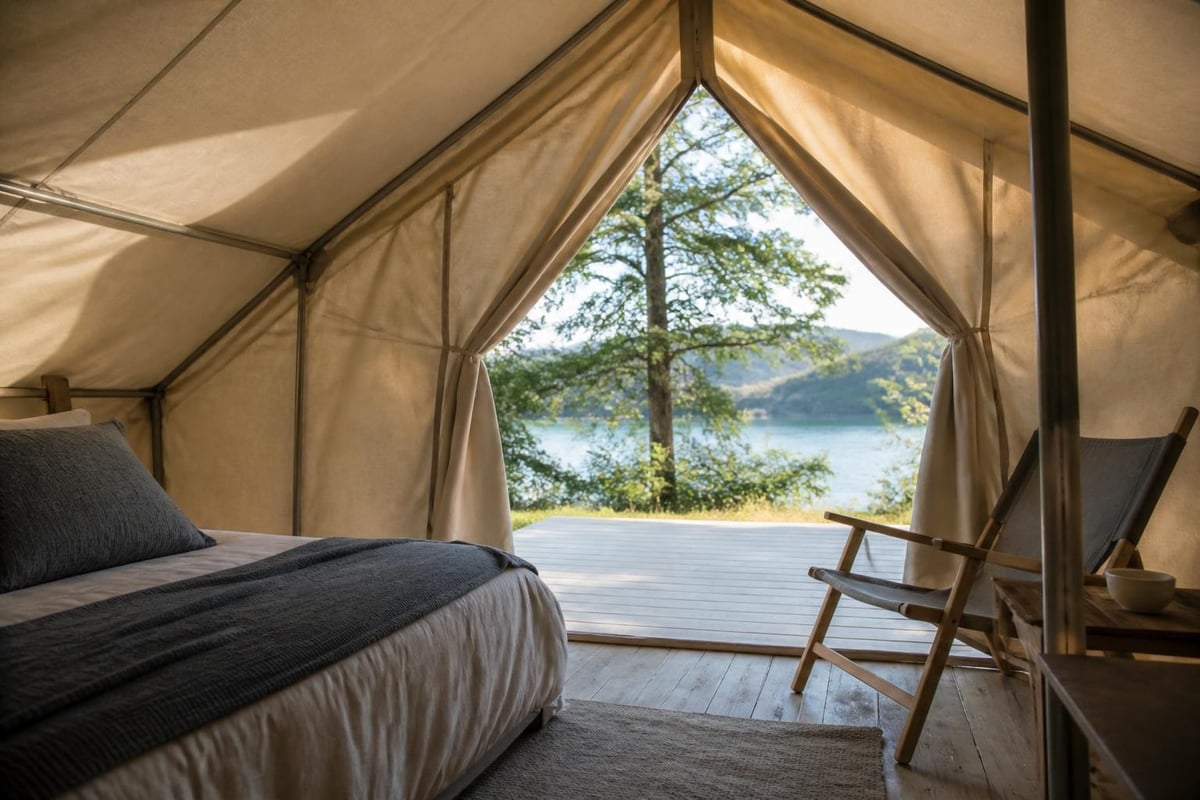
Canvas tent camping tent options excel in scenarios requiring extended outdoor accommodation. The natural fiber material offers superior breathability compared to synthetic alternatives, reducing condensation buildup during multi-day or multi-week trips. This breathability factor becomes especially important in humid climates or during temperature fluctuations between day and night.
Canvas tents typically feature heavier construction, making them ideal for semi-permanent installations at safari camps, hunting bases, or seasonal recreational properties. The material naturally regulates temperature, staying cooler in heat and providing better insulation in cold conditions.
| Canvas Tent Benefits | Synthetic Tent Benefits |
|---|---|
| Superior breathability | Lighter weight |
| Natural temperature regulation | Quicker drying time |
| Long-term durability | Lower initial cost |
| Reduced condensation | Easier maintenance |
| Repairable material | Compact pack size |
For campers prioritizing convenience, pop-up tent camping tent models offer near-instant shelter. These designs use pre-attached poles and spring-loaded frames that allow setup in minutes rather than the 10-15 minutes required for traditional tents.
According to the Outdoor Industry Association’s 2026 Camping Report, convenience features like quick-pitch systems have contributed to a 23% increase in first-time family camping participation over the past three years.
The materials used in your tent camping tent determine its performance characteristics, longevity, and suitability for different environments.
Tent fabrics are measured in GSM (grams per square meter), with higher numbers indicating thicker, more durable material. A lightweight backpacking tent might use 70-100 GSM ripstop nylon, while a heavy-duty canvas tent camping tent designed for African conditions might feature 300 GSM or even 550 GSM material.
Material considerations include:
When evaluating a tent camping tent for South African conditions, look for fabrics specifically engineered to handle intense UV exposure, sudden temperature changes, and seasonal rainfall patterns.
The framework supporting your tent camping tent plays a critical role in structural integrity. Modern tents typically use one of three pole materials:
Quality pole systems feature color-coded sections, shock-cord assembly, and reinforced connection points that withstand repeated setup and breakdown cycles.
Tent capacity ratings often prove optimistic. A "four-person" tent camping tent typically provides comfortable sleeping space for two to three adults with gear.
When determining size, consider these factors beyond just sleeping bodies:
Interior storage needs: Backpacks, clothing, and camping gear require floor space
Vestibule areas: Protected zones for boots, cooking gear, and muddy equipment
Headroom requirements: Sufficient height for changing clothes comfortably
Multiple room configurations: Privacy options for families or extended trips
A useful rule suggests adding one to the manufacturer's capacity rating. If you need space for three campers, look at four-person tent camping tent models.
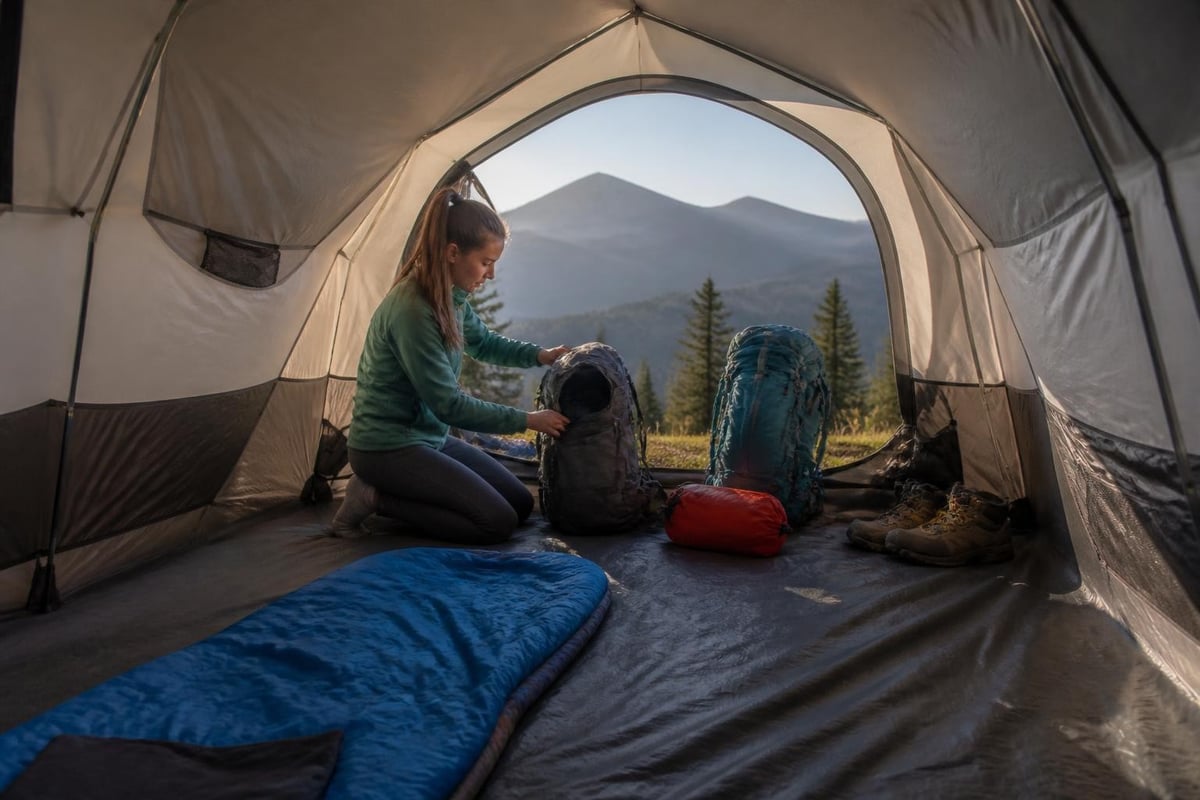
Peak height measurements tell only part of the story. A tent might advertise 6 feet of peak height, but sloping walls reduce usable vertical space significantly. Floor dimensions matter more for actual comfort-look for measurements that provide at least 7 feet of length and adequate width for your sleeping pads or air mattresses.
Understanding seasonal ratings helps match your tent camping tent to expected conditions. The National Park Service’s camping planning checklist emphasizes selecting appropriate shelter for your destination's climate patterns.
Most tent camping tent options fall into the three-season category, designed for spring, summer, and fall use. These tents prioritize ventilation through mesh panels and feature moderate pole structures. Four-season tents sacrifice some ventilation for stronger frames, heavier fabrics, and designs that shed snow effectively.
Three-season tent characteristics:
Four-season tent characteristics:
For South African camping conditions, a well-designed three-season tent camping tent handles most scenarios, from Kruger Park summers to Drakensberg autumn trips.
Proper ventilation separates comfortable tent camping tent experiences from damp, clammy nights. Even waterproof tents accumulate moisture from breathing, body heat, and temperature differentials between interior and exterior air.
Quality tents incorporate multiple ventilation strategies:
The gap between inner tent body and outer rainfly creates crucial air circulation space. This double-wall tent camping tent design dramatically reduces condensation compared to single-wall alternatives. Expert testing from OutdoorGearLab’s camping tent reviews demonstrates that proper ventilation design matters more than fabric breathability alone.
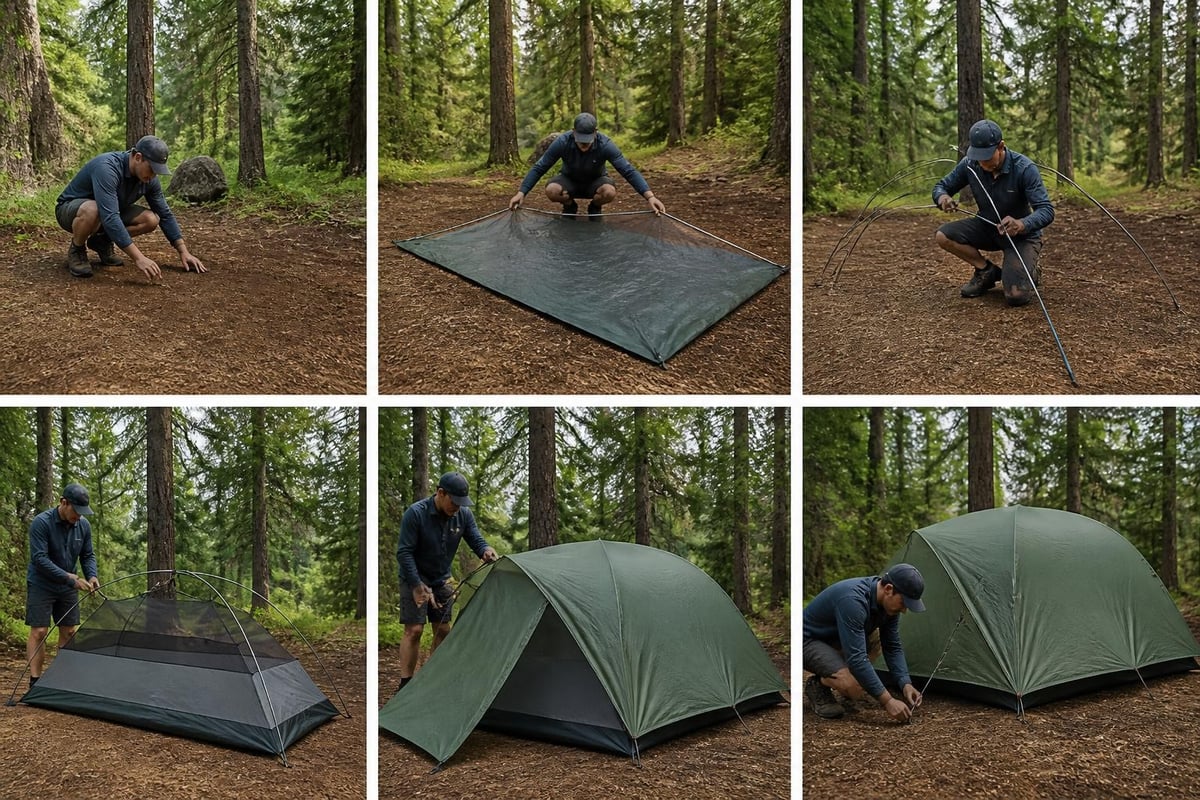
The best tent camping tent in the world becomes frustrating if setup requires engineering expertise or consumes 45 minutes of your camping time. If you’re shopping locally, our guide to camping tents near me covers where to buy and what to inspect.
Modern tent designs incorporate helpful setup features:
| Feature | Benefit |
|---|---|
| Color-coded poles and sleeves | Eliminates guesswork during assembly |
| Quick-clip attachments | Faster than threading sleeves |
| Hub-based pole systems | Reduces loose connection points |
| Freestanding designs | Setup before staking |
| Included instruction sewn into carry bag | Always available reference |
The Bureau of Land Management’s beginner camping guide recommends practicing tent setup at home before your trip, particularly if you've purchased a new tent camping tent design.
Different conditions demand modified approaches. In wind, stake the windward corners first and orient doors away from prevailing winds. For rainy setup, position the rainfly immediately rather than starting with the inner tent. The U.S. Forest Service’s low-impact practices guide provides excellent technical guidance on campsite selection and tent placement that minimizes environmental impact while maximizing your comfort and safety.
Your tent camping tent represents a significant investment. Proper care extends its functional life from a few seasons to potentially decades.
During your camping trip:
Between trips, store your tent camping tent loosely in a breathable bag rather than compressed in its stuff sack. This prevents fabric degradation and maintains waterproof coating integrity. Periodically check seams and apply seam sealer to any compromised areas before they develop into significant leaks.
Canvas tent camping tent options require specific maintenance approaches. After each trip, ensure complete drying before storage to prevent mold and mildew growth. Many canvas tent owners apply periodic waterproofing treatments to maintain protection, especially after extended UV exposure.
Modern tent camping tent designs incorporate features tailored to specific activities and environments.
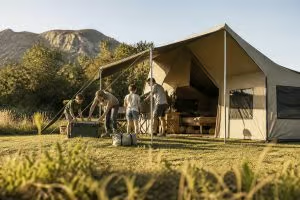
Families benefit from features like divided sleeping areas, electrical cord access ports, interior organization pockets, and lantern hanging loops. Some larger family tents include screened porch areas that provide bug-free outdoor living space. Testing from Outside magazine’s car camping tent reviews highlights that families typically prioritize interior space and convenience over weight savings.
Ultralight enthusiasts scrutinize every gram. Backpacking tent camping tent designs minimize weight through:
Backpacker magazine’s tent buying guides emphasize that weight savings should never compromise essential weather protection or durability for your planned terrain.
For longer outdoor stays, comfort features become worth their additional weight. Safari-style tent camping tent options often include standing height throughout, multiple windows with roll-up storm covers, sewn-in floors that extend up sidewalls, and reinforced anchor points for guy lines.
When setting up camp for extended periods in South African wilderness areas, investing in quality canvas construction pays dividends. The Premium Heavy-Duty Canvas Dome Tent engineered for harsh African climates provides exactly this type of rugged, long-term reliability with features specifically designed for bush conditions.
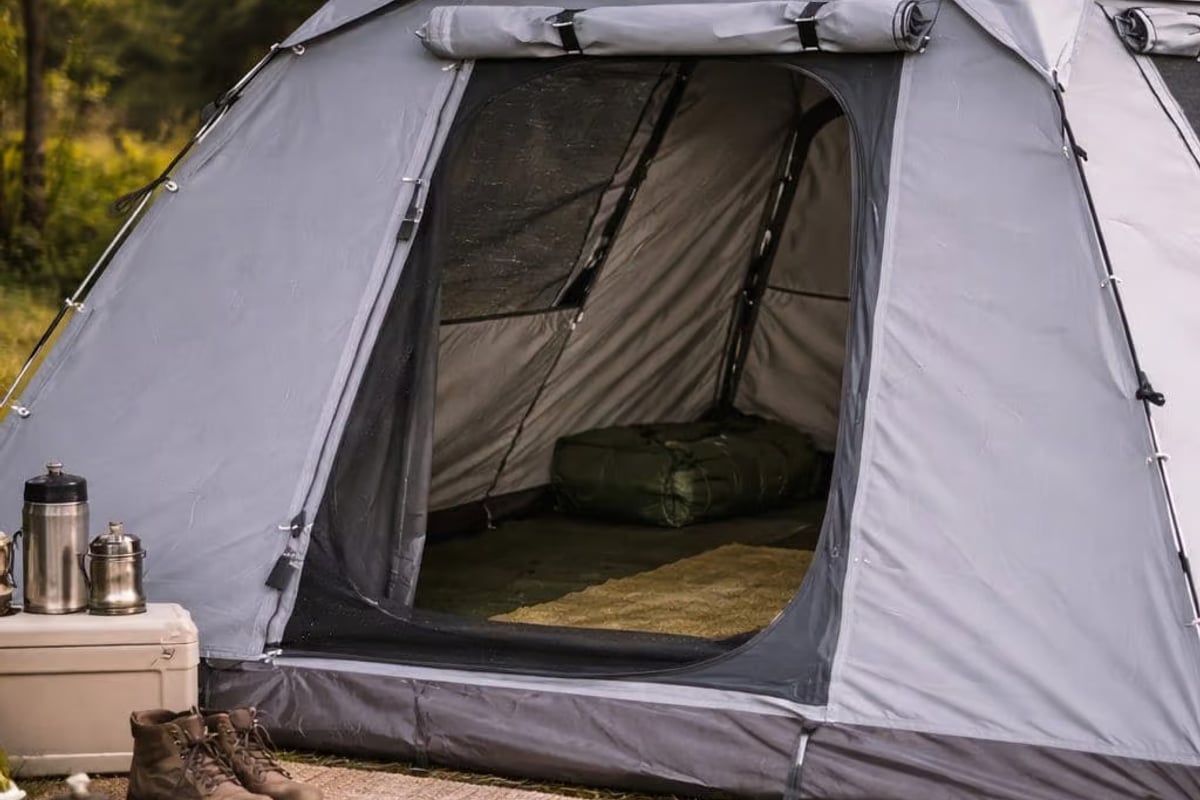
A complete tent camping tent system extends beyond the shelter itself.
Footprints and ground cloths protect tent floors from punctures and abrasion while adding a moisture barrier. Custom-fitted footprints work best, though generic tarps cut slightly smaller than your tent footprint serve adequately.
Guy lines and stakes deserve attention beyond the basic items included with most tents. Reflective guy lines prevent nighttime trips and falls, while specialized stakes for sand, snow, or hard ground improve anchoring in challenging terrain.
Repair kits should include fabric patches, pole splints, duct tape, and spare cord. A small tear addressed immediately with proper repair materials prevents enlargement into a major failure.
Interior organization transforms tent living from chaotic to comfortable:
When evaluating tent camping tent options, independent testing provides valuable insights. Consumer Reports’ camping gear evaluations offer unbiased assessments based on standardized testing protocols, while beach tent comparisons illustrate design tradeoffs between different shelter types.
Entry-level tent camping tent models starting around $50-100 suit occasional campers who prioritize initial cost savings. Mid-range options ($150-400) typically offer better materials, improved designs, and manufacturer warranties. Premium tents ($400+) feature specialized fabrics, advanced engineering, and construction quality that justifies the investment for frequent users.
Budget considerations should balance:
Quality outdoor equipment designed for demanding conditions represents an investment rather than an expense. Choosing gear built specifically for your environment and usage patterns delivers better long-term value than replacing inadequate equipment every season.
South African camping environments present unique challenges that influence tent camping tent selection. The country's diverse climate zones-from coastal humidity to highveld aridity-demand versatile shelter solutions.
Intense African sun degrades tent fabrics faster than in many other regions. Look for UV-resistant treatments and darker colored fabrics that reflect rather than absorb solar radiation. Lighter colored interiors help keep temperatures manageable during midday heat.
Camping in game reserves requires tents with robust zippers, reinforced anchor points, and designs that discourage curious wildlife. While no tent camping tent provides complete protection from determined animals, solid construction and properly secured guy lines minimize risks.
Summer afternoon thunderstorms bring intense but brief rainfall, demanding excellent water resistance and quick-drying materials. Winter highveld nights drop below freezing, requiring adequate insulation and draft prevention. Coastal camping means managing salt air exposure that accelerates metal corrosion and fabric degradation.
Selecting the right tent camping tent transforms outdoor adventures from endurance tests into comfortable, memorable experiences. Whether you need lightweight mobility for backpacking trips, spacious family accommodation for weekend getaways, or rugged durability for extended safari stays, matching tent features to your specific requirements ensures years of reliable service. The key factors-materials, construction quality, size, ventilation, and regional suitability-work together to create shelter that protects, performs, and enhances your connection with nature. When you're ready to invest in quality outdoor shelter designed for African conditions, Ejenti Outdoor offers locally manufactured tents, canvas solutions, and camping gear built to handle South Africa's unique environmental challenges with proven durability and practical design.