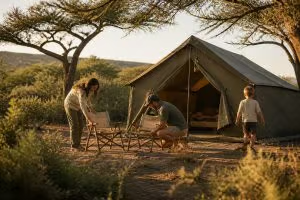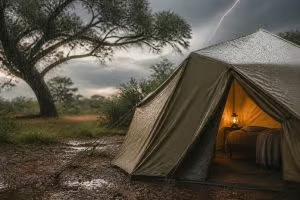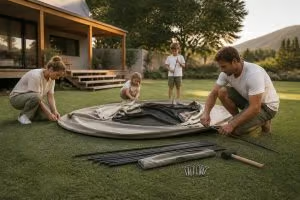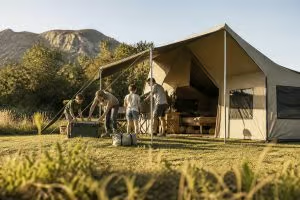

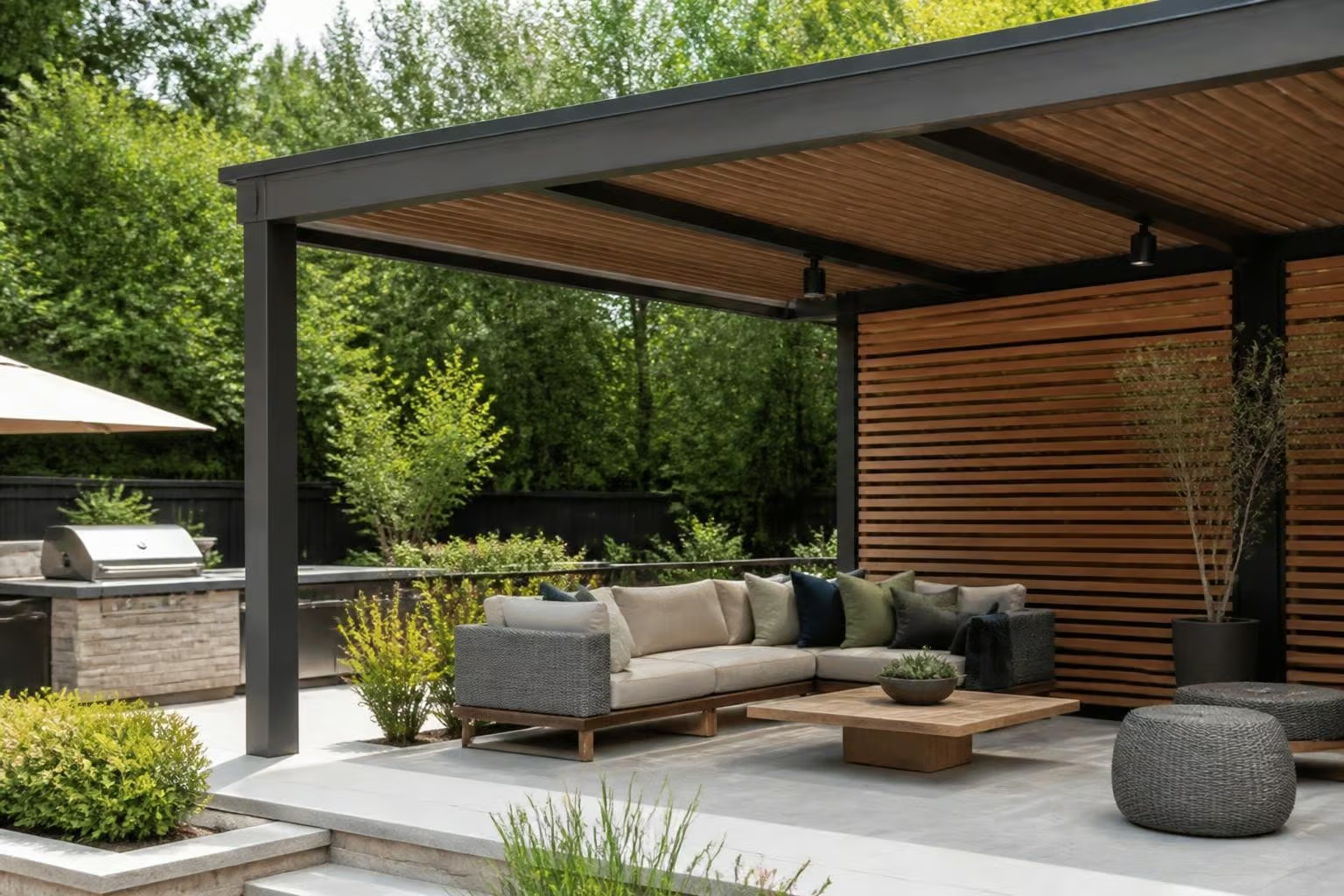
When planning any outdoor project, whether a commercial event space, camping operation, or permanent outdoor installation, understanding the components of an effective outdoor solutions group is essential. An outdoor solutions group represents a coordinated set of products, services, and strategies designed to address specific environmental challenges while delivering reliable performance. For businesses and individuals operating in demanding climates like South Africa, selecting the right combination of materials, structures, and hardware determines whether your outdoor setup thrives or fails under real-world conditions.
The concept of an outdoor solutions group extends beyond simply purchasing individual products. It involves creating an integrated system where each component works together to solve specific outdoor challenges. This approach considers factors like climate exposure, structural stability, material durability, and ease of maintenance.
An effective outdoor solutions group typically includes three primary categories:
Each category plays a distinct role, yet interdependence defines success. A premium canvas tent loses effectiveness without proper fastening hardware. High-quality PVC fabric requires appropriate structural support to perform as designed.
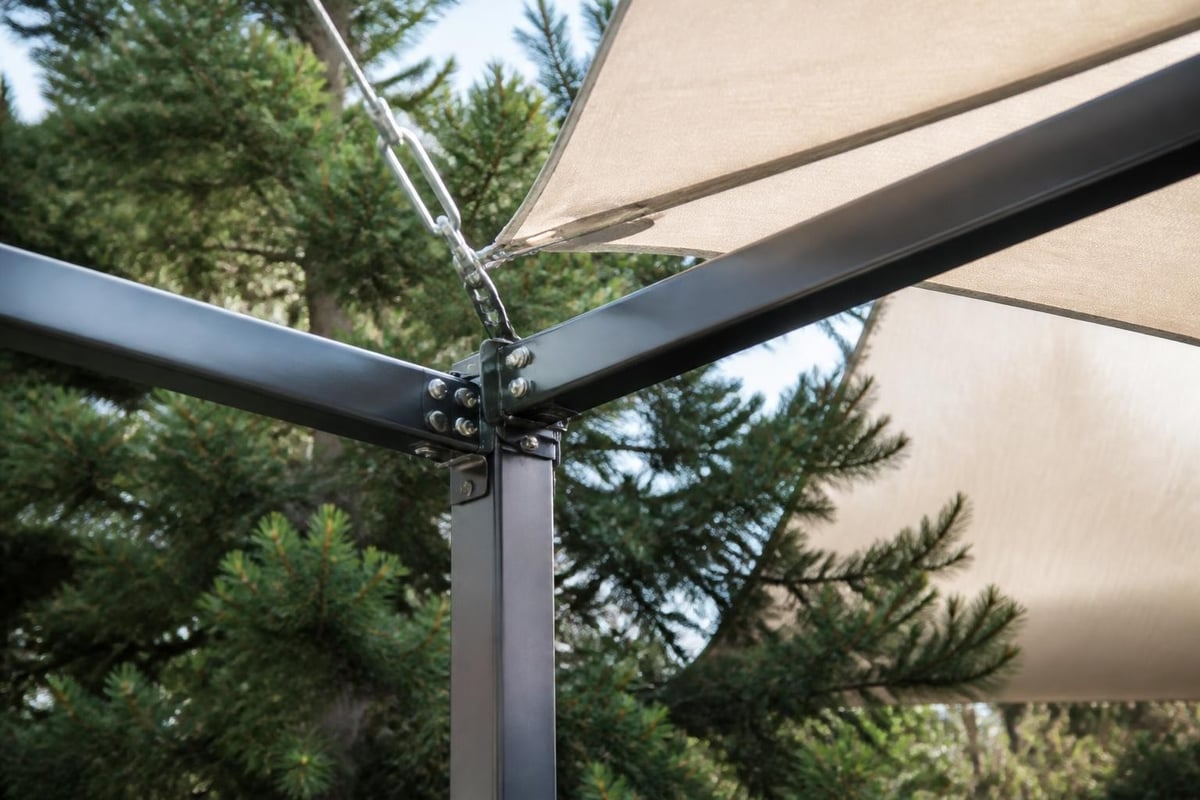
When assembling an outdoor solutions group for your specific needs, several evaluation criteria help guide decisions:
| Criterion | Considerations | Impact on Performance |
|---|---|---|
| Climate resistance | UV exposure, rainfall, wind speed, temperature range | Determines material lifespan and maintenance frequency |
| Load capacity | Weight of fabric, snow load, equipment attachments | Affects structural integrity and safety margins |
| Installation complexity | Setup time, required tools, skill level | Influences labor costs and operational flexibility |
| Portability | Weight, packed dimensions, disassembly ease | Critical for temporary vs. permanent installations |
| Maintenance requirements | Cleaning protocols, repair procedures, replacement parts | Impacts total cost of ownership |
The climate resilience toolkit provided by the U.S. Climate Resilience Toolkit offers valuable frameworks for evaluating how outdoor systems perform under environmental stress, principles that apply equally to commercial outdoor installations.
Material selection forms the foundation of any outdoor solutions group. Different fabrics, coatings, and structural materials offer distinct advantages depending on application requirements.
Canvas and PVC represent two primary material families in outdoor solutions, each with specific performance characteristics:
Canvas advantages:
PVC advantages:
The choice between these materials depends on your specific outdoor solutions group requirements. Safari lodges and extended camping setups often favor canvas for its comfort and breathability. Event spaces and commercial applications frequently choose PVC for its minimal maintenance and weather resistance.
For those working with outdoor equipment and products, understanding these material distinctions helps match solutions to actual field conditions rather than theoretical specifications.
Material weight, measured in grams per square meter (GSM), directly correlates with durability and application suitability:
Ripstop weave construction adds another dimension to fabric performance. The reinforcement grid pattern prevents tears from propagating, significantly extending material lifespan under stress. This technology has become standard in quality outdoor solutions group offerings.
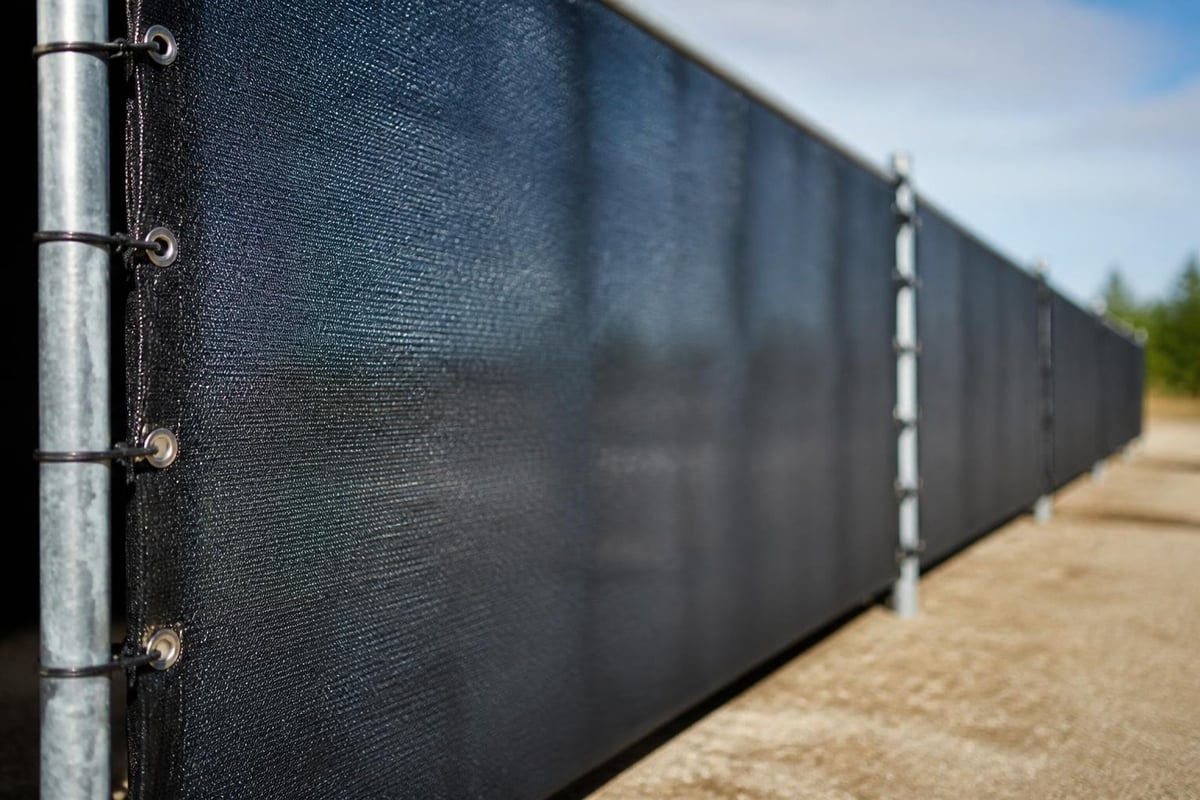
Even the finest shelter materials fail without proper fastening hardware. An outdoor solutions group succeeds or fails based on connection quality, adjustment capability, and hardware durability.
Different fastening solutions serve specific functions within an outdoor setup. Understanding these categories helps you build a complete system:
Hooks and anchors:
Adjustment hardware:
Many outdoor operations underestimate the importance of quality fastening hardware until field failures occur. Heavy Duty Tent Hooks & Metal Fasteners provide the reliable connection points necessary for secure outdoor installations, handling the constant tension and adjustment that real-world conditions demand.
Proper hardware selection involves understanding force distribution across your outdoor solutions group. Wind load creates different stress patterns than static weight. Dynamic loads from movement or equipment operation require additional safety margins.
| Hardware Type | Typical Load Rating | Best Application | Failure Mode |
|---|---|---|---|
| Plastic buckles | 50-150 kg | Adjustable straps, non-critical connections | Fracture under shock load |
| Steel J-hooks | 200-400 kg | Primary anchor points, guy line attachment | Deformation, rarely breaks |
| D-rings (welded) | 300-600 kg | Corner reinforcement, multi-point loads | Weld failure if overloaded |
| Pulleys (metal) | 100-300 kg | Rope tensioning, adjustable systems | Bearing seizure, wheel damage |
The Outdoor Solutions Group approach to transit advertising demonstrates how proper engineering and hardware selection enables installations to withstand constant vibration, weather exposure, and mechanical stress over extended periods.
A well-designed outdoor solutions group simplifies installation while ensuring structural integrity. Setup strategy varies significantly between temporary and permanent installations.
Temporary installations (events, markets, seasonal camping):
Permanent installations (lodges, commercial outdoor spaces, fixed structures):
Ground conditions dramatically affect outdoor solutions group performance. Soft soil requires different anchoring strategies than rocky terrain. Slope and drainage patterns influence water management.
Before installation:
The EPA’s green infrastructure design strategies provide excellent guidance on site water management, particularly relevant when installing structures that alter natural drainage patterns.
Modern outdoor solutions group thinking increasingly incorporates environmental sustainability and ecosystem integration. This approach recognizes that outdoor installations exist within broader natural systems.
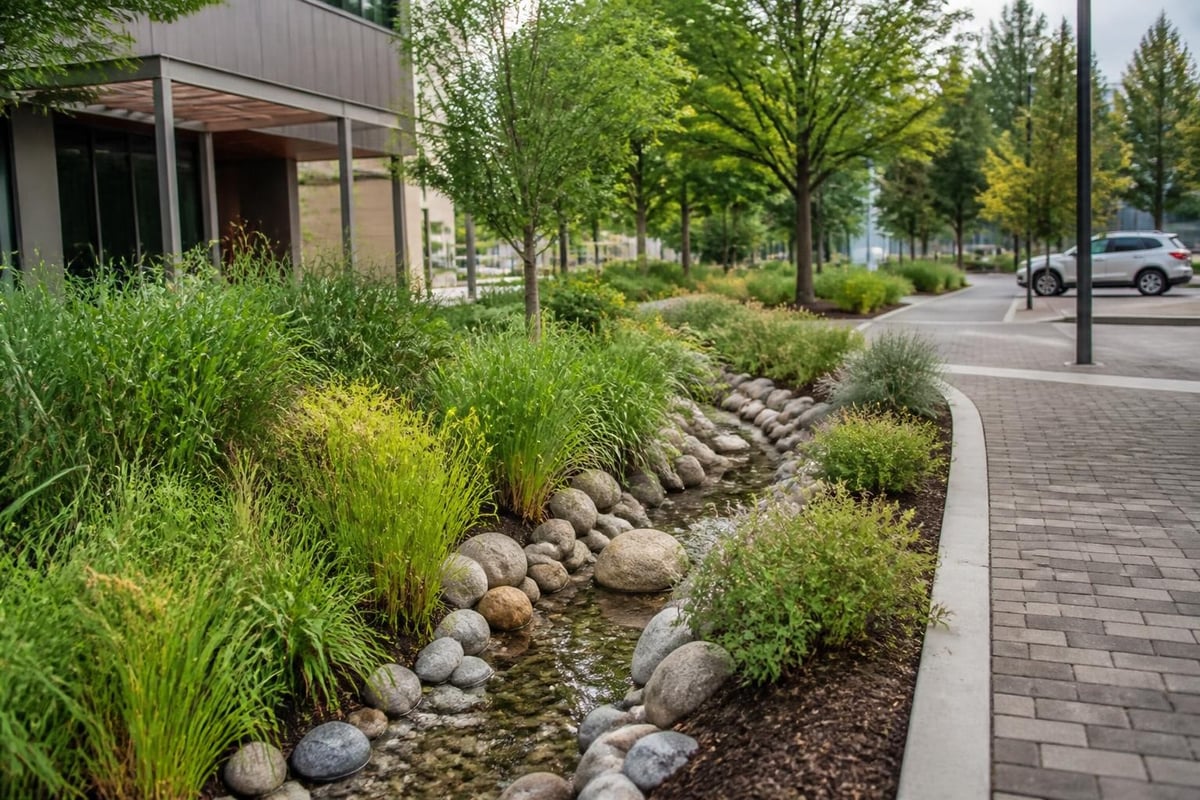
Large outdoor structures create impervious surfaces that affect local hydrology. Responsible installation considers water management:
The EPA’s green infrastructure overview explains how landscape-based approaches can be integrated with built structures to manage stormwater naturally. The Stormwater C.3 Guidebook offers technical specifications for implementing these strategies in real projects.
An outdoor solutions group can support rather than degrade local ecosystems:
These considerations become particularly important for safari lodges, eco-tourism operations, and outdoor recreational facilities where environmental quality directly affects business value.
Long-term value from an outdoor solutions group depends on systematic maintenance and lifecycle planning. Many outdoor installations underperform simply due to neglected upkeep.
Establish regular inspection and maintenance schedules:
Weekly tasks:
Monthly tasks:
Seasonal tasks:
Those interested in building robust outdoor systems can explore the full range of options in the Ejenti Outdoor blog, which provides ongoing insights into maintenance best practices.
Smart outdoor solutions group management involves proactive replacement rather than reactive repairs:
| Component | Typical Lifespan | Replacement Indicators | Failure Consequences |
|---|---|---|---|
| Canvas fabric | 5-10 years | UV damage, waterproofing loss, persistent leaks | Water damage to contents, reduced protection |
| PVC fabric | 7-15 years | Brittleness, cracking, seam separation | Catastrophic failure possible in storms |
| Steel frames | 10-20 years | Rust, deformation, joint weakness | Structural collapse risk |
| Fastening hardware | 3-7 years | Wear patterns, deformation, corrosion | Connection failures, safety hazards |
Budget for component replacement from the outset. A well-planned outdoor solutions group includes lifecycle cost projections, not just initial purchase price.
Different industries leverage outdoor solutions group concepts in distinct ways, each with specific requirements and challenges.
Event organizers require outdoor solutions that balance aesthetics, weather protection, and rapid deployment:
The Outdoor Solutions Group’s digital ferry launch demonstrates how commercial outdoor installations can combine functionality with modern technology integration, a trend increasingly relevant to event spaces.
Safari lodges and eco-tourism ventures face unique outdoor solutions group challenges:
Requirements:
Solutions:
Farms, nurseries, and industrial operations use outdoor solutions group principles for functional structures:
These applications prioritize durability and functionality over aesthetics, often requiring custom solutions that standard products cannot address.
Understanding the financial aspects of an outdoor solutions group helps justify investment and guide purchasing decisions.
Initial purchase price represents only one component of total cost:
Direct costs:
Ongoing costs:
Indirect costs:
A quality outdoor solutions group typically shows lower total cost of ownership despite higher initial investment. Budget solutions often create higher ongoing expenses through frequent repairs and premature replacement.
Different applications show varying payback periods:
Calculate your specific payback period by dividing total investment by annual benefit (revenue increase plus cost savings).
The outdoor solutions group concept continues evolving with new materials, technologies, and environmental awareness.
Emerging fabric technologies promise enhanced performance:
Smart outdoor solutions group installations increasingly incorporate:
The interview with Outdoor Solutions Group leadership explores how traditional outdoor industries are adopting digital technologies, trends that apply across multiple outdoor sectors.
Environmental consciousness drives outdoor solutions group evolution:
Organizations implementing outdoor solutions increasingly face customer expectations around environmental responsibility. Those preparing for these requirements gain competitive advantage.
South African conditions create specific outdoor solutions group requirements that differ from other markets.
South Africa's diverse climate zones demand adaptable solutions:
Select materials and designs proven in similar conditions. International specifications don't always translate to South African performance.
Supporting local production offers several advantages:
Companies like Ejenti Outdoor manufacture products specifically for South African conditions, ensuring materials and designs match actual field requirements rather than generic specifications.
Understanding South African outdoor installation regulations ensures compliance:
Consult with local authorities before implementing significant outdoor solutions group projects to avoid costly modifications or removal orders.
Building an effective outdoor solutions group requires thoughtful integration of structures, materials, and hardware matched to your specific climate and application. Whether establishing a commercial event space, safari lodge, or agricultural facility, success depends on selecting quality components engineered to work together under real-world conditions. Ejenti Outdoor offers comprehensive outdoor solutions designed specifically for South African environments, combining durable materials with proven hardware systems to help you create installations that perform reliably year after year.