
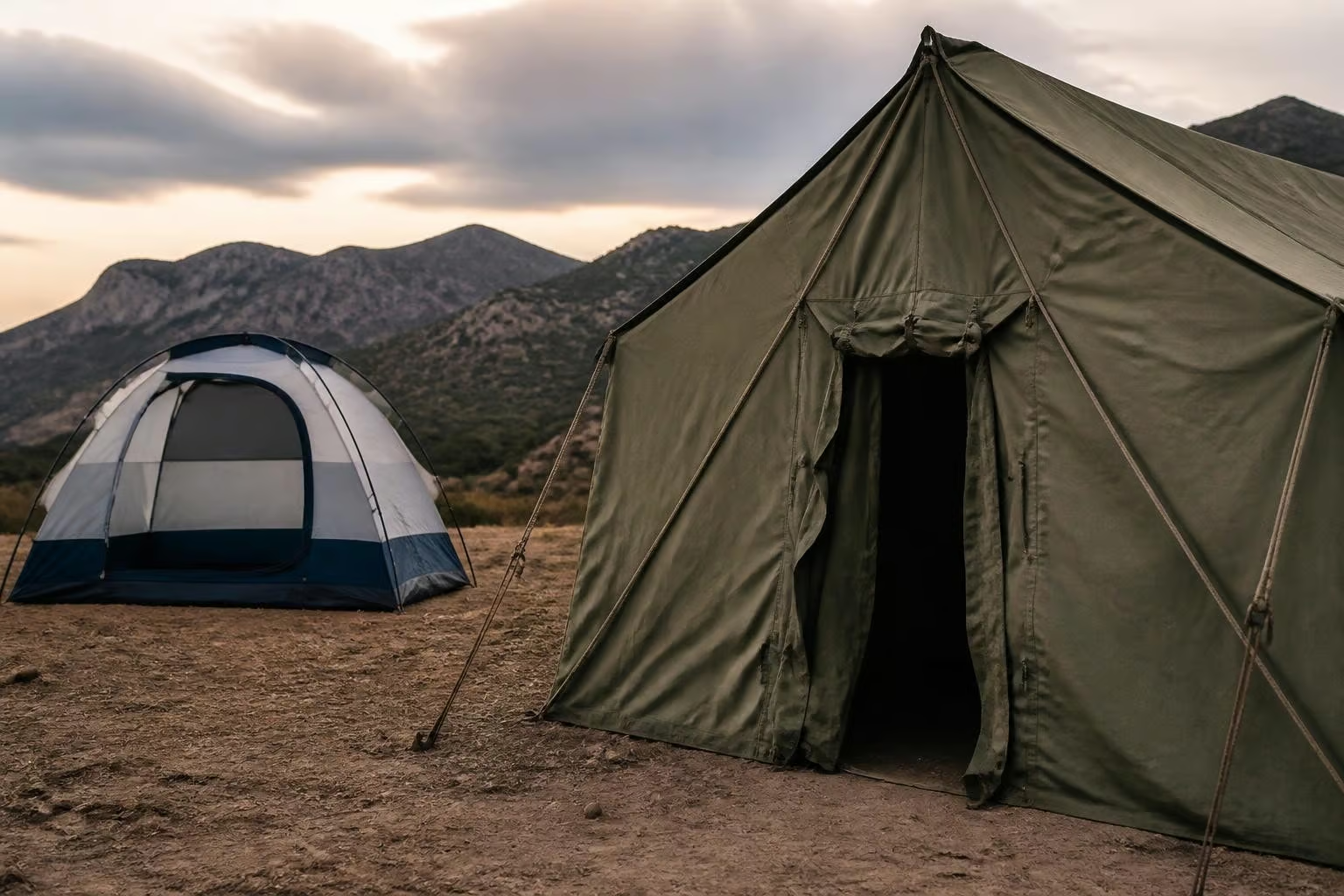
When you decide to buy army tent solutions for your outdoor needs, you're investing in shelter technology that has been tested under the most demanding conditions imaginable. Military tents represent decades of engineering refinement, designed to protect personnel and equipment in hostile environments ranging from desert heat to Arctic cold. These robust structures offer civilian users exceptional value, combining durability, weather resistance, and functional design that far exceeds typical camping equipment. Understanding what makes military-grade tents different from standard camping gear will help you make an informed purchasing decision that matches your specific requirements.
Military tents are engineered to withstand conditions that would destroy conventional camping shelters. The fundamental difference lies in material quality, structural integrity, and attention to detail during manufacturing.
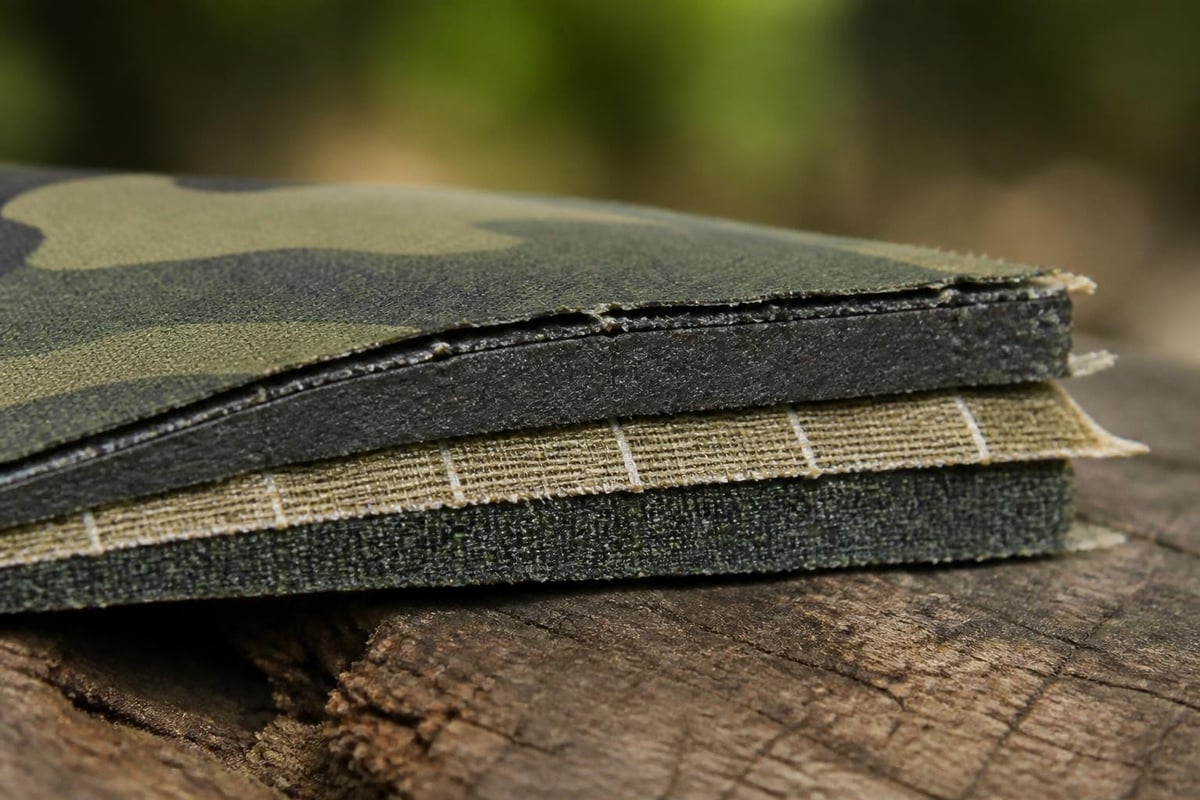
When manufacturers produce military-specification tents, they must meet rigorous standards that govern everything from fabric weight to seam strength. Canvas used in these tents typically ranges from 300 GSM to 600 GSM, providing exceptional tear resistance and longevity. The fabric treatment processes ensure waterproofing, UV resistance, and often flame retardancy to meet safety regulations.
Before you buy army tent products, understanding fabric specifications helps you evaluate true quality:
The frame systems in military tents use galvanized steel or aluminum alloys selected for their strength-to-weight ratio. These materials resist corrosion in coastal environments while maintaining structural stability in high winds. Most quality military tents feature pole sleeves rather than external clips, distributing stress loads more evenly across the fabric.
Military tents come in standardized sizes developed around specific operational requirements. These dimensions translate well to civilian applications when you understand the capacity ratings.
| Tent Size | Floor Space | Typical Capacity | Best Applications |
|---|---|---|---|
| 2-person | 2m x 2m | 2-3 people | Solo expeditions, motorcycle camping |
| 4-person | 3m x 3m | 4-6 people | Family camping, base camps |
| 8-person | 4m x 6m | 8-12 people | Group expeditions, event shelters |
| 12-person | 5m x 8m | 12-20 people | Large groups, equipment storage |
When you buy army tent options, consider not just sleeping capacity but also gear storage needs. Military sizing assumes personnel will store equipment inside the shelter, so a "4-person" military tent typically offers comfortable space for four adults plus their backpacks and supplies.
The height specifications matter significantly for livability. Most military tents feature peak heights of 1.8m to 2.2m, allowing users to stand upright in the center. This vertical space improves ventilation and reduces the claustrophobic feeling during extended stays.
Several critical features distinguish quality military tents from inferior alternatives. Examining these elements before you buy army tent products prevents costly mistakes.
Ventilation systems in military tents typically include mesh windows, roof vents, and adjustable door panels. Proper airflow prevents condensation buildup that can soak gear and create uncomfortable sleeping conditions. Look for designs with multiple ventilation points that can be adjusted based on weather conditions.
Ground sheet quality often gets overlooked but significantly impacts tent longevity. Military-grade ground sheets use heavy PVC or reinforced polyethylene that resists punctures from rocks and roots. The material should extend slightly beyond the tent footprint to prevent water from pooling underneath.
Understanding standards when selecting and purchasing equipment helps ensure you invest in genuinely tested products rather than marketing claims.
The primary reason to buy army tent solutions is their superior weather protection across diverse conditions. Military tents must function reliably whether deployed in monsoon regions, desert environments, or cold-weather operations.
Waterproofing in quality military tents exceeds 3000mm hydrostatic head rating, meaning the fabric can withstand a column of water three meters tall before leaking. This performance level handles even the heaviest rainfall. The waterproofing extends beyond the canvas itself to include sealed seams, waterproof zippers, and properly designed rain flies.
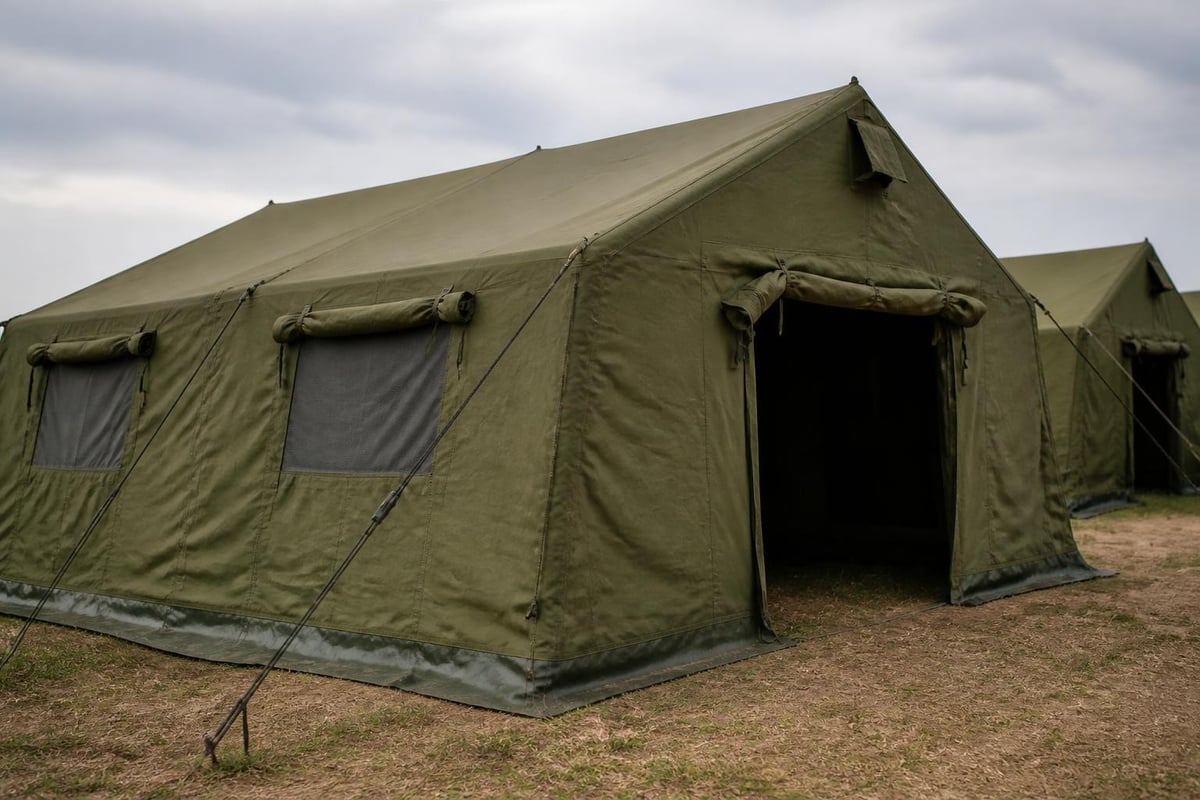
Wind resistance depends on both fabric strength and frame design. Military tents use aerodynamic profiles that deflect wind rather than catching it like a sail. The guy line attachment points distribute wind loads across multiple anchor points, preventing single-point failures. In properly staked military tents, wind ratings often exceed 80 km/h sustained winds.
Military tents incorporate features that help regulate interior temperatures:
Summer cooling comes from strategic ventilation placement, reflective roof treatments, and breathable canvas that allows heat to escape while blocking sun penetration.
Winter insulation benefits from the natural insulating properties of heavy canvas, plus the option to add interior liners that create dead air space. Some military designs include stove jacks for safely venting heating equipment.
When you decide to buy army tent equipment, you'll encounter both new manufactured units and military surplus options. Each category has distinct advantages and considerations.
New military-specification tents offer manufacturer warranties, consistent quality control, and the latest material technology. Companies like those specializing in heavy duty marquee tent solutions produce civilian versions using military-grade materials and construction techniques. These products combine proven designs with modern improvements like lighter weight poles and enhanced waterproofing treatments.
Surplus military tents can offer substantial cost savings, sometimes selling for 40-60% less than new equivalents. However, surplus items require careful inspection for wear, damage, and missing components. Understanding NFPA 701 flame-propagation standards becomes particularly important with surplus tents, as older units may not meet current safety requirements for certain applications.
| Aspect | New Tents | Surplus Tents |
|---|---|---|
| Price | Higher initial cost | 40-60% cost savings |
| Condition | Guaranteed new | Varies, requires inspection |
| Warranty | Manufacturer backed | Typically sold as-is |
| Customization | Available options | Limited to existing features |
| Safety certification | Current standards | May need verification |
The robust construction that makes these tents suitable for military operations translates perfectly to demanding civilian applications. When you buy army tent products, you gain versatility that extends far beyond camping.
Emergency response teams rely on military-grade tents for disaster relief operations, medical triage stations, and temporary command centers. The quick setup times and weather protection prove essential when establishing operations in crisis situations.
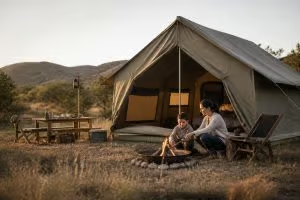
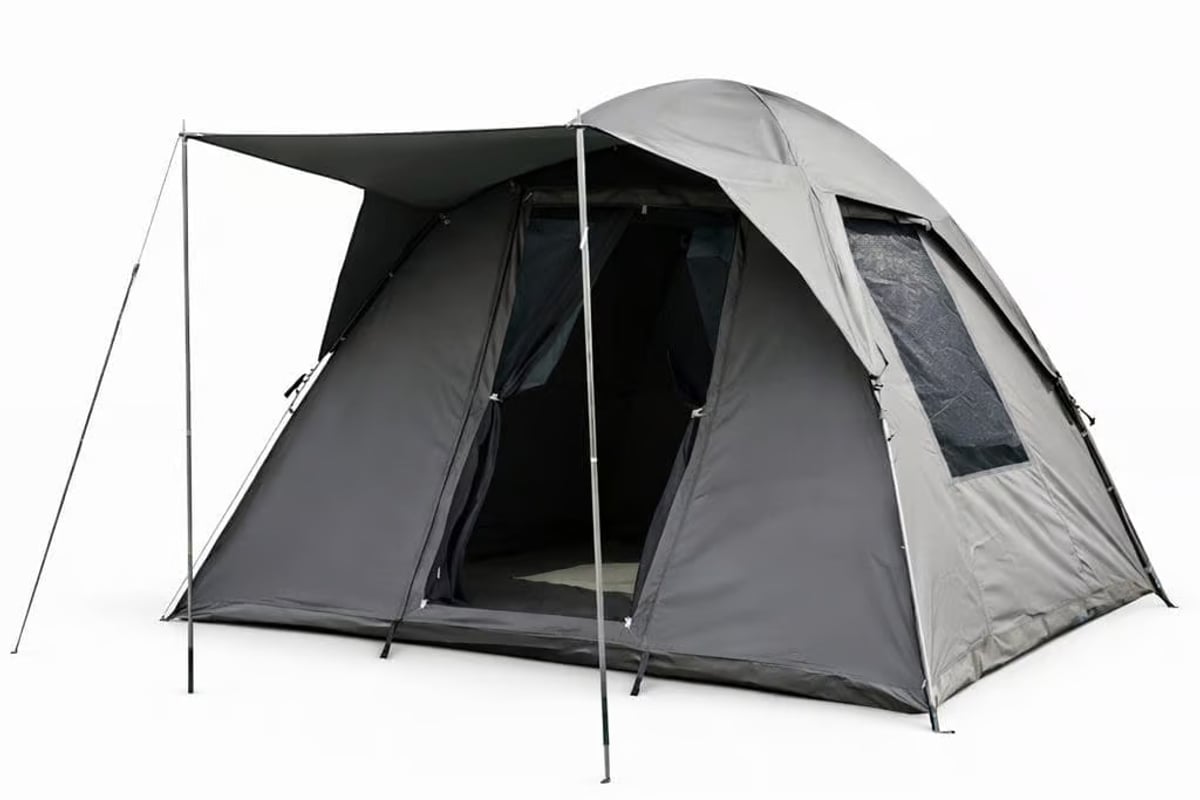
Safari and expedition operators choose military-style tents for semi-permanent camps where durability justifies the higher initial investment. The Premium Heavy-Duty Canvas Dome Tent exemplifies this application, engineered specifically for harsh African conditions where conventional camping equipment fails within months. This type of construction handles the temperature extremes, UV exposure, and seasonal rains that characterize extended bush deployments.
Event organizers use military tents for festivals, markets, and outdoor gatherings where reliable shelter protects attendees and merchandise. The professional appearance and solid construction create positive impressions while handling unpredictable weather.
For operations requiring shelters that remain erected for weeks or months, military tent construction proves economical despite higher purchase prices. The durability means less frequent replacement, and the weather resistance eliminates the constant maintenance cycle that plagues lighter camping equipment.
Research stations, construction sites, and agricultural operations all benefit from military tent characteristics. The ability to withstand continuous exposure without degradation makes these tents cost-effective for any application requiring reliable long-term shelter.
Proper maintenance extends military tent lifespan from years to decades. Understanding care requirements before you buy army tent products helps you budget time and resources appropriately.
Cleaning procedures start with removing loose dirt and debris after each use. Canvas tents should be erected and allowed to dry completely before storage, preventing mildew growth that weakens fibers. For stubborn stains, mild soap and soft brushes clean without damaging waterproof coatings. Avoid pressure washers, which can force water through seams and damage fabric treatments.
Storage conditions significantly impact tent longevity. Military tents should be stored in cool, dry locations away from direct sunlight. Rodents can damage canvas, so elevated storage or protective containers prevent pest access. Periodic inspections during storage allow you to address small issues before they become major problems.
One advantage of quality military tents is their repairability. Unlike synthetic tents that often require professional repair or replacement, canvas military tents can be patched, restitched, and treated by users with basic sewing skills.
Common repairs include:
Manufacturers and outdoor specialists offer repair kits specifically designed for military-grade canvas. These kits include matching fabric, heavy-duty thread, waterproof adhesives, and detailed instructions.
The decision to buy army tent equipment involves evaluating total cost of ownership rather than just purchase price. Military-grade tents typically cost 150-300% more than comparable civilian camping tents, but this premium reflects substantial differences in construction and longevity.
Price ranges for new military-specification tents generally fall into these categories:
These prices reflect quality construction using appropriate materials and proper manufacturing techniques. Significantly lower prices often indicate compromised materials, simplified construction, or misleading "military-style" marketing on civilian-grade products.
Military tent value becomes apparent when you calculate cost per use over the product lifetime. A quality military tent used 30 days per year will last 10-15 years with proper maintenance, resulting in 300-450 days of use. At R15,000 purchase price, this equals R33-R50 per day of use.
Compare this to a R5,000 civilian tent lasting 3-4 years (90-120 days of use) at R42-R56 per day. The military tent delivers comparable or better value while providing superior protection and functionality. For professional or frequent users, the calculation becomes even more favorable.
Where you choose to buy army tent products significantly impacts your satisfaction and long-term results. Reputable vendors provide accurate product descriptions, transparent specifications, and reliable customer support.
Specialized outdoor equipment suppliers offer expertise that general retailers cannot match. These businesses understand military tent applications, can recommend appropriate models for specific uses, and provide knowledgeable after-sales support. Companies like Ejenti Outdoor focus specifically on durable outdoor solutions, ensuring they stock appropriate inventory and understand the products they sell.
Direct manufacturer purchases eliminate middleman markups while providing access to customization options. Many manufacturers offer modifications like additional windows, custom sizing, or specific color options for bulk orders.
Before finalizing your purchase, verify these critical details:
Vendors who cannot or will not answer these questions likely lack either product knowledge or confidence in their inventory quality.
Even the best military tent provides poor service if incorrectly installed. Understanding setup requirements before you buy army tent products ensures you have necessary tools, knowledge, and personnel for proper deployment.
Setup time for military tents varies by size and design. Small tents (2-4 person) typically erect in 15-30 minutes with two people. Larger structures (8+ person) may require 45-90 minutes and three to four people for efficient setup. Practice setups at home before field deployment dramatically reduce setup time and frustration.
Site preparation matters more for heavy military tents than lightweight camping gear. Level ground prevents uncomfortable sleeping and reduces stress on the tent structure. Clearing rocks, sticks, and sharp objects protects the ground sheet from punctures. In areas with poor drainage, slight elevation or trenching prevents water accumulation under the tent during rainfall.
Having appropriate tools simplifies installation and prevents damage:
Quality setup results in better weather protection, longer tent life, and more comfortable occupancy. Taking time to properly install guy lines, adjust ventilation, and verify stake security pays dividends throughout your trip.
Modern military tent systems often support various accessories that enhance functionality for specific applications. Evaluating available customizations before you buy army tent solutions ensures the final system meets all your requirements.
Flooring systems range from basic ground sheets to insulated floor panels. Heavy-duty PVC flooring provides durable, waterproof protection ideal for extended deployments. Raised flooring systems elevate the tent interior above ground moisture and improve insulation in cold conditions.
Lighting solutions designed for military tents include LED strip systems that attach to internal frame poles, battery-powered lantern hangers, and solar panel integration kits. Proper lighting transforms nighttime usability and safety.
Vestibule extensions add covered storage space outside the main tent body, protecting gear from weather without consuming interior space. These attachments prove particularly valuable for groups with extensive equipment or when the tent serves as a cooking and gathering area.
Different environments benefit from specialized accessories:
Hot climates: Reflective roof covers, additional mesh panels, elevated flooring for airflow
Cold climates: Insulated liners, stove jack installation, snow skirts, winter-grade stakes
Wet climates: Extended rain flies, elevated platforms, enhanced ground sealing
Professional suppliers like those offering event marquee tent solutions can often recommend or provide appropriate modifications based on your intended use environment.
Military tents represent a more sustainable choice than disposable camping equipment, an important consideration as environmental awareness grows. The longevity of quality military tents dramatically reduces resource consumption compared to frequently replaced alternatives.
Material durability means one military tent can replace five to ten civilian tents over its lifetime, reducing manufacturing demand, transportation impacts, and landfill waste. Canvas construction uses natural fibers that eventually biodegrade, unlike synthetic tent materials that persist for decades as microplastic pollution.
Repairability extends this advantage further. Rather than discarding and replacing damaged equipment, military tent owners can repair, restore, and continue using the same shelter for decades. This circular approach to equipment ownership aligns with sustainable consumption principles.
When military tents finally reach end-of-life, responsible disposal options include:
Many components retain value even when the tent overall becomes unusable, making total waste minimal compared to integrated synthetic shelters.
When you decide to buy army tent solutions, you're choosing shelter technology proven under the world's most demanding conditions and investing in equipment that will serve reliably for years or decades. The combination of durable materials, thoughtful design, and robust construction delivers exceptional value for professional users, serious outdoor enthusiasts, and anyone requiring dependable long-term shelter. Ejenti Outdoor specializes in military-grade tents and outdoor solutions built specifically for South African conditions, offering expert guidance and quality products that match your exact requirements.