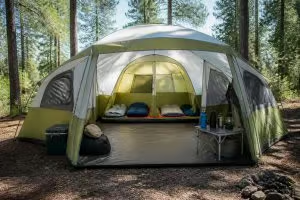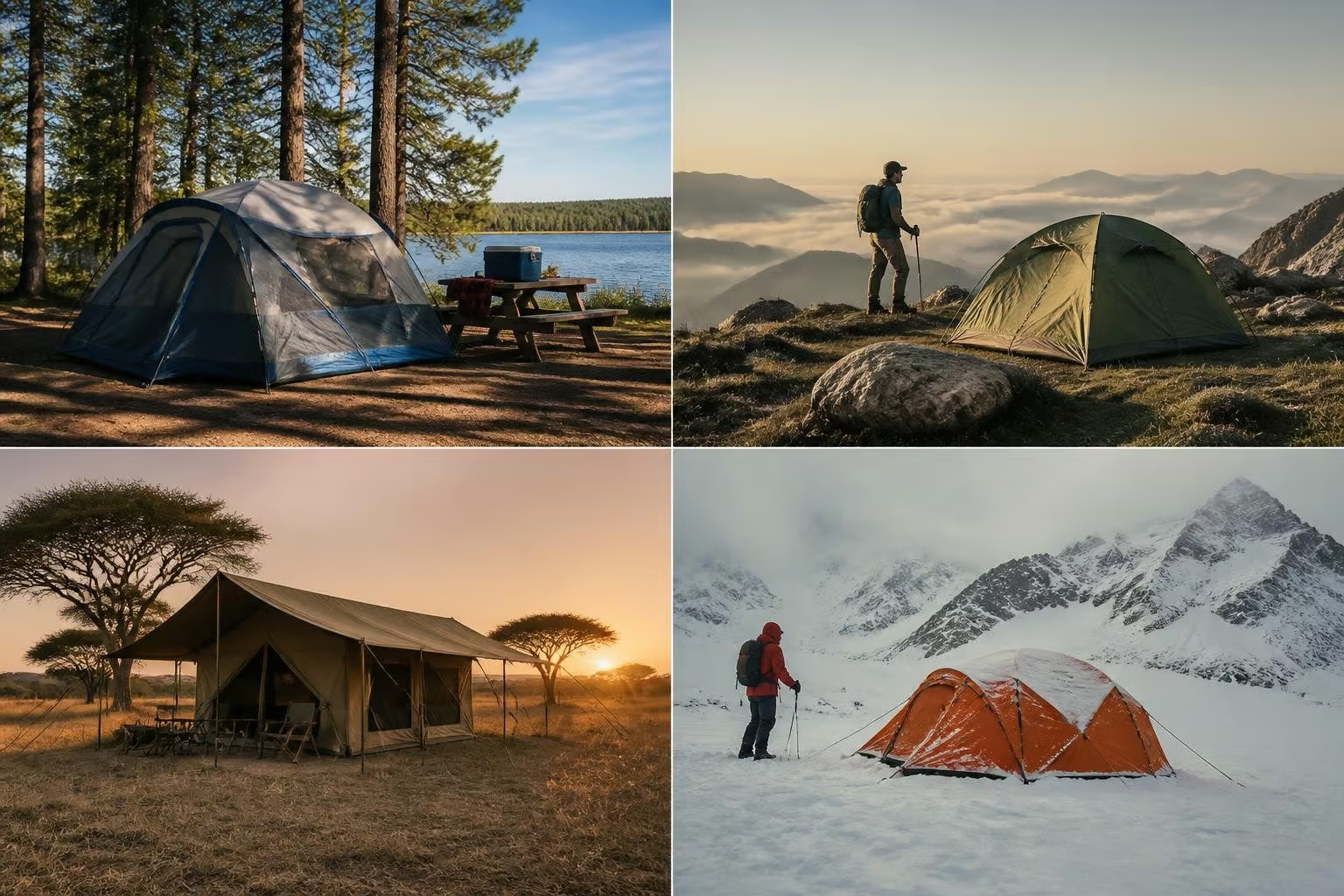
Finding the right shelter transforms any outdoor experience from challenging to comfortable. Whether you're planning a weekend family getaway, a solo backpacking trek, or an extended safari adventure, selecting appropriate camping tents for your specific needs determines how well you sleep, stay dry, and enjoy your time outdoors. The tent market in 2026 offers unprecedented variety, with options ranging from ultralight backpacking shelters to spacious family lodges, each engineered for different conditions and user requirements.
The camping tents for today's outdoor enthusiast fall into distinct categories, each optimized for specific activities and environments. Recognizing these categories helps narrow your search before diving into specifications and features.
Backpacking tents prioritize weight reduction and pack size above all else. These shelters typically accommodate one to three people and weigh between 1 to 4 kilograms for the entire setup. Modern backpacking designs use advanced materials like ripstop nylon treated with silicone coatings, creating waterproof barriers that add minimal weight.
When evaluating camping tents for backpacking trips, consider these critical factors:
According to Consumer Reports’ camping gear recommendations, laboratory testing reveals significant performance differences between budget and premium backpacking tents, particularly in wind resistance and waterproofing longevity.
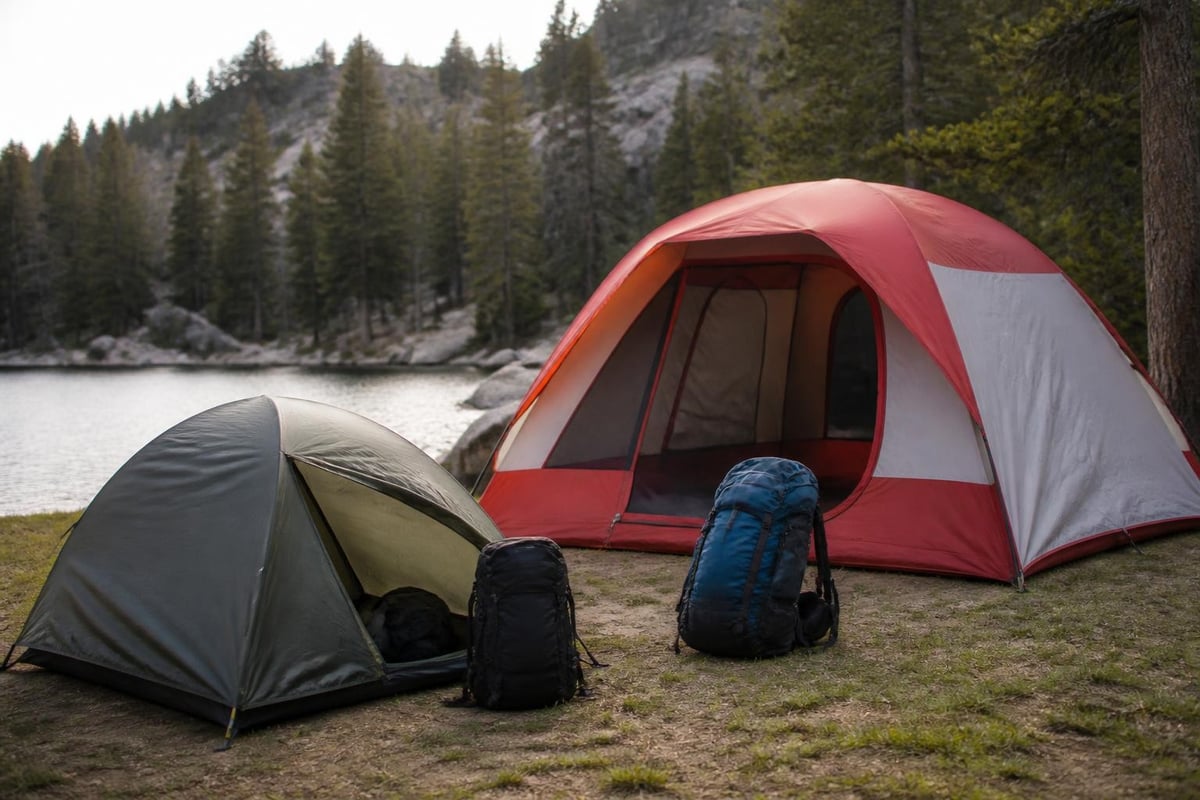
Family camping tents prioritize living space, headroom, and comfort over weight considerations. These structures accommodate four to twelve people and often feature multiple rooms, standing height, and integrated storage pockets. Since car campers transport gear by vehicle, manufacturers design these tents with heavier materials that provide superior durability and weather resistance.
Popular features in camping tents for families include:
The National Park Service’s campsite setup guidance emphasizes selecting appropriately sized tents for designated camping pads, which typically measure 3 by 4.5 meters in developed campgrounds.
Canvas construction represents the traditional choice for extended stays and semi-permanent installations. The camping tents for safari operations, hunting camps, and glamping setups often use heavy-duty canvas that breathes naturally, regulates temperature better than synthetic materials, and withstands years of UV exposure. South African manufacturers like Ejenti Outdoor specialize in ripstop canvas tents engineered specifically for harsh African climate conditions.
Canvas advantages include:
| Feature | Canvas Performance | Synthetic Comparison |
|---|---|---|
| Breathability | Excellent natural airflow | Requires mechanical ventilation |
| Temperature regulation | Stays cooler in heat, warmer in cold | Minimal insulation value |
| Durability | 10-20 year lifespan with care | 3-8 years typical |
| Weight | Heavy (15-50 kg) | Light (2-15 kg) |
| Maintenance | Requires periodic reproofing | Minimal ongoing care |
Weather protection requirements dramatically influence which camping tents for your adventures provide adequate safety and comfort. Understanding seasonal ratings and construction details prevents costly mistakes.
Three-season tents handle spring, summer, and fall conditions in most temperate regions. These designs balance ventilation with weather protection, featuring:
The majority of recreational campers in South Africa find three-season specifications adequate for their needs, particularly when avoiding winter highland trips or extreme summer desert conditions.
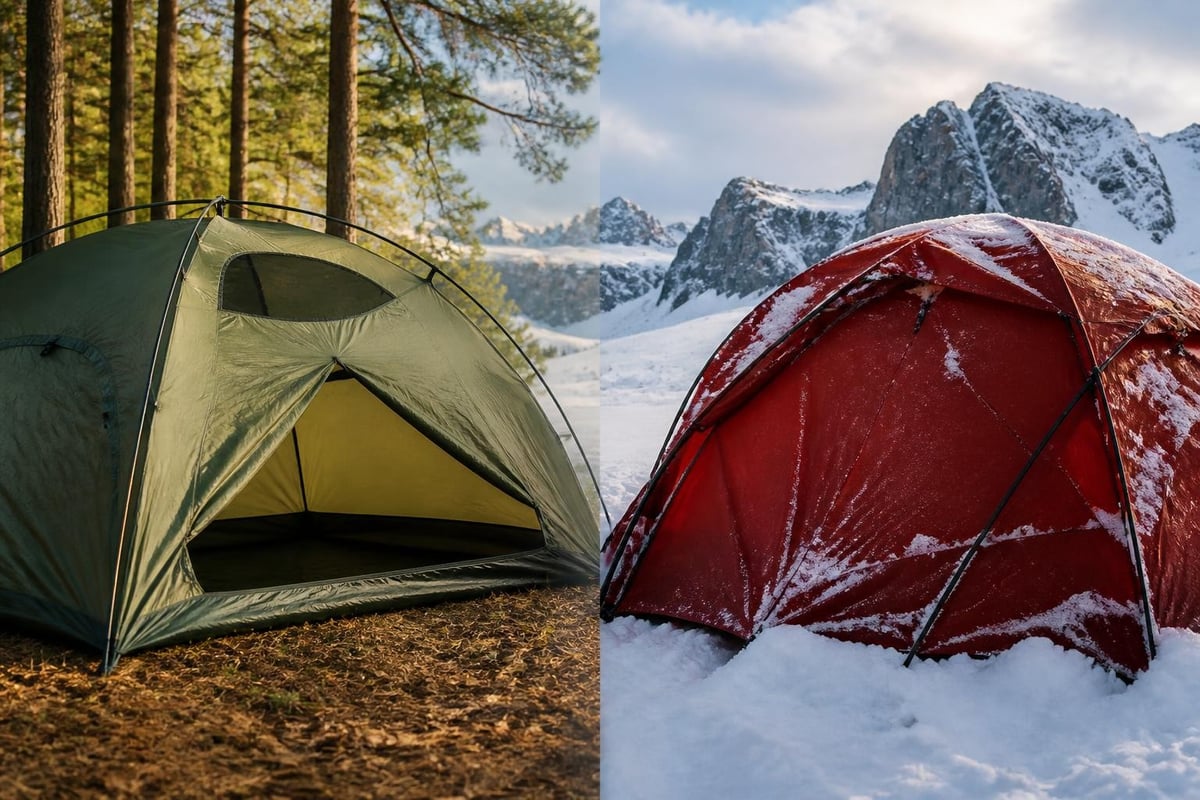
Four-season camping tents for alpine environments, winter camping, and extreme weather exposure employ fundamentally different construction. These specialized shelters minimize mesh, use heavier-duty poles, and include low-profile designs that shed wind and snow accumulation.
Critical four-season features:
Testing standards such as ASTM F3431 establish flammability benchmarks and labeling requirements for recreational camping tents, though weather performance lacks universal standardized testing across manufacturers.
Beyond category and season ratings, specific measurements and features determine day-to-day usability. Evaluating camping tents for purchase requires understanding how manufacturers measure and market these specifications.
Advertised capacity (number of persons) assumes minimal gear and tight sleeping arrangements. Most experienced campers subtract one from the stated capacity for comfortable use. A "four-person" tent typically sleeps three adults with gear comfortably.
Space planning guidelines:
Hydrostatic head ratings measure fabric waterproofness in millimeters of water column pressure. The camping tents for wet climates should exceed minimum thresholds:
| Component | Minimum Rating | Premium Rating |
|---|---|---|
| Rainfly | 1,500 mm | 3,000+ mm |
| Floor | 3,000 mm | 5,000+ mm |
| Seam sealing | Factory-taped | Welded or double-taped |
Properly sealed seams prevent leakage even when fabric ratings prove adequate. All quality tents include factory-sealed or taped seams, though field application of seam sealer provides additional insurance.
Condensation management separates comfortable tents from damp, unpleasant shelters. As occupants breathe and body heat rises, moisture accumulates on cooler surfaces unless adequate airflow removes humid air. The best camping tents for condensation control incorporate:
Even premium tents experience condensation during high-humidity conditions with poor ventilation practices. Strategic setup that accounts for prevailing winds and nighttime temperature drops reduces moisture accumulation significantly.
Long-term performance depends heavily on material selection and construction quality. Understanding what separates camping tents for occasional use from those built for intensive seasons helps justify price differences.
Modern tent fabrics employ sophisticated treatments and weaves that would have seemed impossible two decades ago. Ripstop patterns integrate thicker reinforcement threads every 5-8 millimeters, preventing tear propagation. Silicone and polyurethane coatings create waterproof barriers while maintaining flexibility across temperature ranges.
Current fabric innovations include:
The Outdoor Industry Association’s sustainability resources highlight industry-wide efforts to develop recycled and bio-based tent materials, addressing environmental concerns while maintaining performance standards.
Pole quality directly impacts setup ease, weather resistance, and service life. The camping tents for serious use typically employ one of three pole materials:
Pole diameter and wall thickness matter as much as material composition. A 9-millimeter aluminum pole withstands significantly more stress than an 8-millimeter equivalent, though weight increases proportionally.
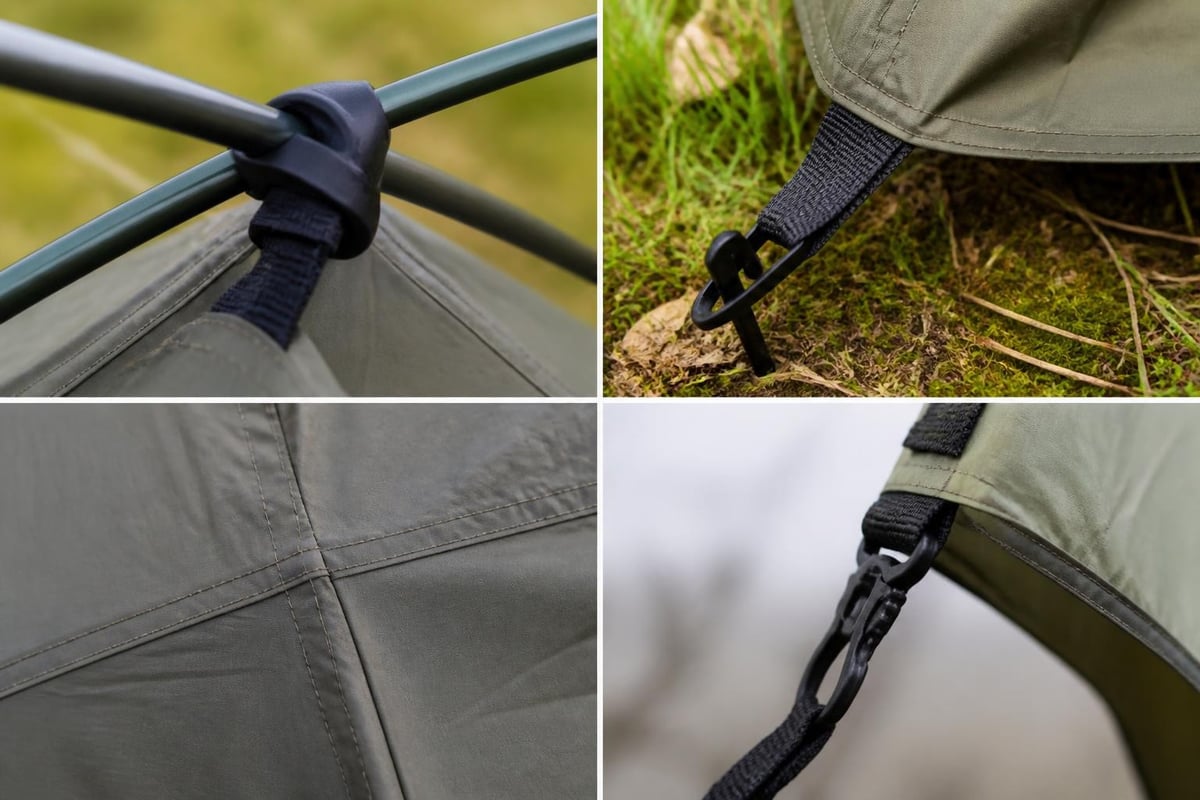
Stress concentrations at pole intersections, stake points, and fabric attachment locations determine how well tents survive wind events and regular use. Quality camping tents for extended service incorporate:
Many modern tents include adjustable quick-release buckles for rainfly and vestibule attachments, making setup faster and enabling tension fine-tuning as conditions change. These plastic fasteners have evolved to handle significant loads while remaining lightweight and corrosion-resistant.
The camping tents for real-world use balance sophisticated engineering with setup simplicity. Complex designs that promise superior performance lose value when users struggle with assembly or make critical errors during installation.
Freestanding tents maintain their shape using pole tension alone, requiring stakes only for wind resistance. This design flexibility allows repositioning after initial setup and works on surfaces where staking proves difficult. Non-freestanding tents depend on stake placement for structural integrity, potentially weighing less but demanding precise setup.
Setup comparison:
| Aspect | Freestanding | Non-Freestanding |
|---|---|---|
| Setup time | 5-8 minutes | 8-15 minutes |
| Skill requirement | Beginner-friendly | Intermediate knowledge needed |
| Weight savings | Baseline | 10-20% lighter possible |
| Site flexibility | High | Limited to stakeable ground |
Premium manufacturers design camping tents for intuitive assembly through color coordination, numbered components, and clear pole routing. Color-matched pole sleeves, clips, and stake points eliminate guesswork during setup, particularly valuable during fading light or inclement weather.
Experienced campers practice setup at home before trips, identifying any missing components or confusing steps while solutions remain readily accessible. This preparation proves especially important for complex multi-room family tents or specialized four-season shelters.
Weather conditions can deteriorate rapidly in outdoor environments. The camping tents for wilderness use must provide not just comfort but genuine protection during severe weather events.
Tents offer zero lightning protection. During thunderstorms, occupants face the same risks as standing in open fields. The National Weather Service’s lightning safety guidance emphasizes that vehicles and substantial buildings provide the only safe shelter during electrical storms.
Storm safety measures:
Even well-designed camping tents for heavy weather cannot guarantee safety during severe storms, tornadoes, or hurricane-force winds. Evacuation to hardened structures takes priority over gear protection when dangerous conditions develop.
Proper staking and guy-line tension prevent tent collapse and damage during high winds. Each tent model includes recommended stake points and guy-out locations based on engineering analysis. Using all provided attachment points distributes loads appropriately across the structure.
Effective wind preparation:
Beyond recreational camping, specialized camping tents for professional use address unique demands in safari operations, research stations, disaster relief, and extended expeditions.
Long-term outdoor accommodation requires different priorities than weekend camping. Canvas safari tents combine durability with livability, featuring standing height, wood floors, and screened windows. These structures remain erected for months or years, requiring materials that resist UV degradation and mildew growth.
South African safari operations frequently choose locally manufactured canvas options from companies specializing in outdoor solutions designed specifically for harsh African climate conditions. The additional weight and bulk become irrelevant when transportation occurs via vehicle and setup happens infrequently.
Scientific research in extreme environments demands camping tents for sustained habitation under challenging conditions. Antarctic research stations use specialized tent designs that withstand months of continuous high winds, extreme cold, and heavy snow accumulation. These technical shelters incorporate features rarely seen in recreational equipment:
Proper care extends tent lifespan dramatically. The camping tents for long-term value require regular maintenance addressing fabric degradation, hardware wear, and contamination.
Post-trip care routine:
Never machine-wash tents or use harsh detergents that damage waterproof coatings. Similarly, avoid storing damp tents even briefly, as mold establishes rapidly in dark, moist environments.
Minor damage responds well to field repairs using appropriate materials:
Canvas camping tents for extended service benefit from periodic reproofing treatments that restore water repellency. Silicone-based treatments work well for canvas, though application requires thorough cleaning first and adequate drying time afterward.
Price ranges for camping tents span from under $50 to over $1,500, reflecting enormous variation in materials, construction, and intended lifespan. Understanding what drives costs helps identify genuine value versus marketing inflation.
Entry-level camping tents for occasional recreational use provide adequate shelter for fair-weather camping. However, these economy options typically employ:
Mid-range options ($200-$500) represent the sweet spot for most recreational campers, offering aluminum poles, quality fabrics, and construction that survives multiple seasons of regular use. Premium tents ($500+) justify costs through specialized features, ultralight materials, or extreme-weather capabilities that niche users genuinely require.
Rather than absolute price, evaluate camping tents for total ownership cost divided by expected use nights. A $600 tent used 40 nights annually for five years costs $3 per night. A $150 tent lasting two seasons at 10 nights per year costs $7.50 per night while providing inferior performance.
Total ownership factors:
Quality tents from reputable manufacturers retain value surprisingly well, particularly specialty items like large canvas family tents or expedition-grade four-season shelters.
The tent industry continues evolving as materials science advances and user preferences shift. Several trends are shaping camping tents for 2026 and beyond.
Environmental consciousness drives manufacturers toward recycled materials, reduced chemical treatments, and end-of-life recycling programs. Some companies now offer trade-in programs accepting worn-out tents for recycling, extracting usable materials while properly disposing of contaminated components.
Durability itself represents the most effective sustainability strategy. Camping tents for decades of service prevent the environmental impact of repeated replacement cycles, regardless of material composition.
Smart features increasingly appear in premium camping tents, including:
Whether these technologies provide genuine value or represent unnecessary complexity remains debated among traditional camping enthusiasts, though younger demographics embrace connectivity even in outdoor settings.
Modular tent designs allowing configuration changes based on group size and weather conditions gain popularity. These systems use connectable pods, removable room dividers, and interchangeable pole sets creating multiple configurations from one purchase.
Selecting appropriate shelter fundamentally shapes outdoor experiences, whether you're planning family weekends at developed campgrounds or extended backcountry expeditions through challenging terrain. Understanding how different designs, materials, and features align with your specific needs ensures years of reliable performance and comfortable nights under the stars. Ejenti Outdoor manufactures premium canvas tents, gazebos, and outdoor solutions engineered specifically for South African conditions, combining traditional craftsmanship with modern materials for exceptional durability and weather protection.