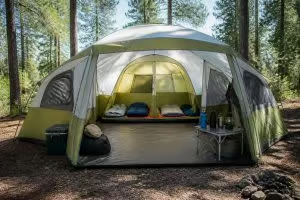
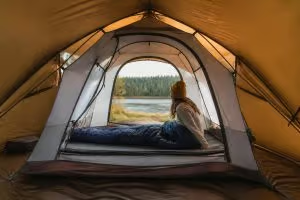
Tent camping remains one of the most accessible and rewarding ways to connect with nature. When you camp in tent, you experience the outdoors on intimate terms-hearing nocturnal sounds, feeling temperature shifts, and waking to natural light. Whether you're planning a weekend getaway in a national park or embarking on a multi-day hiking expedition, understanding the fundamentals of tent camping ensures both safety and comfort. This comprehensive guide covers everything from selecting the right equipment to mastering campsite protocols that protect both you and the environment.
The foundation of any successful camping trip starts with selecting appropriate shelter. Not all tents serve the same purpose, and matching your tent to your specific needs dramatically improves your outdoor experience.
Canvas tents offer superior breathability and durability for extended camping periods. The natural fiber construction regulates temperature effectively, staying cooler in heat and warmer in cold conditions. Canvas also withstands UV exposure better than many synthetic alternatives, making it ideal for South African climates where sun intensity can degrade lesser materials.
Synthetic tents typically weigh less and pack smaller, advantages for backpacking trips where every gram matters. Modern synthetics provide excellent waterproofing through factory-sealed seams and coatings. However, they often suffer from condensation issues that canvas naturally mitigates through breathability.
| Feature | Canvas Tents | Synthetic Tents |
|---|---|---|
| Weight | Heavier (suited for car camping) | Lighter (ideal for backpacking) |
| Breathability | Excellent natural ventilation | Limited, prone to condensation |
| Durability | Long-lasting with proper care | Shorter lifespan, UV sensitive |
| Water Resistance | Requires treatment, swells when wet | Factory waterproofed |
| Temperature Regulation | Superior insulation properties | Minimal insulation |
Tent capacity ratings assume tight sleeping arrangements. A four-person tent comfortably accommodates three adults with gear. Consider your group size, equipment storage needs, and whether you'll spend waking hours inside during inclement weather.
Seasonal ratings guide appropriate use:
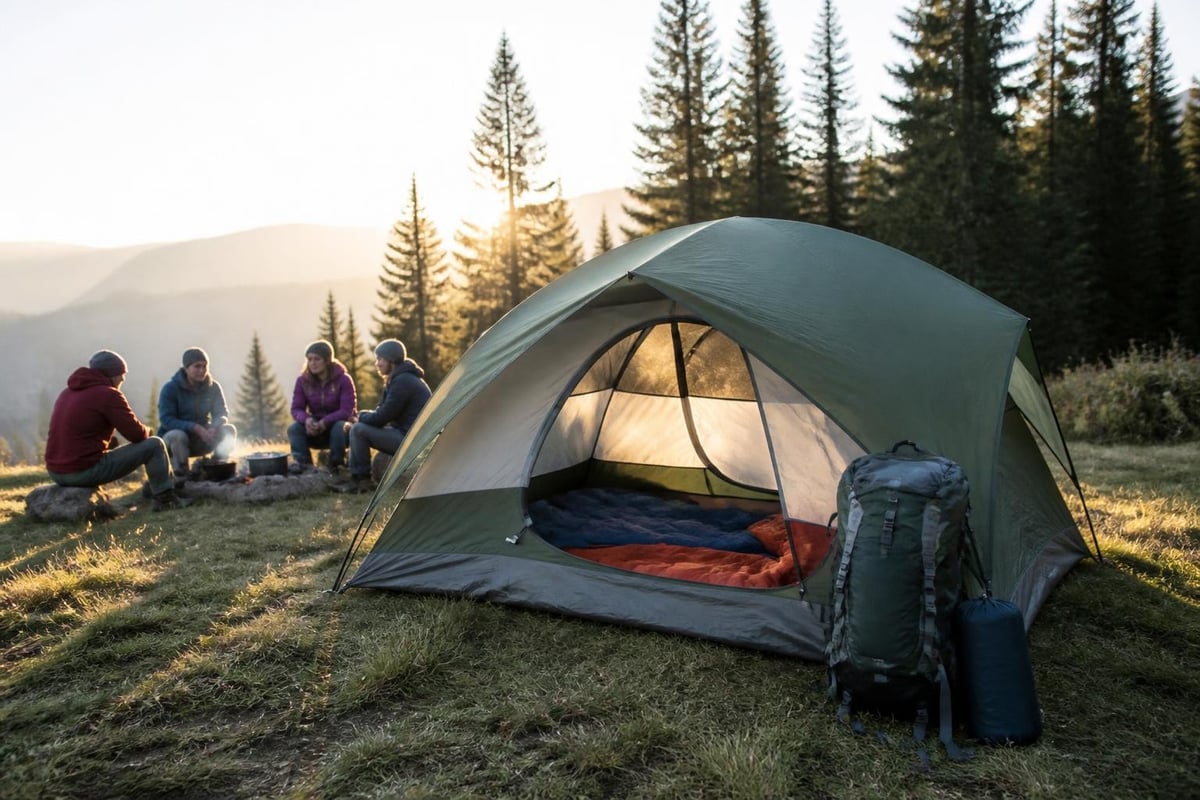
Where you position your tent significantly impacts sleep quality, safety, and environmental preservation. Thoughtful site selection demonstrates outdoor competency and respect for natural spaces.
Look for level ground free from rocks, roots, and debris that create pressure points beneath sleeping pads. A slight slope (barely perceptible) allows water runoff during unexpected rain. Avoid depressions where water pools and low-lying areas where cold air settles.
Established campsites minimize environmental impact. When you camp in tent at designated sites, you concentrate use in areas already impacted rather than damaging pristine ground. The American Hiking Society provides excellent guidance on site selection that balances comfort with Leave No Trace principles.
Position your tent at least 200 feet from lakes, streams, and rivers. This distance protects water quality, respects wildlife corridors to drinking sources, and reduces insect encounters. Additionally, camping too close to water increases flood risk during storms.
Survey overhead for dead branches ("widowmakers") that could fall during wind. Avoid camping directly under solitary tall trees that attract lightning. The National Park Service offers comprehensive camp safety guidelines covering hazard identification and proper tent placement.
Check surroundings for signs of wildlife activity:
Even premium tents fail when improperly erected. Mastering setup procedures ensures structural integrity throughout your camping duration.
Clear the tent footprint area of pinecones, twigs, and sharp objects. A groundsheet or footprint protector extends tent floor life by preventing abrasion and punctures. Position the footprint slightly smaller than your tent floor to prevent rain from channeling between layers.
Stake corners first to establish the tent's footprint before raising poles. This sequence creates proper tension and prevents fabric stress. When you camp in tent on hard ground, rocks can substitute for stakes when weighted properly.
Modern tents typically use one of three pole configurations:
Guy lines transform tents from shelters into storm-worthy structures. Attach all guy lines and tension them adequately-loose lines allow fabric to flap and poles to flex excessively during wind. Angle stakes 45 degrees away from the tent for maximum holding power.
When securing your shelter, quality fastening hardware makes a measurable difference in tent stability and longevity. Heavy Duty Tent Hooks & Metal Fasteners provide the reliable connections needed for guy lines, tarp extensions, and securing tents in challenging conditions where standard stakes may fail.

Mark guy lines with bright tape or ribbon to prevent tripping after dark. Test all zippers before leaving the tent unattended-a stuck zipper in approaching weather creates serious problems.
Weather changes rapidly in natural environments. Preparing for multiple scenarios rather than optimistic forecasts separates comfortable camping from miserable ordeals.
Rainfly orientation matters tremendously. Position the rainfly to extend coverage over tent entrances, creating vestibules that shed water away from doorways. Ensure adequate ventilation between fly and tent body to minimize condensation while maintaining weather protection.
Condensation forms when warm, moist air from breathing contacts cold tent walls. Combat this through:
Wind load increases exponentially with speed. A tent handling 20 mph winds comfortably may fail structurally at 40 mph. Orient tent doors away from prevailing winds and reinforce stake points before storms arrive.
Summer camping in direct sun turns tents into ovens. Choose shaded sites under tree canopy when available, while avoiding hazard trees. Light-colored tents reflect more solar radiation than dark fabrics.
Cold weather camping requires additional considerations beyond tent selection. Insulated sleeping pads prevent heat loss to frozen ground-a factor more critical than sleeping bag ratings. Create a vestibule for gear storage, keeping damp items separate from sleeping areas where moisture freezes overnight.
The EPA provides current guidance on air quality that helps tent campers assess conditions during wildfire season and make informed decisions about outdoor activities.
Improper food storage endangers both campers and wildlife. Animals conditioned to human food become nuisance animals, often requiring relocation or euthanasia.
Bear country requires specific protocols. Never store food, toiletries, or scented items in tents. Even unopened packages and empty wrappers attract bears through scent.
Approved storage methods include:
The National Park Service details camping and wildlife safety with specific techniques for coexisting safely with bears and other wildlife in camping areas.
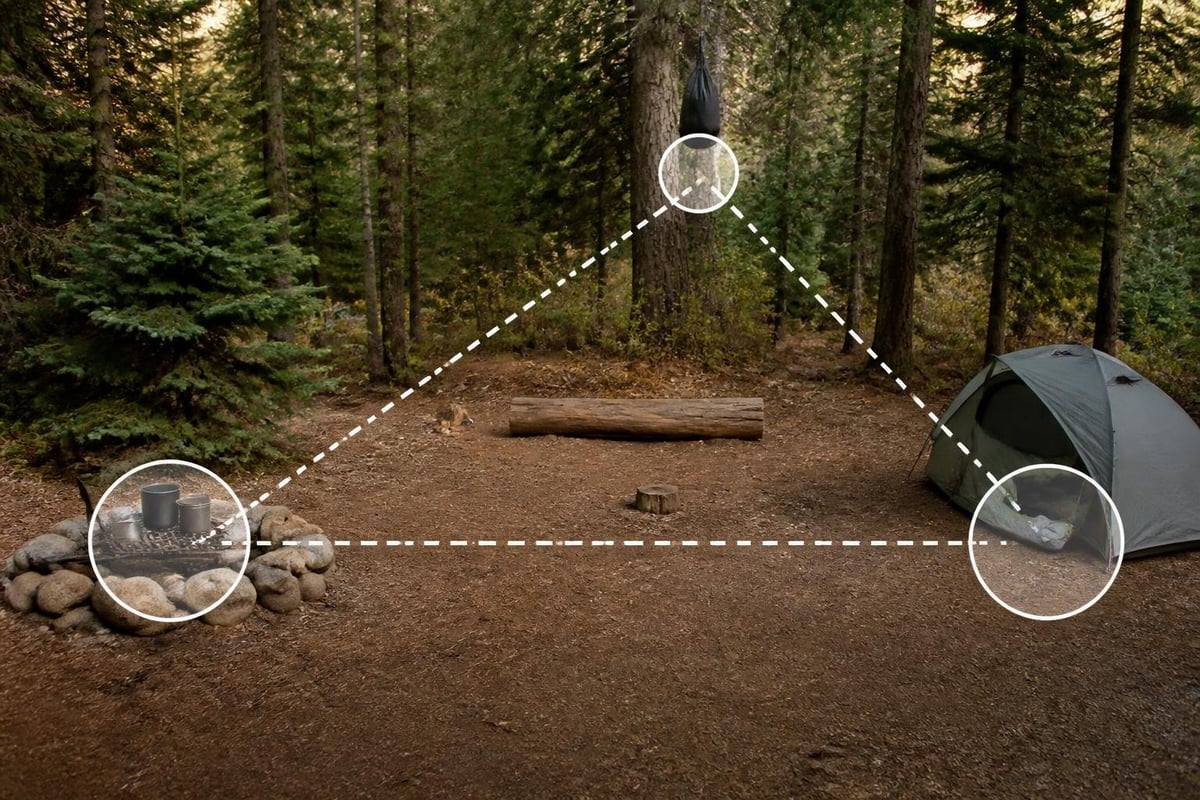
Establish three separate zones at least 200 feet apart when you camp in tent in backcountry settings:
This triangle configuration prevents food odors from concentrating near sleeping areas. Cook and eat downwind from tents when possible. Wash dishes thoroughly and dispose of wastewater at least 200 feet from camp and water sources.
The tent provides shelter, but supporting equipment determines overall camping success and comfort levels.
Ground insulation proves more critical than many campers realize. R-value ratings indicate insulation effectiveness-higher numbers provide better insulation. Summer camping requires R-values around 2-3, while winter demands 5 or higher.
Sleeping bag temperature ratings reflect survival temperatures, not comfort ranges. Select bags rated 10-15 degrees lower than expected nighttime lows. Bag shapes affect warmth and space:
| Bag Style | Warmth Efficiency | Interior Space | Weight |
|---|---|---|---|
| Mummy | Excellent (minimal air gaps) | Restrictive | Lightest |
| Semi-rectangular | Good (some air gaps) | Moderate | Medium |
| Rectangular | Fair (significant air gaps) | Spacious | Heaviest |
Headlamps keep hands free for camp tasks while providing directional lighting. Pack extra batteries in waterproof containers-cold temperatures drain batteries rapidly. Lanterns create ambient light for group areas and tent interiors.
Solar chargers and power banks maintain device functionality for navigation, emergency communication, and photography. Calculate power needs based on trip duration and device requirements.
Systematic organization prevents lost items, reduces stress, and improves efficiency when you camp in tent for multiple days.
Designate zones within your tent for specific items. Keep essentials like headlamps, first aid supplies, and navigation tools in consistent locations. Store items in stuff sacks or dry bags by category-cooking gear, clothing layers, electronics, and toiletries.
Establish a "nothing on the floor" rule during daytime. Hang or elevate all items to prevent moisture absorption from condensation and ground dampness. Shake out sleeping bags and air them daily to maintain loft and dry interior moisture.
Develop consistent routines that streamline camp operations:
Evening sequence:
Morning sequence:
Ethical camping preserves natural spaces for future visitors and protects ecosystems from human impact degradation.
Use established campsites whenever available. Creating new sites damages vegetation, compacts soil, and fragments habitat. When dispersed camping in wilderness areas where you camp in tent without designated sites, choose durable surfaces like rock, gravel, or dry grasses rather than fragile vegetation.
Limit campsite size to the area needed. Concentrating activity prevents expanding impact zones. Avoid trenching around tents-modern tent designs shed water effectively without ground modification.
Pack out all trash, including organic waste like fruit peels and eggshells. Animals attracted to food scraps alter natural behaviors and spread waste throughout areas. Micro-trash (small fragments like twist ties and wrapper pieces) accumulates over time, degrading scenic quality.
Human waste requires proper disposal. Catholes should be:
Pack out toilet paper and hygiene products in sealed bags. Many wilderness areas now require packing out all human waste using specialized systems.
Campfires create ambiance and provide warmth, but they also present significant risks requiring constant vigilance and responsibility.
Check regulations before building fires-many areas restrict or prohibit them during dry conditions. The NFPA provides detailed campfire safety guidance covering safe distances from tents, proper extinguishing techniques, and when fires should be avoided entirely.
Existing fire rings minimize new impact. Build fires away from overhanging branches, dry grass, and tent walls. A 15-foot clearance radius prevents flying embers from igniting tents or vegetation.
Fire management essentials:
Camp stoves provide reliable, low-impact cooking. Modern backpacking stoves heat water in minutes while producing minimal environmental impact. Cooking inside tents creates carbon monoxide hazards and fire risks-always cook in well-ventilated areas outside shelters.
Meal planning affects camping enjoyment significantly. Prepackaged meals reduce cleanup and packing requirements. Calculate caloric needs accurately-active camping burns substantially more energy than daily routines.
Quality tents represent significant investments that repay careful maintenance with years of reliable service.
Shake out tents daily to remove debris that abrades fabric and attracts moisture. Avoid wearing shoes inside tents-grit tracked on footwear accelerates floor wear. When you camp in tent during extended trips, periodic inspection catches small problems before they become major failures.
Address repairs immediately using field repair supplies:
Never store tents damp-mold and mildew damage fabric irreparably. Thoroughly dry tents before storage, including poles and stakes. Store loosely in breathable bags rather than compressed in stuff sacks. Compression stresses waterproof coatings and reduces fabric lifespan.
Periodically inspect stored tents for deterioration. UV damage, coating degradation, and fabric weakening occur even during storage. The essential care guide for canvas tents provides detailed maintenance procedures that extend tent longevity significantly.
Annual reproofing treatments maintain waterproofing performance. Canvas requires different treatments than synthetic fabrics-follow manufacturer recommendations precisely.
Developing competency beyond basics enables more ambitious camping adventures and improves self-reliance in remote settings.
GPS devices provide convenience, but paper maps and compass skills remain essential backups. Practice navigation in familiar areas before relying on skills in remote locations. When you camp in tent during multi-day treks, accurate navigation prevents getting lost and enables precise campsite selection.
Understanding topographic maps helps identify ideal camping locations before arrival. Contour lines reveal slope, drainage patterns, and exposure. Feature identification allows mental modeling of terrain and conditions.
Technology fails, but natural indicators provide reliable short-term forecasting. Cloud formations, wind direction changes, and barometric pressure shifts signal approaching weather systems. Developing observational skills improves decision-making about when to seek shelter or reinforce camp.
Learning regional weather patterns aids planning. Afternoon thunderstorms in mountains, morning fog in valleys, and evening wind shifts follow predictable patterns. Locals and park rangers provide valuable intelligence about typical conditions and seasonal variations.
Camping with others introduces social considerations affecting enjoyment and trip success for everyone involved.
Discuss comfort levels, experience, and physical capabilities before trips. Mismatched expectations create conflict and resentment. Establish shared responsibilities for camp tasks, ensuring equitable distribution of work like cooking, water collection, and setup duties.
Group gear decisions require consensus. Sharing tents reduces pack weight but eliminates personal space. Communicate sleeping habits (snoring, frequent waking) honestly before committing to shared shelters.
Address issues promptly rather than allowing resentment to build. Remote settings amplify minor irritations into major conflicts. Establish quiet hours respecting those who retire early. Respect differs personal space preferences and tolerance for group activities versus solitude.
Some conflicts stem from skill disparities. Experienced campers should mentor novices patiently rather than criticizing mistakes. Everyone started as beginners learning to camp in tent effectively.
Each season presents unique challenges and opportunities for tent camping throughout the year in 2026.
Spring weather varies dramatically. Pack for temperature swings from near-freezing nights to warm afternoons. Melting snow creates muddy conditions-select established sites on gravel or sandy soil when possible. Inspect tents for winter storage damage before spring trips.
Increased rainfall demands superior waterproofing and site selection favoring drainage. Flooding risks increase during spring runoff periods, especially near waterways. Research recent conditions and avoid camping in flood-prone areas after heavy precipitation.
Fall offers spectacular camping with fewer crowds and mild temperatures. Cooler nights require warmer sleeping systems than summer camping. Shorter days necessitate earlier camp setup and extended lighting resources.
Leaf fall obscures trails and campsites. Mark locations clearly and allow extra time for navigation. Wildlife activity increases during fall as animals prepare for winter-exercise additional food storage diligence.
Winter camping when you camp in tent demands specialized skills and equipment. Four-season tents withstand snow loads and wind. Extensive site preparation includes compacting snow for tent platforms and constructing wind breaks.
Cold weather challenges include:
Practice winter skills progressively, starting with short trips near assistance before undertaking remote winter expeditions.
Mastering tent camping fundamentals opens unlimited outdoor possibilities while fostering deep connections with natural environments. From proper site selection and weather preparation to Leave No Trace ethics and equipment maintenance, each skill builds competency and confidence for increasingly ambitious adventures. Whether you're planning weekend getaways or extended expeditions, quality equipment combined with solid outdoor knowledge ensures safe, comfortable, and memorable experiences. Ejenti Outdoor provides the durable tents, reliable outdoor gear, and expert guidance South African adventurers need to camp confidently in diverse conditions-explore their comprehensive range of canvas tents and camping solutions designed specifically for demanding outdoor use.