Choosing the right camp and tent setup transforms outdoor adventures from stressful ordeals into memorable experiences. Whether you're planning a weekend escape to South Africa's national parks or embarking on an extended wilderness expedition, understanding how to select appropriate shelter, identify ideal campsites, and prepare for varying conditions determines your comfort and safety. This comprehensive guide walks you through every essential aspect of camp and tent preparation, from initial planning through setup and maintenance, ensuring your outdoor experiences meet your expectations regardless of skill level or destination.
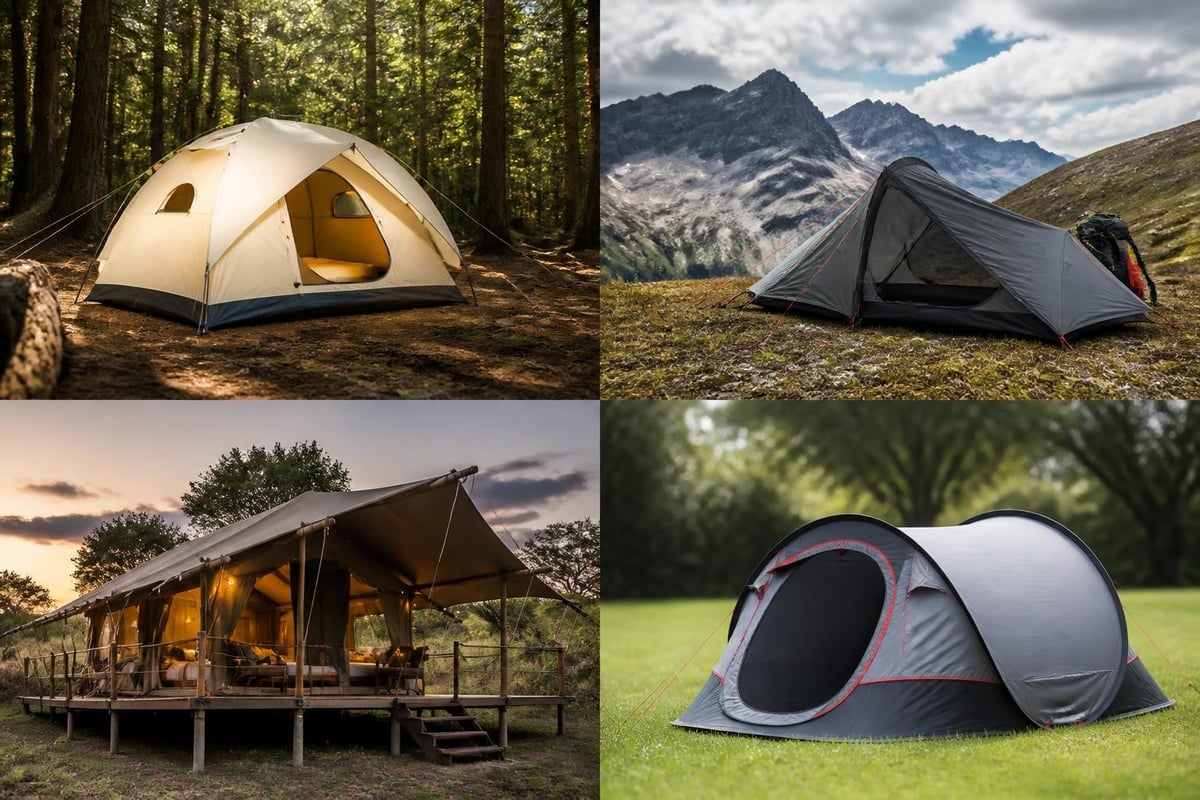
Modern camping offers numerous shelter options tailored to specific environments and group sizes. Canvas tents provide superior breathability and durability for extended stays, while lightweight synthetic options suit backpackers prioritizing minimal weight. Dome tents offer excellent wind resistance through their aerodynamic shape, making them ideal for exposed locations where weather changes rapidly.
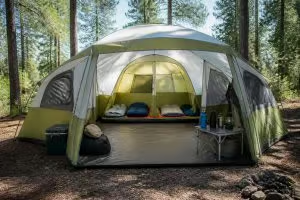
Your camping style directly influences tent selection. Car campers enjoy the luxury of spacious canvas structures with standing room and multiple compartments. These larger setups accommodate families comfortably and withstand prolonged use in established campgrounds.
Backpackers require compact, lightweight shelters that pack small and set up quickly after long hiking days. Weight becomes the primary consideration, with every gram scrutinized before departure.
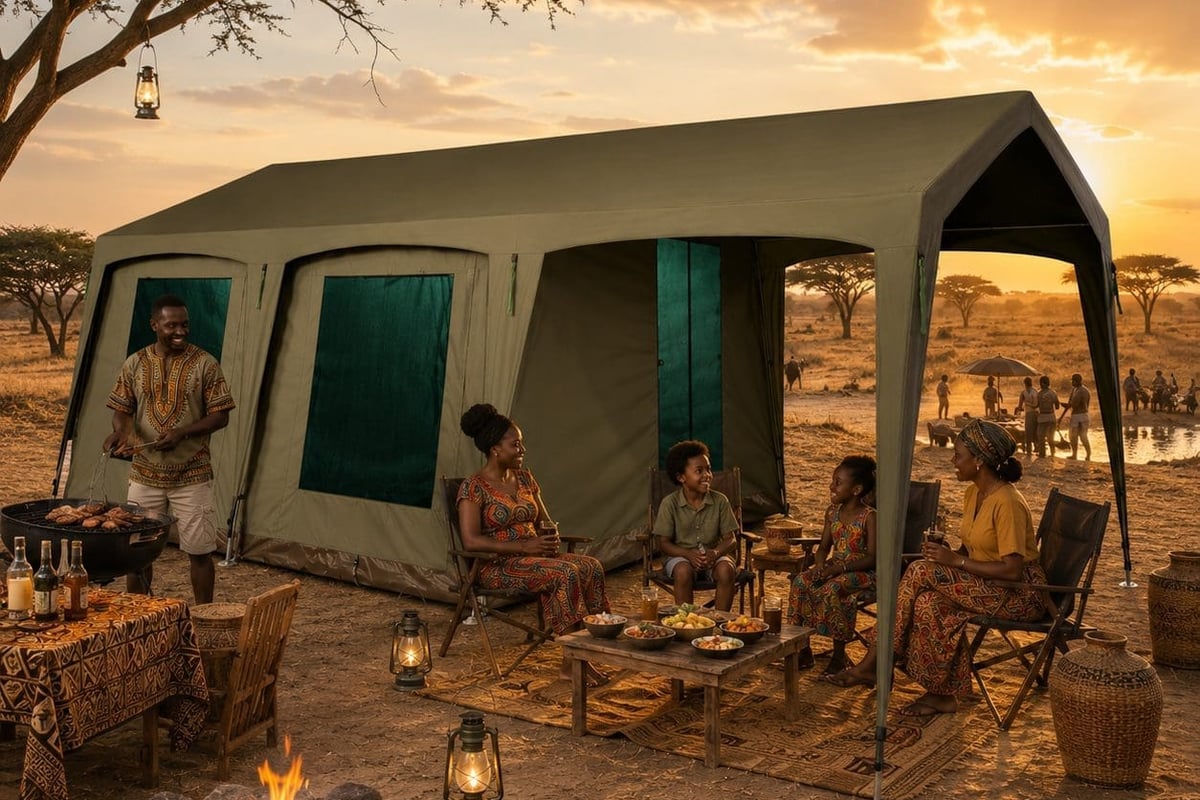
Safari and semi-permanent camps demand robust construction using heavy-duty materials that resist UV degradation and handle seasonal weather patterns. The 3m x 6m Safari Lodge Tent Two Room Waterproof Canvas Tent South Africa exemplifies this category with its ripstop canvas construction and practical two-room layout that provides privacy during extended outdoor stays.
| Tent Type | Best Use | Weight Range | Setup Time |
|---|---|---|---|
| Canvas Dome | Family camping | 15-25 kg | 20-30 min |
| Backpacking | Hiking trips | 1-3 kg | 5-10 min |
| Safari Lodge | Extended stays | 20-40 kg | 30-45 min |
| Pop-up | Festivals | 3-5 kg | 2-5 min |
Site selection dramatically impacts your camping experience. The National Park Service provides comprehensive guidance on finding and setting up a campsite, emphasizing level ground, drainage considerations, and natural protection from elements.
Level ground prevents uncomfortable sleeping positions and minimizes stress on tent poles and stakes. Walk the entire site checking for rocks, roots, and depressions that create discomfort or pooling water during rain.
Avoid valley bottoms where cold air settles overnight, creating temperature drops that condensation inside your camp and tent. Slight elevation improves air circulation and reduces moisture accumulation on tent walls.
Natural features offer valuable protection when positioned strategically. Trees provide shade during hot afternoons and windbreaks during storms, though the U.S. Forest Service recommends maintaining distance from isolated trees due to lightning risks.
Environmental ethics require establishing your camp and tent at least 60 meters from lakes, streams, and rivers. This buffer zone protects water quality, preserves riparian vegetation, and respects wildlife corridors used for drinking and feeding.
Proximity to facilities balances convenience against privacy. Established campgrounds offer restrooms, potable water, and defined fire rings, while dispersed camping provides solitude at the cost of carrying all necessities.
South African weather patterns vary dramatically by region and season, demanding thorough preparation regardless of forecast optimism. Coastal areas experience sudden wind shifts, highveld regions face afternoon thunderstorms, and mountainous terrain generates microclimates that change rapidly.
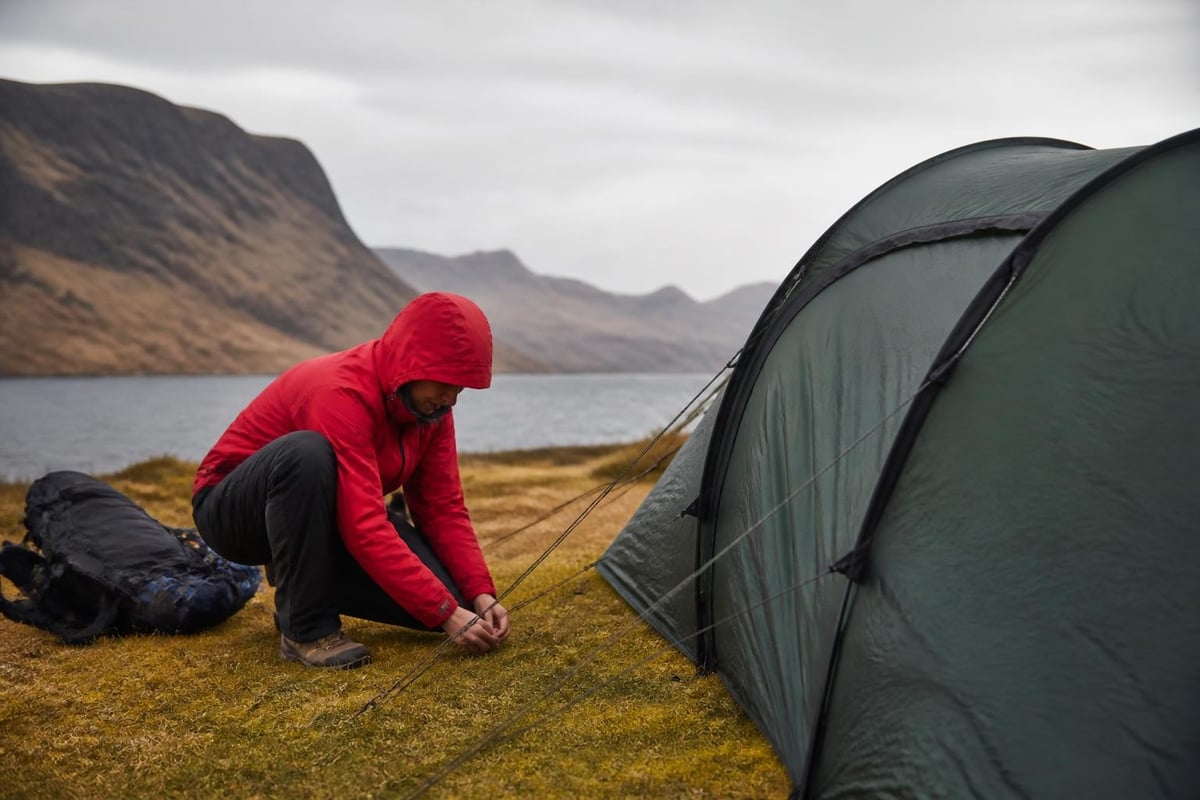
Proper orientation positions your tent's narrow end into prevailing winds, reducing surface area exposed to gusts. Guy lines and stakes transform simple shelters into storm-resistant structures when deployed correctly across all anchor points.
The National Weather Service provides outdoor storm safety resources specifically addressing lightning risks, flood potential, and extreme wind preparedness relevant to tent camping environments.
Pre-trip weather monitoring extends beyond checking forecasts. Study historical patterns for your destination during your travel dates, noting seasonal trends that inform gear selection and backup planning.
| Weather Condition | Tent Preparation | Additional Gear |
|---|---|---|
| Heavy rain | Seam seal, rainfly, trench | Extra tarps, waterproof bags |
| High winds | All guy lines, rock anchors | Extra stakes, repair kit |
| Extreme heat | Ventilation, shade cloth | Reflective tarp, fans |
| Cold nights | Four-season tent, insulation | Ground pad, sleeping bag liner |
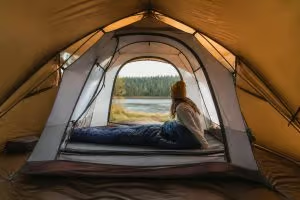
Temperature regulation inside your camp and tent requires understanding heat retention and moisture management. Condensation forms when warm, humid air contacts cold tent fabric, creating wet conditions that compromise comfort and gear.
Ventilation prevents condensation by allowing moisture-laden air to escape before reaching dew point. Open vents and partially unzip doors during mild conditions, balancing airflow against insect entry and heat loss.
Ground insulation prevents heat transfer into cold earth beneath your sleeping area. Quality sleeping pads provide R-values appropriate for expected nighttime lows, with higher numbers indicating better insulation performance.
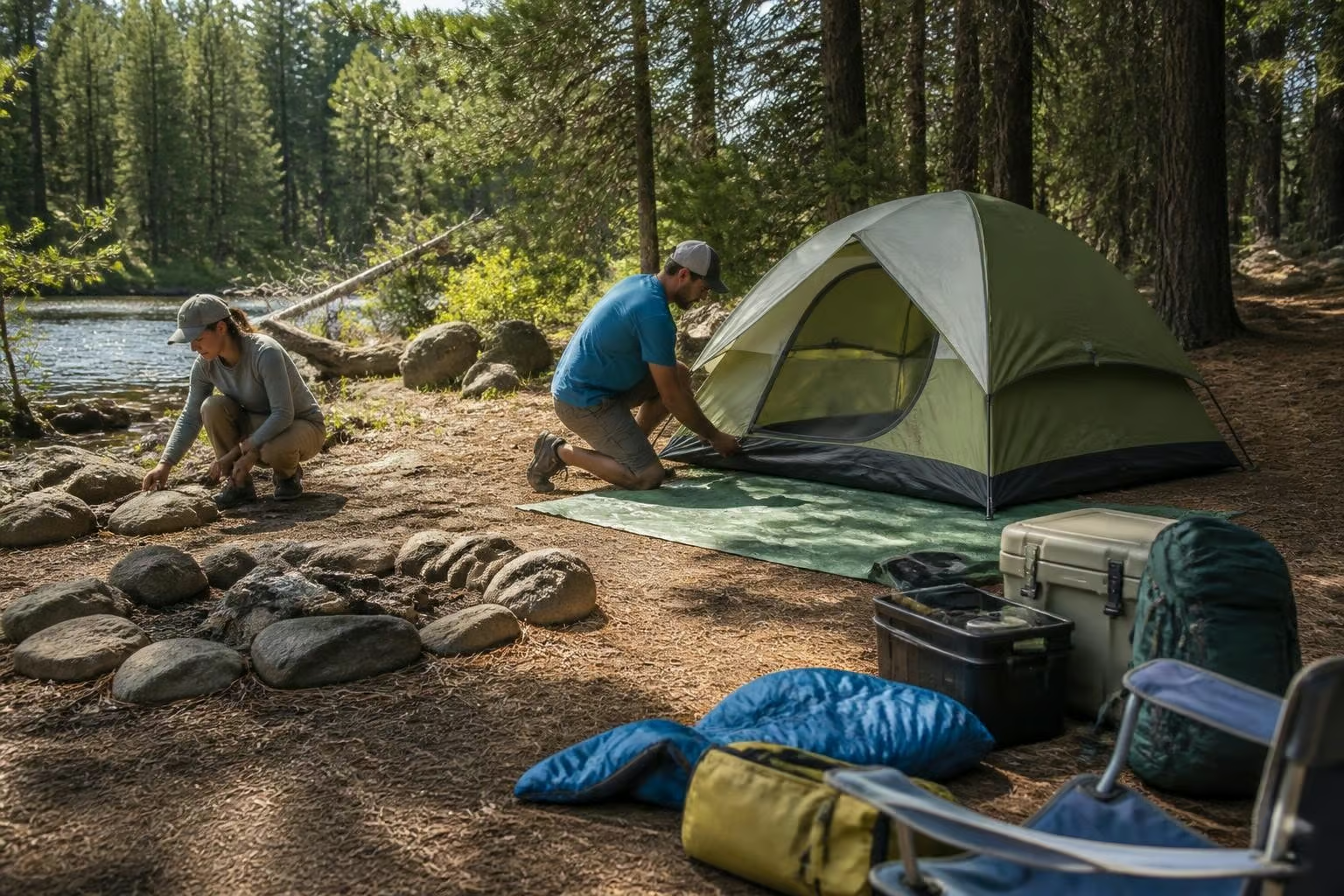
Systematic setup prevents common mistakes that compromise shelter performance. Before beginning assembly, organize components by type, verifying all poles, stakes, and rainfly pieces match your tent's requirements.
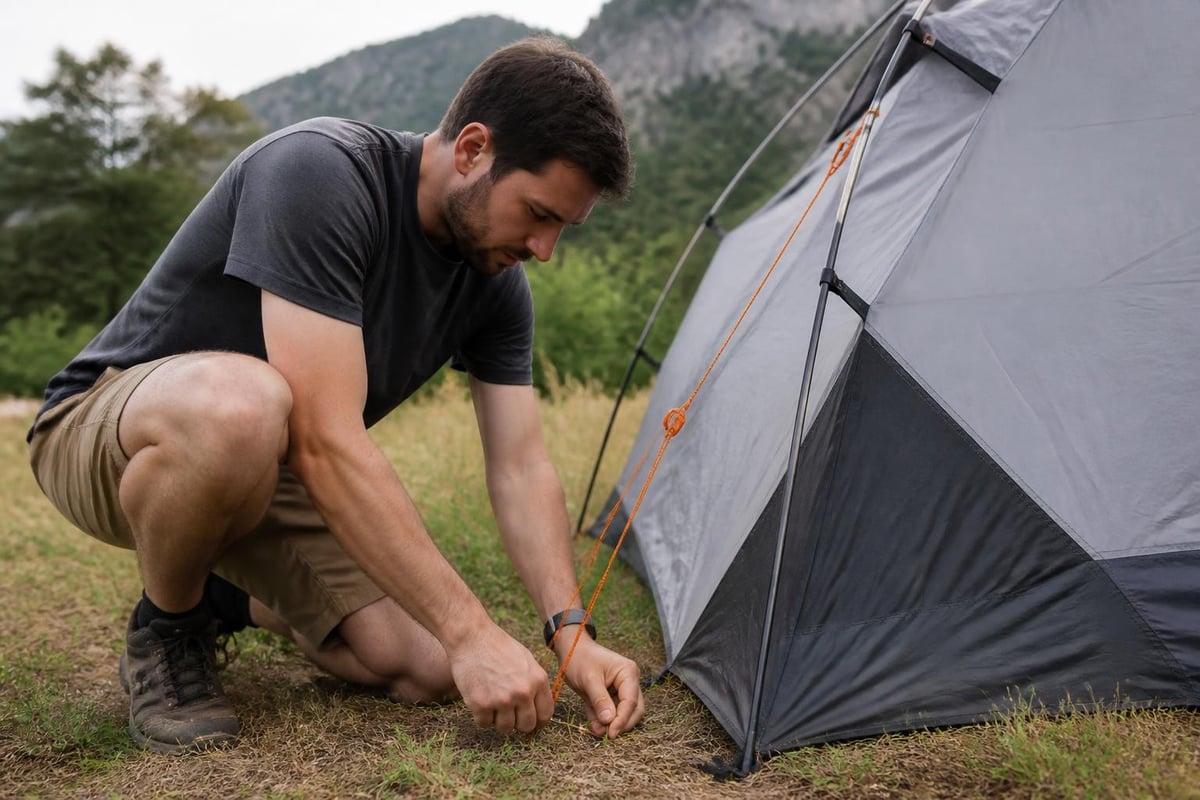
Stake angles matter more than most campers realize. Driving stakes at 45-degree angles away from tent corners provides maximum holding power in various soil types. Rock anchors substitute for stakes in hard ground or sand.
Thoughtful interior arrangement maximizes usable space while maintaining access to essential items. The Ejenti Outdoor product catalog offers various organizational solutions that enhance camp and tent functionality.
Designate specific zones for sleeping, gear storage, and wet items. Keep frequently accessed items near the door, storing backpacks and bulky gear in corners or vestibules when available.
Fire presents significant risks to tent materials, which ignite rapidly when contacted by sparks or excessive heat. The U.S. Fire Administration recommends maintaining minimum distances from open flames to prevent tent damage and ensure occupant safety.
Establish cooking and warming fires at least 4.5 meters from your camp and tent, positioning them downwind to prevent spark travel toward shelter fabric. Clear a 3-meter radius around fire rings down to mineral soil, removing all flammable materials including dry grass, leaves, and low-hanging branches.
Never operate camp stoves inside tents or enclosed vestibules. Carbon monoxide accumulates silently in confined spaces, creating deadly conditions without warning signs. Designated cooking areas outside shelter perimeters prevent accidents and preserve tent integrity.
Organize camp layout with clear pathways between tent, cooking area, and facilities. Nighttime navigation becomes hazardous when gear scatters across high-traffic zones, creating trip hazards invisible in darkness.
Store fuel canisters and flammable materials away from fire rings and tent locations. Designate a specific equipment zone where stoves, lanterns, and fuel containers remain organized and accessible without posing fire risks.
Multi-day camps require ongoing tent maintenance that prevents minor issues from becoming major problems. Daily inspections identify developing concerns before they compromise shelter performance or safety.
Morning walkarounds check guy line tension, stake security, and fabric condition. Wind and rain loosen connections overnight, requiring retensioning to maintain structural integrity throughout extended stays.
Inspect for damage indicators:
Address issues immediately using field repair supplies. Small tears patched quickly prevent expansion, while temporary pole splints extend equipment life until permanent repairs become possible.
Canvas and synthetic fabrics require different cleaning approaches. Never machine wash tents, as agitator action damages waterproof coatings and weakens seams beyond repair.
Spot clean soiled areas using mild soap and water, rinsing thoroughly to remove all detergent residue. Harsh chemicals degrade fabric treatments, compromising waterproofing and UV resistance that protect materials from environmental damage.
Complete drying before storage prevents mildew growth that permanently damages tent materials and creates unpleasant odors. Pitch tents in shaded areas or hang from lines, ensuring all surfaces receive adequate airflow until completely dry.
Experienced campers develop techniques that address extreme environments where basic setups prove inadequate. Rocky terrain, desert sand, and alpine exposure demand modified approaches that ensure camp and tent security.
Rocky ground prevents standard stake placement, requiring creative anchoring solutions. Tie guy lines to substantial rocks, trees, or existing anchors, distributing tension evenly across multiple points.
Sand anchors utilize buried bags filled with sand or rocks, creating deadman anchors that resist pullout forces in loose substrates. Dig 30-centimeter holes, attach guy lines to filled bags, and compact sand firmly above anchors.
Snow camping requires specialized stakes and deadman systems that distribute loads across larger areas. Standard stakes pull through snow under minimal tension, demanding equipment specifically designed for winter conditions.
| Terrain Type | Recommended Anchor | Setup Technique |
|---|---|---|
| Rocky ground | Natural features, rock bags | Tie to boulders, use rock weights |
| Soft sand | Deadman anchors, sand stakes | Bury bags 30cm deep, wide stakes |
| Hard pack | Heavy-duty stakes | Pre-drill guide holes, rock hammer |
| Snow | Snow stakes, deadman | Wide surface area, deep burial |
Unexpected weather sometimes exceeds your camp and tent design limits. Understanding emergency reinforcement techniques prevents shelter failure during critical conditions when alternatives don't exist.
Additional guy lines transform three-season tents into storm-worthy shelters when deployed strategically. Attach cordage to rainfly grommets and tent body attachment points, creating new anchor positions that distribute wind loads.
External tarps provide supplementary weather protection and living space. Position tarps above tents maintaining airflow gaps, extending coverage beyond tent footprints to create dry zones for gear and activities.
South African environments present unique challenges that inform camp and tent selection. Intense UV exposure degrades materials rapidly, while sudden weather changes demand versatile shelter systems that adapt to shifting conditions.
Prolonged sun exposure weakens tent fabrics through UV degradation, reducing strength and waterproofing effectiveness over time. Canvas materials naturally resist UV damage better than lightweight synthetics, making them preferable for semi-permanent or frequently used setups.
Ripstop construction adds tear resistance that prevents minor damage from propagating across fabric panels. This design feature proves especially valuable in thorny environments where vegetation contacts tent surfaces regularly.
Proper food storage protects both wildlife and campers. Store all edibles, toiletries, and scented items in sealed containers away from sleeping areas, preventing animals from associating tents with food sources.
Backpacker magazine offers practical resources covering wildlife safety, food storage techniques, and campsite practices that minimize human-wildlife conflicts in various environments.
Thorough preparation prevents common oversights that compromise trip quality. The National Park Service pre-trip checklist covers permits, safety planning, and essential gear verification before departure.
Test all equipment before trips, especially after storage periods or when using unfamiliar items. Practice tent setup at home, identifying missing components or damage requiring repair or replacement.
Pre-departure equipment checklist:
Verify stake counts match your tent's requirements plus extras for additional guy lines. Different soil types require different stake styles, so research destination ground conditions before selecting anchoring systems.
Research campsites thoroughly, understanding reservation requirements, permit systems, and site-specific regulations. Some locations restrict tent placement to designated pads, while others allow dispersed camping within defined zones.
Water availability influences gear requirements significantly. Confirmed water sources reduce carrying weight, while dry camps demand bringing sufficient quantities for drinking, cooking, and cleaning throughout your stay.
Proper storage extends tent lifespan substantially, protecting investments in quality gear. Never store wet or dirty tents, as moisture enables mildew growth and attracts pests that damage fabrics.
Store tents loosely in breathable bags within climate-controlled environments. Avoid compression sacks for long-term storage, as constant pressure on waterproof coatings causes premature deterioration.
Temperature extremes accelerate material degradation. Garages and outdoor sheds subject tents to heat and humidity fluctuations that break down fabrics, poles, and coatings faster than room-temperature storage.
Inspect stored gear periodically, checking for pest damage, mildew development, or coating separation requiring attention before your next camp and tent adventure begins.
Mastering camp and tent fundamentals transforms outdoor experiences from basic survival into comfortable adventures that reconnect you with nature safely and sustainably. Whether you're planning family weekends at established campgrounds or challenging backcountry expeditions across South Africa's diverse landscapes, proper shelter selection, site preparation, and maintenance techniques ensure reliable protection and lasting enjoyment. Ejenti Outdoor provides the durable tents, quality fabrics, and essential gear that South African adventurers trust for demanding conditions, helping you focus on creating memories rather than worrying about equipment performance.