
Finding the best camping tent for 2 requires balancing comfort, durability, and portability. Whether you're planning weekend escapes in the Drakensberg or multi-day hikes along the Wild Coast, the right two-person tent transforms your outdoor experience from endurance test to genuine adventure. Today's market offers everything from ultralight backpacking shelters to spacious canvas dome tents, each designed for specific camping styles and conditions.
The best camping tent for 2 varies dramatically depending on your intended use. Backpackers prioritize weight and pack size, car campers value comfort and headroom, and safari enthusiasts need durability for extended stays in challenging climates.
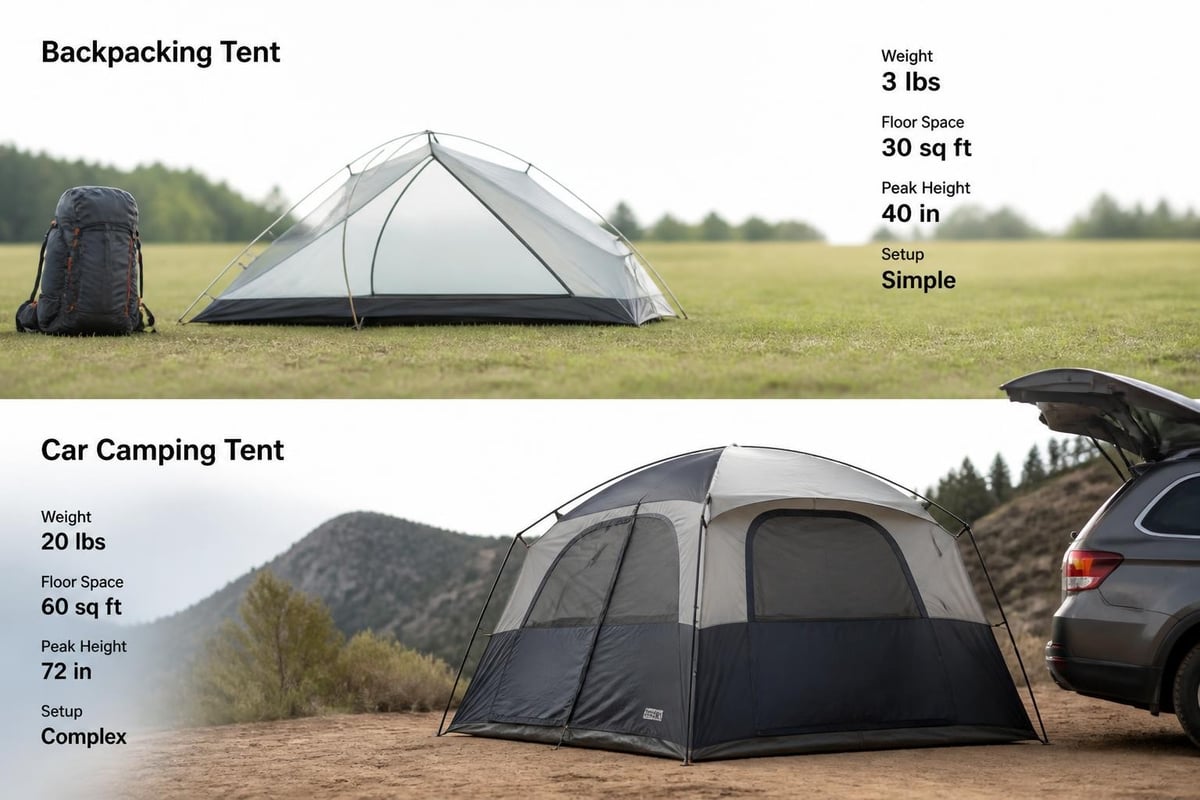
Ultralight two-person tents typically weigh between 1.2 and 2.5 kilograms. These shelters sacrifice some livability for portability, making them ideal when every gram counts on multi-day trails.
Key characteristics of backpacking tents:
Serious hikers often consult detailed testing data from outdoor gear labs to compare measured performance metrics across different models. These evaluations reveal how tents perform under actual field conditions rather than manufacturer claims alone.
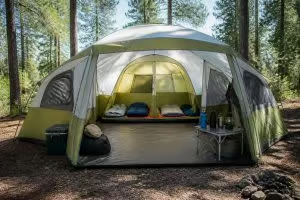
Car camping tents prioritize comfort over weight. The best camping tent for 2 in this category offers vertical walls, generous floor space, and enough headroom to sit upright or change clothes without contortions.
| Feature | Backpacking Tent | Car Camping Tent |
|---|---|---|
| Weight | 1.2-2.5 kg | 3-8 kg |
| Floor Space | 2.5-3.2 m² | 3.5-5 m² |
| Peak Height | 95-110 cm | 120-150 cm |
| Setup Time | 5-10 minutes | 10-20 minutes |
| Packed Size | 40-50 cm | 50-70 cm |
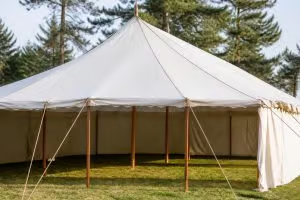
Canvas dome tents represent the pinnacle of durability for African conditions. These substantial shelters handle intense UV exposure, sudden thunderstorms, and temperature extremes that would quickly degrade lighter synthetic materials.
For adventurers tackling remote 4×4 trails or establishing base camps in SANParks sites, canvas construction provides unmatched longevity. The Premium Heavy-Duty Canvas Dome Tent exemplifies this category with its engineered design specifically for harsh climates, offering breathability and weather protection that synthetic tents struggle to match.
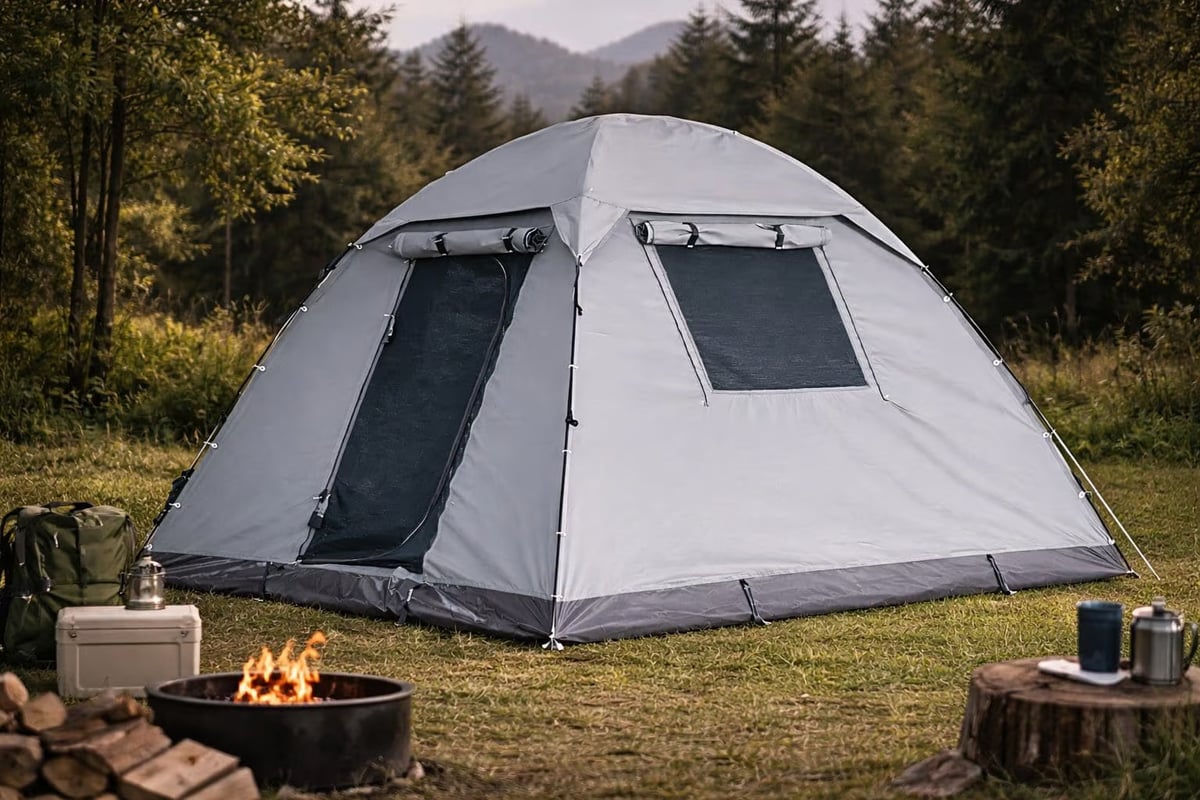
Selecting the best camping tent for 2 requires evaluating several technical specifications that directly impact your camping experience. These features determine whether you'll sleep comfortably or spend the night battling condensation, leaks, and cramped quarters.
Minimum floor dimensions for two adults typically measure 210 cm length by 130 cm width. However, generous designs expand to 220 cm by 150 cm, providing room for gear storage inside the tent.
Consider these livability factors:
Peak height matters more than many campers realize. Tents with 110 cm+ peaks allow you to sit upright comfortably, making meal prep and morning routines significantly easier.
Hydrostatic head ratings measure fabric waterproofing in millimeters. Quality two-person tents feature rainfly ratings of 1,500-3,000 mm and floor ratings of 3,000-10,000 mm.
Waterproofing hierarchy:
Seam-sealed construction prevents water infiltration through stitching. Factory-sealed seams offer superior reliability compared to field-applied sealants, though periodic maintenance extends waterproofing life.
Two people exhale approximately 1-2 liters of moisture during an average night. Without adequate ventilation, this moisture condenses on tent walls, dripping onto sleeping bags and gear.
The best camping tent for 2 incorporates multiple ventilation strategies. Understanding tent condensation dynamics helps campers recognize why double-wall designs with mesh inner bodies outperform single-wall constructions in humid conditions.
Effective ventilation features include:
Fabric choice fundamentally affects tent performance, durability, and price point. South African campers face unique challenges from intense UV radiation, dramatic temperature swings, and occasional severe weather events.
Ripstop nylon and polyester dominate the lightweight tent market. These materials offer excellent strength-to-weight ratios and packability, making them standard for backpacking applications.
| Material | Weight | Breathability | UV Resistance | Lifespan | Cost |
|---|---|---|---|---|---|
| Ripstop Nylon | Excellent | Moderate | Fair | 3-5 years | $$ |
| Polyester | Very Good | Moderate | Good | 4-6 years | $$ |
| Canvas (300 GSM) | Fair | Excellent | Excellent | 10-15 years | $$$ |
| Poly-Cotton Blend | Good | Very Good | Very Good | 7-10 years | $$$ |
Canvas tents excel in African conditions where breathability and UV resistance matter more than packed weight. The natural fiber construction allows moisture vapor to escape while blocking intense sunlight that degrades synthetic materials within seasons.
Aluminum poles balance strength, flexibility, and weight for most camping scenarios. DAC Featherlite and Easton poles represent premium options in backpacking tents, while heavier-gauge aluminum supports car camping and canvas designs.
Pole configuration impacts stability:
Steel frames appear in safari-grade tents where durability outweighs weight considerations. Galvanized steel resists corrosion in coastal environments while providing exceptional wind resistance.
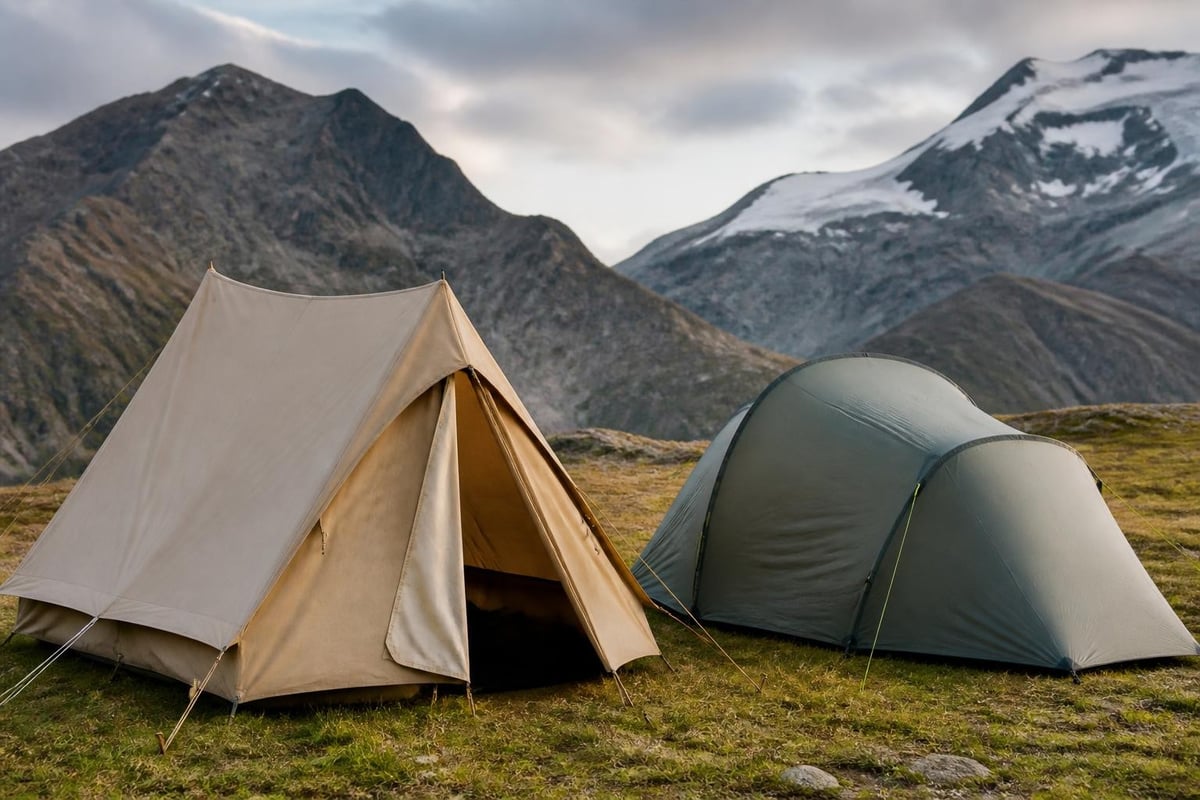
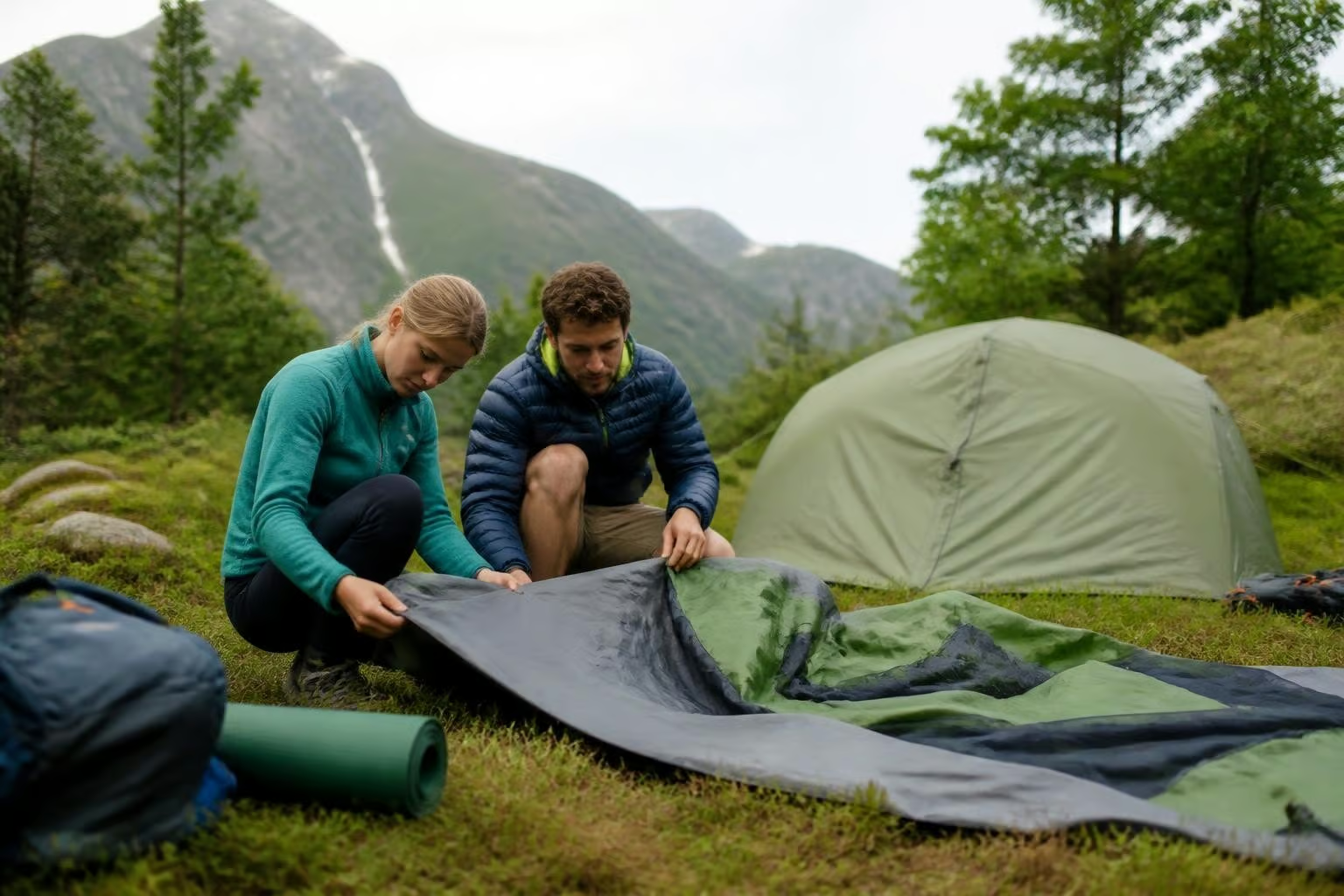
Even the best camping tent for 2 performs poorly when pitched incorrectly or placed in unsuitable locations. Proper tent pitching technique and thoughtful site selection prevent common problems like pooling water, unstable anchoring, and wildlife encounters.
The National Park Service provides authoritative guidance on campsite selection that applies universally across camping environments. Key considerations include drainage, level ground, and natural hazard avoidance.
Site selection checklist:
In established campgrounds, designated tent pads typically measure 2.4 by 3 meters, accommodating most two-person tents with space for vestibules. When camping beyond developed sites, take extra care with site selection as recovery time for vegetation can span years.
Proper setup order prevents frustration and ensures optimal tent performance:
Standard tent pitching sequence:
Modern two-person tents pitch in 5-15 minutes once you've practiced. Color-coded pole systems and intuitive clip designs streamline the process, though reading instructions before your first field attempt saves considerable time and frustration.
Sharing a two-person tent requires coordination and thoughtful gear choices. The best camping tent for 2 accommodates two adults comfortably while providing enough personal space to avoid constant contact.
Vestibule space separates adequate tents from excellent ones. Dual vestibules allow each person to store boots, packs, and personal items on their respective side, maintaining organized living space.
Effective gear organization inside two-person tents:
Some campers place packs at the tent's foot end, creating makeshift insulation and additional storage. This works well in rectangular tents but proves challenging in tapered designs optimized for weight savings.
Two bodies generate significant heat inside small tents. Summer camping often requires maximum ventilation, while winter conditions benefit from reduced airflow and the thermal mass of two sleepers.
| Season | Ventilation Strategy | Condensation Risk | Setup Priority |
|---|---|---|---|
| Summer | Maximum mesh exposure | Moderate | Shade, airflow |
| Spring/Fall | Partial fly coverage | High | Wind protection |
| Winter | Minimal venting | Very High | Ground insulation |
| Tropical | Full mesh with partial fly | Extreme | Elevation, drainage |
Four-season tents incorporate features like snow skirts and reinforced pole structures, though these rarely prove necessary in South African lowveld and coastal camping scenarios.
Initial purchase price represents only part of a tent's total cost. Proper maintenance extends service life dramatically, making quality construction economically sensible over multi-year timeframes.
Canvas and synthetic tents require different care protocols. Never store tents damp, as mold and mildew growth permanently damages fabrics and coatings.
Post-trip tent care routine:
UV exposure causes progressive fabric degradation, particularly in synthetic materials. When possible, position tents in partial shade during extended stays, and consider fly-only pitching during rest days to reduce interior UV exposure.
Carrying basic repair supplies prevents minor damage from ending trips prematurely. Most quality tent manufacturers offer repair kits with matching fabrics, adhesives, and spare pole sections.
Essential tent repair kit components:
Inspect seam sealing annually before camping season. Degraded seam tape appears cracked or peeling and requires replacement to maintain waterproofing. Many experienced campers learn to apply seam sealer themselves, though factory-sealed construction generally outperforms field applications.
The best camping tent for 2 often needs to perform across multiple seasons and varied conditions. Three-season tents handle spring through fall admirably but struggle in winter storms or extreme heat.
Ventilation dominates summer tent selection. Maximum mesh panels, oversized vestibule doors, and peak vents create airflow that prevents oppressive interior temperatures during hot nights.
Lighter-colored fabrics reflect solar radiation better than dark colors, though this consideration matters less in quality tents with adequate ventilation. Focus instead on mesh area and adjustable fly configurations that allow varying ventilation levels.
Four-season tents incorporate lower mesh ratios, heavier fabrics, and stronger pole structures to handle snow loading and high winds. However, South African winter camping rarely requires full four-season construction except at high altitude.
Cold-weather tent features:
Most campers find three-season tents adequate for South African conditions when paired with appropriate sleeping bags and insulated pads. The thermal efficiency gained from two sleepers sharing body heat offsets the need for extreme four-season construction in most scenarios.
Tent pricing varies from entry-level models under R1,500 to premium expedition shelters exceeding R15,000. Understanding where manufacturers invest affects your ability to identify genuine value versus marketing claims.
Budget tents sacrifice durability and features rather than fundamental functionality. A R2,000 tent from reputable manufacturers will keep you dry and protected, though it may weigh more and pack larger than premium alternatives.
Where premium tents justify higher costs:
Mid-range tents (R3,500-R7,000) often provide the best value for recreational campers. These shelters incorporate proven materials and construction while avoiding the weight-savings premiums of ultralight designs.
Durable construction reduces replacement frequency, making quality tents economical over extended timeframes. A R8,000 canvas tent lasting 15 years costs R533 annually, while a R2,000 synthetic tent requiring replacement every 4 years costs R500 annually with significantly more hassle.
| Tent Type | Initial Cost | Expected Lifespan | Annual Cost | Replacement Frequency |
|---|---|---|---|---|
| Budget Synthetic | R2,000 | 3-4 years | R500-R670 | Every 3-4 years |
| Mid-Range Synthetic | R5,000 | 5-7 years | R715-R1,000 | Every 5-7 years |
| Premium Synthetic | R10,000 | 7-10 years | R1,000-R1,430 | Every 7-10 years |
| Canvas/Safari | R8,000 | 12-15 years | R533-R670 | Every 12-15 years |
South African camping environments present unique challenges that influence tent selection. From coastal humidity to highveld thunderstorms and bushveld heat, regional climate variations demand specific tent characteristics.
Coastal camping exposes tents to salt air, high humidity, and strong winds. Corrosion-resistant components (stainless steel stakes, aluminum poles) extend service life in these demanding conditions.
Maximum ventilation becomes critical in humid coastal environments where condensation issues intensify. The best camping tent for 2 in these regions features generous mesh panels and elevated positioning that captures ocean breezes.
Afternoon thunderstorms arrive with remarkable regularity during summer months in highveld regions. Robust waterproofing (2,500+ mm fly ratings) and secure guy-out systems prevent weather-related tent failures.
Temperature swings between sunny days and cold nights require versatile ventilation systems. Tents with adjustable fly coverage allow maximum airflow during warm afternoons while providing wind protection during chilly evenings.
Extended camping trips in game reserves and wilderness areas demand exceptional durability. Canvas construction handles these requirements admirably, providing years of reliable service under intense UV exposure and temperature extremes that rapidly degrade synthetic materials.
For comprehensive outdoor equipment guidance tailored to South African conditions, exploring resources on why quality outdoor equipment matters helps inform purchasing decisions beyond initial cost considerations.
Purchasing the best camping tent for 2 requires hands-on evaluation when possible. Many outdoor retailers offer floor models that allow assessing livability, entry configuration, and overall build quality.
Physical inspection reveals quality indicators difficult to assess from specifications alone. Examine stitching quality, zipper operation, pole joint precision, and fabric hand-feel.
Critical inspection points:
Set the tent up if retailer policies permit. This hands-on experience reveals setup complexity and helps you visualize the shelter in actual camping scenarios.
Online reviews provide valuable real-world insights, though learning to separate substantive feedback from uninformed complaints requires practice. Professional testing from outdoor gear laboratories offers measured performance data that complements subjective user experiences.
Look for review patterns rather than individual complaints. Multiple reports of zipper failures or seam leakage indicate genuine design or quality issues, while isolated problems may reflect user error or defective individual units.
While traditional double-wall tents dominate the camping market, alternative shelter systems merit consideration for specific use cases and camping styles.
Ultralight enthusiasts sometimes pair waterproof tarps with bivy sacks, achieving remarkable weight savings. However, this system sacrifices comfort, insect protection, and weather security that make traditional tents appealing for most campers.
Two-person hammock camping requires separate hammocks and suspension systems, making it less intimate than sharing a tent. However, hammock camping eliminates ground preparation concerns and provides exceptional comfort on appropriate terrain.
Vehicle-mounted rooftop tents offer instant setup and elevated positioning that enhances security in certain environments. These systems work exceptionally well for 4×4 camping but lack the flexibility of ground-based shelters for hiking and backpacking applications.
Selecting the best camping tent for 2 balances your specific camping style, climate conditions, and budget constraints with the technical features that ensure comfortable, weather-protected shelter. Whether you prioritize ultralight backpacking performance or safari-grade durability, understanding tent materials, construction quality, and regional requirements guides you toward shelters that enhance rather than compromise your outdoor experiences. For South African adventurers seeking proven outdoor solutions engineered for local conditions, Ejenti Outdoor manufactures durable canvas tents and camping equipment designed specifically for the demanding African climate, backed by local expertise and quality construction that transforms camping trips into memorable adventures.