
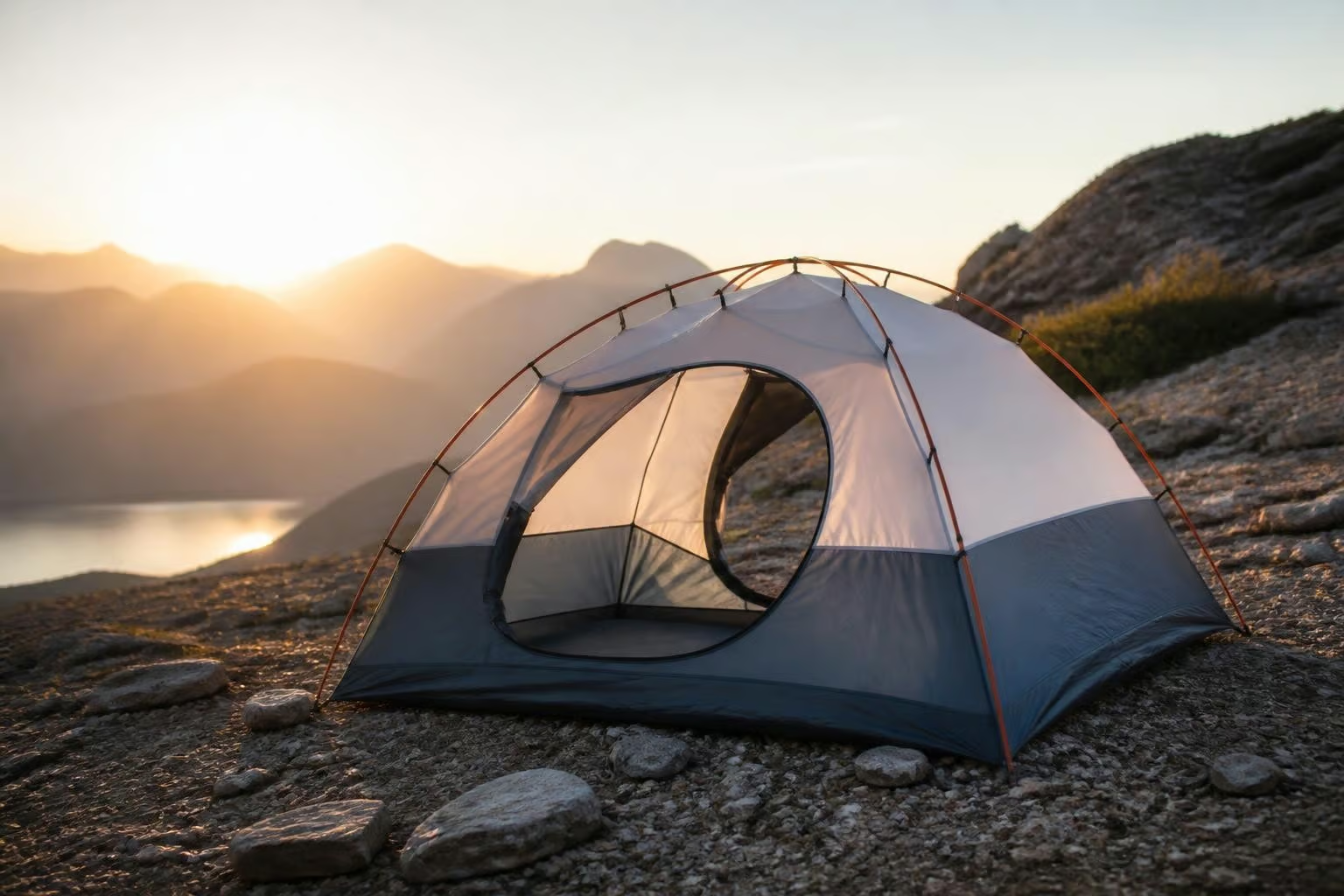
When planning your next camping trip or outdoor event, choosing the right shelter determines your comfort, safety, and overall experience. The dome outdoor tent has become one of the most popular shelter designs worldwide, combining structural efficiency with practical functionality. Its distinctive curved shape delivers exceptional wind resistance, efficient space usage, and straightforward assembly, making it suitable for everything from weekend camping trips to extended safari stays in challenging conditions.
The dome outdoor tent design relies on fundamental geometric principles that create a remarkably stable structure. Unlike traditional A-frame or cabin-style tents, dome configurations distribute stress evenly across the entire framework, minimizing weak points and pressure concentrations.
Dome geometry works by converting external forces into compression that travels along the curved poles and spreads throughout the structure. Parametric engineering studies of geodesic domes demonstrate how this curved architecture naturally resists wind loads and distributes environmental stresses more effectively than angular designs.
Key structural advantages include:
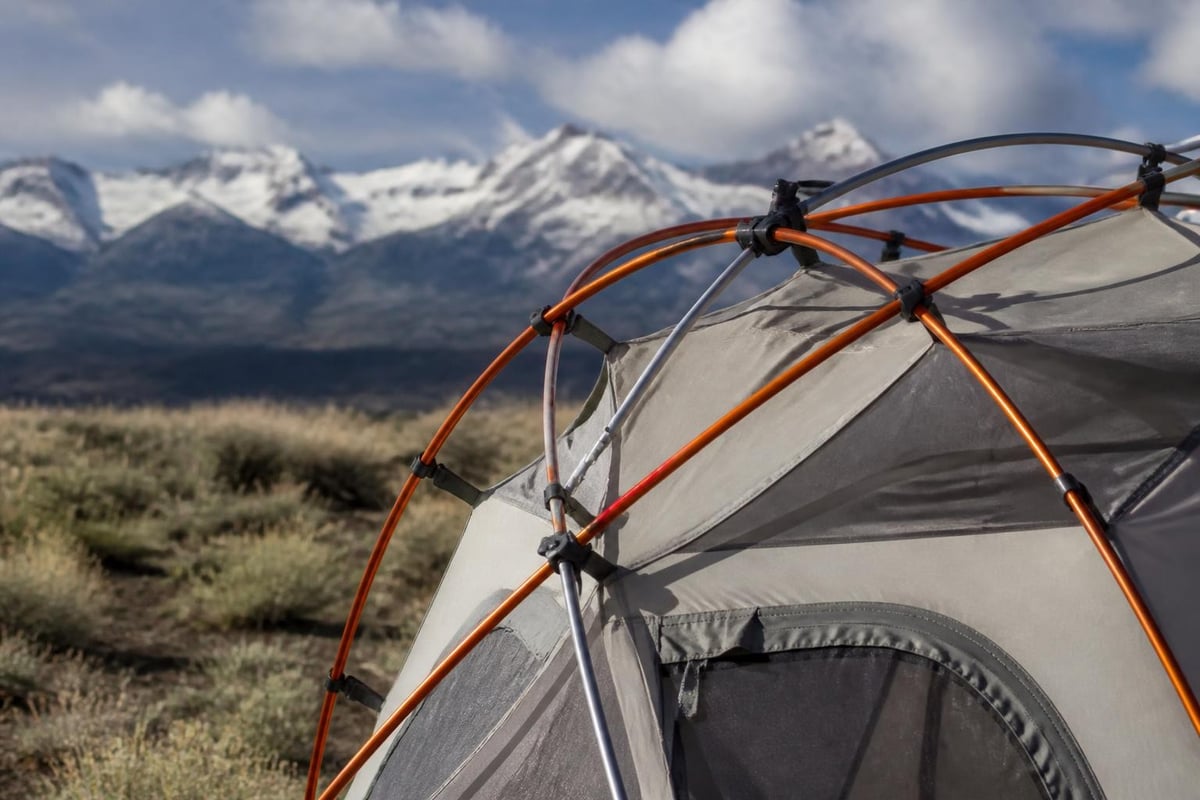
The intersection points where poles cross create natural reinforcement zones. These crossing points lock the structure into shape, preventing collapse even when one section experiences higher stress. This redundancy makes the dome outdoor tent exceptionally reliable in unpredictable weather conditions.
Choosing appropriate materials directly impacts your tent's performance, longevity, and weather resistance. Modern dome outdoor tent construction uses carefully selected fabrics and coatings engineered for specific conditions and applications.
| Feature | Canvas (300-350 GSM) | Polyester/Nylon | PVC-Coated Fabric |
|---|---|---|---|
| Breathability | Excellent | Moderate | Limited |
| Waterproofing | Good (when treated) | Excellent | Outstanding |
| Weight | Heavy | Light | Heavy |
| Durability | Very high | Moderate | Very high |
| Condensation | Low | High | Moderate |
| UV Resistance | Excellent | Moderate | Excellent |
Canvas remains a preferred choice for extended outdoor stays and African conditions because it breathes naturally, reducing interior condensation while blocking UV radiation. The technical specifications in TentTech 2024 explain how fabric weight (GSM), coating treatments, and weave patterns affect performance across different environments.
Ripstop weaving adds reinforcement threads at regular intervals, preventing small tears from spreading. This construction method proves especially valuable in bush environments where thorns, branches, and rough handling can damage lighter materials. For those exploring the extensive product range at Ejenti Outdoor, understanding these material differences helps match shelter specifications to intended usage patterns.
Pole selection affects setup weight, structural strength, and long-term reliability:
The Premium Heavy-Duty Canvas Dome Tent uses reinforced poles specifically engineered for harsh African conditions, ensuring your shelter stands firm during unexpected weather events. Each material choice involves trade-offs between portability, strength, cost, and expected service life.
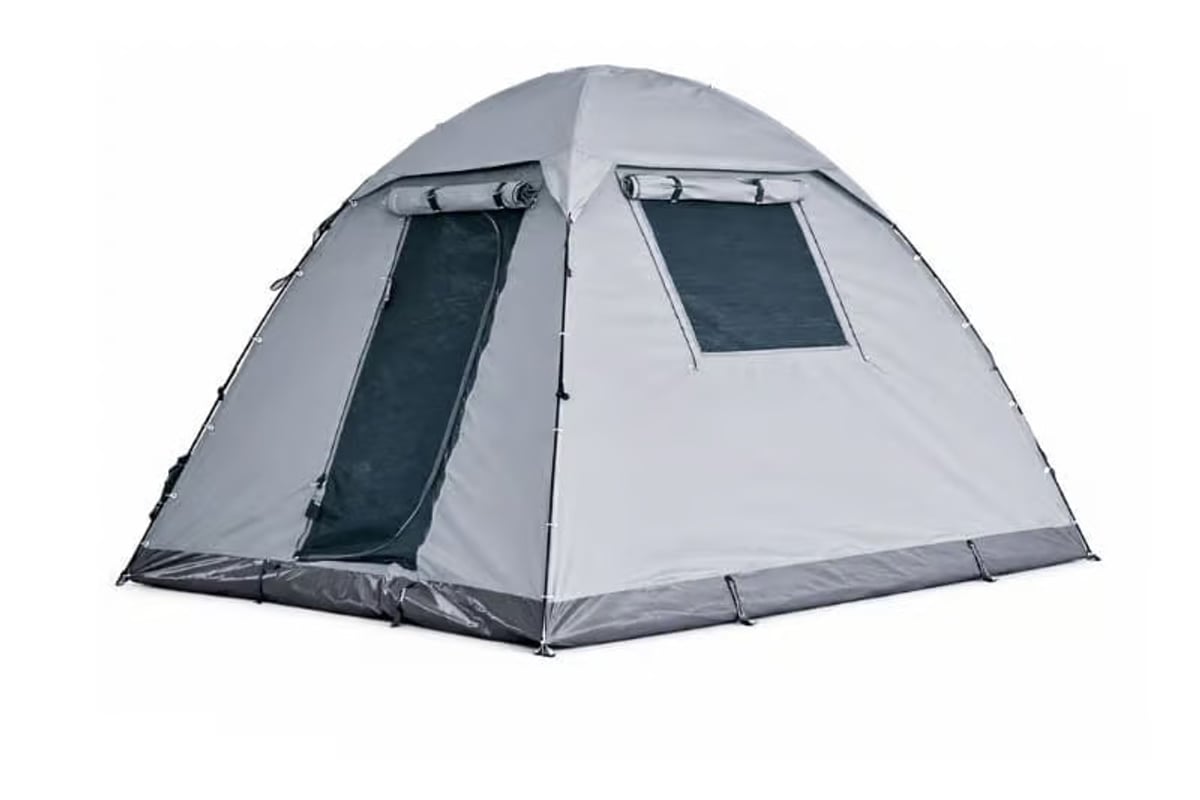
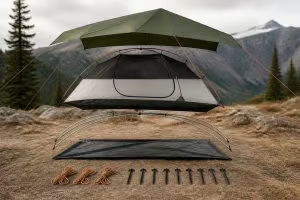
Proper assembly ensures your dome outdoor tent performs as designed and maximizes its structural capabilities. Following systematic procedures reduces setup time and prevents common installation errors.
Phase 1: Site Preparation
Phase 2: Framework Construction
Phase 3: Securing and Tensioning
Field testing research on emergency shelter domes reveals that proper tensioning significantly impacts structural performance. Loose fabric flaps in wind, creating stress points and noise, while over-tensioned fabric may tear at connection points.
Interior climate control separates comfortable dome outdoor tent experiences from miserable ones. Understanding airflow principles helps you optimize ventilation regardless of external conditions.
Modern dome tents incorporate multiple ventilation features:
The curved dome shape naturally encourages convection currents. Warm air rises to the peak while cooler air enters through lower openings, creating continuous circulation without mechanical assistance. This passive system works effectively in most conditions but requires strategic vent management.
Condensation prevention strategies:
NASA research on fabric integration with dome structures demonstrates how fabric breathability and moisture vapor transmission rates affect interior humidity levels. Canvas excels here, naturally wicking moisture to exterior surfaces where it evaporates.
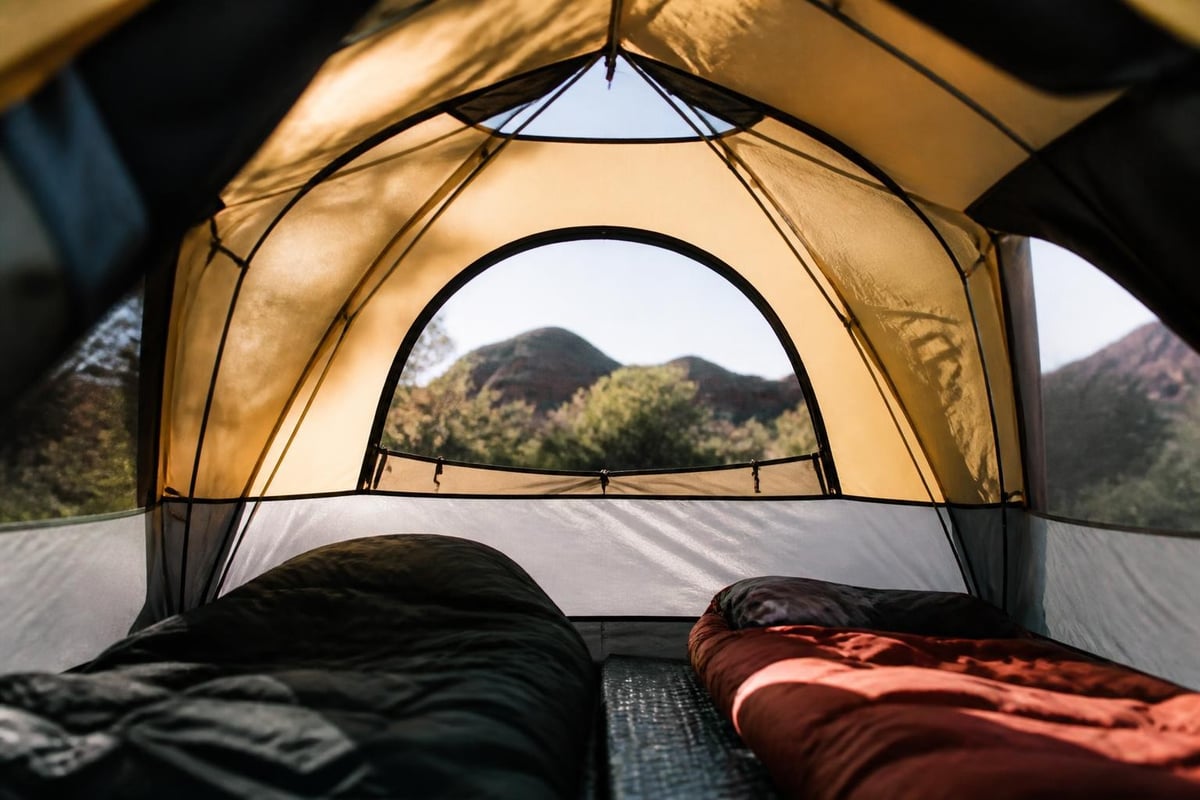
The versatile dome outdoor tent serves numerous purposes beyond recreational camping. Understanding application-specific requirements helps you configure and equip your shelter appropriately.
For short-term recreational use, prioritize quick setup, moderate weather resistance, and portability. Weekend campers benefit from lightweight pole materials, integrated storage pockets, and simplified guy-line systems. The dome configuration's stability means you can confidently leave your tent set up while hiking or exploring, knowing it will withstand typical afternoon winds.
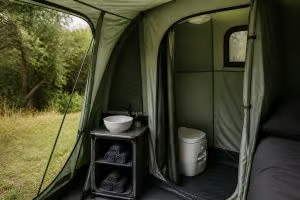
Long-duration outdoor living demands robust construction, superior ventilation, and durable fabrics. Canvas dome tents shine in these scenarios, providing breathable comfort during hot days while blocking UV radiation. Interior heights should accommodate standing movement, and multiple rooms or dividers create organized living spaces.
Safari applications often involve challenging access routes and remote locations. This makes self-sufficiency critical-choosing tents with replaceable components and understanding basic repair techniques prevents minor damage from ending your expedition prematurely.
Commercial and community events utilize larger dome structures for vendor spaces, gathering areas, and temporary facilities. These applications prioritize:
When transitioning a dome outdoor tent into event service, consider reinforced anchor points, sidewall configurations for privacy or protection, and flooring systems that create clean, level surfaces over rough ground.
IFRC guidance on tent solutions emphasizes accessibility, ventilation, cultural appropriateness, and thermal performance when deploying shelters in humanitarian contexts. Dome structures meet many of these requirements through inherent design efficiency, though specific implementations must address local conditions, family sizes, and available support infrastructure.
Regular maintenance extends your dome outdoor tent's service life significantly. Establishing simple routines prevents major repairs and ensures reliable performance when you need it most.
After each use:
Seasonal deep cleaning:
Store dome tents loosely folded or hung in climate-controlled spaces. Compressed storage accelerates fabric degradation and creates permanent creases that become weak points. Avoid storing near chemicals, fertilizers, or petroleum products that may damage synthetic materials or coatings.
Create a systematic inspection checklist:
Understanding your tent's hardware components makes field repairs possible. Quick-release buckles, tensioners, and fastening systems occasionally need replacement-keeping spare components with your camping gear prevents small failures from creating major problems.
Different climates and seasonal conditions challenge dome outdoor tent designs in unique ways. Knowing your tent's capabilities and limitations helps you prepare appropriately and stay safe.
The aerodynamic dome profile naturally deflects wind rather than resisting it through brute strength. Recent structural analysis research evaluating geodesic dome shelters under various environmental loads confirms that properly tensioned dome structures outperform angular designs in wind resistance.
Wind preparation checklist:
Extreme wind events may require additional anchoring beyond standard stakes. Sand anchors, snow stakes, or rock-filled bags provide supplementary security when ground conditions prevent adequate stake penetration.
Quality dome outdoor tent designs incorporate multiple waterproofing layers:
| Protection Layer | Function | Maintenance Need |
|---|---|---|
| Fabric coating | Primary water barrier | Reapply every 2-3 years |
| Taped seams | Seal stitching holes | Touch up annually |
| Rainfly | Second barrier, sheds water | Clean, store dry |
| Bathtub floor | Prevents ground moisture | Check for punctures |
Pitched rainflies should never contact the tent body. This air gap allows moisture to escape while the fly sheds precipitation. Ground-level sidewall clearance permits airflow while protecting against splash-back from heavy rain.
Canvas dome tents moderate temperature fluctuations better than synthetic alternatives. The breathable fabric releases interior heat during summer while providing insulation during cooler periods. In extreme cold, interior tent liners create dead air spaces that significantly improve warmth retention.
Summer heat management requires maximizing ventilation while minimizing direct sun exposure. Light-colored fabrics reflect solar radiation more effectively than dark colors. Strategic shade placement-positioning your tent under trees or erecting separate shade structures-reduces interior temperatures substantially.
Manufacturers rate tent capacity by maximum sleeping occupancy, which rarely accounts for gear storage, livable space, or extended occupation comfort. Understanding how to interpret and adjust these ratings ensures adequate space for your specific needs.
A tent rated for four people typically accommodates four sleeping bags placed side-by-side with minimal clearance. For comfortable extended stays, consider these adjustments:
The dome outdoor tent geometry creates usable vertical space in the center while sloping toward edges. This means a four-person dome provides excellent central headroom but limited sitting space near perimeter walls.
Standing height transforms livable comfort. Tents with center heights above 1.8 meters allow most adults to stand upright while changing clothes, organizing gear, or moving around during stormy weather. Lower-profile designs work well for sleeping-only applications but become confining during extended bad weather.
Interior dimension considerations:
Expanding your dome outdoor tent's functionality through thoughtful accessories improves comfort and adapts the shelter to specific applications.
Ground protection and flooring:
Storage solutions:
Lighting systems:
Adding vestibules extends protected space without requiring complete tent replacement. These extensions attach to doorways, creating covered areas for cooking, equipment storage, or muddy boot removal. Ensure aftermarket additions don't compromise structural integrity or void manufacturer warranties.
Guy line tensioners and adjusters allow precise tuning of fabric tension. Spring-loaded mechanisms maintain consistent tension despite temperature fluctuations that cause pole and fabric expansion/contraction. Some campers replace standard cord with reflective line for improved nighttime visibility and reduced trip hazards.
Adapting your dome outdoor tent for different seasons requires understanding how environmental changes affect shelter performance and implementing appropriate modifications.
Hot weather camping prioritizes ventilation, shade, and moisture management. Position your tent to capture prevailing breezes while avoiding direct afternoon sun exposure. Opening all vents and doors during midday creates maximum airflow, while closing only necessary openings during sleeping hours maintains privacy with adequate circulation.
Light-colored dome outdoor tent fabrics reflect more solar radiation than dark alternatives, measurably reducing interior temperatures. If your tent features removable panels or convertible walls, replacing solid sections with mesh maximizes airflow during hot periods.
Cold weather camping demands different priorities:
Condensation becomes more problematic in cold conditions as temperature differentials increase. Wiping interior surfaces before bedtime removes accumulated moisture that would otherwise freeze overnight. Store wet items in sealed bags rather than allowing moisture to escape into interior air.
Spring and autumn present variable conditions requiring adaptable configurations. Modular ventilation systems that open completely for warm days but seal against cold nights provide the necessary flexibility. Carrying both lightweight and insulated sleeping systems allows adjustment to unexpected temperature swings.
Selecting and maintaining the right dome outdoor tent transforms your outdoor experiences from merely enduring the elements to genuinely enjoying nature's challenges and rewards. The dome configuration's proven structural efficiency, combined with modern materials and thoughtful design, delivers reliable shelter across diverse applications and conditions. Whether you're planning weekend camping trips, extended safari adventures, or organizing outdoor events, understanding these principles helps you make informed decisions and maximize your shelter investment. Ejenti Outdoor manufactures durable, high-performance outdoor solutions specifically engineered for South African conditions, offering expert guidance and quality equipment that stands up to real-world demands. Explore their comprehensive range of tents, outdoor fabrics, and camping accessories designed to enhance your next outdoor adventure.