

Choosing the right shelter for outdoor adventures requires understanding the specific features and construction elements that make a camping camping tent reliable in diverse conditions. Whether you're planning a weekend family camping trip or an extended backcountry expedition, the shelter you select becomes your home away from home. Modern camping tents combine advanced materials, thoughtful design, and functional engineering to protect you from the elements while providing comfort and livability. This comprehensive guide explores everything you need to know about selecting, setting up, and maintaining your camping camping tent to ensure memorable outdoor experiences across South Africa's varied landscapes.
The foundation of any quality camping camping tent lies in its construction materials and design principles. Modern tents typically combine several fabric types, each serving a specific purpose in the overall shelter system.
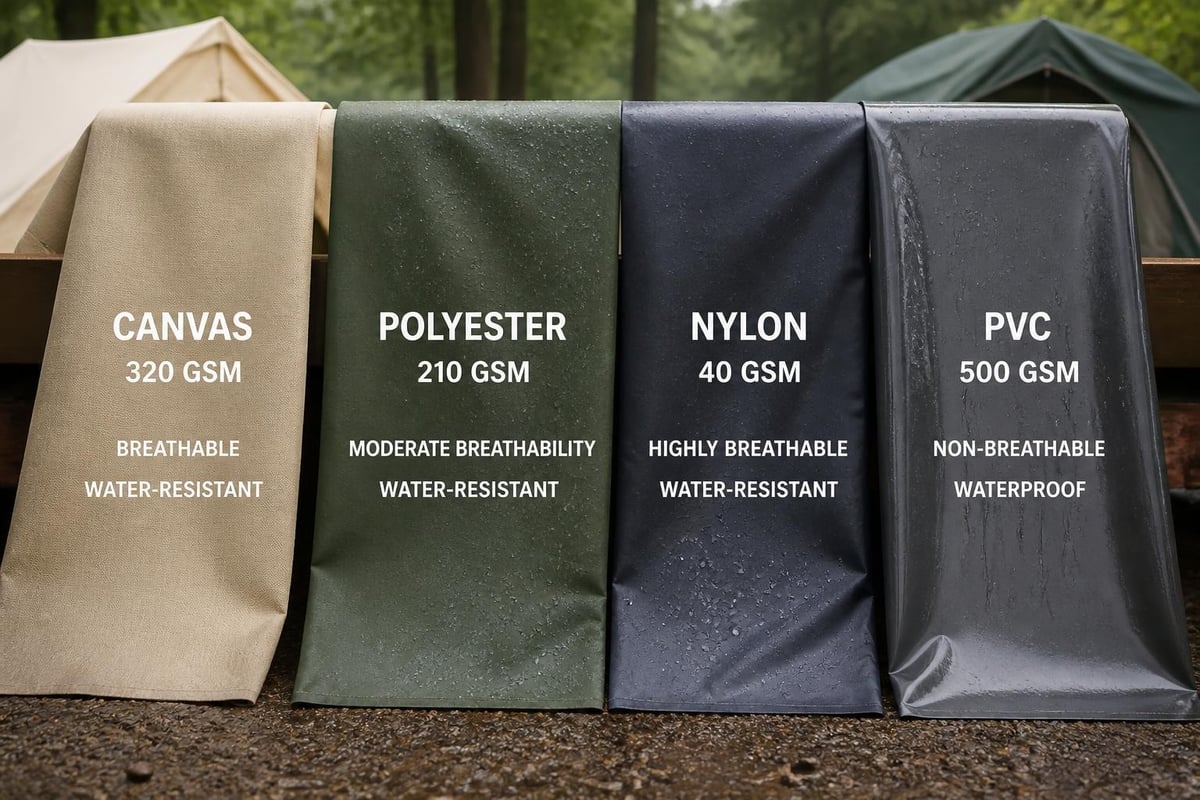
Canvas remains a popular choice for camping tents, particularly in regions with intense sun and variable weather conditions. The natural fiber breathes well, reducing condensation buildup during cooler nights. Ripstop canvas adds tear resistance through reinforced thread patterns woven into the fabric at regular intervals.
Synthetic fabrics like polyester and nylon offer different advantages:
The Outdoor Industry Association highlights sustainable material choices that balance performance with environmental responsibility. Fabric weight, measured in grams per square meter (GSM), directly impacts durability and packability. A camping camping tent for family use typically ranges from 280-400 GSM, while lighter backpacking models may use 150-200 GSM fabrics.
Tent poles create the skeleton that gives your camping camping tent its shape and structural integrity. Modern pole materials include:
| Material | Weight | Strength | Durability | Best Use |
|---|---|---|---|---|
| Aluminum alloy | Light | High | Excellent | Backpacking, all-around |
| Fiberglass | Medium | Moderate | Good | Budget camping tents |
| Steel | Heavy | Very high | Excellent | Large family tents, permanent setups |
| Carbon fiber | Very light | Very high | Good | Premium ultralight tents |
Pole geometry determines how well your tent handles wind and snow loads. Dome structures distribute stress evenly, while tunnel designs maximize interior volume. Geodesic patterns, featuring multiple crossing poles, provide exceptional stability in extreme conditions but add complexity to setup.
Matching your camping camping tent to your specific use case ensures satisfaction and long-term value. Consider these primary factors during your selection process.
Tent capacity ratings typically assume tight sleeping arrangements. A "four-person" camping camping tent comfortably sleeps three adults with gear. Calculate your needs based on:
Families with children appreciate the extra room for playing cards during rain or storing toys. Solo campers might prioritize weight savings over interior volume.
Understanding seasonal ratings helps you select an appropriate camping camping tent for your climate conditions:
The National Weather Service recommends understanding lightning risks when camping, noting that tents provide no protection from lightning strikes. Choose campsites wisely and monitor weather forecasts.
Waterproof ratings use hydrostatic head measurements (millimeters of water column the fabric withstands before leaking). Quality camping tents feature:
Correct setup maximizes your camping camping tent's performance and longevity. Follow systematic procedures for best results.
The National Park Service provides detailed guidance on finding and setting up campsites that minimizes environmental impact. Choose locations that are:
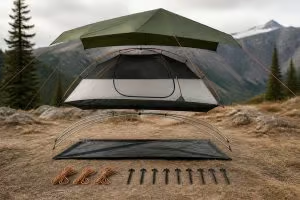
Clear the footprint area of debris that could puncture your tent floor. Some campers carry a ground cloth or footprint sized slightly smaller than the tent floor for added protection.
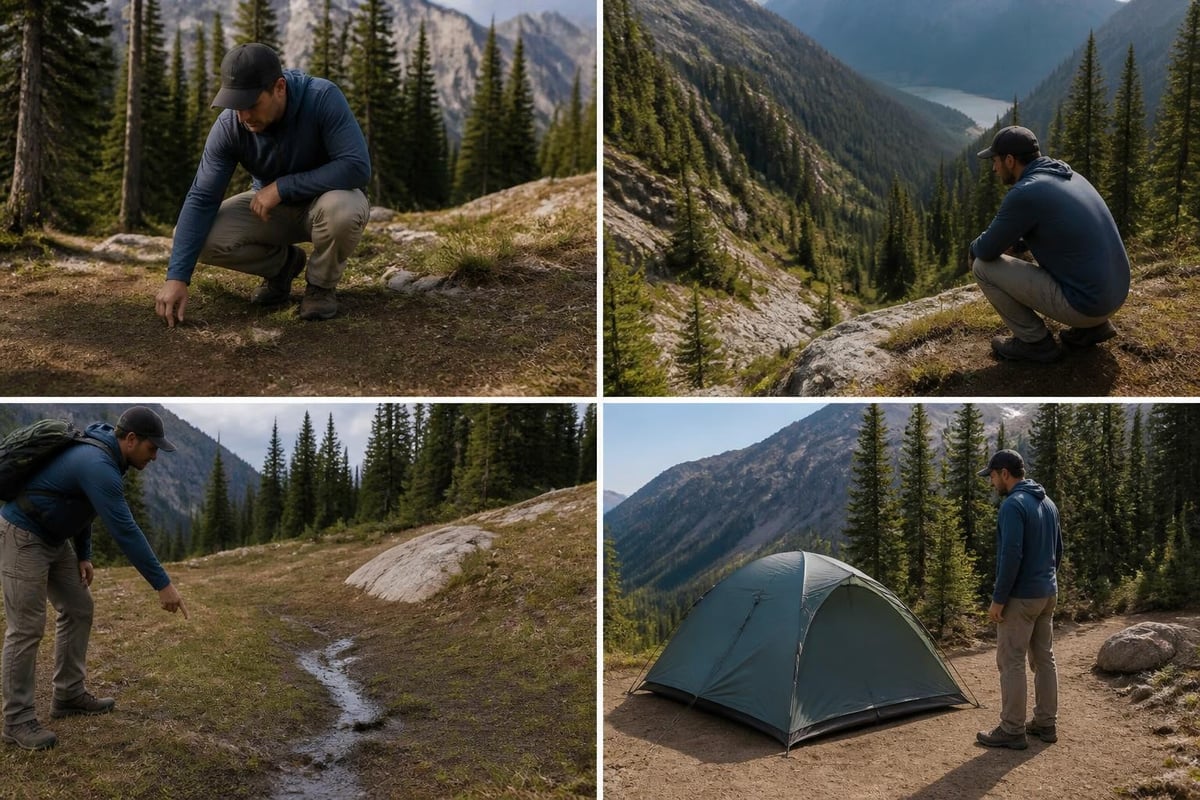
Modern camping camping tent designs simplify setup, but following proper sequence prevents frustration:
Stake at a 45-degree angle away from the tent, driving them fully into the ground. Guy lines should form approximately 90-degree angles to pole attachment points for maximum stability.
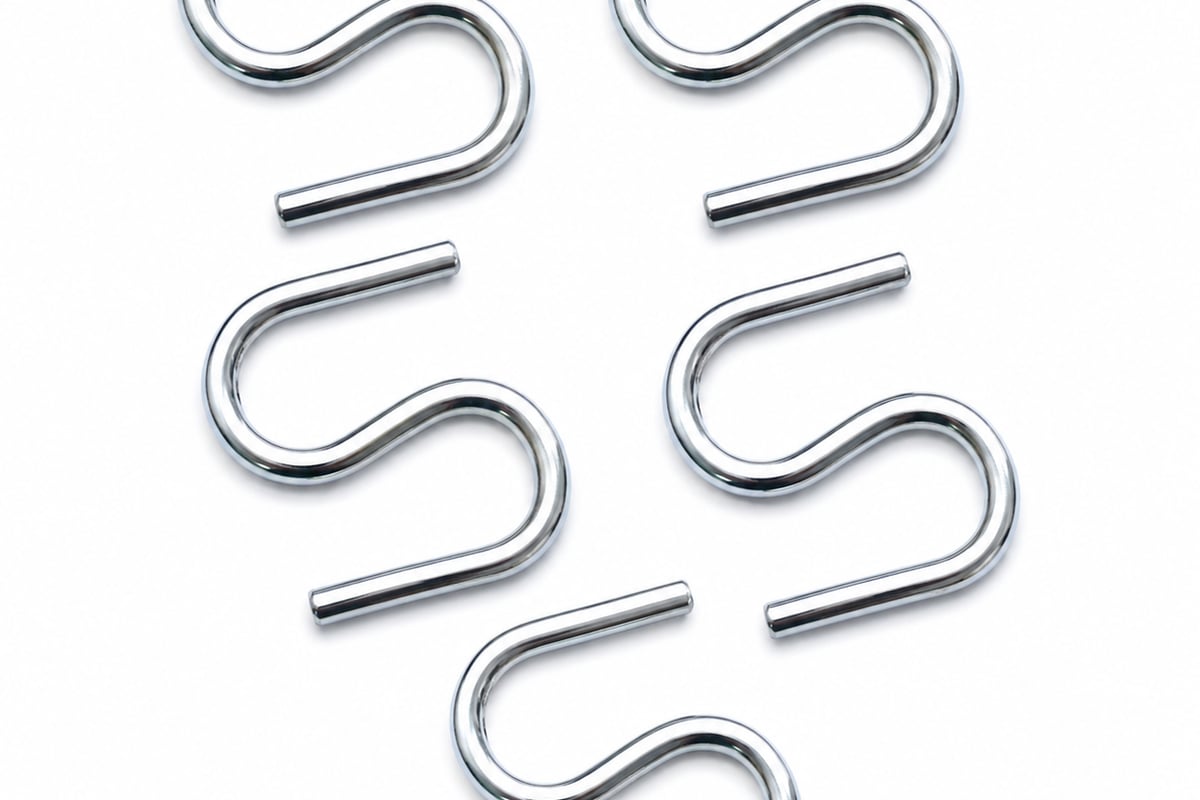
Hardware selection matters for secure anchoring. Using quality components ensures your camping camping tent stays put during storms and high winds.
Heavy Duty Tent Hooks & Metal Fasteners provide reliable attachment points for guy lines and tarp extensions, giving you versatile options for different ground conditions and setup configurations.
Proper maintenance extends your camping camping tent's lifespan significantly, protecting your investment and ensuring reliable performance season after season.
Never pack a wet camping camping tent for extended storage. Moisture trapped in fabrics promotes mildew growth that weakens fibers and creates unpleasant odors. After each trip:
For deep cleaning, set up your tent and gently scrub with soft brushes. Avoid harsh detergents that strip waterproof coatings. Rinse thoroughly and allow complete drying.
Durable Water Repellent (DWR) coatings diminish over time with UV exposure and abrasion. Signs your camping camping tent needs retreatment include:
Reapply DWR treatments following product instructions, typically after cleaning and with the tent completely dry. Polyurethane (PU) coatings on tent floors and rainflies may also need renewal after several years of use. Seam sealer products address specific leak points around stitching.
The technical research from the U.S. Forest Service emphasizes low-impact camping practices that naturally reduce tent wear by selecting appropriate sites and minimizing setup/takedown cycles.
Modern camping camping tent designs incorporate thoughtful features that enhance usability and comfort beyond basic shelter functions.
Effective ventilation prevents the condensation that occurs when warm, moist air from breathing meets cool tent surfaces. Look for:
Proper setup with the rainfly tensioned away from the inner tent creates crucial air channels. Even in rain, crack vents slightly to maintain airflow and reduce interior moisture buildup.
The number and position of doors on your camping camping tent affects convenience significantly:
| Configuration | Advantages | Best For |
|---|---|---|
| Single door | Lighter weight, simpler | Solo camping, backpacking |
| Dual doors | No climbing over tentmates | Couples, small families |
| Multiple doors with vestibules | Maximum convenience, gear storage | Base camping, large groups |
D-shaped doors provide wider openings than traditional tunnel entries, making gear management and midnight bathroom trips easier. Two-way zippers allow ventilation without fully opening doors.
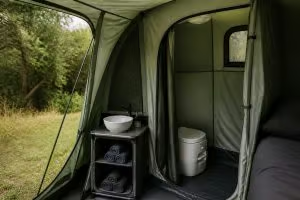
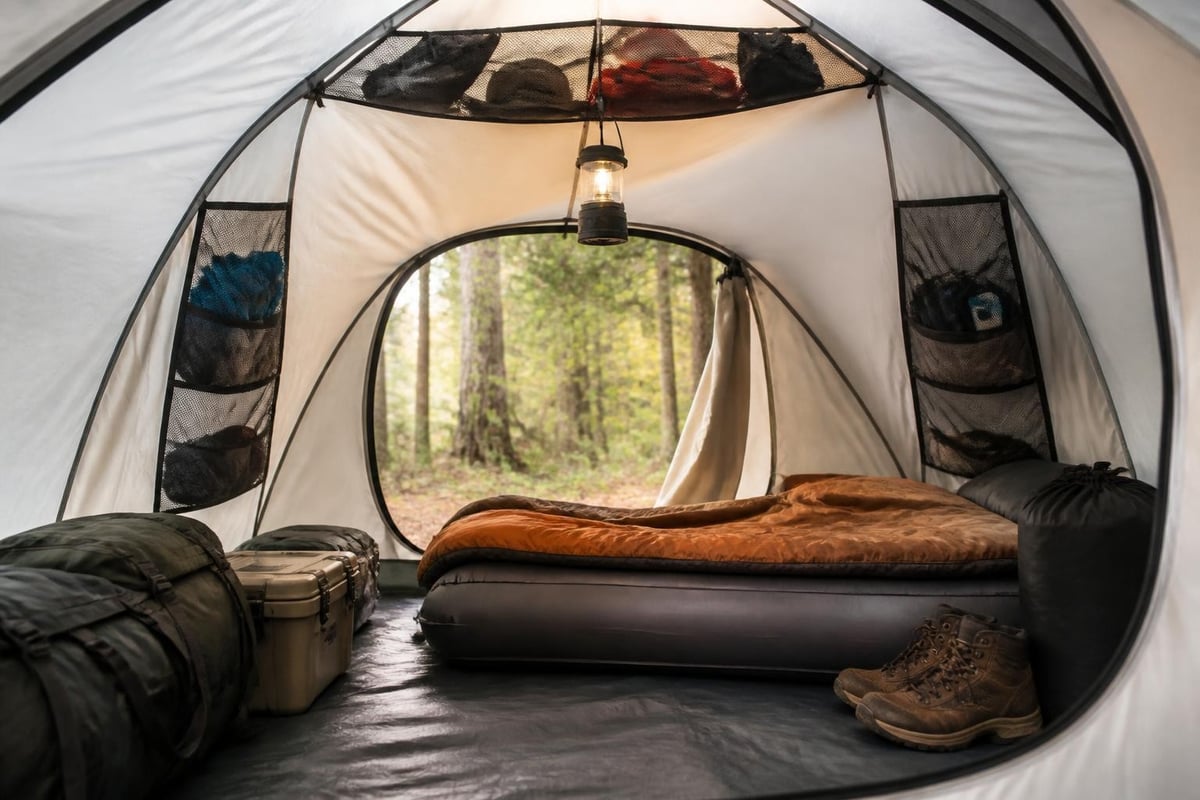
Thoughtful camping camping tent interiors include organizational features that transform basic shelter into comfortable living space:
Room dividers in larger tents create privacy for families, while separate sleeping and living areas add comfort during extended stays.
Different camping styles demand specific camping camping tent characteristics optimized for those conditions.
Car camping allows heavier, more spacious tents since weight isn't a primary concern. Family camping camping tent priorities include:
Canvas and polycotton materials excel in semi-permanent setups at favorite campgrounds. The breathability and durability suit extended stays, while the weight penalty matters less when driving to your site.
When every gram counts during multi-day hikes, backpacking camping camping tent designs prioritize weight reduction:
Trade-offs include reduced durability, less interior space, and often higher costs. Carefully consider your specific backpacking conditions when balancing weight against other factors.
South Africa's diverse landscapes call for robust camping camping tent solutions built for extended outdoor living. Safari-style tents feature:
These semi-permanent structures work well for bush camps, hunting expeditions, and overlanding adventures where comfort and weather protection take priority over portability. Ejenti Outdoor specializes in tent manufacture for demanding South African conditions, offering both standard and custom configurations.
Understanding and preparing for safety risks ensures your camping camping tent serves as a reliable refuge rather than a source of hazards.
Severe weather requires proactive planning and responsive adjustments to your camping camping tent setup. The National Park Service’s during-your-stay guidelines cover critical safety practices including:
High winds can destroy even quality tents if improperly secured. Add extra stakes at guy line attachment points and orient the tent's narrow end into prevailing winds to minimize resistance.
Your camping camping tent should never store food or scented items. Wildlife attracted to food odors can damage tents and create dangerous encounters. Practice proper protocols:
Even in areas without large predators, rodents and birds will investigate food smells and can chew through tent fabrics seeking access.
Investing in a quality camping camping tent requires balancing budget against expected use, durability, and features.
Camping tent pricing varies widely based on materials, construction quality, and brand reputation:
Calculate cost-per-use when evaluating options. A $400 camping camping tent used 20 times costs $20 per outing, while a $150 tent requiring replacement after 8 trips costs $18.75 per use with more waste and hassle.
Reputable tent manufacturers stand behind their products with meaningful warranties:
Review warranty terms carefully, noting exclusions for normal wear, improper storage, and misuse. Some manufacturers offer free repairs regardless of cause, building customer loyalty through exceptional service.
South Africa's climate extremes and diverse ecosystems require camping camping tent features specifically suited to local conditions.
Intense African sun degrades tent fabrics faster than in temperate climates. Look for:
Canvas and PVC materials naturally resist UV degradation better than untreated nylon, making them popular choices for South African camping applications.
Camping in arid regions presents challenges from wind-blown dust that penetrates standard tent closures. Features that help include:
Position your camping camping tent with doors away from prevailing winds when possible, and maintain slight positive ventilation to prevent dust from being sucked through fabric pores and mesh panels.
South African bush camping requires comprehensive insect protection built into your camping camping tent design:
Test all zippers and closures before trips, repairing or replacing damaged mesh immediately. Insects find even tiny gaps, compromising both comfort and health protection against disease vectors.
Selecting and properly using a camping camping tent transforms outdoor experiences from merely surviving the elements to genuinely enjoying nature's beauty in comfort and safety. The right shelter choice depends on understanding your specific camping style, regional conditions, and the features that matter most for your adventures. Whether you're planning weekend family getaways or extended bush expeditions, investing in quality construction and proper maintenance ensures years of reliable service. Ejenti Outdoor manufactures durable canvas tents, gazebos, and outdoor solutions specifically engineered for South African conditions, offering both standard products and custom configurations to match your exact requirements.