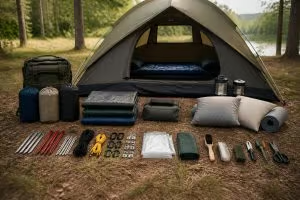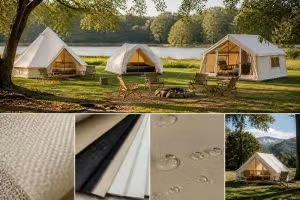

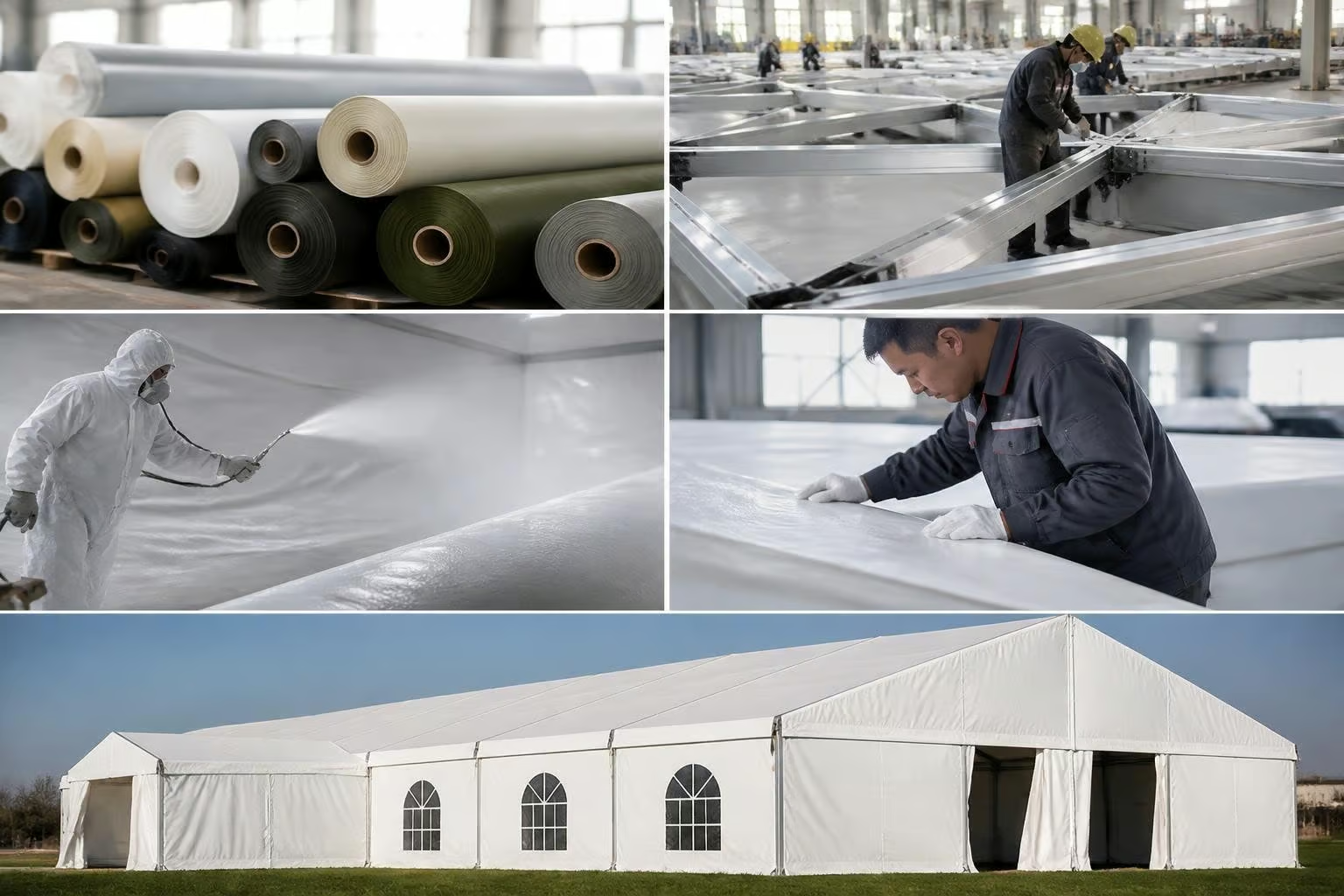
The outdoor shelter industry has evolved dramatically over the past decade, with tent manufacturers investing heavily in advanced materials, rigorous testing protocols, and innovative design approaches. Whether producing compact camping tents for weekend adventurers or large-scale event structures for corporate gatherings, these manufacturers face complex challenges balancing durability, weight, weather resistance, and cost. Understanding how tent manufacturers operate, the standards they follow, and the technologies they employ helps consumers and businesses make informed purchasing decisions while appreciating the engineering that goes into every seam and stake.
Modern tent manufacturers operate in a diverse global marketplace spanning recreational camping, emergency relief, military applications, and commercial events. The camping tent market continues to expand, driven by increased outdoor recreation participation and growing demand for temporary shelter solutions across multiple sectors.
Manufacturing facilities range from small artisan workshops producing custom canvas structures to large-scale operations churning out thousands of synthetic tents daily. Geographic concentration varies significantly, with major production centers in Asia, Europe, and increasingly in regional markets like South Africa where companies such as Ejenti Outdoor serve local demand with locally-produced solutions.
Tent manufacturers typically specialize based on:
This specialization allows manufacturers to develop deep expertise in specific fabric treatments, frame engineering, and assembly techniques suited to their target market. A manufacturer focused on expedition-grade mountaineering tents employs vastly different materials and construction methods than one producing wedding marquees.
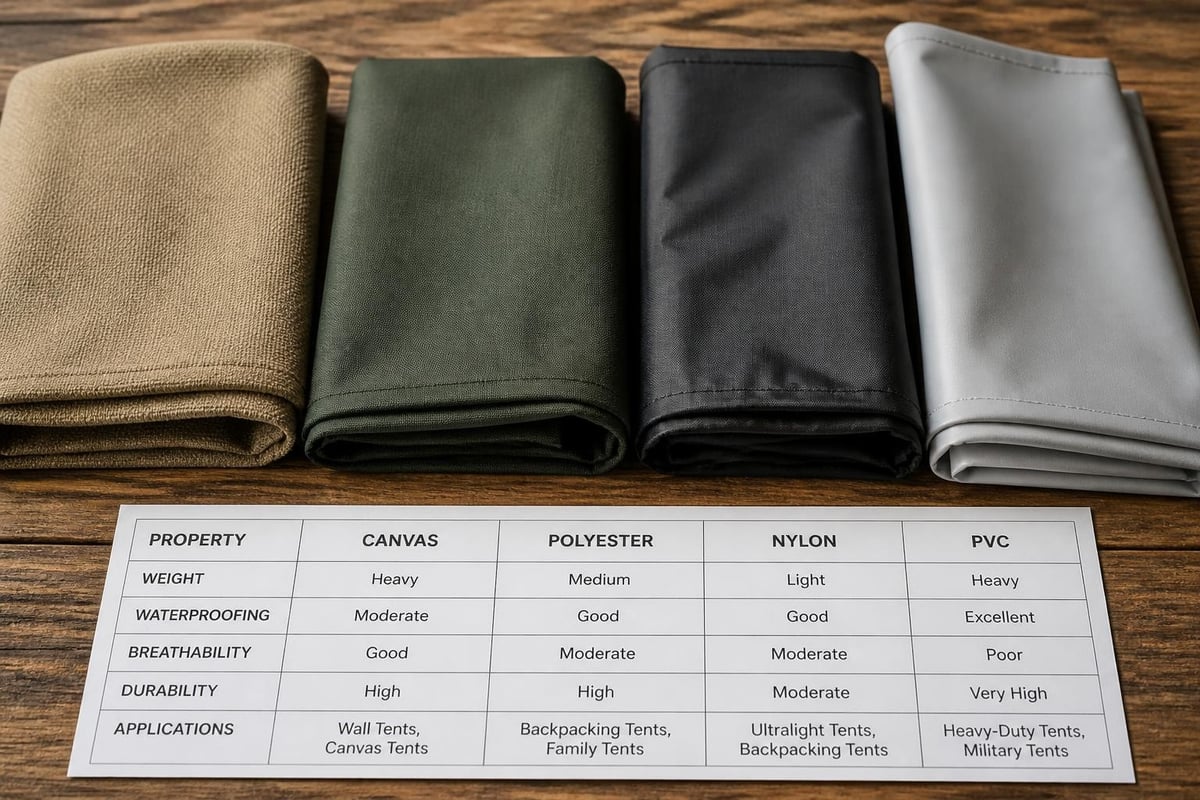
The foundation of any quality tent starts with fabric selection, where tent manufacturers must balance multiple competing requirements including weight, strength, waterproofing, UV resistance, and cost. Different applications demand different fabric solutions.
| Fabric Type | Weight Range | Primary Benefits | Common Applications |
|---|---|---|---|
| Ripstop Canvas | 280-450 GSM | Breathable, durable, natural aesthetics | Safari tents, permanent camps, glamping |
| Polyester | 150-300 GSM | UV resistant, quick-drying, cost-effective | Recreational camping, backpacking tents |
| Nylon | 40-210 Denier | Lightweight, high strength-to-weight ratio | Ultralight camping, mountaineering |
| PVC-Coated Fabric | 450-650 GSM | Fully waterproof, extremely durable | Event tents, commercial structures, industrial use |
Canvas remains popular among tent manufacturers serving markets that value breathability and traditional aesthetics. The ripstop canvas fabric used in premium safari and camping tents incorporates reinforcement threads in a crosshatch pattern, preventing tears from propagating across the material.
Synthetic fabrics dominate the lightweight camping segment, where tent manufacturers apply silicone, polyurethane, or acrylic coatings to achieve waterproofing while maintaining reasonable weight. These treatments require careful formulation and application to ensure longevity without compromising fabric flexibility or breathability.
Achieving reliable waterproofing represents one of the most critical challenges for tent manufacturers. Multiple approaches exist:
The most vulnerable points in any tent are seams and attachment points where stitching creates puncture holes. Professional tent manufacturers invest in specialized seam-sealing equipment and quality control processes to ensure these critical junctions remain watertight throughout the product lifecycle.
While fabric forms the visible shell, frame engineering determines a tent's stability, usability, and weather resistance. Tent manufacturers approach frame design with sophisticated analysis of wind loads, snow accumulation, and structural mechanics.
Modern tent manufacturers employ several frame materials, each with distinct advantages:
For permanent or semi-permanent installations, PVC tents and marquees typically utilize galvanized steel frames capable of withstanding sustained wind loads and supporting significant fabric tension. These frames incorporate guy-line attachment points, base plates, and reinforcement at stress concentration zones.
Leading tent manufacturers employ finite element analysis (FEA) and computational fluid dynamics (CFD) to optimize frame geometry before production. This advanced engineering research helps predict performance under various load scenarios including wind, snow, and uneven terrain conditions.
Pole architecture varies widely based on tent style. Dome tents use crossed poles creating self-supporting structures. Tunnel tents employ parallel hoops requiring staking for stability. Geodesic designs distribute loads across multiple intersecting poles, creating the strongest configuration for extreme conditions.
Tent manufacturers targeting commercial and event markets must navigate complex regulatory landscapes. Fire safety represents the most stringent requirement, with multiple overlapping standards governing flame resistance, flame spread, and smoke production.
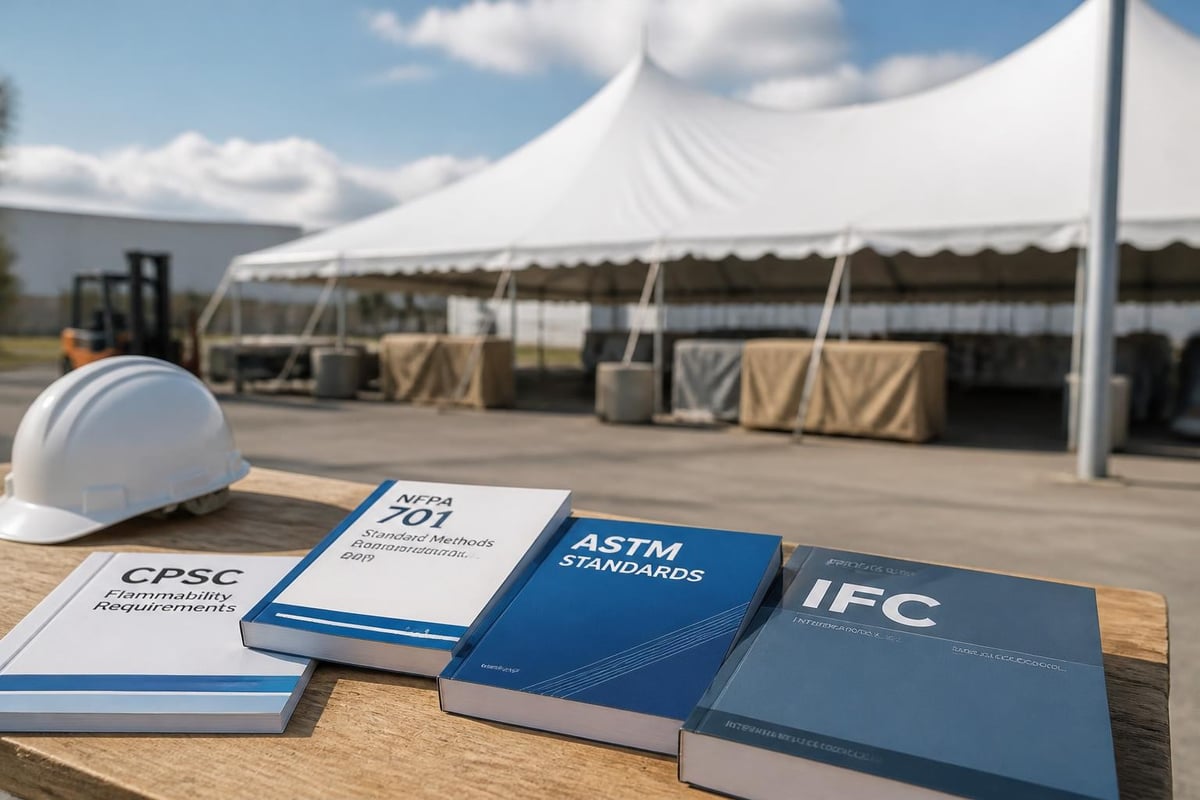
The CPSC has conducted extensive testing on tent flammability, examining how different fabrics and treatments perform under ignition scenarios. This research informs standards development and helps tent manufacturers select appropriate flame-retardant treatments.
Key fire safety standards include:
The National Fire Protection Association provides comprehensive guidance on tent installation, spacing, fire watch requirements, and egress planning. Tent manufacturers serving the event industry must ensure their products can achieve the necessary certifications for legal use in regulated venues.
Beyond fire concerns, tent manufacturers must consider structural safety under wind loads. The International Code Council establishes minimum standards for anchoring, wind resistance ratings, and installation practices.
Testing protocols evaluate:
Reputable tent manufacturers maintain detailed documentation of testing results and provide installation guidelines specifying maximum wind speed ratings and required anchoring methods for different soil conditions.
Production methods vary significantly among tent manufacturers based on scale, automation level, and product category. Understanding these processes illuminates the factors affecting quality, consistency, and cost.
Precision cutting forms the foundation of quality tent manufacturing. Computer-controlled cutting tables ensure accurate fabric panels while minimizing waste. Pattern development requires expertise in three-dimensional geometry, as flat fabric panels must assemble into complex curved or angular structures.
Experienced tent manufacturers maintain extensive pattern libraries refined through iterations and field testing. Small adjustments to panel shape dramatically affect final tension distribution, weather performance, and aesthetic appeal.
Tent manufacturers employ several techniques for joining fabric panels:
| Method | Advantages | Disadvantages | Typical Use |
|---|---|---|---|
| Lockstitch sewing | Strong, flexible, repairable | Creates holes, requires seam sealing | Most fabric tents, recreational use |
| High-frequency welding | Waterproof, no holes, fast | Limited to compatible materials | PVC tents, commercial applications |
| Ultrasonic welding | Clean seams, no adhesives | Equipment intensive, material specific | Technical fabrics, specialized products |
| Adhesive bonding | Waterproof, lightweight | Temperature sensitive, difficult repair | Cuben fiber, DCF tents |
Canvas tents traditionally use heavy-duty lockstitch sewing with waxed or bonded thread resistant to UV degradation and moisture absorption. Thread weight, stitch density, and seam type (flat-felled, overlapped, reinforced) significantly impact longevity.
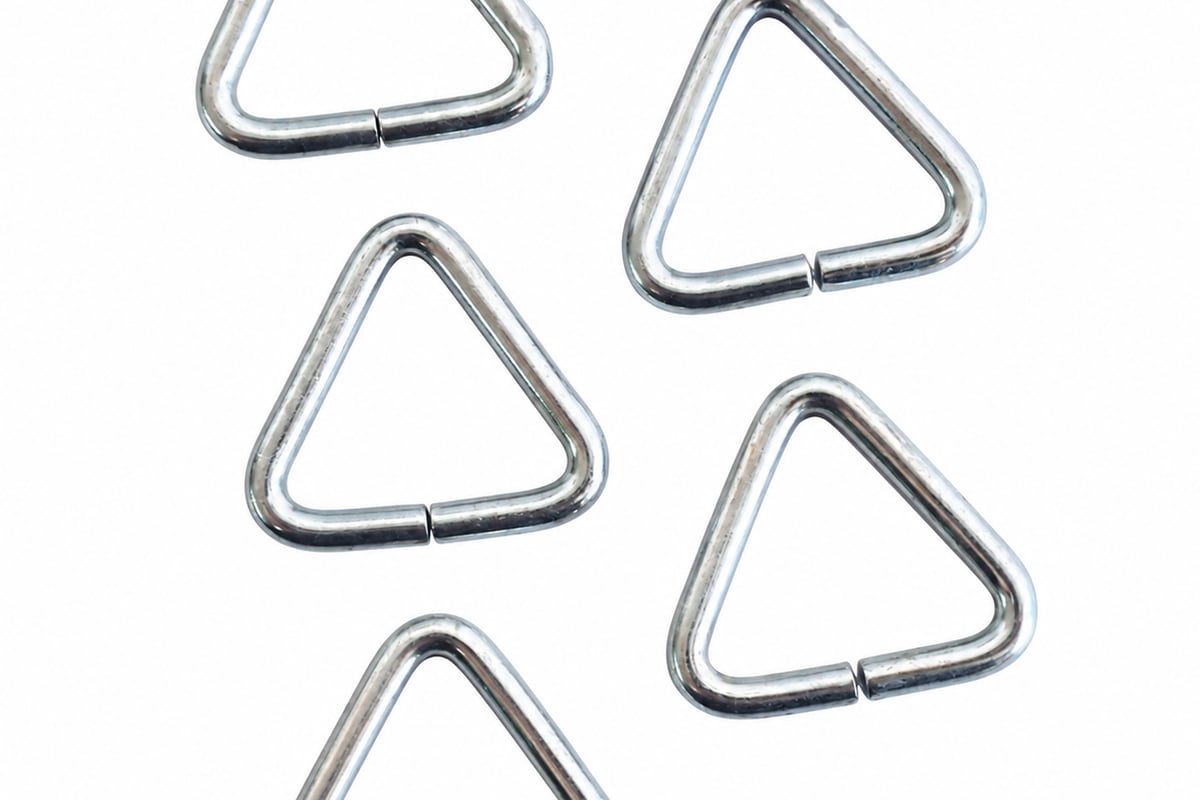
The durability of tent construction often depends on small but critical details. Tent manufacturers with rigorous quality control processes pay careful attention to connection points where fabric meets hardware. Heavy duty tent hooks and metal fasteners must attach securely to fabric through reinforced patches or grommets that distribute stress across larger areas, preventing tearing under tension.
Leading tent manufacturers implement multi-stage inspection processes:
Some manufacturers conduct field testing, exposing prototype tents to real-world conditions over extended periods to identify weaknesses before full production runs.
While mass-market tent manufacturers focus on standardized products optimizing cost and broad appeal, a significant segment specializes in custom solutions for unique requirements. These manufacturers work closely with clients to develop tents meeting specific dimensional, environmental, or functional criteria.
Military specifications represent some of the most demanding requirements in tent manufacturing. These tents must deploy rapidly, withstand extreme conditions, support decontamination protocols, and integrate with other field equipment. Manufacturers serving this sector invest in specialized materials offering chemical resistance, flame retardancy, infrared signature reduction, and electromagnetic shielding.
Emergency response and disaster relief applications require different optimizations. Tent manufacturers producing humanitarian shelters prioritize rapid deployment, minimal weight for air transport, intuitive assembly by untrained users, and low cost enabling large-scale procurement.
Commercial event tent manufacturers operate at much larger scales than recreational camping producers. A single event marquee may exceed 500 square meters, requiring specialized engineering, transport logistics, and installation expertise.
These structures incorporate features uncommon in camping tents:
The tent rental industry relies heavily on manufacturers producing durable, reusable structures capable of hundreds of installations over multi-year service lives. This demands higher-grade materials and more robust construction than single-use camping tents.
Tent manufacturers navigate complex global supply chains sourcing fabrics, hardware, and components from specialized suppliers. Vertical integration varies widely, with some manufacturers weaving their own fabrics while others source all materials externally.
Beyond fabric, tent manufacturers depend on reliable suppliers for:
Quality tent manufacturers establish long-term relationships with component suppliers, often specifying custom variations optimized for their particular applications. Outdoor fabrics represent the most significant cost component, typically accounting for 40-60% of material expenses in finished tents.
Environmental consciousness increasingly influences tent manufacturing practices. Forward-thinking manufacturers investigate:
Some tent manufacturers now offer take-back programs, recovering old tents for material recycling or repurposing into secondary products like stuff sacks or ground cloths.
The tent manufacturing industry continues evolving with new materials, manufacturing techniques, and design approaches emerging regularly. Several trends are reshaping the sector in 2026.
Integration of electronic systems represents a growing category, with tent manufacturers incorporating:
These features particularly appeal to luxury camping and "glamping" markets where tent manufacturers compete on comfort and convenience rather than minimal weight.
Material science breakthroughs enable tent manufacturers to achieve previously impossible performance combinations. Developments include:
While many of these technologies remain expensive for mass-market application, tent manufacturers serving premium segments increasingly adopt cutting-edge materials to differentiate their products.
Flexibility represents a valuable attribute, with tent manufacturers developing systems allowing users to modify configuration based on group size, weather conditions, or intended use. Modular designs employ standardized connection systems enabling multiple tents to link together or vestibules and annexes to attach as needed.
This approach particularly benefits families whose camping group size changes over time and commercial operators who need versatile inventory serving varied client requirements.
For businesses, organizations, and serious outdoor enthusiasts seeking custom or bulk tent solutions, choosing the appropriate tent manufacturer requires careful evaluation of multiple factors beyond initial price.
When evaluating tent manufacturers, consider:
For organizations like event venues, parks, or outdoor programs, working with tent manufacturers who understand local code requirements and permitting processes provides significant value beyond the physical product.
The best outcomes typically emerge from collaborative relationships where tent manufacturers actively engage in understanding client needs rather than simply executing orders. Clear communication about intended use, environmental conditions, frequency of deployment, storage constraints, and budget parameters enables manufacturers to recommend optimal solutions.
Requesting samples or visiting manufacturing facilities when possible provides valuable insight into production quality and manufacturer capabilities. Observing fabric inspection, seam construction, and quality control processes reveals far more than specifications alone.
Understanding how tent manufacturers operate, the standards they follow, and the technologies they employ empowers better purchasing decisions and deeper appreciation for the engineering in every shelter. Whether you need camping gear for personal adventures or commercial structures for large events, selecting quality manufacturers ensures reliable performance when it matters most. Ejenti Outdoor brings South African manufacturing expertise to outdoor solutions, combining durable materials, rigorous construction standards, and deep understanding of local conditions to deliver tents and outdoor products built for real-world performance.