
Setting up a tent is only half the battle when it comes to outdoor adventures. The way you organize and manage the inside tent environment directly impacts your comfort, safety, and overall camping experience. Whether you're embarking on a weekend camping trip or establishing a semi-permanent outdoor accommodation setup, understanding how to optimize your tent's interior creates a foundation for successful outdoor living. This comprehensive guide explores everything from layout strategies and ventilation techniques to safety protocols and storage solutions that transform a basic shelter into a comfortable outdoor home.
The interior layout of your tent determines how efficiently you can move, sleep, and store your gear. Smart organization starts with understanding your tent's dimensions and how to divide the space based on your specific needs.
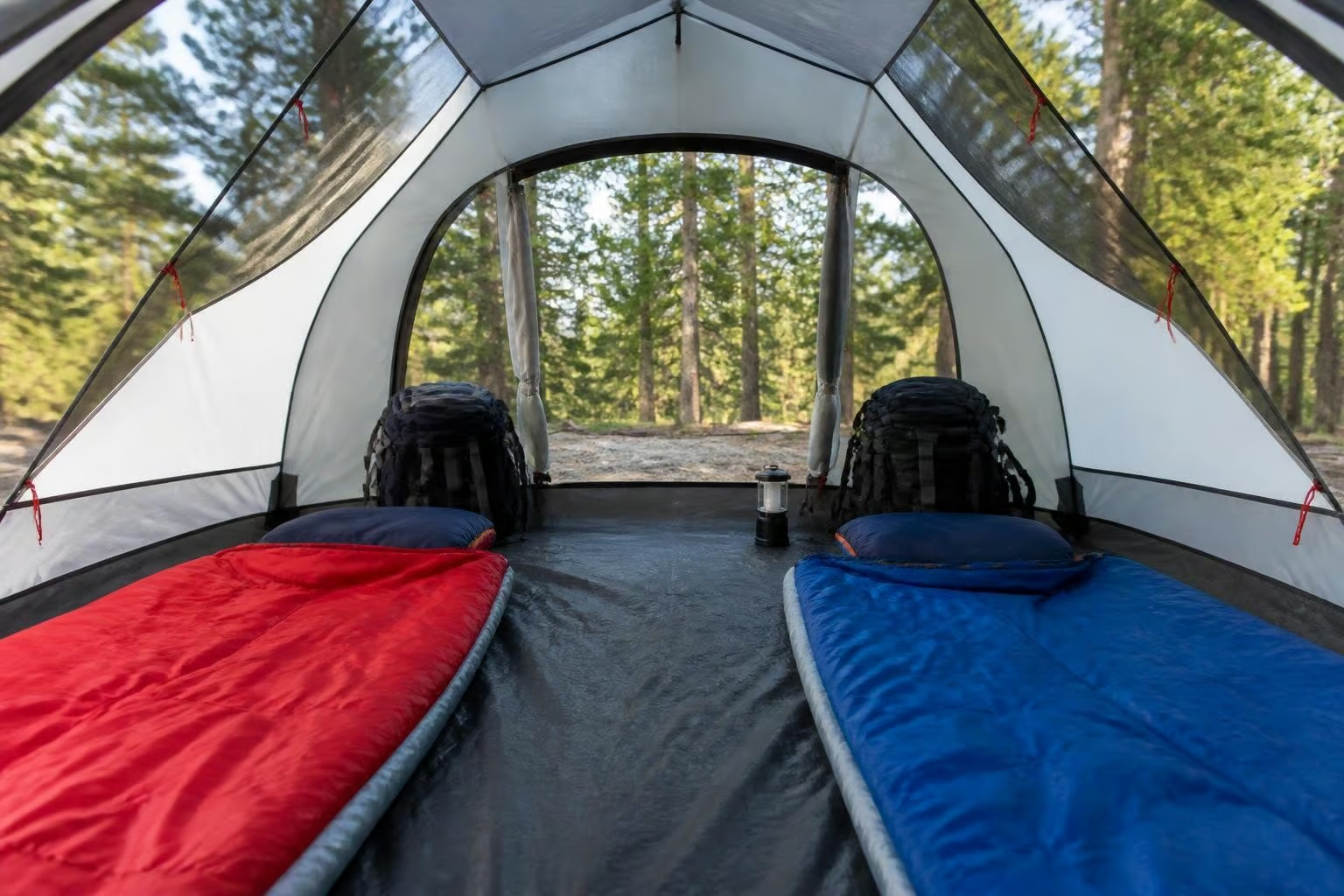
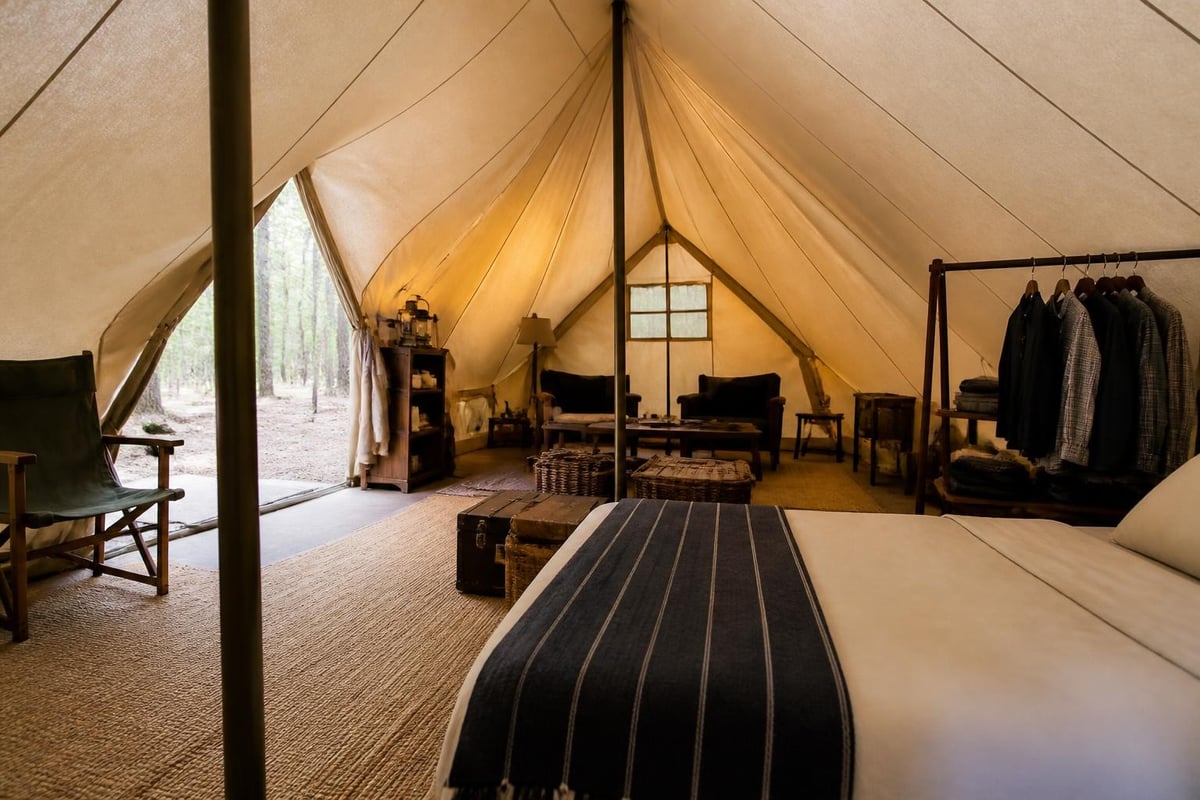
Creating distinct zones inside tent spaces helps maintain order and functionality. Designate specific areas for sleeping, storage, and living activities. Most campers benefit from establishing a clean sleeping zone at the rear of the tent, a gear storage area near the entrance, and a small transitional space for removing dirty boots and wet clothing.
Key zoning principles include:
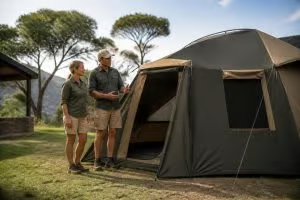
The two-room configuration found in larger safari tents provides natural separation between sleeping and living areas. This design creates privacy and allows you to organize equipment without cluttering your rest space.
Many campers overlook the vertical dimension inside tent setups. Utilize hanging organizers, gear lofts, and attachment points along the tent's ridge line to store lightweight items overhead.
| Storage Method | Best For | Capacity |
|---|---|---|
| Gear loft | Clothing, small electronics | 2-5 kg |
| Hanging organizer | Toiletries, flashlights | 1-3 kg |
| Ridge line hooks | Headlamps, towels | 0.5-2 kg |
| Corner pockets | Documents, small tools | 0.5-1 kg |
Proper airflow inside tent environments prevents condensation, reduces stuffiness, and maintains comfortable temperatures. Poor ventilation leads to moisture buildup on tent walls, dampness in sleeping bags, and an uncomfortable sleeping environment.
Position intake and exhaust vents to create continuous airflow. Open mesh windows on opposite sides of your tent to establish cross-ventilation that naturally moves fresh air through the space. During warmer months, this technique significantly reduces interior temperatures.
Ground-level vents should remain open during most conditions. These allow cooler, denser air to enter while warm air escapes through roof vents. Even in rain, properly designed awnings and vent covers protect these openings while maintaining airflow.
Condensation occurs when warm, moist air contacts cooler tent surfaces. This happens frequently inside tent setups during temperature fluctuations between day and night. The moisture comes from breathing, wet gear, and temperature differences.
Condensation prevention strategies:
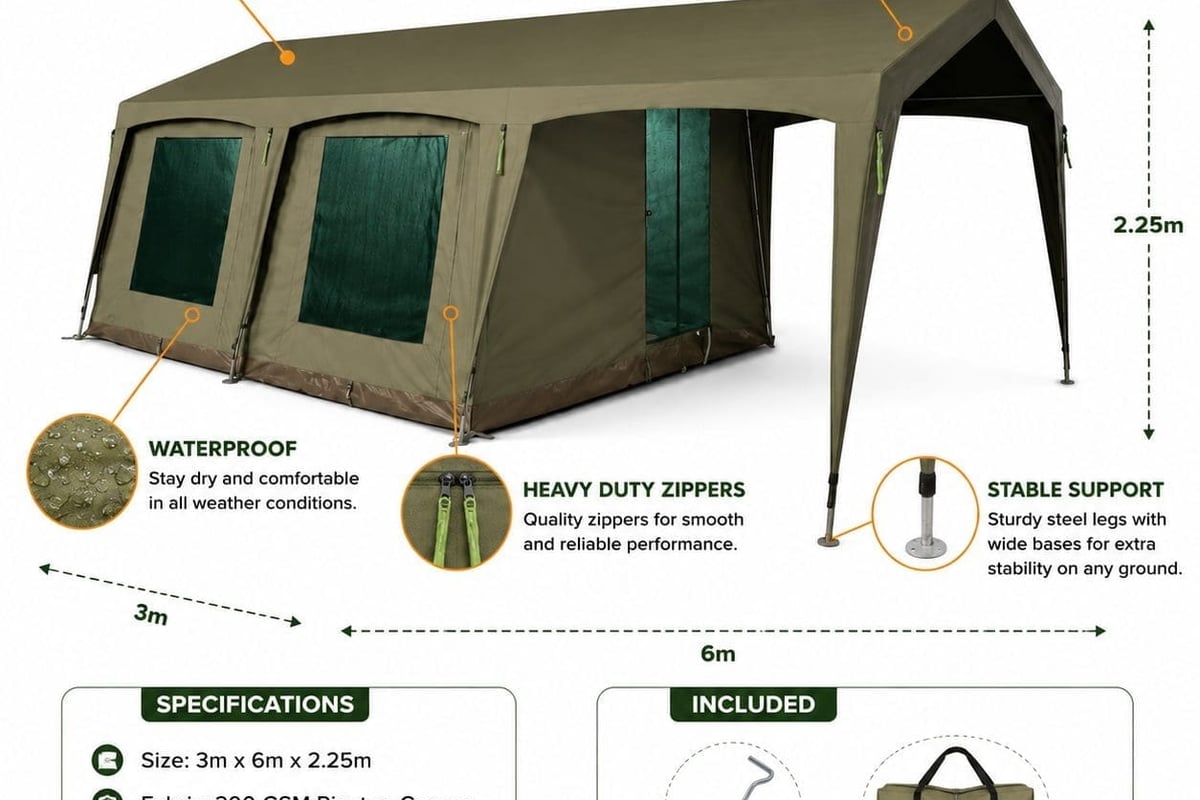
Canvas tents offer natural breathability that helps regulate moisture. The fabric allows water vapor to escape while remaining waterproof to external rain. When selecting materials for outdoor accommodation, understanding these properties matters significantly. For instance, the 3m x 6m Safari Lodge Tent Two Room Waterproof Canvas Tent South Africa uses 300 GSM ripstop canvas that balances waterproofing with breathability, making it ideal for extended outdoor stays where interior comfort matters.
Safety inside tent environments requires awareness of fire hazards, carbon monoxide risks, and emergency preparedness. Understanding and following established safety guidelines protects occupants and prevents accidents.
According to NFPA safety requirements for tents and temporary structures, maintaining proper clearances from heat sources and following fire safety protocols remains critical. Never use open flames inside tent spaces without proper ventilation and safety equipment.
The CAL FIRE camping safety guidelines emphasize keeping cooking equipment outside tents and maintaining awareness of flammable materials. Store fuel canisters, matches, and accelerants outside your sleeping area in weatherproof containers.
Burning fuel releases carbon monoxide, an odorless gas that can be deadly in enclosed spaces. Never operate gas stoves, heaters, or generators inside tent structures without adequate ventilation. Battery-powered carbon monoxide detectors designed for camping provide affordable protection for overnight stays.
Safe heating and cooking practices:
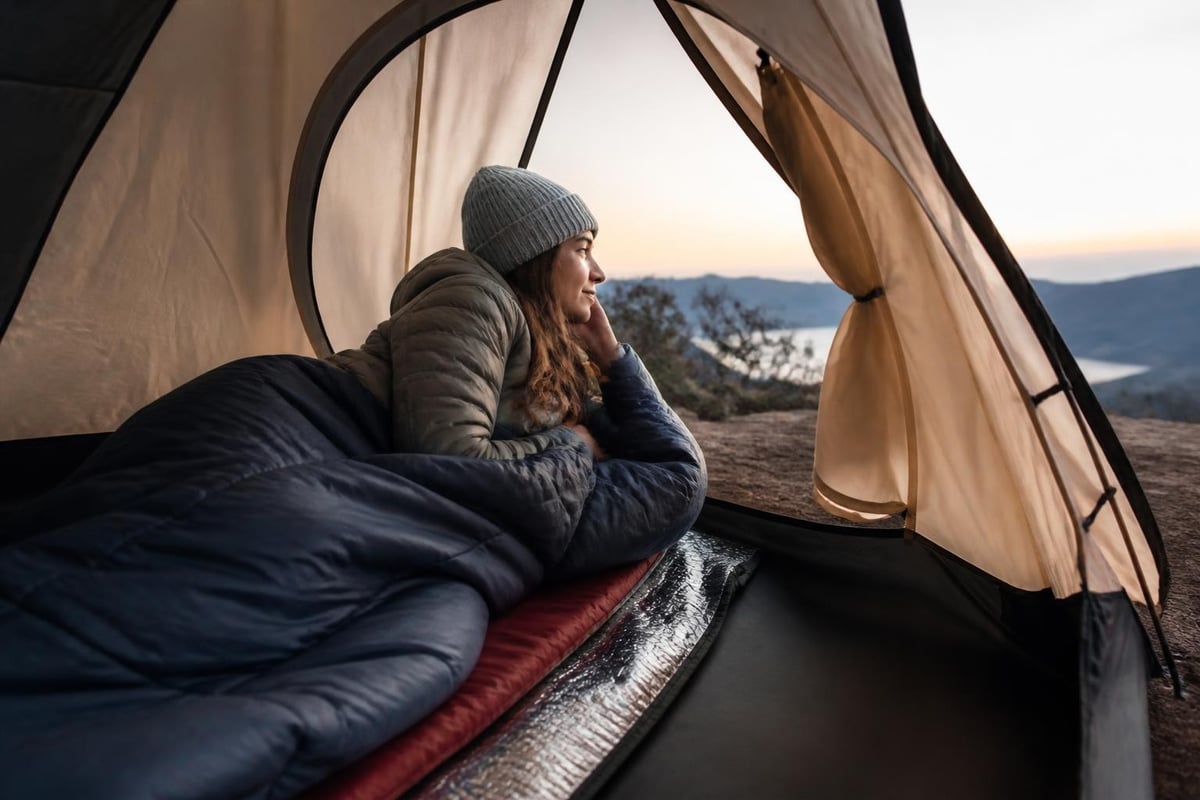
Creating comfortable sleeping conditions inside tent setups involves managing temperature, moisture, and insulation. The right combination of gear and techniques ensures restful nights regardless of external conditions.
Cold ground draws heat from your body faster than cold air. Proper insulation between you and the tent floor makes the difference between comfortable sleep and shivering nights.
| Insulation Type | R-Value | Best Season | Weight |
|---|---|---|---|
| Foam pad | 2.0-3.0 | Spring/Summer | Light |
| Self-inflating | 3.0-5.0 | Three-season | Medium |
| Inflatable | 5.0-8.0 | Winter | Light-Medium |
| Cot with pad | 4.0-6.0 | All seasons | Heavy |
Layer insulation for maximum effect. Use a ground cloth beneath your tent, add a thick foam pad or cot, then top with your sleeping pad. This multi-layer approach creates dead air spaces that trap heat.
Temperature fluctuations challenge comfort inside tent environments. During hot days, position your tent in shade and maximize ventilation. Reflective tarps above the tent roof create air gaps that reduce heat transfer.
Cold nights require different strategies. Close vents partially to retain warmth while maintaining minimum airflow. Use sleeping bag liners to add 5-10 degrees of warmth without carrying heavier bags.
Efficient storage inside tent spaces keeps gear accessible while maximizing living space. Organized systems reduce time spent searching for items and prevent damage to equipment.
Group items by function and frequency of use. Store daily essentials in easily accessible locations, while backup gear and clothing can occupy less convenient spaces.
Storage categories to establish:
Waterproof stuff sacks and dry bags protect belongings from moisture. Color-code bags by category for quick identification in low light conditions. Clear bags work well for items you need to locate visually.
Dirt and debris accumulate quickly inside tent environments. Establish a "shoes-off" policy at the entrance to minimize tracked-in soil. Keep a small brush or dustpan near the door for quick sweeping before bedtime.
Use a ground cloth both under and inside your tent for easy cleaning. Interior ground cloths can be removed and shaken out daily. This practice extends tent life by reducing wear on the floor fabric.
Proper lighting inside tent setups enhances safety, comfort, and functionality during evening hours. Multiple light sources at different intensities provide flexibility for various activities.
Overhead lights provide general illumination for moving around and organizing gear. Hang LED lanterns from the tent's peak using carabiners or built-in loops. Position lights toward tent walls for indirect, softer illumination that reduces glare.
Task lighting helps with specific activities like reading, cooking, or equipment maintenance. Headlamps offer hands-free operation, while clip-on reading lights attach to tent poles or gear loft edges.
Recommended lighting setup:
Battery-powered options eliminate fire hazards inside tent spaces. Solar-rechargeable lights reduce battery waste on extended trips. Some modern canvas tents include electrical access points for powered lighting systems.
Keeping insects and small animals out of your tent interior requires vigilance and proper sealing techniques. Even small gaps allow mosquitoes, flies, and other pests to enter.
Mesh doors and windows form your primary defense against insects. Keep all zippers fully closed when not entering or exiting. Check for tears or holes in mesh panels and repair them immediately with tent repair tape.
Ground-level gaps invite crawling insects. Ensure your tent floor connects completely to the walls without gaps. Weight down tent edges or use integrated bathtub floors that curve upward to create sealed barriers.
According to the EPA and CDC joint guidance on insect repellents, EPA-registered products provide effective protection when used correctly. Apply repellents to skin and clothing before entering your tent rather than spraying inside tent spaces.
Natural deterrents like citronella candles work better outside the tent perimeter. Essential oils applied to tent guy lines may help discourage some insects, though effectiveness varies. Focus on physical barriers as your primary defense.
Protecting the inside tent environment from weather requires proper setup, quality materials, and ongoing maintenance. Weather-resistant design keeps you dry and comfortable during storms.
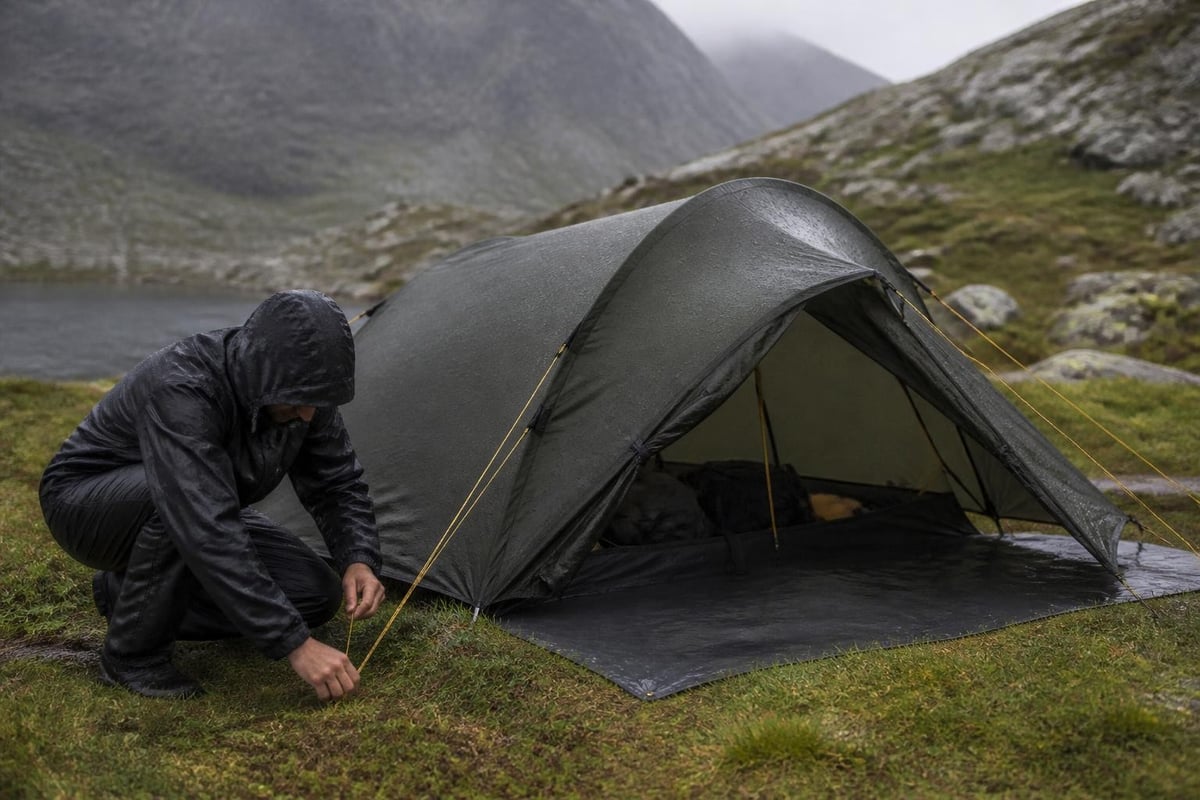
Waterproof flysheets create the first barrier against rain. Ensure adequate clearance between the fly and inner tent walls to prevent contact that transfers moisture. Stake out the fly taut to prevent sagging and water pooling.
Guy lines and tensioning systems keep fabric tight during wind and rain. Properly tensioned tents shed water more effectively than loose, flapping structures. Adjust guy lines as weather changes, tightening during rain and loosening slightly during dry spells.
Water intrusion prevention checklist:
Strong winds stress tent structures and create uncomfortable conditions inside tent spaces. Stake out all anchor points using appropriate stakes for your ground conditions. Sand stakes differ from rocky-ground stakes in design and holding power.
Orient tent doors away from prevailing winds when possible. This positioning reduces wind entering when you open doors and minimizes stress on zippers. Use windbreaks like natural terrain features or equipment to create calmer zones around your tent.
Managing privacy and sound inside tent setups becomes important in group camping situations or extended stays. Simple techniques create more comfortable living conditions.
Canvas naturally absorbs more sound than synthetic fabrics. Thicker materials reduce noise transmission from outside. When camping near others, awareness of noise levels shows consideration and improves everyone's experience.
Establish quiet hours and communicate them clearly if camping in groups. Keep voices low inside tent spaces, especially during early morning and evening hours. Electronic devices should use headphones rather than speakers.
Multi-room tents or dividers allow privacy in shared accommodations. Hanging fabric panels or portable room dividers segment larger tent interiors. These solutions work particularly well for families or groups on extended trips.
Position sleeping areas away from main entrances and high-traffic zones. This placement provides psychological privacy even without physical barriers. Respect others' designated spaces within shared tent environments.
Regular care extends tent life and maintains comfort inside tent environments. Simple daily practices prevent larger problems from developing.
Wipe condensation from tent walls using a microfiber cloth. This prevents water from dripping onto gear throughout the day. Open all vents and doors to air out the tent interior, allowing moisture to escape and fresh air to circulate.
Shake out sleeping bags and air them in sunlight when possible. This practice eliminates moisture absorbed during the night and reduces odor buildup. Fluff pillows and rearrange bedding to prevent compression damage.
Daily maintenance tasks:
Before settling in for the night, prepare your inside tent space for safe, comfortable sleep. Ensure flashlights and headlamps have charged batteries and are positioned within reach. Close and secure all entry points except necessary ventilation openings.
Review weather forecasts and adjust ventilation accordingly. Anticipated temperature drops may require closing vents partially, while warm, humid nights benefit from maximum airflow. Place frequently needed items like water bottles and medication in easily accessible locations.
Seasonal changes demand different approaches to inside tent management. Adapting your setup ensures comfort regardless of external conditions.
Hot weather prioritizes airflow and shade. Remove unnecessary layers like tent footprints that trap heat. Maximize ventilation by opening all mesh panels and creating cross-breezes. Light-colored tents reflect more sunlight than dark fabrics.
Store ice in coolers inside the tent to reduce ambient temperature slightly. Position cooling items strategically but ensure they don't create tripping hazards. Limit activities inside tent spaces during peak heat hours, using the shelter primarily for sleeping.
Cold weather requires opposite strategies. Minimize ventilation while maintaining enough airflow to prevent dangerous carbon monoxide buildup and excessive condensation. Use ground cloths and additional insulation layers beneath sleeping areas.
Four-season tents designed for winter camping include features like snow skirts and stronger pole systems. If using three-season tents in cold conditions, add external windbreaks and consider heating strategies that don't create safety hazards. For year-round outdoor solutions, explore the full range of equipment available at Ejenti Outdoor.
| Season | Ventilation Level | Floor Insulation | Key Challenge |
|---|---|---|---|
| Summer | Maximum | Minimal | Heat management |
| Spring | Moderate-High | Light-Moderate | Variable weather |
| Fall | Moderate | Moderate-Heavy | Moisture control |
| Winter | Minimal-Safe | Maximum | Cold retention |
When multiple people share tent interiors, additional considerations ensure everyone remains comfortable and conflicts stay minimal.
Before beginning your trip, discuss expectations about cleanliness, noise levels, sleep schedules, and personal space. Clear communication prevents most conflicts. Designate specific storage areas for each person to avoid gear mixing and confusion.
Rotate responsibilities for shared tasks like sweeping, ventilation management, and gear organization. Fair distribution of work maintains positive group dynamics during extended trips.
Even in close quarters, respect for personal space remains important. Avoid touching others' gear without permission. Maintain awareness of your movements to prevent disturbing sleeping tentmates. Use headlamps pointed downward to minimize light intrusion.
Communicate openly about comfort levels with temperature, ventilation, and sleeping arrangements. What feels comfortable to one person may be unpleasant for another. Finding compromises ensures everyone enjoys the experience.
Optimizing your inside tent environment transforms basic shelter into comfortable outdoor accommodation through thoughtful organization, proper ventilation, and safety awareness. Whether you're planning a weekend camping adventure or extended outdoor stay, applying these principles creates living spaces that protect against weather while maintaining comfort and functionality. Ejenti Outdoor provides durable canvas tents, camping equipment, and outdoor solutions specifically engineered for South African conditions, helping you build reliable shelter systems that perform when it matters most.