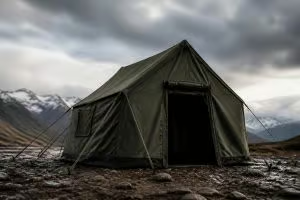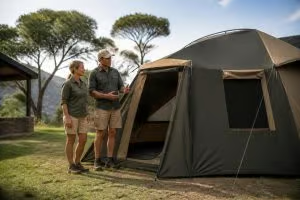

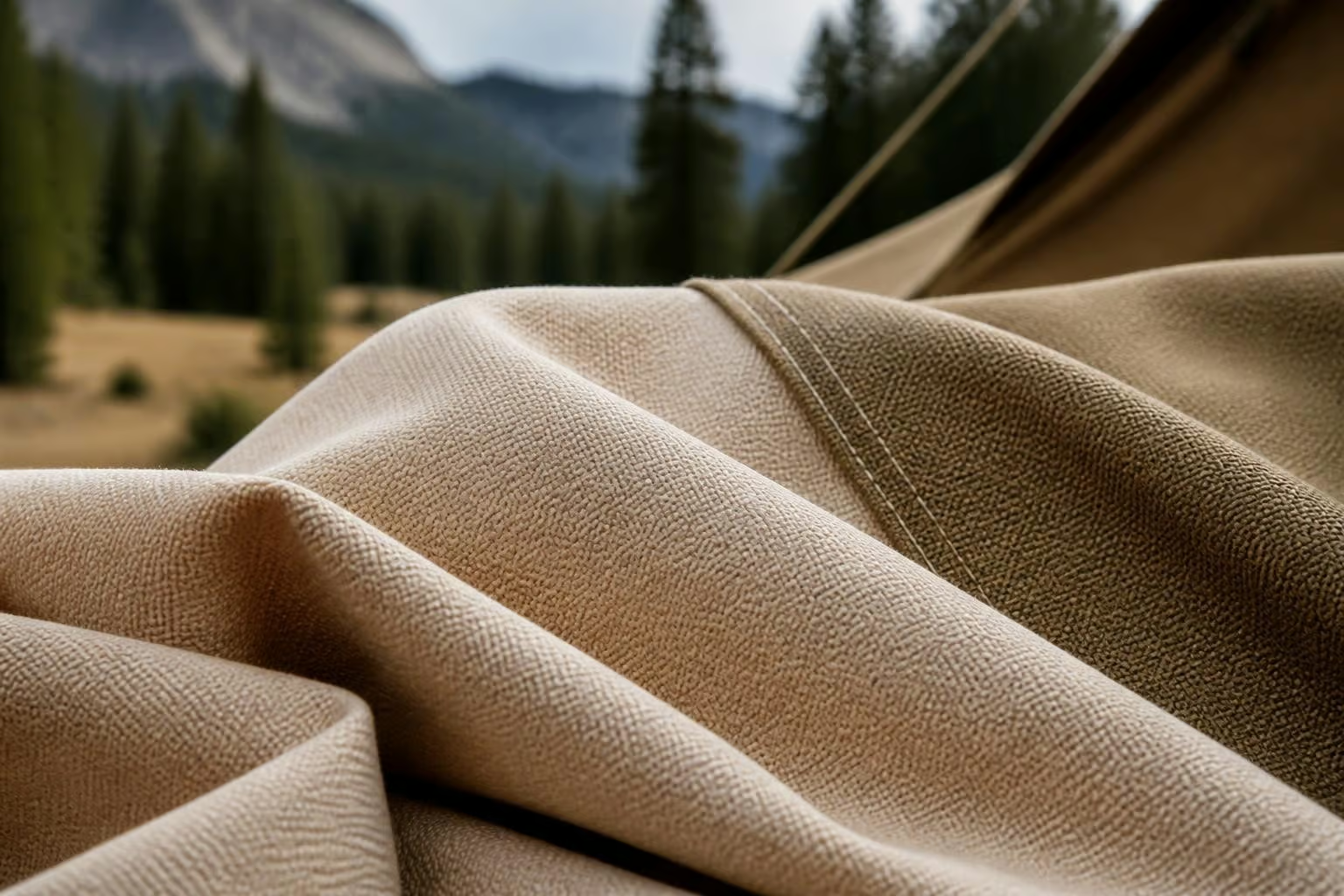
Choosing the right tent canvas material makes the difference between a shelter that lasts decades and one that fails after a single season. Whether you're outfitting a safari camp, planning extended camping trips, or setting up semi-permanent outdoor accommodations, understanding canvas fabric properties helps you make informed decisions. This guide explores the construction, treatments, and performance characteristics that define quality tent canvas material, with practical insights for South African conditions and outdoor applications.
The foundation of any quality tent canvas material begins with its weave pattern and fiber composition. Traditional canvas uses a plain weave structure where warp and weft threads cross in an alternating over-under pattern, creating a tight, stable fabric that resists tearing and maintains its shape under tension.
Cotton remains the classic choice for tent canvas material because of its natural breathability and comfort. Cotton fibers absorb moisture without feeling wet to the touch, allowing condensation to disperse through the fabric rather than dripping inside the tent. This characteristic makes cotton canvas particularly suitable for extended stays and humid climates.
Key advantages of cotton canvas include:
The fabric weight, measured in grams per square meter (GSM), directly impacts performance. Lightweight cotton canvas typically ranges from 250 to 300 GSM, while heavy-duty options exceed 400 GSM for maximum durability.
Modern tent canvas material frequently incorporates synthetic fibers or protective coatings to enhance specific performance characteristics. Polyester and polycotton blends combine cotton's breathability with synthetic fibers' resistance to mildew, rot, and UV degradation.
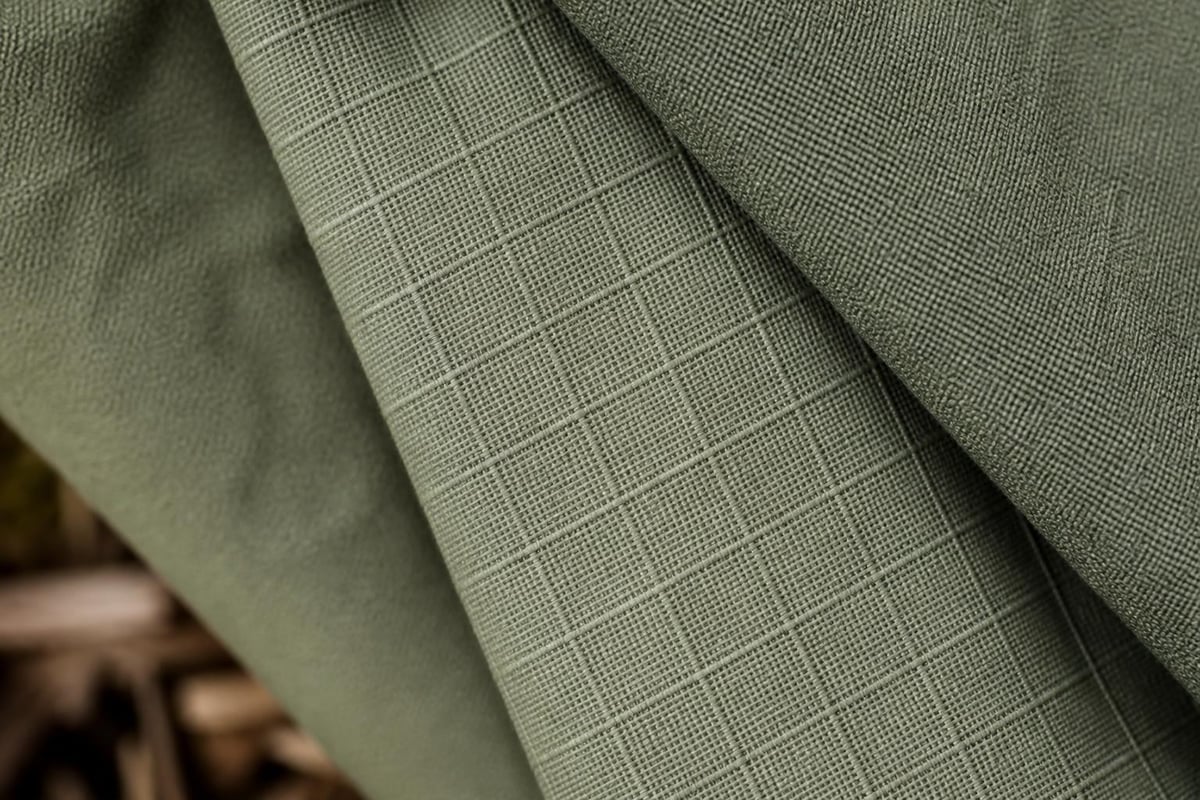
Ripstop canvas integrates reinforcement threads in a crosshatch pattern throughout the weave. These heavier threads stop tears from propagating across the fabric, significantly improving tear resistance without substantially increasing weight. The National Park Service references ripstop specifications in their canvas tent guidelines, recognizing the material's proven field performance.
Raw tent canvas material requires treatment to achieve weather resistance. Understanding waterproofing methods helps you evaluate fabric performance and maintenance requirements for different outdoor conditions.
Waterproofing effectiveness is measured by hydrostatic head testing, which determines how much water pressure fabric withstands before leaking. The test involves placing fabric under a column of water and measuring the height at which three drops penetrate within one minute. The ISO 811:2018 standard provides the detailed methodology used worldwide for these measurements.
| Hydrostatic Head | Performance Level | Typical Applications |
|---|---|---|
| 800-1,500mm | Light rain resistant | Fair-weather camping, temporary shelters |
| 1,500-3,000mm | Moderate waterproofing | General camping, seasonal use |
| 3,000-5,000mm | High waterproofing | Extended outdoor use, variable conditions |
| 5,000mm+ | Maximum protection | Extreme weather, permanent installations |
Quality tent canvas material for South African conditions typically achieves 3,000mm or higher ratings to handle intense summer storms and seasonal rainfall.
Waterproofing treatments fall into two main categories: impregnation and coating. Impregnation involves treating individual fibers with hydrophobic compounds that repel water while maintaining breathability. Wax-based treatments and fluoropolymer applications are common impregnation methods.
Coating applies a waterproof layer to one or both fabric surfaces. Acrylic, polyurethane, and silicone coatings create a barrier that blocks water penetration. While highly effective for waterproofing, coatings reduce breathability compared to impregnated tent canvas material.
Protective treatments beyond waterproofing include:
The NFPA provides comprehensive fire safety standards applicable to treated canvas used in temporary structures and public accommodations, which many commercial operators must meet.
The lifespan of tent canvas material depends on construction quality, environmental exposure, and maintenance practices. Understanding deterioration mechanisms helps you maximize fabric longevity and plan replacement cycles.
Ultraviolet radiation represents the primary threat to canvas longevity in outdoor applications. UV energy breaks down fiber molecular bonds, weakening fabric structure and causing discoloration. Cotton naturally resists UV better than many synthetics, but prolonged exposure still causes degradation.
Research published in Heritage Science examining canvas aging demonstrates how UV exposure, combined with moisture cycles and temperature fluctuations, accelerates fiber breakdown. Their accelerated aging studies provide valuable insight into how different canvas treatments perform over time.
Canvas positioned in full South African sun experiences more rapid degradation than shaded installations. Quality tent canvas material with UV-resistant treatments typically maintains structural integrity for five to ten years under continuous exposure, while shaded or seasonally-used fabric often lasts fifteen years or more.
Moisture management directly impacts tent canvas material performance and longevity. While waterproof treatments prevent rain penetration, they don't eliminate the need for proper ventilation and drying. Canvas stored wet develops mildew, which feeds on cotton fibers and causes permanent damage.
Essential maintenance practices include:
Proper tensioning during setup also affects longevity. Loose canvas flaps in wind, causing abrasion and stress on seams, while over-tensioned fabric experiences excessive strain that can tear at stress points.
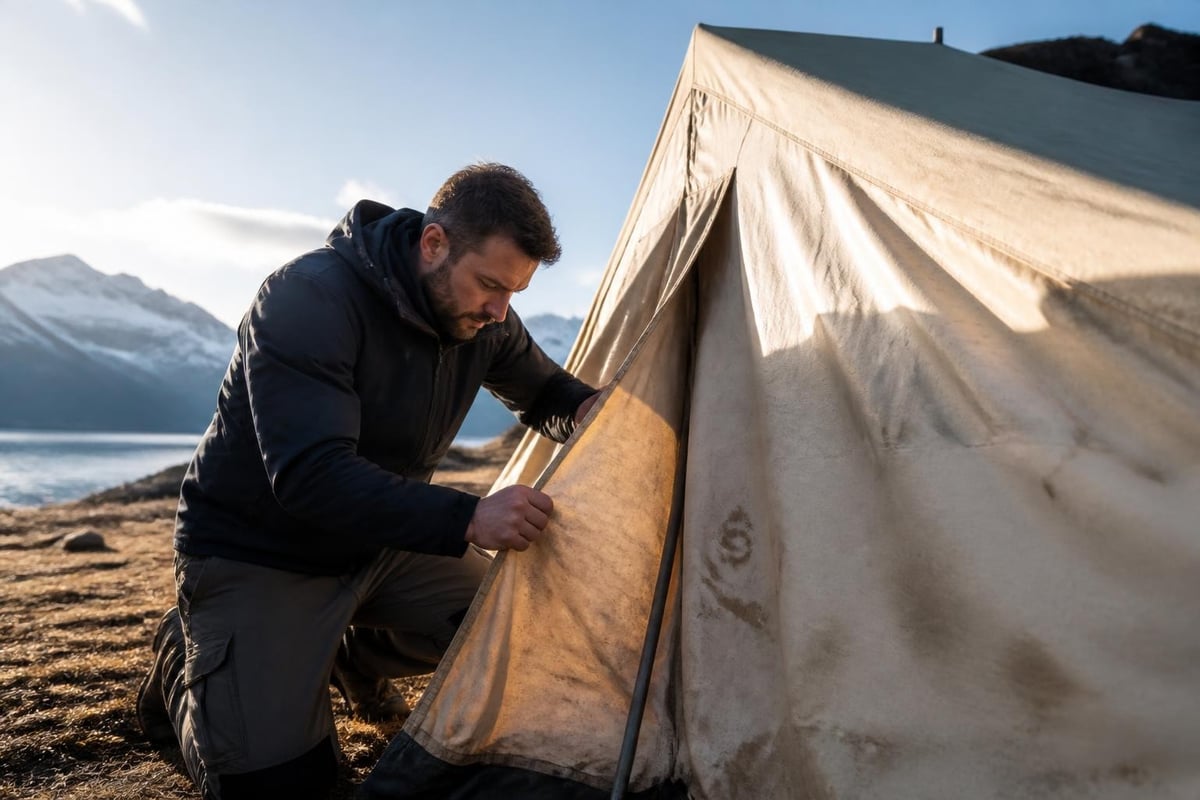
Selecting appropriate tent canvas material weight requires balancing durability, portability, and intended use. Heavier fabrics offer superior longevity but increase transportation requirements and setup complexity.
Canvas in the 250-300 GSM range provides adequate performance for seasonal camping and temporary shelters. This tent canvas material offers reasonable tear resistance and weather protection while remaining manageable for frequent setup and takedown.
Lightweight canvas suits recreational camping, hiking expeditions, and applications where portability outweighs maximum durability. The reduced weight simplifies transportation and handling, making it practical for mobile operations and individual users.
Canvas exceeding 400 GSM delivers exceptional durability for semi-permanent camps, safari lodges, and commercial outdoor accommodations. The increased fabric density provides superior tear and puncture resistance, extended UV tolerance, and better insulation properties.
Heavy-duty tent canvas material withstands the mechanical stress of extended tensioning, high winds, and regular use without showing significant wear. When properly maintained, premium-weight canvas provides reliable service for decades in demanding outdoor environments.
| Canvas Weight | Typical Thickness | Best Applications | Durability Rating |
|---|---|---|---|
| 250-280 GSM | 0.35-0.40mm | Recreational camping, weekend trips | Moderate |
| 300-350 GSM | 0.45-0.50mm | Regular camping, seasonal setups | Good |
| 380-450 GSM | 0.55-0.65mm | Extended use, commercial camping | Very Good |
| 500+ GSM | 0.75mm+ | Permanent camps, extreme conditions | Excellent |
Modern outdoor enthusiasts increasingly consider the environmental impact of tent canvas material choices. Understanding the lifecycle implications of different fabrics informs sustainable purchasing decisions.
Cotton cultivation carries significant environmental considerations, including water consumption, pesticide use, and land requirements. A comprehensive review in Nature Reviews Earth & Environment synthesizes research on cotton's environmental footprint, highlighting both challenges and improvement pathways in sustainable cotton production.
Organic cotton represents one alternative that eliminates synthetic pesticides and fertilizers, though it typically requires more land area for equivalent yields. The choice between conventional and organic cotton for tent canvas material involves weighing immediate environmental impact against production efficiency.
Durability itself represents a crucial sustainability factor. Tent canvas material that lasts twenty years requires far fewer resources over its lifetime than fabric needing replacement every five years. Quality canvas, properly maintained, delivers superior environmental performance through extended service life that amortizes production impact over decades of use.
Natural fiber canvas also offers end-of-life advantages. Cotton decomposes naturally, while synthetic alternatives persist in landfills or require energy-intensive recycling processes. However, chemical treatments applied to canvas complicate disposal and decomposition.
Advanced tent canvas material incorporates specialized treatments that enhance performance for specific applications and demanding conditions found across South African outdoor environments.
Safety regulations for commercial and public camping often mandate flame-resistant tent canvas material. Chemical flame retardants modify fabric combustion characteristics, causing treated canvas to self-extinguish rather than sustain flames.
Durable flame retardant treatments bond chemically with fibers and maintain effectiveness through washing and weathering. These permanent treatments cost more but eliminate the need for periodic re-treatment. Topical flame retardants offer lower initial cost but require regular reapplication to maintain protection.
Installations requiring secure fastening benefit from quality hardware designed for canvas applications. When setting up semi-permanent structures, heavy-duty tent hooks and metal fasteners provide reliable attachment points that withstand the mechanical stress and environmental exposure canvas shelters experience over extended deployment periods.
Warm, humid conditions promote microbial growth on organic tent canvas material. Antimicrobial treatments incorporate biocides that inhibit bacteria, mold, and mildew colonization. These treatments protect fabric integrity and prevent the musty odors associated with microbial contamination.
Silver-based antimicrobials offer broad-spectrum protection with minimal environmental impact compared to some traditional biocides. Zinc pyrithione represents another effective antimicrobial agent frequently used in outdoor fabric treatments.
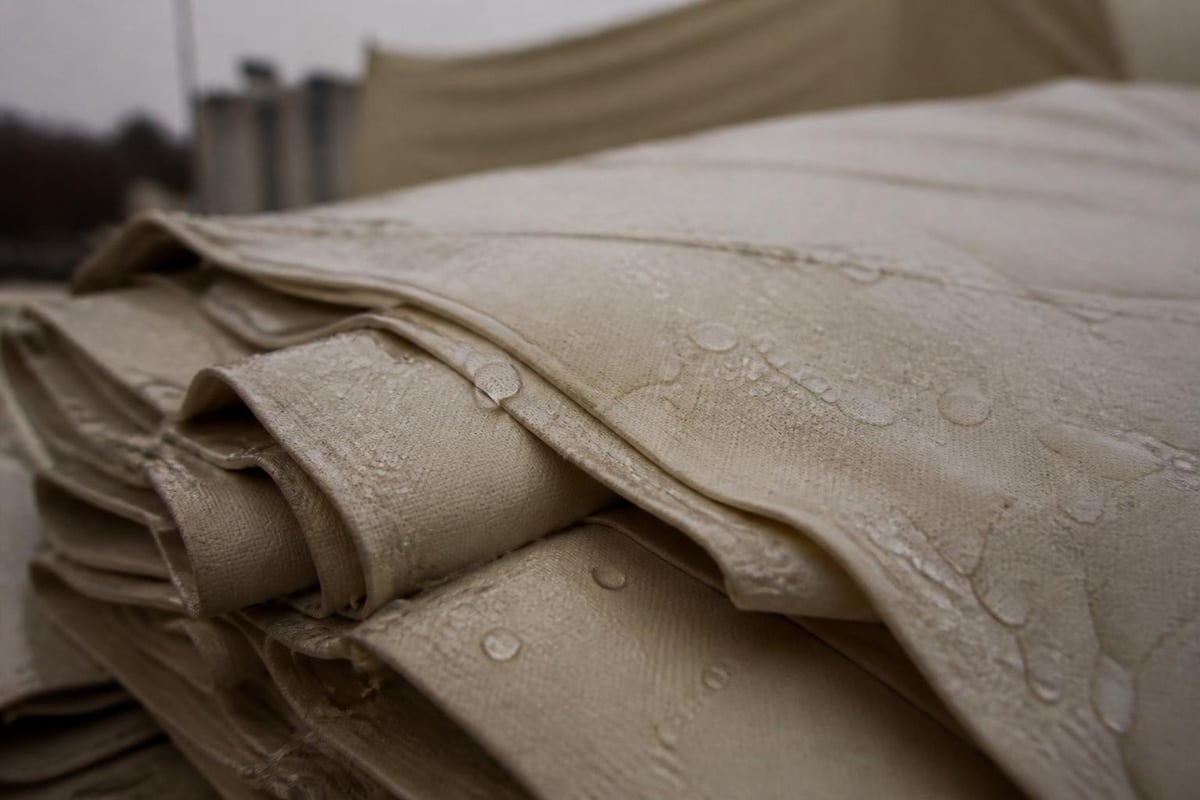
Evaluating tent canvas material requires understanding how it compares to synthetic alternatives like polyester, nylon, and PVC-coated fabrics that dominate certain market segments.
Polyester tent fabric offers excellent strength-to-weight ratios, superior UV resistance, and minimal water absorption. However, polyester lacks the breathability that makes canvas comfortable for extended occupation. Condensation management becomes critical in polyester shelters, requiring active ventilation systems.
Polyester costs less than quality cotton canvas initially but may not match canvas longevity in well-maintained installations. The choice often depends on whether breathability and natural temperature regulation justify canvas's higher initial investment.
Nylon provides exceptional tear strength and lightweight construction ideal for backpacking and mobile applications. Its elastic properties allow fabrics to flex under stress without failing. However, nylon degrades rapidly under UV exposure without protective treatments and offers poor breathability compared to tent canvas material.
Nylon suits applications prioritizing minimal weight and packability. Canvas excels where breathability, durability, and extended deployment justify increased weight and bulk.
PVC-coated fabrics deliver maximum waterproofing and require minimal maintenance compared to canvas. PVC resists mildew, never requires reproofing, and tolerates neglect that would destroy cotton canvas. These characteristics make PVC popular for commercial marquees and event shelters.
The tradeoff involves sacrificing breathability entirely. PVC creates sealed environments where condensation becomes problematic without active ventilation. Canvas's ability to breathe while providing weather protection makes it preferable for living spaces and extended occupancy despite higher maintenance requirements. When selecting outdoor products, exploring the full range of canvas and PVC options helps match material properties to specific application requirements.
South African outdoor environments present unique challenges that influence tent canvas material selection and performance expectations across diverse climates and terrains.
Coastal regions experience high humidity and salt air that accelerates corrosion and promotes mildew growth. Tent canvas material for coastal applications requires robust antimicrobial treatments and corrosion-resistant hardware. The moisture-wicking properties of cotton canvas help manage the high humidity that characterizes coastal climates.
Inland highveld environments deliver intense UV radiation and dramatic temperature swings. Canvas for these regions benefits from maximum UV protection and heavier weights that provide better insulation. The low humidity reduces mildew concerns but increases UV degradation rates.
Many South African outdoor operations follow seasonal patterns aligned with wildlife viewing, weather conditions, and tourist demand. Canvas durability becomes particularly important for establishments that deploy tents seasonally, as repeated setup and takedown cycles stress fabric and seams.
Seasonal deployment best practices:
Choosing appropriate tent canvas material requires evaluating specific technical parameters that determine real-world performance in your intended application.
Thread count measures how many threads per square inch the fabric contains. Higher thread counts generally indicate tighter weaves that resist water penetration and provide smoother surfaces. Quality tent canvas material typically features thread counts between 140 and 200 threads per inch.
Weave tightness affects both waterproofing and breathability. Extremely tight weaves may resist water but also trap moisture inside, while looser weaves breathe well but require more aggressive waterproofing treatments.
Tear strength indicates how much force fabric withstands before an existing tear propagates. This differs from tensile strength, which measures resistance to initial puncture or rupture. Ripstop tent canvas material incorporates reinforcement specifically designed to maximize tear strength.
Abrasion resistance determines how well fabric tolerates rubbing against rough surfaces, branches, and equipment. Canvas naturally resists abrasion better than many synthetics due to its fiber structure and weave density.
| Property | Test Method | Minimum Standard | Premium Quality |
|---|---|---|---|
| Tensile Strength | ASTM D5034 | 800 N | 1,200+ N |
| Tear Strength | ASTM D1424 | 40 N | 60+ N |
| Abrasion Resistance | ASTM D4966 | 25,000 cycles | 50,000+ cycles |
| Water Penetration | ISO 811 | 3,000mm | 5,000+ mm |
Even the highest quality tent canvas material requires periodic maintenance to preserve performance characteristics and maximize service life in demanding outdoor applications.
Proper cleaning removes dirt, organic matter, and pollutants that degrade fabric and provide food sources for mildew. Canvas cleaning requires gentle methods that avoid damaging waterproofing treatments or fiber structure.
Recommended cleaning process:
Harsh detergents, bleach, and pressure washers damage tent canvas material and strip protective treatments. Always use products specifically formulated for canvas care.
Waterproofing treatments degrade through UV exposure, weathering, and cleaning. Most tent canvas material requires reproofing every three to five years depending on exposure intensity and climate conditions.
Water-based reproofing products offer environmental advantages and easier application compared to solvent-based alternatives. Spray or brush-on applications work for localized treatment, while full immersion ensures complete coverage for comprehensive reproofing.
Understanding tent canvas material properties, treatments, and maintenance requirements empowers you to select fabrics that deliver optimal performance for your specific outdoor applications. From recreational camping to commercial safari operations, matching material specifications to environmental conditions and use patterns ensures reliable shelter that withstands South African outdoor challenges. Whether you need temporary event coverage or permanent outdoor accommodations, Ejenti Outdoor provides quality canvas products and outdoor solutions engineered for durability and backed by expertise in demanding African conditions.