
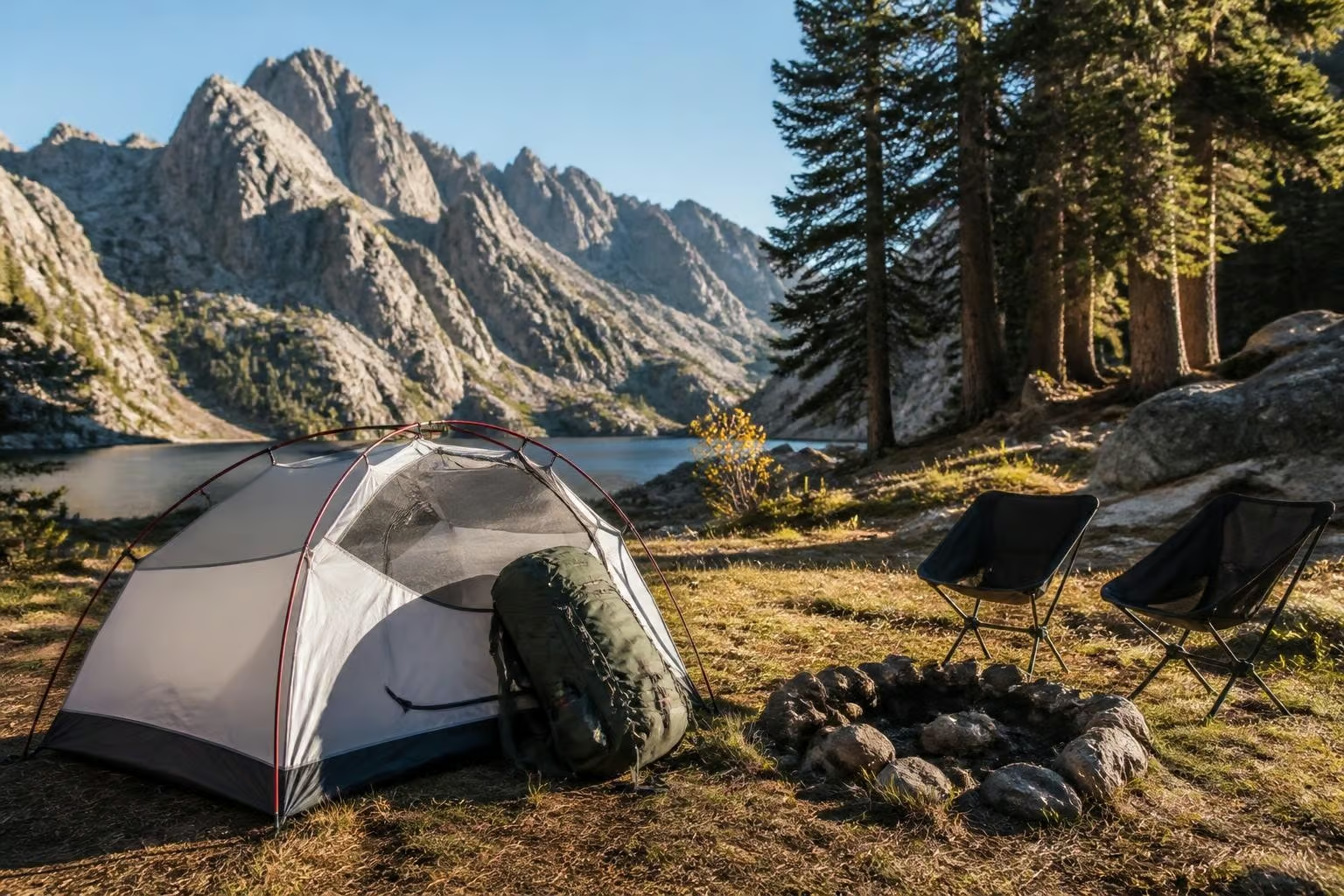
Adventure tents represent more than simple shelter-they're the foundation of every successful outdoor expedition. Whether you're planning a multi-day wilderness trek, setting up a base camp in the African bush, or creating temporary accommodation for safari operations, selecting the right tent determines comfort, safety, and peace of mind. Modern adventure tents have evolved significantly beyond basic nylon canopies, now incorporating advanced materials, specialized designs, and engineering that responds to extreme weather conditions. This comprehensive guide explores everything you need to know about adventure tents in 2026, from construction materials and waterproofing standards to setup strategies and long-term maintenance practices.
Adventure tents span a broad spectrum of designs, each engineered for specific outdoor activities and environmental challenges. The category includes ultralight backpacking shelters weighing under two kilograms, expedition-grade tents built to withstand hurricane-force winds, and spacious safari lodge tents designed for extended stays in remote locations.
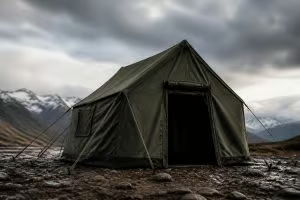
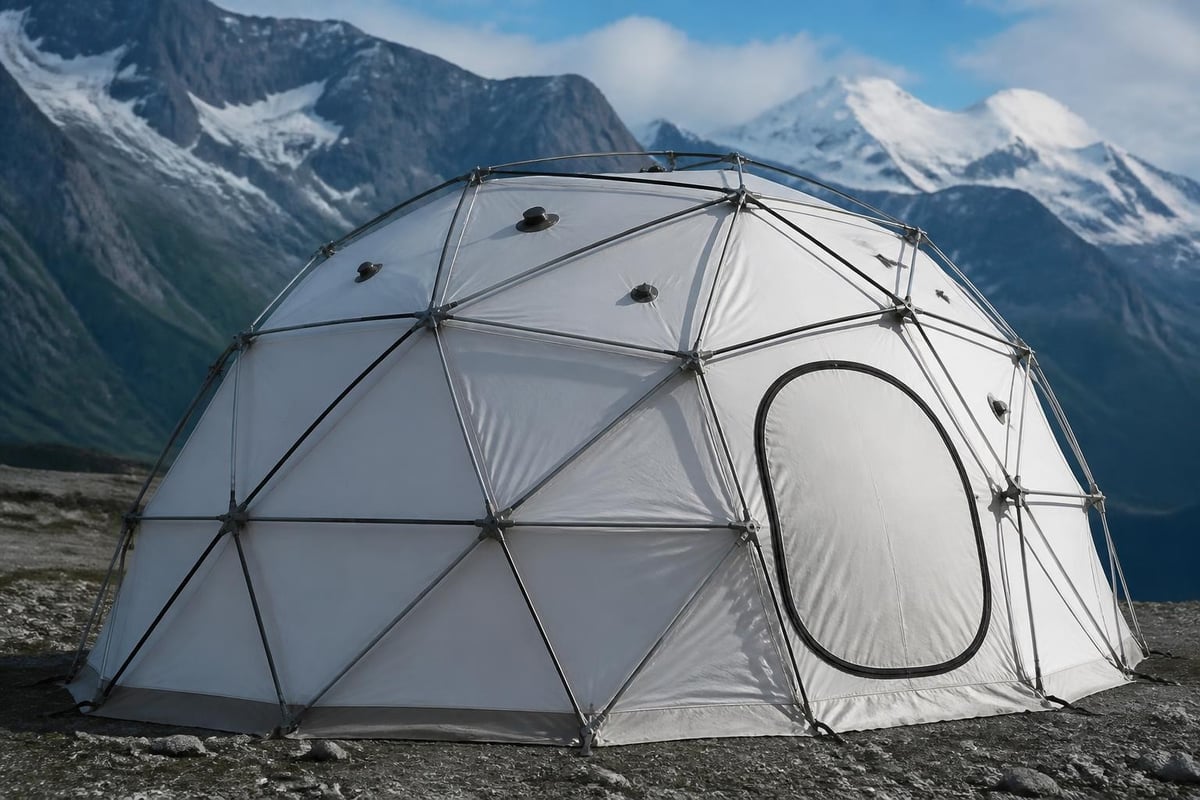
Expedition tents prioritize durability and weather resistance above all else. These adventure tents typically feature geodesic dome structures with four or more intersecting poles that distribute wind loads evenly across the fabric. The design creates multiple small panels rather than large flat surfaces, preventing wind from gaining purchase and reducing the risk of structural failure during storms.
Key characteristics of expedition tents include:
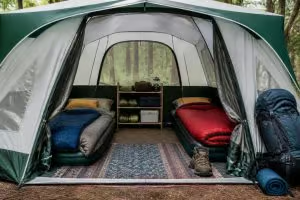
Base camp tents serve as semi-permanent shelters for groups operating from a fixed location. These larger adventure tents often incorporate standing height, multiple rooms, and enhanced livability features since weight becomes less critical when you're not carrying the tent on your back.
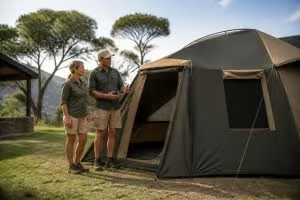
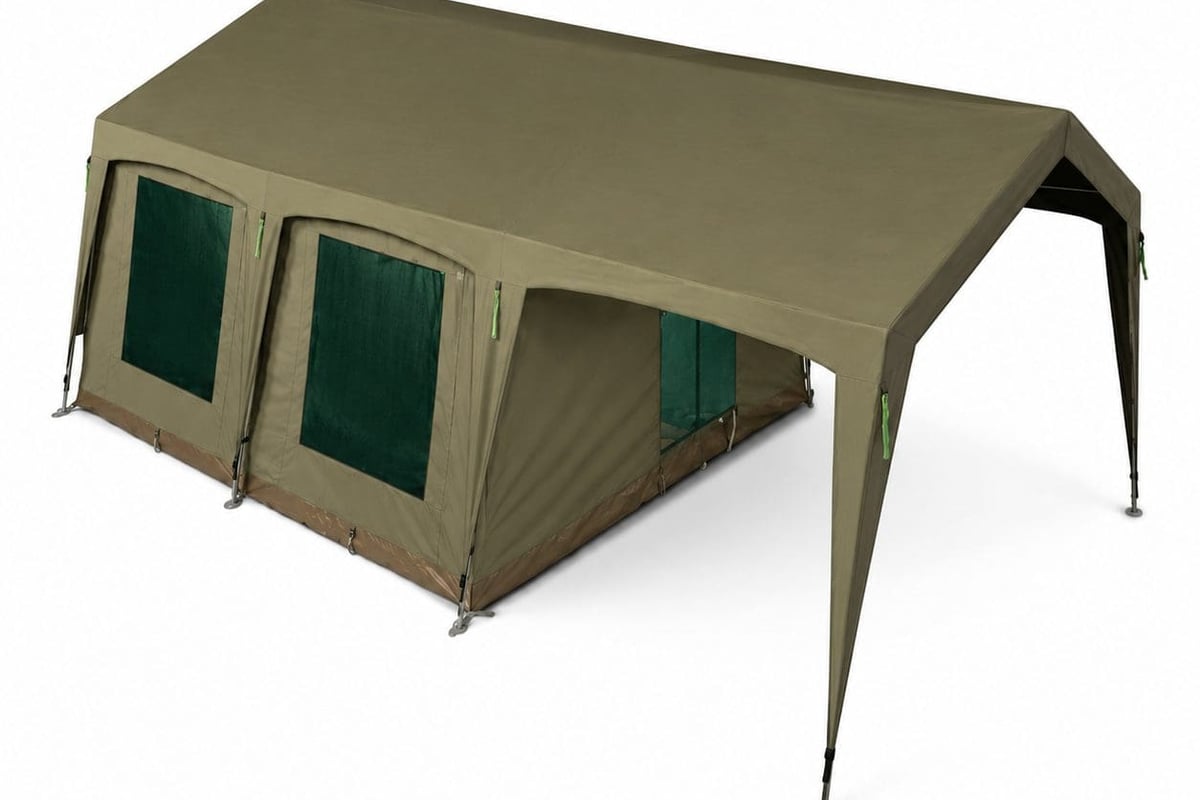
Safari-style adventure tents blend traditional canvas construction with modern engineering to create comfortable, breathable accommodation suitable for extended wilderness stays. These tents excel in hot climates where synthetic materials would trap heat and create uncomfortable condensation.
Canvas tents offer distinct advantages over synthetic alternatives. The natural fibers breathe naturally, allowing moisture vapor to escape while remaining waterproof when properly treated. The fabric also provides superior insulation, staying cooler during day and retaining warmth at night-a significant benefit in environments with dramatic temperature swings.
For those seeking canvas tent options, understanding the fabric weight specification proves essential. Canvas is measured in grams per square meter (GSM), with heavier fabrics offering greater durability and weather resistance. Professional-grade safari tents typically use 300 GSM or heavier ripstop canvas, which incorporates reinforcement threads woven at regular intervals to prevent tears from spreading.
The 3m x 6m Safari Lodge Tent Two Room Waterproof Canvas Tent exemplifies this category, offering a practical two-room layout ideal for longer stays. Its 300 GSM ripstop canvas construction provides waterproof protection while maintaining breathability, and the divided interior creates privacy and organization not found in single-room shelters.
Weight-conscious adventurers prioritize packability and low mass when selecting tents for multi-day treks. Modern lightweight adventure tents employ silicone-coated ripstop nylon or polyester fabrics, often in denier ratings between 15D and 40D. While these materials sacrifice some durability compared to heavier fabrics, they allow complete shelters weighing 1-2 kilograms for two-person capacity.
| Tent Category | Typical Weight | Primary Use | Season Rating | Setup Time |
|---|---|---|---|---|
| Ultralight Backpacking | 0.5-1.5 kg | Solo trekking | 3-season | 5-10 min |
| Standard Backpacking | 1.5-3 kg | Multi-day hiking | 3-4 season | 8-15 min |
| Expedition | 4-8 kg | Mountaineering | 4-season | 15-25 min |
| Safari Lodge | 20-40 kg | Base camp | 3-season | 30-60 min |
| Family Car Camping | 8-15 kg | Drive-in sites | 3-season | 20-40 min |
Understanding these categories helps narrow options before evaluating specific features. Identifying your primary use case determines which compromises make sense-a backpacker accepts less space for lower weight, while a safari operator prioritizes comfort and longevity over portability.
The fabric envelope represents the most critical component of any adventure tent, directly affecting waterproofness, breathability, weight, durability, and environmental performance. Modern tents employ sophisticated multi-layer fabric systems with specialized coatings that balance often-competing requirements.
Ripstop nylon and polyester dominate the lightweight tent market. The ripstop weave incorporates thicker reinforcement threads at regular intervals (typically every 5-8mm), creating a grid pattern that stops tears from propagating. Denier ratings indicate thread thickness-higher numbers mean heavier, more durable fabric. A 40D ripstop offers good durability for general backpacking, while 70D fabrics suit expedition use where abrasion resistance matters more than minimal weight.
Canvas (cotton duck) remains the preferred material for semi-permanent and safari-style adventure tents. Unlike synthetic alternatives, canvas fibers swell when wet, creating a natural waterproof barrier. Modern canvas tents typically receive additional waterproofing treatments to enhance protection, but the base material already provides superior breathability. Quality canvas tents use ripstop construction similar to synthetic fabrics, with reinforcement threads preventing tear propagation.
Polycotton blends combine synthetic and natural fibers, attempting to capture benefits from both worlds. These fabrics typically use 65% polyester and 35% cotton, offering better breathability than pure synthetics while maintaining easier care than pure canvas. The blended construction also reduces weight compared to equivalent canvas while still providing natural fiber comfort.
Waterproofness is quantified through hydrostatic head testing, which measures how much water pressure fabric can withstand before leaking. The test places fabric in a sealed chamber and gradually increases a column of water above it until three drops penetrate. The water height at failure, measured in millimeters, becomes the hydrostatic head rating.
Interpreting waterproof ratings:
According to technical standards for measuring hydrostatic head, testing methods follow ISO 811 protocols to ensure consistency across manufacturers. However, real-world performance involves factors beyond initial waterproof ratings, including seam sealing quality, fabric aging, and coating degradation over time.
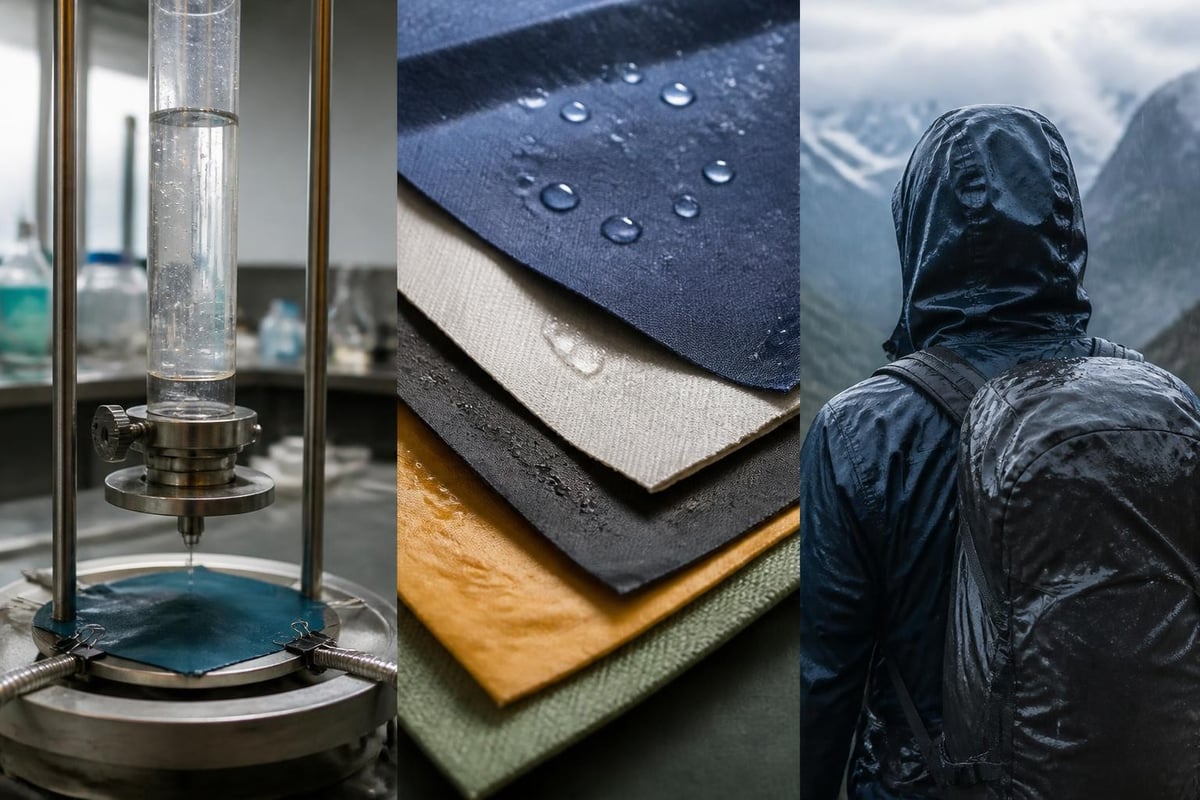
Adventure tents employ multiple coating technologies to achieve waterproofness while managing condensation. Polyurethane (PU) coatings represent the most common waterproofing method, applied to fabric interiors. PU coatings are relatively affordable, highly waterproof, and durable, though they can degrade with UV exposure over several seasons.
Silicone coatings, applied to the fabric exterior, offer superior UV resistance and don't degrade as rapidly as PU. Many premium adventure tents use double-sided silicone treatment (sometimes called "silnylon"), though this makes seam sealing more challenging since tape won't adhere to silicone-coated surfaces.
Durable Water Repellent (DWR) treatments cause water to bead and roll off fabric surfaces rather than soaking in. However, environmental concerns about per- and polyfluoroalkyl substances (PFAS) used in traditional DWR formulations have prompted industry changes. According to research on PFAS in textiles, these "forever chemicals" persist in the environment and accumulate in living organisms, leading manufacturers to develop fluorine-free alternatives that maintain water repellency without long-term environmental impact.
Beyond basic materials and waterproofing, specific design features separate adequate shelters from exceptional adventure tents. These elements directly impact usability, longevity, and performance under stress.
Tent poles create the framework that gives fabric shape and withstands external forces. Modern adventure tents predominantly use aluminum alloy poles (typically 7001 or 7075 series) that offer excellent strength-to-weight ratios. Pole diameter and wall thickness determine load capacity-9mm poles suit lightweight backpacking tents, while expedition tents employ 11-13mm diameter poles for extreme conditions.
Common pole configurations include:
Freestanding tents maintain their shape without stakes, making them versatile for rocky terrain or platform camping. Non-freestanding designs require stakes or guy lines for structural integrity but often achieve lower pack weights.
Even waterproof adventure tents face condensation challenges. Human respiration and body heat produce significant moisture-a single person can generate up to one liter of water vapor overnight. Without adequate ventilation, this moisture condenses on the tent's interior surfaces, creating wet sleeping bags and gear.
Quality tents incorporate multiple ventilation strategies:
Double-wall designs separate a breathable inner tent from a waterproof rainfly, creating an air gap that prevents condensation from reaching occupants. Single-wall tents use waterproof-breathable fabrics to eliminate the weight of separate layers, though they require more careful ventilation management.
Tent floors endure constant abrasion from sleeping pads, gear, and occupant movement while maintaining waterproof seals against ground moisture. Consequently, floor fabrics typically use heavier materials than walls-70D to 150D nylon with higher waterproof ratings (often 5,000-10,000mm hydrostatic head).
Bathtub floor designs extend waterproof material 10-15 centimeters up the tent walls, creating a sealed basin that prevents water intrusion even when camping in puddles. Reinforced corners and high-wear areas add durability where stress concentrates.
Footprints-separate ground sheets cut to match tent dimensions-provide additional protection and can significantly extend floor life. While adding weight and cost, footprints protect against sharp objects, abrasive surfaces, and ground moisture that degrades coatings over time.
Proper site selection and setup techniques maximize tent performance while protecting both the shelter and the environment. The U.S. National Park Service provides comprehensive guidance on campsite selection and safety considerations that apply broadly to adventure camping.
Ideal campsites share common characteristics:
Before pitching adventure tents, clear the site of sharp objects and fill small depressions that could channel water. Avoid creating new impacts-use established sites when available rather than clearing pristine areas. For guidance on camping regulations and minimum-impact practices on public lands, the U.S. Forest Service technical documents offer detailed protocols.
Proper stake angles and guy-line tension transform mediocre setups into storm-worthy shelters. Stakes should angle 45-60 degrees away from the tent, creating optimal holding power in most soils. In loose sand or snow, deadman anchors (buried bags filled with sand/snow) or wide stakes with large surface areas prevent pull-through.
Guy-line best practices:
Modern adventure tents often include pre-attached guy lines at critical points, color-coded to match specific anchor positions. This eliminates guesswork and ensures proper load distribution.
Wind, rain, snow, and sun each demand specific setup adaptations. In high winds, orient doors perpendicular to wind direction when possible, reducing blast forces on entrances. Add extra stakes to fly attachment points and ensure all guy lines are deployed and tensioned-many campers skip guy lines in calm conditions, only to fight partial tent collapses when unexpected weather arrives.
For camping in varying conditions, understanding seasonal adjustments proves essential. Rain setups prioritize rainfly coverage and drainage, while cold-weather camping may involve partially sealing vents to retain warmth. Hot weather benefits from maximum ventilation and shade positioning to reduce solar heating.
Quality adventure tents represent significant investments, but proper care dramatically extends their useful life. Many well-maintained canvas and synthetic tents provide decades of reliable service when owners follow systematic maintenance protocols.
During active use:
Small repairs in the field prevent minor damage from escalating. Carry basic repair supplies including fabric patches, seam sealer, pole splints, and strong tape. Address small tears immediately-a 2cm rip can expand to structural failure if stressed repeatedly.
Proper cleaning removes damaging substances without compromising waterproof coatings. Never machine-wash adventure tents-agitation damages coatings and seam tape. Instead, hand-wash with cool water and mild, non-detergent soap specifically formulated for technical fabrics. Rinse thoroughly, as soap residue attracts dirt and can degrade coatings.
Storage requirements for different tent types:
| Material Type | Storage Environment | Special Considerations | Re-treatment Interval |
|---|---|---|---|
| Silnylon/PU-coated | Cool, dry, dark location | Avoid compression; store loose | Every 2-3 years |
| Canvas | Climate-controlled space | Must be bone-dry; excellent ventilation | Annual waterproofing |
| Polycotton | Low humidity area | Periodic inspection for mildew | Every 2 years |
| Cuben/DCF | Any dry location | UV-sensitive; avoid prolonged sun | Minimal maintenance |
For those using canvas tents, specialized care protocols apply. Canvas requires complete drying before storage to prevent mildew, which appears as black spots and releases spores that cause respiratory irritation. Annual waterproofing treatments maintain protection-canvas naturally sheds its treatments through UV exposure and abrasion, requiring periodic renewal.
Factory-sealed seams eventually fail through UV degradation, flexing, and abrasion. Inspect all seam tape and sealed areas annually, looking for peeling, cracking, or separation. Resealing involves cleaning seams with rubbing alcohol, allowing complete drying, then applying seam sealer appropriate to your tent's coating (PU-based for polyurethane-coated fabrics, silicone for silnylon).
DWR treatments fade with use, indicated by fabric "wetting out" (absorbing water) rather than shedding it. Restore water repellency by cleaning the tent thoroughly, then applying spray-on or wash-in DWR products. Modern fluorine-free treatments perform comparably to traditional PFAS-based products while avoiding environmental persistence concerns.
Environmental conditions drive tent selection more than any other factor. A shelter that excels in moderate forest camping may fail catastrophically in alpine conditions, while an expedition tent proves unnecessarily heavy and complex for weekend car camping.
Mountain environments combine wind, cold, precipitation, and intense UV in uniquely challenging ways. Four-season expedition tents address these demands through reinforced construction, minimal mesh (which provides no insulation), geodesic pole structures, and extended vestibules for protected gear storage and cooking areas.
Snow-loading becomes critical above treeline. Steep-walled dome and tunnel designs shed accumulation better than low-angle shapes that collect heavy snow loads. Solid inner fabric panels retain heat better than mesh, while strategically placed vents still allow moisture escape without creating excessive heat loss.
Hot, dry environments present opposite challenges-managing heat and sun exposure while protecting against occasional severe storms and wind-blown sand. Adventure tents for desert use prioritize ventilation and UV resistance over extreme waterproofing.
Desert tent features:
Sand infiltrates every opening and damages zippers, so quality desert tents include storm flaps over all closures and reinforced zipper designs that resist abrasive particle intrusion.
Tropical camping means managing constant moisture, intense rainfall, high temperatures, and abundant insect life. Ventilation becomes paramount-tropical-specific adventure tents often use maximum mesh with separate rainflies that create significant air gaps for circulation.
Protection from tropical downpours requires serious waterproofing. Rainfalls can exceed 50mm per hour, creating conditions where 3,000mm+ hydrostatic head ratings and extended vestibules become essential. Steep fly pitches shed water quickly, preventing pooling that stresses fabric and seams.
For insights on choosing appropriate shelter designs, Outside magazine’s tent reviews provide tested evaluations across climate zones, while Backpacker magazine’s guides offer practical selection frameworks for different experience levels and environments.
The outdoor industry increasingly recognizes its environmental footprint, driving innovation in sustainable materials and manufacturing processes. Adventure tent buyers can now choose options that minimize ecological impact without sacrificing performance.
Recycled polyester and nylon fabrics reduce dependence on virgin petroleum-based materials. Modern recycled technical fabrics perform identically to virgin materials while diverting plastic waste from landfills and oceans. Several manufacturers now offer complete tent lines using 100% recycled fabric components.
Bluesign-certified materials meet rigorous standards for chemical safety, worker protection, environmental discharge, and resource productivity throughout the textile supply chain. Tents made with Bluesign fabrics minimize harmful chemical exposure for both manufacturers and users.
Natural fiber tents using organic cotton or hemp represent another sustainable direction. While heavier than synthetics, these materials biodegrade at end-of-life rather than persisting as microplastic pollution. Canvas safari tents, when made from sustainably harvested cotton and properly maintained, can provide multi-decade service lives that offset their higher initial resource use.
The Outdoor Industry Association’s climate action reporting tracks sector-wide progress on reducing carbon emissions, eliminating harmful chemicals, and transitioning to preferred materials. Major tent manufacturers have committed to PFAS phase-outs, renewable energy manufacturing, and take-back programs that recycle or responsibly dispose of old tents.
Consumers extend adventure tent lifespans through repair rather than replacement. Many manufacturers now offer repair services, replacement parts, and detailed DIY repair guides. This circular approach keeps functional tents in service longer while reducing waste streams.
The most sustainable tent is one that lasts decades rather than seasons. Prioritizing quality construction, proven materials, and repairable designs creates better environmental outcomes than chasing lightweight features that compromise longevity. For those seeking durable outdoor equipment, understanding the relationship between initial investment and lifecycle cost proves essential.
Premium adventure tents cost more initially but often provide superior cost-per-night-of-use over their lifespan. A well-maintained expedition tent serving 15 years costs less per trip than budget alternatives requiring replacement every 2-3 seasons, while avoiding the environmental impact of repeated manufacturing.
Modern adventure tents increasingly incorporate modular designs that adapt to changing conditions and group sizes. These systems offer flexibility that single-purpose shelters cannot match, particularly for extended expeditions or professional outdoor operations.
Detachable vestibules expand covered space without adding interior condensation sources. These extensions serve as gear storage, cooking areas, and weather-protected workspaces. Some expedition tents accept multiple vestibule configurations-front, rear, or side attachments that adapt to site-specific wind directions and group needs.
Practical vestibule applications:
Professional safari operations often use connectable tent systems where individual sleeping tents link to shared common areas via covered walkways or modular sections. This creates semi-permanent camp structures with superior livability compared to single large tents.
Wood-burning stove-compatible adventure tents transform winter camping from survival exercise to comfortable basecamp living. These designs, often based on traditional tipi configurations, incorporate fire-resistant stovepipe exits and spacious interiors that accommodate wood stoves safely.
Hot tent camping requires specific safety protocols-maintaining clearance between stove and fabric walls, using proper stovepipe installation, and monitoring carbon monoxide levels. However, the comfort and drying capability these systems provide make them invaluable for extended cold-weather expeditions.
Single-pole tipi structures maximize usable interior volume relative to packed size and weight. Modern interpretations use technical fabrics with traditional shapes, combining the efficiency of tested designs with contemporary materials performance.
Selecting the right adventure tents involves balancing environment, activity, group size, weight constraints, and budget to find optimal shelter solutions. Understanding materials, construction methods, and critical features empowers informed decisions that enhance safety and comfort across diverse outdoor conditions. Whether you need ultralight backpacking shelters, expedition-grade mountaineering tents, or spacious safari accommodations, the principles outlined here provide frameworks for evaluation and selection. Ejenti Outdoor manufactures durable canvas tents, camping solutions, and outdoor equipment designed specifically for South African conditions, offering quality construction and proven materials that deliver reliable performance across multiple seasons and environments.