
Finding a camping tent low price option doesn't mean you have to compromise on quality or safety. With the outdoor recreation market expanding in 2026, manufacturers are offering more affordable solutions than ever before. Whether you're a first-time camper, a student planning a weekend getaway, or a family looking to explore South Africa's beautiful wilderness on a budget, understanding how to evaluate low-cost tents helps you make smart purchasing decisions that deliver value and performance.
The camping tent low price segment has evolved significantly over the past few years. Today's affordable tents incorporate better materials, improved construction techniques, and more thoughtful designs than their predecessors. This shift reflects both manufacturing advances and increased competition among outdoor gear providers.
Budget doesn't always mean inferior. Many entry-level tents now use materials that were reserved for premium models just five years ago. Polyester fabrics with improved waterproof coatings, reinforced pole sleeves, and sealed seams have become standard features even in lower-priced options.
When we talk about a camping tent low price range, we're typically referring to models between R500 and R2,500 for personal or small family use. This bracket covers:
The price variation within this range reflects differences in materials, capacity, seasonality ratings, and brand positioning. Understanding these factors helps you identify where manufacturers cut costs and whether those compromises affect your specific camping needs.
Tent materials represent one of the biggest cost variables in manufacturing. A camping tent low price point usually means the manufacturer selected more economical fabrics and frame components without necessarily sacrificing core functionality.
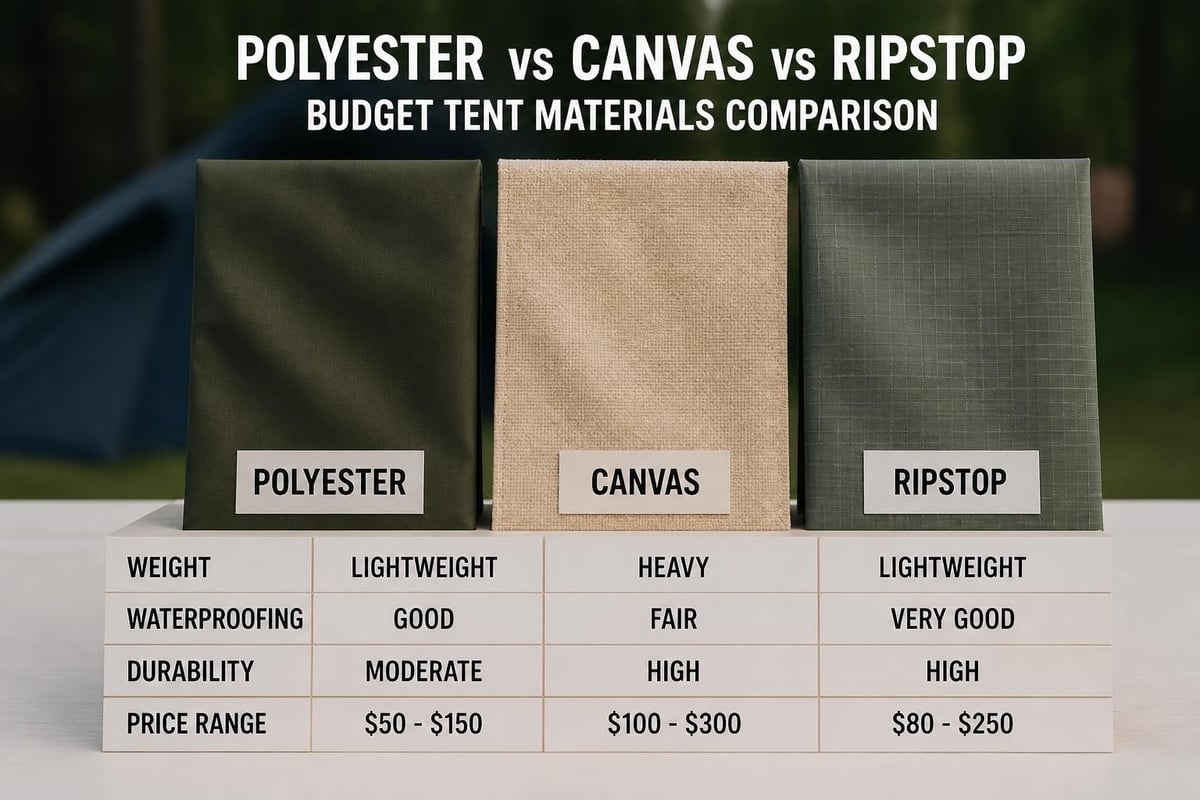
Most affordable tents use polyester or nylon fabrics rather than canvas. These synthetic materials offer several advantages for budget-conscious campers:
However, synthetic fabrics come with tradeoffs. According to research on textile environmental impacts, synthetic tent materials may shed microfibers and have shorter lifespans than natural alternatives. Budget polyester tents typically last 3-5 seasons with proper care, compared to 10+ years for quality canvas options.
The tent frame significantly influences both price and durability. Budget tents commonly feature:
| Frame Type | Typical Price Impact | Durability | Best For |
|---|---|---|---|
| Fiberglass poles | Lowest cost | 2-3 seasons | Fair-weather camping |
| Aluminum poles | Moderate cost | 4-6 seasons | Regular recreational use |
| Steel frames | Variable | 5-8 seasons | Base camping, larger tents |
Fiberglass poles keep costs down but may crack or splinter with heavy use. Aluminum offers better durability without substantially increasing price, making it the sweet spot for a camping tent low price purchase.
Not all low-cost tents are created equal. Certain features separate functional budget tents from frustrating purchases that fail when you need them most.
Even a camping tent low price model should offer basic weather resistance. Look for:
The National Park Service recommends testing your tent's weather resistance before heading into the wilderness. Set it up in your yard during a rainstorm to identify any weak points that need seam sealing or additional waterproofing treatment.
Budget tents often skimp on ventilation, leading to condensation problems. Quality low-price options include:
Poor ventilation turns your tent into a humid box where moisture from breathing and body heat condenses on interior surfaces. This isn't just uncomfortable; it can make your sleeping bag damp and reduce insulation effectiveness.
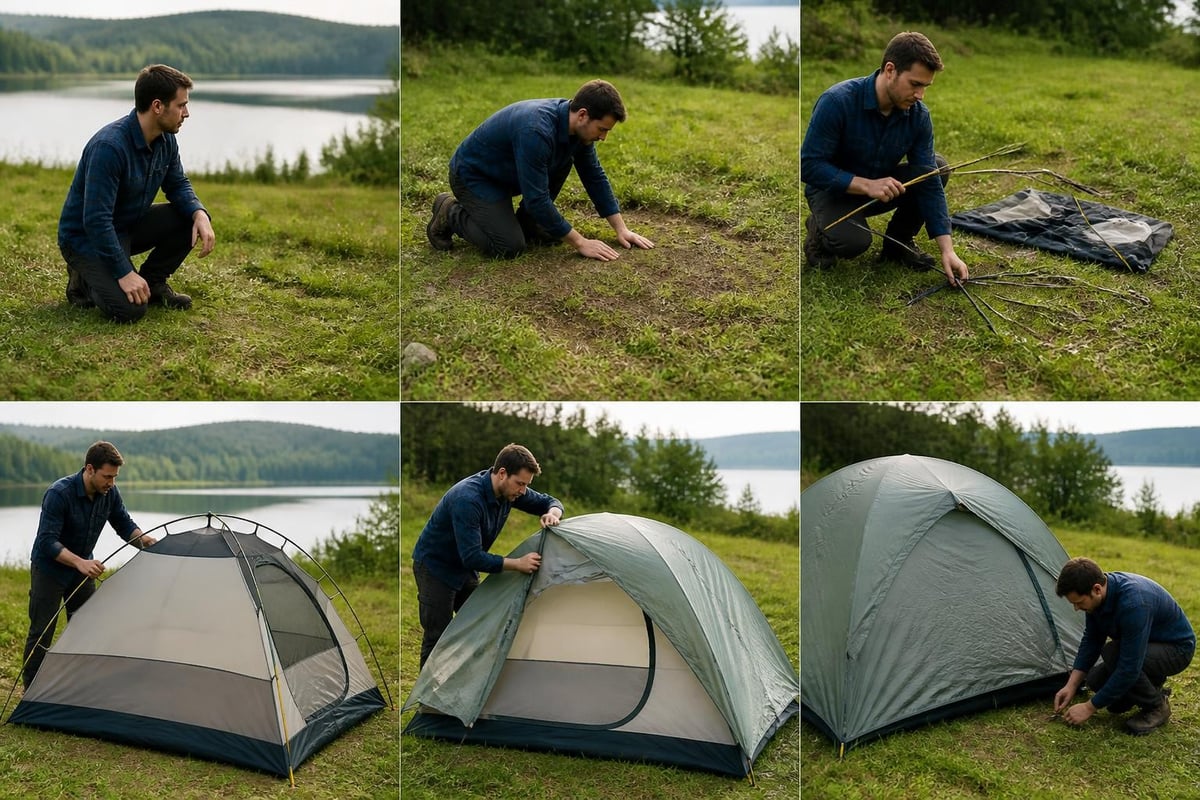
A camping tent low price doesn't mean setup should be complicated. Modern budget tents often feature color-coded poles, clip attachments rather than sleeves, and freestanding designs that don't require staking for basic structure.
Stability features to prioritize include:
Different camping styles require different tent configurations. Understanding your primary use case helps you find a camping tent low price option that meets your actual needs rather than paying for features you'll never use.
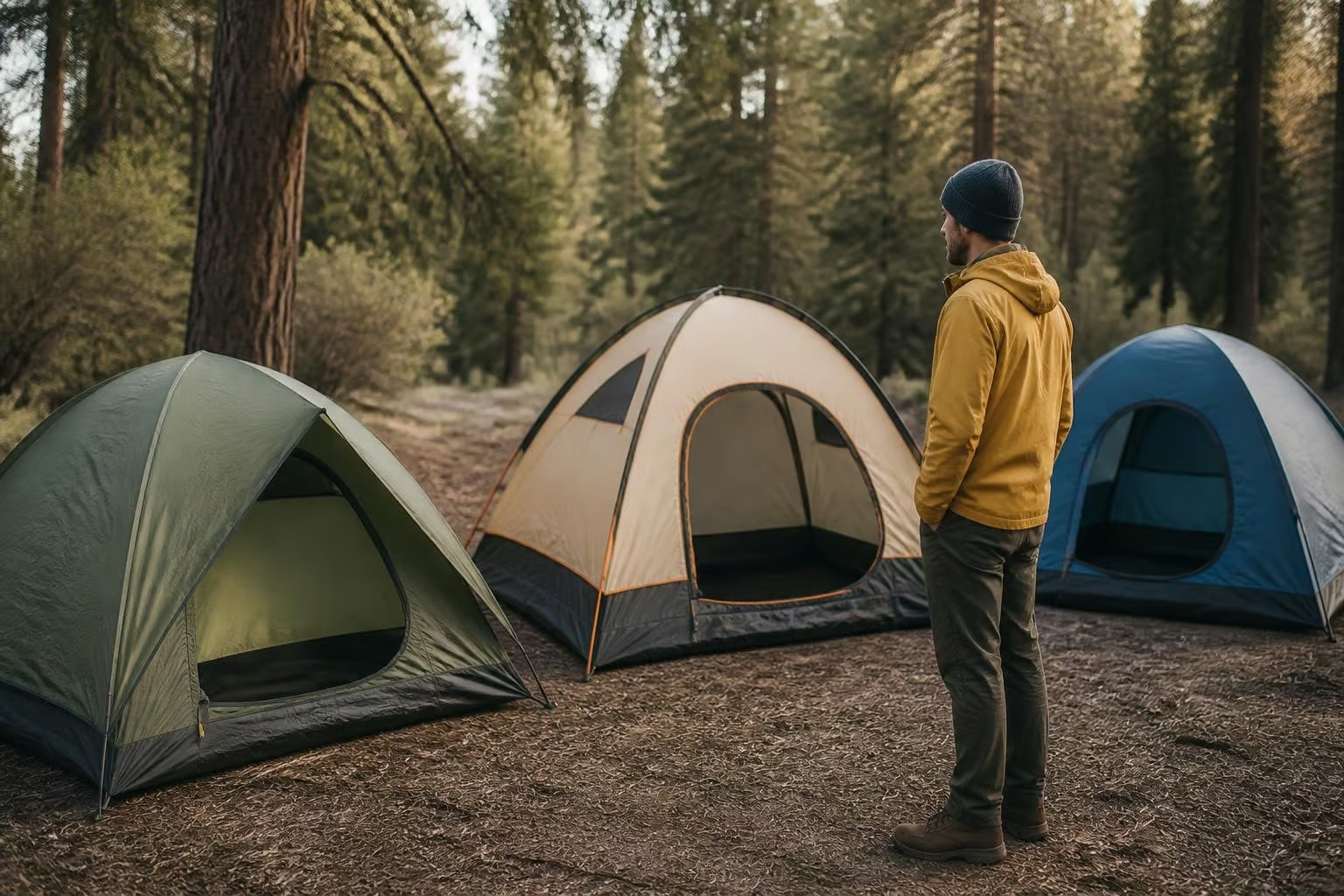
Dome tents dominate the budget market because their simple geodesic structure offers excellent space-to-weight ratios. These tents work well for:
Most camping tent low price dome models accommodate 2-3 people, though manufacturer capacity ratings assume extremely tight sleeping arrangements. For comfort, subtract one person from the stated capacity.
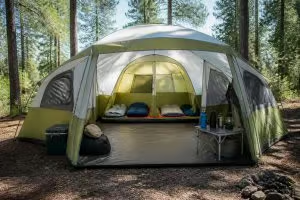
Cabin-style tents provide more vertical space and livability, making them ideal for family base camping. Budget cabin tents sacrifice some weather resistance for interior volume, so they're best suited for:
Tunnel designs offer more living space than domes while maintaining reasonable prices. These work particularly well when camping with groups or requiring separate sleeping and storage areas. For families exploring South Africa's diverse camping locations, tunnel tents with multiple rooms provide privacy and organization that makes trips more enjoyable.
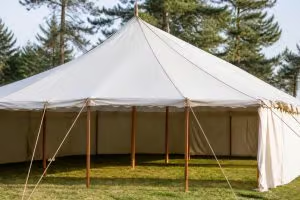
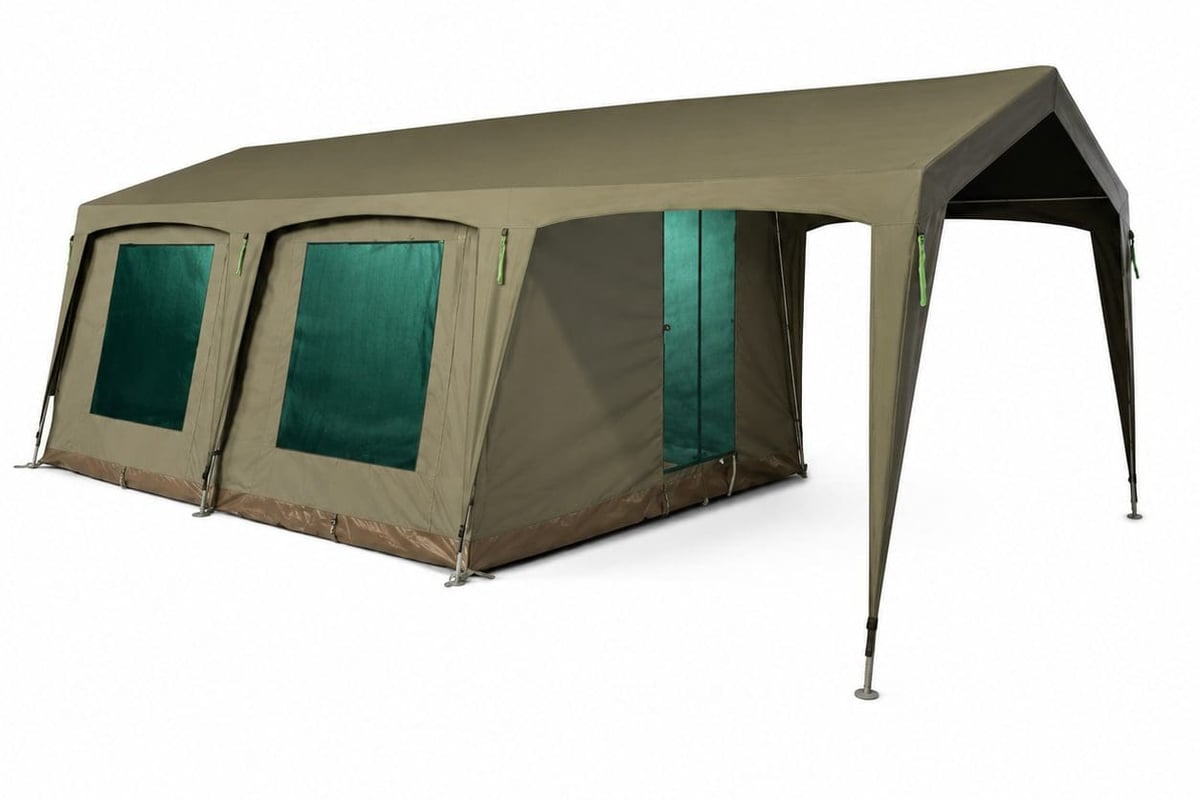
When considering extended designs like the 3m x 6m Safari Lodge Tent, you're investing in a more permanent camping solution. This two-room canvas tent uses 300 GSM ripstop fabric and offers significantly better durability than typical budget synthetic tents, representing excellent value for regular campers or those setting up semi-permanent outdoor accommodation.
Smart shoppers find camping tent low price deals by understanding where manufacturers add value versus where they inflate costs through branding and marketing.
Acceptable areas to accept basic features in budget tents include:
These compromises don't significantly impact tent functionality for recreational camping. You still get shelter, weather protection, and decent durability.
Some features should never be sacrificed, regardless of price:
The National Park Service emphasizes matching your tent to your trip type and expected conditions. A camping tent low price for summer festivals may be perfectly adequate, while the same tent could be dangerous in exposed mountain environments.
A camping tent low price becomes an even better value when proper care extends its useful life. Many budget tents fail prematurely due to user error rather than manufacturing defects.
Following correct procedures prevents damage:
These simple practices can double or triple your tent's lifespan. Even a low-cost tent treated well often outlasts a premium tent stored wet or set up carelessly.
Keep your budget tent functional with basic maintenance:
Most camping tent low price models use common components that are easily replaceable. Generic tent poles, zipper sliders, and repair patches work across brands, making DIY fixes simple and affordable.
Understanding seasonal ratings helps you select an appropriate camping tent low price for your climate and camping timeline.
The vast majority of budget tents fall into the three-season category, designed for:
These tents balance ventilation with weather protection, offering mesh panels for warm nights and full-coverage rainflies for wet weather. For South African conditions, three-season tents handle most camping scenarios from coastal areas to highveld summer trips.
| Feature | Summer Tent | Three-Season Tent |
|---|---|---|
| Mesh coverage | 50-70% | 20-40% |
| Rainfly design | Minimal, often partial | Full-coverage available |
| Floor thickness | 2,000-3,000mm | 3,000-5,000mm |
| Pole count | Minimal (2-pole dome) | Additional support poles |
| Price difference | Lowest | 20-40% higher |
A camping tent low price in the summer category may cost 30% less than a comparable three-season model. If you only camp in warm, dry months, this represents genuine savings rather than false economy.
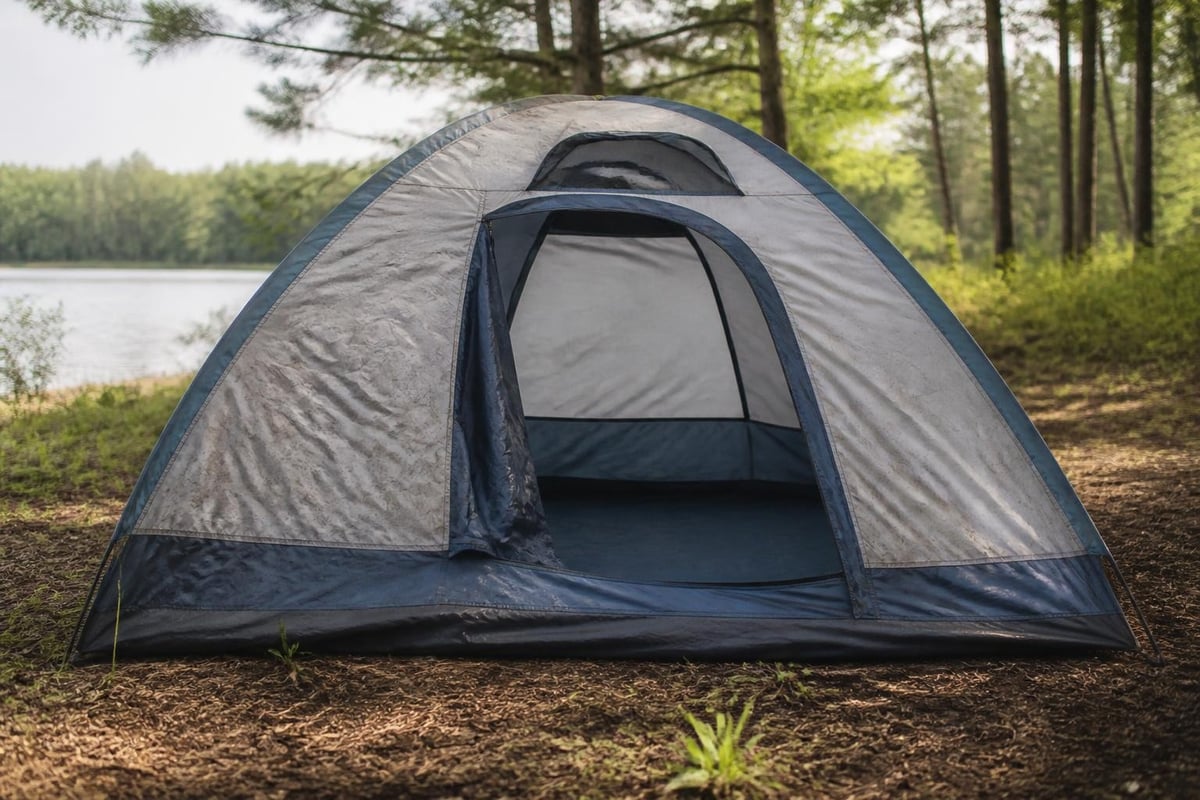
True value in a camping tent low price purchase comes from matching tent capabilities to your actual camping habits and needs.
Consider your camping frequency when evaluating tent investments:
A R1,200 tent used 15 times costs R80 per outing. The same tent used twice costs R600 per use. Usage patterns dramatically affect real-world value.
Even at lower price points, certain construction details signal better quality:
These features add minimal cost but substantially improve reliability and longevity.
Finding a camping tent low price requires strategic timing and knowing where to look.
Outdoor retailers in South Africa typically clear inventory:
Buying off-season can save 30-50% on otherwise identical tents. Last year's color in the same model performs identically to this year's trendy shade.
Companies like Ejenti Outdoor manufacture their own products and sell directly to consumers, eliminating retail markup. This business model often delivers better value at comparable price points because you're paying for materials and construction rather than distribution costs.
Each approach offers distinct advantages:
Online shopping benefits:
In-store shopping benefits:
For a camping tent low price purchase, inspecting actual materials helps you distinguish between acceptable budget construction and genuinely substandard manufacturing.
Avoiding these pitfalls helps you get maximum value from affordable tent purchases.
Tent manufacturers rate capacity assuming:
For realistic comfort, apply these guidelines:
A three-person camping tent low price model comfortably sleeps two adults or two adults with a small child.
Budget tents with complex pole configurations or unclear instructions waste precious daylight at the campsite. Before purchasing:
A tent that's frustrating to erect often stays in storage while you avoid camping trips, making even a low price poor value.
Even compact tents require adequate setup space. Check specifications for:
Some camping tent low price deals seem attractive until you discover the tent won't fit on standard campsite platforms or requires guy lines staked 3 meters from tent corners.
Budget tent purchases involve environmental tradeoffs worth understanding. Synthetic tents, while affordable, present microplastic concerns as materials degrade and shed fibers during use and washing.
Making environmentally conscious choices even with budget constraints:
A camping tent low price from a manufacturer committed to durability and repairability often has lower lifetime environmental impact than slightly cheaper disposable alternatives.
The U.S. Forest Service research on textile materials and durability provides valuable context when evaluating tent fabric claims. Understanding terms like denier, thread count, ripstop weave, and hydrostatic head helps you assess whether a budget tent uses genuinely functional materials or merely acceptable minimums.
South Africa's diverse climate zones require thoughtful tent selection even when prioritizing price.
Camping near the ocean demands specific features:
A camping tent low price model designed for inland use may fail quickly in coastal conditions where salt air accelerates deterioration.
Higher elevations and interior regions present different challenges:
Budget tents marketed for these conditions should demonstrate appropriate materials and construction rather than just marketing claims.
Finding the right camping tent low price option involves balancing cost against features, understanding your specific camping needs, and recognizing quality indicators that separate functional budget tents from frustrating purchases. Whether you're planning occasional weekend getaways or regular family camping adventures, smart shopping and proper maintenance help you maximize value from affordable outdoor shelter. When you're ready to invest in durable outdoor solutions designed for South African conditions, Ejenti Outdoor offers locally manufactured tents, gazebos, and camping gear built to perform reliably across diverse environments and extended use.