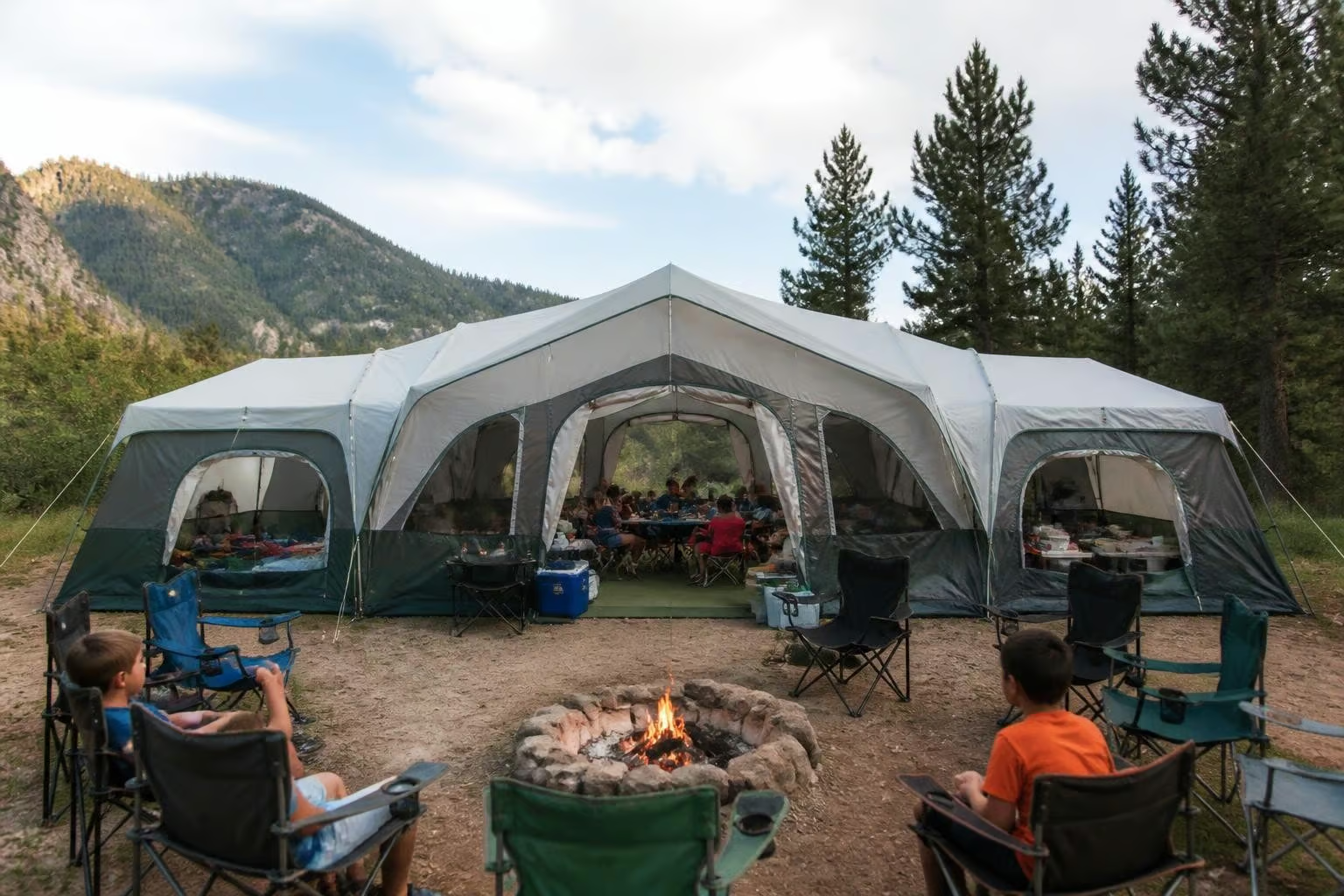
When you're planning a group camping trip, family reunion, or outdoor event that needs to accommodate a large number of people, a twenty person tent becomes an essential piece of equipment. These massive shelters represent the pinnacle of group camping solutions, offering enough space for extended families, scout troops, or event organizers who need reliable overhead protection for significant gatherings. Understanding what makes a quality twenty person tent and how to choose the right one for your specific needs can transform your outdoor experience from chaotic to comfortable.
A twenty person tent typically measures between 15 to 20 feet wide and 20 to 30 feet long, though exact dimensions vary significantly between manufacturers and tent styles. The key consideration isn't just floor space but usable space once you account for gear storage, sleeping arrangements, and movement areas.
The "twenty person" rating often assumes everyone sleeps side-by-side in sleeping bags with no gear inside. In reality, you'll comfortably sleep 12-15 adults with their belongings, or the full twenty if most occupants are children. This discrepancy matters when planning your purchase.
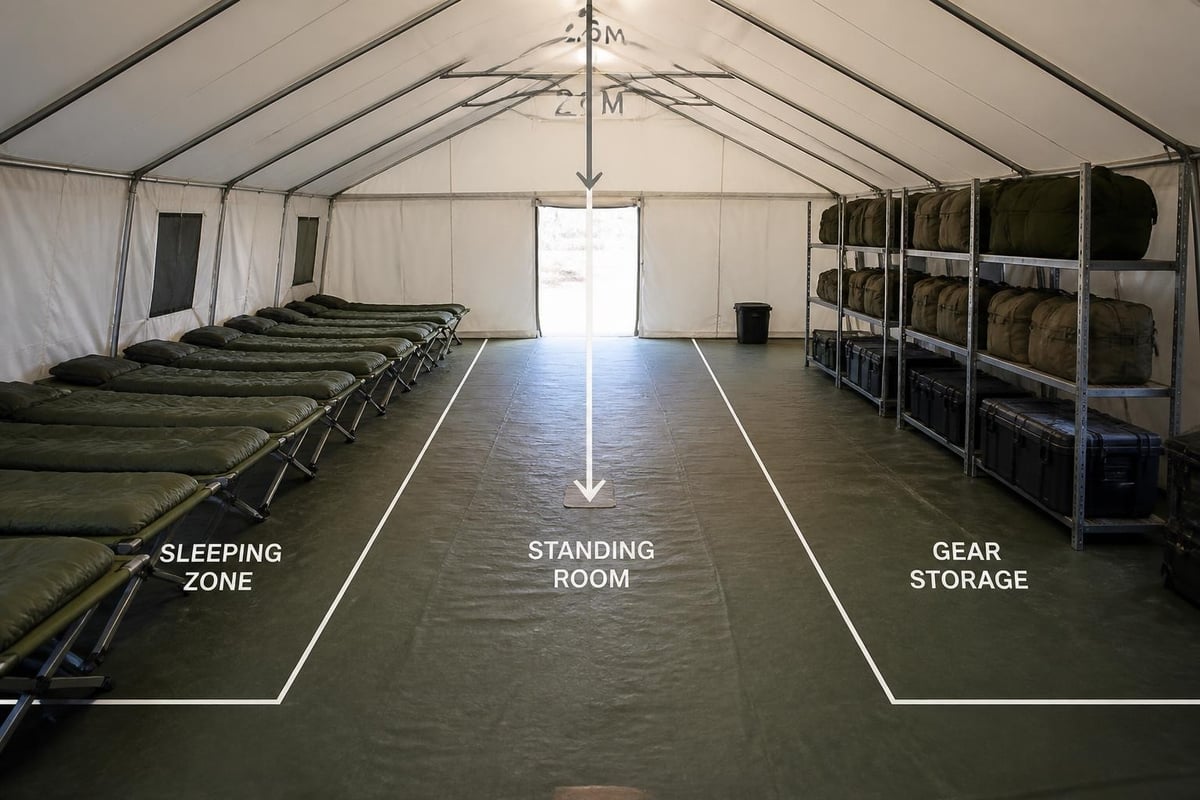
Realistic space planning for a twenty person tent:
Peak height ranges from 6.5 to 8 feet in quality models, allowing adults to stand upright in the center. This vertical space dramatically improves livability during extended stays or inclement weather when everyone needs to remain inside.
The materials used in a twenty person tent determine its weather resistance, lifespan, and weight. Modern large tents use several fabric technologies, each with distinct advantages for group camping scenarios.
Canvas tents made from cotton or polycotton blends offer superior breathability and durability. The fabric naturally regulates temperature better than synthetic alternatives and develops improved water resistance over time as the fibers swell when wet. Many outdoor enthusiasts prefer canvas for extended camping trips or semi-permanent installations.
Synthetic fabrics like polyester and nylon provide lighter weight options with excellent initial waterproofing. These materials pack smaller and cost less but may not breathe as well during humid conditions. For South African conditions where temperature fluctuations are common, understanding different kinds of tents and their fabric choices helps match your tent to your climate.
| Material Type | Weight | Breathability | Durability | Cost |
|---|---|---|---|---|
| Cotton Canvas | Heavy | Excellent | 10-15 years | High |
| Polycotton | Medium-Heavy | Very Good | 8-12 years | Medium-High |
| Polyester | Light-Medium | Fair | 5-8 years | Medium |
| Nylon Ripstop | Light | Fair | 4-7 years | Low-Medium |
A twenty person tent requires a robust frame to handle wind loads and maintain shape under weather stress. Steel frames offer maximum strength but add significant weight, making them ideal for base camps or semi-permanent setups. Aluminum frames reduce weight while maintaining good strength, suitable for groups that need to move camp occasionally.
Frame configuration options:
The National Park Service outlines fire and life-safety requirements that larger tents must meet when used for organized events, including structural stability standards that ensure safe occupancy.
Large tents face unique challenges managing interior climate while protecting occupants from external weather. A quality twenty person tent incorporates multiple design features addressing these competing needs.
Seam sealing, rainfly design, and bathtub floors work together to keep water outside. Look for welded seams rather than sewn-then-sealed seams in high-quality models. The rainfly should extend close to the ground on all sides, creating a vestibule effect that channels water away from the tent body.
Waterproof ratings measured in millimeters indicate how much water pressure fabric withstands before leaking. For reliable performance in South African conditions, seek ratings of 2000mm minimum for the tent body and 3000mm for the floor.
Twenty people generate substantial moisture through breathing and perspiration. Without proper ventilation, condensation forms on interior surfaces, dripping onto occupants and gear. Quality designs incorporate multiple ventilation strategies.
The polycotton canvas construction preferred by many outdoor solutions providers naturally manages moisture better than sealed synthetic fabrics, allowing water vapor to pass through while blocking liquid water.
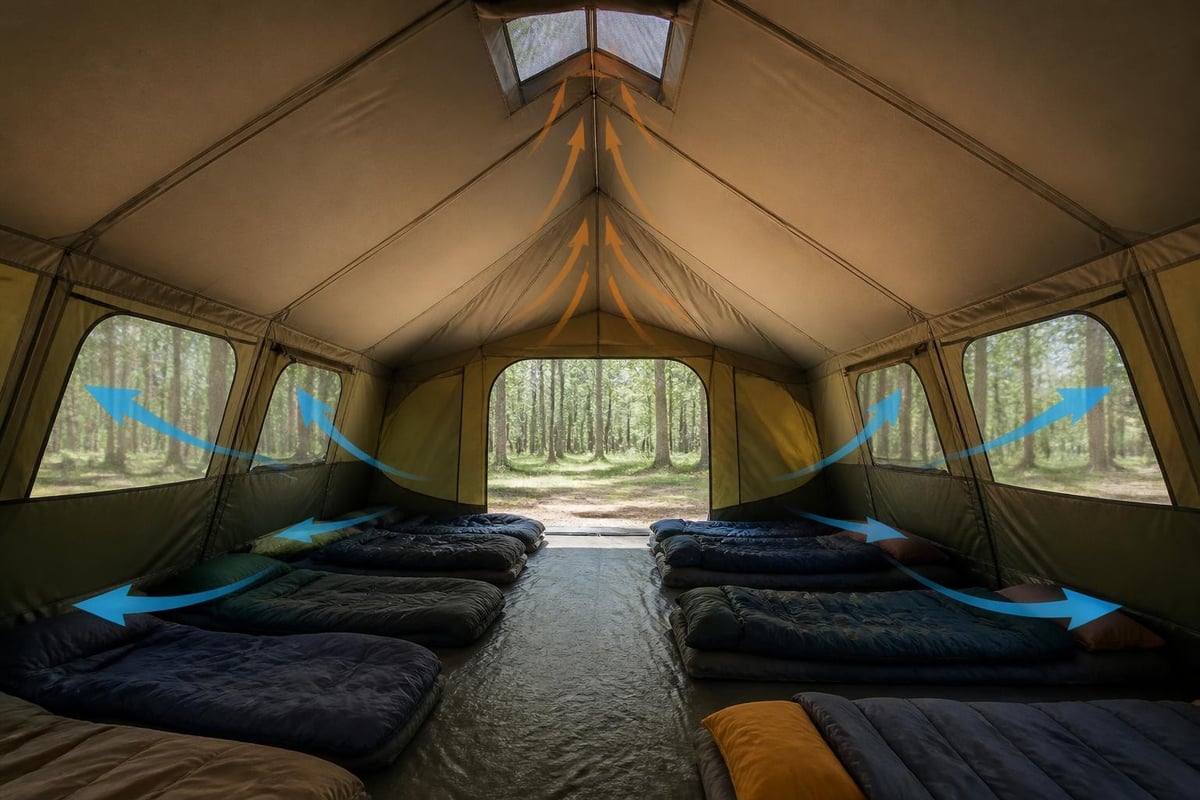
Erecting a twenty person tent demands more time, effort, and coordination than smaller camping shelters. Understanding the setup process helps you plan adequate time and gather necessary helpers.
Most twenty person tents require 3-5 people for efficient setup, though two experienced individuals can manage it given enough time. Budget 45-90 minutes for first-time assembly, decreasing to 30-45 minutes once your team develops familiarity with the specific model.
Typical setup sequence:
Cornell University’s tent permit guidance emphasizes proper anchoring and guy-line tension as critical safety factors for large temporary structures, especially when used for public events.
The large footprint of a twenty person tent limits suitable camping locations. Seek naturally level areas to avoid uncomfortable sleeping angles and water pooling. Avoid low spots that become puddles during rain, even if they appear dry at setup time.
Ground composition matters significantly. Soft soil accepts stakes easily but may not hold under wind stress. Rocky ground provides excellent holding power but makes stake placement difficult. Sandy conditions require specialized stakes or deadman anchors to prevent pullout.
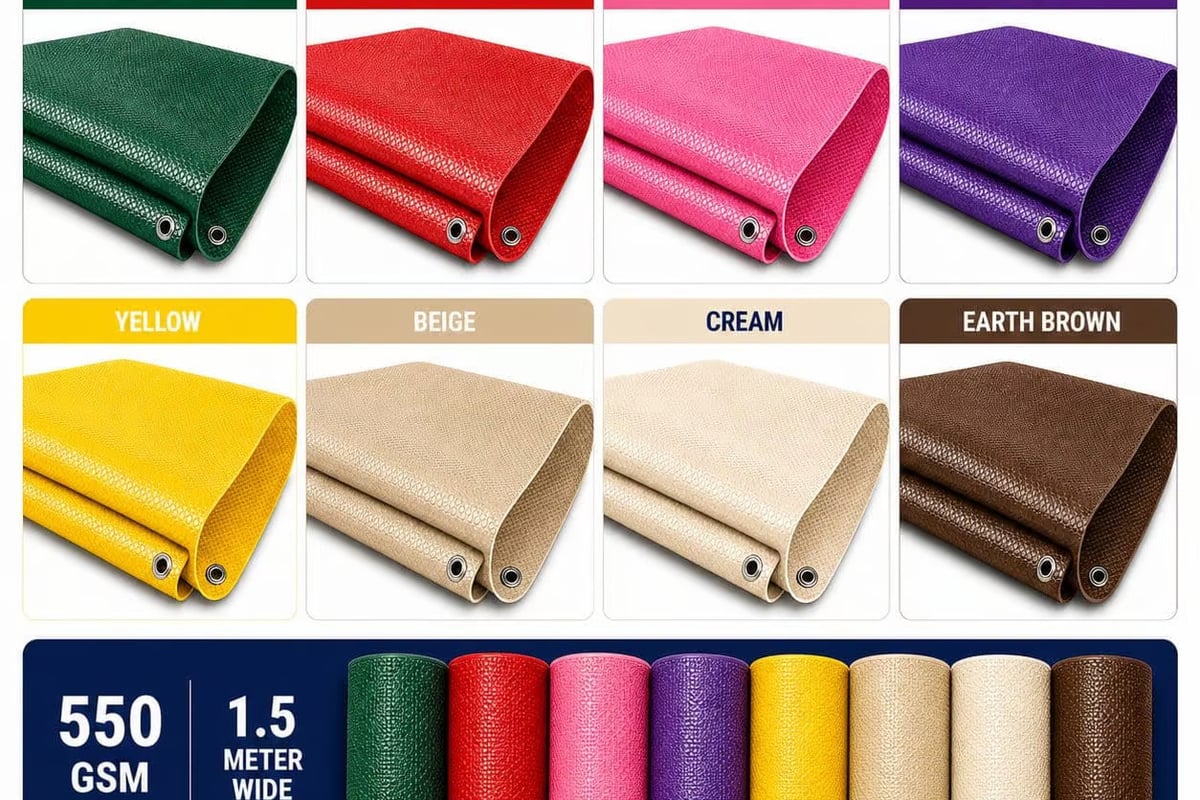
When selecting materials for durability, many experienced campers consider the PVC Fabric 550 GSM specifications that provide waterproof protection suitable for reinforcing vulnerable areas or creating custom ground cloths for large tent installations.
Housing twenty people under one roof creates safety responsibilities that smaller tents don't face. Both fire safety and structural stability require attention when operating at this scale.
A twenty person tent should feature multiple exit points to prevent bottlenecks during emergencies. Look for models with at least two large doors on opposite sides, plus emergency exit windows if available. Keep all exits clear of gear and establish exit procedures with your group.
Flame-retardant fabric treatment provides crucial fire resistance. The Seattle Fire Department provides guidance on flame certificates and safety protocols for event tents, standards that apply equally to large camping shelters. Many jurisdictions require flame-resistance certification for tents exceeding certain sizes.
Fire prevention practices:
Large tents present significant wind resistance. Monitor weather forecasts closely and prepare for approaching storms by reinforcing guy lines and clearing loose items. In severe weather warnings, consider evacuating to hard structures rather than sheltering in the tent.
Lightning safety becomes paramount with large metal-framed tents. These structures attract lightning strikes. During electrical storms, exit the tent and seek shelter in vehicles or buildings. Never touch the tent frame during lightning activity.
Converting the empty shell of a twenty person tent into comfortable living space requires thoughtful organization. Strategic layout decisions maximize usable space while maintaining order among many occupants.
Most groups benefit from creating distinct zones within the tent. Use lightweight divider curtains or hanging sheets to create family sections, separate sleeping from living areas, or establish gender-specific zones for youth groups. Some twenty person tents include factory divider walls with this purpose in mind.
Functional zone suggestions:
Establish traffic patterns that minimize disrupting sleeping occupants. Position the main entrance away from primary sleeping zones when layout allows, and create clear pathways to avoid tripping hazards in darkness.
Twenty people generate substantial gear volume. Designate specific storage areas for different item categories to prevent chaos. Use hanging organizers attached to tent walls for small items like headlamps, phones, and personal effects.
Keep footwear in a designated area near the entrance to minimize tracked-in dirt. Provide a covered vestibule or separate tarp area for muddy boots during rainy conditions. Large waterproof bags or bins organize communal gear like cooking supplies, first-aid equipment, and games.
| Storage Category | Recommended Location | Organization Method |
|---|---|---|
| Personal clothing | Individual sleeping areas | Stuff sacks or bags |
| Footwear | Near entrance | Boot rack or tarp |
| Cooking gear | Designated zone | Waterproof bins |
| Electronics | Elevated location | Hanging organizers |
| First aid supplies | Central, accessible | Marked container |
A twenty person tent performs differently across seasons, requiring adjustments to maintain comfort as conditions change throughout the camping year.
Heat management becomes critical when twenty bodies occupy one space during warm months. Maximize ventilation by opening all mesh windows and doors to create cross-breezes. Set up in shaded areas when possible, or orient the tent to minimize direct sun exposure during peak afternoon hours.
Light-colored tent fabrics reflect more solar radiation than dark colors, keeping interiors cooler. If your tent features a rainfly, consider removing it during dry, hot nights to allow maximum heat escape through the mesh roof, though this sacrifices rain readiness.
Cold-weather camping in a twenty person tent requires additional insulation and heat management. While the body heat from twenty occupants provides surprising warmth, proper preparation prevents condensation and maintains comfort.
Close all ventilation when trying to retain heat, but crack at least one vent to prevent dangerous carbon monoxide buildup if using any fuel-burning heat sources. Never use unvented propane or gas heaters inside tents. Safe heating options include hot water bottles, insulated sleeping bags rated for expected temperatures, and electric heaters if power access exists.
Fairfax County Fire & Rescue tent requirements detail safety protocols for heating temporary structures, emphasizing proper ventilation and fuel separation that apply to cold-weather camping scenarios.
A twenty person tent represents a significant investment, with quality models ranging from moderate to premium pricing. Understanding what drives cost helps identify the best value for your specific usage patterns.
Entry-level twenty person tents start around moderate price points but may sacrifice durability for affordability. These models suit occasional users who camp a few times annually in moderate conditions. Mid-range options offer improved materials and construction, suitable for regular weekend camping or seasonal use.
Premium twenty person tents command higher prices but deliver superior fabrics, reinforced construction, and features like multiple rooms or enhanced weather protection. These investments make sense for frequent users, outdoor education programs, or those requiring reliable performance in challenging conditions.
Quality indicators to evaluate:
The used tent market offers potential savings on twenty person tents, but inspect carefully before purchasing. Examine all seams for separation, test every zipper thoroughly, and check the frame for bends or cracks. Minor fabric repairs prove manageable, but structural frame damage often renders large tents unusable.
Request setup opportunities before finalizing used purchases when possible. Many significant defects only become apparent once the tent is erected. Look for water stains indicating previous leaks, check for mildew odors suggesting improper storage, and verify all poles and stakes are included.
Proper care extends a twenty person tent's functional lifespan from years to decades. Regular maintenance prevents small issues from becoming catastrophic failures during critical use.
Never pack a tent away wet or damp. Moisture trapped during storage promotes mildew growth that permanently damages fabric and creates unpleasant odors. After each trip, set up the tent at home to dry completely before storage, even if this means waiting several days.
Clean the tent annually using mild soap and water, avoiding harsh detergents that strip waterproof coatings. Spot-clean high-traffic areas more frequently to prevent dirt accumulation that abrases fabric. Rinse thoroughly and allow complete drying before storage.
Seasonal maintenance checklist:
Small tears respond well to fabric repair tape or patches when addressed promptly. Keep a repair kit with fabric patches, seam sealer, and extra cord for guy line replacement. Learning basic repairs prevents minor damage from ending camping trips prematurely.
Zipper failures often result from fabric catching in the slider rather than broken zippers themselves. Work carefully to prevent snagging, and replace sliders when they become loose or fail to engage properly. Many outdoor retailers stock replacement zippers for common tent models.
The ASTM D6413 standard test method establishes industry benchmarks for flame-resistance testing of tent fabrics, providing a reference point when evaluating repair materials to ensure replacement fabrics match original specifications.
Successfully camping with twenty people requires more than a large tent. Clear communication and established protocols prevent confusion and conflict.
Distribute tasks among group members before departure. Assign tent setup teams, meal preparation rotations, and cleanup duties. When everyone understands their responsibilities, camp operation flows smoothly.
Create a gear checklist ensuring nothing critical gets forgotten. Distribute heavy items like tent poles and stakes among multiple vehicles to prevent overloading. Establish arrival times allowing adequate daylight for setup.
Large groups benefit from designated quiet hours, meal times, and gathering schedules. Post a simple schedule visible to all participants. Use whistle signals or other methods to gather dispersed group members for meals or activities.
Establish a lost-person protocol before problems occur. Designate meeting points and ensure all participants, especially children, understand procedures if they become separated from the group. Adult supervision ratios matter significantly in large group settings.
Twenty people concentrated in one camping location create substantial environmental impact. Responsible practices minimize your footprint and preserve natural areas for future visitors.
Choose established campsites whenever available rather than creating new impact areas. The concentrated foot traffic from twenty people quickly damages vegetation in pristine areas. Existing sites already bear impact, making them preferable choices for large groups.
Spread sleeping tents across a wider area if using individual shelters rather than one large twenty person tent. This distributes impact across more resilient areas rather than concentrating damage.
Establish clear waste separation systems from the first moment of camp setup. Designate containers for trash, recycling, and compost. Assign rotation duties for waste management to distribute unpleasant tasks fairly.
Pack out everything you pack in, plus any litter discovered at your site. Large groups generate significant waste volume. Plan trash capacity accordingly and compress waste to minimize pack-out volume. Never bury trash or food waste, which attracts animals and takes years to decompose.
A twenty person tent opens possibilities for memorable group camping experiences, family reunions, and outdoor education adventures that smaller shelters cannot accommodate. The investment in quality equipment, combined with proper planning, maintenance, and environmental stewardship, ensures reliable performance across many seasons of use. When you're ready to explore durable outdoor solutions designed specifically for South African conditions, Ejenti Outdoor offers comprehensive options for group camping and outdoor accommodation needs that withstand the demands of large-scale camping adventures.