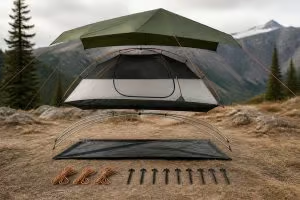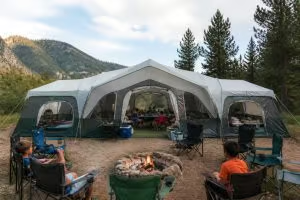


Choosing the right canvas tent company can make the difference between a reliable outdoor shelter and a disappointing purchase. Whether you're outfitting a safari camp, organizing outdoor events, or equipping adventurers for extended camping trips, the canvas tent company you partner with determines the quality, durability, and performance of your outdoor solutions. In 2026, the outdoor industry demands higher standards than ever before, with customers expecting waterproof construction, sustainable materials, and proven performance in challenging conditions. This comprehensive guide explores what separates exceptional canvas tent manufacturers from the rest, helping you make informed decisions for your outdoor needs.
A reputable canvas tent company stands out through its commitment to material quality, manufacturing excellence, and customer support. The foundation of any canvas tent operation lies in fabric selection and treatment processes that determine long-term performance.
Premium canvas tent manufacturers source fabrics with specific GSM (grams per square meter) ratings that match intended applications. Heavy-duty tents typically require 300 GSM or higher ripstop canvas, while lighter applications may use 240-280 GSM materials. The difference isn't just about weight; higher GSM fabrics offer superior tear resistance, better waterproofing retention, and extended lifespan in harsh conditions.
Manufacturing processes separate professional operations from basic tent suppliers. A dedicated canvas tent company implements multiple quality checkpoints throughout production:
These quality control measures ensure every tent leaving the facility meets documented specifications. Companies cutting corners often skip reinforcement steps, use inconsistent stitching tension, or apply inadequate waterproofing treatments that fail within months of use.
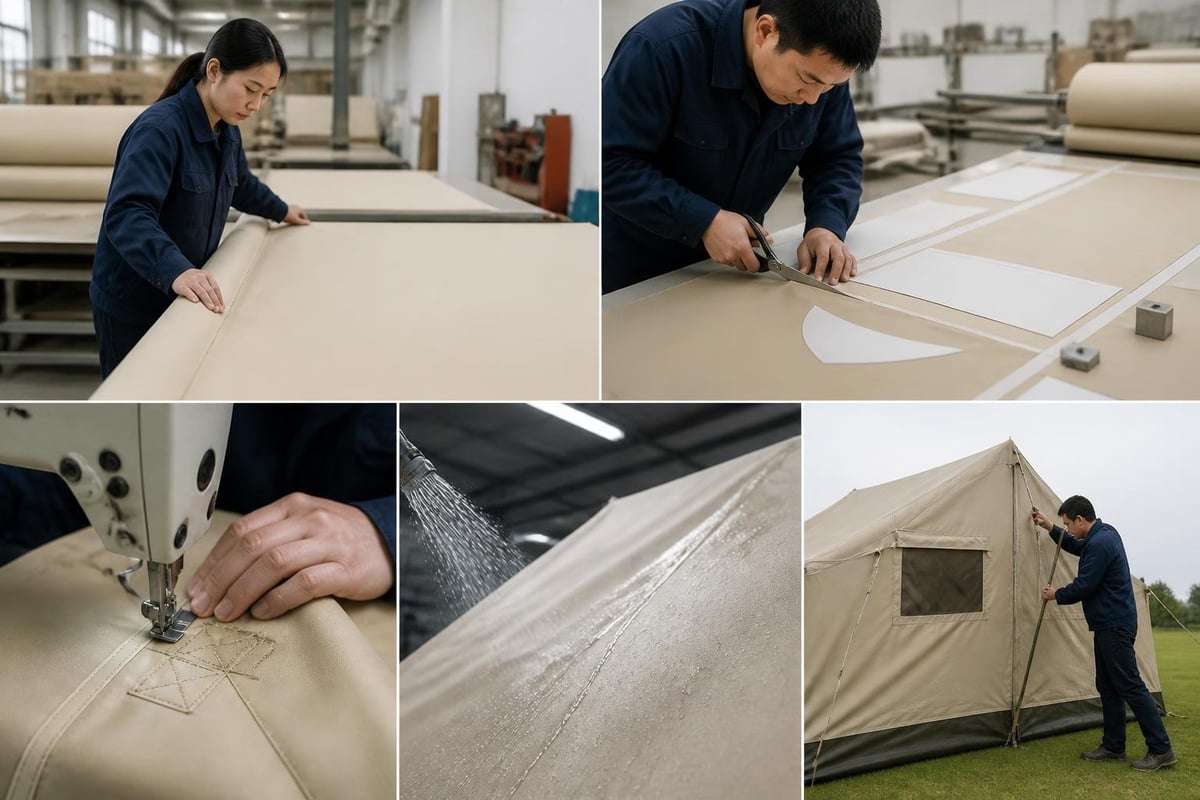
The canvas itself represents the most critical component in any tent system. A professional canvas tent company understands the chemistry and engineering behind fabric treatments that deliver real-world performance.
Cotton canvas remains popular for its breathability and natural insulation properties, but modern treatments have revolutionized its capabilities. Manufacturers apply silicone-based or fluorocarbon waterproofing compounds that penetrate fiber structures without blocking airflow. This dual performance allows moisture vapor to escape while preventing water penetration, a combination synthetic fabrics struggle to match.
| Treatment Type | Water Resistance | Breathability | UV Protection | Lifespan |
|---|---|---|---|---|
| Wax-based | Good | Moderate | Low | 2-3 years |
| Silicone | Excellent | Good | Moderate | 4-5 years |
| Fluorocarbon | Excellent | Excellent | Good | 5-7 years |
| Combined treatments | Superior | Excellent | Excellent | 7-10 years |
Many canvas tent companies now offer hybrid fabrics that blend cotton with synthetic fibers for enhanced performance. These poly-cotton blends typically use 65% polyester and 35% cotton ratios, combining the breathability of natural fibers with the durability and quick-drying properties of synthetics.
Fire retardant treatments represent another crucial consideration, particularly for event and commercial applications. NFPA fire safety requirements specify flame-propagation standards for tents used in public gatherings, requiring certified treatments that meet established safety benchmarks.
Canvas excellence means nothing without proper structural support. A competent canvas tent company designs frame systems that match fabric specifications and intended applications.
Steel frames dominate commercial and semi-permanent installations due to superior strength-to-weight ratios. Galvanized steel resists corrosion in coastal and high-humidity environments, while powder-coated finishes provide additional protection and aesthetic appeal. Frame tube diameter directly correlates with tent size and expected wind loads; professional manufacturers calculate these specifications based on engineering principles rather than guesswork.
Aluminum frames offer portability advantages for camping and mobile applications. Modern aluminum alloys like 6061-T6 provide excellent strength while reducing weight by 40-50% compared to steel equivalents. The trade-off comes in flexibility; aluminum frames bend under loads that steel frames would resist, requiring different design approaches.
Connection methods separate professional frame construction from amateur approaches. Quality canvas tent companies use:
Each connection type serves specific applications, and experienced manufacturers match methodology to use case rather than applying one-size-fits-all solutions.
The ability to customize designs distinguishes versatile canvas tent companies from rigid catalog suppliers. Custom projects require technical expertise, production flexibility, and clear communication throughout the design-to-delivery process.
Leading manufacturers maintain in-house design teams that translate customer requirements into buildable specifications. This capability extends beyond simple size modifications to include:
Production scheduling impacts project timelines significantly. Established canvas tent companies typically quote 4-8 week lead times for standard custom orders, with expedited production available at premium pricing. Seasonal demand affects availability; ordering well ahead of peak camping or event seasons ensures timely delivery.
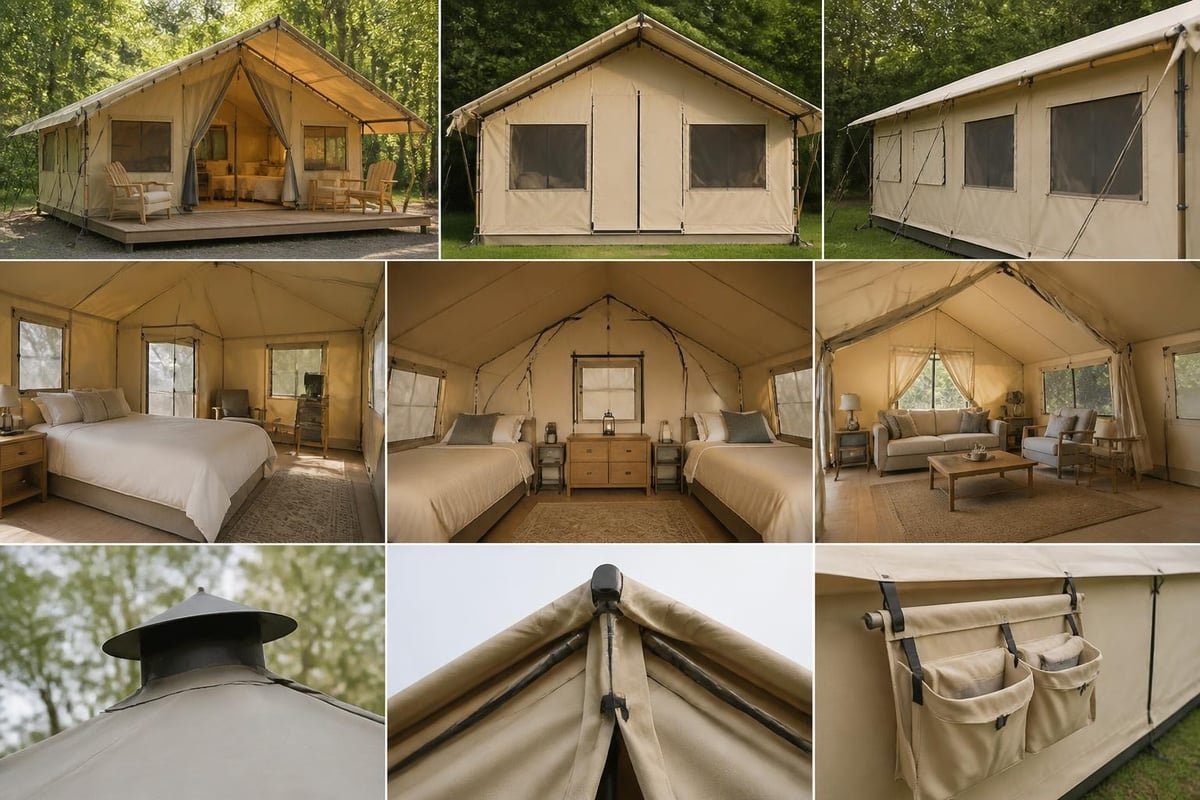
A responsible canvas tent company provides comprehensive guidance on care and maintenance that extends product lifespan. Canvas tents require different maintenance protocols than synthetic alternatives, and manufacturers should educate customers on best practices.
Proper storage prevents the majority of canvas deterioration. Mildew prevention and removal requires completely dry fabric before folding or packing. Even minor moisture trapped in storage leads to mold growth that permanently stains and weakens fibers. Professional suppliers recommend storing canvas in breathable bags rather than sealed plastic containers that trap humidity.
Regular maintenance tasks include:
Reputable manufacturers stock replacement parts including poles, stakes, guy lines, and fabric panels. This parts availability distinguishes companies committed to long-term customer relationships from suppliers focused solely on initial sales.
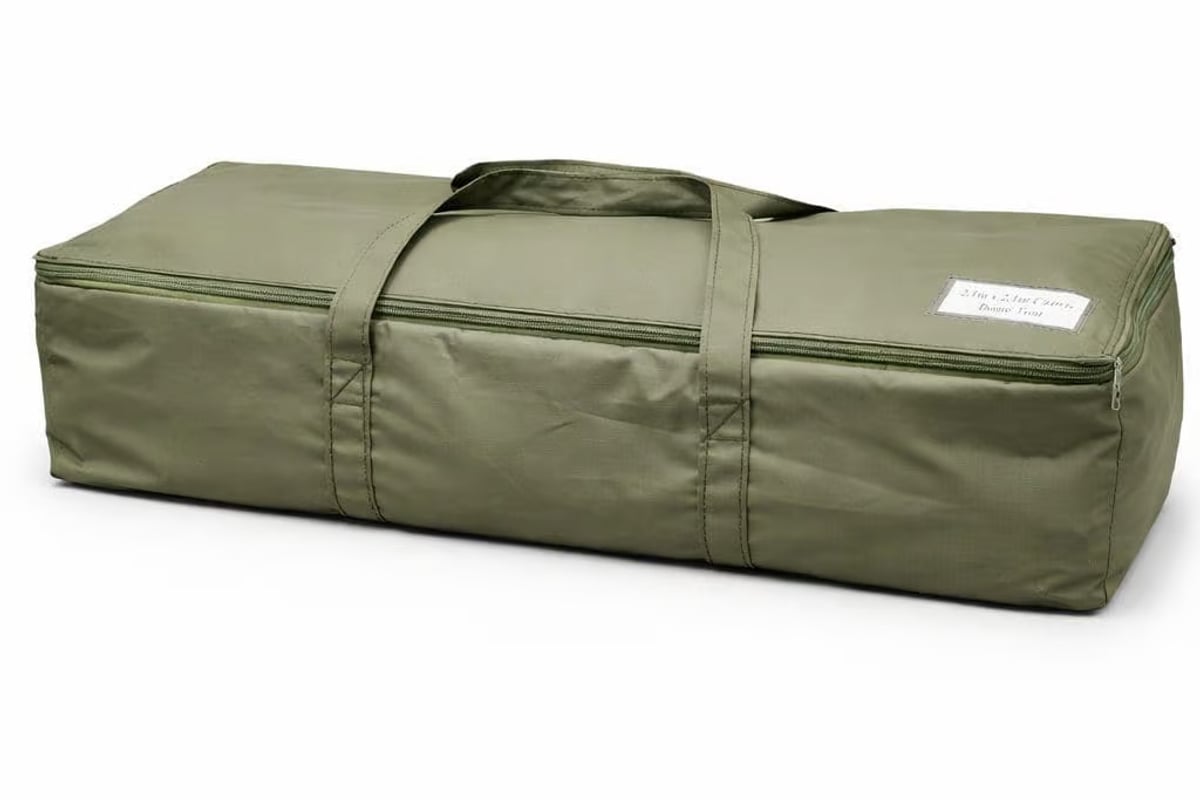
For customers in South Africa looking for reliable outdoor shelter solutions, the Premium Heavy-Duty Canvas Dome Tent exemplifies professional manufacturing standards designed specifically for African climate conditions. Engineered with reinforced stress points and premium waterproofing treatments, this tent demonstrates how quality construction translates to real-world durability.
Canvas tent companies serving commercial markets must understand regulatory requirements that govern temporary structure installations. Event organizers, safari operators, and outdoor hospitality providers face specific compliance obligations that affect tent specifications.
Temporary use permits and installation requirements vary by jurisdiction but generally address structural integrity, fire safety, occupancy limits, and environmental protection. Professional canvas tent suppliers familiar with these regulations can guide customers through compliance processes or design systems meeting specific code requirements.
Commercial applications typically demand enhanced specifications:
| Application | Minimum Canvas Weight | Frame Type | Special Requirements |
|---|---|---|---|
| Event venues | 400 GSM | Steel | Fire certification, anchoring specs |
| Safari lodging | 300 GSM ripstop | Steel/Aluminum | UV protection, ventilation |
| Market stalls | 300 GSM | Aluminum | Quick setup, portability |
| Emergency shelter | 350 GSM | Steel | Weatherproofing, rapid deployment |
Insurance requirements often specify minimum standards for commercial tent installations. A knowledgeable canvas tent company provides documentation verifying that products meet or exceed these standards, including load calculations, material certifications, and compliance test results.
Selecting the right canvas tent company requires systematic evaluation beyond price comparisons. Smart buyers assess multiple factors that indicate long-term reliability and value.
Manufacturing location matters for both quality control and support accessibility. Local manufacturers offer advantages including easier communication, faster delivery, simpler warranty service, and economic benefits to your community. International suppliers may offer lower prices but introduce complications with shipping delays, communication barriers, and complex return processes.
When comparing canvas tent companies, prioritize these assessment areas:
Material transparency includes detailed specifications for fabric weight, treatment methods, and expected performance characteristics. Companies refusing to disclose GSM ratings, waterproof testing results, or fabric composition likely use inferior materials.
Warranty terms reveal manufacturer confidence in product durability. Standard canvas tent warranties cover 1-2 years against manufacturing defects, while premium suppliers extend coverage to 3-5 years. Read warranty fine print carefully, noting exclusions for normal wear, improper use, or inadequate maintenance.
Customer testimonials from verified buyers provide insights into real-world performance. Look for feedback addressing longevity, weather resistance, customer service responsiveness, and whether products meet stated specifications. Companies showcasing only positive reviews or lacking verifiable customer feedback warrant additional scrutiny.
Production capacity determines whether suppliers can meet your timeline and volume requirements. Small operations may offer personalized service but struggle with large orders or tight deadlines. Conversely, high-volume manufacturers sometimes prioritize efficiency over customization flexibility.
Understanding how canvas tent companies structure pricing helps buyers identify fair market rates versus inflated or suspiciously low quotations. Multiple factors influence final costs beyond simple material expenses.
Fabric represents 35-45% of total production costs for quality canvas tents. Frame materials contribute another 20-25%, with labor, overhead, and profit margin comprising the remainder. Companies offering prices significantly below market averages either compromise on materials, cut labor costs through reduced quality control, or operate on unsustainably thin margins that threaten long-term viability.
| Tent Type | Size Range | Expected Price Range (USD) | Key Value Factors |
|---|---|---|---|
| Basic camping | 2-4 person | $300-$600 | Material quality, warranty length |
| Family camping | 6-8 person | $800-$1,500 | Room configuration, ventilation |
| Safari lodge | 3m x 6m | $2,000-$4,000 | Canvas weight, structural engineering |
| Event marquee | 5m x 10m | $3,500-$7,000 | Load capacity, accessories included |
Customization adds 15-40% to base pricing depending on modification complexity. Simple size adjustments or color changes fall on the lower end, while structural modifications, integrated systems, or specialized materials push costs higher.
Volume discounts apply when ordering multiple units. Professional canvas tent companies typically offer 10-15% reductions for orders of 5-10 units, with larger discounts negotiable for bulk commercial orders. These savings make partnering with a single supplier advantageous for outfitters, event companies, or hospitality operators.
Modern consumers increasingly value environmental responsibility and ethical labor practices. Forward-thinking canvas tent companies address these concerns through transparent operations and sustainable choices.
Natural canvas offers inherent sustainability advantages over petroleum-based synthetics. Cotton cultivation does require significant water and agricultural inputs, but biodegradable end-of-life disposal and lower production energy requirements offset these impacts. Some manufacturers now source organic cotton or recycled cotton blends that further reduce environmental footprints.
Progressive canvas tent companies implement:
Transparency in these practices distinguishes genuinely committed operations from those making superficial environmental claims. Look for specific certifications, published sustainability reports, or third-party audits verifying stated practices.
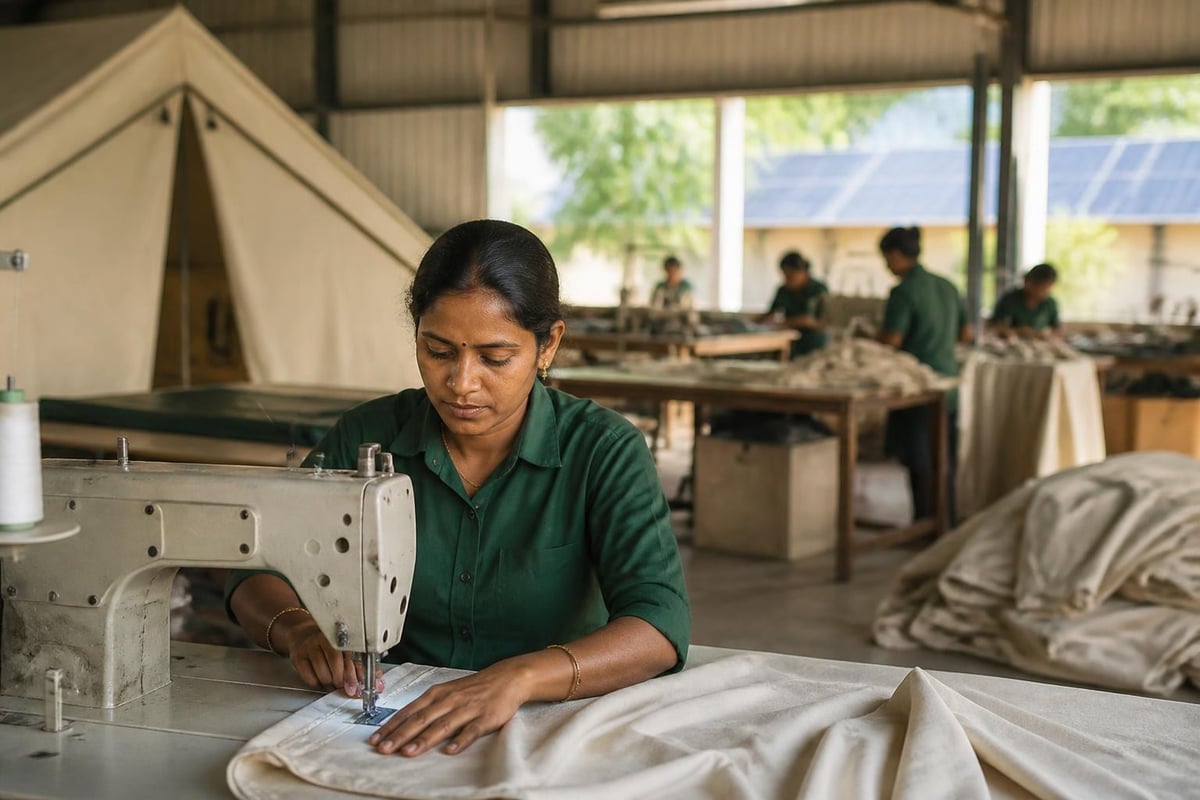
The relationship between customer and canvas tent company shouldn't end at purchase completion. Ongoing technical support proves invaluable for maximizing product performance and lifespan.
Comprehensive setup instructions should accompany every tent, including detailed diagrams, step-by-step procedures, and troubleshooting guidance. Video tutorials supplement written materials effectively, demonstrating proper pitching techniques, guy line tensioning, and seasonal adaptations.
Responsive customer service handles questions, warranty claims, and technical issues promptly. Evaluate potential suppliers by contacting them with pre-purchase questions, noting response times, knowledge depth, and willingness to provide detailed information. Companies that rush through inquiries or provide vague answers likely offer similar service post-purchase.
Repair services extend tent lifespan significantly. Professional canvas tent companies either maintain in-house repair departments or partner with qualified specialists who handle seam repairs, zipper replacements, patch installations, and re-waterproofing treatments. Access to these services transforms minor damage from retirement-inducing failures into simple fixes.
Geographic location profoundly impacts tent specification requirements. A canvas tent company serving diverse markets should offer regional expertise and adapted designs.
Coastal environments demand enhanced corrosion protection for frame components and superior waterproofing for constant humidity exposure. UV protection becomes critical in high-altitude or equatorial regions where intense sunlight rapidly degrades untreated fabrics. Cold-climate applications require snow load calculations, insulation options, and condensation management features.
South African conditions present unique challenges including intense UV exposure, dramatic temperature swings, and seasonal rainfall variations. Manufacturers familiar with these specific demands engineer appropriate solutions rather than offering generic products designed for different climates. For comprehensive outdoor solutions tailored to African conditions, explore the full range at Ejenti Outdoor.
Wind resistance specifications vary by installation location. Open plains require lower profiles and stronger anchoring systems than sheltered forest sites. Professional suppliers calculate wind load requirements based on local weather data and installation conditions, ensuring adequate safety margins.
The canvas tent industry continues evolving with material science advances and changing customer expectations. Leading canvas tent companies invest in research and development that drives product improvements.
Smart fabric technologies now integrate sensors monitoring internal temperature, humidity levels, and structural stress. These systems connect to mobile applications providing real-time data and maintenance alerts. While still emerging, such innovations will likely become standard features in premium tent lines within the next few years.
Hybrid construction methods combine traditional canvas benefits with modern material advantages. Examples include reinforced stress panels using ripstop synthetics within cotton canvas bodies, or aluminum frame sections replacing specific steel components for weight reduction without compromising overall strength.
Modular design approaches allow tent systems to expand or reconfigure based on changing needs. Interconnecting panels, removable partitions, and standardized attachment points create flexible platforms adapting to different group sizes or functional requirements. This versatility particularly benefits commercial operators serving varied customer needs with limited inventory.
Selecting a canvas tent company impacts not just your initial purchase but years of outdoor experiences and operational success. The right manufacturing partner delivers quality materials, expert construction, comprehensive support, and products engineered for your specific conditions and applications. Whether you need reliable camping shelters, professional event infrastructure, or safari accommodation, partnering with experienced specialists ensures your investment performs as expected. Ejenti Outdoor manufactures durable canvas tents and outdoor solutions specifically designed for South African conditions, combining local expertise with proven materials and construction methods that deliver lasting value.